
landmark
Gyeongbokgung Palace
Joseon's main palace. Arrive at 10:00 or 14:00 to see the guard changing ceremony at Gwanghwamun Gate.
South Korea
High-density transit meets late-night concrete geography.
Seoul splits cleanly along the Han River. Subway Line 2 loops the major commercial nodes, carrying millions between high-rise office clusters and low-slung alleyways. You navigate by subterranean transit hubs and visible mountain peaks. Expect high urban density, steep topography, and late operating hours.
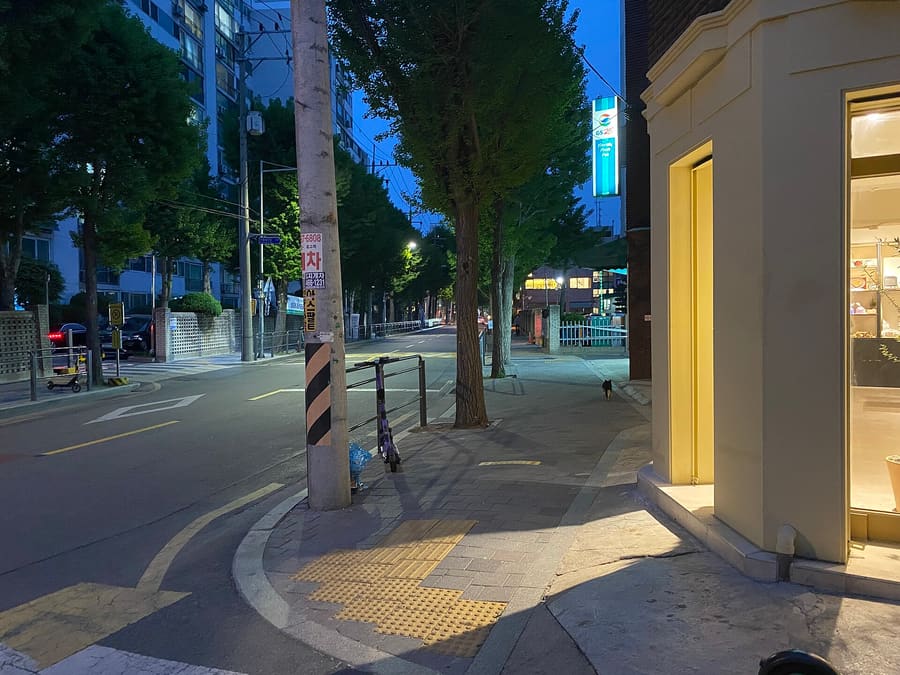
Seongsu-dong — Former industrial shoe-making district transformed into boutique retail spaces and specialty coffee roasters.
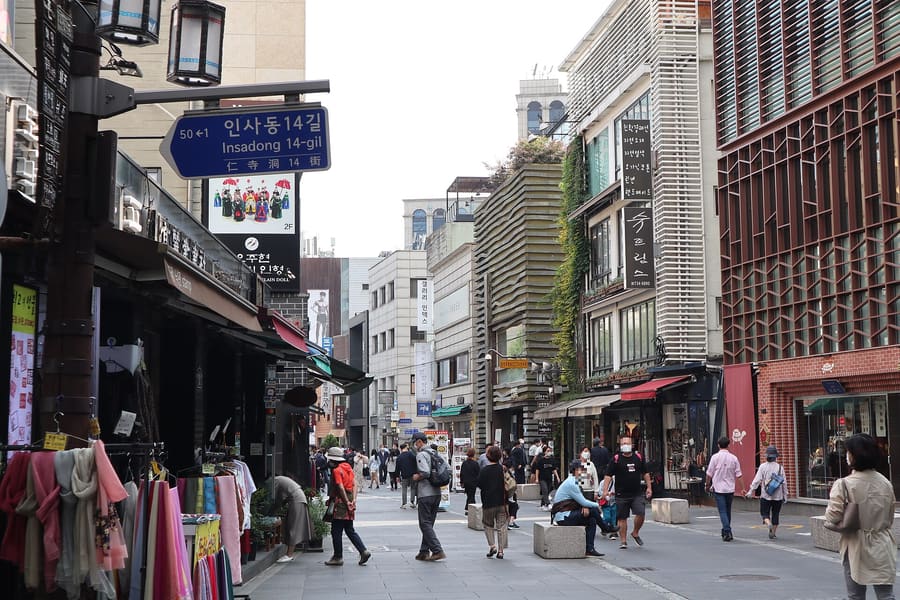
인사동 — Walkable district centered around tea houses, antique galleries, and traditional craft markets.
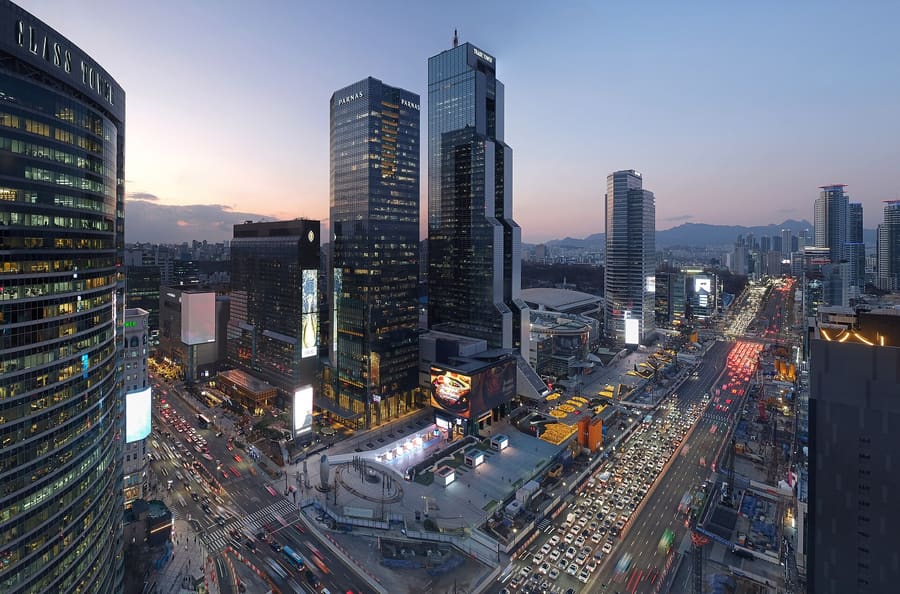
강남구 — Commercial district with wide avenues, corporate towers, and underground shopping networks.
Samgyeopsal cooking over charcoal grill in a local restaurant.
01
landmark
Joseon's main palace. Arrive at 10:00 or 14:00 to see the guard changing ceremony at Gwanghwamun Gate.
neighborhood
Residential alleyways of preserved timber homes. Keep quiet, as residents strictly enforce quiet hours.
landmark
Centuries-old market famous for freshly fried bindaetteok. Cash or local bank transfers are preferred by stallholders.
landmark
Zaha Hadid's neofuturistic metal complex. Underground exhibition spaces stay illuminated late into the night.
landmark
8th-century Buddhist temple standing opposite the COEX center. Offers short temple stay programs.
02
03
University-adjacent nightlife hub filled with street fashion, live music venues, and late-night bars.
NearbyPuts you three subway stops from Yeouido and direct on the AREX airport line.
Ask ParleyFormer industrial shoe-making district transformed into boutique retail spaces and specialty coffee roasters.
NearbySits directly north of Seoul Forest park along Line 2.
Ask ParleyWalkable district centered around tea houses, antique galleries, and traditional craft markets.
NearbyWalking distance to Gyeongbokgung Palace and Changdeokgung Palace.
Ask ParleyCommercial district with wide avenues, corporate towers, and underground shopping networks.
NearbyDirectly south across the river from Seongsu and Namsan.
Ask Parley04
Seoul dining revolves around single-dish specialization, shared cooking, and late-night drinking places. Most local eateries focus on doing one item well, from cold buckwheat noodles to charcoal-grilled pork belly. Diners cook meat at built-in table grills or share large simmering pots of stew. Side dishes, known as banchan, arrive automatically and refill without added charges.
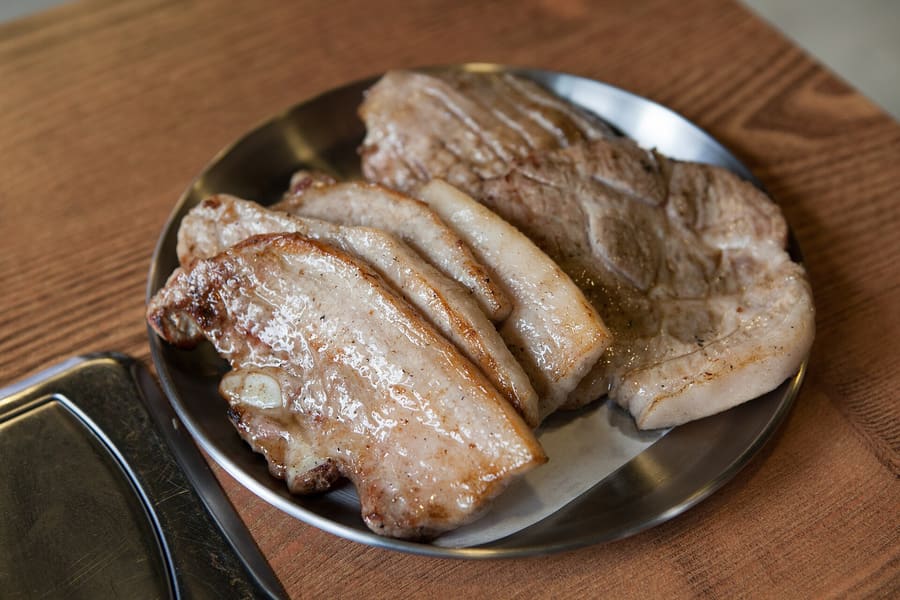
Samgyeopsal cooking over charcoal grill in a local restaurant.
Barbecue restaurants require a minimum order of two meat portions, even if you eat alone.
Tent bars around Jongno 3-ga open after dusk, serving stir-fried seafood and cold drinks.
Look for central condiment tables in casual diners to refill kimchi and radish slices yourself.
05
Seoul emerged as South Korea's political heart when King Taejo established the Joseon Dynasty capital here in 1394. The city layout was calculated around mountain ridges and defensive walls. Twentieth-century war and rapid economic development rebuilt the cityscape into dense vertical clusters.
Capital of Joseon
King Taejo moves the royal capital to Hanyang, building Gyeongbokgung Palace and city defensive walls.
Colonial Transformation
Japanese colonial rule introduces modern transit grids and demolishes sections of the city wall.
Korean War
Heavy fighting destroys vast areas of the city, requiring complete post-war urban reconstruction.
Summer Olympics
Hosting the Games drives massive riverbank redevelopment and suburban subway expansion.
06
Choose your accommodation based on subway line access rather than geographical distance. The Han River creates a physical divide, so stay north of the river if you want historic sites and traditional markets, or stay south if you need luxury retail and corporate offices.
Highly rated hotels in Seoul.


07
The Seoul Metropolitan Subway system covers the entire city with color-coded lines and English signage. Trains run from 05:30 until approximately midnight. Tap a T-money card on entry and exit across all subway lines and city buses to receive automatic transfer discounts.
From Incheon International Airport (ICN)
Non-stop AREX Express train directly to Seoul Station with assigned seating.
Commuter AREX All-Stop train stopping at 14 stations along the route.
Limousine buses serve major hotels directly with dedicated luggage space.
Metered fare plus highway tolls; late-night surcharges apply after 22:00.
Buy a transit card at any airport convenience store and load cash onto it before boarding trains.
You have 30 minutes to transfer between subway lines and buses without paying a new base fare.
Leave marked courtesy seats at the end of subway cars open for elderly or pregnant passengers.
Subway operations stop around midnight. Use late-night 'N-Buses' or taxicab apps after hours.
08
Seoul offers exceptional value for public transportation and informal street food. Sit-down meals range from cheap single-dish diners to high-end dining in Gangnam.
Covers your first 10 km on any subway line using a transit card.
Price for a fresh mung bean pancake or dish of tteokbokki at market stalls.
Standard price for one 150g-200g serving of samgyeopsal at barbecue joints.
Standard cost at independent coffee shops in central neighborhoods.
09
MAR – MAY
Clear spring skies and cherry blossoms. Book accommodations early for peak bloom in early April.
JUN – AUG
High summer heat and heavy monsoon rains in July. Underground shopping centers provide shelter.
SEP – NOV
Cool temperatures and dry weather make autumn ideal for urban hiking and sight-seeing.
DEC – FEB
Freezing winter winds and sub-zero temperatures. Major outdoor sites are quiet.
10
Subway ticket machines and convenience store card top-ups require physical cash notes.
Public waste bins are sparse on streets. Carry personal trash to subway station sorting areas.
The National Museum of Korea and royal palaces offer free entry on the last Wednesday of each month.
Independent coffee shops rarely open before 10:00 in morning commercial zones.
Free public Wi-Fi networks cover almost all subway cars and municipal bus stops.
Contents
Your trip
Going to Seoul?
Tell Parley when you’re going and what you enjoy, and it plans the days around this guide.
Plan with Parley


