
landmark
Temple of Apollo
Five standing Corinthian columns mark the edge of the sea. Visit at sunset when the marble reflects the Mediterranean.
Türkiye
Roman ruins meet resort coast on a narrow Mediterranean spit.
Side sits on a flat limestone spit jutting into the Pamphylian Gulf. You walk through a 2nd-century Roman city gate directly into a functioning town of shops, restaurants, and active excavations. Sandy beaches line both sides of the neck, while the south tip holds white marble temples. Cars are banned in the historic core, so you move on foot or by electric shuttle.
01
landmark
Five standing Corinthian columns mark the edge of the sea. Visit at sunset when the marble reflects the Mediterranean.
landmark
Statues of Roman deities displayed inside converted 5th-century bath halls. The shaded courtyard provides mid-day relief.
landmark
Wide, low cascades on the Manavgat River 8 kilometres inland. Take the local dolmuş minibus from Side central station for ₺30.
02
03
Pedestrian stone alleys, open-air Roman ruins, and harbor restaurants built over glass floor excavation pits.
NearbyTemple of Apollo and Side Theater
Ask ParleyHigh-end resort enclaves set among pine forests with mixed sand and pebble shorelines.
NearbyTitreyengöl lake and Manavgat river
Ask ParleyA quiet freshwater lake district surrounded by mid-scale hotels and riverfront walking trails.
NearbyManavgat River estuary
Ask ParleyShallow sandy shores lined with family resorts and a paved coastal walking promenade.
NearbySide Old Town
Ask Parley04
Eating in Side revolves around fresh Mediterranean fish and regional Anatolian specialties. Local taverns near the harbor serve red mullet, sea bass, and grilled octopus caught along the coast. In the streets just behind the water, bakeries bake pide flatbreads topped with minced lamb or local goat cheese.
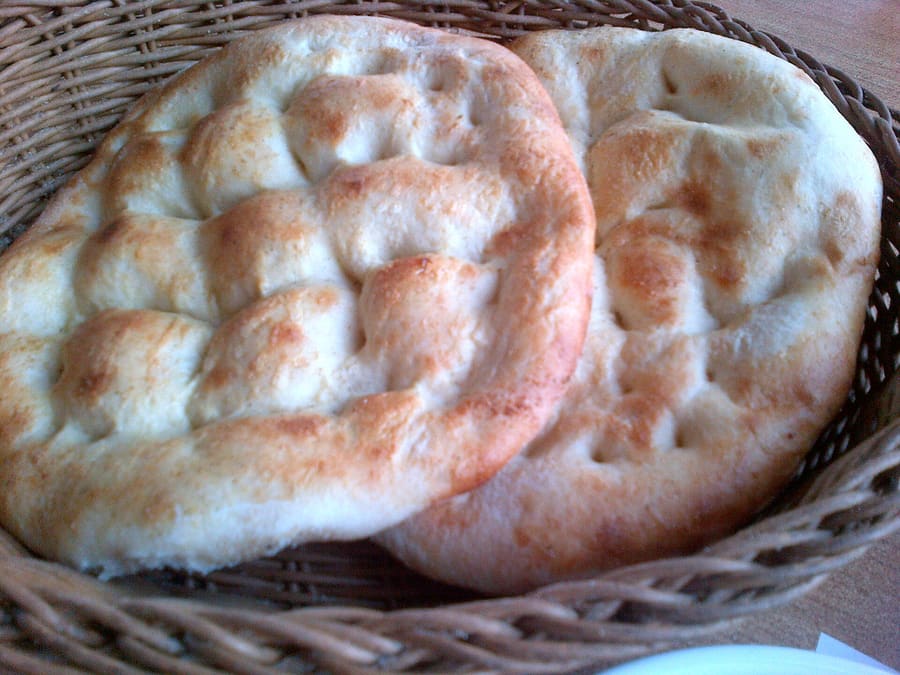
Freshly baked pide served at a traditional local lokanta.
Seafood restaurants near the tip charge premium prices for the temple view. Check the price per kilogram at the display counter before ordering fish.
Mondays and Thursdays bring local farmers to nearby Manavgat. Search the food stalls for regional olive oils, pomegranates, and fresh figs.
Traditional lokantas along the D400 serve hot mercimek (lentil) soup around the clock for late arrivals.
05
Side served as Pamphylia's principal port in antiquity, thriving on maritime trade and slave markets. Controlled successively by Alexander the Great, the Seleucids, and Cilician pirates, the city flourished under Roman rule from the 1st century BCE. Earthquakes and coastal siltation eventually forced its abandonment until Cretan refugees resettled the ruins in 1895.
Greek Settlement
Aeolian Greeks establish Side as a trading port. The local Pamphylian dialect remains distinct for centuries.
Cilician Pirate Base
Side becomes a major regional slave-trading market and anchorage for Cilician Mediterranean pirates.
Roman Golden Age
Under Roman rule, Side prospers. City walls, the 15,000-seat theater, and aqueducts are constructed.
Arab Raids & Decline
Naval raids and harbour siltation force residents to abandon the grand Roman metropolis.
Resettlement
Turkish refugees from Crete build Selimiye village inside the ruins, laying the groundwork for modern Side.
06
Choose your stay based on how you want to spend your days: boutique atmospheric stays inside ancient walls, or all-inclusive resorts on the sand.
07
Side's historical core is completely pedestrianized. Getting into town relies on dolmuş minibuses, taxis, or airport shuttles.
Minibuses connect Side central station to Manavgat, Kumköy, and Titreyengöl every 10–15 minutes until late evening.
Dolmuş drivers take cash in Turkish Lira or Euros. Exact lira change avoids rounded exchange rate surcharges.
The historic peninsula measures 1 kilometre end to end. Ancient stone streets require flat, sturdy walking shoes.
08
Prices in Side vary sharply between the tourist-heavy peninsula and nearby residential Manavgat.
09
MAR – MAY
Mild weather with temperatures around 20–25°C. Wildflowers bloom among ancient ruins and sightseers avoid summer heat.
JUN – AUG
Peak summer brings temperatures above 35°C and warm sea waters. Mid-day ruin exploration becomes uncomfortably hot.
SEP – OCT
Ideal balance of 28°C sea temperatures and manageable daytime sun. Ruins are comfortable to explore by late afternoon.
NOV – FEB
Quiet low season with cooler rain showers. Many resort hotels close, but historic pensions stay open at discounted rates.
10
The Roman ruins offer almost no tree shade. Bring a wide hat, sunscreen, and water when visiting mid-day.
Boutiques in Old Town press aggressively for sales. A polite 'Hayır, teşekkürler' stops persistent shopkeepers.
Major restaurants and hotels take cards, but smaller dolmuş drivers and beach stalls require cash Lira.
West Beach has gentle sloping sands suited for swimming, while East Beach drop-offs feature stronger currents.
Contents
Your trip
Going to Side?
Tell Parley when you’re going and what you enjoy, and it plans the days around this guide.
Plan with Parley


