

landmark
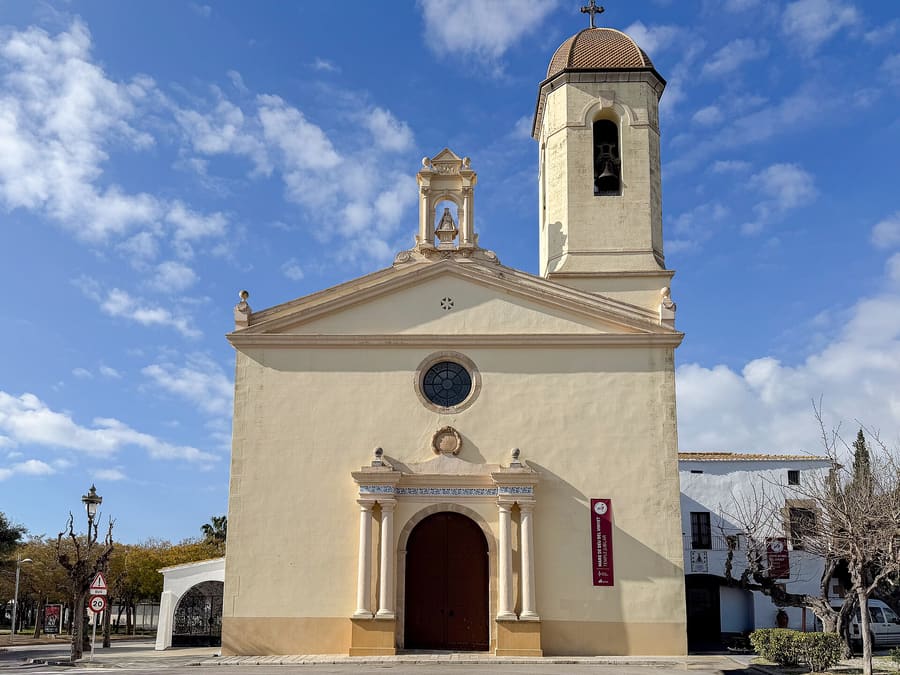
Sant Bartomeu i Santa Tecla
The 17th-century parish church sitting above Baluard square. Visit early morning before tour groups crowd the steps.
Spain
Modernisme architecture, urban beaches, and coastal wine
Sitges sits thirty-five kilometres south of Barcelona between the Garraf Massif and the Mediterranean. You walk everywhere along a flat coastal strip anchored by a hilltop seventeenth-century church. The town blends a nineteenth-century art sanctuary with seventeen distinct beaches and year-round festival energy. Expect high summer prices and busy weekend trains from the Catalan capital.
Sant Sebastià — A former fishermen quarter fronting a sheltered bay east of the headland.
Vinyet — Residential green district lined with early 20th-century villas and wide avenues.
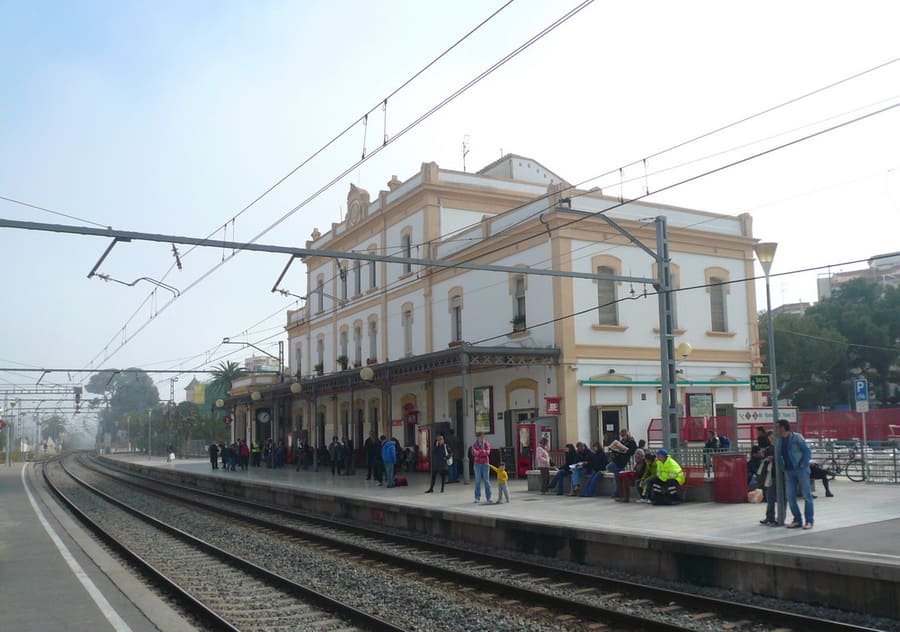
Poble Sec — Working neighborhood behind the railway lines with everyday local service shops.
Xató salad served with anchovies, salt cod, and nut-and-pepper sauce.
01
landmark
The 17th-century parish church sitting above Baluard square. Visit early morning before tour groups crowd the steps.
landmark
Former home of artist Santiago Rusiñol housing Modernisme wrought iron and glass. Combined tickets save money with Maricel.
landmark
Art gallery spanning Romanesque to 20th-century Catalan sculpture. The seaside arcade offers clear views of the coast.
landmark
Framed beach east of the church with calm water and seafood terraces. Sun loungers sell out by midday in July.
landmark
Palatial residence built in 1910 featuring elaborate tilework. Guided tours operate on selected days only.
02
03
Narrow pedestrian alleys, stone steps, and late-night bars near the church.
NearbyCau Ferrat, Sant Bartomeu, Platja de la Ribera
Ask ParleyA former fishermen quarter fronting a sheltered bay east of the headland.
NearbyPlatja de Sant Sebastià, Baluard, Port d'Aiguadolç
Ask ParleyResidential green district lined with early 20th-century villas and wide avenues.
NearbyPlatja del Terramar, Passeig Marítim
Ask ParleyWorking neighborhood behind the railway lines with everyday local service shops.
NearbySitges Railway Station, Mercat Municipal
Ask Parley04
Sitges dining centers on Xató, a traditional salad made with curled endive, salt cod, tuna, anchovies, and Arbequina olives. The dish relies on its smooth sauce crafted from toasted almonds, hazelnuts, nyora peppers, garlic, olive oil, and vinegar. Pair it with Malvasia de Sitges, a historic sweet and dry white wine variety saved from extinction by local vineyards in the 20th century.
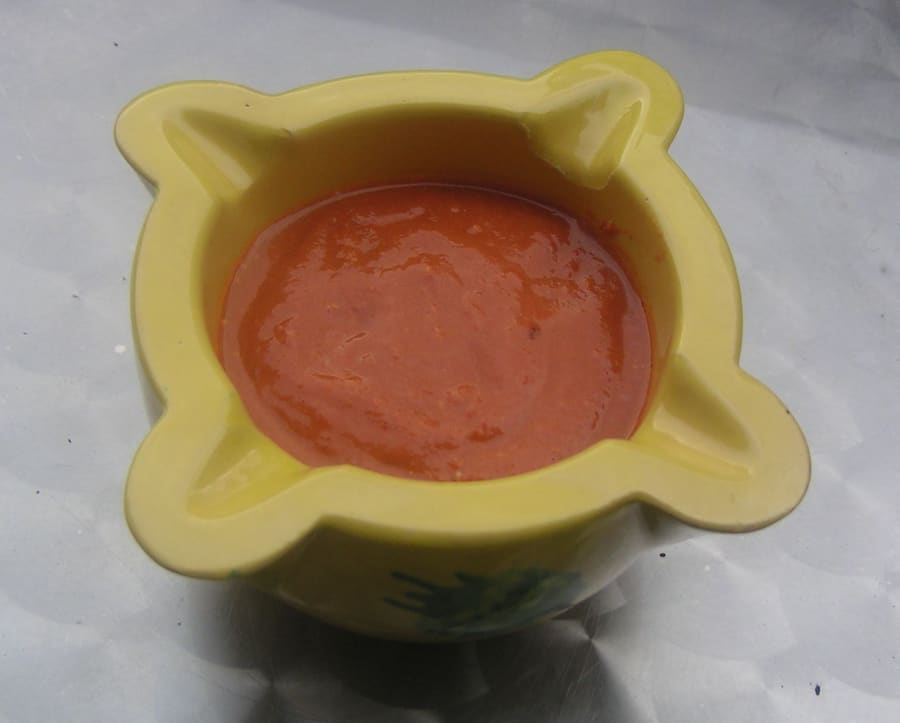
Xató salad served with anchovies, salt cod, and nut-and-pepper sauce.
Local restaurants serve the fresh endive salad mostly during colder months, though tourism venues carry it year-round.
Sitges kitchens open for lunch at 13:30 and peak at 14:30. Dinner service rarely begins before 20:30.
Visit the Centre d'Interpretació de la Malvasia to taste authentic urban-harvested sweet wines directly from historical cellars.
05
Sitges shifted from an 18th-century fishing village to a Modernisme cultural hub when painter Santiago Rusiñol settled here in the 1890s. Returned American emigrants, known as 'Americanos', built opulent mansions throughout the town using wealth accumulated in Cuba. The town later evolved into Spain's pioneer countercultural and LGBTQ+ resort destination during the mid-20th century.
Rusiñol buys Cau Ferrat
Artist Santiago Rusiñol converts two fishermen's houses into a sanctuary for Modernisme gatherings and art.
Americano expansion
Industrialist Charles Deering partners with Miquel Utrillo to construct the sprawling seafront Palau de Maricel.
LGBTQ+ hub established
Sitges emerges as a premier Mediterranean resort town welcoming gay travellers from across Europe.
06
Choose your hotel based on noise tolerance and beach proximity. The seafront promenade puts you steps from the water but commands peak pricing. The Old Town places you directly above nightlife lanes, while Vinyet offers quiet garden villas a short walk from central sights.
Highly rated hotels in Sitges.


07
Sitges is entirely walkable. You do not need a car inside town limits because narrow streets and pedestrianized zones make driving impractical. Regional Rodalies trains connect you directly to Barcelona city center and regional coastal towns.
From Barcelona-El Prat Airport (BCN)
Monbus e16 runs hourly from T1. Board directly outside arrivals.
Requires changing trains at El Prat de Llobregat onto Rodalies line R2 Sud.
Standard metered rates increase after 20:00 and on weekends.
Trains run every 15–30 minutes to Barcelona Passeig de Gràcia and Sants stations.
Cars are banned on key shopping streets like Carrer de les Parellades and Carrer Major.
08
Sitges carries higher food and lodging prices than average Catalan towns due to proximity to Barcelona. Restaurant prices drop noticeably once you walk two blocks inland from the promenade.
Daily fee per sun lounger on central beaches during June–September.
Three-course lunch menu including drink, served weekdays 13:00–16:00.
Standard price in town bars; expect upper limits on beachfront terraces.
09
MAR – MAY
Mild spring weather ideal for sight-seeing. Sea temperature remains too chilly for swimming.
JUN – AUG
Hot days, crowded beaches, and peak nightlife. Accommodation rates reach annual high points.
SEP – OCT
Warm waters and thinner crowds. October brings the Sitges International Film Festival crowd.
NOV – FEB
Quiet winter season. Many beach bars close, but Xató season opens across local restaurants.
10
Platja de las Balmins and Platja de l'Home Mort are dedicated clothing-optional beaches.
Independent shops close for afternoon siesta between 14:00 and 17:00.
February's Carnaval draws over 250,000 visitors. Expect blocked streets and filled trains.
Contactless cards are accepted in almost all restaurants, bars, and taxis.
Pay attention to green, yellow, and red beach flags indicating current swimming safety.
Contents
Your trip
Going to Sitges?
Tell Parley when you’re going and what you enjoy, and it plans the days around this guide.
Plan with Parley


