landmark
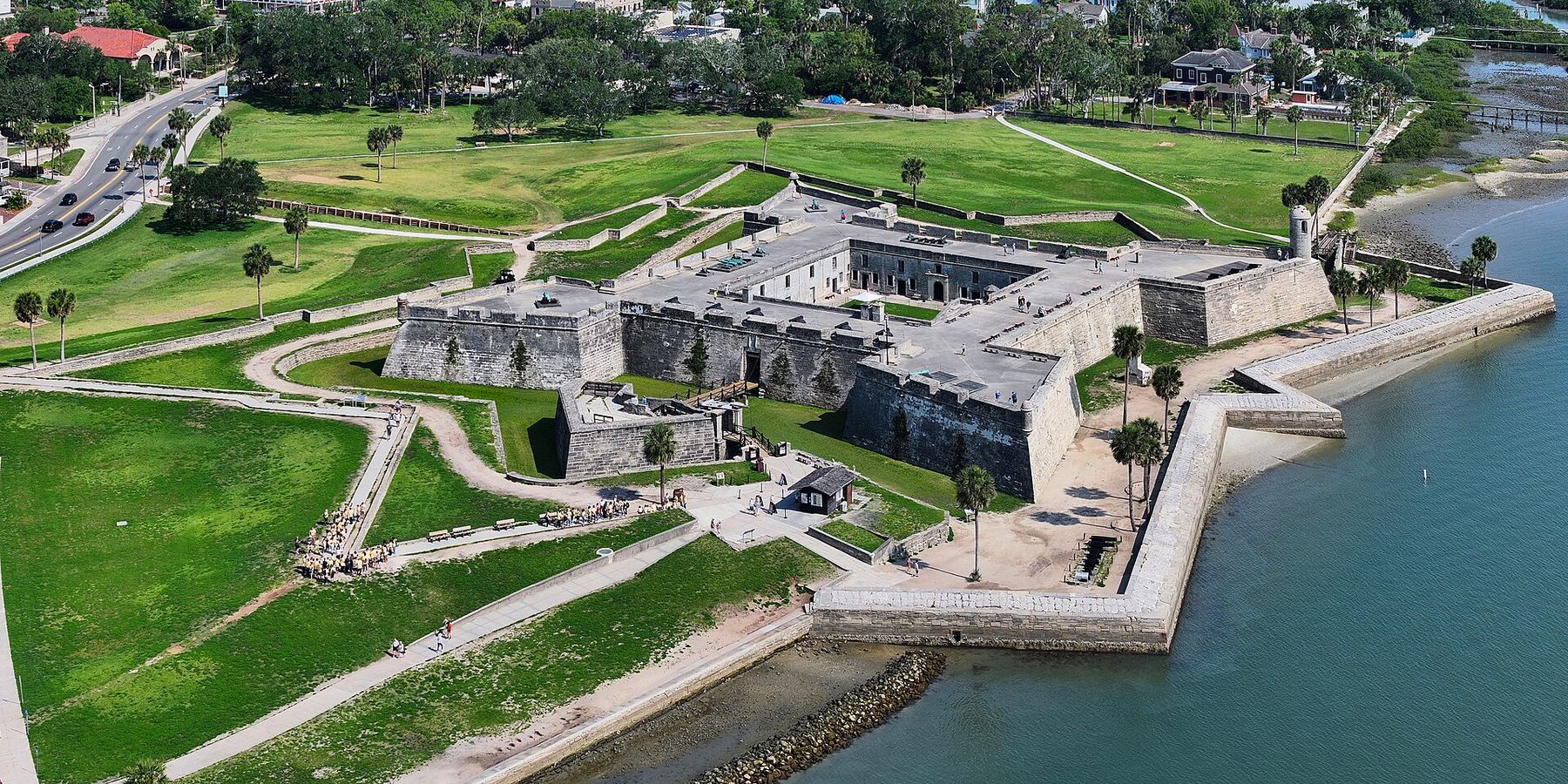
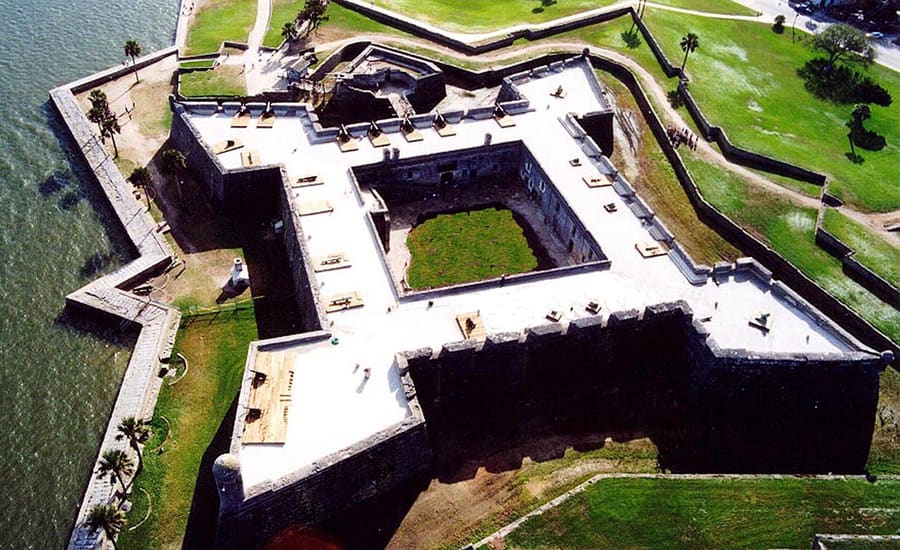
Castillo de San Marcos
Built from coquina stone that absorbs cannon fire. Buy tickets online to skip the main ticket booth line.
Ask ParleyUnited States
Spain’s North American foothold, built on coquina stone.
introduction
St. Augustine is the oldest continuously inhabited European settlement in the contiguous United States. Its historic center is compact enough to navigate entirely on foot. Expect 17th-century masonry, brick paved streets, and heavy tourist crowds along St. George Street.
Fly into Jacksonville
Jacksonville International Airport (JAX) sits 50 miles north. Renting a car at the airport is cheaper than taking a taxi or rideshare.
Oldest European city in USA
Pedro Menéndez de Avilés founded the town in 1565. Castillo de San Marcos is the continent's oldest masonry fort.
St. Augustine
conboslice101 · CC BY 2.0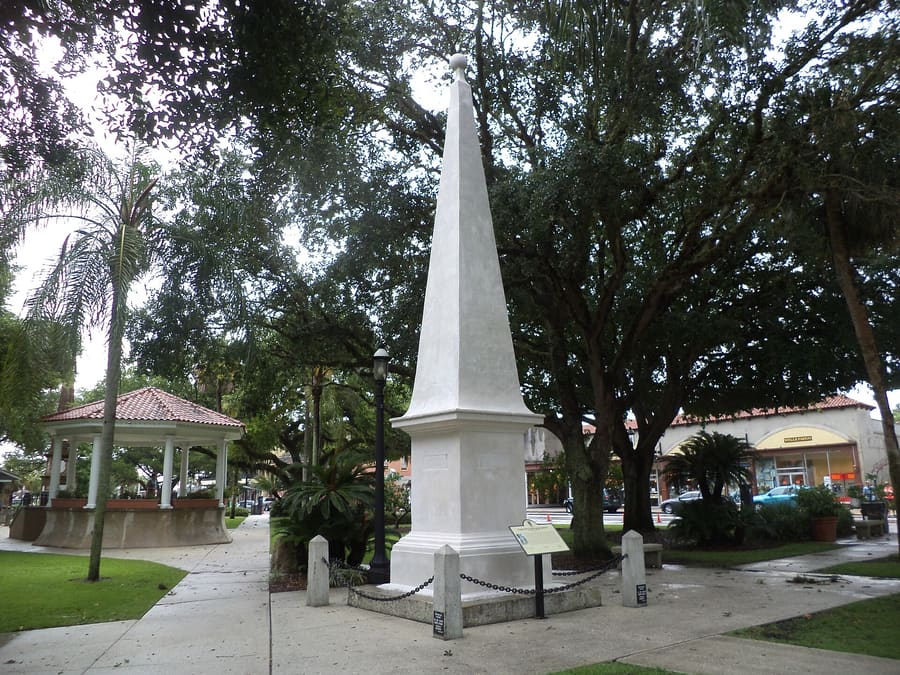
Historic Downtown — Brick streets, Spanish colonial architecture, and dense foot traffic.
Michael Rivera · CC BY-SA 3.0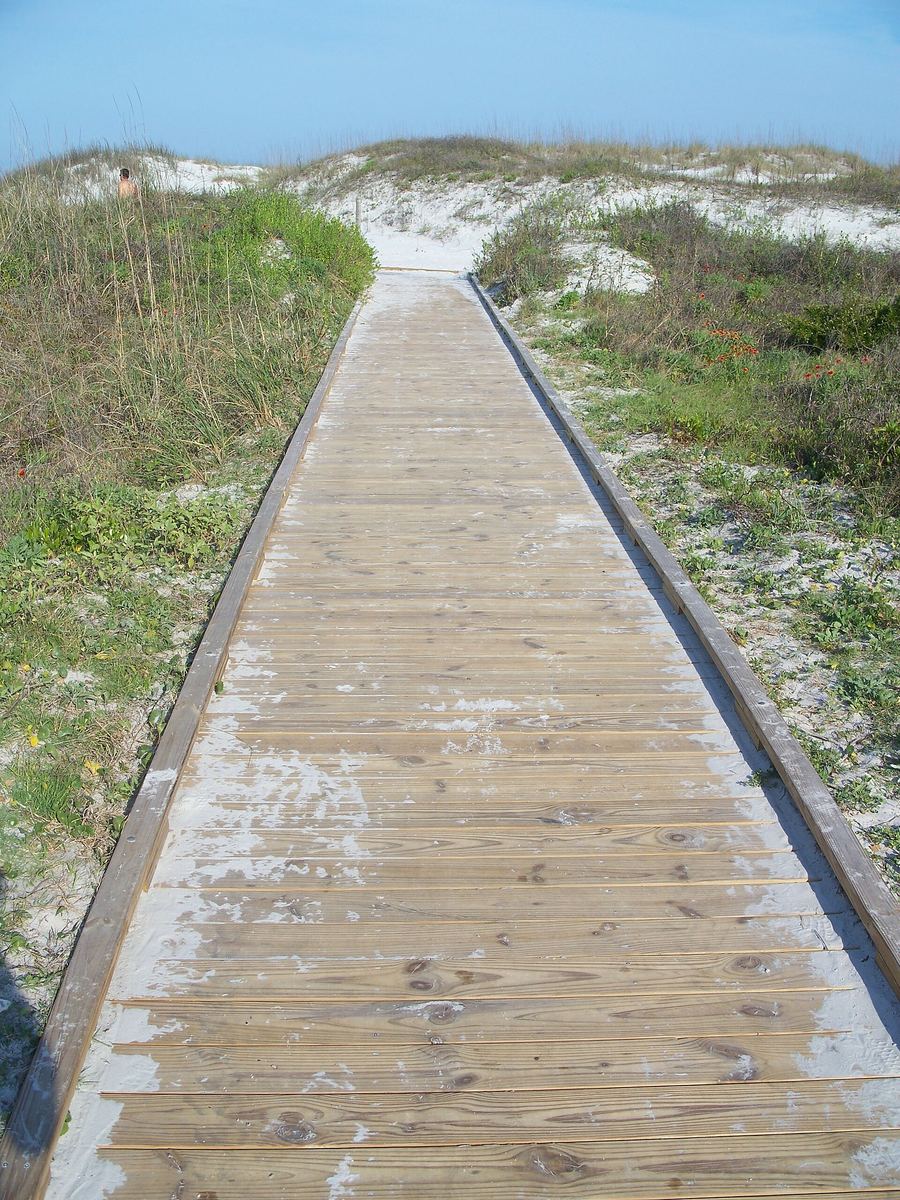
Anastasia Island — Wide sandy beaches, surfing spots, and casual seafood shacks.
Ebyabe · CC BY-SA 3.0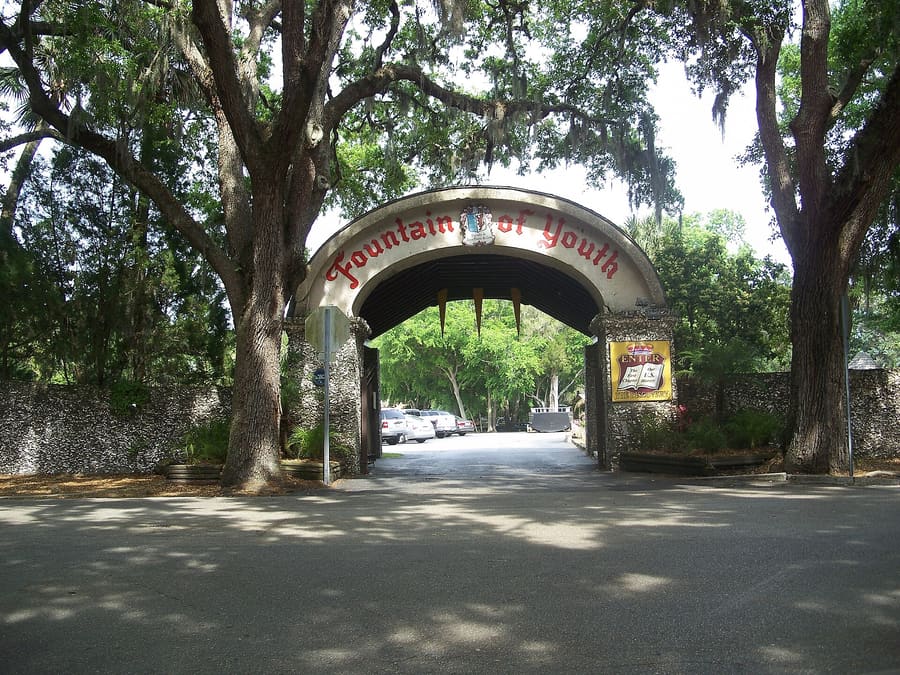
Uptown — Antique shops, quiet residential streets, and oak trees.
Ebyabe · CC BY-SA 3.0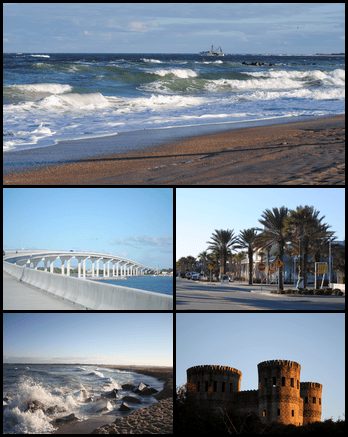
Vilano Beach — Laid-back barrier island community with pier fishing and inlet views.
Excel23 · CC BY-SA 3.0
Minorcan clam chowder uses a tomato base and locally grown datil peppers.
Paullassiter · CC BY-SA 3.0highlights
landmark
Built from coquina stone that absorbs cannon fire. Buy tickets online to skip the main ticket booth line.
Ask Parley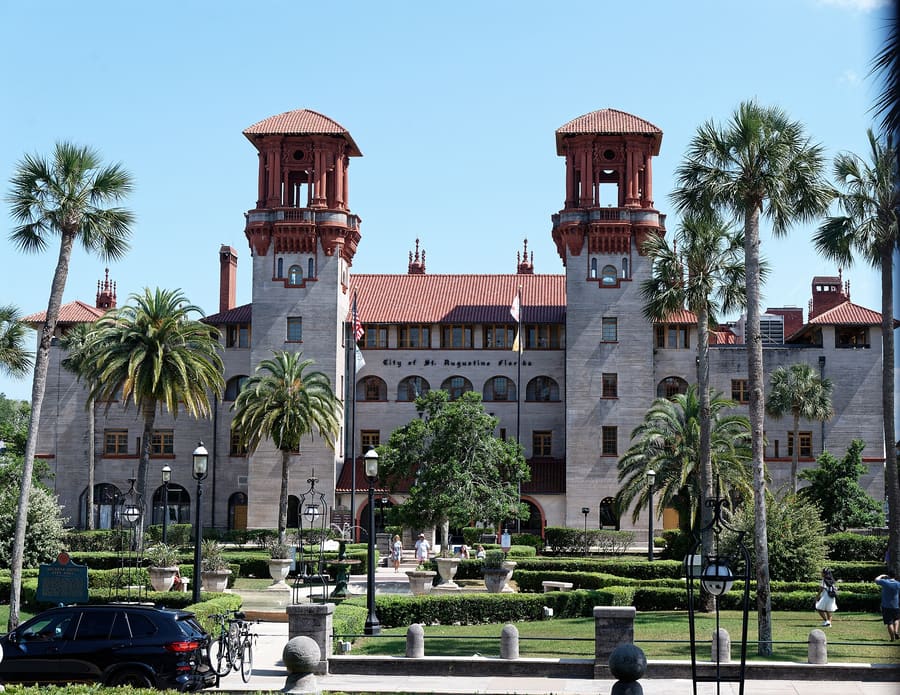
landmark
Housed in Henry Flagler’s 1888 Alcazar Hotel. Walk the courtyard, but skip the cafe if you are short on time.
Ask Parley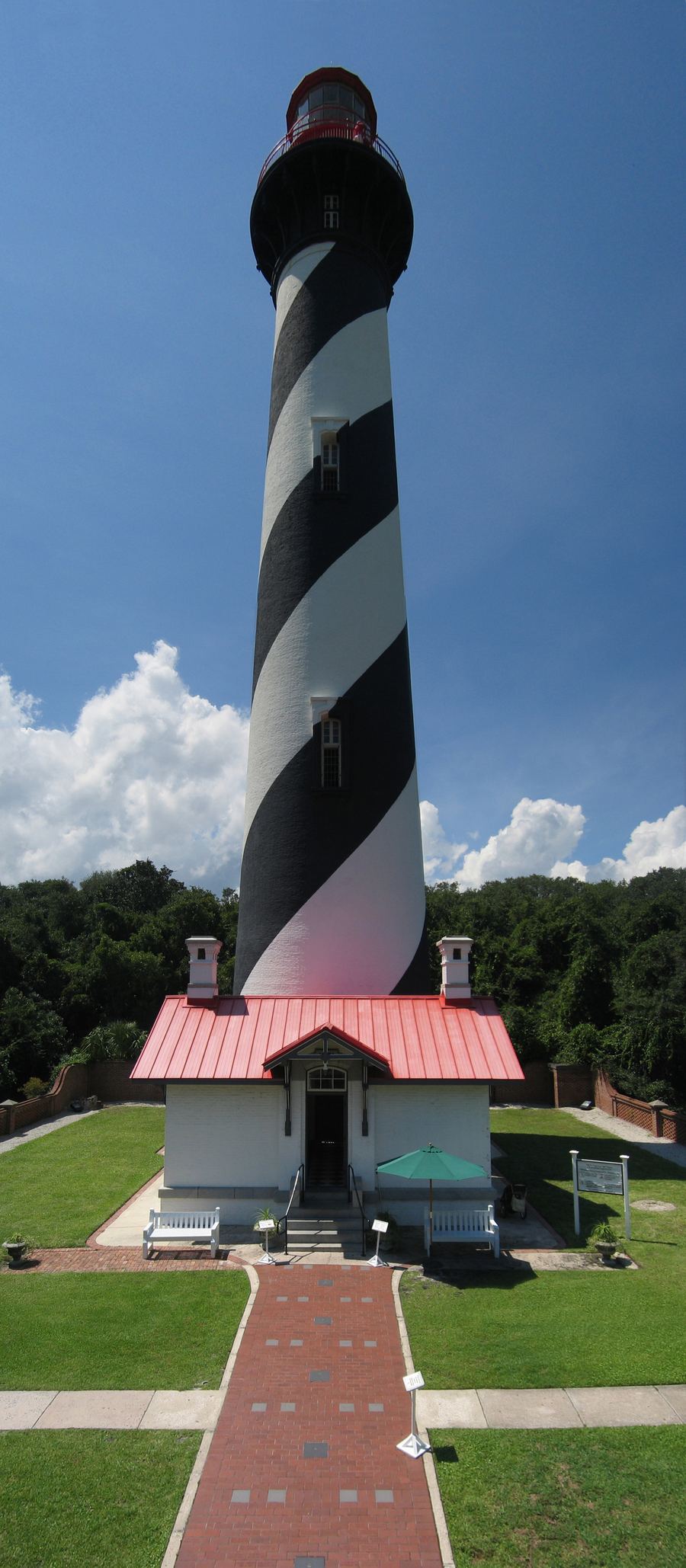
landmark
Climb 219 steps for a clear view of Matanzas Bay. Tickets cost more at the door than online.
Ask Parley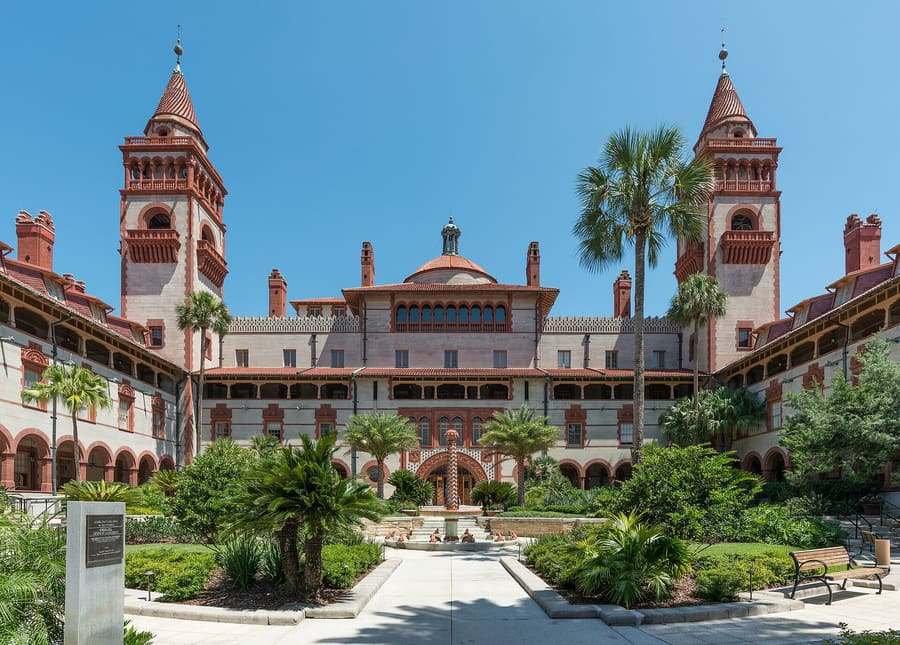
landmark
Former Ponce de Leon Hotel featuring Tiffany stained glass. Student tours are the only way inside.
Ask Parley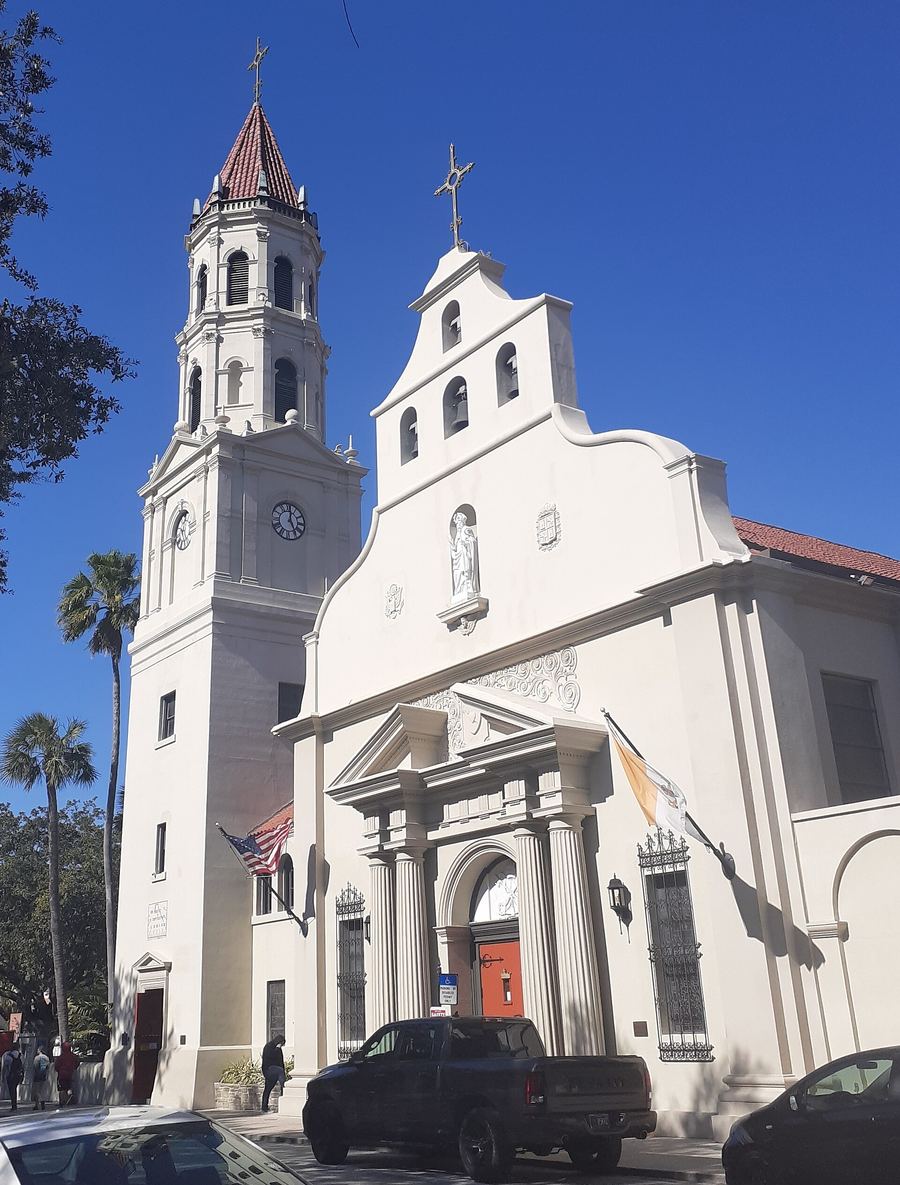
landmark
America's oldest Catholic parish, rebuilt after an 1887 fire. Entry is free, but donations are welcomed.
Ask Parley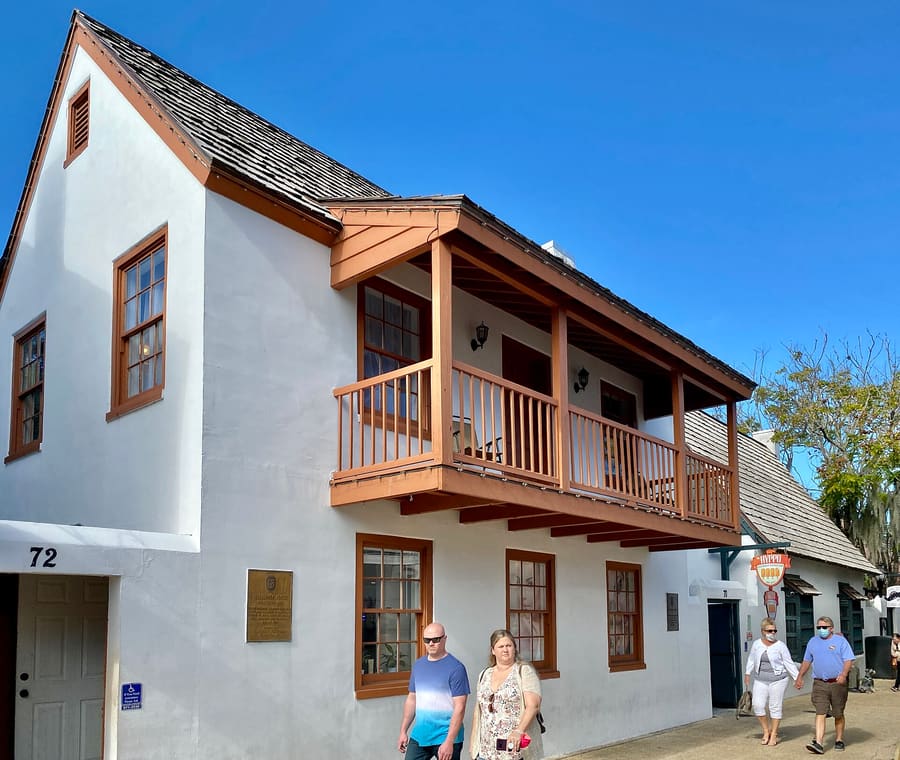
landmark
A two-acre living history museum detailing Spanish and British rule. Demonstrations occur hourly.
Ask Parleyattractions
areas
Brick streets, Spanish colonial architecture, and dense foot traffic.
NearbyCastillo de San Marcos and St. George Street.
Ask ParleyWide sandy beaches, surfing spots, and casual seafood shacks.
NearbySt. Augustine Lighthouse and Anastasia State Park.
Ask ParleyAntique shops, quiet residential streets, and oak trees.
NearbyFountain of Youth Archaeological Park.
Ask ParleyLaid-back barrier island community with pier fishing and inlet views.
NearbyUsina Bridge and North Beach.
Ask Parleyfood
St. Augustine's culinary signature stems from 18th-century Minorcan immigrants. They introduced the local datil pepper, which adds sweet heat to tomato-based clam chowder. Local seafood shacks rely heavily on Atlantic white shrimp harvested from nearby waters.
Minorcan clam chowder uses a tomato base and locally grown datil peppers.
Paullassiter · CC BY-SA 3.0Unlike New England or Manhattan styles, Minorcan chowder uses a spicy tomato base with datil peppers and salt pork.
Local Atlantic shrimp are caught just north of the city and served fried or steamed at waterfront spots.
Restaurants on St. George Street target day-trippers. Walk two blocks west to Cordova Street for better food.
history
Founded by Spanish admiral Pedro Menéndez de Avilés in 1565, St. Augustine served as the military outpost of Spanish Florida for over two centuries. Control shifted to Britain in 1763 before returning to Spain in 1783. In the late 19th century, Gilded Age tycoon Henry Flagler built luxury hotels and railways, transforming the town into a winter resort for northern elites.
Spanish Settlement
Pedro Menéndez de Avilés establishes St. Augustine as Spain's northernmost stronghold in Florida.
Castillo Completed
Construction finishes on the coquina masonry fort, successfully resisting multiple British attacks.
Flagler Era
Henry Flagler opens the Ponce de Leon Hotel, kicking off Florida's tourism economy.
Civil Rights Movement
St. Augustine becomes a primary staging ground for the Civil Rights Act movement led by Dr. Martin Luther King Jr.
where to stay
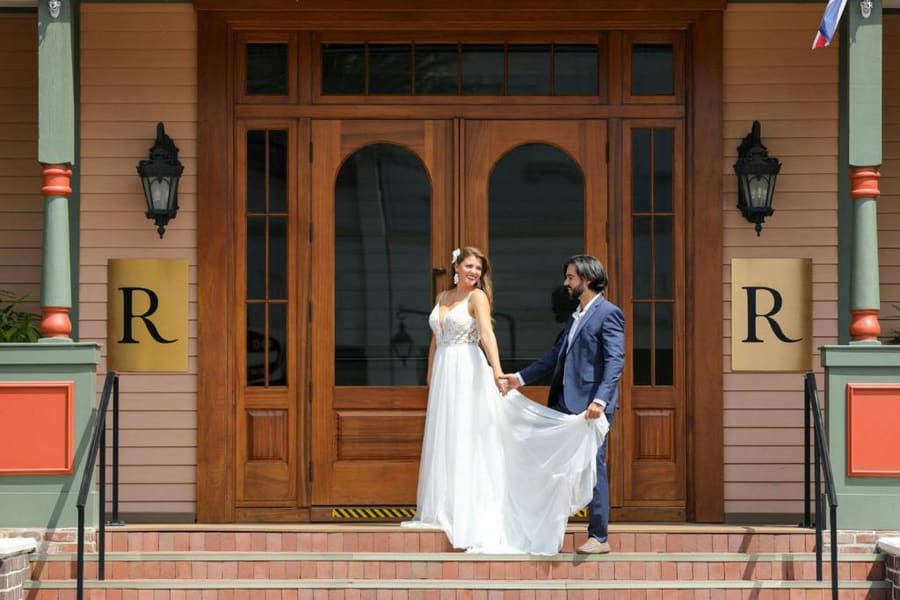
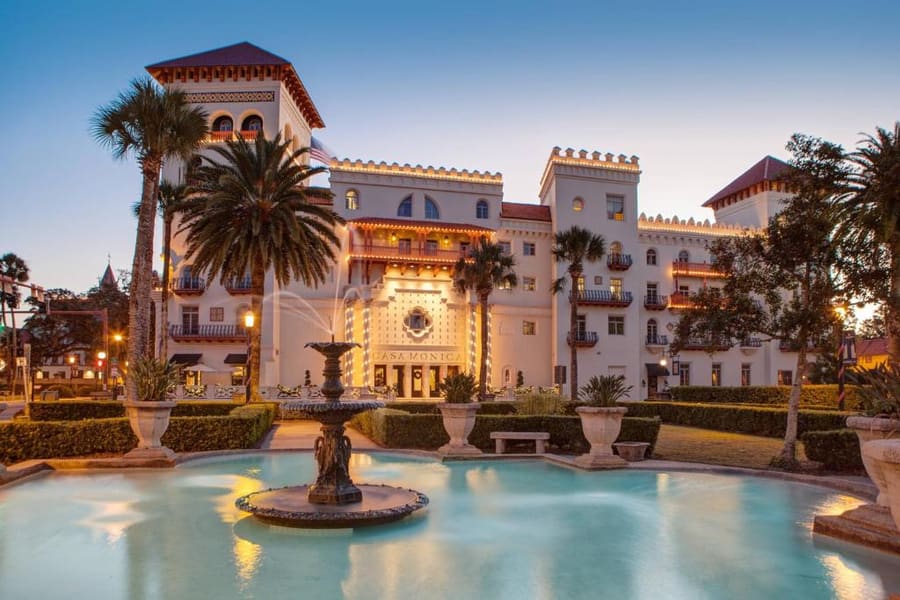
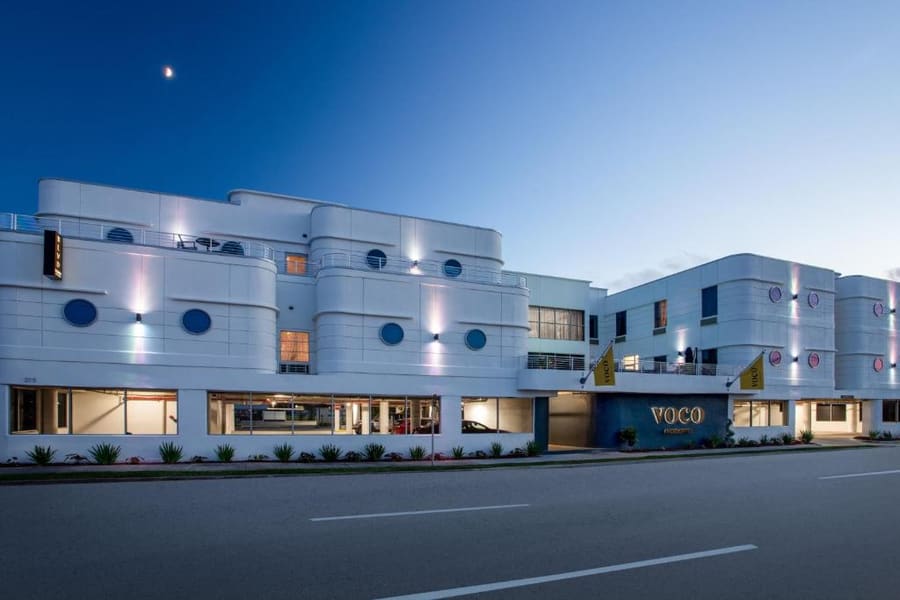
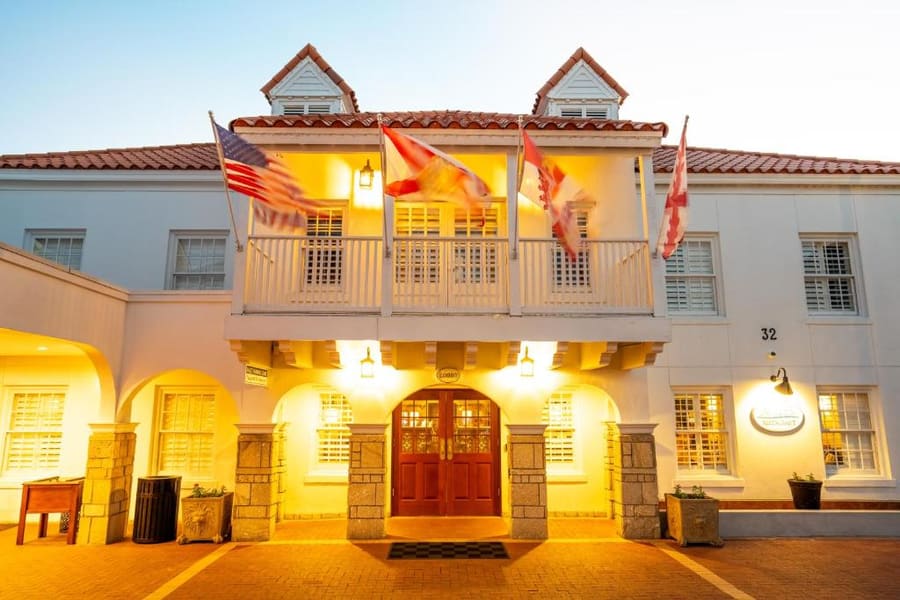
Choose by your preferred pace. Historic Downtown offers walking access to sights, while Anastasia Island provides direct beach access at the cost of driving into town.
Live rates, matched to the areas above.

transport
The historic core is best explored on foot. Driving into downtown requires planning around congested parking garages and bridge openings.
From Jacksonville International Airport (JAX)
Fares surge during summer weekends and holiday nights.
Flat rate options available at the arrivals curb.
Requires advance booking with local shuttle services.
The Old Town Trolley circles major sights. A day pass allows unlimited hop-on, hop-off boarding.
St. George Street and surrounding alleyways are pedestrianized between Cathedral Place and Orange Street.
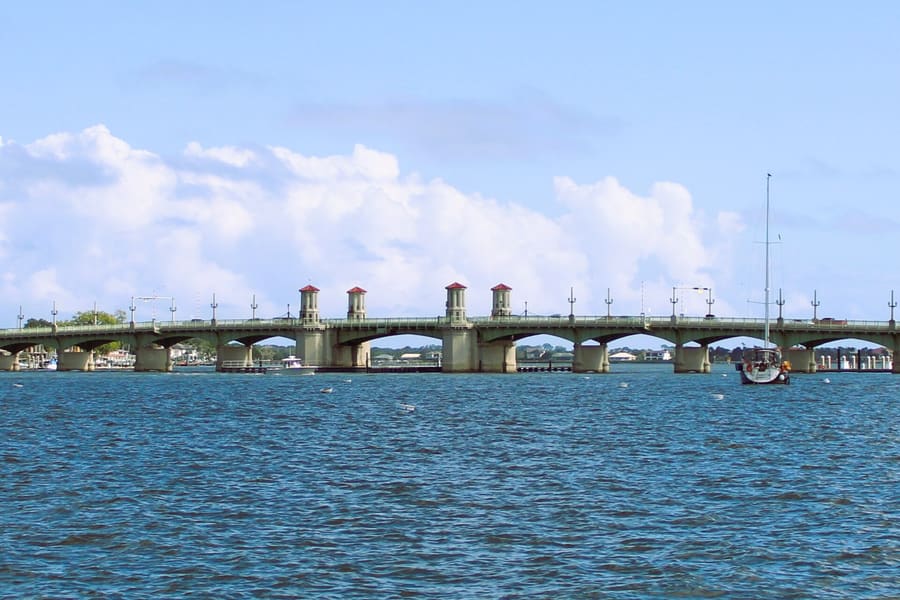
The drawbridge opens on the hour and half-hour during peak boat traffic, delaying road vehicles by 15 minutes.
cost
St. Augustine is moderate for Florida, but parking and admission fees stack up quickly. Accommodation prices double during spring break and Christmas lights season.
Castillo de San Marcos ticket is valid for seven consecutive days.
Covers transport around the main historic loop for 24 hours.
Includes fresh seafood baskets or sandwiches at local casual spots.
seasonality
MAR – MAY
Mild temperatures and blooming flora. Expect heavy crowds around spring break.
JUN – AUG
Hot, humid, and rain-heavy afternoons. Hotel rates dip slightly outside peak holidays.
SEP – NOV
Lower humidity and reduced tourist traffic. Hurricane season peaks in September.
DEC – FEB
Cooler winter weather. Nights of Lights festival draws massive holiday crowds from November through January.
practicalities
Over three million lights decorate downtown from mid-November through January. Book hotels months ahead.
Driving on St. Augustine Beach is permitted in designated sections for a $10 daily access fee.
Do not sit or climb on the walls of Castillo de San Marcos. The historic shell stone degrades under impact.
Ghost tours and boat cruises require reservations at least two days in advance during weekends.
Swim near lifeguard towers on Anastasia Island. Rip currents along Atlantic beaches are frequent.