
landmark
Submarine Monument (Monkasel)
A decommissioned 1952 Soviet-built KRI Pasopati 410 submarine. Walk through the inner hull along the Kalimas riverbank.
Indonesia
East Java's commercial powerhouse built on street food and trade.
Surabaya is Indonesia's second-largest city and the commercial engine of East Java. You encounter a sprawling, heat-heavy metropolis that prioritized trade long before catering to travelers. Navigating the city requires ride-hailing apps or municipal transit, as equatorial temperatures limit walking between districts. You come here to sample regional dishes, inspect Dutch-era landmarks, and observe a working port city.
Ampel Arab Quarter — Narrow pedestrian alleys with perfume vendors, Spice Route trade stalls, and Middle Eastern bakeries.
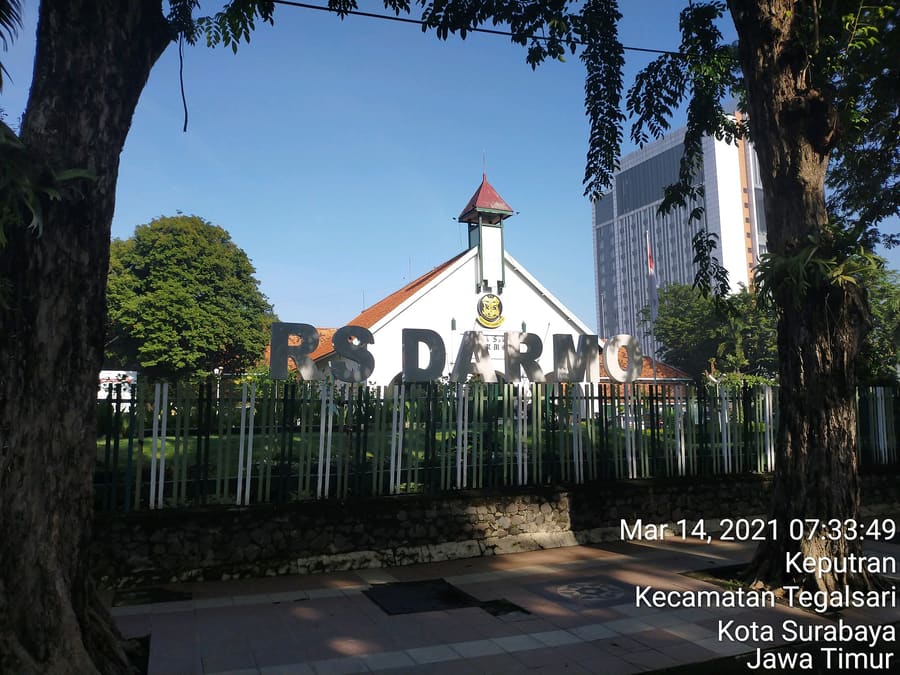
Darmo & South — Wide residential avenues, leafy parks, consulate buildings, and high-end shopping centers.
A bowl of traditional Rawon beef soup, colored dark black by fermented keluak nuts.
01
landmark
A decommissioned 1952 Soviet-built KRI Pasopati 410 submarine. Walk through the inner hull along the Kalimas riverbank.
landmark
Founded in 1421 by Sunan Ampel. Traditional wooden columns support Java's oldest active Islamic pilgrimage center.
landmark
The historic colonial shopping corridor. Walk here after sunset to visit modern coffee shops housed in restored Dutch storefronts.
landmark
A 41-meter obelisk marking the 1945 independence battle. Visit the underground history museum directly beneath the plaza.
landmark
A 5.4-kilometer bridge connecting Java to Madura Island. Hire a vehicle at dusk for the drive across the strait.
02
03
High-density commercial core with Art Deco storefronts, modern cafes, and major corporate hotel towers.
NearbyGubeng Train Station and Monkasel
Ask ParleyNarrow pedestrian alleys with perfume vendors, Spice Route trade stalls, and Middle Eastern bakeries.
NearbyHouse of Sampoerna and North Port
Ask ParleyHistoric mercantile quarter along Kembang Jepun street with shophouses and night food stalls.
NearbyPasar Atom and Heroes Monument
Ask ParleyWide residential avenues, leafy parks, consulate buildings, and high-end shopping centers.
NearbySurabaya Zoo and Bungkul Park
Ask Parley04
Surabaya's culinary profile relies heavily on keluak—a fermented black nut that gives the local beef soup, Rawon, its deep color and earthy flavor. You eat Rawon served alongside short bean sprouts, salted duck egg, and chili paste. The city's signature lunch dish is Rujak Cingur, which combines boiled beef snout, green mango, cucumber, tofu, and rice cakes. Everything gets tossed in a dark sauce mixed from ground peanuts and petis, a pungent black shrimp paste peculiar to the East Javan coast.Satay in Surabaya differs from the peanut-heavy versions of Central Java. At local stalls, order Sate Klopo, where skewers of beef or chicken are coated in spiced grated coconut before being grilled over open charcoal. For late-night dining, street vendors serve Tahu Tek, fried tofu and eggs cut with scissors right at your table and covered in thick petis-peanut gravy.
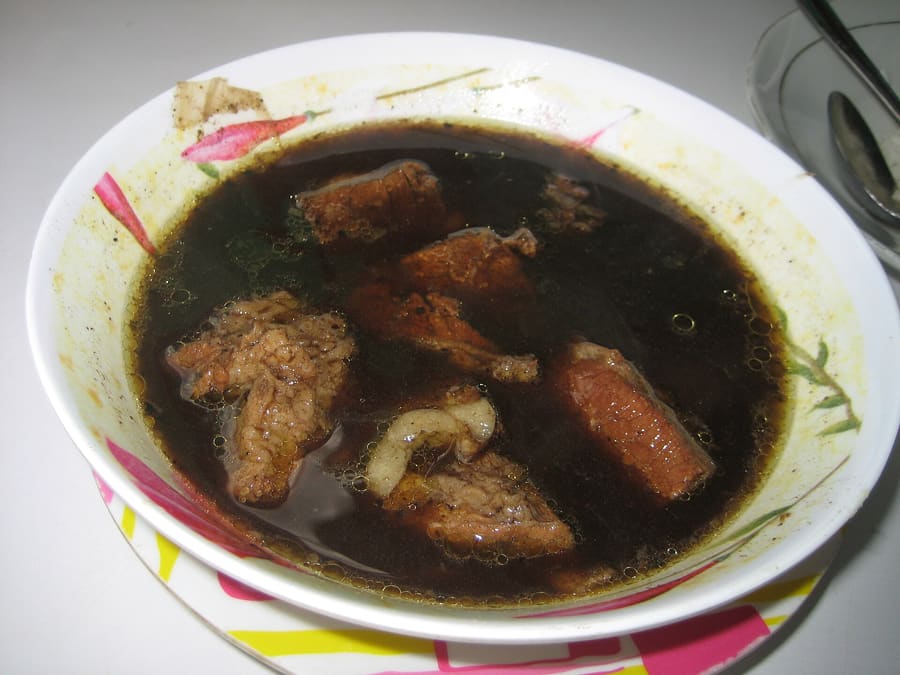
A bowl of traditional Rawon beef soup, colored dark black by fermented keluak nuts.
Rawon spots like Rawon Setan start serving early. The broth gains richness throughout the day, but prime cuts sell out past mid-afternoon.
When ordering Rujak Cingur, ask for 'cingur biasa' for tender cooked snout or request 'matengan' if you prefer only cooked ingredients without raw fruit.
Tahu Tek carts open around 18:00 and run until midnight. Listen for the vendor clinking metal scissors against the mortar.
05
Surabaya traces its name to the Javanese words sura (shark) and baya (crocodile), symbolizing the fight between sea and land forces. The settlement grew as a major port for the Majapahit Kingdom in the 13th century, serving as the gateway to the spice trade routes of Eastern Indonesia.Under Dutch rule, the city developed into a naval stronghold and commercial capital. Industrial growth brought grand European architecture alongside dense worker settlements, or kampungs. In November 1945, Indonesian nationalists defended the city against British military forces. The fierce resistance galvanized international support for Indonesian independence, earning Surabaya its official identity as the City of Heroes.
Mongol Forces Defeated
Local troops under Prince Raden Wijaya defeat invading Mongol naval forces near the river mouth, founding the Majapahit era.
Dutch Municipality Charter
Surabaya gains official municipality status under Dutch colonial rule, expanding port facilities and rail infrastructure.
Battle of Surabaya
On November 10, intense urban fighting breaks out against Allied troops. The date is celebrated annually as Heroes' Day.
Suramadu Bridge Opens
Indonesia completes its longest bridge across the strait, linking Surabaya directly to the island of Madura.
06
Choose your location based on traffic constraints. Surabaya stretches north-to-south along a rail corridor, and crossing town during rush hours burns significant time. Staying near Tunjungan gives you immediate access to historical sights, coffee shops, and central transit links. South Surabaya around Darmo offers quieter streets, modern malls, and easy highway routes toward the airport.
Highly rated hotels in Surabaya.


07
Surabaya lacks an underground metro system. You rely on ride-hailing apps, municipal buses, and private taxis to move through the city. Walking long distances is tough due to humidity, incomplete sidewalks, and high vehicular traffic. Grab and Gojek dominate local transit, offering both cars and motorcycle taxis that slice through congested intersections.
From Juanda International Airport (SUB)
Use the designated Grab or Gojek pick-up lounges located directly outside Terminals 1 and 2.
Stick to metered Bluebird taxis available at official airport ranks.
Damri airport buses run directly to Purabaya Bus Terminal every 30 minutes.
Book motorcycle taxis (Gojek or GrabBike) for fast solo transit through heavy afternoon traffic.
Trans Semanggi Suroboyo uses modern low-entry buses running along main arterial roads. Tap using an Indonesian e-money card.
Buy a prepaid Flazz or e-money card at convenience stores. Municipal buses do not accept cash fares.
Commuter trains connect Surabaya Gubeng, Surabaya Pasar Turi, and Wonokromo stations, bypassing street traffic.
08
Surabaya is significantly cheaper than Jakarta or Bali. Street food stalls and traditional eateries offer full meals for a fraction of Western prices. Electronic payments via QRIS are widespread, but carrying small banknotes is essential for street snacks and local parking fees.
Includes beef cutlets, broth, rice, and fresh bean sprouts at established local restaurants.
App-based rides covering 3 to 5 kilometers within central city zones.
Espresso-based drinks or iced milk coffee in modern air-conditioned cafes.
Grants access inside the decommissioned submarine and surrounding park grounds.
09
JUN – SEP
Dry season brings clear skies and lower humidity. Ideal window for walking historic quarters and day trips.
OCT – NOV
Peak heat period before the rains start. November 10 brings citywide Heroes' Day parades and cultural events.
DEC – FEB
Heavy monsoon rainfall causes localized street flooding. Schedule indoor visits and museum tours during afternoon downpours.
MAR – MAY
Transition season with warm temperatures and scattered rains. Urban traffic drops notably during Ramadan holiday periods.
10
Five daily prayer calls echo across the city. Shops in Ampel close temporarily during Friday noon prayers.
Equatorial heat spikes between 11:00 and 15:00. Plan open-air sightseeing for early mornings or after dusk.
Most businesses accept digital QRIS payments. Foreign cards work at major stores, but street vendors require cash.
Surabaya is socially conservative. Cover shoulders and knees when visiting mosques, markets, and municipal buildings.
Tap water is not potable. Use bottled or filtered water for drinking and brushing teeth.
Contents
Your trip
Going to Surabaya?
Tell Parley when you’re going and what you enjoy, and it plans the days around this guide.
Plan with Parley


