
landmark
Gopi Talav
A restored 16th-century urban water reservoir built by a wealthy merchant, popular for evening lakeside strolls.
India
India's diamond processing hub and street food capital.
Surat built its wealth on silk weaving, river commerce, and processing ninety percent of the world's rough diamonds. The city spreads along the Tapti River, anchored by the dense historic market of Chowk Bazar and expanding into commercial hubs like Varachha. You navigate Surat using auto-rickshaws and the dedicated BRTS bus network. Expect intense urban hustle, low reliance on western tourism, and an unbeatable street food tradition.
A hot plate of fresh Surati Locho topped with butter, crisp sev, and green coriander chutney.
01
landmark
A restored 16th-century urban water reservoir built by a wealthy merchant, popular for evening lakeside strolls.
landmark
Famous for black volcanic sand, sea breeze, and roadside stalls serving local Surat-style roasted corn and Bhajiya.
landmark
Houses over 10,000 historic artifacts, rare maps, and Mughal textiles inside the Science Centre complex.
02
03
Modern residential and dining district across the river with wider avenues.
NearbyTapti Riverfront and Pal Lake Garden.
Ask ParleyUpscale commercial strip featuring modern hotels, restaurants, and broad boulevards.
NearbySurat Airport and VR Surat mall.
Ask ParleyDense historic core with narrow alleyways, colonial remnants, and dense spice stalls.
NearbySurat Castle and the Tapti riverfront promenade.
Ask ParleyThe diamond trading center, dominated by commercial offices and high-volume local markets.
NearbySurat Railway Station and eastern transit corridors.
Ask Parley04
Suratis take immense pride in their regional cuisine. The city's street food culture revolves around steamed spiced gram flour dishes and clarified butter sweets. You eat standing up at roadside stalls, where vendors assemble hot plates with extreme speed.
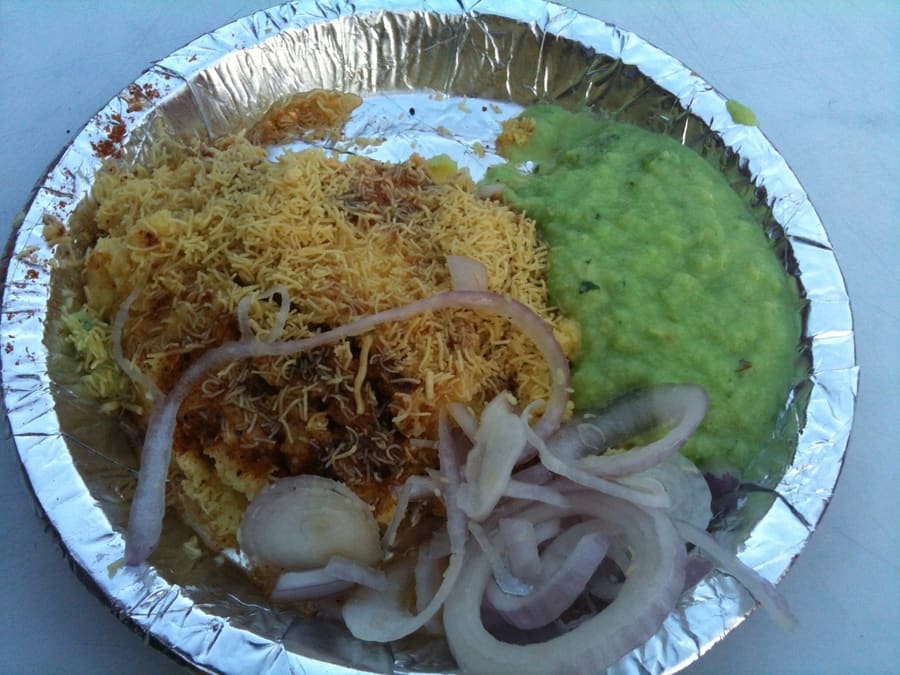
A hot plate of fresh Surati Locho topped with butter, crisp sev, and green coriander chutney.
Order steamed spiced gram flour topped with melted butter and crisp sev at Jaani Locho in Athwa lines.
Between December and February, visit stalls near Adajan bridge for tender green sorghum grains roasted over charcoal.
05
Surat rose as Mughal India's principal port for global maritime trade and Hajj departures to Mecca. European powers established competing trading posts here in the 17th century. After maritime traffic shifted to Bombay, Surat pivoted successfully into textile weaving and industrial diamond polishing.
Fortifying the Tapti
Khudawand Khan builds Surat Castle to defend the wealthy port against Portuguese naval attacks.
British Trading Factory
The British defeat Portuguese ships at the Battle of Swally, establishing their first Indian factory in Surat.
Maratha Raid
Maratha forces raid Surat's wealthy merchant quarters, prompting traders to seek alternative ports.
Diamond Cutting Hub
Local artisans turn Varachha into the global center for rough diamond cutting and polishing.
06
Choose your location based on your trip's primary focus. Heritage travellers belong in Chowk Bazar, while modern business hotels are clustered along Piplod Road near the airport.
Highly rated hotels in Surat.


07
Surat uses a dedicated Bus Rapid Transit System (BRTS) for long arterial journeys. Auto-rickshaws handle short intra-neighborhood travel and tight market streets.
From STV
Pre-paid taxi counter in arrivals prevents driver rate haggling.
Uber and Ola pickup from marked zones outside the airport.
Sitilink airport bus route connects directly to Dumas Road.
Sitilink BRTS buses run on dedicated lanes along major roads, bypassing city traffic jams during peak hours.
Auto-rickshaws rarely use meters. Agree on a fixed fare before getting in.
Surat Railway Station offers direct express train connections to Mumbai and Ahmedabad.
Buy a tap card at main BRTS stations if using public transit over multiple days.
08
Surat offers lower prices than Mumbai. Street food costs are minimal, while hotel stays and private taxis stay within moderate ranges.
A full plate of hot Locho or Sev Khamani with green chutney at street stalls.
Standard fare for moving two to four kilometers across central neighborhoods.
Comfortable room in an air-conditioned hotel in Adajan or Piplod.
Authentic almond or pistachio Ghari from traditional sweet shops.
09
OCT – FEB
Temperatures stay between 15°C and 30°C. Ideal season for Ponk food stalls and heritage walks.
MAR – MAY
Summer heat exceeds 40°C. Plan outdoor activity for early mornings or after sunset.
JUN – SEP
Monsoon rains cause heavy humidity and occasional waterlogging in older market lanes.
OCT – NOV
Diwali festival brings market lighting, street celebrations, and closed commercial trading houses.
10
Traditional market vendors in Chowk Bazar frequently pause business between 13:30 and 15:30.
Surat street food is almost entirely vegetarian. Non-vegetarian spots are concentrated around Zampa Bazar.
Street food vendors rely on local digital payments or cash. International credit cards are rarely accepted.
Local families head to Tapti Riverfront on Sunday evenings. Visit on weekdays for open walking space.
Contents
Your trip
Going to Surat?
Tell Parley when you’re going and what you enjoy, and it plans the days around this guide.
Plan with Parley


