landmark
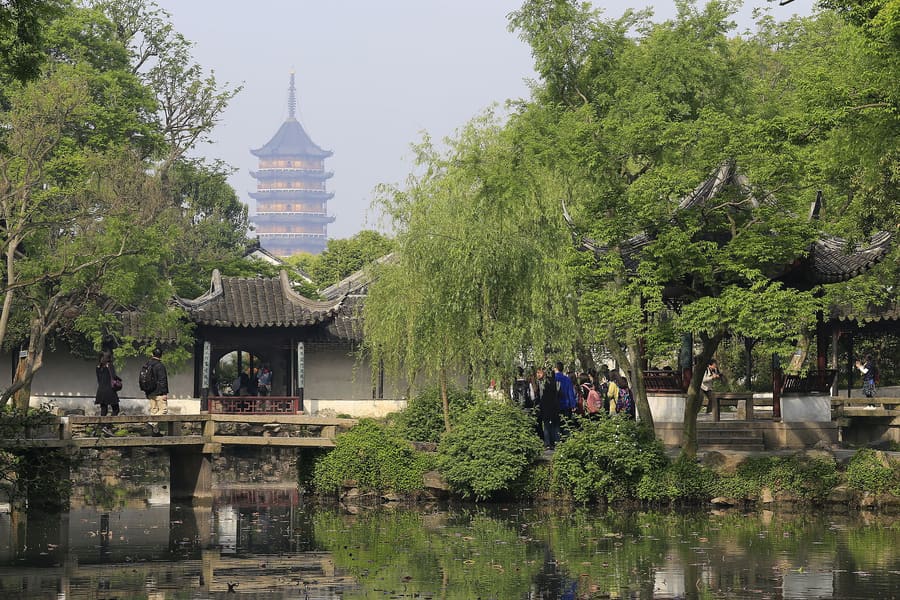
Humble Administrator's Garden
Suzhou's largest Ming-dynasty garden balances water pavilions and bamboo groves. Arrive at 07:30 opening to beat tour groups.
Ask ParleyChina
Ming dynasty canal lanes, scholar gardens, and high-speed rail
introduction
Suzhou balances a historic moat-encircled core with high-tech urban expansion to the east. Ancient canal corridors house enclosed scholar gardens built for quiet withdrawal, while high-speed trains connect the city center to Shanghai in under thirty minutes. You navigate the old town best on foot or by metro, avoiding vehicular bottlenecks along narrow streets. Expect strict online ticketing quotas at major sites and early operating hours at classical gardens.
Arrival trick
High-speed trains run from Shanghai Railway Station to Suzhou Station in 25 minutes. Purchase tickets via Alipay or WeChat ahead of travel to skip ticket window queues.
Heritage status
UNESCO protects nine classical gardens in Suzhou as World Heritage sites. Humble Administrator's Garden is the largest, spanning nearly twelve acres.
Planning trick
Book Suzhou Museum time slots seven days ahead on their official WeChat mini-program. Entry tickets are free but sell out within minutes of release.
Suzhou
ngader · CC BY 2.0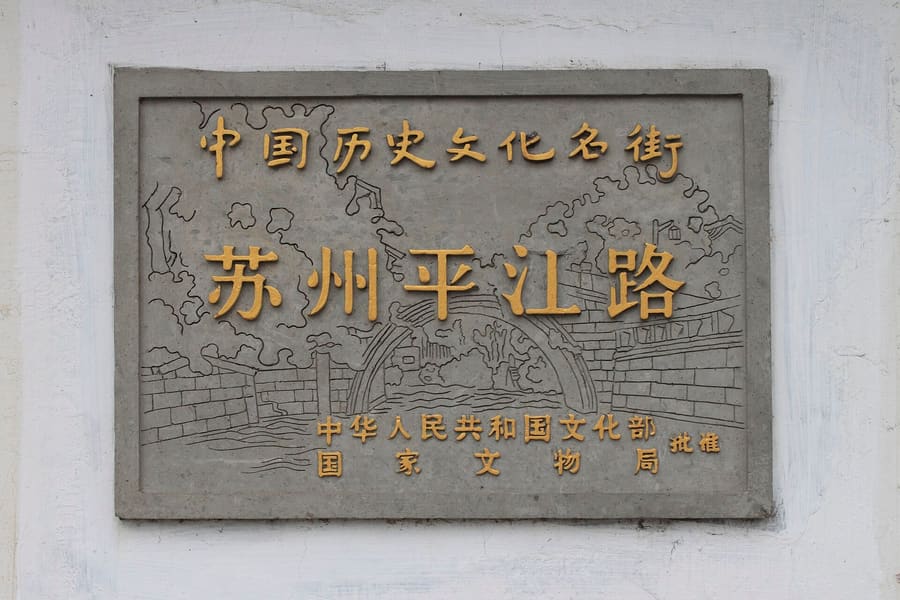
Pingjiang Historic District — Cobblestone alleys run along ancient canals lined with teahouses and hand-carved wood shops.
User:Zhangzhugang · CC BY-SA 3.0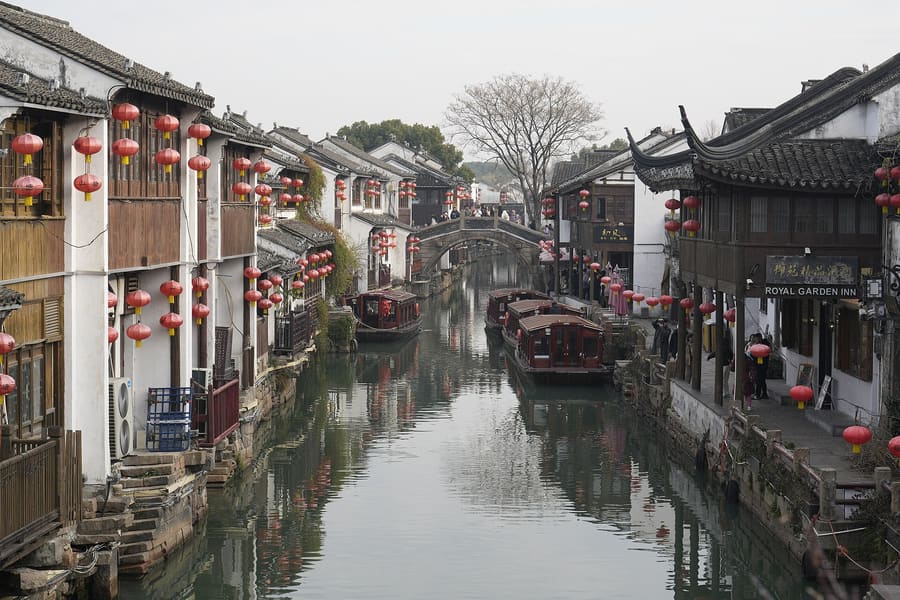
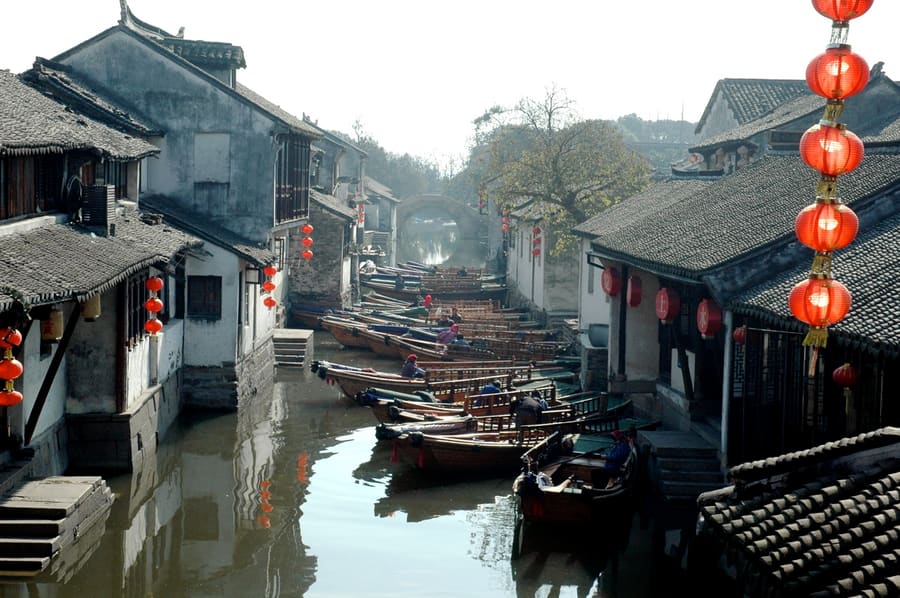
Shantang Street Quarter — Red lanterns glow over a 1,200-year-old canal thoroughfare flanked by arched stone bridges.
Chensiyuan · CC BY-SA 4.0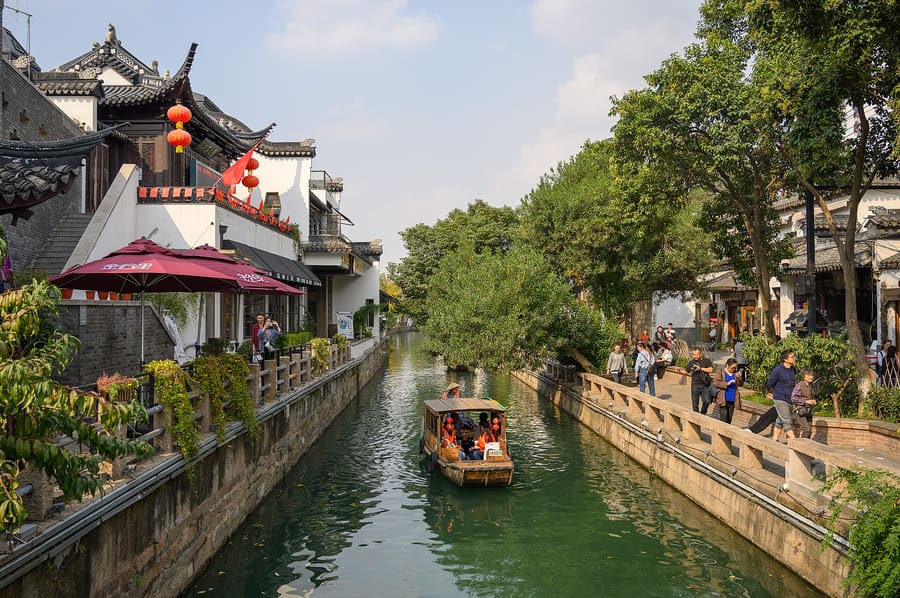
Central Gusu District — The traditional heart of Suzhou within the ancient moat, blending canal lanes and residential compounds.
xiquinhosilva · CC BY 2.0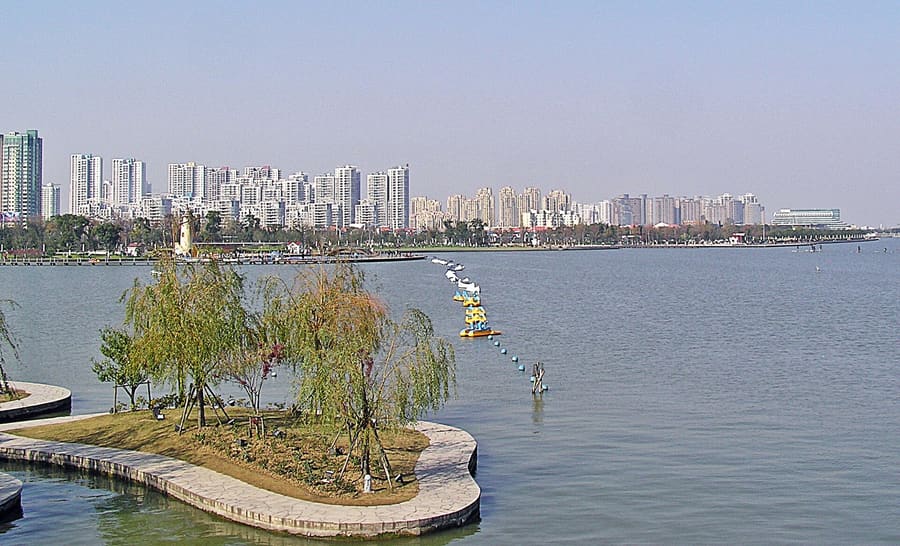
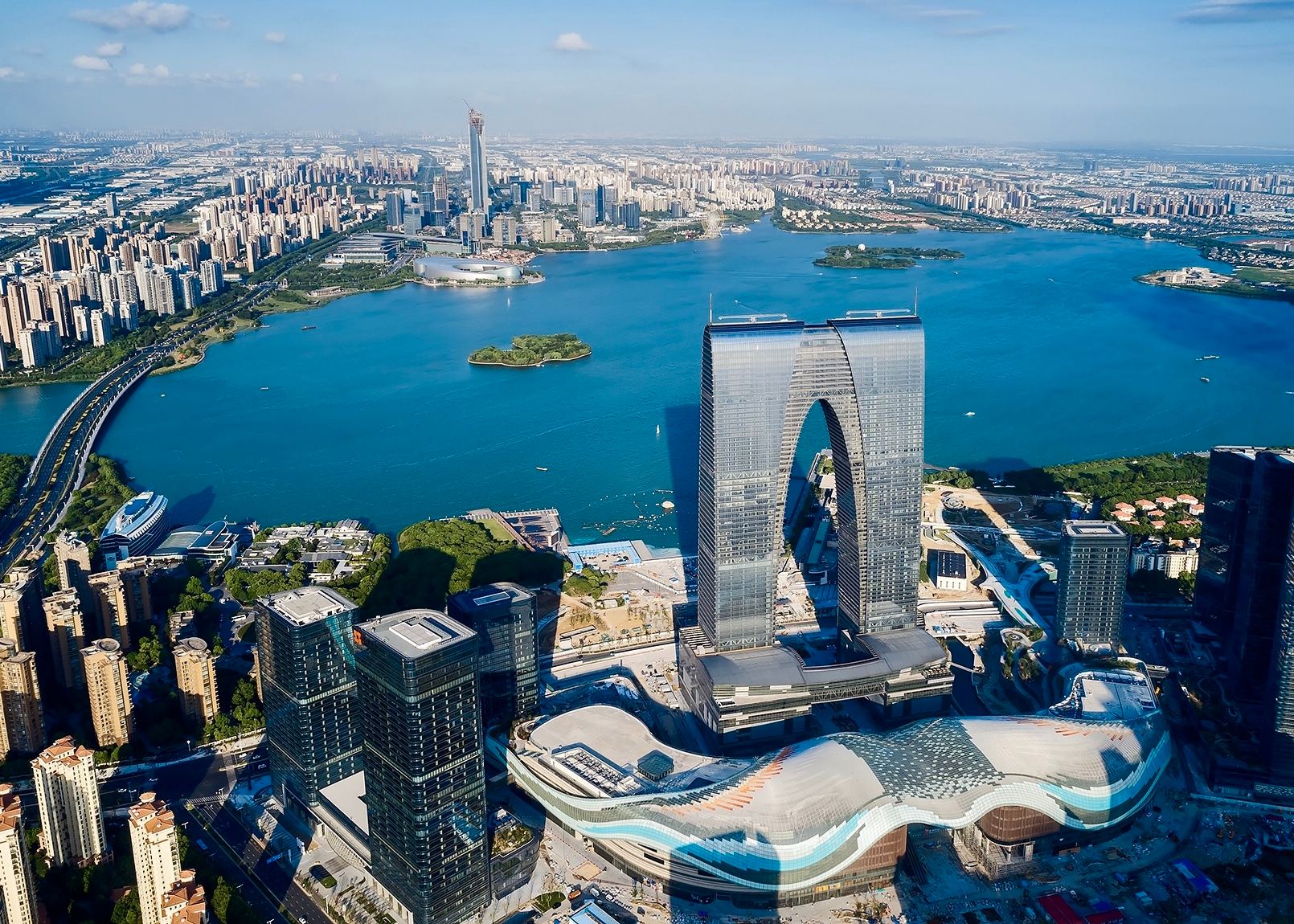
Jinji Lake & SIP — Modern skyscraper district featuring lakeside promenades, luxury hotels, and contemporary malls.
Donaldytong · CC BY-SA 3.0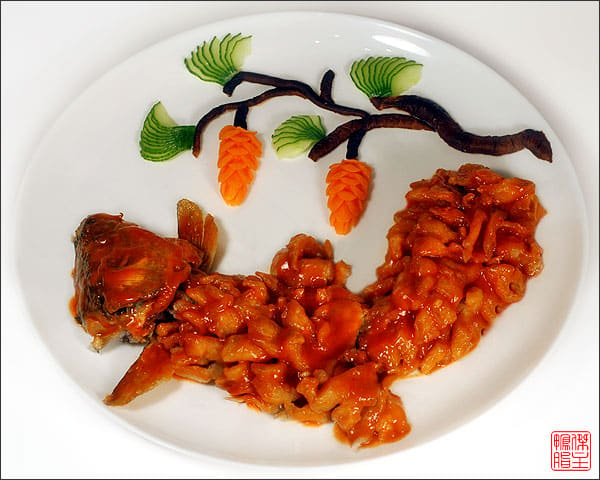
Squirrel-shaped mandarin fish, deep-fried and doused in sweet-and-sour plum sauce.
dejur · CC BY-SA 3.0highlights
landmark
Suzhou's largest Ming-dynasty garden balances water pavilions and bamboo groves. Arrive at 07:30 opening to beat tour groups.
Ask Parley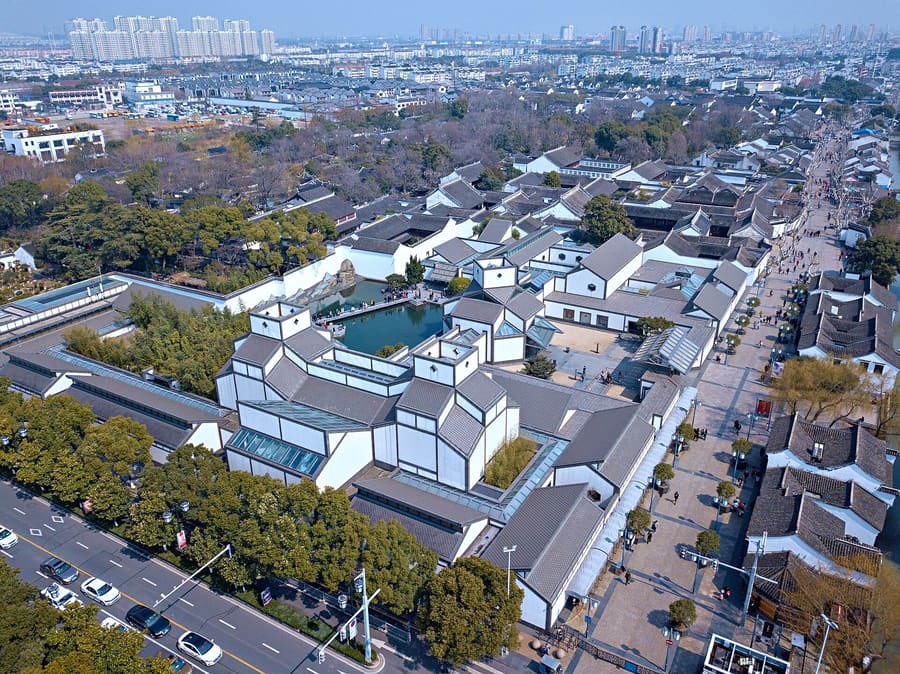
landmark
I.M. Pei designed this geometry-driven space incorporating traditional water garden elements. Free tickets require WeChat booking 7 days ahead.
Ask Parley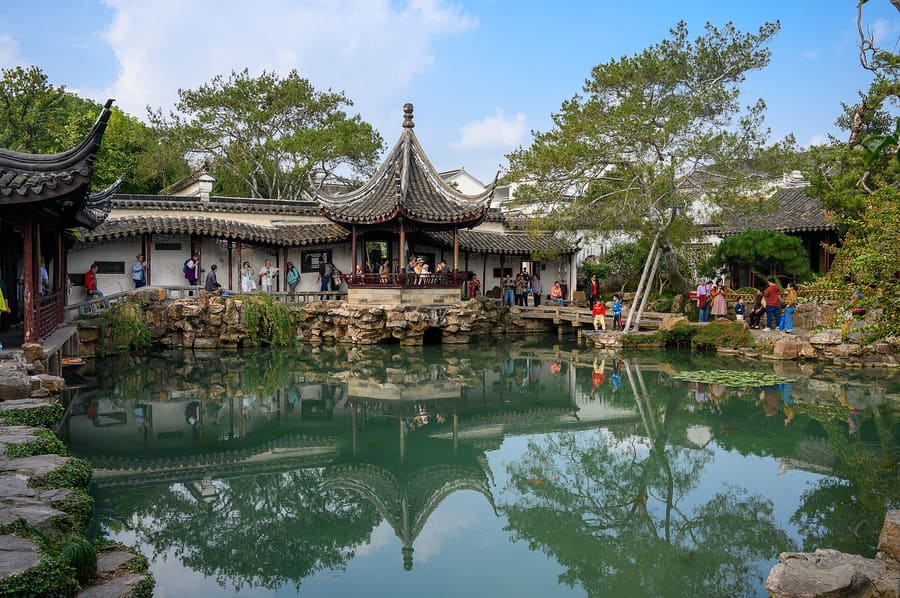
landmark
The smallest major garden uses forced perspective to double its perceived space. Visit after dark for traditional Pingtan music performances.
Ask Parley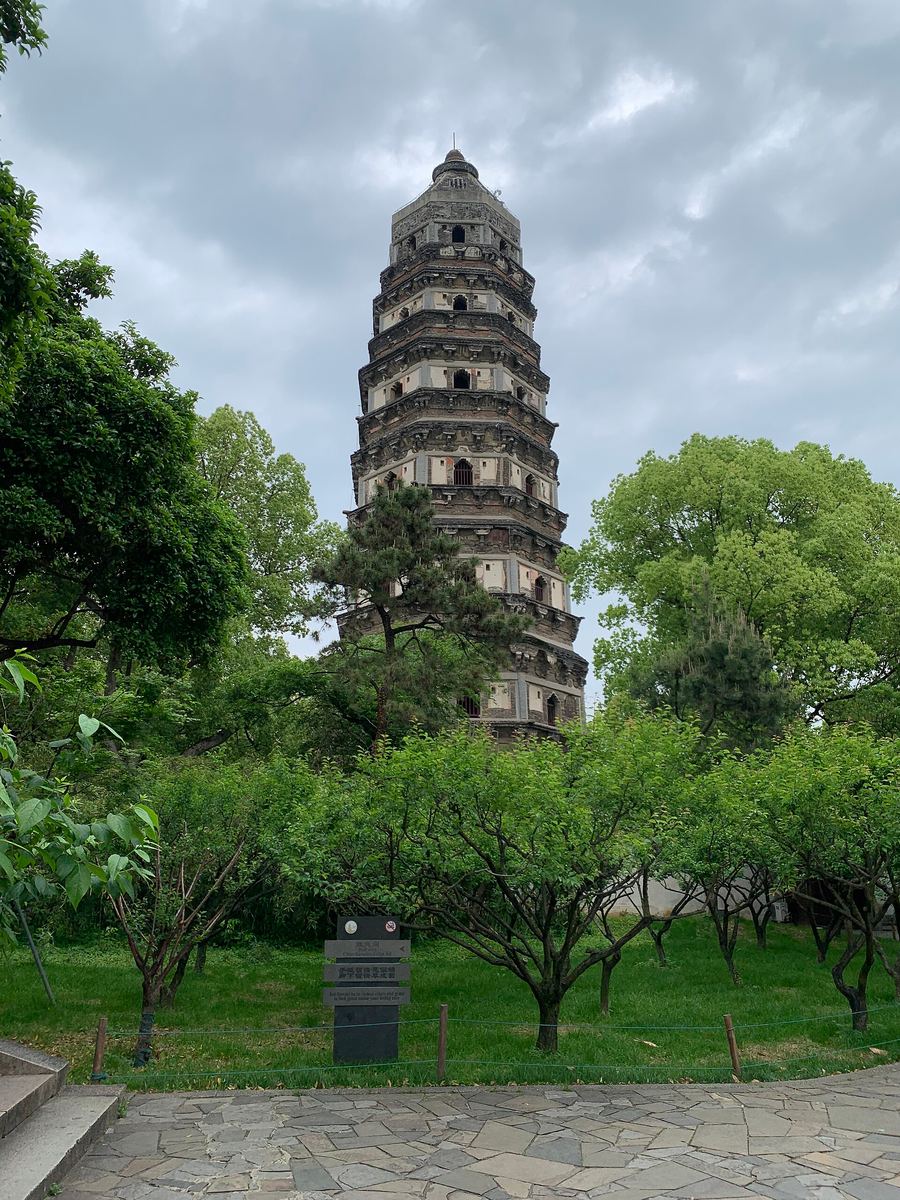
landmark
Home to the leaning Yunyan Pagoda built in 961 AD on a two-thousand-year-old tomb. Walk the rear bamboo trail to bypass crowded central steps.
Ask Parley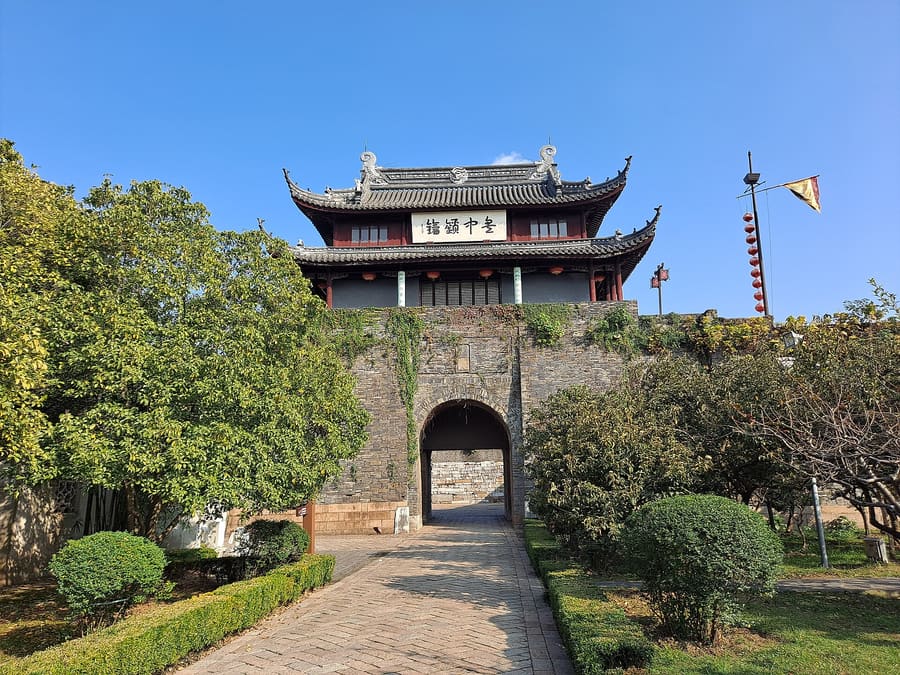
landmark
China's only surviving land and water city gate complex guarding the ancient moat. Rent a pedaled boat along the inner moat to view original brickwork.
Ask Parleyattractions
areas
Cobblestone alleys run along ancient canals lined with teahouses and hand-carved wood shops.
NearbySuzhou Museum, Humble Administrator's Garden
Ask ParleyRed lanterns glow over a 1,200-year-old canal thoroughfare flanked by arched stone bridges.
NearbyLingering Garden, Tiger Hill
Ask ParleyThe traditional heart of Suzhou within the ancient moat, blending canal lanes and residential compounds.
NearbyMaster of the Nets Garden, Guanqian Street
Ask ParleyModern skyscraper district featuring lakeside promenades, luxury hotels, and contemporary malls.
NearbySIP Cultural Center, Oriental Arc
Ask Parleyfood
Suzhou cuisine favors subtle sweetness and seasonal river catches. Local diners judge noodle shops by the clarity of their broth and the bite of thin wheat noodles. Breakfast starts early in local neighborhood joints, where broth boils before dawn.
Squirrel-shaped mandarin fish, deep-fried and doused in sweet-and-sour plum sauce.
dejur · CC BY-SA 3.0Tongde Xing opens early for Su-style noodles. Order red broth in winter or clear broth in summer with braised pork belly on the side.
Deyue Lou serves deep-fried Mandarin fish cut to resemble pine cones, doused in sweet-and-sour plum sauce. Order one fish for two to three diners.
In autumn, queue at local stalls near Guanqian Street for roasted chestnuts and steamed hairy crab from nearby Yangcheng Lake.
history
Suzhou grew on water, founded in 514 BC as the capital of Wu Kingdom. The opening of the Grand Canal transformed the city into a key southern economic and grain trade hub supplying northern China. Wealthy scholars and retired officials built secluded courtyard gardens to withdraw from imperial politics.
Helü City founded
King Helü builds the capital of the Wu Kingdom, establishing the grid of canals and city gates that endures today.
Garden golden age
Ming dynasty scholars and retired bureaucrats construct private scholar gardens across the inner city.
Industrial park development
China and Singapore partner to build Suzhou Industrial Park, establishing a high-tech district east of Jinji Lake.
where to stay
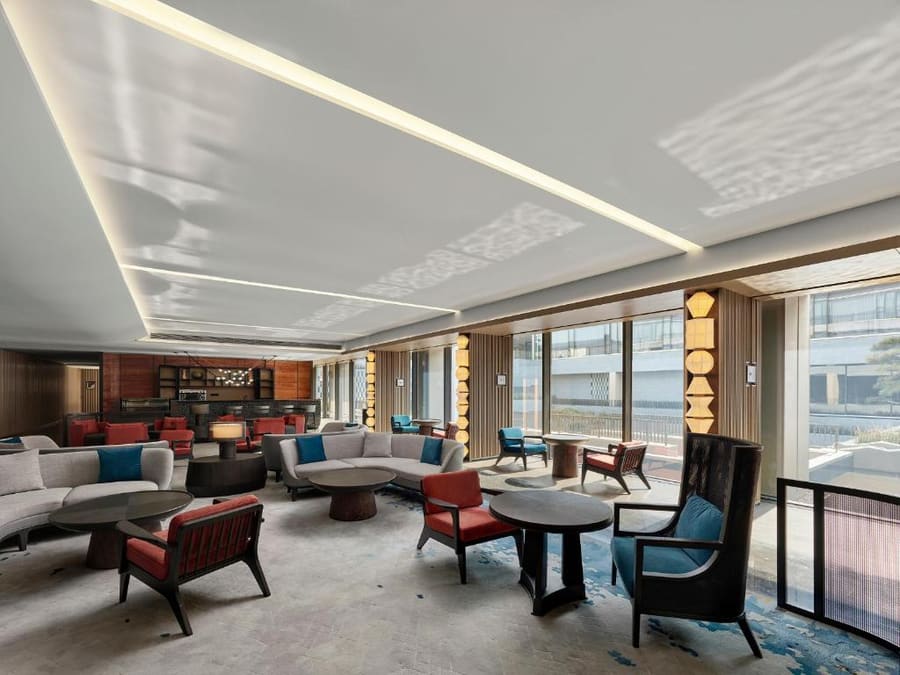
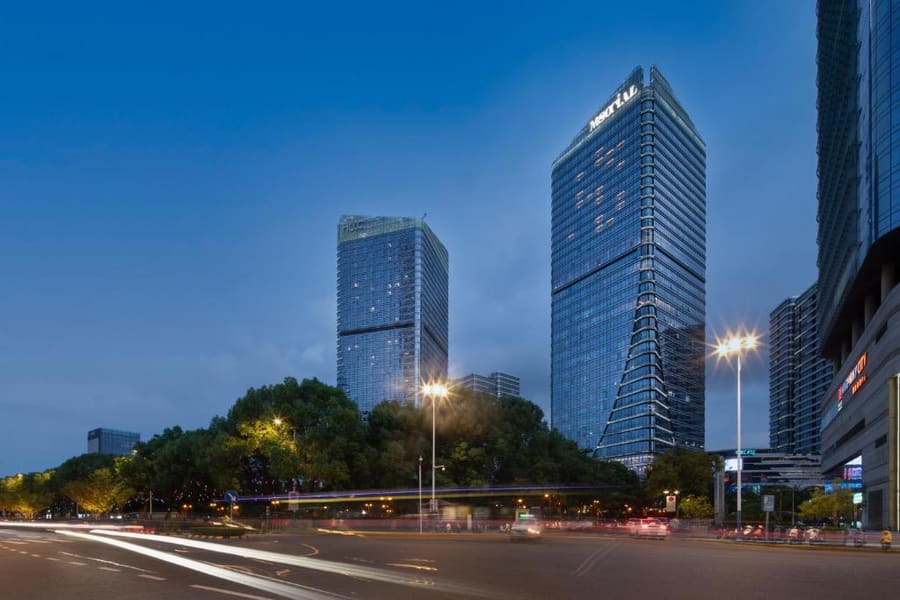
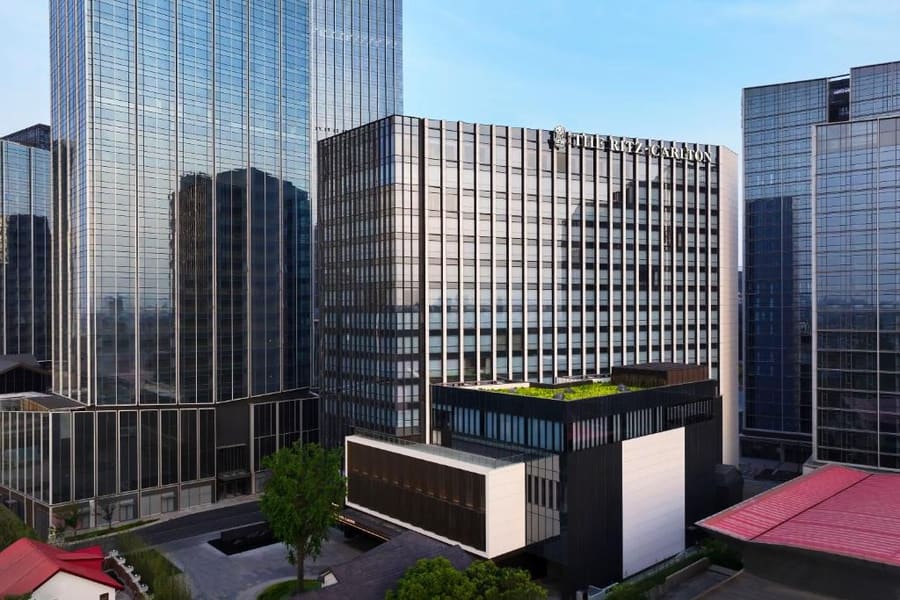
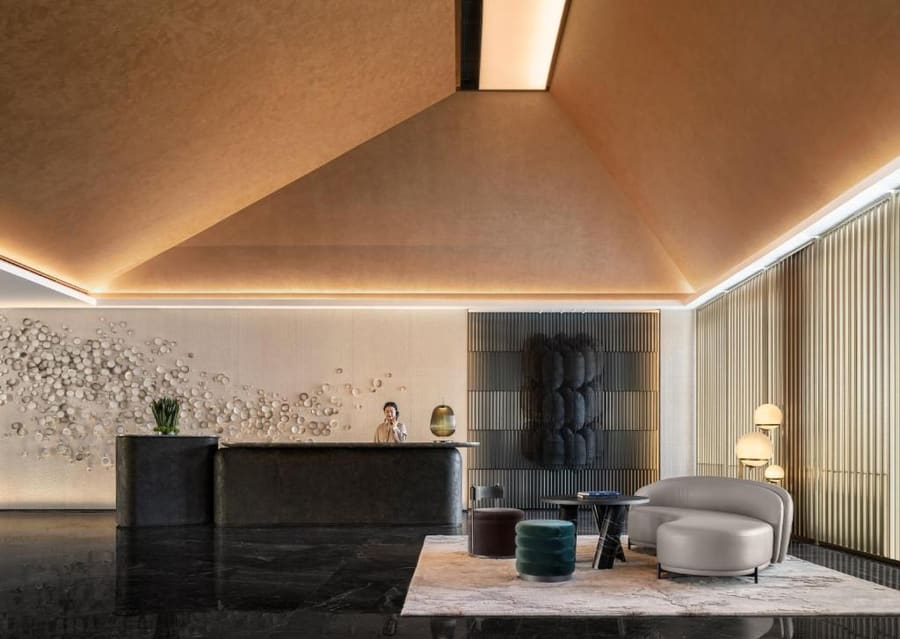
Choose your base based on whether you prefer historic canal atmosphere or modern high-rise convenience. Inside the ancient moat, boutique inns sit in converted courtyard houses near major gardens. East in Suzhou Industrial Park, high-end international hotels offer wide rooms and lake views.
Live rates, matched to the areas above.
transport
Suzhou possesses an extensive metro system that connects historic districts directly to high-speed rail stations. Walking remains the best option inside the historic garden quarters due to narrow canal lanes.
Scan directly at turnstiles using the Alipay Suzhou Metro mini-app. You do not need physical paper tickets.
Take Metro Line 4 to Beisita Station to walk directly to Suzhou Museum and Humble Administrator's Garden.
Hailing cabs near Pingjiang Road at 17:00 is difficult. Walk two blocks to main roads or use DiDi app.
Official tourist boats depart from Pan Gate and Shantang Street piers. Pay flat rates at official ticket windows.
cost
Suzhou is cheaper than neighboring Shanghai for food and transit, though top garden entrance fees scale up during spring and autumn peak seasons.
A standard bowl with braised pork belly or eel topping at traditional shops like Tongde Xing.
Peak season admission for Humble Administrator's Garden. Off-peak tickets cost ¥50–70.
Covers single journeys across the urban network based on distance travelled.
Includes green tea and a one-hour traditional ballad performance in Pingjiang Road teahouses.
seasonality
MAR – MAY
Spring blossoms flower in classical gardens. Book tickets early as domestic travel peaks.
JUN – AUG
Hot and rainy summer monsoon season. Visit air-conditioned museums during midday heat.
SEP – NOV
Clear skies and comfortable temperatures. Peak season for Yangcheng Lake hairy crabs.
DEC – FEB
Cold winter temperatures with occasional light snow. Gardens are quiet and room rates drop.
practicalities
Arrive at 07:30 when gardens open. Tour groups enter around 09:00, clogging narrow paths.
Carry your original passport everywhere. Ticket scanners at gardens and metro stations verify identity.
Performers sing Pingtan in Suzhou dialect. English translation screens are rare, so focus on the string instruments.
July and August temperatures routinely top 38°C. Carry hydration and plan indoor museum visits for noon.
Avoid Golden Week in early October and Labor Day in early May. Ticket quotas sell out instantly.