landmark
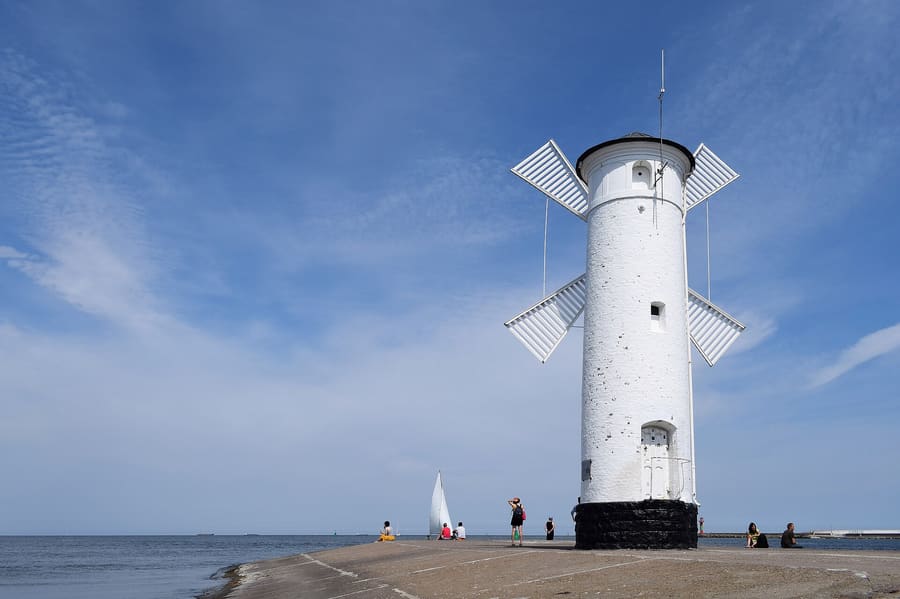
Stawa Młyny
Windmill-shaped navigation beacon at the harbour mouth. Walk the western breakwater at sunset for the cleanest photos.
Ask ParleyPoland
Poland's island city of Prussian forts and wide beaches.
introduction
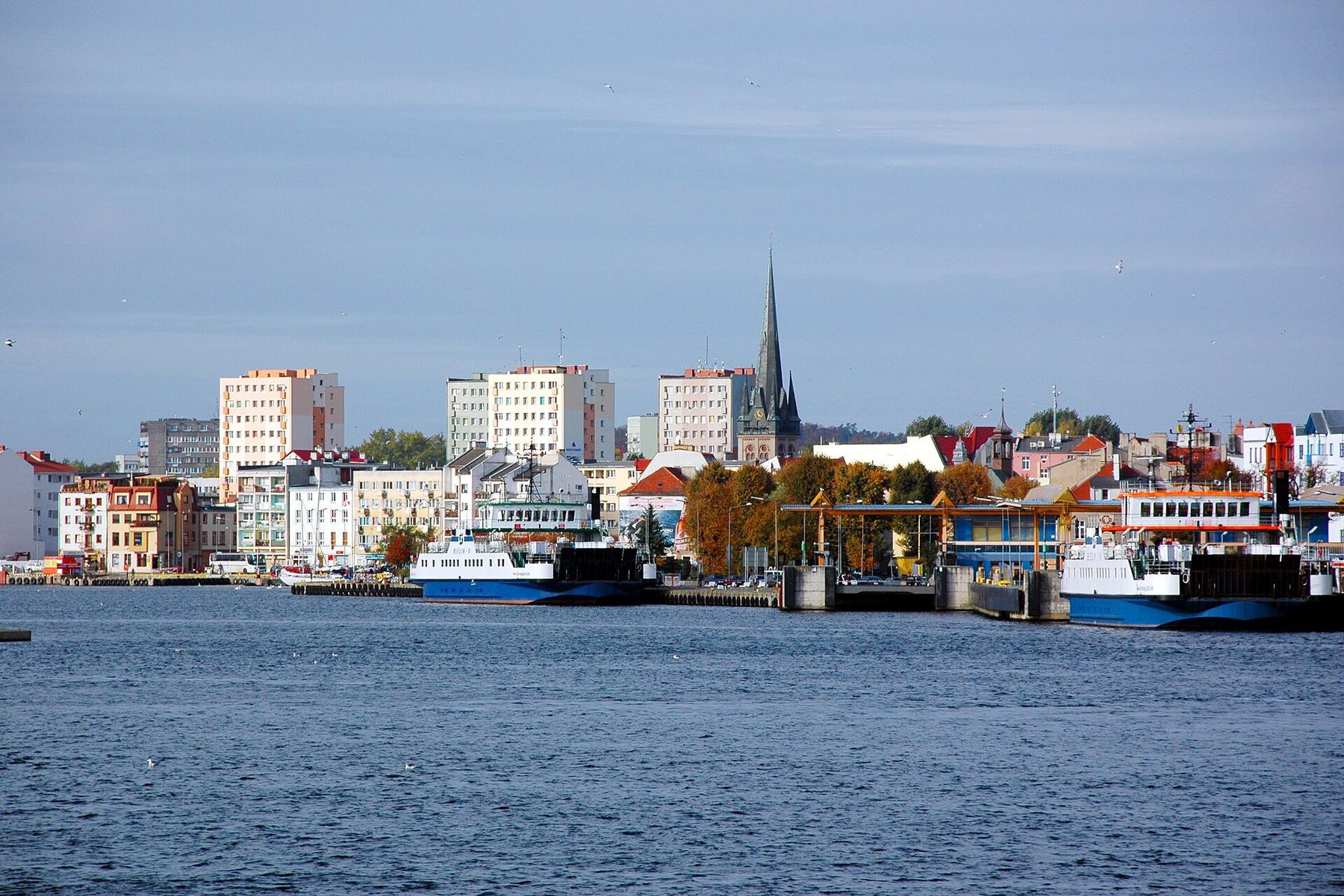
Świnoujście spreads across 44 islands at the mouth of the Świna river. Most daily life takes place on Uznam, where the promenade meets wide Baltic beaches and the German border. The underwater Świna Tunnel connects the city centre to the main rail terminal on Wolin island without ferry delays. You move between historic Prussian fortresses, modern spa hotels, and flat coastal bike routes.
Underwater tunnel arrival
The underwater Świna Tunnel opened in 2023. It connects Wolin island directly to Uznam island by road in under five minutes.
World's tallest brick lighthouse
The 1857 Świnoujście Lighthouse reaches 68 metres. Climbing its 308 steps yields views across the Baltic shipping channels.
Cross-border train link
Świnoujście Centrum station links directly to Germany's Usedom regional trains. You walk across the border without ticket penalties.
Świnoujście
Kapitel · CC BY-SA 4.0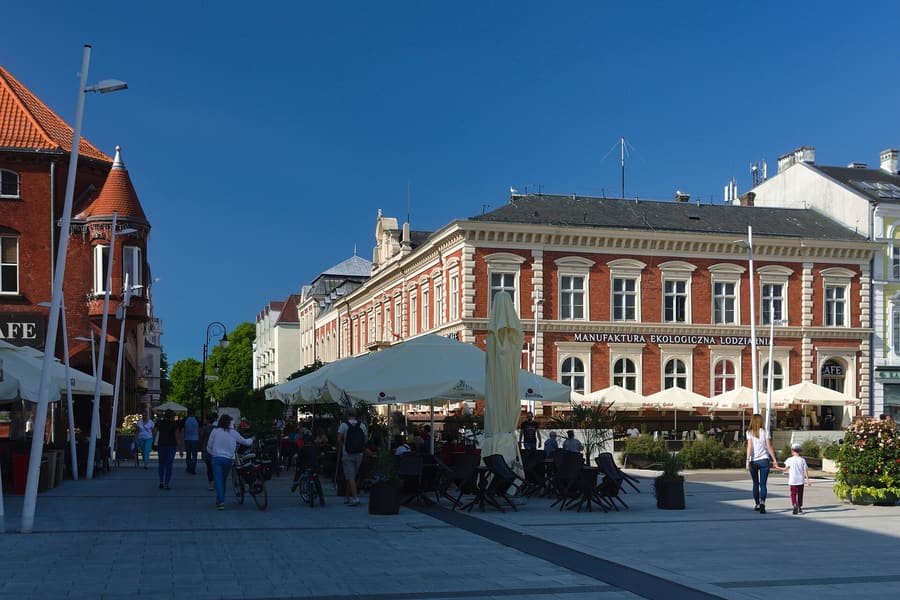
Śródmieście — Local municipal centre with quiet residential streets and everyday shops.
Adrian Tync · CC BY-SA 4.0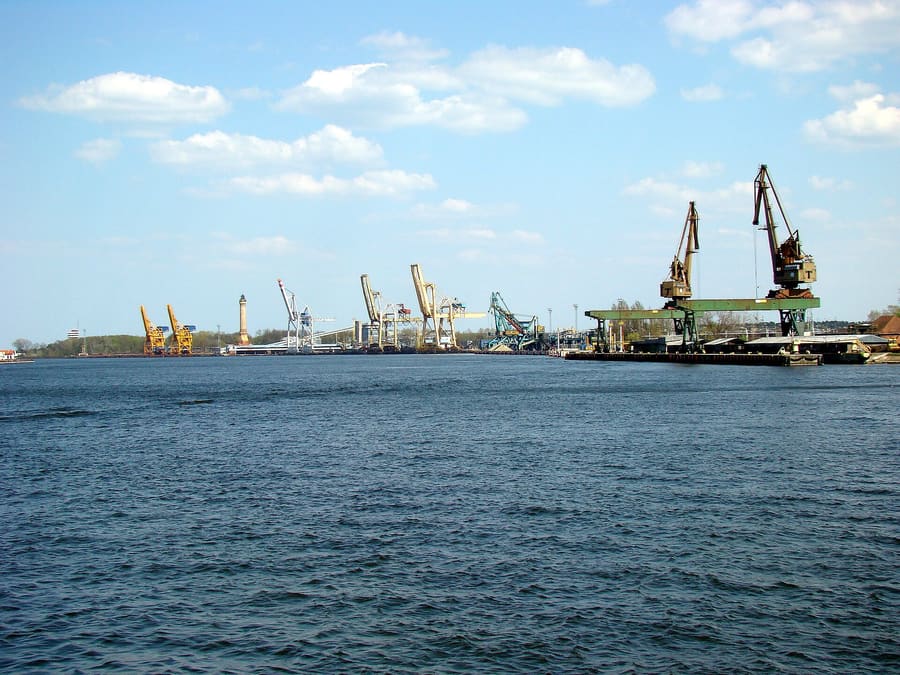
Warszów — Industrial port district housing the main train station and lighthouse.
Mateusz War. (Email) · CC BY-SA 3.0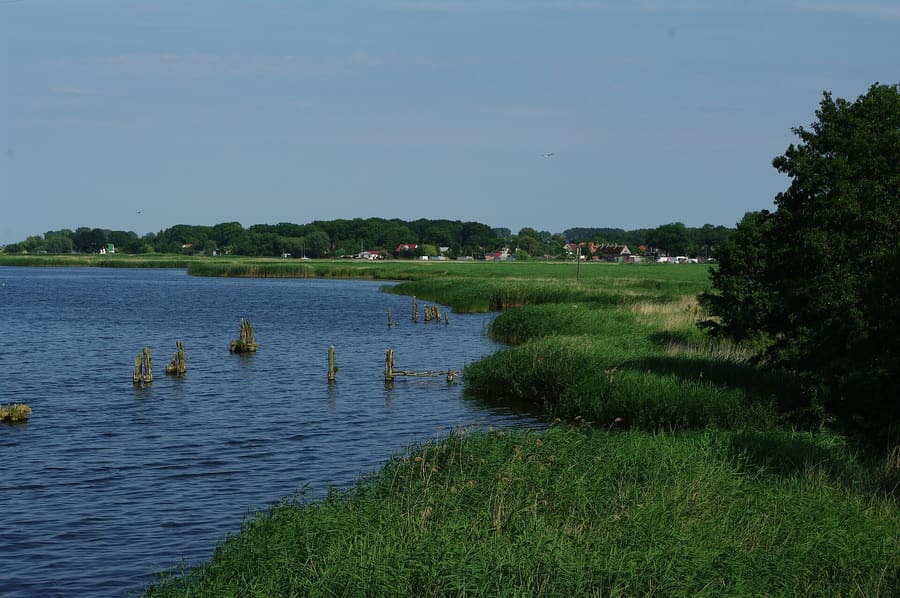
Karsibór — Rural island quarter with reed beds, bird reserves, and calm water inlets.
Krzysztof Bak · Public domain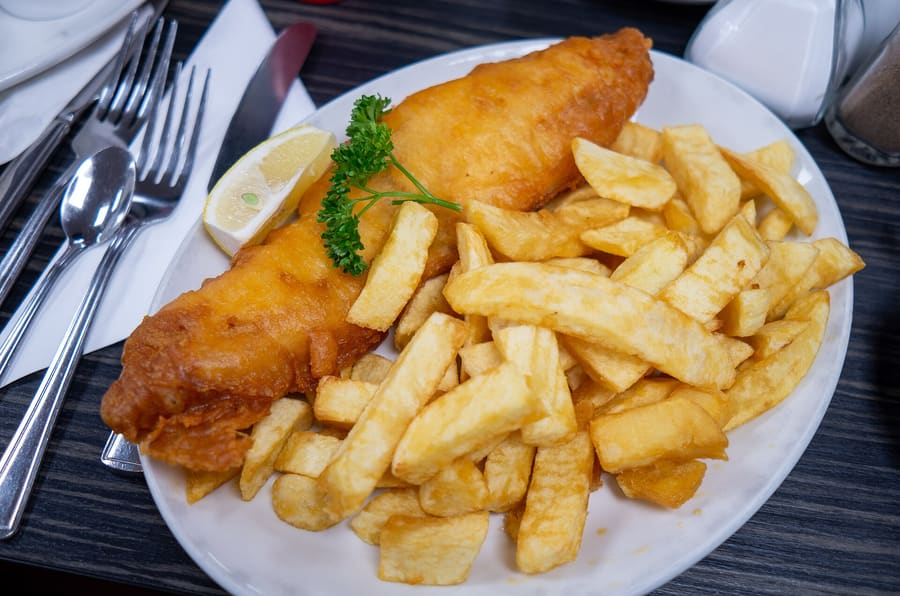
Pan-fried Baltic flounder served with cabbage slaw at a portside smażalnia.
Matthias Meckel · CC BY-SA 4.0highlights
landmark
Windmill-shaped navigation beacon at the harbour mouth. Walk the western breakwater at sunset for the cleanest photos.
Ask Parley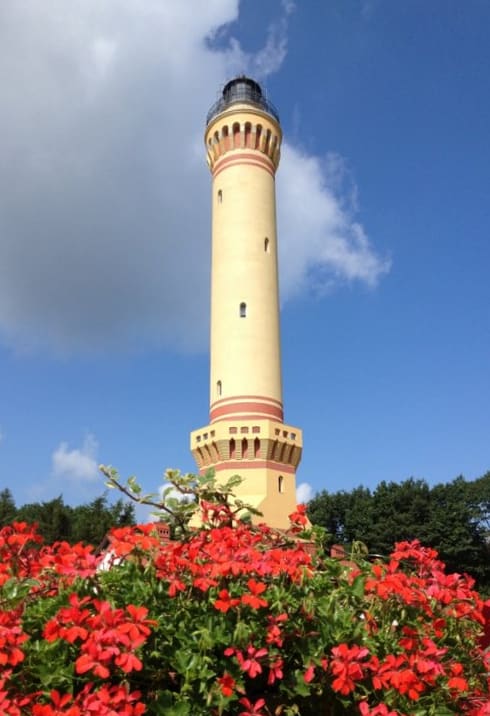
landmark
19th-century brick beacon on Wolin island. Climb 308 steps for views over port docks and German waters.
Ask Parley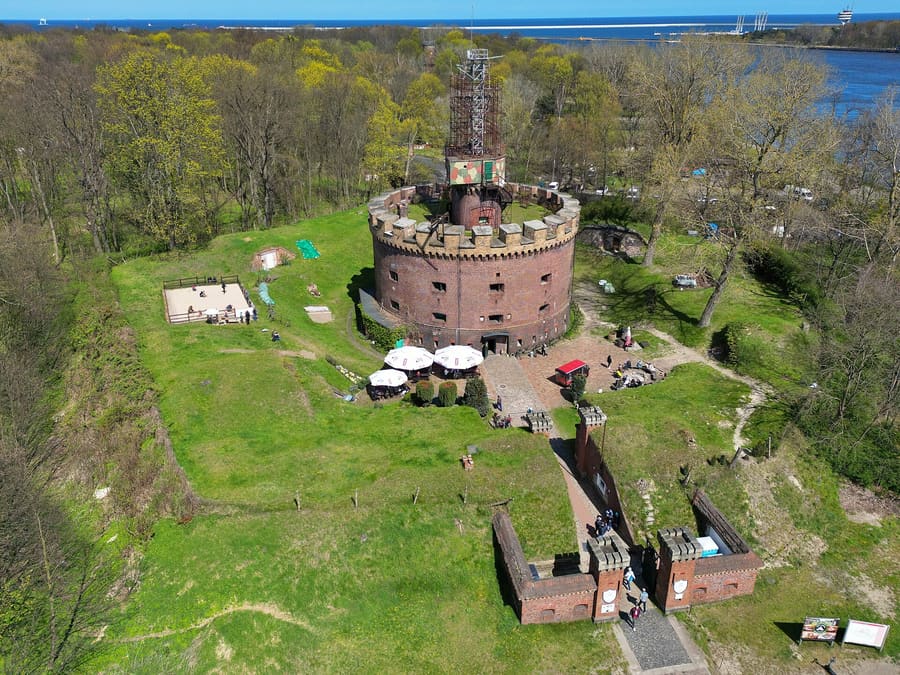
landmark
Modeled after Rome's Castel Sant'Angelo in 1858. Hosts art exhibits and a quiet courtyard café inside historic brick walls.
Ask Parley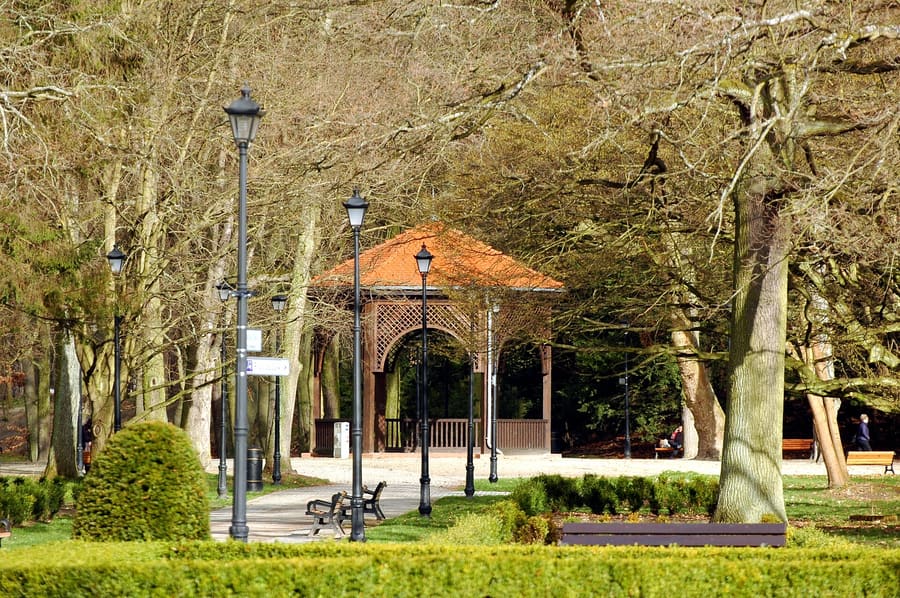
landmark
Pedestrian boulevard parallel to the Baltic shore. Benches, cycle lanes, and ice cream stands run uninterrupted to Germany.
Ask Parley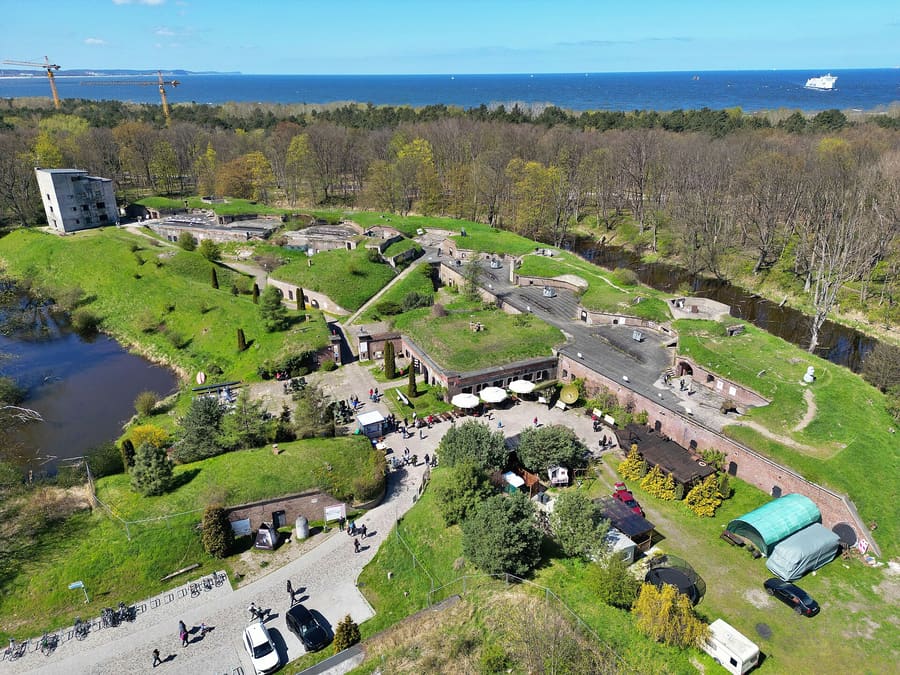
landmark
19th-century defensive work housing military artefacts. Walk defensive ramparts overlooking the Świna river channel.
Ask Parleyattractions
areas
Local municipal centre with quiet residential streets and everyday shops.
NearbyChopin Park and ferry terminals.
Ask ParleyIndustrial port district housing the main train station and lighthouse.
NearbyŚwinoujście Railway Station and Fort Gerhard.
Ask ParleyRural island quarter with reed beds, bird reserves, and calm water inlets.
NearbyKarsibór Ferns Reserve and Świna delta.
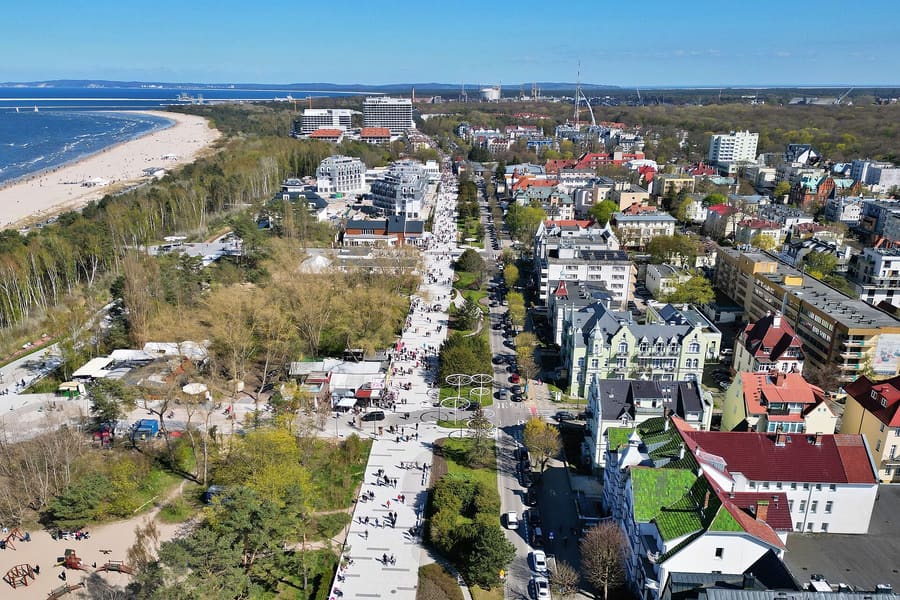
Ask ParleySpa hotels, wide sandy beach access, and dense summer foot traffic.
NearbySeaside Promenade and Baltic beach access paths.
Ask Parleyfood
Dining in Świnoujście centres on fresh Baltic catch along the harbour and boardwalk fryers (smażalnie ryb). Flounder (stornia), cod (dorsz), and Baltic herring (śledź) arrive daily from local cutters. German day-trippers drive demand along the promenade, pushing prices higher than in inland Polish towns. For authentic local fish without tourist markups, head south toward the harbour docks or buy smoked eel directly from port stalls.
Pan-fried Baltic flounder served with cabbage slaw at a portside smażalnia.
Matthias Meckel · CC BY-SA 4.0Buy smoked trout and eel at Rybacka street near the docks rather than on the beachfront.
Fish fryers charge per 100 grams. Confirm the fish weight before cooking to avoid surprises.
Menus on the promenade quote prices in both PLN and EUR, but paying in PLN avoids poor exchange rates.
history
Świnoujście grew from a 17th-century fishing settlement into Prussia's key naval port guarding the entrance to Szczecin. In the 19th century, King Friedrich Wilhelm III established Swinemünde as a premier German seaside resort in 1824, while the four brick fortresses guarding the Swine mouth were constructed under King Friedrich Wilhelm IV starting in 1848. Heavy bombing in March 1945 destroyed much of the port. The 1945 Potsdam Conference transferred the city to Poland, renaming it Świnoujście and repopulating it with Polish settlers.
First Resort Season
The town opens its first official saltwater baths, launching its transition into a Baltic spa resort.
Lighthouse Built
Engineers complete the 68-metre brick lighthouse on Wolin island, then the tallest in the world.
Border Realignment
Post-war border shifts assign Swinemünde to Poland; German residents depart and Polish re-settlement begins.
Świna Tunnel Opens
The underwater tunnel opens beneath the Świna river, permanently connecting Wolin and Uznam islands by road.
where to stay
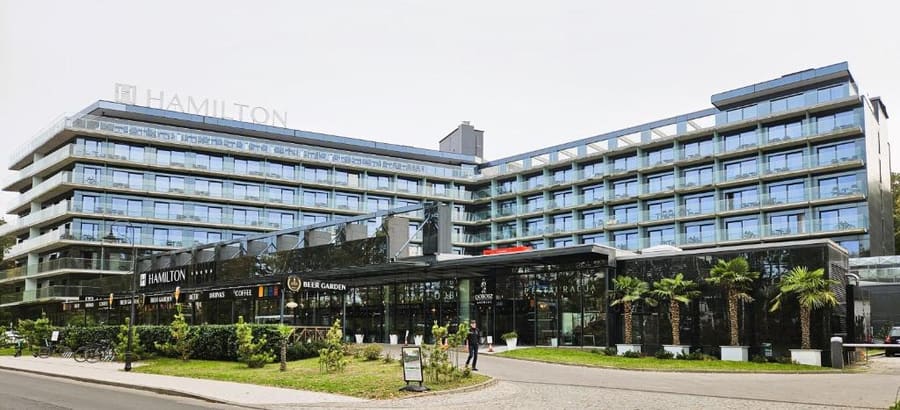
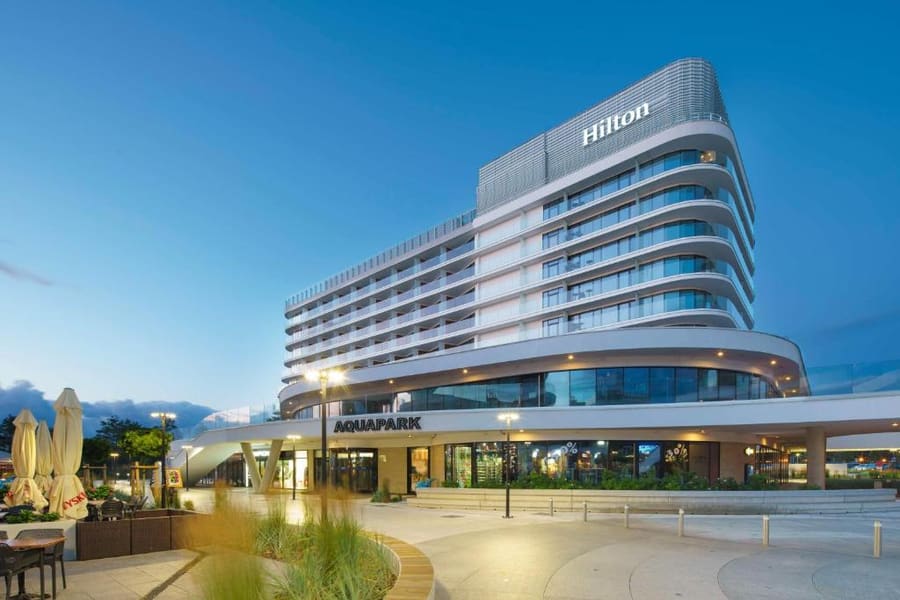
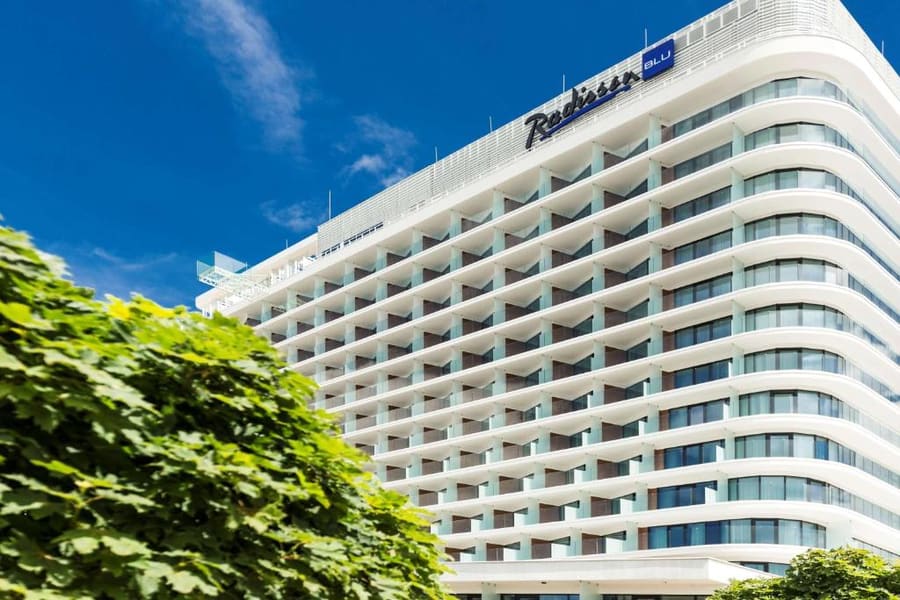
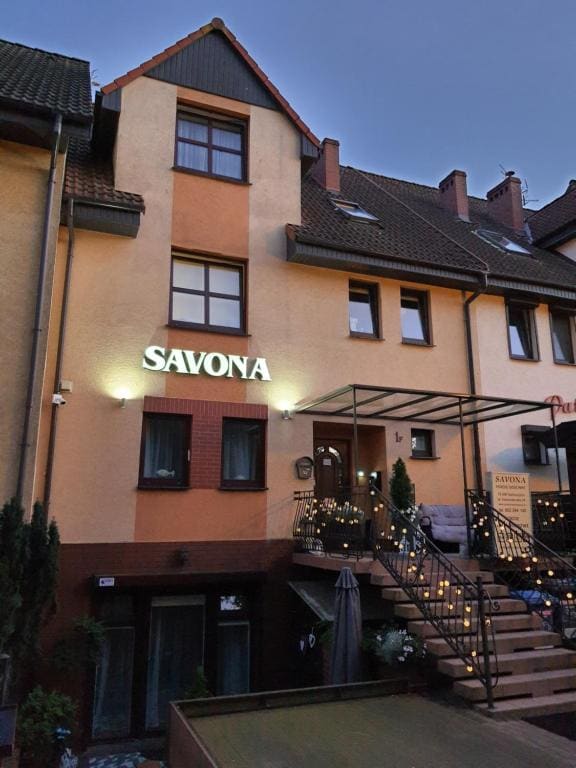
Choose your area based on whether you want immediate beach access or quiet residential streets. Dzielnica Nadmorska places you near the sand and thermal spas but commands high prices in peak season. Śródmieście offers cheaper guesthouses within walking distance of retail shops and local restaurants.
Live rates, matched to the areas above.
transport
Navigating Świnoujście requires understanding its island layout. Uznam holds the city centre and beach, while Wolin holds the main train station. The free municipal ferries still operate, but the 2023 Świna Tunnel carries all vehicle transit under the waterway.
From Świnoujście Main Railway Station
KA Świnoujście bus lines 1 and A connect the rail station on Wolin to Uznam beach via the tunnel.
The municipal Bielik ferry near the town centre carries pedestrians and cyclists free across the river.
Taxi ranks operate outside the train station; confirm meter activation before departing.
Purchase single-ride bus tickets inside vehicles using contactless payment cards.
Pedestrian ferries depart every 20 minutes during daytime from the Wybrzeże Władysława IV quay.
UBB trains to Germany leave from Świnoujście Centrum station on 12 Marca street, not the main station.
Baltic Bike rental stations let you pick up a bicycle on the Polish side and drop it in Germany.
cost
Świnoujście pricing reflects its dual status as a Polish port and a resort frequented by German day-trippers. Prices in the seaside district approach Western European levels, while inland town centre cafes remain reasonably priced.
Operators along the beach rent sunbeds daily from June through August.
Entry to Fort Gerhard or Fort Zachodni includes guided fortress tours.
A single portion of flounder with fries and slaw at seaside fryers.
Covers all municipal bus routes across both sides of the Świna river.
seasonality
MAY – JUN
Long daylight hours and manageable resort crowds. Water remains cool around 14–16°C.
JUL – AUG
Peak beach season with warm Baltic water (18–21°C). Promenade hotels sell out months ahead.
SEP – OCT
Quiet beaches and high amber-hunting yields after autumn storms. Many beach stalls close by October.
NOV – APR
Cold coastal winds and quiet streets. Spa hotels offer discounted indoor pool and sauna packages.
practicalities
Polish Złoty (PLN) is official. Promenade venues take Euros but use unfavourably rounded exchange rates.
Świnoujście beach reaches up to 200 metres wide. Sand dunes are protected zones; walking on them is illegal.
Polish trading bans close major supermarkets on Sundays. Small gas station kiosks remain open.
A paved continuous cycle track links Świnoujście directly to the German seaside towns of Ahlbeck and Heringsdorf.
Red flags at beach lifeguard towers indicate total swimming bans due to strong undertows.