landmark
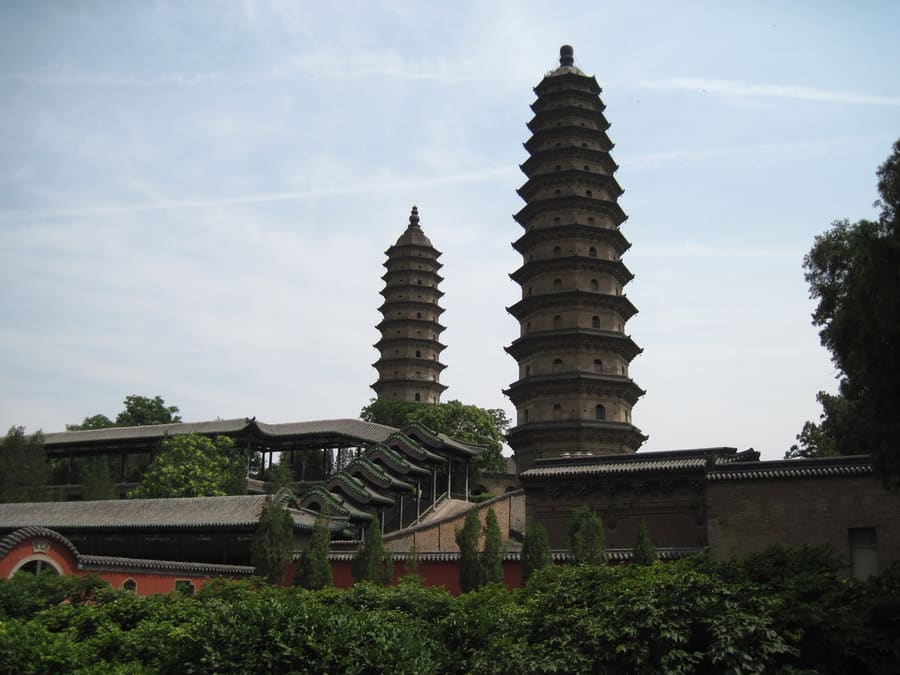
Twin Pagoda Temple
Two 50-meter Ming dynasty brick pagodas lean slightly. Visit in late spring when the peony gardens bloom beneath them.
Ask ParleyChina
Heavy industrial scale meets three millennia of Jin heritage.
introduction
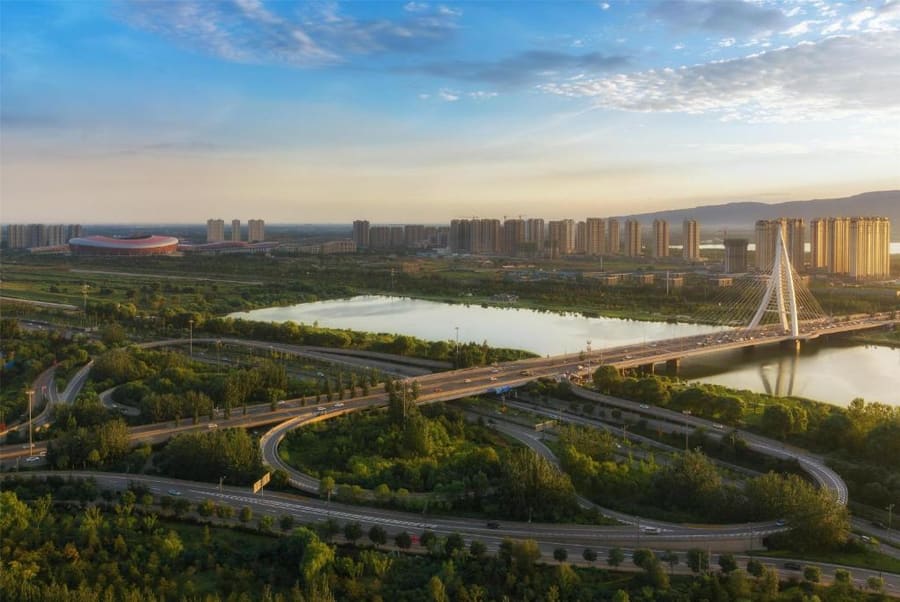
Taiyuan sits in a high river valley bounded by coal-rich mountains and ancient Buddhist sites. As the capital of Shanxi, it functions as a working industrial center rather than a manicured tourist enclave. Moving through the city relies on Metro Line 2 running north-south along the Fen River. You come here for northern wheat cooking, Song dynasty temple sculpture, and quiet archaeological depth.
Arrival connection
Metro Line 2 links Taiyuan South Railway Station directly to downtown Yingze. The ride takes under 25 minutes and costs 4 CNY.
Cultural recognition
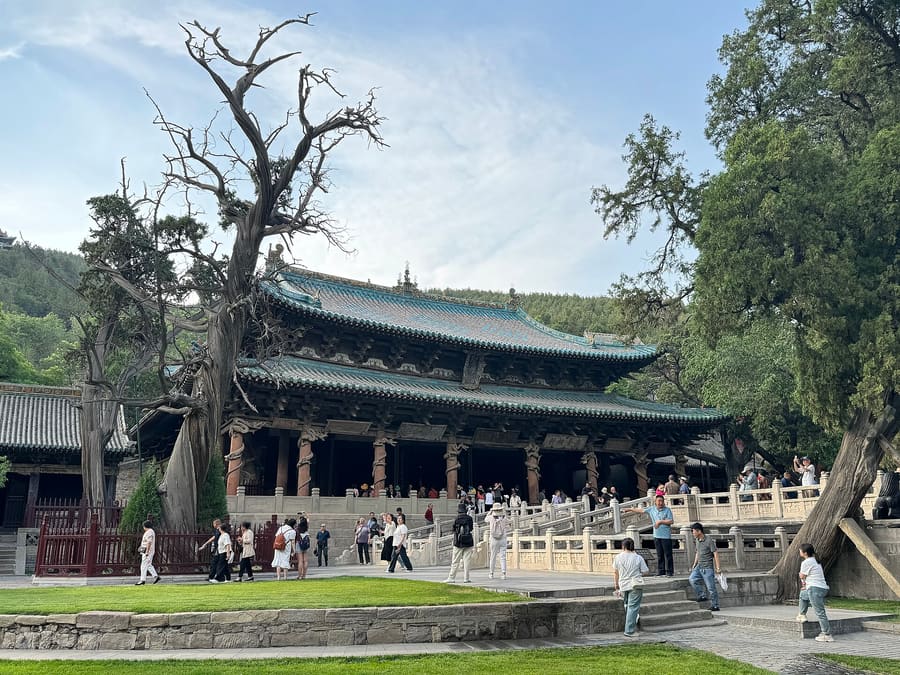
Jinci Temple houses Northern Song dynasty wooden architecture and statues that survived intact for over 900 years.
Museum booking strategy
Shanxi Museum requires advance reservations through its WeChat mini-program. Weekend passport slots often cap out three days early.
Taiyuan
Patrick20242023 · CC BY-SA 4.0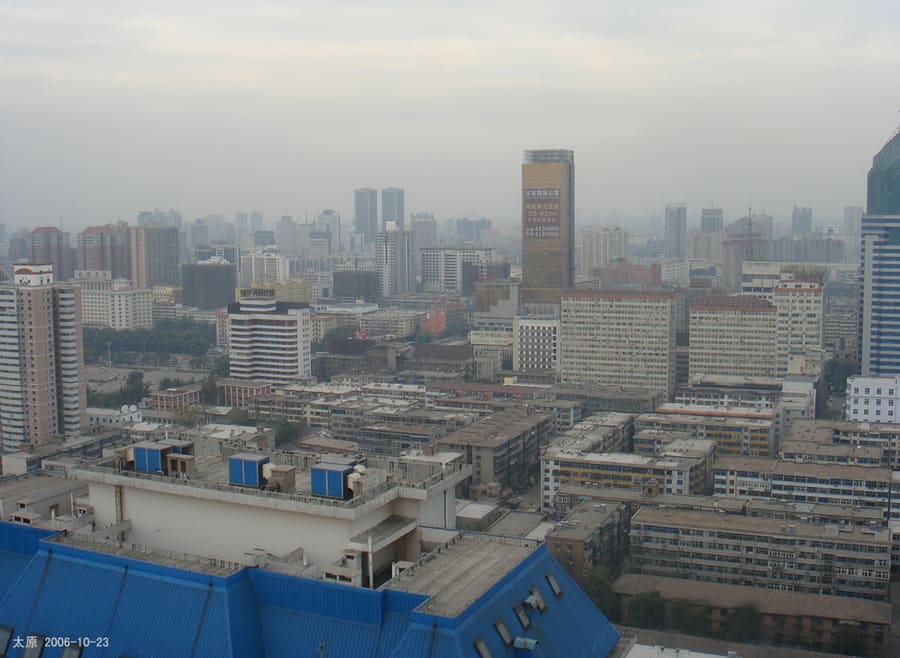
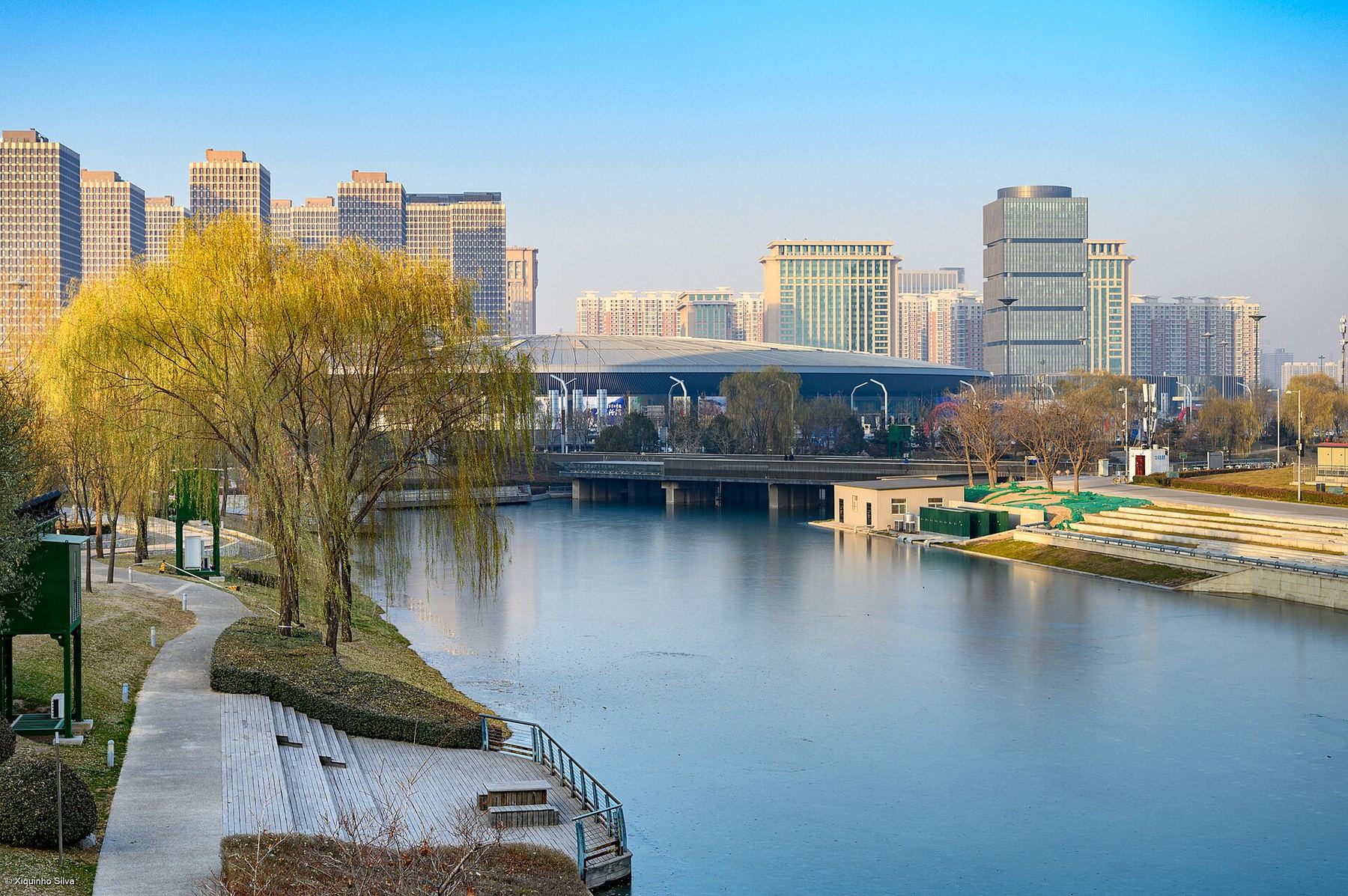
Yingze — Central city core with historic temples, busy retail streets, and major transit hubs.
wanghongliu · CC BY-SA 3.0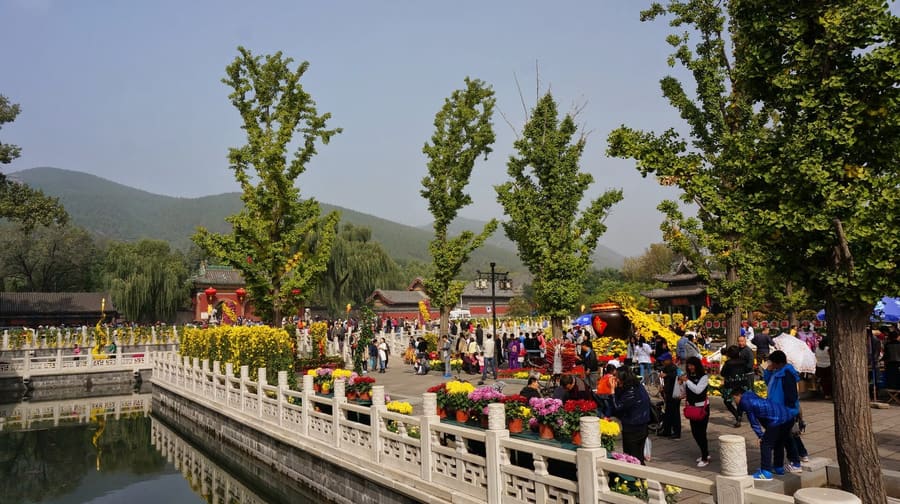
Jinyuan — Southern outer district containing ancient Jin state relics and mountain parkland.
Ben Bender · CC BY-SA 3.0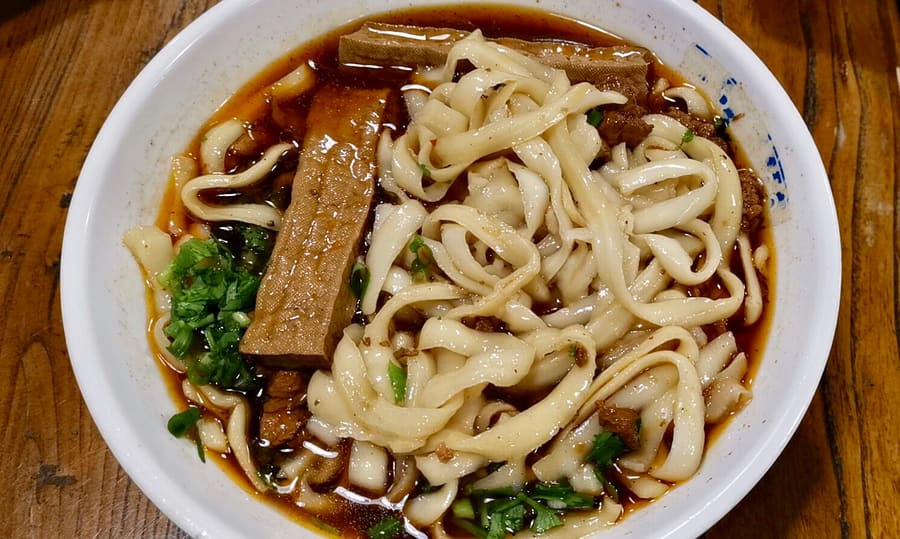
Daoxiao mian shaved straight into broth with braised pork and coriander.
Lizixuannn · CC BY-SA 4.0highlights
landmark
Two 50-meter Ming dynasty brick pagodas lean slightly. Visit in late spring when the peony gardens bloom beneath them.
Ask Parley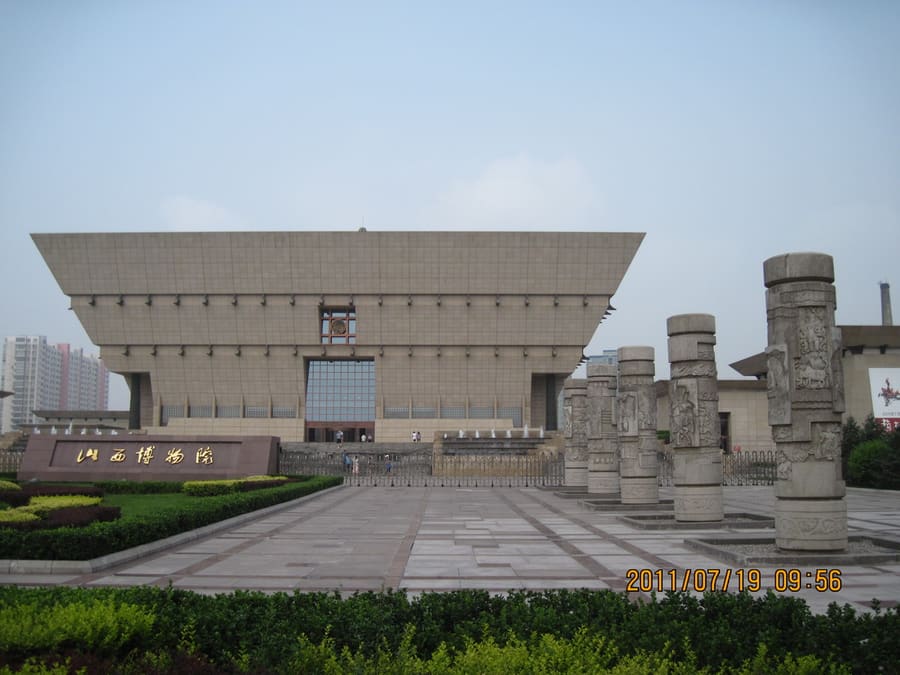
landmark
Houses top-tier bronze vessels and Buddhist stone carvings. Reserve a free ticket three days ahead on WeChat.
Ask Parley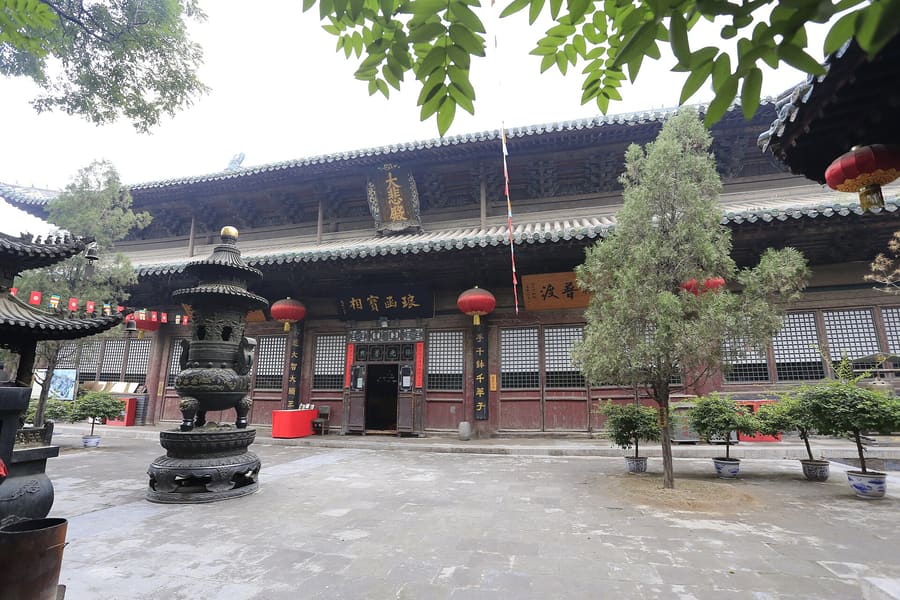
landmark
Quiet Ming dynasty survivor in the city center. Home to thousand-arm Guanyin sculptures and original scripture prints.
Ask Parley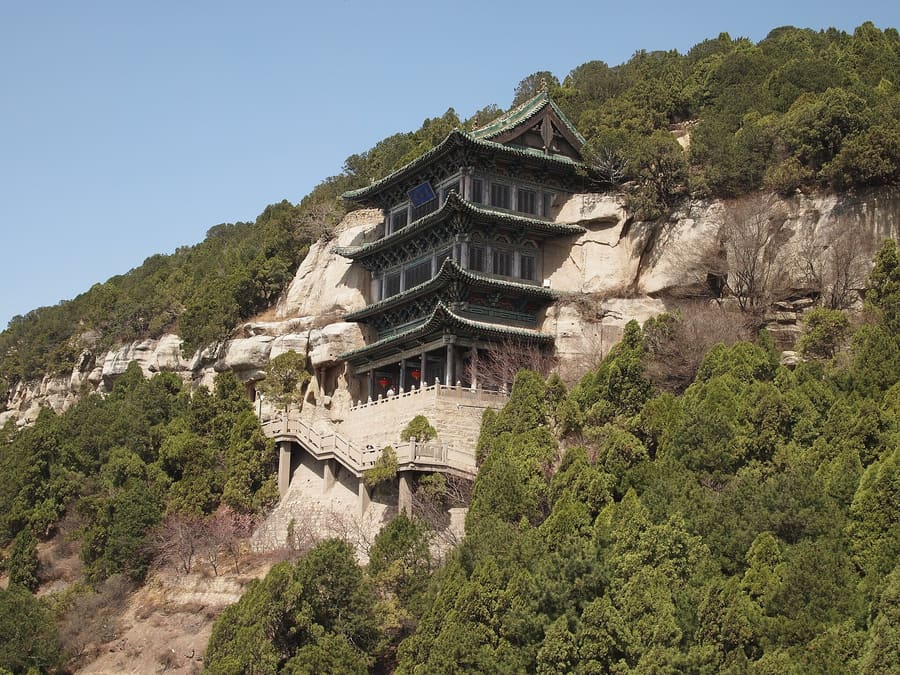
landmark
Cliffside Buddhist carvings spread over two mountains. Shuttle buses run from the base park entrance.
Ask Parleyattractions
areas
Central city core with historic temples, busy retail streets, and major transit hubs.
NearbyLiuxiang, Chongshan Temple, Yingze Park
Ask ParleySouthern outer district containing ancient Jin state relics and mountain parkland.
NearbyJinci Temple, Tianlongshan Grottoes
Ask ParleySouthern district featuring modern shopping malls, high-speed rail connections, and wide avenues.
NearbyTaiyuan South Railway Station, MixC Mall
Ask ParleyWest-bank riverfront area defined by major museums, parks, and civic architecture.
NearbyShanxi Museum, Fenhe Park, Taiyuan Museum
Ask Parleyfood
Shanxi is China's noodle heartland. Wheat and sorghum dominate every menu, taking dozens of distinct shapes. Cooks cut dough directly into boiling water with broad metal blades to make daoxiao mian. Every meal features aged mature vinegar (laocu), which adds sharp acidity to rich mutton soups and fried flour cakes.
Daoxiao mian shaved straight into broth with braised pork and coriander.
Lizixuannn · CC BY-SA 4.0Eat this herbal mutton broth early in the morning. Traditional shops near Liuxiang serve it with lotus root and rice wine.
Locals pour vinegar generously into every noodle bowl. Premium aged vinegar reaches eight years of aging.
history
Taiyuan began as Jinyang over 2,500 years ago during the Spring and Autumn period. It served as a strategic military bastion for northern dynasties and a launchpad for emperors. Coal mining transformed it into an industrial powerhouse in the 20th century.
Founding of Jinyang
The state of Zhao builds Jinyang city wall, establishing a regional fortress.
Industrial expansion
Taiyuan grows into a heavy manufacturing hub focused on steel and coal extraction.
where to stay
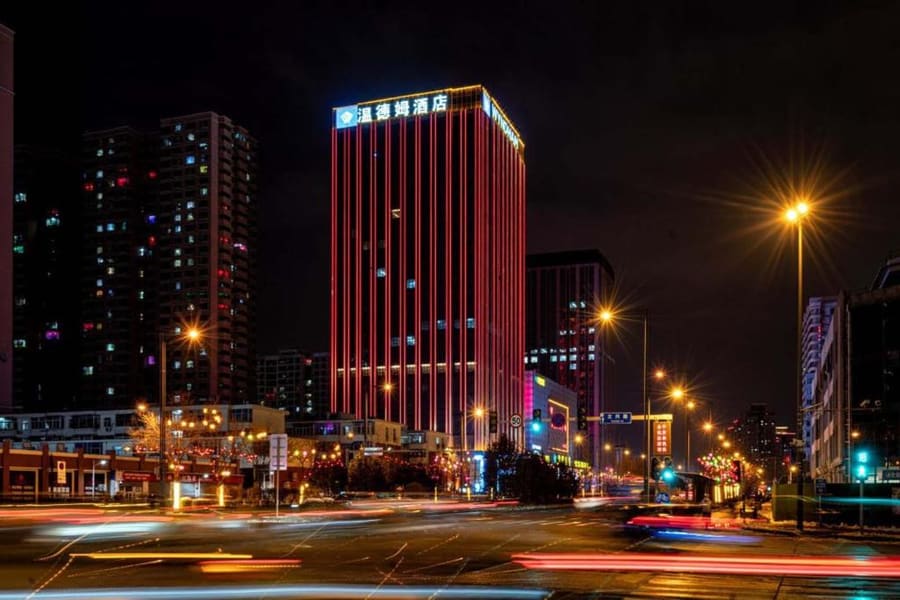
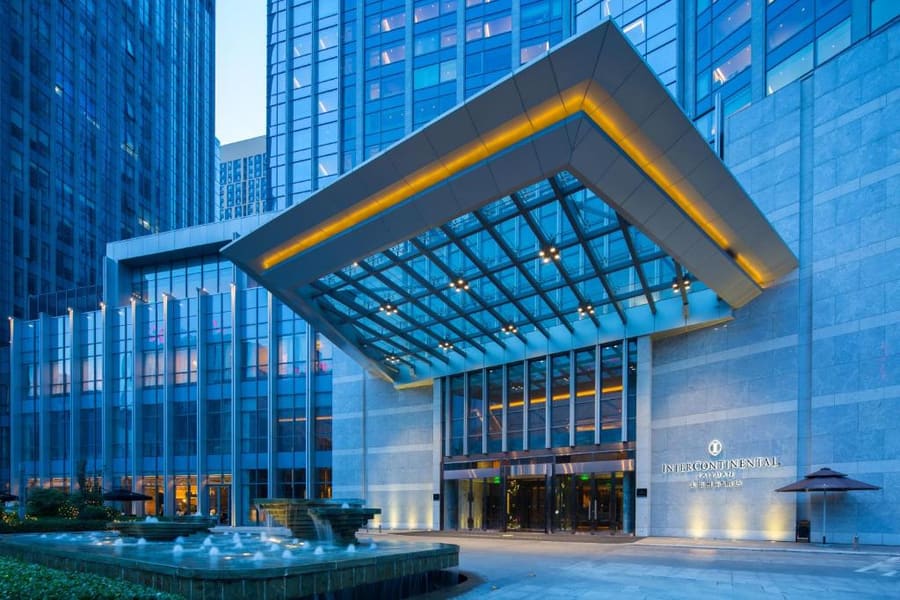
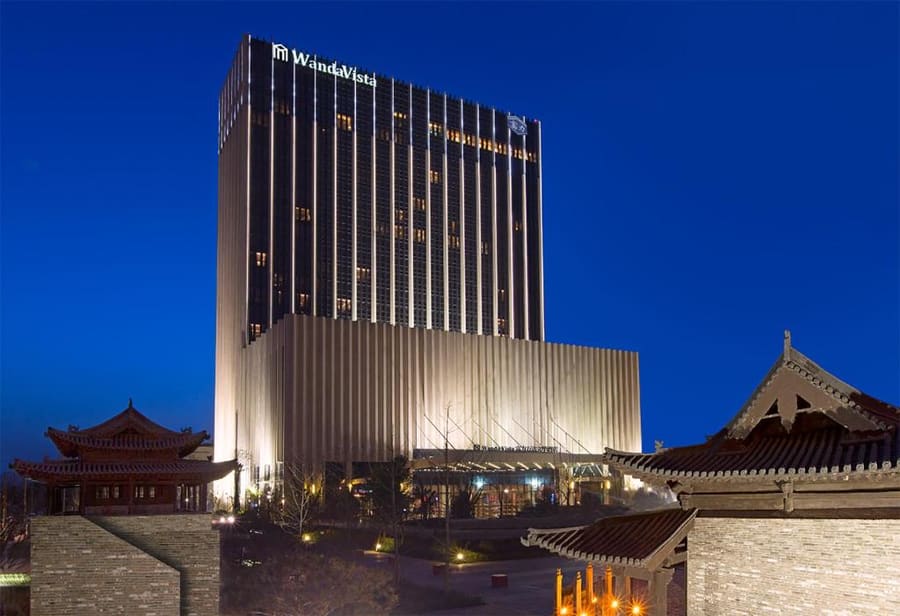
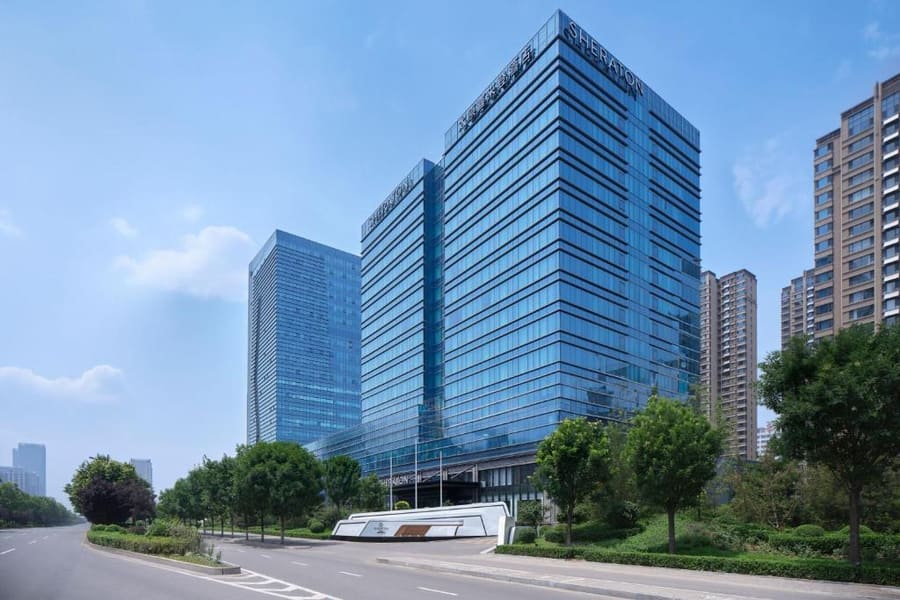
Choose your location based on your transport needs. Yingze keeps you close to old streets and food markets. Xiaodian puts you near the high-speed rail hub and newer international hotels.
Live rates, matched to the areas above.
transport
Metro Line 2 runs north to south, making central trips simple. Taxis are abundant and inexpensive. Ride-hailing apps work reliably throughout the metropolitan area.
From Taiyuan Wusu International Airport (TYN)
Use official ground-floor taxi queues outside Arrival Hall.
Airport Shuttle Line 1 runs directly to Yingze Street.
Pick-up point is located inside the parking garage.
Scan Alipay or WeChat transit codes directly at turnstiles without buying paper tokens.
Taiyuan Railway Station serves standard trains. Taiyuan South Station handles high-speed rail lines.
Base taxi meter fare starts at 8 CNY. Cash is rarely carried by drivers; use mobile pay.
City buses charge a flat rate of 1 CNY. Exact cash or transit QR codes are accepted.
cost
Taiyuan offers lower daily costs than eastern coastal capitals. Dining and public transit are particularly affordable, while entry fees to historic sites remain reasonable.
Standard portion at neighborhood noodle shops includes sauce and pickled garlic.
Covers full admission to the main heritage complex and grounds.
Fares scale with distance along Metro Line 2.
Applies to double rooms in business districts like Yingze.
seasonality
MAR – MAY
Spring brings clear skies and mild temperatures. Ideal time for temple courtyard visits.
JUN – AUG
Warm summer months bring afternoon rain showers. High tourist volume at heritage sites.
SEP – NOV
Cool and dry conditions make autumn the most comfortable window for walking outdoors.
DEC – FEB
Cold dry winter with freezing temperatures. Historic sites are quiet and crowd-free.
practicalities
Alipay and WeChat Pay are necessary for street stalls and buses.
Shanxi Museum closes on Mondays except during national holidays.
English signage is limited outside main transport hubs and major museums.
The high plateau climate is dry year-round; carry water when walking.
Winter heating season can bring elevated particulate levels in the valley.