
landmark
Town Hall Square
The central Hanseatic square anchored by the 15th-century Town Hall. Visit early morning to avoid tour groups.
Estonia
Medieval stone, Soviet concrete, and digital infrastructure.
Tallinn compresses seven centuries of Hanseatic history into a compact, walled old town. Surrounding this medieval core are former industrial hubs reborn as tech and creative districts. Walking is the most efficient way to cross the historic centre, while a public transport system relying primarily on CNG and diesel buses handles outer trips. You can scan a contactless bank card on every tram and bus without buying paper tickets.
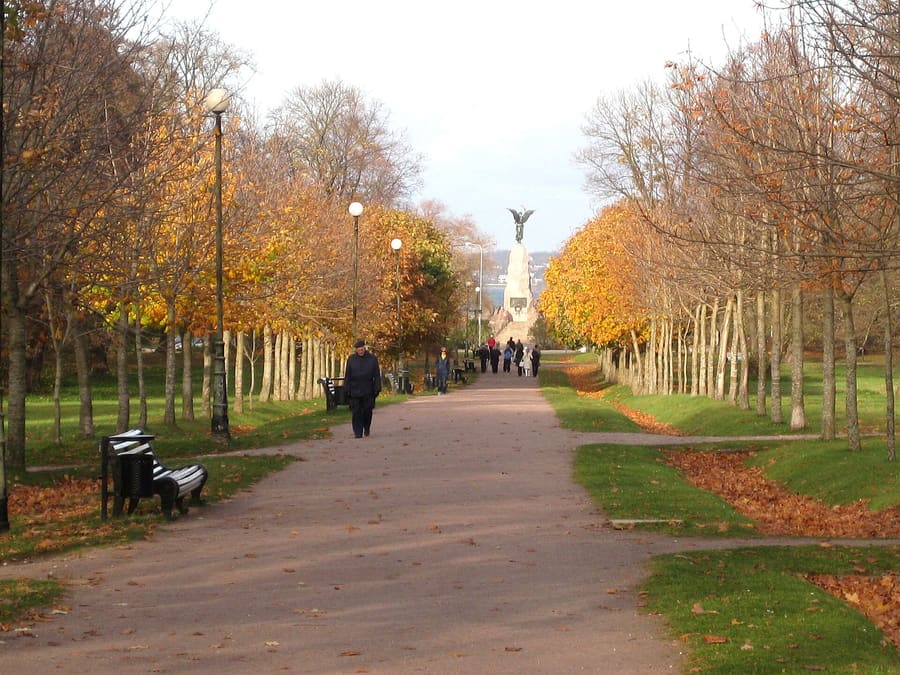
Kadriorg — Leafy park area centered around Tsar Peter the Great's summer palace.
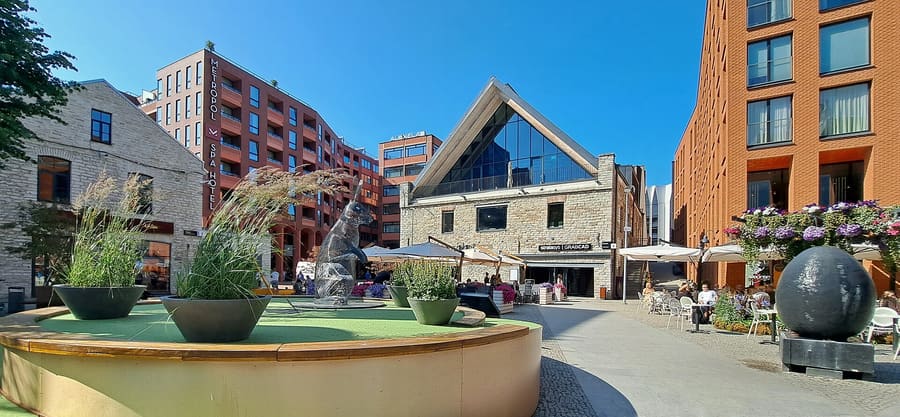
Rotermann Quarter — Redbrick industrial estate restored into a compact urban quarter.
Balti Jaama Turg market hall, where food stalls serve street food downstairs and fresh local produce above.
01
landmark
The central Hanseatic square anchored by the 15th-century Town Hall. Visit early morning to avoid tour groups.
landmark
Russian Orthodox cathedral with distinctive onion domes atop Toompea Hill. Entry is free; wear modest clothing.
landmark
National art repository built into a limestone cliff in Kadriorg Park. Houses Estonian art from the 18th century onward.
landmark
Gothic church tower offering steep stair access to panoramic city views. The spire was once among the tallest in Europe.
landmark
Former railway warehouse district housing design studios, cafes, and Fotografiska. Located next to Balti Jaam station.
02
03
Walled medieval core filled with cobblestone alleys and gothic steeples.
NearbyDirect access to Toompea Hill and major medieval landmarks.
Ask ParleyFormer working-class neighbourhood filled with wooden houses and industrial hubs.
NearbyBalti Jaam market hall and Telliskivi Creative City.
Ask ParleyLeafy park area centered around Tsar Peter the Great's summer palace.
NearbyKumu Art Museum, Kadriorg Park, and the Baltic promenade.
Ask ParleyRedbrick industrial estate restored into a compact urban quarter.
NearbyOld City Harbour and the eastern edge of Old Town.
Ask Parley04
Estonian dining relies heavily on fermentation, smoke, and seasonal foraging. Dark rye bread (leib) forms the foundation of almost every meal, served warm with salted butter. Traditional dishes prioritize smoked sprats, Baltic herring, pork belly, and chanterelle mushrooms collected from northern forests.Modern chefs in Tallinn adapt these staple ingredients using Nordic techniques. In districts like Kalamaja and Rotermann, former factories house kitchens focused on hyper-local sourcing. Fish comes directly from Baltic fishing vessels, while berries and herbs arrive from rural farms.Casual dining centers on market halls and neighborhood bakeries. You will find fermented dairy products like kohuke (curd snack) in grocery stores, while sit-down venues focus on roasted meats, root vegetables, and fermented juices.
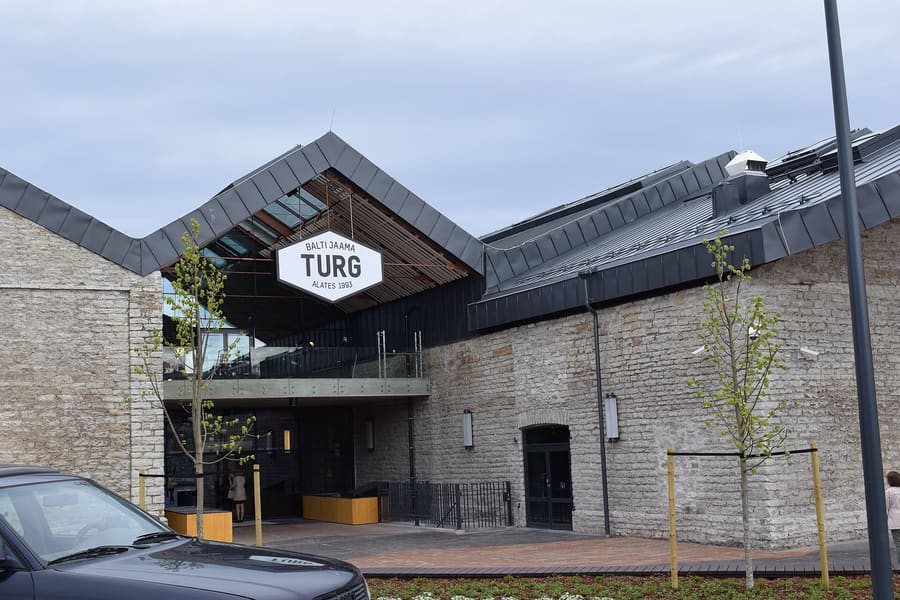
Balti Jaama Turg market hall, where food stalls serve street food downstairs and fresh local produce above.
Estonians treat dark sourdough rye bread as a core meal component. Dropping bread on the floor traditionally requires picking it up and kissing it.
Look for chalkboard signs reading 'Päevapakkumine' between 11:30 and 14:00. Restaurants serve set daily lunches for €6–€9.
05
Tallinn grew as a trade link between Western Europe and Russia. Founded as a Danish fortress on Toompea Hill in 1219, the settlement was named Reval by German merchants. It joined the Hanseatic League in 1285, growing wealthy on grain, fur, and salt transit across the Baltic Sea.Foreign powers controlled the city for centuries. Swedish forces took the city in 1561, followed by Russian conquest under Peter the Great in 1710. Throughout these political shifts, Baltic German elites maintained local administrative control and preserved the German language in trade and law.Estonia declared independence in 1918, renaming the capital Tallinn. Annexed by the Soviet Union in 1940 and occupied by Germany during World War II, the city retained its historic core despite heavy 1944 bombings. Estonia restored independence in 1991, quickly transforming Tallinn into a modern digital capital.
Danish Conquest
King Valdemar II of Denmark captures Toompea Hill, constructing a stone fortress that gives the city its Estonian name (Taani-linn, 'Danish castle').
Hanseatic League
Reval joins the Hanseatic League, monopolizing Russian trade routes and constructing the limestone walls still standing today.
Russian Imperial Rule
Peter the Great secures the city during the Great Northern War, building Kadriorg Palace as a summer residence.
Restoration of Independence
Estonia re-establishes independence following the Singing Revolution, rapidly converting public administration to digital platforms.
06
Choose your location based on transit needs and noise tolerance. Old Town places you inside historic stone buildings on cobblestone streets, but delivery vehicles and night bars can generate noise. Staying outside the walls trades medieval views for quieter rooms and modern elevators.Kalamaja suits travellers wanting converted wooden apartments close to design hubs. Rotermann Quarter provides modern business hotels and short walks to the ferry terminal. Kadriorg offers quiet, leafy surroundings near museums.
Highly rated hotels in Tallinn.


07
From Lennart Meri Tallinn Airport (TLL)
Bus line 15 stops outside arrivals and runs to Viru Keskus basement terminal.
Bolt operates widely; pick-up point is located directly outside the main exit.
Use official airport ranks (Forus or Tallink); confirm fare estimate before boarding.
Tap your bank card at the front door validator. A single journey costs €2.00 and includes 60 minutes of transfers.
Tapping the same contactless card automatically caps your daily public transport spend at €5.50 regardless of trips taken.
Public transport is free exclusively for registered Tallinn residents with a personalized green Ühiskaart. Visitors must pay.
Trams and buses run daily from 06:00 until 23:00. Night transit options are limited; use rideshare apps after midnight.
08
Estonia uses the Euro (€). Prices in Tallinn are higher than in neighbouring Baltic capitals like Riga or Vilnius, but remain lower than in Nordic cities like Helsinki or Stockholm. Digital card readers are universal, even at market stalls and public restrooms.
Includes two mains and drinks at a neighbourhood bistro in Kalamaja or Rotermann.
Draft lager or local IPA at a pub in Telliskivi or Old Town.
Standard price at specialty coffee shops in central Tallinn.
Valid for 60 minutes across all trams, buses, and trolleybuses when tapped with a card.
09
MAR – MAY
Spring snow melts by April. Temperatures rise to 12°C. Tourism remains quiet until late May.
JUN – AUG
Warmest weather with 18 hours of daylight. High cruise ship arrivals generate heavy daytime crowds.
SEP – NOV
Crisp autumn weather and early sunsets. Crowds drop significantly after August.
DEC – FEB
Sub-zero temperatures and steady snowfall. Town Hall Square hosts the annual Christmas market.
10
Estonian law mandates that pedestrians wear a safety reflector (helkur) pinned to their coats during dark winter months.
Retail stores are legally restricted from selling off-premise alcohol between 22:00 and 10:00 daily.
Public restrooms cost €0.20–€0.50. Most automated toilets accept contactless bank cards directly.
Estonians value quiet public spaces and personal distance. Keep voices low on public transport.
Stone staircases linking Lower Town to Toompea Hill freeze in winter. Wear footwear with slip-resistant rubber soles.
Contents
Your trip
Going to Tallinn?
Tell Parley when you’re going and what you enjoy, and it plans the days around this guide.
Plan with Parley


