
landmark
Castelo de Tavira
Climb the ruined ramparts for the best overview of white roofs and church towers. Admission is free year-round.
Portugal
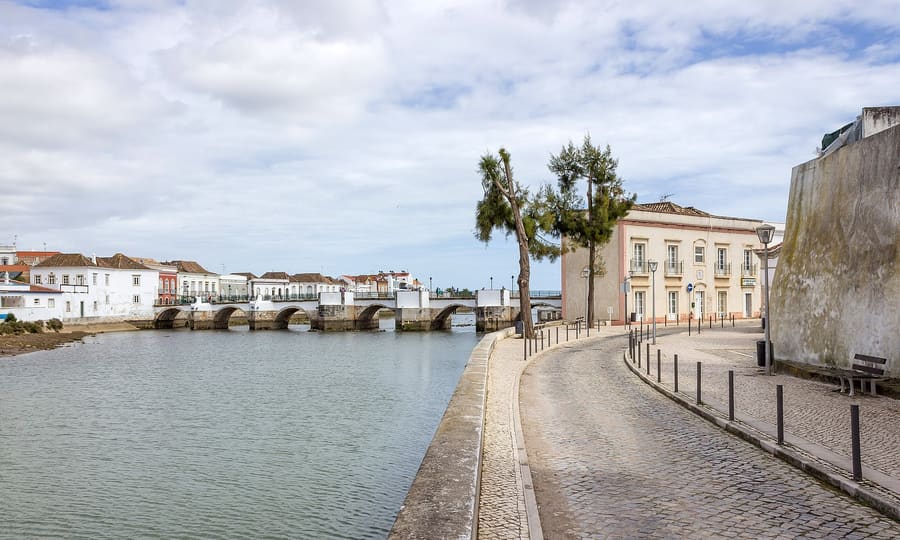
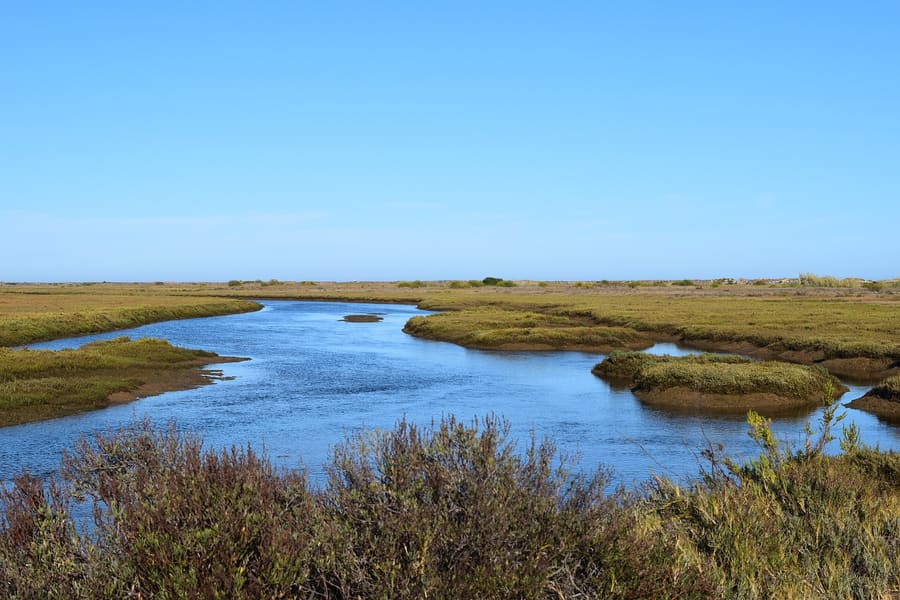
White rooftop towers and quiet salt pans on the Gilão.
Tavira sits straddling the Gilão River in the eastern Algarve. You navigate cobbled streets lined with whitewashed houses and distinctive scissor-style roofs. A short ferry ride carries you across the Ria Formosa lagoons to uncrowded island sandbars.
Beira-Rio — Flat riverfront promenade lined with outdoor cafes and palms.
Quatro Águas — Salt pans, estuary channels, and the year-round island ferry terminal.
A brass cataplana dish steaming with razor clams and local fish.
01
landmark
Climb the ruined ramparts for the best overview of white roofs and church towers. Admission is free year-round.
landmark
This seven-arch pedestrian bridge connects both banks of the Gilão River. Walk across early to skip photobombers.

landmark
An 11-kilometre barrier island sandbar reachable only by boat. A round-trip ferry ticket costs under €3.
landmark
A fishing village 3 km west, famous as Portugal's octopus capital. Rent a bike along the EcoVia track to reach it.
02
03
Cobbled hill lanes, whitewashed walls, and bell towers.
NearbyCastelo de Tavira and Igreja da Misericórdia
Ask ParleyFlat riverfront promenade lined with outdoor cafes and palms.
NearbyPonte Romana and town ferry pier
Ask ParleyResidential streets around the train station with lower prices.
NearbyTavira Railway Station
Ask ParleySalt pans, estuary channels, and the year-round island ferry terminal.
NearbyRia Formosa salt pans and Tavira Island ferry
Ask Parley04
Tavira bases its food culture on the Ria Formosa lagoon and local tuna fisheries. Nearby cooks octopus in dozens of distinct ways, from stewed to grilled. The surrounding Algarve hills supply carob, almonds, and arbutus berry brandy.
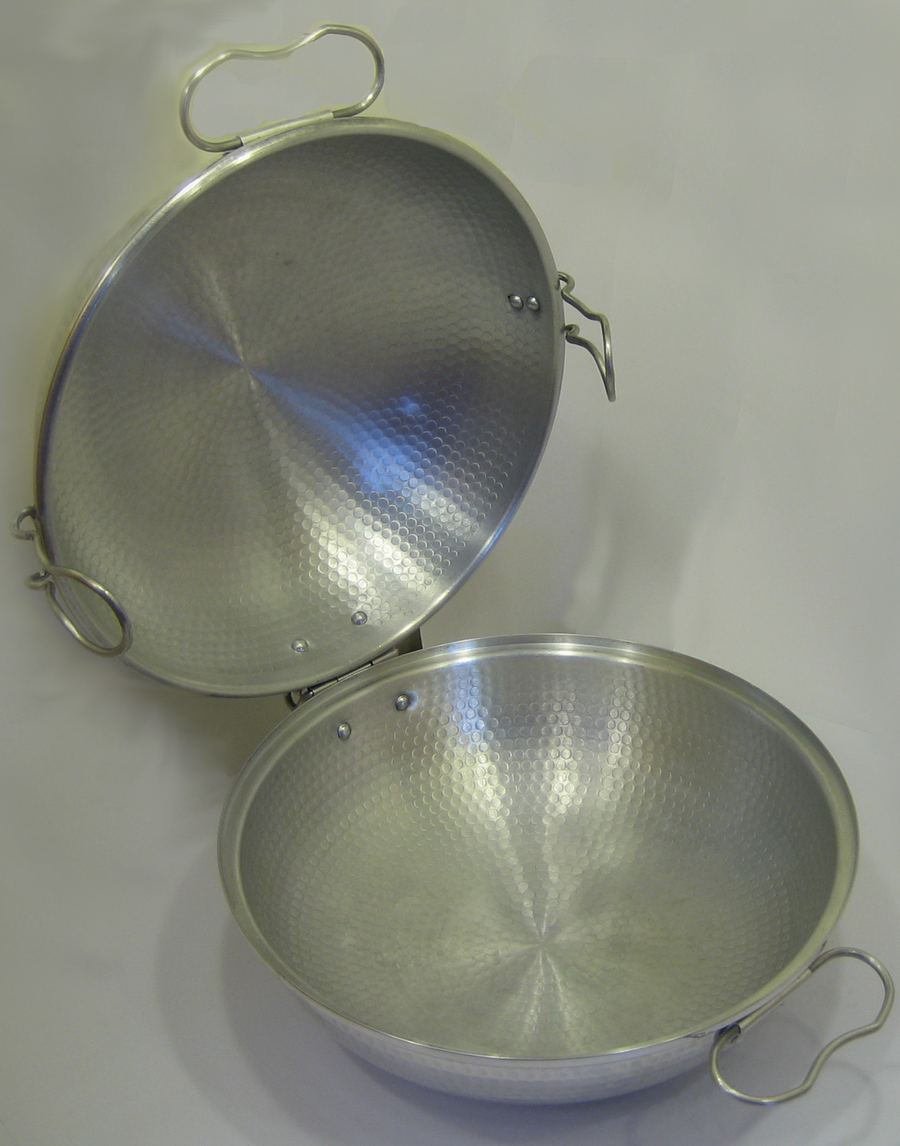
A brass cataplana dish steaming with razor clams and local fish.
Head to Santa Luzia's waterfront for octopus baked with garlic, olive oil, and crushed roasted potatoes.
Order seafood stew cooked in a sealed copper clam shell pot at local riverfront tascas.
05
Phoenicians first established a port here due to the natural shelter of the Gilão estuary. Under Moorish rule, Tabira grew into a major stronghold with a hilltop fortress. The 1755 earthquake destroyed most medieval structures, reshaping Tavira into an 18th-century town of white facades and classical doorways.
Phoenician outpost
Phoenician traders establish a settlement on the Gilão estuary, trading purple dye and minerals.
Reconquista capture
Knights of the Order of Santiago take the city from Moorish rulers under Paio Peres Correia.
City elevation
King Manuel I grants Tavira city status as it becomes the main Algarve port for trade with North Africa.
Earthquake rebuilding
The Great Lisbon Earthquake destroys much of Tavira, leading to its distinctive 18th-century architecture.
06
Choose your base depending on your mobility and ferry plans. Staying on the flat riverfront gives you step-free access to dining and boat landings. Hilltop old town stays offer character house conversions but require navigating step streets.
Highly rated hotels in Tavira.


07
Faro Airport (FAO) serves as the international gateway 40 km west. The town centre itself is entirely walkable, though electric tuk-tuks help with castle hill climbs. Regional trains connect Tavira to Faro and the Spanish border town of Vila Real de Santo António.
From FAO
Vamus Algarve line 67 runs from Faro central station directly to Tavira terminal.
Available directly outside Faro Airport arrivals. Surcharge applies on weekends and nights.
Uber and Bolt operate between Faro Airport and Tavira. Pick-up is at Kiss & Fly parking.
Tavira railway station sits 1 km south of Praça da República up a moderate incline.
Electric tuk-tuks operate near the Roman Bridge for quick trips up to the castle hill.
Buy a pre-paid Vamus tourist pass at the bus terminal if you plan multiple inter-town trips.
Island ferries run every 30 minutes in peak summer, but drop to hourly off-season service.
08
Tavira remains noticeably cheaper than resort corridors in the western Algarve. Everyday dining and coffee costs reflect authentic local market pricing.
An espresso (bica) at a neighbourhood café costs under €1.20.
Includes main dish, bread, drink, and coffee at local tascas.
Round-trip boat ride from Cais das Descobertas or Quatro Águas.
Fresh fish, house wine, and dessert at a riverfront restaurant.
09
MAR – MAY
Spring flowers bloom across salt pans. Mild walking weather without summer humidity.
JUN – AUG
Peak beach season with temperatures above 30°C. Ferries run at highest frequency.
SEP – OCT
Warm sea temperatures persist while crowd levels drop noticeably after August.
NOV – FEB
Quiet winter days with afternoon sun near 16°C. Some seasonal restaurants close in January.
10
Traditional Portuguese mosaic stone streets get slick when worn smooth. Wear flat shoes with good grip.
Traditional restaurant kitchens close strictly between 15:00 and 19:00.
Small bakeries and market stalls often require a Portuguese debit card or cash for sales under €10.
Cover shoulders and knees when visiting active churches like Santa Maria do Castelo.
Tidal currents in the Ria Formosa channels are strong. Swim only at designated ocean beaches on the island.
Contents
Your trip
Going to Tavira?
Tell Parley when you’re going and what you enjoy, and it plans the days around this guide.
Plan with Parley


