
landmark
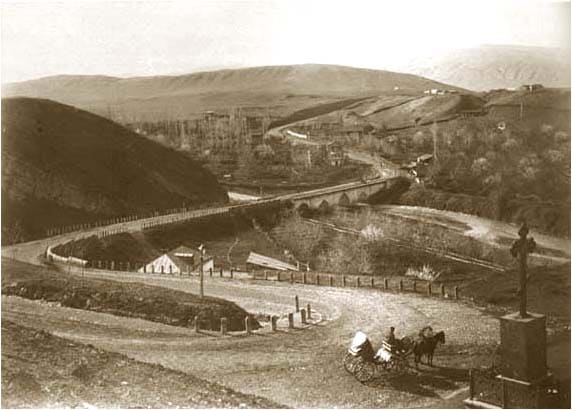
Narikala Fortress
4th-century fortress ruins. Take the cable car from Rike Park to bypass the steep uphill walk.
Georgia
Sulfur baths, brutalist metro lines, and late suppers.
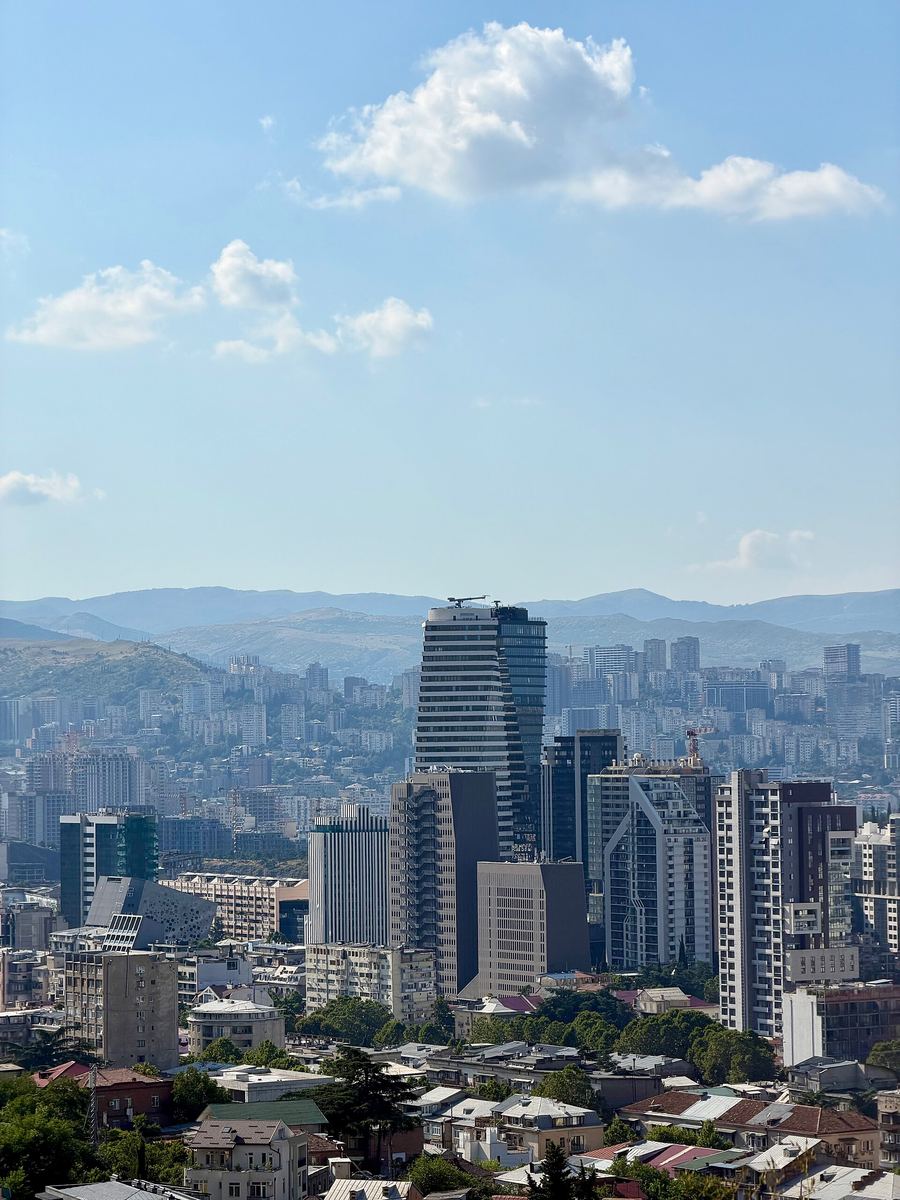
Tbilisi sits inside a narrow valley carved by the Mtkvari river. Steep cliffs constrain the city center, forcing vehicle traffic onto a few main avenues while historic quarters climb the rocks. You move between 19th-century residential courtyards, Soviet brutalism, and natural wine bars. Expect cheap transit, heavy traffic, and dinners that stretch far past midnight.
Vera — Quiet residential hill district packed with independent cafes and bakeries.
Chugureti — Artisan courtyards, Fabrika creative hub, and 19th-century German architecture.
Vake — Upscale residential district with modern restaurants, expat spots, and large parks.
Adjaruli khachapuri served hot with butter and fresh egg yolk.
01
landmark
4th-century fortress ruins. Take the cable car from Rike Park to bypass the steep uphill walk.
landmark
Subterranean hot spring bathhouses. Reserve a private rooms hours in advance during cold months.
landmark
Sprawling flea market selling Soviet relics and antiques. Vendors set up daily by late morning.
landmark
Massive modern Orthodox cathedral dominating Elia Hill. Dress conservatively to enter.
landmark
The city's oldest surviving church, built in the 6th century. Features ancient stone carvings.
02
03
Crumbled 19th-century mansions, courtyard wine spots, steep walking alleys.
NearbyLiberty Square and Narikala
Ask ParleyQuiet residential hill district packed with independent cafes and bakeries.
NearbyMtatsminda and Rustaveli Avenue
Ask ParleyArtisan courtyards, Fabrika creative hub, and 19th-century German architecture.
NearbyDry Bridge Market and Station Square
Ask ParleyUpscale residential district with modern restaurants, expat spots, and large parks.
NearbyVake Park and Turtle Lake
Ask Parley04
Meals in Tbilisi center on shared dough, fire-roasted meats, and amber wines aged in clay qvevri vessels. You order khinkali (dumplings) by the count, eating them by hand to capture the interior broth. Georgian cuisine uses walnut paste, garlic, and wild herbs across vegetable and meat dishes alike. Natural wine dominates local lists, fermented without commercial yeast.
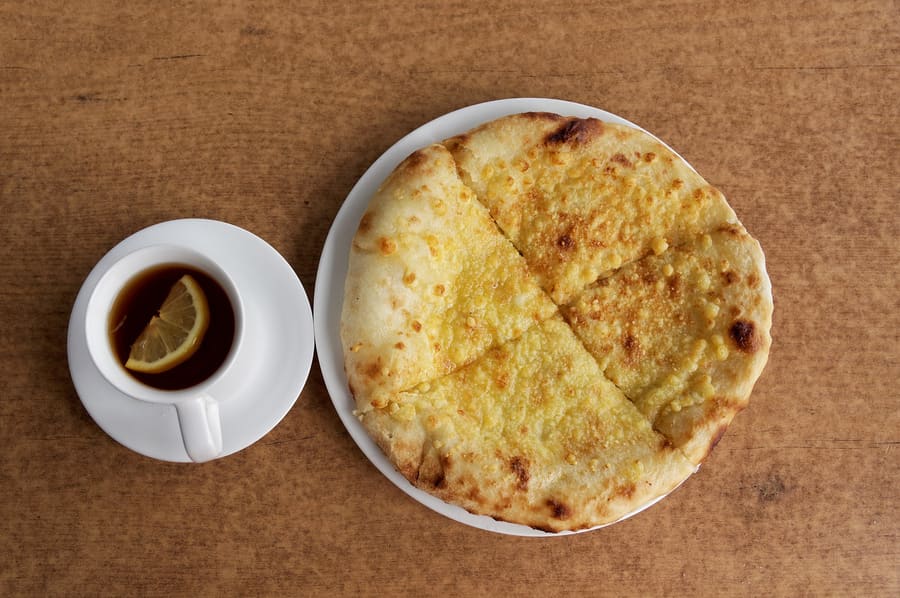
Adjaruli khachapuri served hot with butter and fresh egg yolk.
Eat khinkali with your fingers. Hold the thick top knot, bite a small hole, sip the hot broth, and leave the dough knob on the plate.
Order amber wine made in traditional underground clay pots. Try white grape varieties like Rkatsiteli or orange-style Kisi.
Tbilisi dines late. Most popular restaurants fill up after 20:00 and keep tables active well past midnight.
05
Tbilisi was founded at hot springs along Silk Road trade routes. Its location in a valley corridor made it a target for rival empires over fifteen centuries.
City Founded
King Vakhtang Gorgasali discovers sulfur springs and moves his capital from Mtskheta to Tbilisi.
Persian Sack
Agha Mohammad Khan destroys much of the city, forcing rebuilding efforts under subsequent rule.
Russian Annexation
Georgia enters the Russian Empire, leading to European-style grid construction along Rustaveli Avenue.
Post-Soviet Era
Independence brings severe power shortages and civil turmoil before modern economic restructuring.
06
Choose your stay by street topography and transit access. Older riverfront districts require hill climbing, while central avenues offer flat walking.
Highly rated hotels in Tbilisi.
See more Tbilisi hotels07
Tbilisi operates a simple two-line metro system backed by municipal buses and minivans. Traffic congestion freezes central arteries during peak morning and evening hours.
From Tbilisi International Airport (TBS)
Bus #337 runs directly between airport arrivals and Liberty Square every 15-20 minutes.
Book via Bolt app inside the terminal to lock price before entering the car.
Official airport taxis cost more than app rides. Negotiate before opening doors.
The metro avoids central gridlock entirely. Deep Soviet escalators access tracks quickly along the central river corridor.
Use the Bolt app instead of flagging street cabs. Drivers rarely use meters and street pricing varies widely.
Avoid road transport across the Mtkvari bridges between 17:30 and 19:30 on weekdays.
08
Tbilisi remains affordable compared to Western European cities, though high-end natural wine bars charge international rates.
Most traditional taverns mandate a minimum order of five dumplings per filling type.
Pours of artisanal qvevri amber wine in central wine bars.
Flat rate covering one ride with free transfers within 90 minutes on a Metromoney card.
Rates vary by bathhouse tier and size of the private vault room.
09
MAR – MAY
Mild temperatures and spring flowers across the hillsides. Warm day walks with comfortable evening air.
JUN – AUG
Sultry summer heat traps air in the valley. Locals escape to hill country on summer weekends.
SEP – NOV
Ideal autumn conditions coincide with grape harvest season (Rtveli) in nearby wine regions.
DEC – FEB
Cold winters bring sparse crowds and lower hotel rates, making thermal sulfur baths popular.
10
Georgian uses its own unique 33-letter alphabet (Mkhedruli). Transit signs include English, but offline translation apps help.
Shops and cafes open late. Do not expect coffee shops or breakfast spots to operate before 09:00 or 10:00.
Cards are accepted almost everywhere in central districts. Keep cash for vendors at the .
Bring sturdy walking shoes with firm grip. Cobblestones in older quarters are slippery and uneven.
Women must cover their heads and knees to enter Orthodox churches. Men must wear long trousers.
Contents
Your trip
Going to Tbilisi?
Tell Parley when you’re going and what you enjoy, and it plans the days around this guide.
Plan with Parley


