
landmark
Igreja Matriz de Santo Antônio
Baroque church with gold leaf interiors designed by Aleijadinho. Pay the entrance fee in cash at the portal.
Brazil
18th-century gold rush architecture and slow Mineiro dining.
Tiradentes sits at the foot of the , preserved by economic isolation after its 18th-century gold reserves ran dry. The town centers on uneven cobblestone streets lined with whitewashed colonial mansions and Baroque churches. You navigate the core entirely on foot, trading speed for footing on the rough stone pavement. Plan around quiet midweek days, as weekend influxes from major cities fill restaurants and narrow lanes.
01
landmark
Baroque church with gold leaf interiors designed by Aleijadinho. Pay the entrance fee in cash at the portal.
landmark
A 12-kilometer steam railway connecting Tiradentes to São João del-Rei. Reserve tickets online for weekend departures.
landmark
Built by enslaved workers in the 18th century with gold gathered in secret. Operating hours vary by week.
landmark
Quartzite ridge towering over town with steep hiking trails. Hire a local guide for the Mangue path.
02
03
Uneven cobbles, whitewashed 18th-century mansions, and high concentration of historic churches.
NearbyIgreja Matriz and main museums.
Ask ParleyOpen central square bordered by cafes, craft shops, and horse-drawn carriage drivers.
NearbyTourist information, taxi stands, bus stops.
Ask ParleySlower-paced quarter around the Trindade sanctuary with traditional taverns and family pousadas.
NearbySantuário da Santíssima Trindade.
Ask ParleyQuiet residential neighborhood tucked behind the center with guest houses and artisan workshops.
NearbySerra de São José trailheads.
Ask Parley04
Traditional Mineiro cuisine in Tiradentes revolves around pork, cornmeal, cassava, and native wild greens like ora-pro-nobis. Cooking here relies on heavy cast-iron pots and wood-burning stoves that simmer stews for hours. Do not expect light meals; portions are hearty and calibrated for regional appetite.
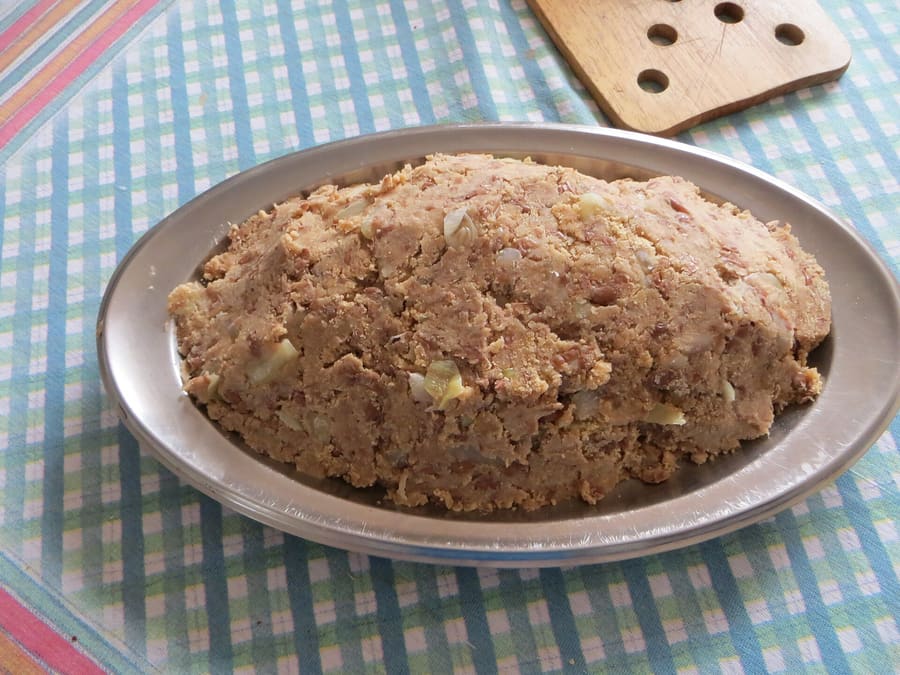
Tutu de feijão served with pork cracklings and sausage.
This stew combines chicken with a protein-rich leafy cactus native to Minas Gerais. Pair it with tutu de feijão at traditional spots like Viradas do Largo.
Popular central dining rooms fill up completely by 13:00 on Saturdays. Arrive at 12:00 or book weeks ahead for dinner.
Locals balance rich dulce de leche with tangy Canastra cured cheese. Pick up hand-poured jars at Chico Doceiro.
05
Tiradentes began in 1702 as Arraial da Ponta do Morro during the Minas Gerais gold rush. Renamed in 1889 to honor Joaquim José da Silva Xavier (known as Tiradentes), a martyr of the Inconfidência Mineira independence movement, the town kept its colonial structure because regional wealth shifted away once the alluvial gold deposits dried up.
Gold Discovery
Paulista prospectors find gold along the Santo Antônio river, establishing the settlement.
Town Status
Elevated to town status under the name Vila de São José do Rio das Mortes.
Inconfidência Mineira
Local leaders plot against Portuguese taxation; Tiradentes is executed three years later.
Renaming
The town is renamed Tiradentes to commemorate the leader of the independence movement.
Heritage Protection
IPHAN classifies the town center as national heritage, halting modern developments.
06
Select your base according to your footwear and transit plans. The historic core puts you steps from dining but forces you to drag luggage over irregular stone streets. Outer districts offer spacious garden pousadas with easier parking and quieter nights.
Highly rated hotels in Tiradentes.


07
Tiradentes has no commercial airport. Most travelers arrive via Belo Horizonte (CNF) or long-distance bus from Rio de Janeiro, transferring at São João del-Rei. Once in town, walking is the primary way to move around, though local taxis serve outer neighborhoods.
Rounded stones ('pé de moleque') twist ankles easily. Leave heels and thin-soled dress shoes at home.
Municipal transit between Tiradentes and São João del-Rei requires cash paid directly to the driver.
The Maria Fumaça train operates limited weekend departures and fills up quickly during school holidays.
Streets are narrow, paved with steep stones, and offer almost no public parking near key sites.
08
Tiradentes carries higher prices than neighboring Mineiro towns due to weekend tourism from Rio de Janeiro and Belo Horizonte. Midweek room rates are noticeably cheaper than Friday or Saturday rates.
Generous single portions or buffets by weight that easily feed two moderate eaters.
Churches collect small cash fees at the door for site restoration work.
Standard adult round-trip fare between Tiradentes and São João del-Rei.
Standard double room including cooked breakfast in a central guest house.
09
DEC – FEB
Warm and rainy season. Downpours wash over cobbles; bring waterproof footwear with traction.
MAR – MAY
Mild temperatures and clearer skies. Excellent window for hiking Serra de São José.
JUN – AUG
Crisp dry winter nights. Peak season for gastronomy festivals and cozy pousada stays.
SEP – NOV
Transition months with moderate heat. Spring blossoms arrive before summer rains start.
10
Churches, museums, and many major restaurants close on Monday for staff rest.
Sunlight reflects intensely off whitewashed walls and open stone squares at noon.
Evening temperatures drop significantly in winter due to the elevation near 900 meters.
Independent rural workshops near town often lack stable cellular service for card readers.
Take a 20-minute local bus ride north to Bichinho village for handmade furniture and tinware.
Contents
Your trip
Going to Tiradentes?
Tell Parley when you’re going and what you enjoy, and it plans the days around this guide.
Plan with Parley


