landmark
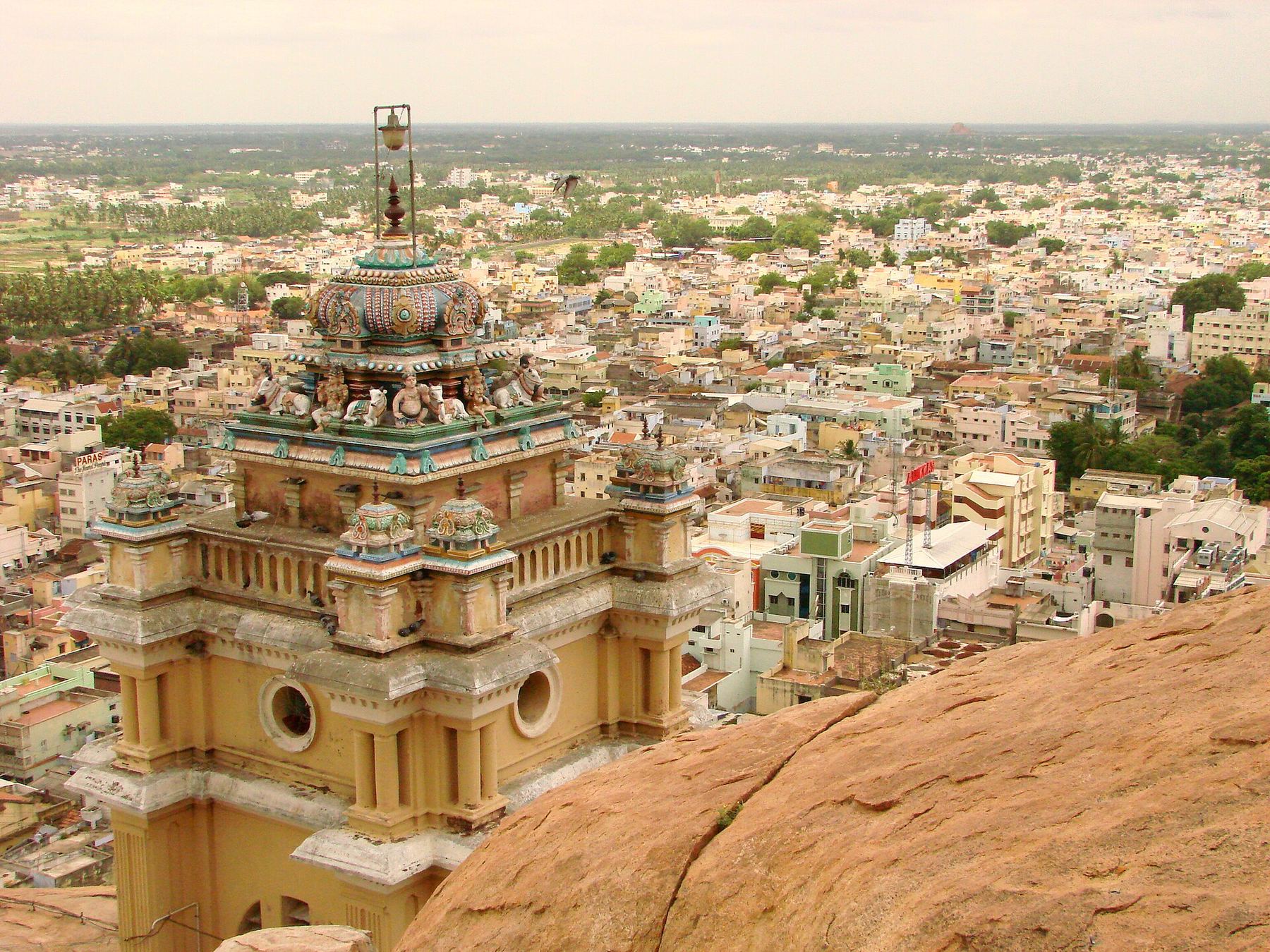
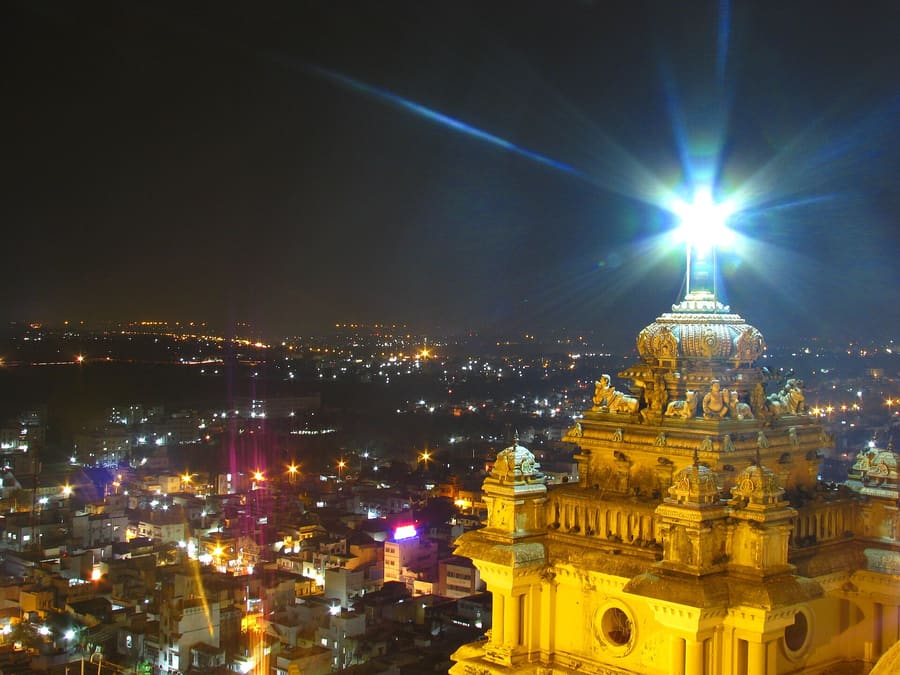
Rockfort Ucchi Pillayar Temple
Climb 437 stone steps cut directly into ancient rock. Midday heat makes the bare-foot summit walk punishing, so ascend before 08:00.
Ask ParleyIndia
Dravidian gopurams, Kaveri waters, and granite fortress peaks.
introduction
Tiruchirappalli straddles the Kaveri River in central Tamil Nadu, anchored by an 83-metre granite outcrop and one of the largest functioning Hindu temple complexes in the world. You navigate the city in distinct halves: the dense bazaar grid surrounding the Rockfort south of the river, and the quiet temple island of Srirangam to the north. Auto-rickshaws handle short hops, while town buses connect the major shrines. Heat and temple rituals dictate the daily pace, sending activity early into the morning and late into the evening.
Arrival trick
Tiruchirappalli Airport sits 5 km south of downtown. Ignore touts outside and buy a fixed-rate coupon at the official prepaid taxi counter inside arrivals.
Heritage recognition
Srirangam Ranganathaswamy Temple received the UNESCO Asia-Pacific Award for Cultural Heritage Conservation in 2017 following extensive structural restoration.
Sanctum protocol
Non-Hindus may explore the vast outer courtyards of major temples, but inner sanctums remain strictly closed to non-Hindu visitors.
Tiruchirappalli
VIGNESHWARAN PONNUSAMY · CC BY-SA 4.0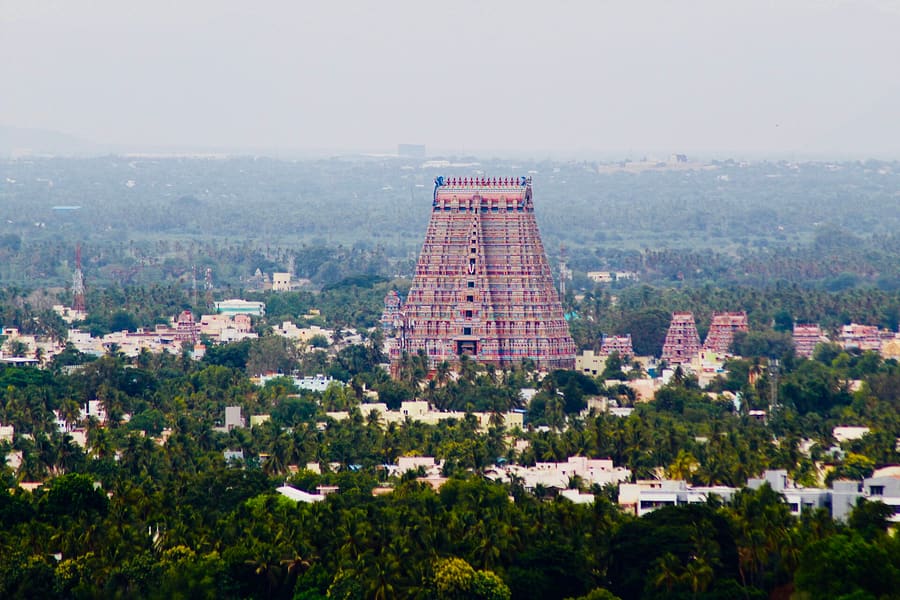
Srirangam — Quiet temple island bounded by Kaveri and Kollidam rivers, organized around concentric Brahmin car streets.
IM3847 · CC BY-SA 4.0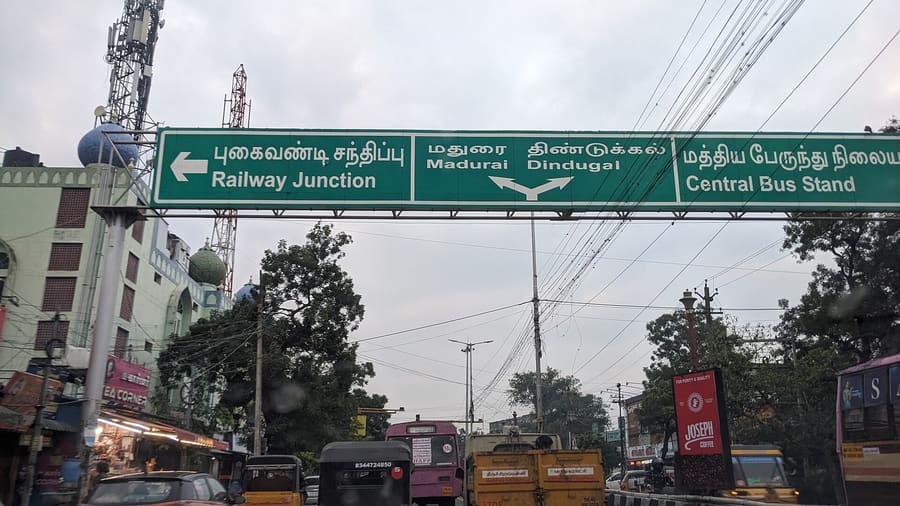
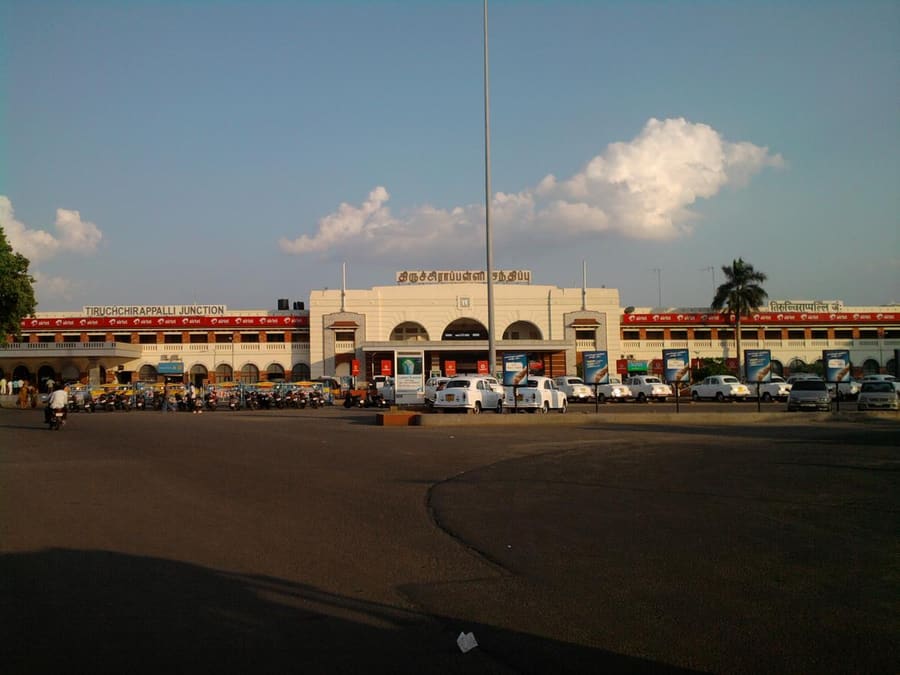
Cantonment — Sprawling district south of the city centre near the main railway station with wide roads and business hotels.
Vinayaraj · CC BY-SA 4.0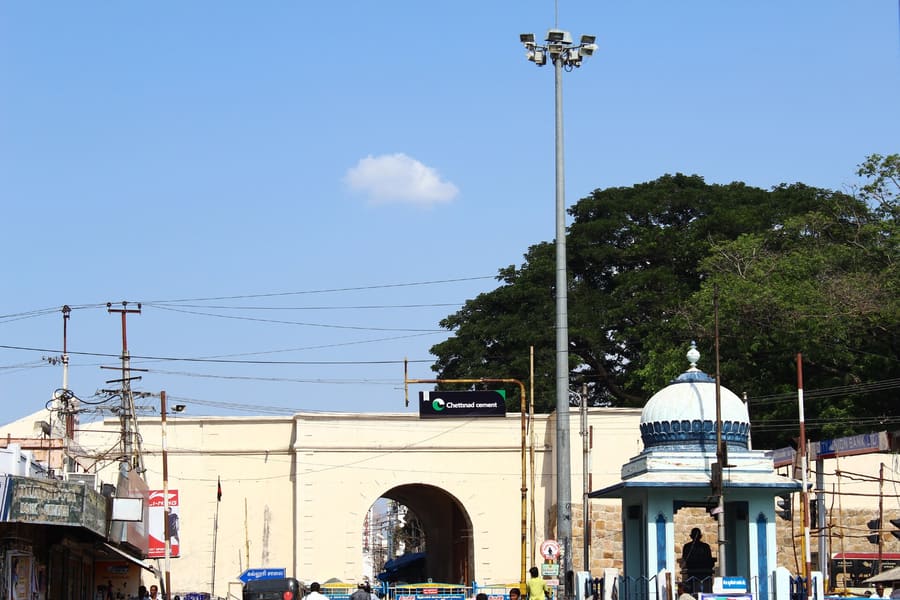
Main Guard Gate — Dense commercial core wrapped around Rockfort, crowded with brassware stalls and textile bazaars.
Umashankar · CC BY-SA 3.0highlights
landmark
Climb 437 stone steps cut directly into ancient rock. Midday heat makes the bare-foot summit walk punishing, so ascend before 08:00.
Ask Parley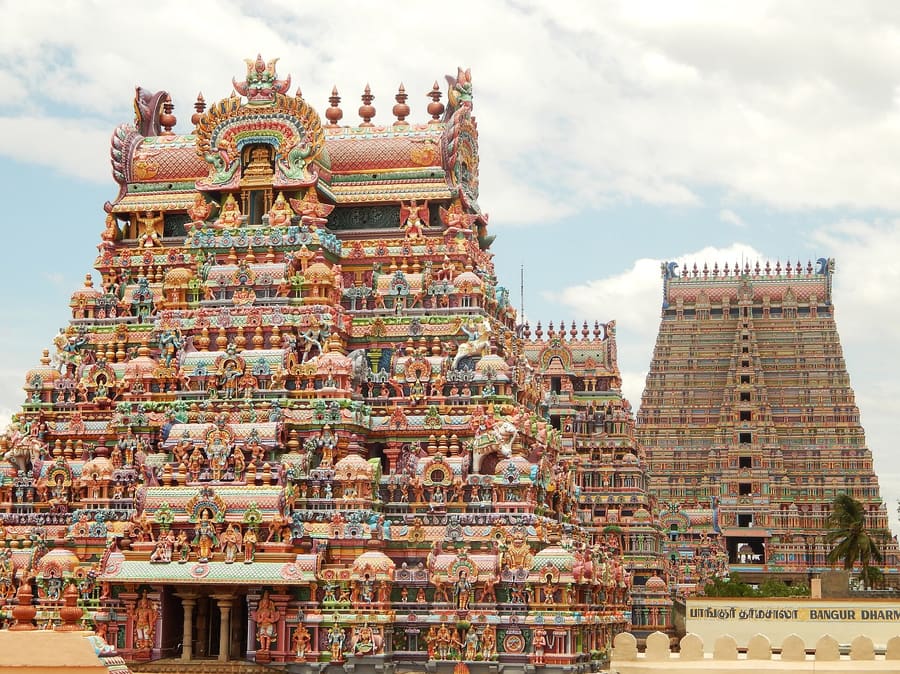
landmark
A 156-acre temple city with 21 gopurams. Pay ₹20 for roof-access stairs near the main entrance to grasp the true scale of the enclosures.
Ask Parley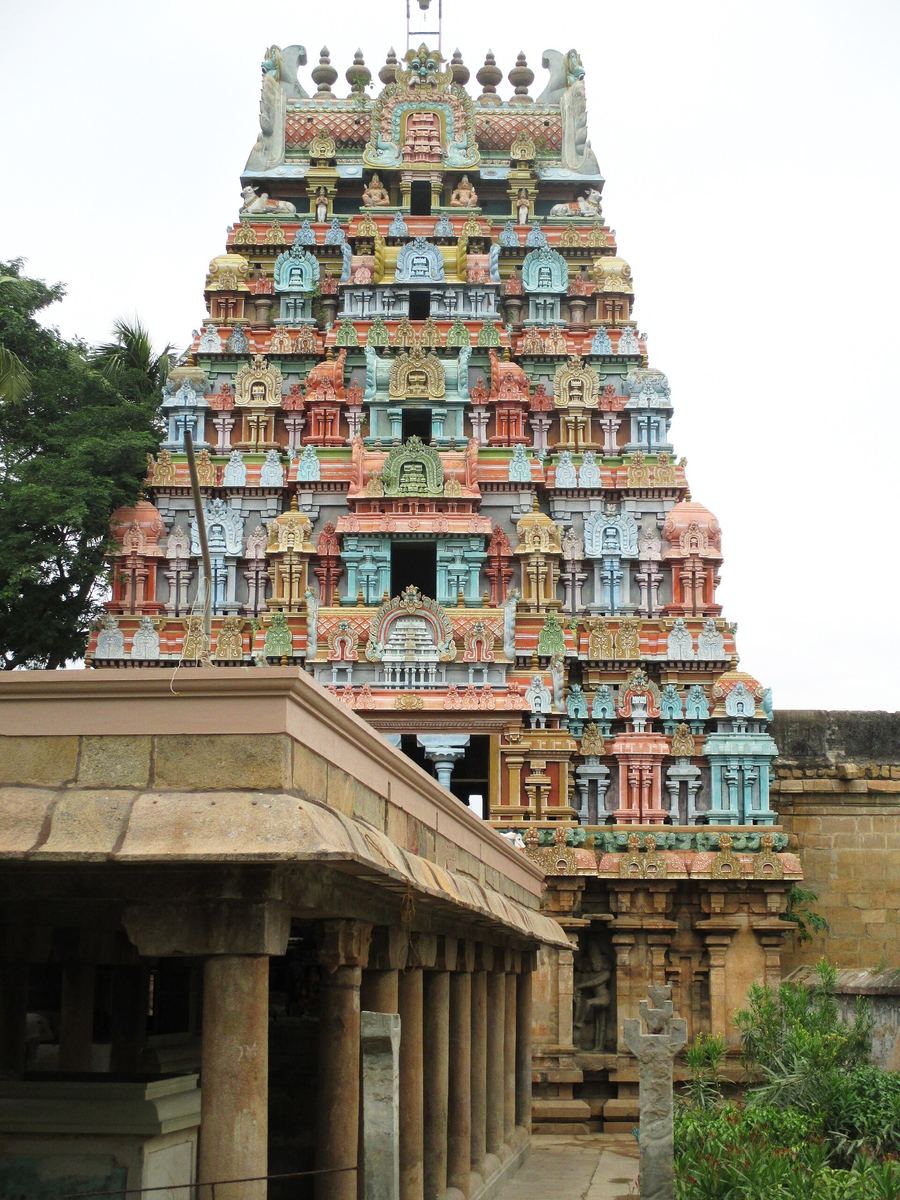
landmark
Dedicated to water, this Chola shrine holds an underground spring inside the sanctum. Arrive during morning prayers to hear chanting echo.
Ask Parley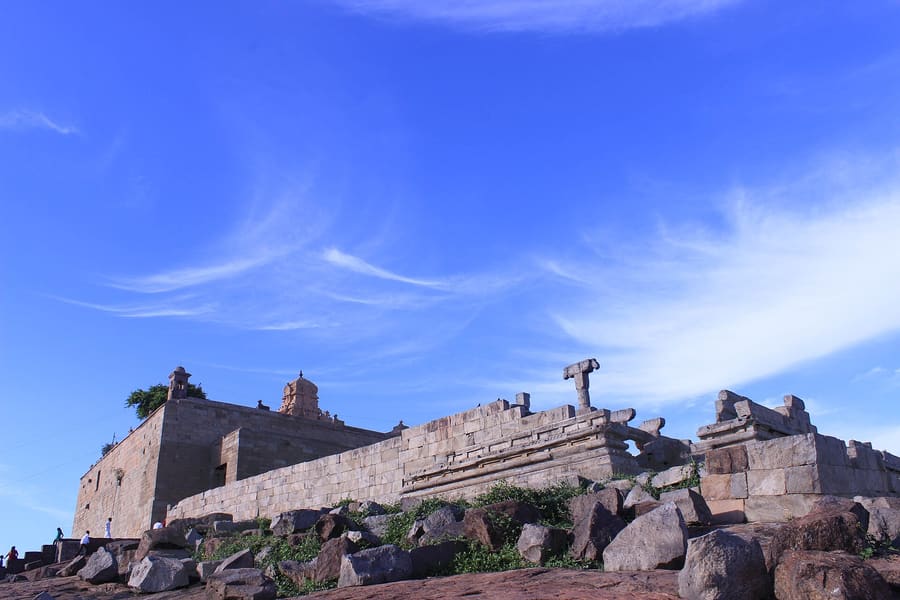
landmark
A hilltop Chola sanctuary 10 km east of town. It sees far fewer visitors than Srirangam, offering intact 10th-century stone carvings.
Ask Parley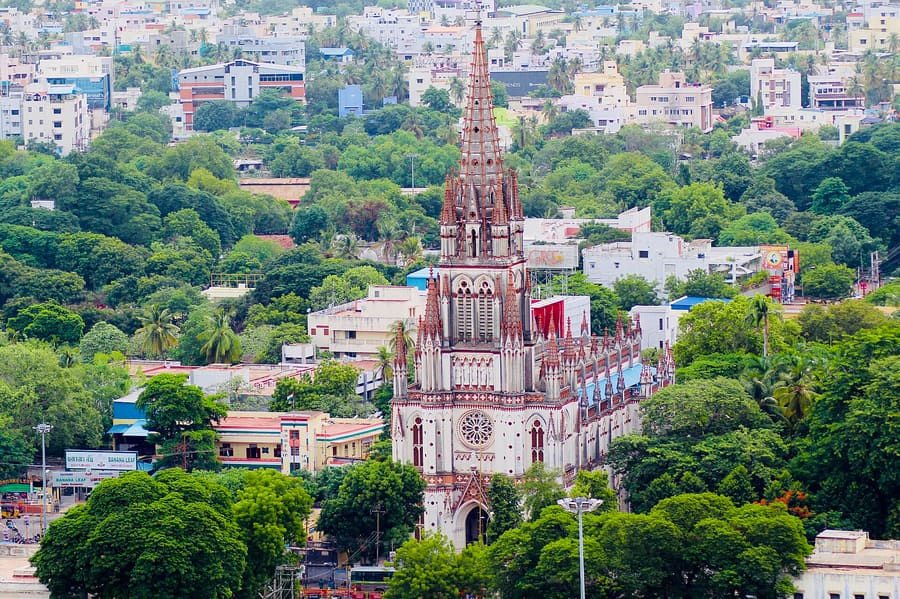
landmark
Built by Jesuit missionaries in 1890 at the base of Rockfort. Its soaring Gothic spire provides a quiet contrast to surrounding markets.
Ask Parleyattractions
areas
Quiet temple island bounded by Kaveri and Kollidam rivers, organized around concentric Brahmin car streets.
NearbySri Ranganathaswamy Temple, Jambukeswarar Temple
Ask ParleySprawling district south of the city centre near the main railway station with wide roads and business hotels.
NearbyTiruchirappalli Junction station, Airport access road
Ask ParleyDense commercial core wrapped around Rockfort, crowded with brassware stalls and textile bazaars.
NearbyRockfort, Teppakulam tank, St. Joseph's Church
Ask ParleyModern residential and retail grid housing contemporary cafes, boutiques, and well-paved cross streets.
NearbyRockfort, Main Guard Gate
Ask Parleyfood
Tiruchirappalli's culinary identity splits along geographic and communal lines. In Srirangam, pure vegetarian mess halls serve traditional South Indian meals on fresh banana leaves, where rice is replenished continuously until you fold your leaf in half. South of the river, non-vegetarian joints near Central Bus Stand specialize in spicy Chettinad mutton gravy and parotta.Tiffin dishes govern early morning and late afternoon eating. Freshly steamed idlis, crispy ghee roast dosas, and hot vada served with groundnut and coconut chutneys are consumed rapidly standing up at brass-countered eateries like Shri Sangeethas.
Buy spiced buttermilk (mor) salted with curry leaves from street carts near the south gopuram entrance to survive midday heat.
Traditional tiffin houses stop serving breakfast idli and dosa precisely at 11:00, switching to full meal leaves until 15:00.
Head to Kallukuzhi near the station after 19:00 for layered flaky parottas shredded and tossed with rich chicken curry.
history
Tiruchirappalli's geography made it a natural stronghold along the Kaveri River basin. Early Cholas established their capital nearby at Uraiyur, now a western suburb of the city. Control shifted between the Pallavas, Medieval Cholas, and Pandyas, each adding distinct stone masonry to local temple complexes.During the 17th century, the Nayaks of Madurai fortified the giant granite rock, turning Trichy into a formidable military capital. In the 18th century, the city became the primary theatre for the Carnatic Wars between British and French forces competing for South Indian domination.
where to stay
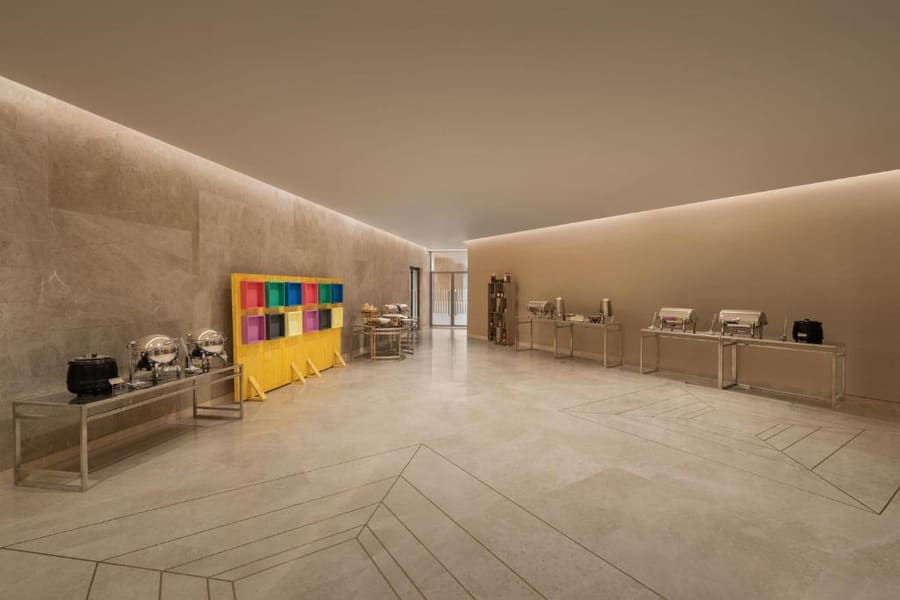
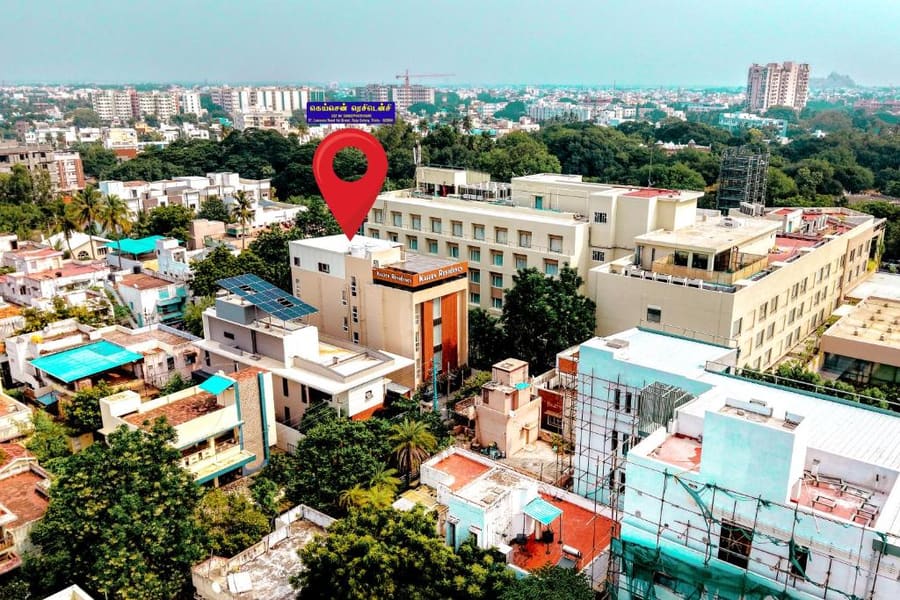
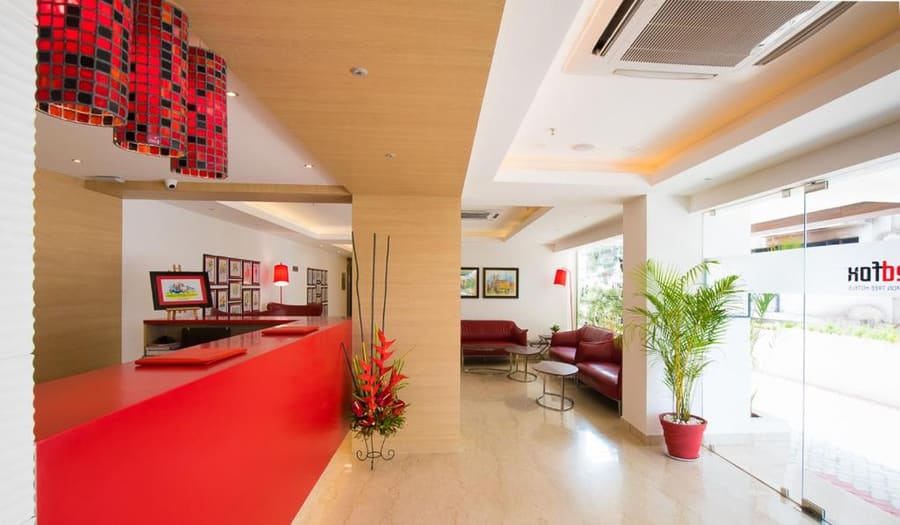
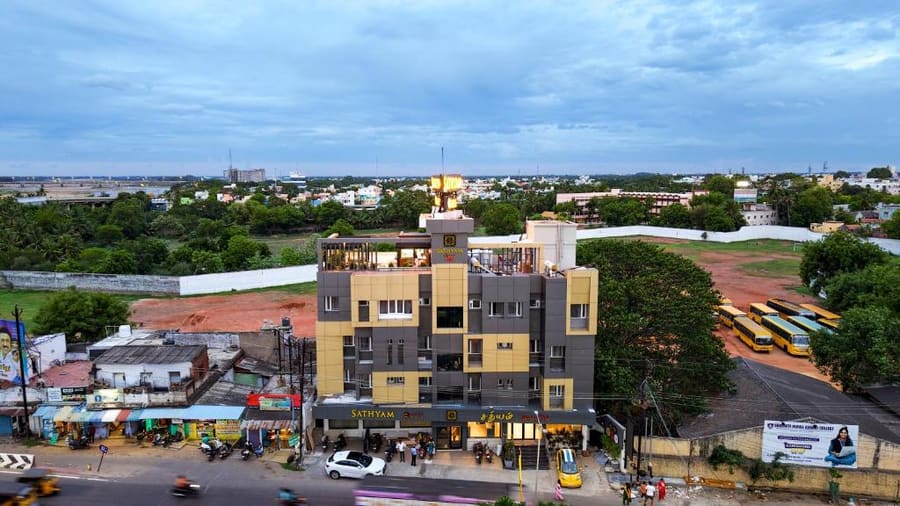
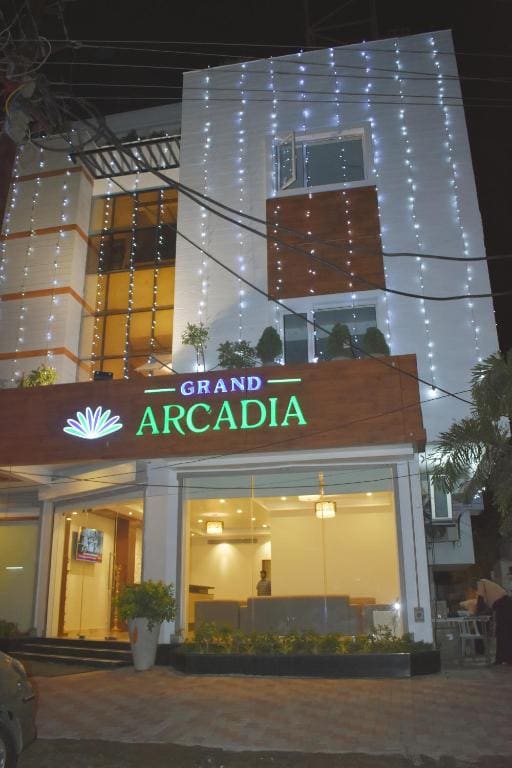
Choose your base based on your primary focus. Stay in Srirangam if you want peaceful, early-morning temple walks without city traffic. Choose Cantonment or Thillai Nagar for upscale business amenities, reliable taxis, and proximity to the main train station and airport.
Live rates, matched to the areas above.
transport
Tiruchirappalli is manageable once you understand its two hubs: Central Bus Stand in the south and Chathiram Bus Stand in the north near Rockfort. Route buses run continuously between these points, passing through main thoroughfares.
From TRZ
Prepaid counter inside arrivals terminal guarantees fixed fares to downtown.
Uber and Rapido operate at TRZ, but pickup spots require walking out to main gate.
City bus route 111 connects the airport exit road directly to Central Bus Stand.
Auto drivers rarely use meters. Agree on the total fare before setting foot inside the auto.
Board buses marked 1, 1A, or 1B at Chathiram station for a direct 10-minute ride to Srirangam.
For single travellers, bike-taxi apps beat road congestion through narrow bazaar lanes near Rockfort.
Collector Office Road stalls between 17:30 and 19:30; allow an extra 15 minutes to reach Junction station.
cost
Tiruchirappalli remains very affordable compared to Chennai or Bengaluru. Temple admissions are generally free, though specialized viewing galleries and shoe-keeping stands charge nominal token fees in cash.
Includes unlimited rice, sambar, rasam, and vegetable side dishes at local mess halls.
Covers a standard 2–3 km ride within downtown or Srirangam boundaries.
Ticket required to access the high terrace overview of the gopuram towers.
Served hot in traditional brass tumbler and davarah sets across the city.
seasonality
NOV – FEB
Daytime temperatures drop to comfortable 28°C levels. Ideal window for bare-foot temple climbs, though temple crowds peak during Vaikunta Ekadasi.
MAR – MAY
Extreme heat routinely exceeds 40°C. Bare stone temple floors scorch feet after 09:30; sightseeing must end by mid-morning.
JUN – SEP
Hot and humid conditions with moderate southwest monsoon breeze. Kaveri river channels fill with water after upper-dam releases.
OCT – DEC
Northeast monsoon brings heavy intermittent rain showers. Keep umbrellas ready, as courtyard stones become slick when wet.
practicalities
Srirangam and major shrines strictly enforce dress rules: shoulders and knees must be covered. Men may be asked to remove shirts before entering inner sanctums.
Footwear must be left at managed counters outside temples. Pack thick socks to wear on heat-baked outdoor stone pathways.
Most major temples shut their main doors between 12:30 and 16:00. Plan outdoor sight visits early morning or late afternoon.
Carry ₹10, ₹20, and ₹50 notes for shoe counters, coconut offerings, and auto fares where digital payment fails.
Strong undertows occur at Amma Mandapam ghats during dam water releases. Observe posted bath warnings before stepping into deep water.