
landmark
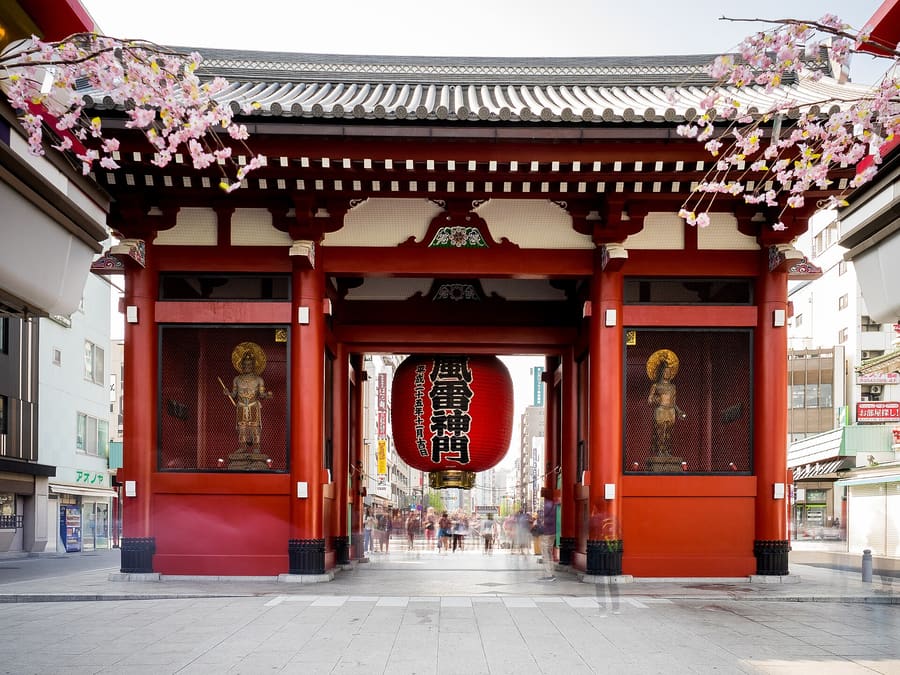
Sensō-ji
Tokyo's oldest temple grounds. Arrive before 08:00 to clear the Nakamise shopping path before tour buses pack the main hall.
Japan
A relentless metropolis stitched together by precise transit.
Tokyo does not have a single downtown. It functions as a collection of intense urban hubs connected by the loop of the JR Yamanote Line. Moving efficiently means anchoring your day to one train node rather than crossing the city repeatedly. You trade spacious accommodations for unmatched urban safety and immaculate service.
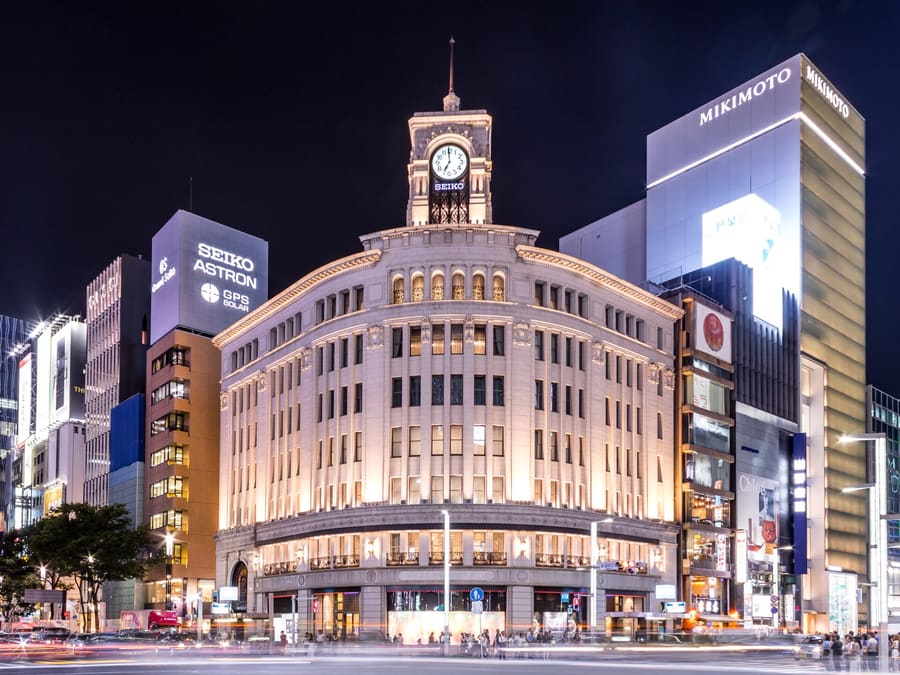
Ginza — Wide grid avenues lined with luxury flagship stores, polished cocktail dens, and multi-floor department stores.
Asakusa — Low-rise neighborhood retaining pre-war street layouts, traditional craft shops, and riverside promenades.
Roppongi — International business hub featuring art museums inside sleek towers alongside late-night nightclubs.
Monjayaki sizzling on a hot iron griddle in a Tsukishima restaurant.
01
landmark
Tokyo's oldest temple grounds. Arrive before 08:00 to clear the Nakamise shopping path before tour buses pack the main hall.
landmark
A dense evergreen forest surrounding a Shinto shrine. The gravel paths muffle sound just minutes from Harajuku train station.
landmark
Up to 3,000 people cross per green light. Watch from the second-floor view deck inside Shibuya Tsutaya for clear sightlines.
landmark
Wholesale fish moved to Toyosu, but Tsukiji retains food stalls. Go at 07:00 for tamagoyaki and grilled seafood skewers without lines.
landmark
A 144-acre park combining French, English, and Japanese garden styles. Entry costs ¥500 and alcohol is strictly banned at the gate.
landmark
The tallest structure in Japan at 634 meters. Reserve fast-track timed entry online to skip the two-hour ticket counter queue.
02
03
Neon skyscrapers, subterranean train labyrinths, and narrow alleyways packed with microscopic bars.
NearbyMeiji Shrine and Tokyo Metropolitan Government Building.
Ask ParleyWide grid avenues lined with luxury flagship stores, polished cocktail dens, and multi-floor department stores.
NearbyTsukiji Outer Market and Tokyo Station.
Ask ParleyLow-rise neighborhood retaining pre-war street layouts, traditional craft shops, and riverside promenades.
NearbySensō-ji and Sumida River.
Ask ParleyInternational business hub featuring art museums inside sleek towers alongside late-night nightclubs.
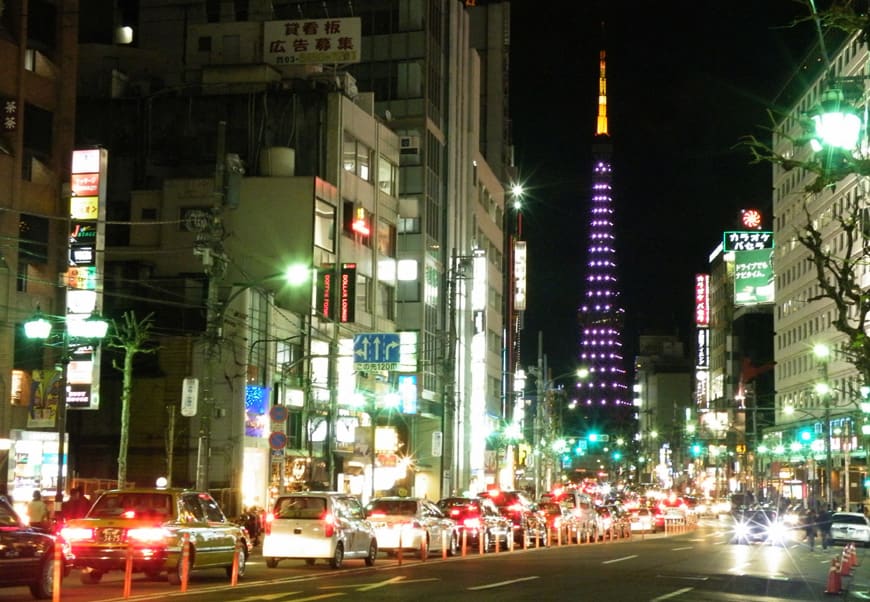
NearbyMori Art Museum and Tokyo Tower.
Ask Parley04
Tokyo dining operates on extreme specialization. Restaurants frequently master a single dish—tempura, tonkatsu, or ramen—rather than serving broad menus. High-end sushi requires reservations months ahead, while counter seats at local noodle shops deliver exceptional quality for under ¥1,500.For a distinctively local experience, visit Tsukishima for monjayaki, a savory pan-fried batter dish native to Tokyo's waterfront. Stand-up tachigui soba shops inside major train stations serve quick meals to commuters between transfers.
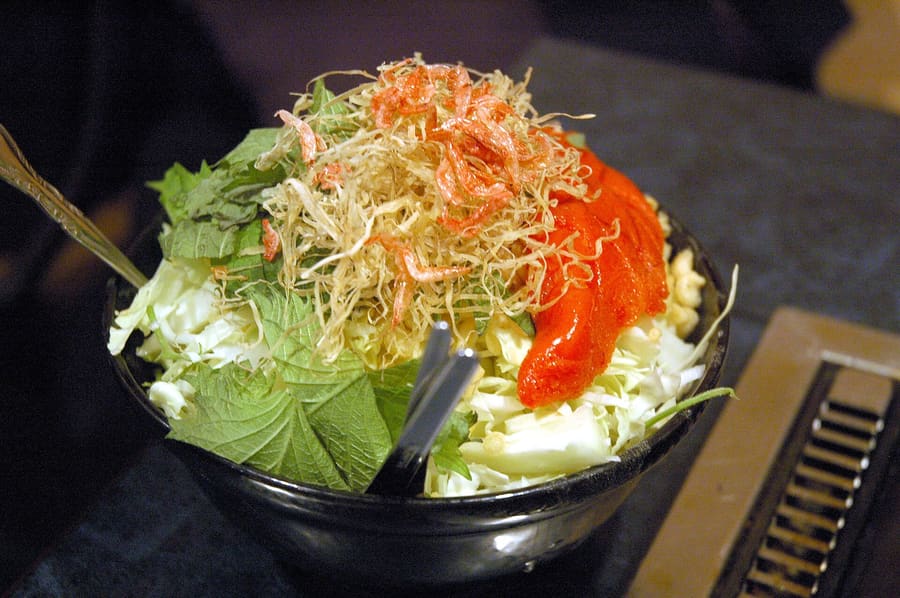
Monjayaki sizzling on a hot iron griddle in a Tsukishima restaurant.
Dining alone is standard practice. Many ramen shops use ticket vending machines at the entrance to stream orders directly to the kitchen.
Explore depachika on the basement floors of Isetan or Mitsukoshi. They sell high-grade bentos, pastries, and prepared meats starting at 10:00.
High-end restaurants offer lunch sets featuring identical ingredients to their dinner menus at less than half the price.
Izakayas add an otoshi (small starter dish) to your bill as a mandatory seat fee, usually costing ¥300 to ¥800 per person.
05
Tokyo originated as Edo, a modest fishing village until Tokugawa Ieyasu established his shogunate headquarters here in 1603. The city grew into the world's most populous urban center by the 18th century under strict feudal administrative control.Renamed Tokyo ('Eastern Capital') in 1868 when the Emperor moved from Kyoto, the metropolis rebuilt after the 1923 Great Kantō Earthquake and heavy destruction during World War II. Its modern layout reflects rapid post-war modernization pinned to train line development.
Edo Shogunate established
Tokugawa Ieyasu makes Edo the seat of power, transforming a swampy coastal region into a mega-city.
Meiji Restoration
Edo is renamed Tokyo as imperial rule returns and westernization accelerates across Japan.
Great Kantō Earthquake
A massive disaster destroys large swathes of the city, spurring modern urban grid planning.
Tokyo Summer Olympics
The launch of the Tokaido Shinkansen bullet train signals Tokyo's global technological emergence.
Second Olympic Era
Delayed Games spark urban renewal across Shibuya, Toranomon, and the Tokyo Bay waterfront.
06
Choose your base by train line access. Staying along the JR Yamanote Line eliminates multi-transfers when exploring. Western hubs like Shinjuku and Shibuya offer dense dining and nightlife right outside your lobby. Eastern neighborhoods like Asakusa and Tokyo Station suit early risers and regional train connections.
Highly rated hotels in Tokyo.


07
Tokyo boasts the world's most comprehensive transit system, run by multiple private and public operators. Transport centers on two subway systems (Tokyo Metro and Toei) alongside JR rail networks like the loop Yamanote Line. While IC cards are convenient, paper tickets remain fully operational and available for purchase.
From Haneda Airport (HND)
Keikyu Line runs direct to Shinagawa Station. Tokyo Monorail connects directly to Hamamatsucho.
Limousine Bus drops directly at major hotel lobbies, avoiding train station stairs with luggage.
Flat-rate pricing applies to central wards if booked via taxi app or designated queue.
Add a contactless transit card to your smartphone wallet before departing to pay fares across all train lines.
Transferring between JR lines and subways incurs separate entry fares. Google Maps shows the precise platform numbers.
Trains stop running around 00:30 and resume at 05:00. Taxis are the only option during late-night hours.
Avoid boarding major Yamanote or Chuo line trains between 07:30 and 09:00 unless you welcome tight crowds.
08
Tokyo offers options across all price spectrums. Cash remains necessary for small noodle shops and coin lockers, but contactless payments and credit cards work at most retailers. Tax is included in displayed retail prices.
A fill-you-up meal at local shops. Special toppings like extra chashu pork cost an extra ¥300.
Single journey distance-based fare inside central Tokyo. Daily transit averages ¥800.
Izakaya meal per person covering small shared plates and two draft beers.
Multi-course dinner at counter establishments in Ginza or Roppongi.
09
MAR – MAY
Spring brings cherry blossoms and pleasant mild weather. Hotel rates peak around Golden Week in late April.
JUN – AUG
Extreme humidity and summer heatwaves. Rain peaks during June; air-conditioned malls and night festivals become essential.
SEP – NOV
Clear autumn skies and comfortable temperatures. Fall foliage colors park foliage from mid-November.
DEC – FEB
Cold, dry, crisp days with minimal rain. Clear skies offer the best views of Mount Fuji from high observation decks.
10
7-Eleven convenience store ATMs accept international debit cards 24/7 with low transaction fees.
Public trash cans are rare. Carry a small plastic bag to store your rubbish until returning to your hotel room.
Traditional public baths often prohibit exposed tattoos. Look for tattoo-friendly spots or book private bath hours.
Send heavy suitcases from hotel to hotel or directly to the airport via hands-free delivery services for ~¥2,500.
Talking on mobile phones aboard trains is prohibited. Keep ringers on silent and conversation volume down.
Contents
Your trip
Going to Tokyo?
Tell Parley when you’re going and what you enjoy, and it plans the days around this guide.
Plan with Parley


