
landmark
Oirase Mountain Stream
A 14-kilometre forested trail follows mossy cascades. Walk upstream from Yakeyama to Nenokuchi for better views.
Japan
Contemporary public art meets raw volcanic waterways.
Towada spans two distinct landscapes: an axial grid city built for horse breeding and a wild volcanic caldera connected by the Oirase River. You move through open-air modern sculpture downtown before heading west into dense beech forests and lake waters. Public buses link the urban center to the gorge, but driving gives you control over early-morning trailheads. Expect quiet streets, cold mountain air, and stark contrasts between contemporary design and nature.
Yasumiya & Lake Towada — Lakeside settlement with historic shrines, ferry piers, and traditional ryokan.
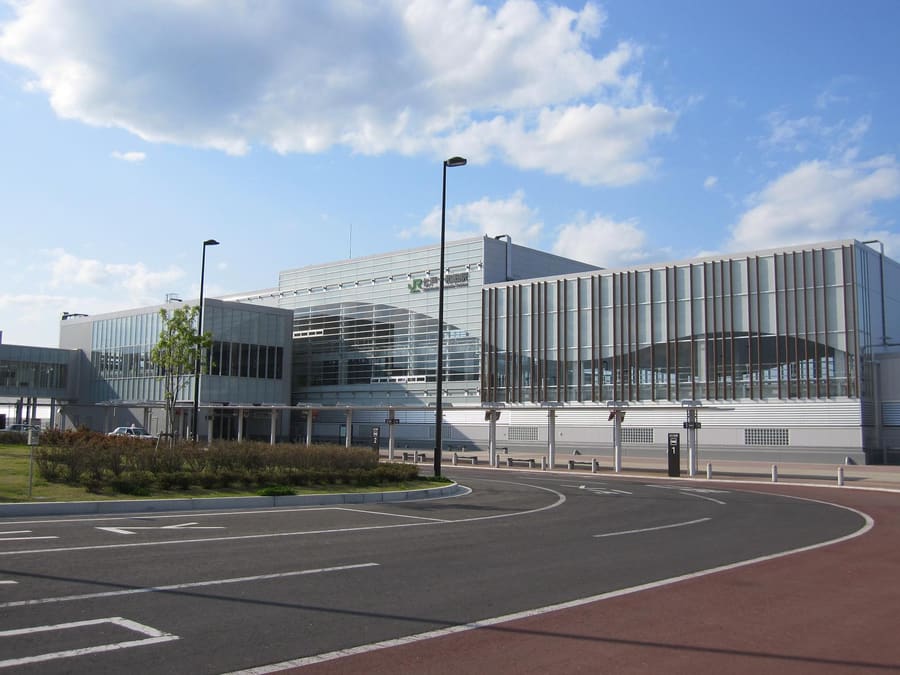
Shichinohe-Towada Gateway — Shinkansen rail stop area surrounded by pastoral countryside and roadside stations.
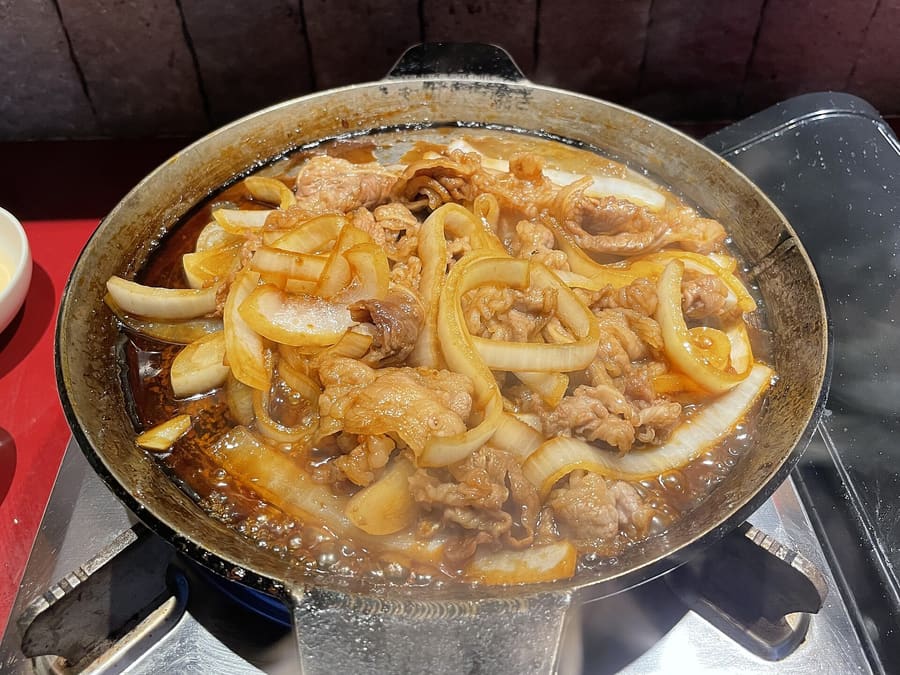
Towada Barayaki sizzles on an iron hotplate with sliced onions and sweet soy glaze.
01
landmark
A 14-kilometre forested trail follows mossy cascades. Walk upstream from Yakeyama to Nenokuchi for better views.
landmark
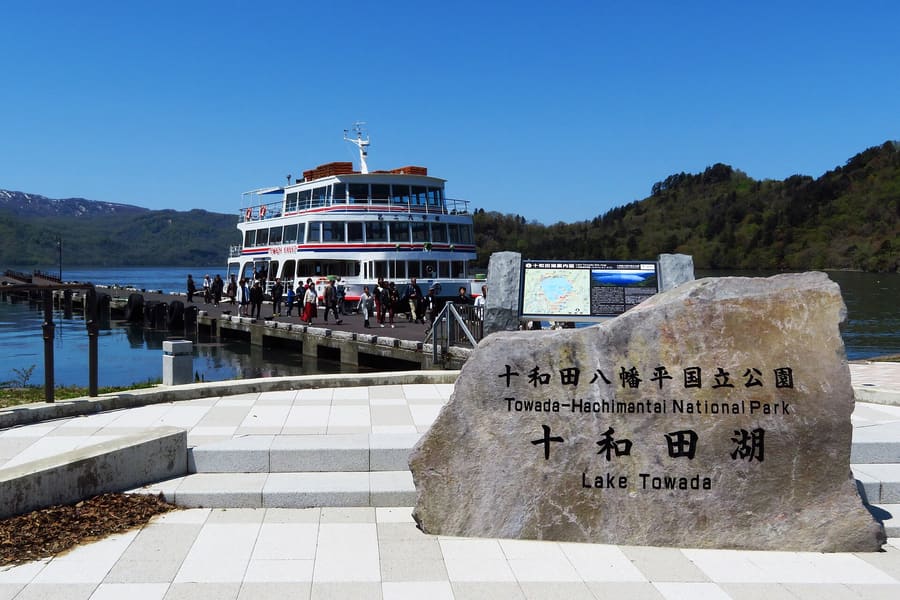
A double-caldera lake straddling Aomori and Akita. Sightseeing boats connect Yasumiya to Nenokuchi daily.
landmark
Set in dense cedar forest near Yasumiya bay. It has functioned as a mountain worship site since the ninth century.
02
03
Grid-planned avenues featuring wide sidewalks, modern architecture, and civic art installations.
NearbyTowada Art Center and central Barayaki restaurants
Ask ParleyMountain gateway with hot spring inns and bike rental hubs at the foot of Oirase Stream.
NearbyOirase Stream northern terminus and Towada-ko Onsen village
Ask ParleyLakeside settlement with historic shrines, ferry piers, and traditional ryokan.
NearbyLake Towada passenger boat pier and Towada Shrine
Ask ParleyShinkansen rail stop area surrounded by pastoral countryside and roadside stations.
NearbyShichinohe-Towada Shinkansen station and car rental depots
Ask Parley04
Towada Barayaki defines the city's food landscape. Sliced beef short rib cooks alongside mounds of sweet onions on a heavy cast-iron skillet, bound by a soy sauce infused with local Aomori apples.The dish originated in nearby Misawa after World War II, but Towada adopted it and refined the cooking style into a communal meal found across downtown. You cook the skillet contents at your table, letting the onion juices caramelize the meat before eating it with steamed white rice.Further west along , menus change from sizzling iron plates to wild river fish. Local restaurants in Yasumiya serve kokanee salmon (himemasu) caught directly in the deep volcanic lake, usually grilled with salt or served raw as sashimi.
Towada Barayaki sizzles on an iron hotplate with sliced onions and sweet soy glaze.
Cook the onion layer thoroughly on the skillet before stirring in the beef slices to prevent burning the sweet sauce.
Downtown restaurants like Megetsu offer complete lunch sets including raw dipping egg, rice, and miso soup.
Small trout eateries near Lake Towada pier rarely take credit cards or mobile IC payments.
05
Modern Towada developed late compared to older Japanese castle towns. In the mid-19th century, civil engineers began diverting water from the Oirase River to convert the dry Sanbongi volcanic plain into arable farmland.The Imperial Japanese Army established an extensive horse-breeding depot on the plain in 1885. This military development required precise urban planning, resulting in the wide grid layout and broad central avenues that define central Towada today.In 1936, the surrounding natural basin gained national protection when Towada National Park was established; it became Towada-Hachimantai National Park in 1956 after Hachimantai was incorporated. Decades later, in 2008, Towada launched its Arts Towada project, transforming the former military street grid into an open-air modern design museum.
Sanbongi Reclamation
Engineers begin diverting water from the Oirase River to irrigate the dry volcanic plain.
Imperial Horse Depot
The military horse breeding center forms, creating Towada's distinctive wide street grid.
National Park Status
Towada-Hachimantai National Park is established, protecting Oirase Stream and Lake Towada.
Arts Towada Launch
Towada Art Center opens, turning Kanchogai-dori into an open-air contemporary art avenue.
06
Choose your location based on your primary objective: stay downtown near Kanchogai-dori for access to art installations and evening dining, or stay along Oirase and for immediate access to mountain trails and hot springs.
Highly rated hotels in Towada.
See more Towada hotels07
Towada has no passenger rail stations within its city limits since the local train line closed in 2012. You rely on JR buses and regional bus services connecting from Shinkansen hubs at Shichinohe-Towada, Hachinohe, or Aomori.
From Shichinohe-Towada Station (Tohoku Shinkansen)
Towada Kanko Dentetsu bus connects Shichinohe-Towada Station directly to central Towada.
JR Bus Tohoku runs from Hachinohe Station to Towada Art Center and Lake Towada.
Available directly outside Shichinohe-Towada Station exit.
JR Bus Tohoku routes connecting Hachinohe, Towada, and accept valid JR East Rail Passes.
Bus service frequencies between Yakeyama and Yasumiya decrease significantly between late November and April.
Towada Kanko Dentetsu train line ceased operation in 2012; all local public transit operates via buses.
Car rental offices concentrate around Shichinohe-Towada and Hachinohe stations rather than central Towada.
08
Towada offers reasonable prices compared to Japan's major metropolitan areas. Food and museum entries are modestly priced, though transport costs accumulate if you use local buses without a rail pass.
Includes iron skillet beef, onions, rice, and miso soup in downtown eateries.
Grants access to permanent collection galleries and special exhibitions.
Available at Yakeyama or Nenokuchi rental hubs for riding through Oirase Gorge.
09
MAR – MAY
Cherry blossoms bloom on Kanchogai-dori in late April. Mountain snow clears from forest trails.
JUN – AUG
Lush foliage fills Oirase Stream. Cool mountain temperatures draw summer travellers.
SEP – NOV
Autumn foliage turns the beech forest golden in October. Expect busy trails and full buses.
DEC – FEB
Heavy snowfall transforms Oirase into frozen waterfalls. Buses operate on reduced winter schedules.
10
Oirase Stream trails are frequently damp and muddy, even on clear summer days.
Towada Art Center closes every Monday. If Monday is a national holiday, it closes Tuesday.
Asian black bears inhabit the forest along Oirase Stream; carry a bell on early morning walks.
Withdraw cash in central Towada or post office ATMs before traveling up to the lake.
Rent an electric bicycle in Yakeyama and drop it off at Nenokuchi for a small terminal fee.
Contents
Your trip
Going to Towada?
Tell Parley when you’re going and what you enjoy, and it plans the days around this guide.
Plan with Parley


