landmark
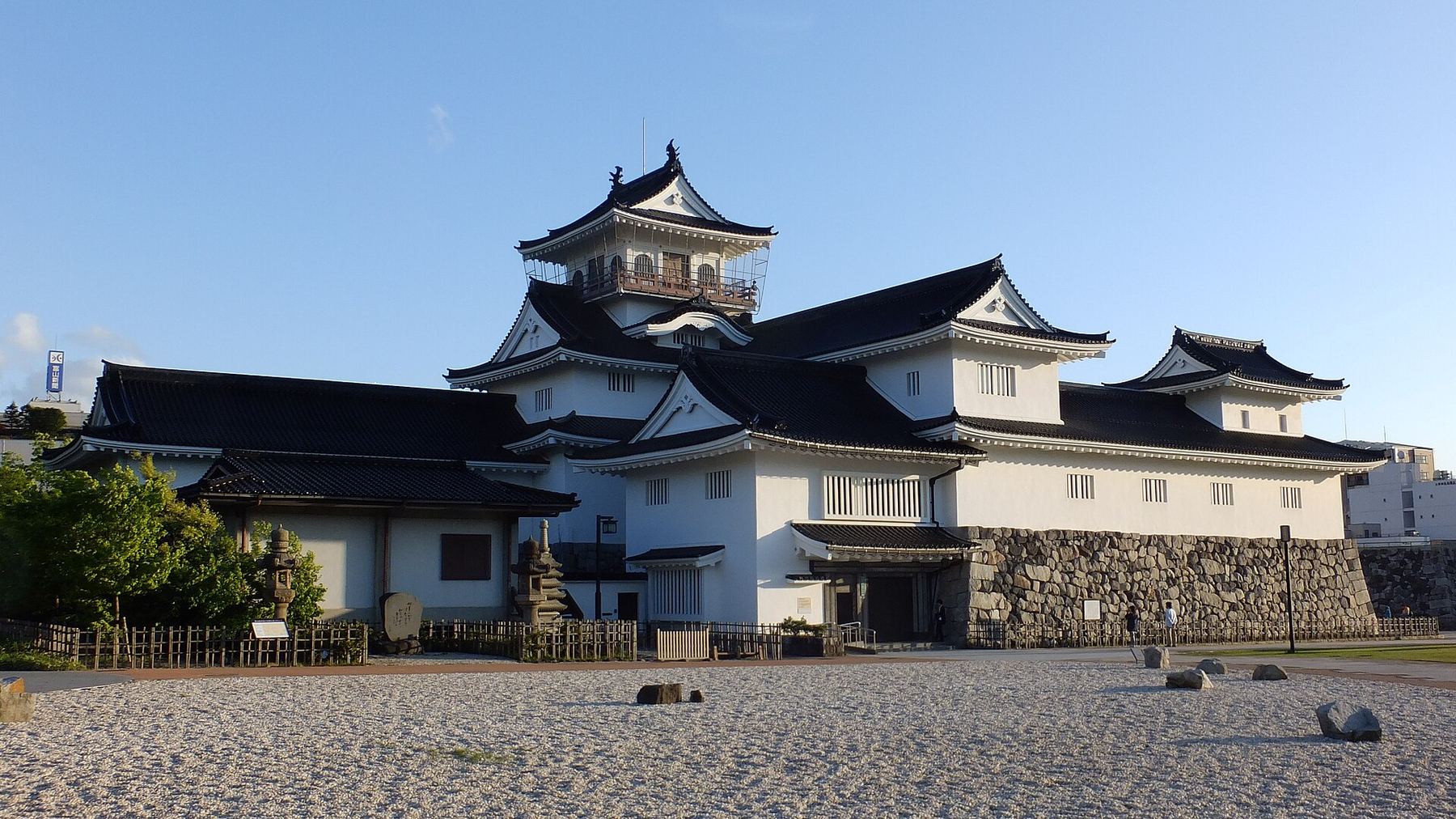
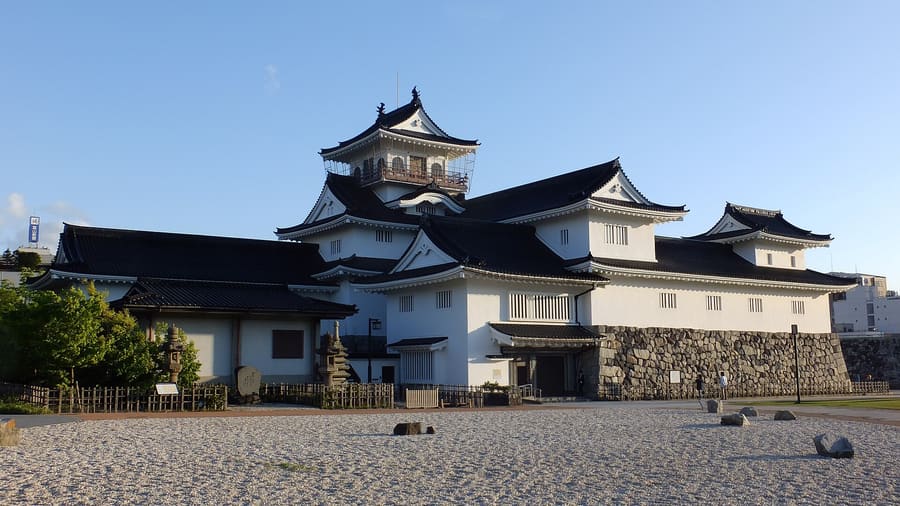
Toyama Castle Park
A reconstructed keep housing local samurai history surrounded by original stone walls and cherry trees. Free admission to the park grounds.
Ask ParleyJapan
Deep Bay seafood, glasscraft, and alpine views.
introduction
Toyama sits between the 3,000-metre Tateyama Mountains and Toyama Bay, where ocean trenches drop 1,000 metres deep. The city runs on Japan's most modern tram network, making transit effortless and quiet. Expect raw seafood caught hours before serving, distinct local glass craftsmanship, and zero tourist gridlock.
Arrival by Shinkansen
Hokuriku Shinkansen trains reach Toyama from Tokyo Station in 2 hours 10 minutes. Buy seats on the left side for Tateyama peak views.
UNESCO Biosphere & Craft
Toyama Bay belongs to the Most Beautiful Bays in the World Club. Nearby Gokayama preserves thatched UNESCO World Heritage farmhouses.
Day Pass Savings
Buy the Toyama City Tram 1-Day Pass for 650 yen at the station tourist center. It covers both light rail loops and includes museum discounts.
Toyama
GAMEGAWA · CC BY-SA 3.0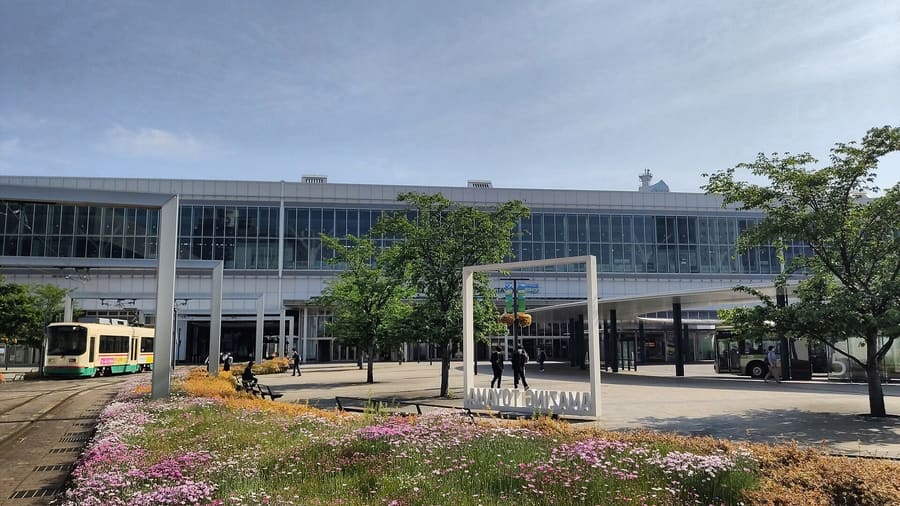
Toyama Station — Transit hub with modern food halls, direct tram platforms, and streamlined hotel towers.
Drivephotographer · CC0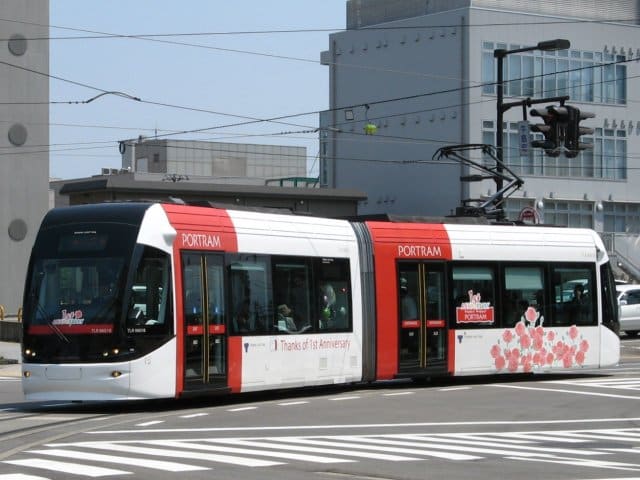
Iwase — Quiet coastal shipping port with restored sake breweries and timber architecture.
GAMEGAWA at Japanese Wikipedia · CC BY-SA 3.0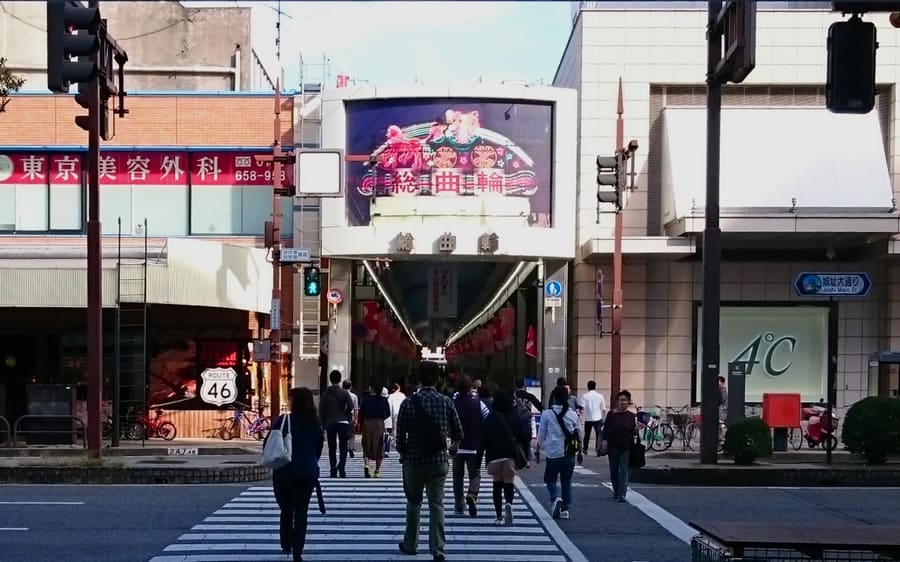
Sogawa — Traditional downtown shopping arcades mixed with modern design spaces and local izakayas.
Hdirhaich (talk) · Public domain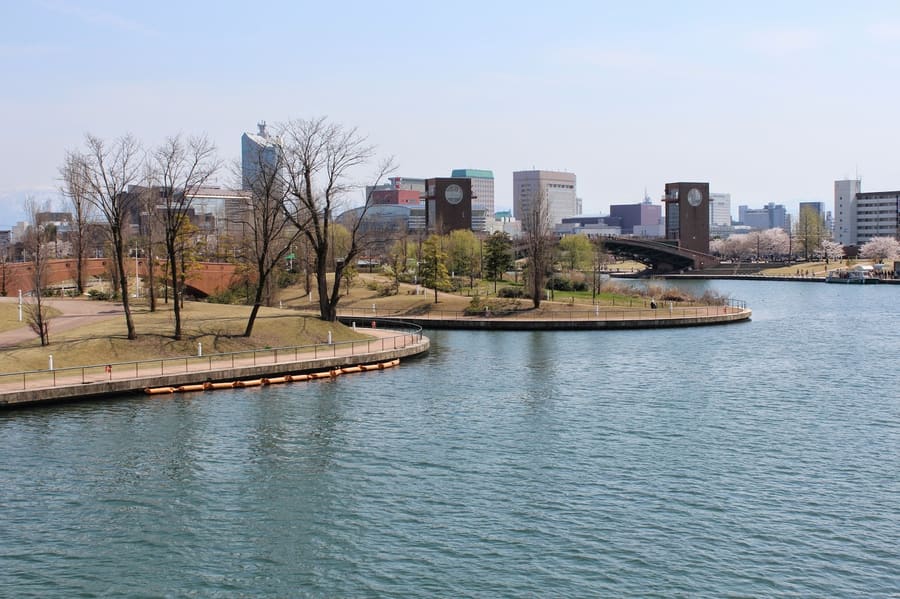
Kansui Park District — Open water promenade anchored by calm canal views and contemporary cafes.
タチヤマカムイ · CC BY-SA 4.0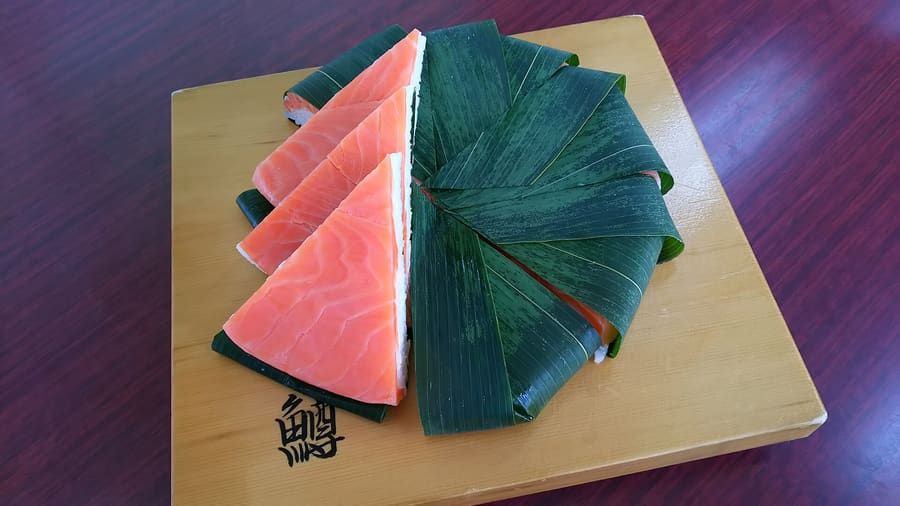
Masuzushi, vinegared trout pressed with rice inside bamboo leaves.
Sougenma · CC BY-SA 4.0highlights
landmark
A reconstructed keep housing local samurai history surrounded by original stone walls and cherry trees. Free admission to the park grounds.
Ask Parley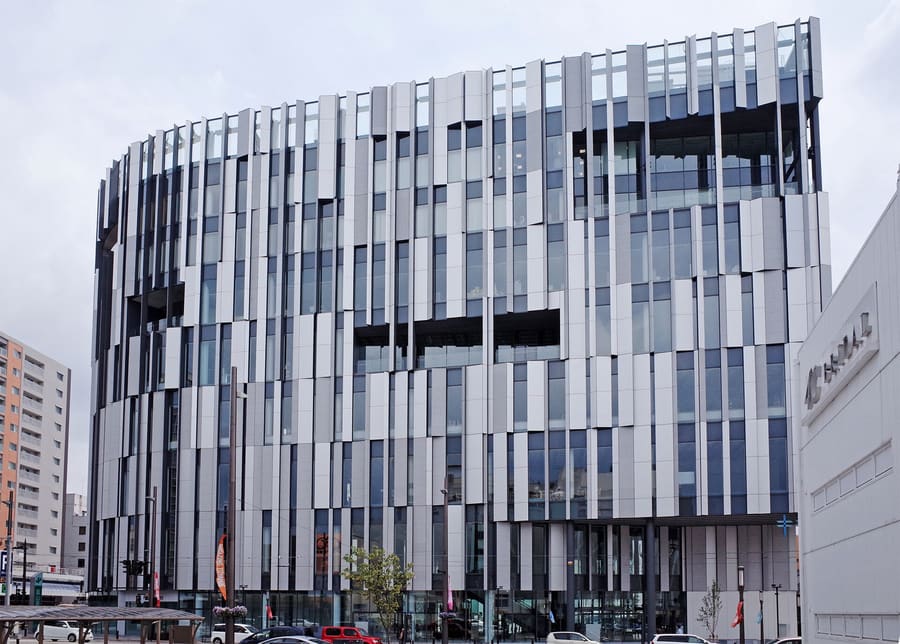
landmark
Kengo Kuma designed this cedar-and-glass structure housing world-class glass installations. Closed on the first and third Wednesday monthly.
Ask Parley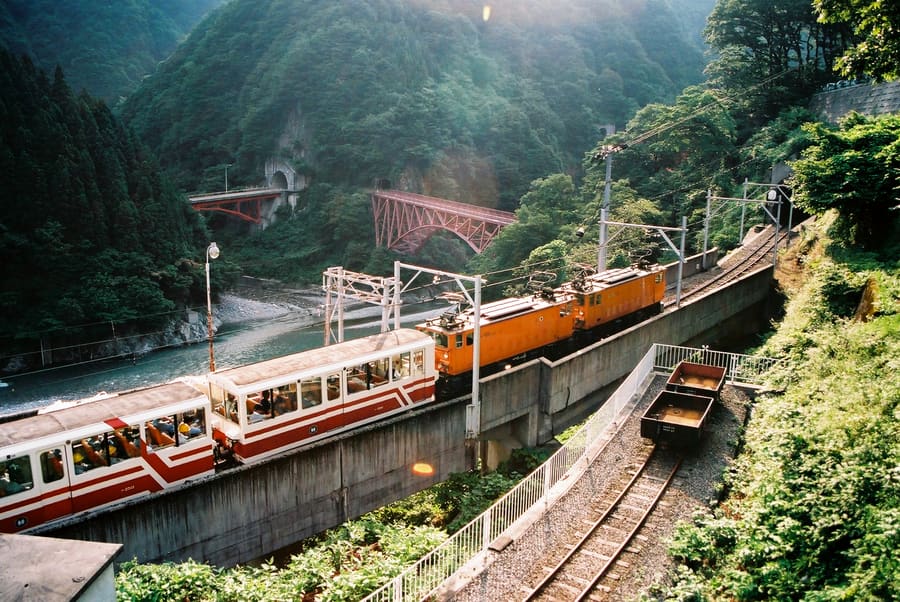
landmark
Open-sided railway cars wind along 80-metre chasms in Japan's deepest V-shaped gorge. Trains operate from mid-April through November.
Ask Parley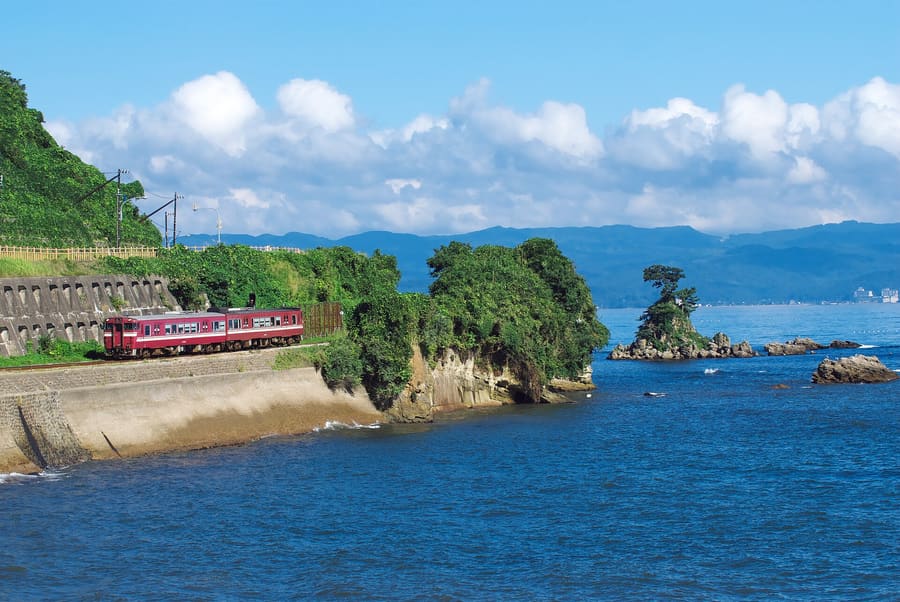
landmark
A coastal viewpoint where the 3,000-metre Tateyama range rises directly behind Toyama Bay. Visit at sunrise on clear winter days.
Ask Parleyattractions
areas
Transit hub with modern food halls, direct tram platforms, and streamlined hotel towers.
NearbyShinkansen lines and central tram station
Ask ParleyQuiet coastal shipping port with restored sake breweries and timber architecture.
NearbyIwase Canal and Toyama Bay coast
Ask ParleyTraditional downtown shopping arcades mixed with modern design spaces and local izakayas.
NearbyToyama Glass Art Museum and Castle Park
Ask ParleyOpen water promenade anchored by calm canal views and contemporary cafes.
NearbyFugui Canal and Toyama Prefectural Museum of Art
Ask Parleyfood
Toyama Bay drops steeply into cold ocean trenches, creating a natural fish trap that delivers exceptionally fresh seafood directly to the port at Iwase and Shinminato. Local cuisine centres on sweet white shrimp (*shiro-ebi*), firefly squid (*hotaru-ika*), and bamboo-wrapped trout sushi (*masuzushi*). *Masuzushi* is Toyama's defining specialty, pressed in wooden hoops lined with bamboo leaves to infuse subtle wood fragrance into salted trout and vinegared rice. Takeaway shops surrounding Toyama Station sell distinct family recipes dating back over two centuries.
Masuzushi, vinegared trout pressed with rice inside bamboo leaves.
Sougenma · CC BY-SA 4.0Order white shrimp raw at Toyama Station's Shiroebi-tei. The delicate sweetness peaks from April to November.
Firefly squid illuminate Toyama Bay from March through May. Local izakayas serve them lightly boiled with vinegar miso.
Popular producers like Minamoto sell out of daily batches by mid-afternoon. Purchase round bento boxes at the station before noon.
history
Toyama grew as a feudal castle town under a branch of the Maeda clan during the Edo period. The city became a major center for medicine peddling, sending itinerant merchants across Japan with wicker trunks wrapped in cloth. Heavy bombardments in 1945 destroyed over 99 percent of the urban core. Modern Toyama rebuilt itself around precise street grids and pioneering light-rail transit, becoming Japan's model compact city.
Maeda Clan Rule
Toyama Domain separates from Kaga Domain, establishing independent castle town governance.
Medicine Monopoly
Domain lord Maeda Masatoshi promotes local pharmaceutical manufacturing, creating a nationwide peddler network.
Wartime Reconstruction
Air raids destroy almost all urban buildings, leading to a completely replanned grid town.
Shinkansen Arrival
Hokuriku Shinkansen opens high-speed connections to Tokyo, cutting transit times to two hours.
where to stay
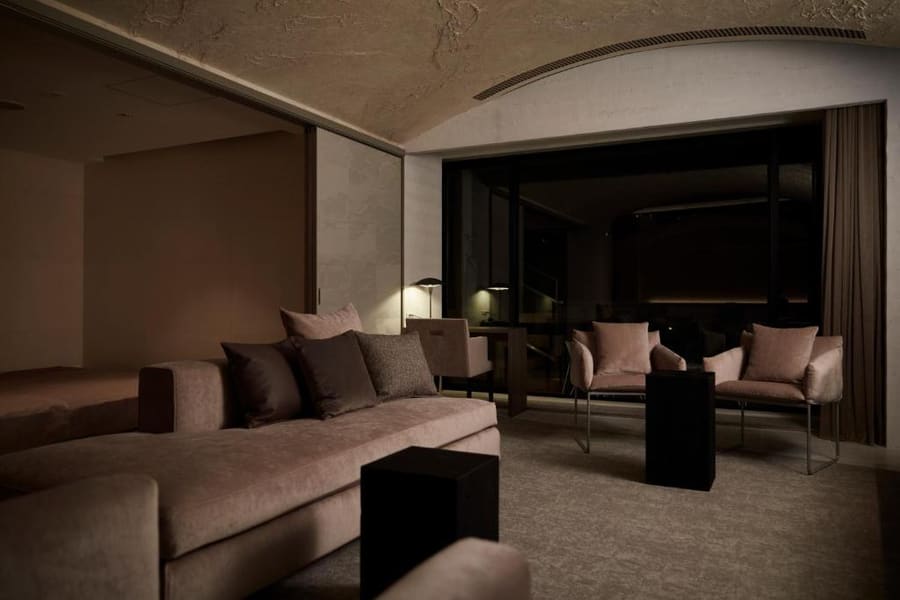
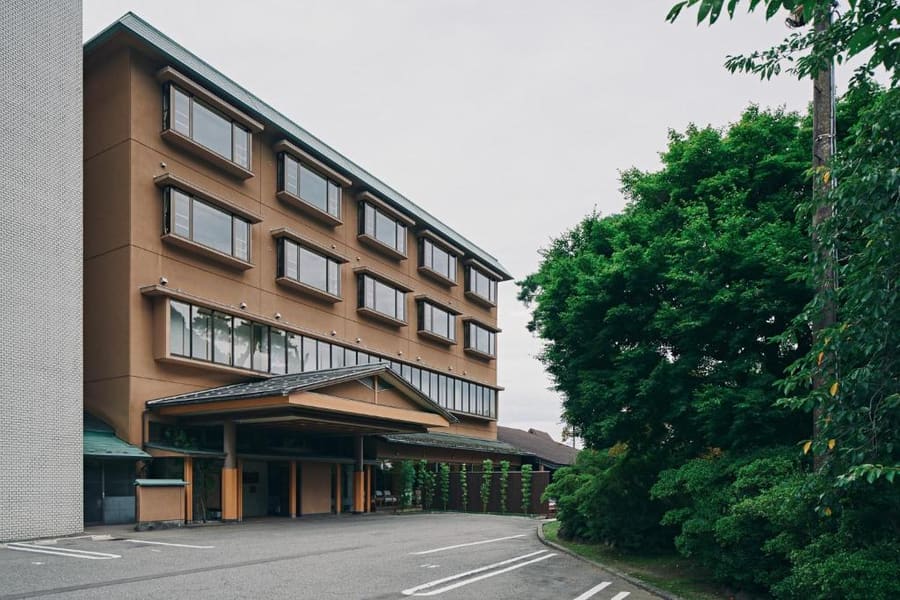
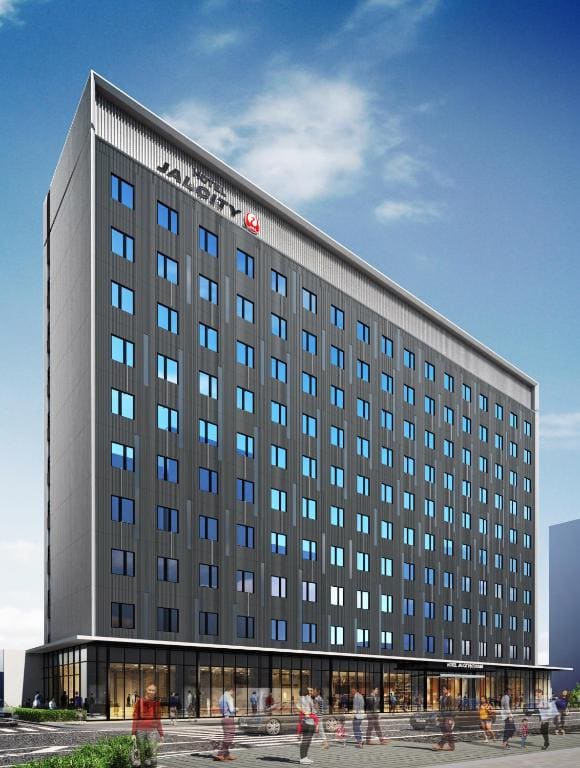
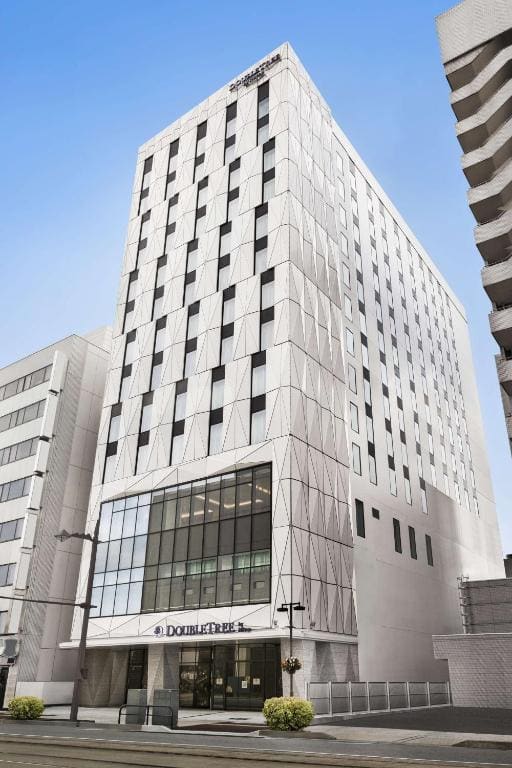
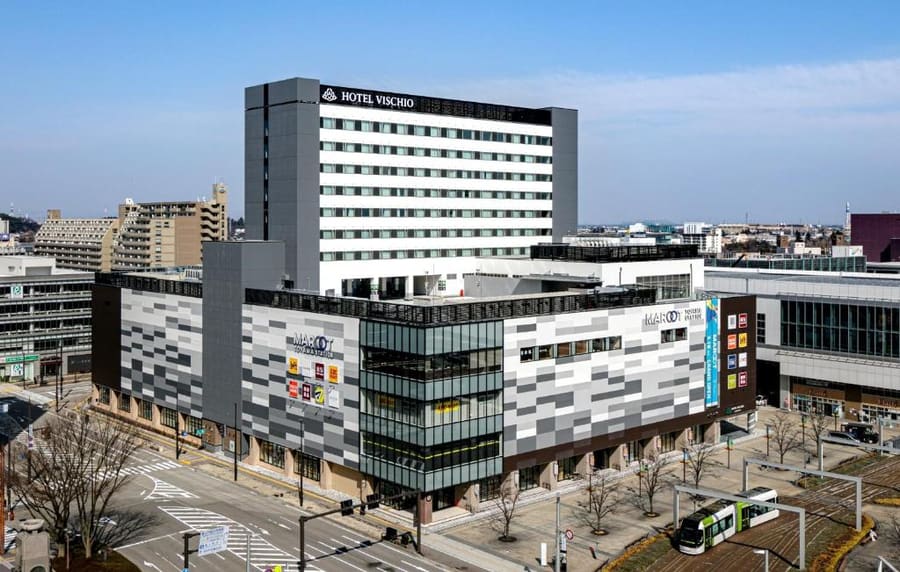
Choose your base by transit convenience versus evening atmosphere. Staying near Toyama Station provides instant access to Shinkansen platforms, local trams, and station dining halls. Staying near Sogawa puts you within walking distance of museums, castle grounds, and evening izakayas.
Live rates, matched to the areas above.
transport
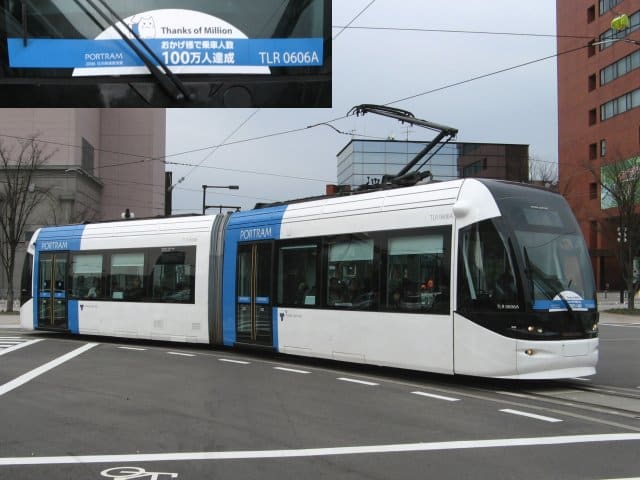
Toyama operates Japan's premier integrated light-rail system. The Toyama City Tram connects the main station with southern commercial districts and northern port zones through seamless low-floor vehicles.
From Toyama Airport (TOY)
Buses meet every arriving domestic flight at the curb outside arrivals.
Taxis wait outside the main exit; no booking required.
Suica, Pasmo, and ICOCA cards work on all Toyama City Tram lines. Tap when entering and exiting.
A 650 yen pass grants unlimited tram rides for one calendar day. Purchase it at the station tourist center.
cost
Toyama offers high-value dining and transport compared to Tokyo or Kyoto. Fresh local seafood and tram fares remain affordable, though seasonal peak accommodation near Tateyama hikes prices.
Standard cedar-bound round bento box feeds two people for lunch.
Flat fare across all city tram lines regardless of distance travelled.
Fresh white shrimp rice bowls served with miso soup in station restaurants.
Permanent collection admission ticket for adults.
seasonality
MAR – MAY
Firefly squid season opens and the Tateyama Kurobe Alpine Route opens through massive snow walls.
JUN – AUG
Warm bay breezes and clear mountain hiking. Summer sea fog occasionally obscures peak views.
SEP – NOV
Autumn foliage paints Kurobe Gorge in vivid red. Shiro-ebi shrimp remain at peak quality.
DEC – FEB
Heavy winter snowfalls frame the mountain scenery. Cold water yields the season's richest yellowtail (*buri*).
practicalities
Toyama Glass Art Museum closes on the first and third Wednesday of each month.
The northern Portram line connects directly with southern city trams right inside Toyama Station.
Check live webcams at Murodo station before buying alpine train tickets; clouds frequently blanket the peaks.
Smaller sake shops and traditional craftsmen in Iwase only accept cash.
Forward large bags from Toyama Station if taking the Alpine Route through to Nagano.