
landmark
Playa Hermosa
Consistent surf breaks make this broad beach ideal for beginner surfers. Tree shade lines the sand, providing relief from midday sun.
Costa Rica
Where dense jungle meets the Pacific's famous sandbar tail.
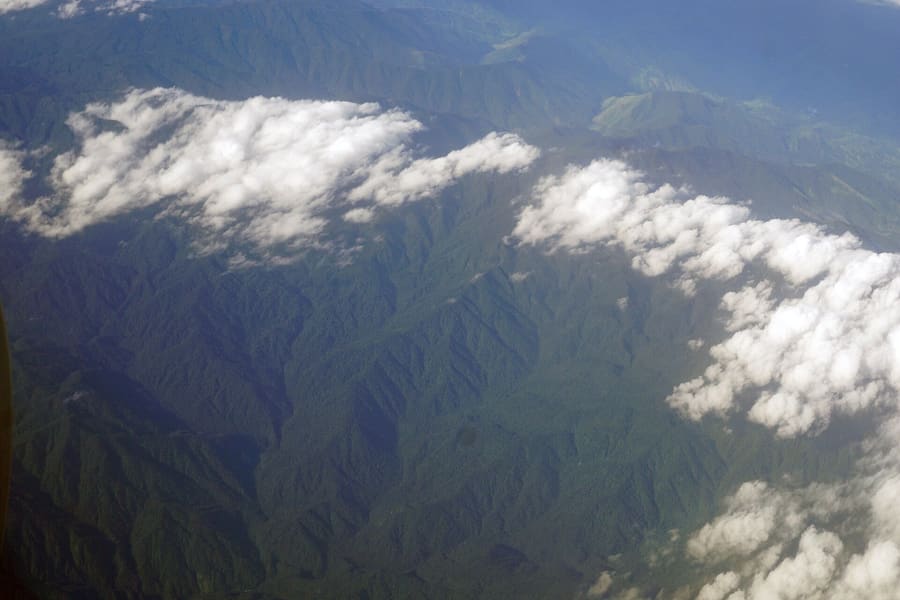
Uvita sits along Costa Rica’s southern Pacific coast where steep rainforest mountains drop directly into the ocean. Route 34 bisects the settlement, separating the highway commercial hub from the coastal national park. You move between the beach and mountain tracks by 4x4 or on foot if you endure the heat. The town lacks a central plaza, functioning instead as a loose collection of dirt roads and jungle trails.
Uvita Mountain Ridge — Cooler jungle elevations overlooking the ocean along steep gravel switchbacks.
A traditional casado with fresh Pacific fish and plantains at a local soda.
01
landmark
Consistent surf breaks make this broad beach ideal for beginner surfers. Tree shade lines the sand, providing relief from midday sun.
landmark
Towering bamboo stalks arch over the river path near the falls. Visit early in the morning to hear howler monkeys in the canopy.

landmark
A shaded jungle trail leads uphill to quiet river cascades. Wear hiking sandals with rubber traction for slick mud steps.
02
03
Flat dusty lanes filled with surf shops, sodas, and foot traffic heading to the park.
NearbyMarino Ballena National Park main entrance
Ask ParleyA commercial strip along Route 34 anchored by supermarkets, banks, and the bus stop.
NearbyTracopa bus terminal and BCR bank
Ask ParleyCooler jungle elevations overlooking the ocean along steep gravel switchbacks.
NearbyCatarata Uvita and rainforest trails
Ask ParleyA relaxed coastal strip north of town with tree-shaded shores and surf breaks.
NearbyPlaya Hermosa surf point
Ask Parley04
Eating in Uvita revolves around fresh Pacific seafood and traditional Costa Rican sodas (small family restaurants). Local spots serve casados featuring seared mahi-mahi or red snapper alongside black beans, rice, plantains, and cabbage salad. Off the highway, food trucks and small cafes cater to international tastes, but local family kitchens deliver the freshest catch at lower costs.
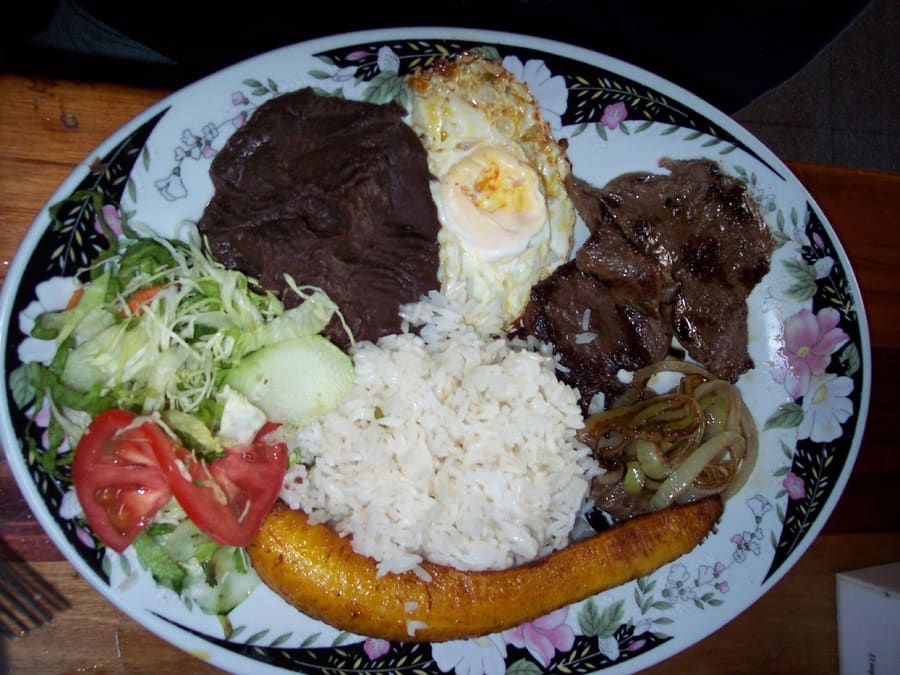
A traditional casado with fresh Pacific fish and plantains at a local soda.
Order ceviche de corvina at small roadside sodas near the Bahía entrance. Local fishermen drop off sea bass daily around noon.
Small sodas off Route 34 prefer Costa Rican colones cash. Credit card terminals frequently drop connection during stormy weather.
Dinner service peaks around 18:30 and most local sodas close their doors by 20:00. Plan evening meals immediately after sunset.
05
Uvita remained an isolated farming and logging settlement along the Osa Peninsula approach until the mid-twentieth century. Access required coastal boat journeys or rough horseback travel across mountain trails. The establishment of Marino Ballena National Park in 1989 shifted the local economy from cattle ranching to marine conservation and eco-tourism.
National park creation
Costa Rica establishes Marino Ballena National Park, creating Central America's first protected marine sanctuary.
Paving Route 34
Paving of the Costanera Sur highway completes, linking Uvita directly to San José and reducing travel time to four hours.
Marine sanctuary expansion
Local marine conservation efforts expand protection zones to combat illegal fishing along the Pacific reef.
06
Choose your base based on your mobility and tolerance for heat. Staying near Bahía Uvita places you within walking distance of the beach and surf schools, though low-altitude humidity remains high day and night. Heading into the hills requires a 4x4 vehicle, but unlocks cooler mountain breezes and panoramic Pacific views.
Highly rated hotels in Uvita.


07
Uvita lacks municipal public transit, so getting around requires walking, local taxis, or driving. The town stretches across four kilometres along Route 34. Dirt side roads connect the highway to the coast and mountains. Renting a 4x4 vehicle provides complete independence, especially for exploring waterfall tracks and mountain lodges.
Local taxis do not use meters. Agree on the price in colones or USD before closing the door.
Route 34 has limited street lighting, unlit bicycles, and sudden heavy rainstorms after sunset.
The main highway lacks pedestrian sidewalks. Walk along parallel dirt side roads whenever possible.
08
Prices in Uvita reflect its status as an eco-tourism hub. Goods and services carry higher price tags than non-coastal Costa Rican towns. Paying in Costa Rican Colones (₡) avoids unfavorable exchange rates set by local vendors who accept US Dollars.
A two-hour boat excursion including park entrance fees and marine guide service.
A full traditional lunch plate at a local soda in town or near the highway.
Private land access fee charged at the entrance café on Calle Catarata.
09
DEC – APR
Dry season brings sunny skies and calm seas. Book accommodations months ahead for Christmas and Easter weeks.
MAY – JUN
The shoulder season brings afternoon rain showers and lush jungle landscapes. Whale sightings are rare during these months.
JUL – OCT
Southern humpback whales arrive from Antarctica. Heavy afternoon rains occur daily, requiring early morning outings.
NOV
Transition month with unpredictable heavy downpours. Trails can be muddy and river swimming dangerous due to flash floods.
10
The Whale Tail sandbar is accessible only two hours before and after lowest tide. Check local tables before heading out.
ATMs in Uvita Centro occasionally run out of cash on holiday weekends. Stock up on colones when arriving.
Protect local coral reefs by using zinc-based mineral sunscreen. Tropical sun burns exposed skin in under twenty minutes.
Marino Ballena National Park closes ticket gates early. Sunset beach viewings require entering before 16:00.
Pacific waves along create strong rip currents. Swim near marked areas and never swim alone.
Contents
Your trip
Going to Uvita?
Tell Parley when you’re going and what you enjoy, and it plans the days around this guide.
Plan with Parley


