landmark
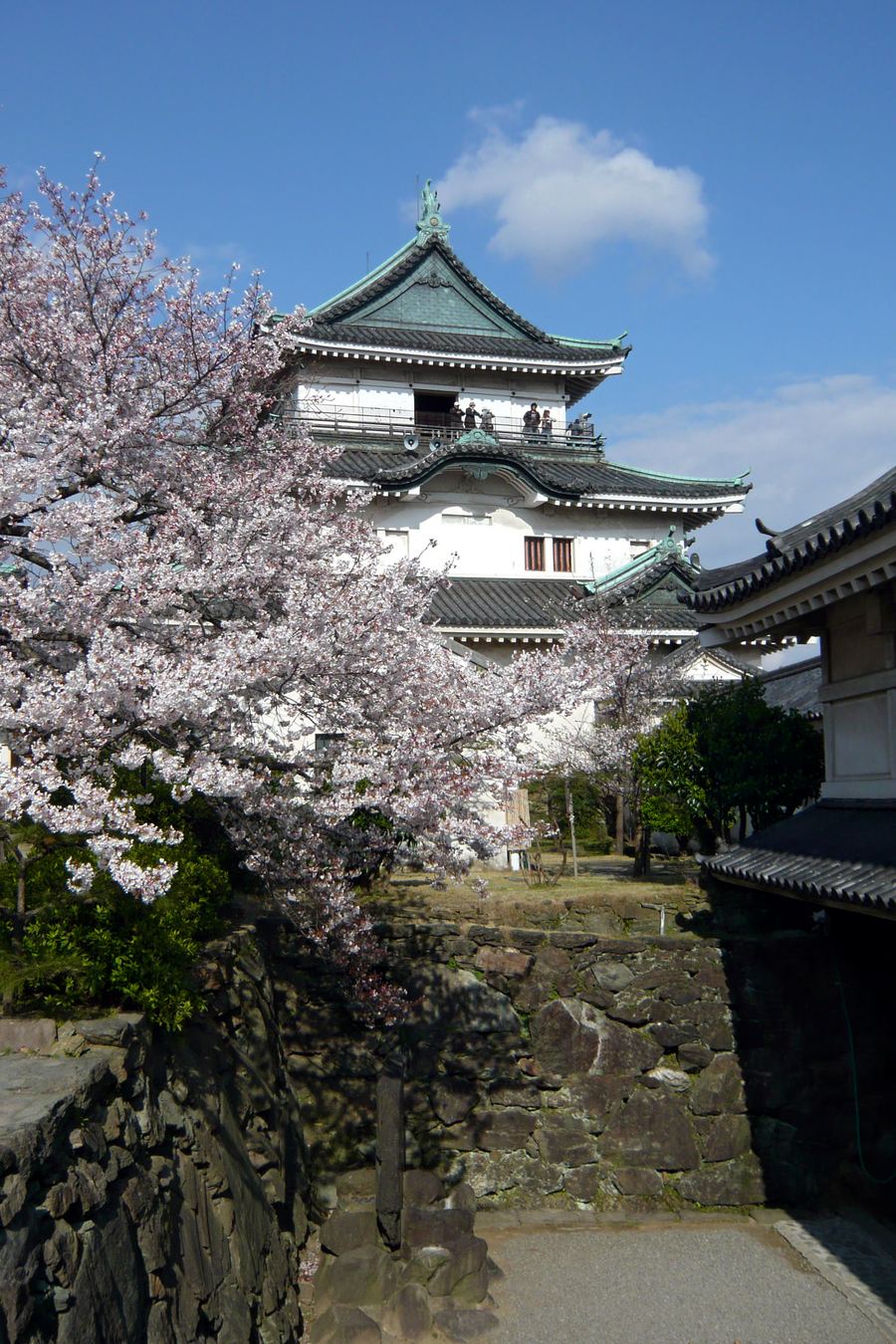
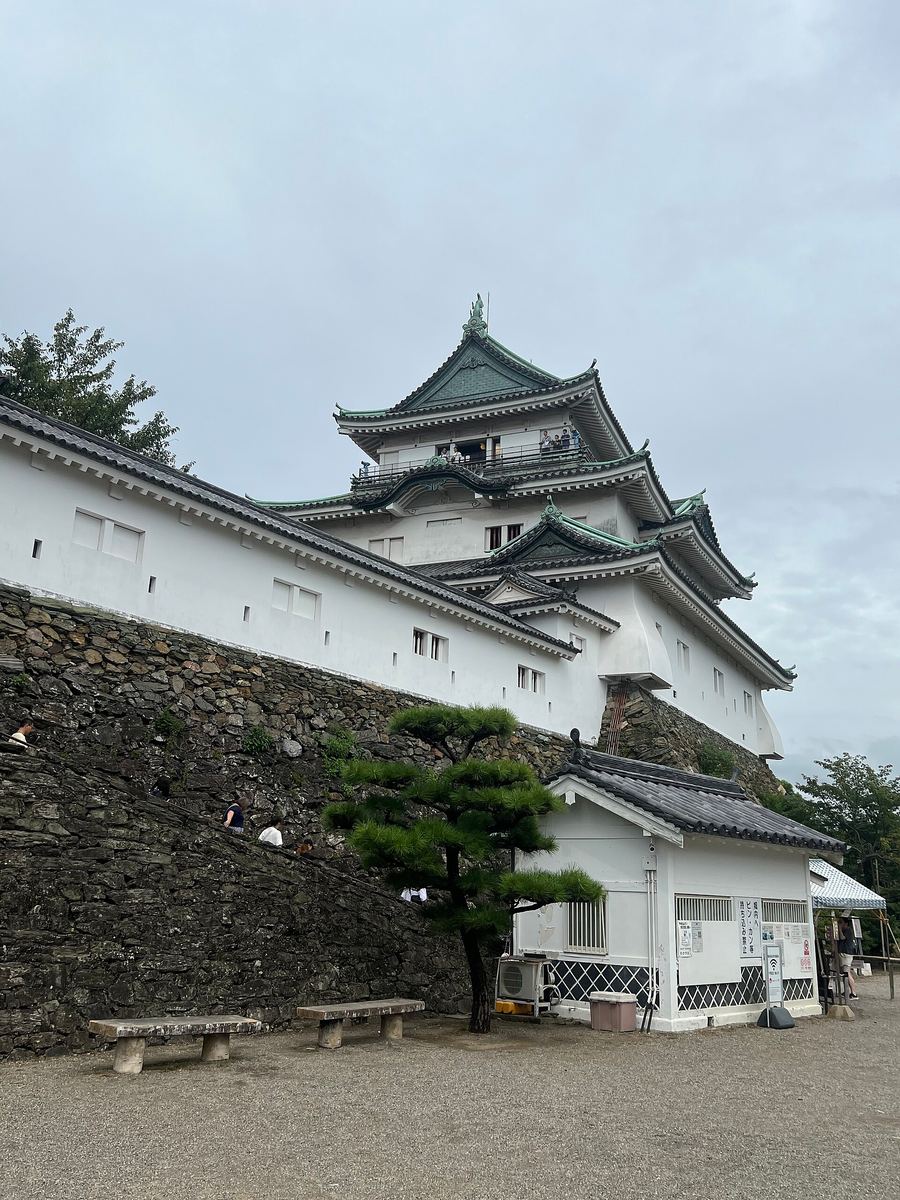
Wakayama Castle
Rebuilt hilltop fortress surrounded by citrus trees. Visit the inner gardens early to avoid tour buses.
Ask ParleyJapan
Ramen counters, citrus groves, and coastal pilgrimage routes.
introduction
Wakayama sits at the mouth of the Kinokawa River, serving as the northern gateway to the Kii Peninsula. Two major railway lines split the urban core, so choosing your transit hub dictates how you move through the city. You come here for rich tonkotsu-shoyu noodles, seaside shrines, and rail access to Mount Koya that requires transferring trains, such as taking the JR Wakayama Line to Hashimoto Station and switching to the Nankai Koya Line. The atmosphere stays relaxed compared to neighbouring Osaka.
Ramen culture
Locals call their noodle soup Chuka Soba, served with soy-braised pork broth and a side of hayazushi mackerel sushi on the table.
Cat stationmaster
Kishi Station on the Kishigawa Line gained international fame for appointing a feline stationmaster. Ride the cat-themed train from JR Wakayama Station.
Wakayama
Mont Blank rich · CC0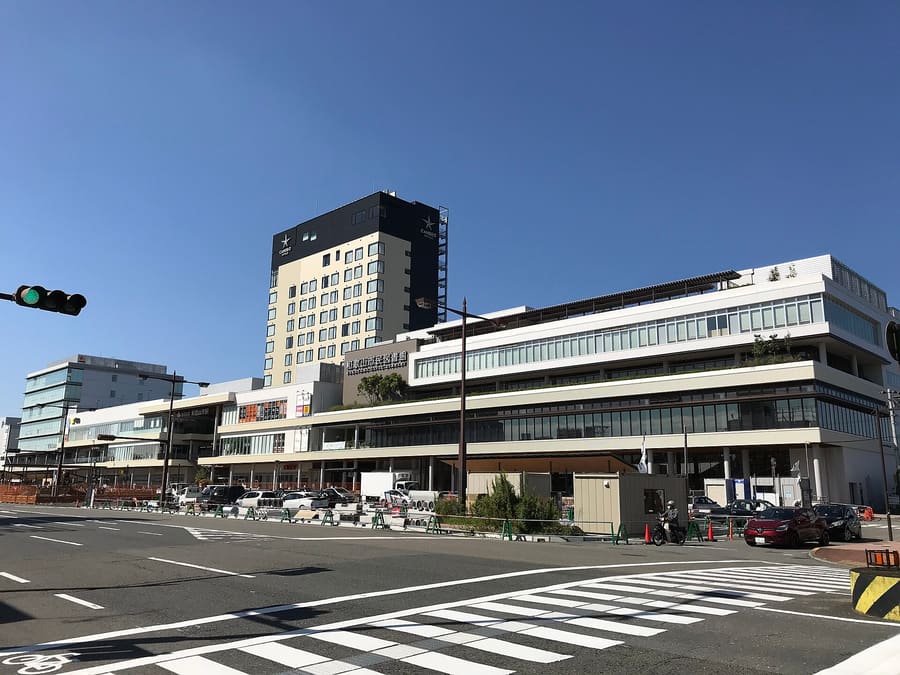
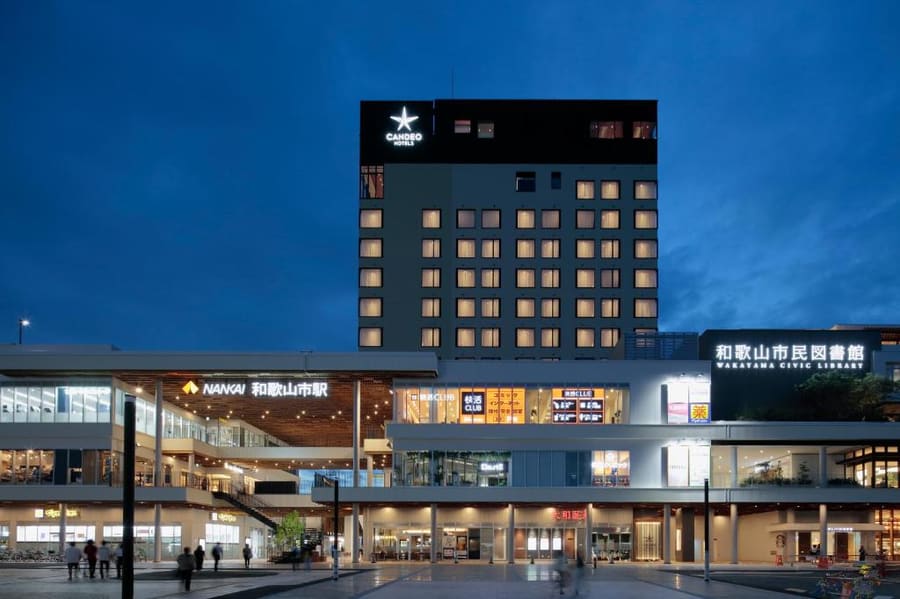
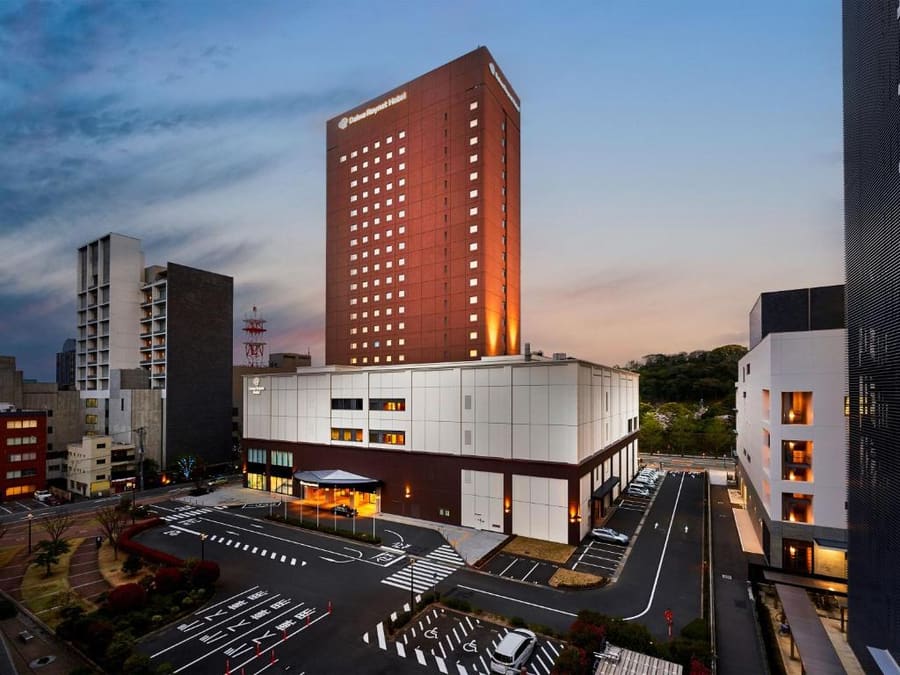
Wakayamashi Station — Modern library transit complex with direct Nankai rail links to Osaka.
Tokyo-Good · CC BY-SA 4.0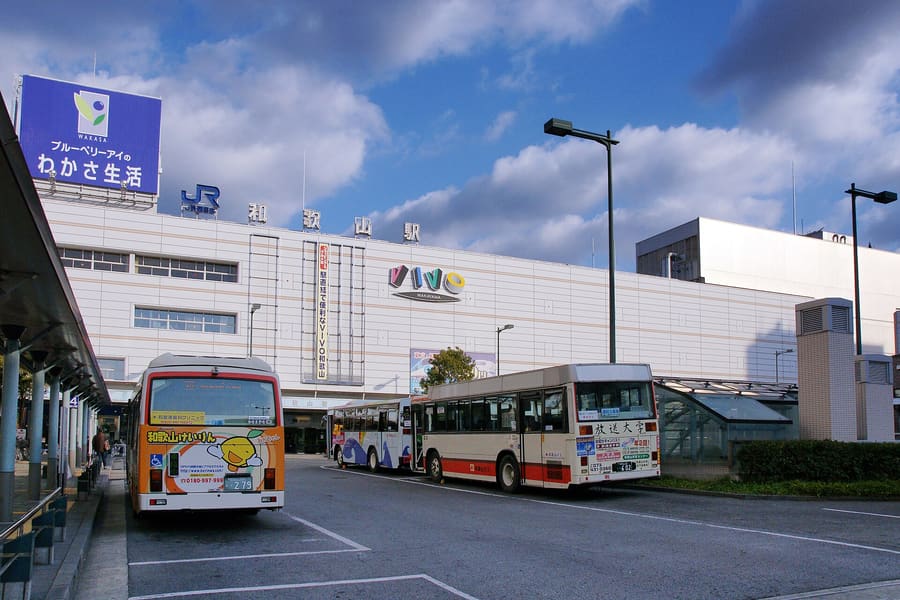
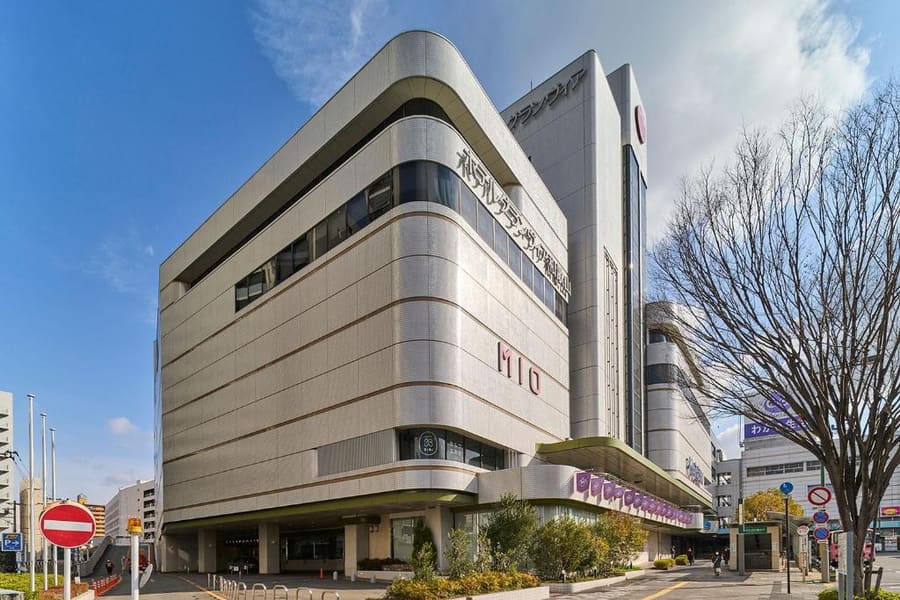
JR Wakayama Station — Bustling commercial hub packed with ramen shops and local bus terminals.
663highland · CC BY 2.5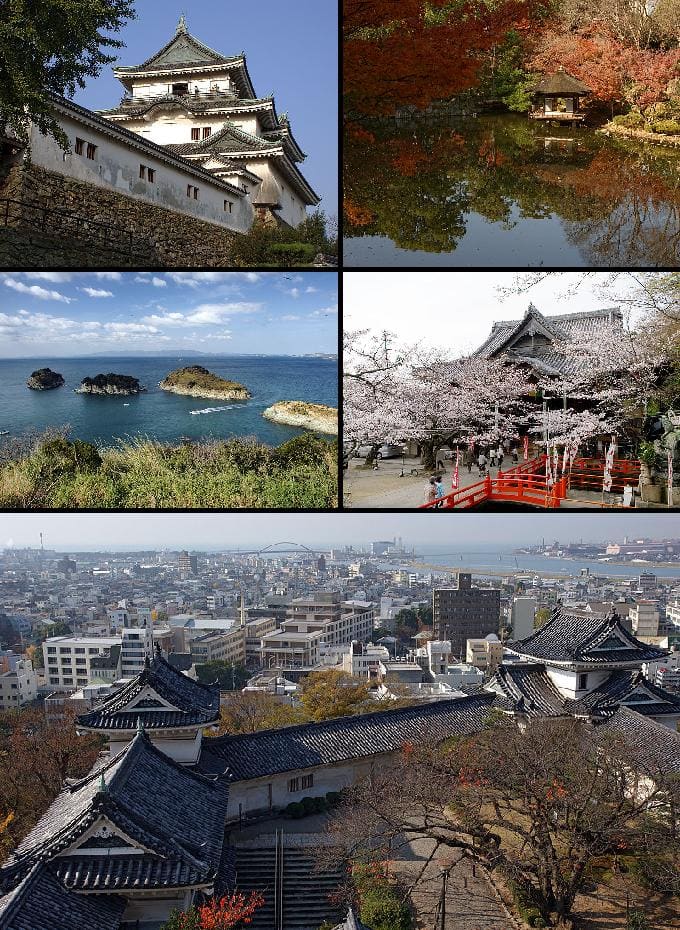
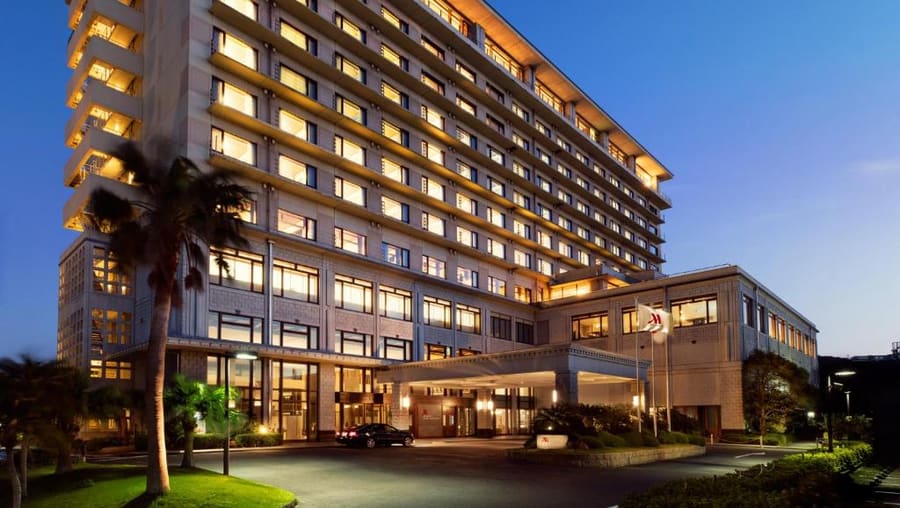
Kimiidera & Wakaura — Quiet coastal valley defined by hillside temples and bay views.
User:663highland User:Kumamushi composition: User:Kyoww · CC BY-SA 3.0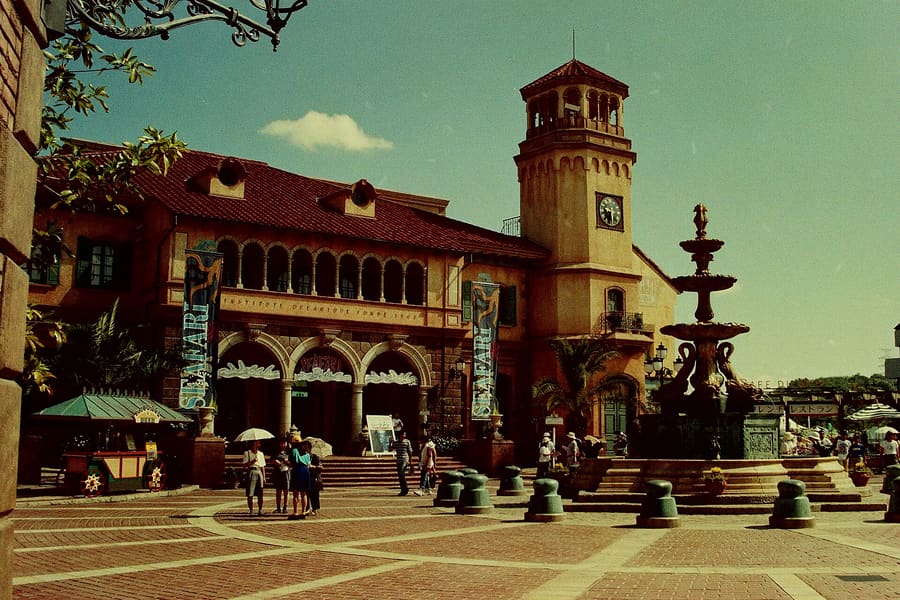
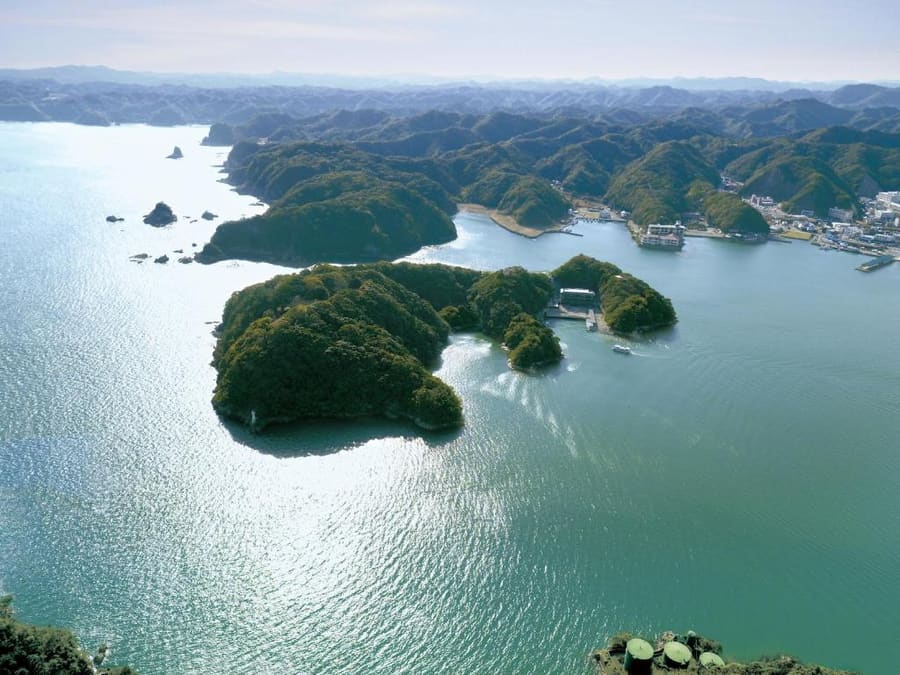
Marina City — Reclaimed island resort featuring seafood markets and hot springs.
Oddjob84 · CC BY-SA 4.0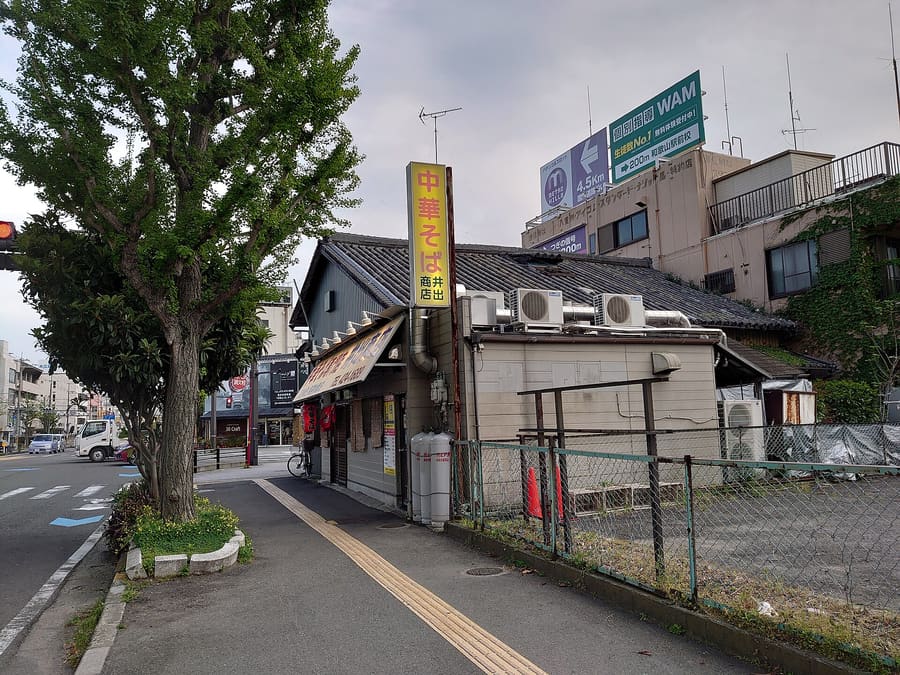
A classic bowl of Wakayama Chuka Soba served with fish cake and bamboo shoots.
Sakumata · CC0highlights
landmark
Rebuilt hilltop fortress surrounded by citrus trees. Visit the inner gardens early to avoid tour buses.
Ask Parley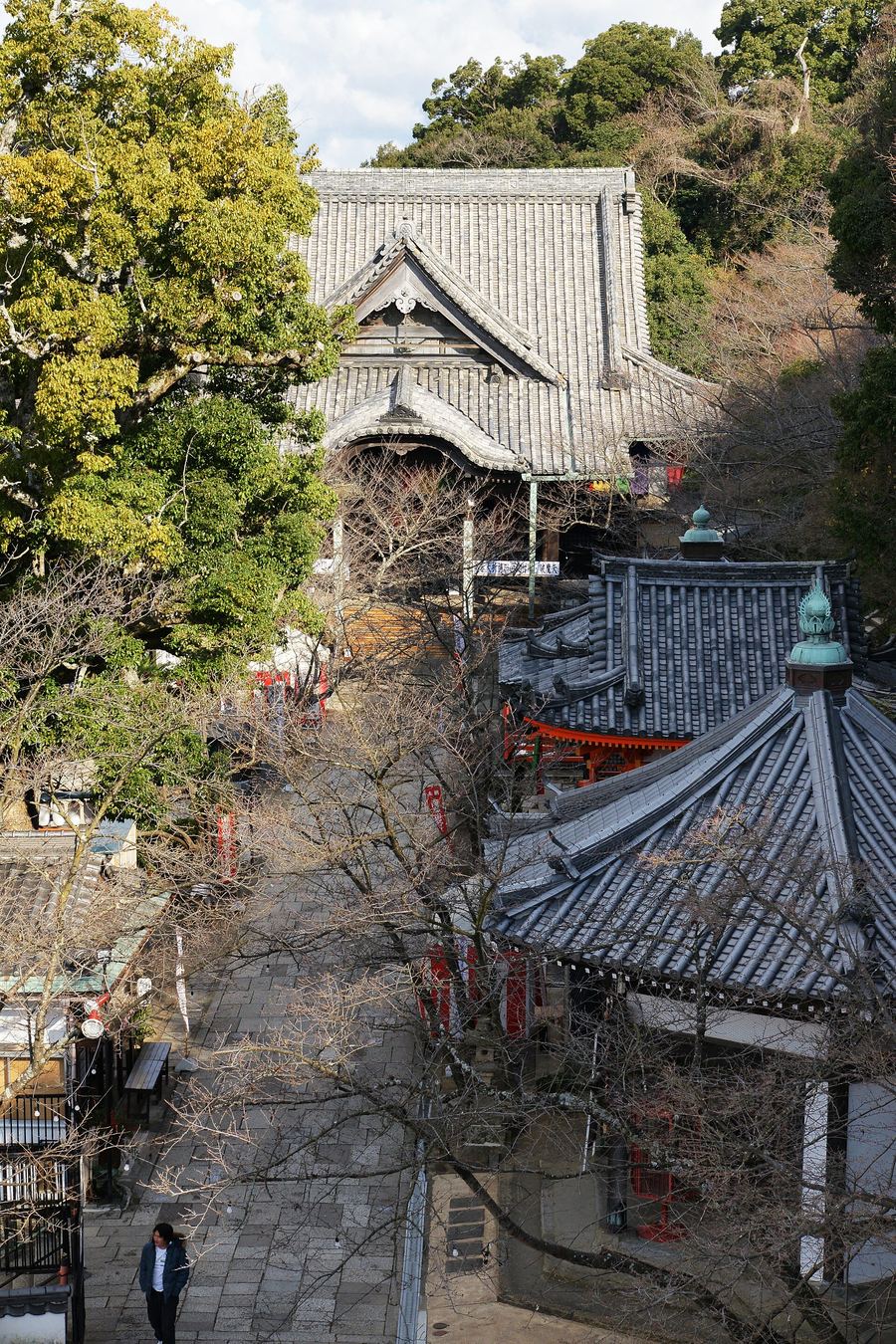
landmark
Climb 231 stone steps for sweeping bay views. Early cherry blossoms bloom here before the rest of Kansai.
Ask Parley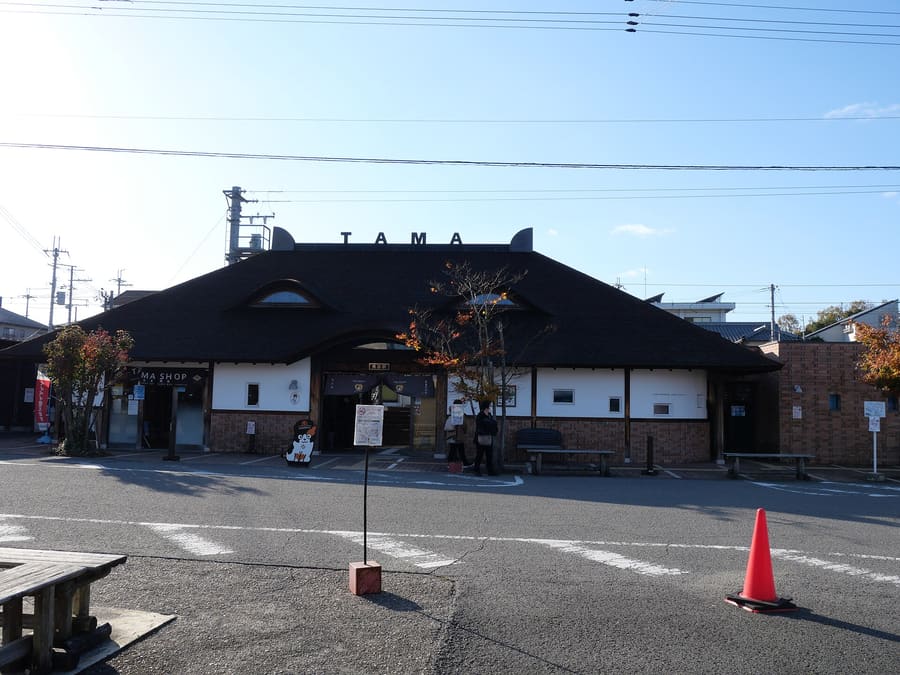
landmark
Terminus of the Wakayama Electric Railway. Home to the feline stationmaster and themed local trains.
Ask Parley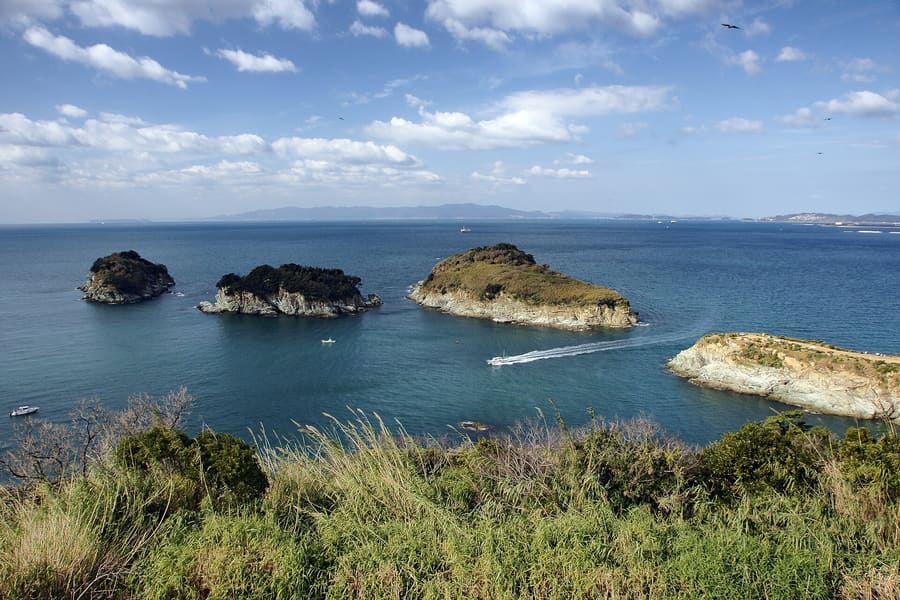
landmark
Hillside fishing port built like an amphitheatre. Fresh catches sell directly off the boats in late afternoon.
Ask Parley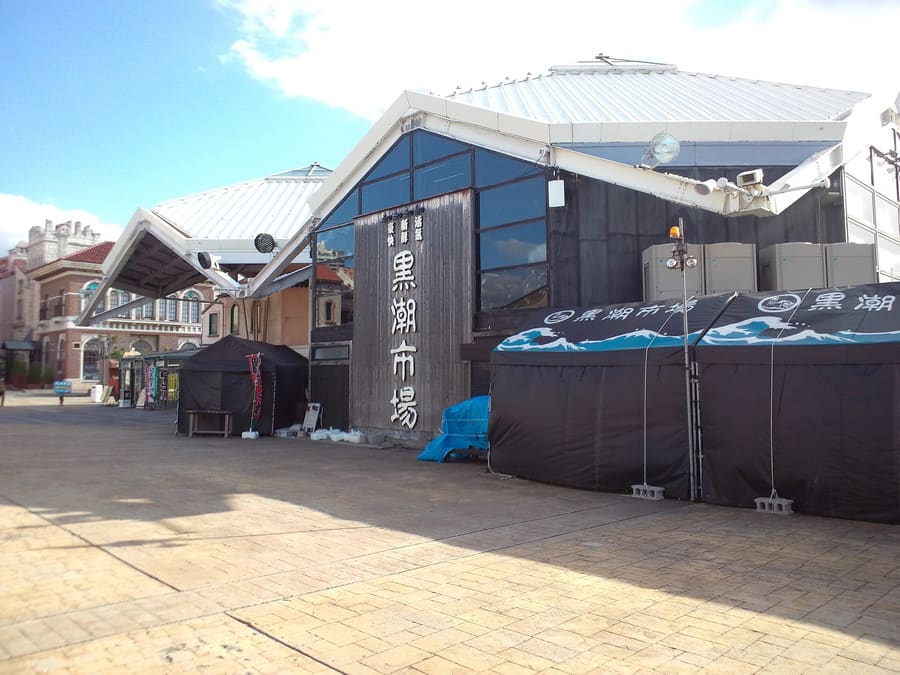
landmark
Waterfront fish market holding daily tuna disassembly shows. Buy raw seafood skewers to grill on the terrace.
Ask Parleyattractions
areas
Modern library transit complex with direct Nankai rail links to Osaka.
NearbyWakayama Castle, Kinokawa River
Ask ParleyBustling commercial hub packed with ramen shops and local bus terminals.
NearbyIde Shoten, Kishigawa Line platform
Ask ParleyQuiet coastal valley defined by hillside temples and bay views.
NearbyKimiidera Temple, Kishu Toshogu Shrine
Ask ParleyReclaimed island resort featuring seafood markets and hot springs.
NearbyKuroshio Market, Porto Europa
Ask Parleyfood
Locals order broth by asking for Chuka Soba rather than ramen. The city's signature style blends rich pork bone stock with dark soy sauce cooked in iron cauldrons. Every table features small pressed mackerel sushi wrapped in bamboo leaves, known as hayazushi. You eat the sushi while awaiting your noodle bowl and report how many you consumed when paying.
A classic bowl of Wakayama Chuka Soba served with fish cake and bamboo shoots.
Sakumata · CC0The vinegared mackerel cuts through the thick pork broth. Peel the green bamboo leaf completely before taking a bite.
Visit Kuroshio Market around 11:00 or 12:30 to catch the live tuna cutting demonstrations before grabbing fresh sushi sets.
history
Wakayama grew as the power centre of the Kishu Tokugawa clan, one of the three elite branches eligible to provide a shogun during the Edo period. Tokugawa Yoshimune governed here before becoming eighth shogun and initiating national financial reforms. Modern industrial growth centered on steel manufacturing along the coast, balancing its historic castle roots.
Castle foundation
Toyotomi Hideyoshi orders the construction of Wakayama Castle on Mount Torafusu to command the Kinokawa river mouth.
Tokugawa rule
Tokugawa Yorinobu establishes the Kishu Domain, making Wakayama a key political base for the Tokugawa shogunate.
Wartime destruction
Air raids destroy the original wooden castle tower and major portions of the surrounding downtown district.
Reconstruction
The main castle keep is rebuilt using reinforced concrete, reproducing the original Edo-period exterior profile.
where to stay
Live rates, matched to the areas above.
transport
Wakayama relies on two local bus networks and short regional train spurs. Buses connect the two main rail stations, passing Wakayama Castle along the central avenue. Tap standard Japanese IC cards on buses and trains throughout the municipal transport system.
From Kansai International Airport (KIX)
Nankai Main Line connects KIX via Izumisano to Wakayamashi Station.
Limousine buses run directly from Terminal 1 to JR Wakayama Station.
Highway tolls add to the high base fare across the airport bridge.
Wakayama Bus operates frequent routes along Honmachi avenue between Nankai Wakayamashi and JR Wakayama stations.
Buy a 1-day pass for ¥800 at JR Wakayama Station if visiting Kishi Station and riding the cat trains.
Icoca and Suica work on Wakayama Bus and train lines, but carry cash for smaller rural stops along the coast.
cost
Wakayama offers lower dining and hotel prices than nearby Osaka. Local bus fares start at a flat baseline, while castle admission and temple entry fees remain modest.
Standard bowl of soy pork ramen at traditional downtown counters.
Priced per piece left inside the plastic wrap on noodle tables.
Covers access to the top tower exhibition deck and historical armor displays.
Applies to short runs around the central castle district.
seasonality
MAR – MAY
Cherry blossoms bloom early at Kimiidera. Mild temperatures make walking the castle park pleasant.
JUN – AUG
Hot and humid conditions dominate. Coastal areas and Kuroshio Market draw summer weekend crowds.
SEP – NOV
Clear skies and comfortable temperatures. Mandarin orange harvesting begins across surrounding hillsides.
DEC – FEB
Chilly weather keeps tourist numbers low. Excellent conditions for hot springs and steaming ramen bowls.
practicalities
Check the Tama train roster online beforehand, as specific themed trains take maintenance days.
JR Wakayama Station has extensive coin lockers on the ground floor near the central exit gates.
Local Kishu mikan mandarins peak between October and January; farm stands sell bags along main roads.
Saikazaki port and Wakaura Bay get heavy coastal gusts in winter; pack an extra outer layer.