landmark
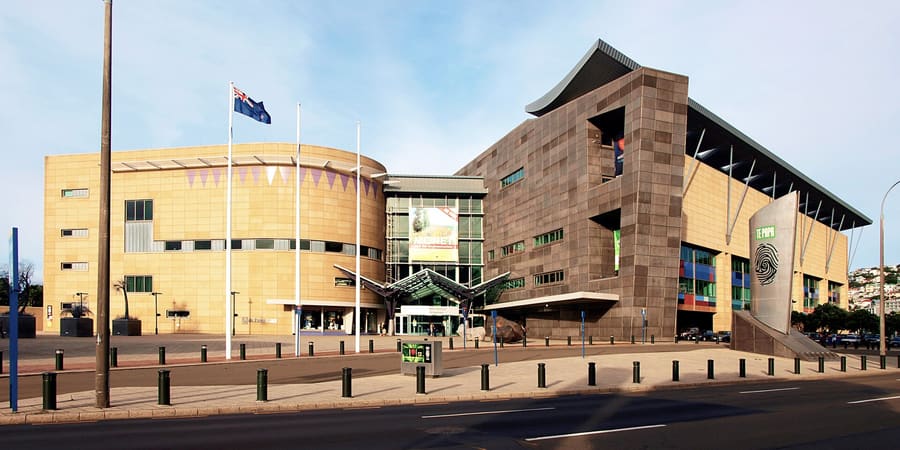
Te Papa Tongarewa
National museum on the harbour. Start on level 4 to explore Māori cultural history.
Ask ParleyNew Zealand
A wind-sculpted capital built around coffee, craft, and film.
introduction
Wellington compresses its culture into a narrow amphitheatre between steep hills and a deep harbor. Southerly winds hit the city directly from Antarctica, keeping temperatures cool and air clean. You can walk across the entire city center in twenty minutes. Most daily life revolves around the tight grid of Te Aro and the waterfront.
Airport transport
Metlink public buses connect Wellington Airport directly to the city center in 25 minutes.
Creative recognition
UNESCO designated Wellington an official City of Film in 2019.
Packing strategy
Wind speeds regularly exceed 40 km/h, making umbrellas impractical; bring a hooded shell instead.
Wellington
Jacques Marier · CC BY-SA 2.0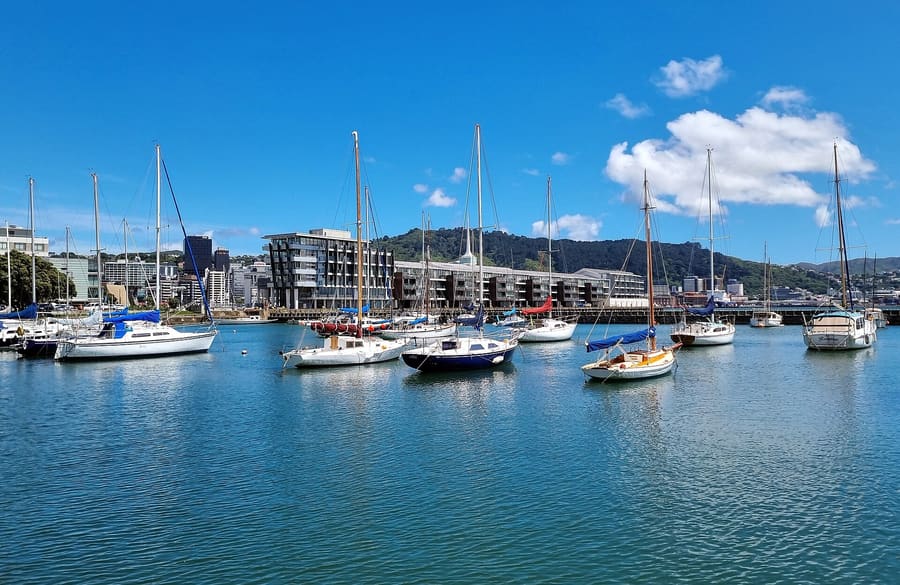
Te Aro — Dense grid packed with roasteries, craft taprooms, and late-night food joints.
Wainuiomartian · CC BY-SA 4.0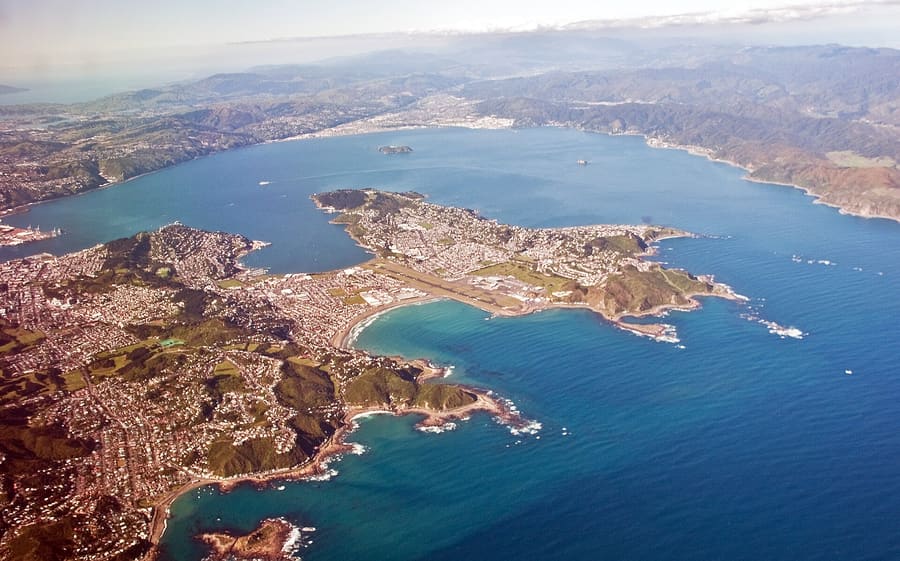
Waterfront & CBD — Harbour paths, modern office towers, and major cultural institutions.
Phillip Capper · CC BY 2.0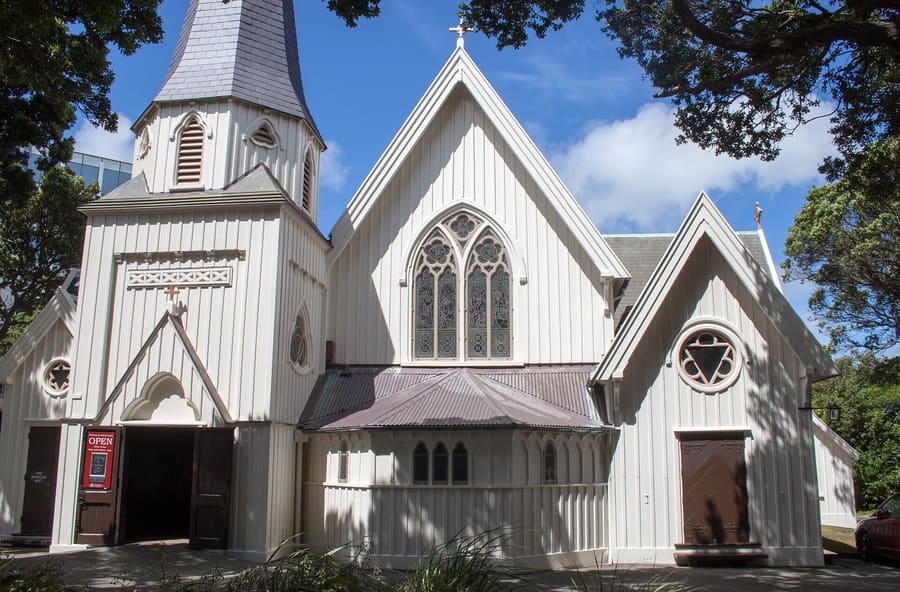
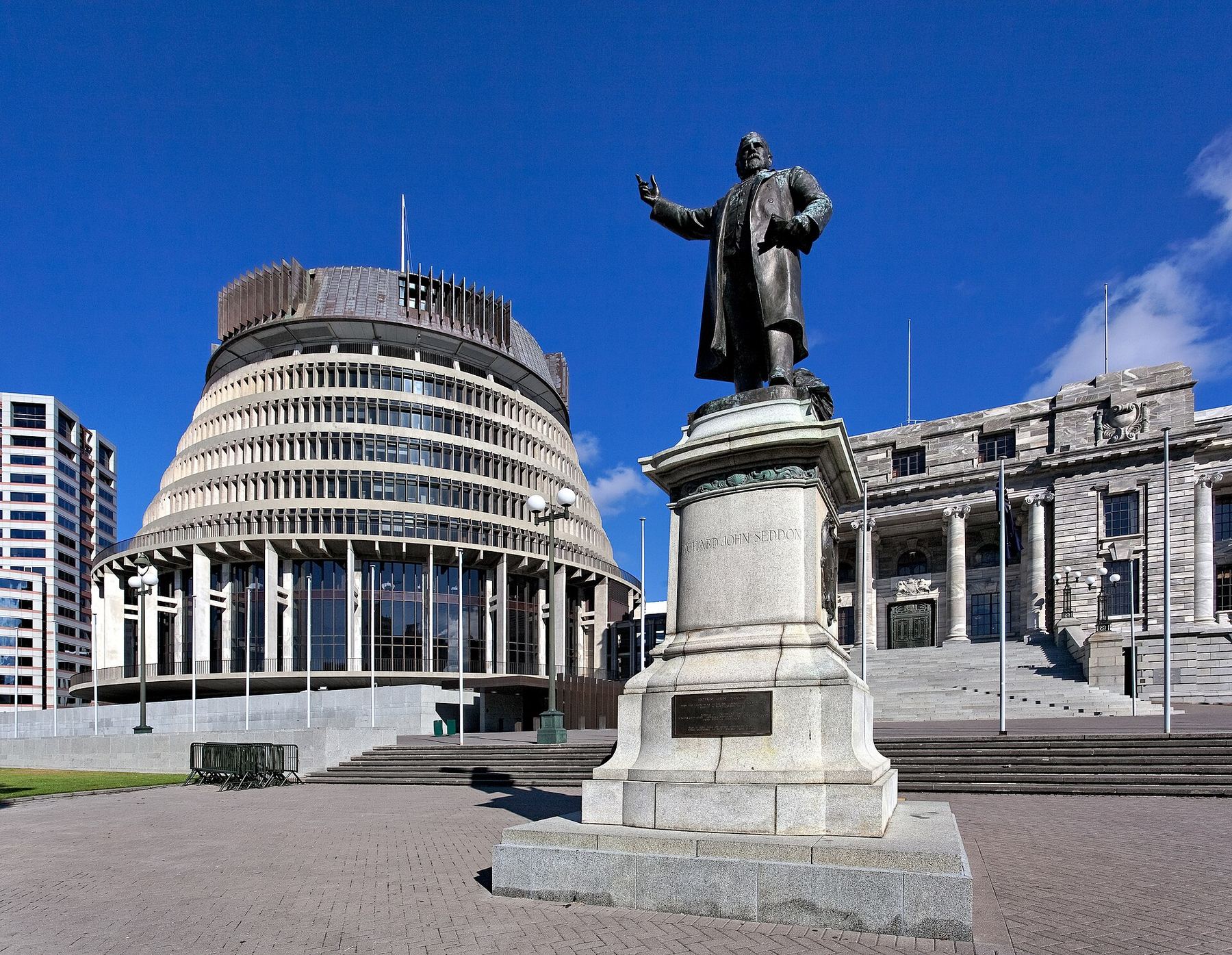
Thorndon — Quiet residential district with historic cottages and national government offices.
Szilas · Public domain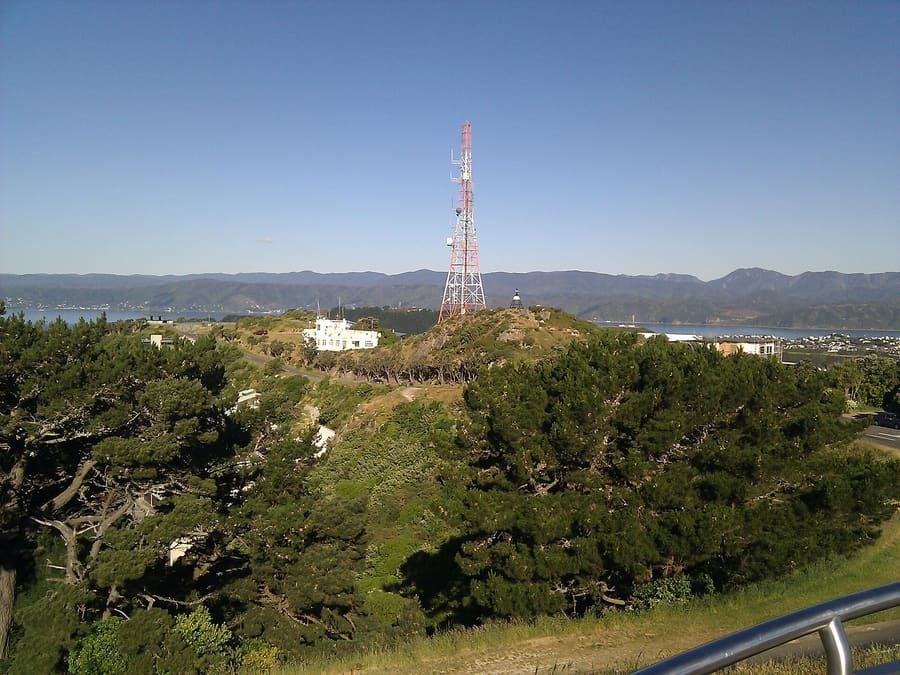
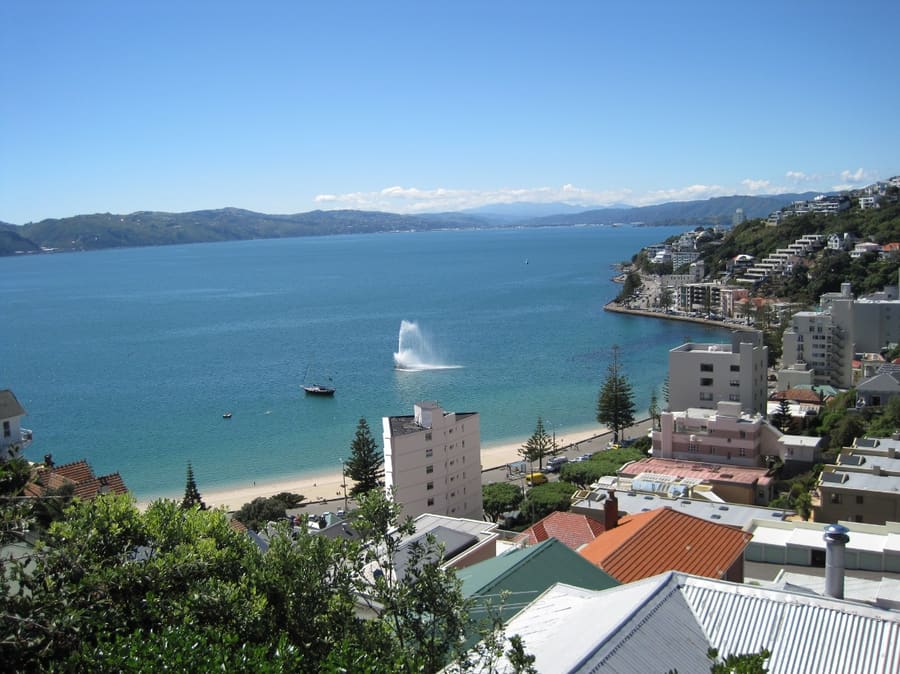
Mount Victoria — Wooded hillsides covered in Victorian villas and winding footpaths.
eythian · CC BY-SA 2.0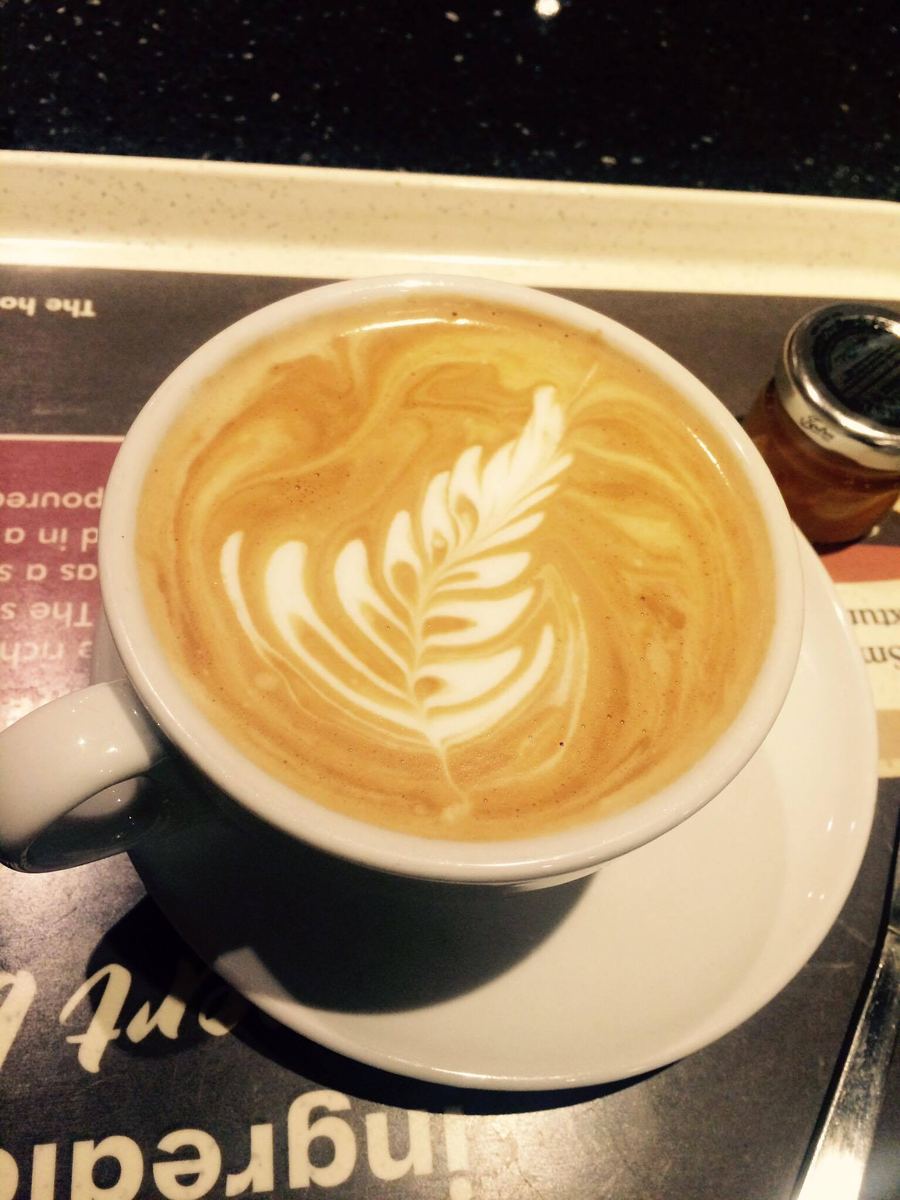
A locally brewed flat white, the standard espresso drink across Wellington.
GeorgeMichaelFarewell · CC BY-SA 4.0highlights
landmark
National museum on the harbour. Start on level 4 to explore Māori cultural history.
Ask Parley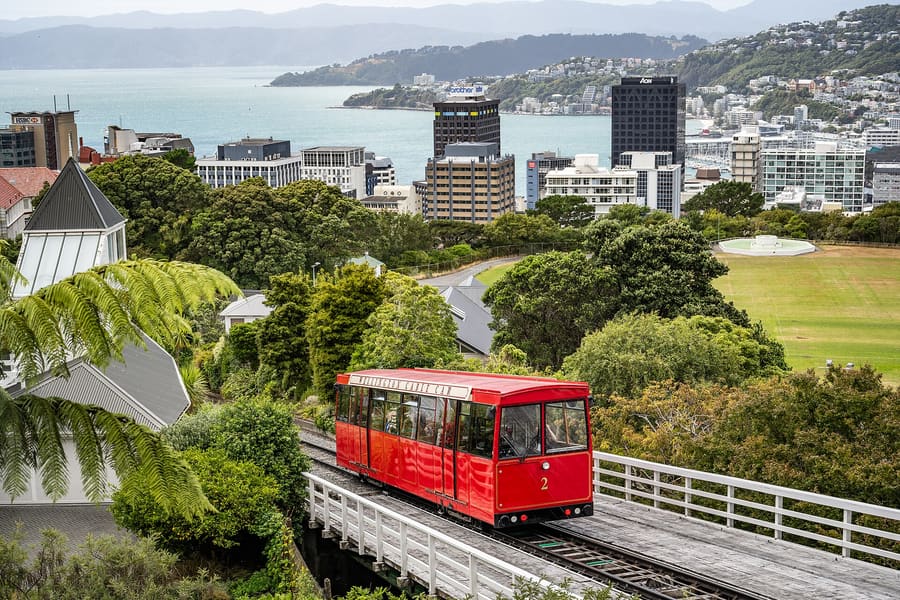
landmark
Short rail run up to Kelburn. Ride up and stroll back down through the Botanic Garden.
Ask Parley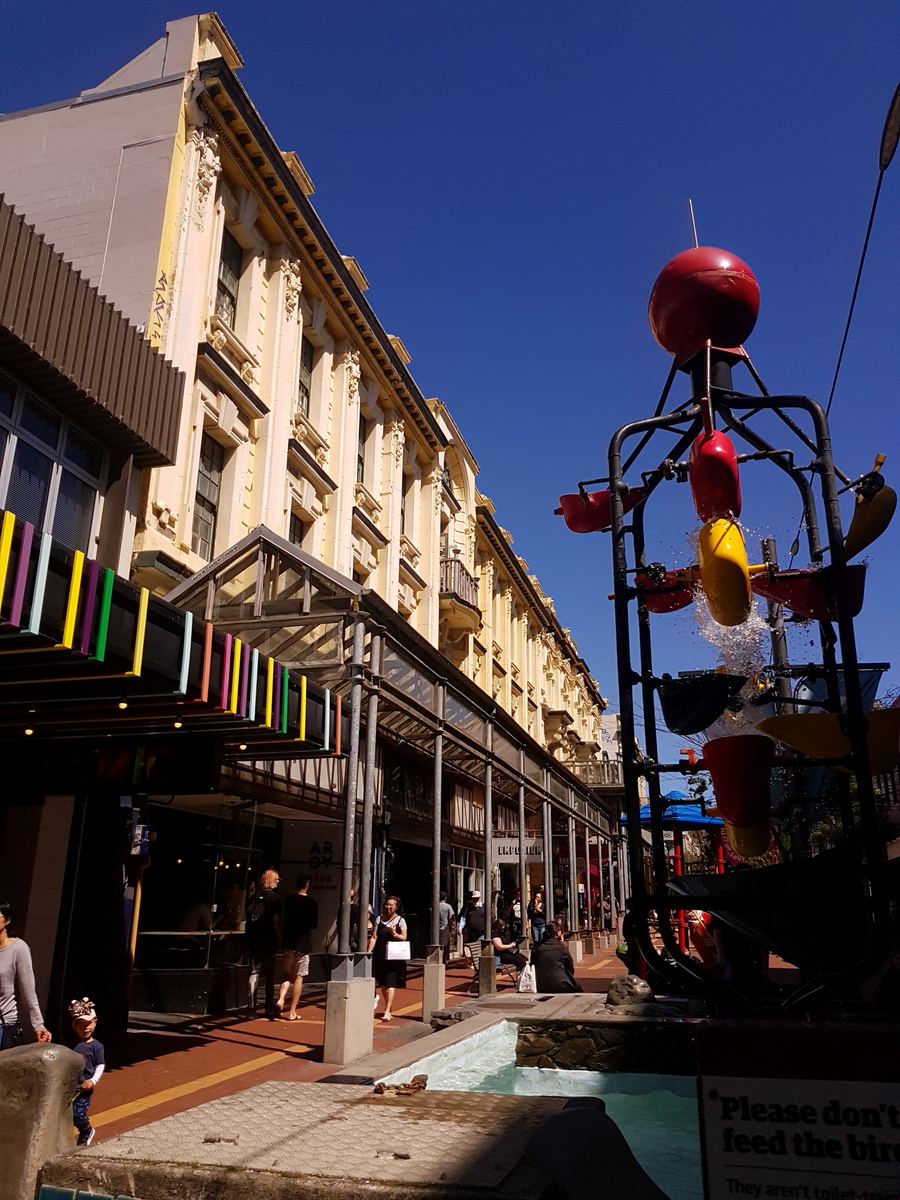
landmark
Pedestrian hub filled with roasteries and vintage shops. Busy on Friday nights.
Ask Parley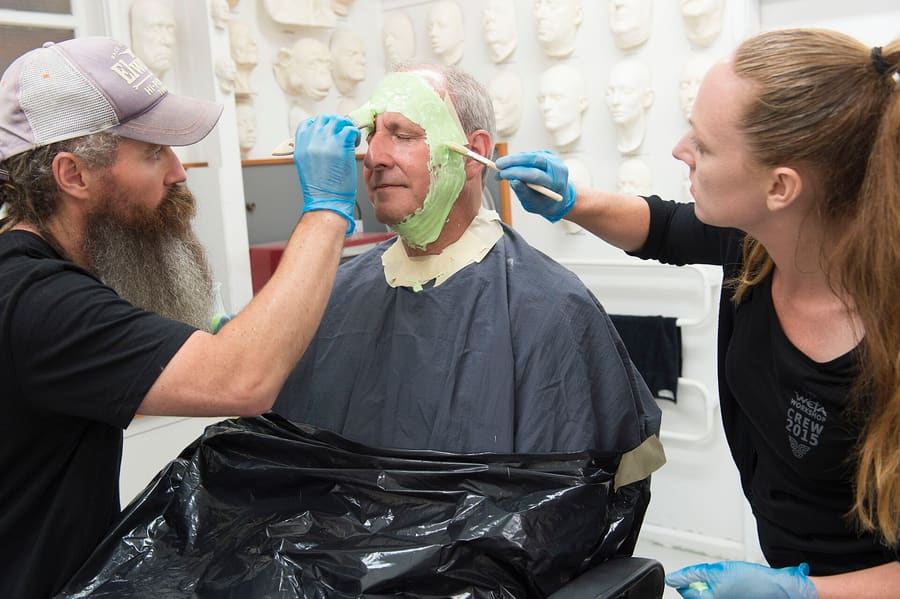
landmark
Special effects facility in Miramar. Reserve guided studio tours weeks in advance.
Ask Parleylandmark
Full overview of the city and harbour. Walk up from Oriental Bay along forest trails.
Ask Parleyattractions
areas
Dense grid packed with roasteries, craft taprooms, and late-night food joints.
NearbyCuba Street and Hannah Laneway.
Ask ParleyHarbour paths, modern office towers, and major cultural institutions.
NearbyTe Papa and Queens Wharf.
Ask ParleyQuiet residential district with historic cottages and national government offices.
NearbyParliament and the Botanic Garden.
Ask ParleyWooded hillsides covered in Victorian villas and winding footpaths.
NearbyCourtenay Place and Oriental Bay beach.
Ask Parleyfood
Wellington contains an exceptional density of cafes and independent roasteries. Local coffee preparation leans toward lighter roasts with distinct fruit acidity. Dining focuses on informal service paired with seasonal South Island seafood and regional lamb.
A locally brewed flat white, the standard espresso drink across Wellington.
GeorgeMichaelFarewell · CC BY-SA 4.0Local roasters like Flight Coffee and Supreme set the regional espresso benchmark across town.
Popular Te Aro dining spots fill up quickly on Thursday through Saturday nights.
This pedestrian alleyway hosts an artisan peanut butter shop, a bean-to-bar chocolatier, and small bars.
history
Māori communities established settlements around Te Whanganui-a-Tara centuries before European arrivals. In 1865, official government functions shifted from Auckland to Wellington to centralize state authority closer to South Island trade routes.
Capital city relocation
Wellington becomes the official capital of New Zealand due to its central maritime location.
Suffrage signed into law
New Zealand grants women voting rights, with legislation processed in the Wellington parliament.
Te Papa museum opens
The modern national museum opens on the waterfront, redefining how public history is displayed.
Film industry expansion
Major film productions turn the Miramar peninsula into a global digital effects cluster.
where to stay
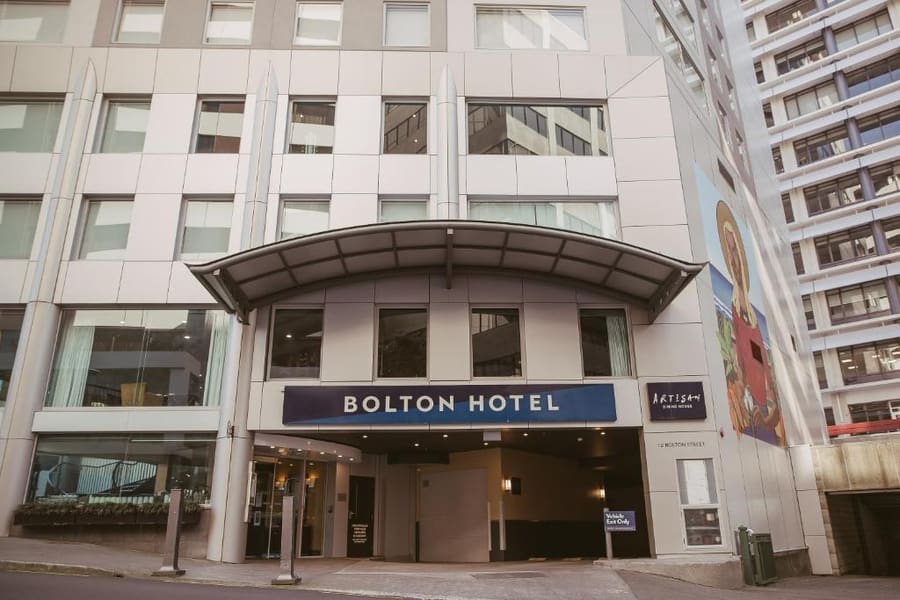
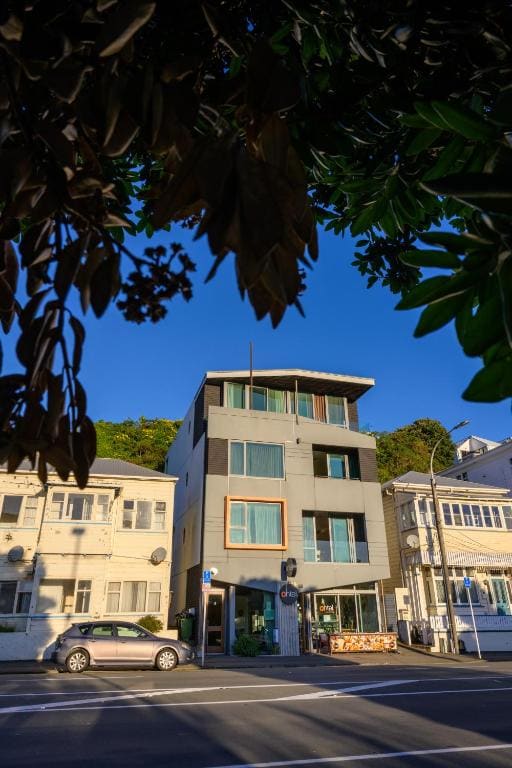
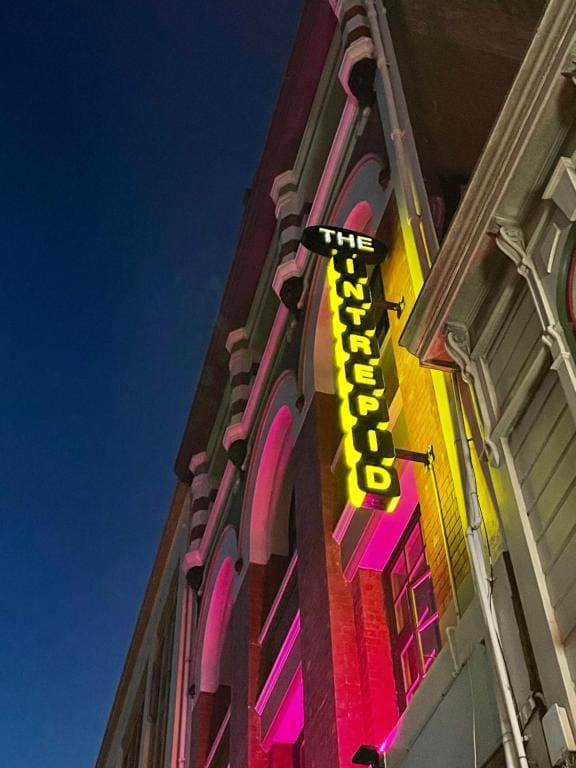
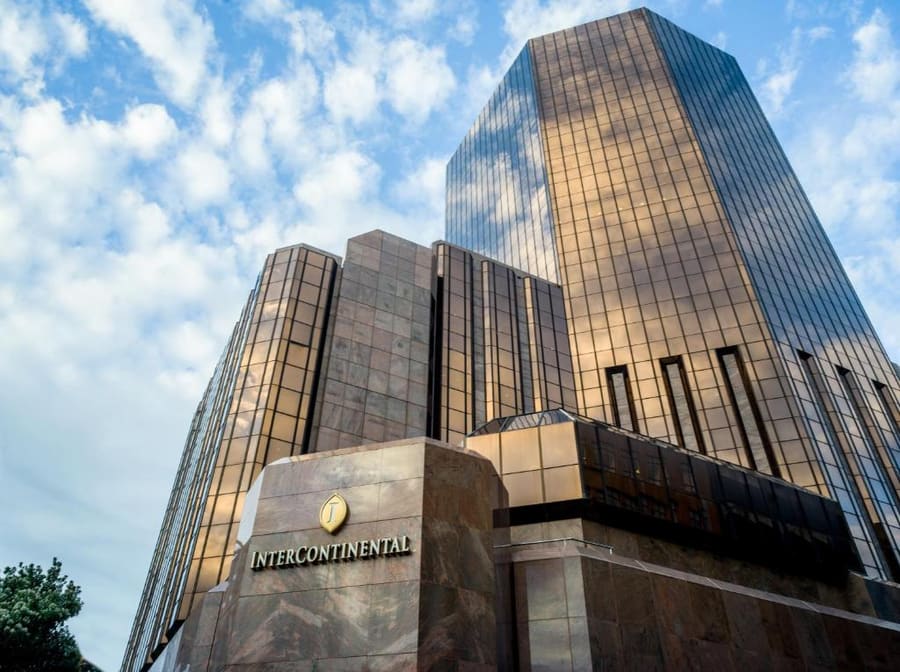
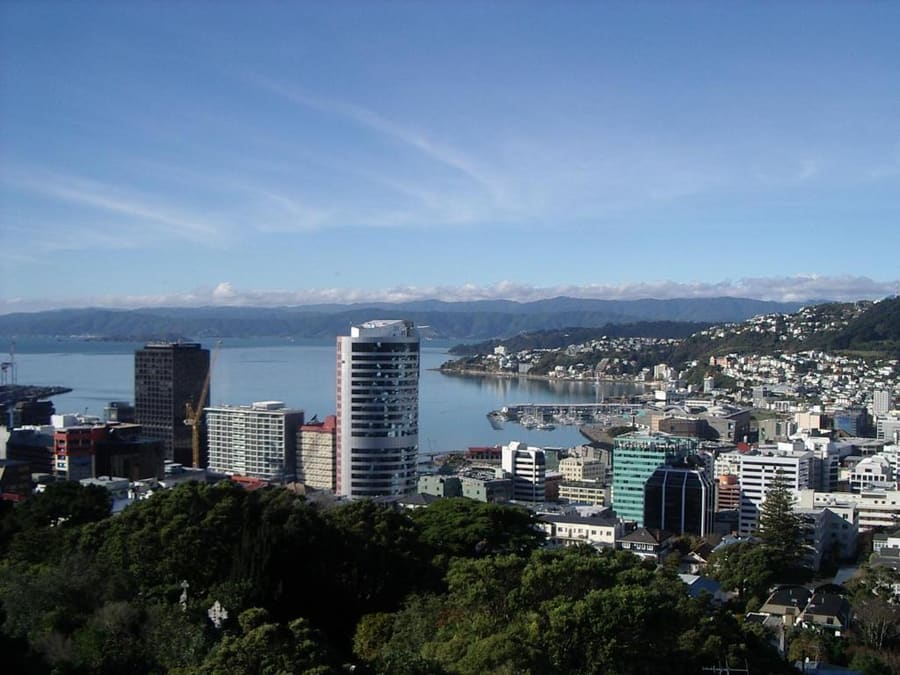
Select your location based on your tolerance for street noise and uphill walking. Te Aro offers immediate access to restaurants, while Thorndon delivers quiet streets near historic sights.
Live rates, matched to the areas above.
transport
Wellington is compact enough that walking is usually faster than taking a vehicle within the inner grid. Public buses and suburban train lines handle travel outside the immediate downtown core.
From Wellington Airport (WLG)
Pickups occur at the designated ground-floor transport zone outside arrivals.
Official taxis wait directly outside the main baggage claim exit.
The cable car departs every 10 minutes from Lambton Quay up to the Kelburn lookout.
Most central urban routes take under 20 minutes to cross on foot.
Trains from Wellington Railway Station reach Petone in 12 minutes for coastal walks.
cost
Daily costs align with major New Zealand and Australian urban hubs. Mandatory service charges do not exist, and public transport runs on distance zones.
Standard price across independent cafes in the city center.
Mid-range restaurant pricing along Te Aro or Cuba Street.
Transit fares depend on the number of zones traveled.
Te Papa offers free general admission to permanent galleries.
seasonality
DEC – FEB
Warmest weather with long light hours. Reserve city hotels early during summer months.
MAR – MAY
Mild temperature range and lower wind speeds. Excellent conditions for urban trail walking.
JUN – AUG
Cold and rainy conditions prevail. Museum spaces are quiet and hotel rates drop.
SEP – NOV
Spring weather shifts rapidly between sunshine and sudden strong wind gusts.
practicalities
Strong wind gusts break standard umbrellas; rely on a windproof rain jacket.
Card payments are accepted everywhere; carrying cash is rarely required.
Cafes frequently close by 15:00 or 16:00, with kitchen hot food service ending around 14:00.
Sunburn occurs rapidly in New Zealand even on overcast summer days.
Minor earthquakes happen occasionally; follow indoor safety markings inside public buildings.