
landmark
Shwedagon Pagoda
Myanmar's holiest Buddhist shrine dominates the skyline. Visit at dawn to avoid midday heat on bare feet.
Myanmar (Burma)
Golden spires, colonial grids, and slow tea shop mornings.
Yangon is a city defined by contrast and quiet rhythm. Golden pagodas rise above British grid streets and wide lakes. You navigate by orange-robed monks, tea stall stools, and red bus routes. Transport moves slowly, so focus your daily plans on one neighbourhood at a time.
Dagon — Spacious, quiet, and dominated by major religious monuments and official green spaces.
Chinatown — Densely packed streets centered on 19th Street, famous for evening food stalls.
Mohinga is Myanmar's unofficial national dish, eaten mostly at street side stands in early morning.
01
landmark
Myanmar's holiest Buddhist shrine dominates the skyline. Visit at dawn to avoid midday heat on bare feet.
landmark
A 2,000-year-old stupa serving as downtown's main traffic roundabout. Walk the perimeter shops for palmistry.
landmark
A sprawling 1926 colonial arcade packed with jade, lacquerware, and textiles. Closed on Mondays.
02
03
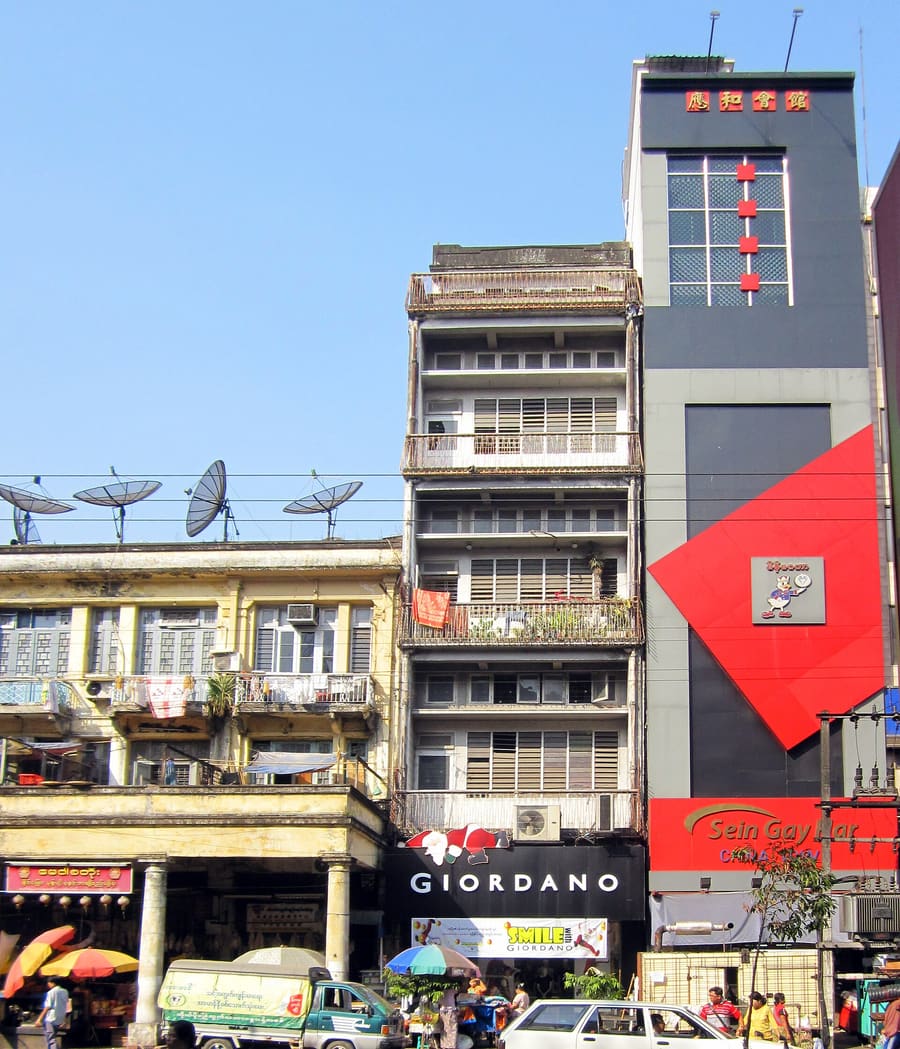
Grid streets filled with British colonial facades, book stalls, and sidewalk tea shops.
NearbySule Pagoda and Yangon River piers.
Ask ParleySpacious, quiet, and dominated by major religious monuments and official green spaces.
NearbyShwedagon Pagoda and People's Park.
Ask ParleyDensely packed streets centered on 19th Street, famous for evening food stalls.
NearbyBogyoke Market and downtown piers.
Ask Parley04
Eating in Yangon revolves around roadside tea shops and morning noodle stalls. You sit on short plastic stools along lower downtown streets. Local food blends Burmese ingredients with Indian spices and Chinese frying techniques. Breakfast is the day's main social meal.
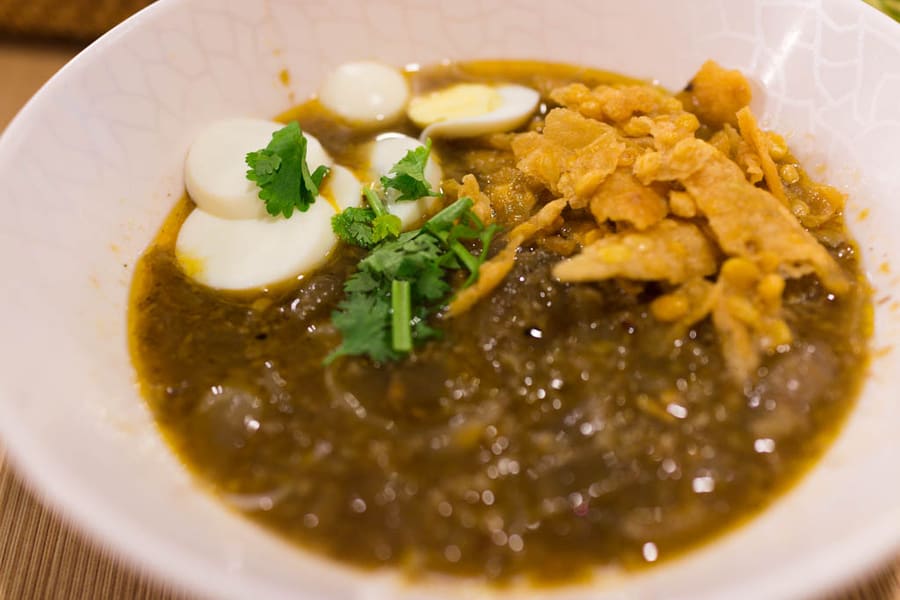
Mohinga is Myanmar's unofficial national dish, eaten mostly at street side stands in early morning.
Order this catfish noodle broth with chickpea fritters before 09:00 at street corners. Stalls pack up once morning pots run dry.
Order sweet condensed-milk tea alongside samosas or steamed buns left on your table. You pay only for what you eat.
Head to 19th Street in Chinatown after 18:00. Choose raw skewers of fish and pork from ice trays to be grilled on demand.
05
Yangon began as Dagon, a Mon fishing village surrounding the ancient . King Alaungpaya conquered the town in 1755 and renamed it Yangon, meaning 'End of Strife'. The British captured the city in 1852, renamed it Rangoon, and mapped out a grand colonial port layout.
City founded as Yangon
King Alaungpaya renames the settlement of Dagon to Yangon after uniting the region.
British rule begins
The British occupy Lower Burma and redesign Rangoon with a modern grid urban plan.
National independence
Burma gains independence; Rangoon remains the capital city and main port.
Capital city shift
The military government officially transfers administrative capital status from Yangon to Naypyidaw.
06
Choose your base by walkability versus quiet surroundings. Downtown puts historic landmarks and street markets outside your lobby, but traffic runs late. Suburban townships like Bahan offer greener resort grounds near lakes, though every trip downtown requires a cab.
07
Motorbikes are banned in central Yangon townships, leaving cars, buses, and trains to share the roads. Traffic congests during rush hours. Ride-hailing mobile applications offer transparent pricing without haggling in local currency.
Download Grab before arriving. It provides fixed rates in kyat and eliminates language hurdles with drivers.
Roads choke completely from 08:00–09:30 and 17:00–18:30. Plan activities inside your immediate neighbourhood then.
Yangon Bus Service requires exact cash dropped into fare boxes beside the driver. Drivers carry no change.
08
Yangon is inexpensive for food and local transit, but mid-range to luxury hotels demand higher foreign rates. Bring pristine foreign banknotes, as local money changers reject notes with small creases or ink marks.
Standard street breakfast price across downtown tea stalls.
Short cross-town trip between downtown and Dagon townships.
Served hot at low-stool street vendors alongside free green tea.
09
NOV – FEB
Cool dry season with manageable midday temperatures. Peak travel window; hotel rates rise.
MAR – MAY
Extremely hot temperatures frequently top 40°C. Sightseeing is limited to early mornings.
JUN – OCT
Southwest monsoon brings heavy afternoon downpours. Flooding occurs on lower downtown streets.
10
Banks and exchange counters require unblemished 100 USD bills with no folds, stamps, or tears.
Shoulders and knees must remain covered. Longyi wrap skirts are available for rent at entrances.
Mains power cuts happen regularly. Hotels run back-up generators, but carry a pocket flashlight.
Marble pagoda plazas bake in midday sun. Visit at dawn or dusk to walk comfortably barefoot.
Flasks of warm weak green tea on dining tables are complimentary. Drink from the small glass cups provided.
Contents
Your trip
Going to Yangon?
Tell Parley when you’re going and what you enjoy, and it plans the days around this guide.
Plan with Parley


