
landmark
Mount Yufu
This twin-peaked 1,584-meter volcano dominates the valley. Hike the west peak trail in three hours for clear views across Oita.
Japan
Hot spring valley living under a twin-peaked volcano.
Yufu sits in a green volcanic basin presided over by in Oita Prefecture. Day visitors crowd the retail corridor between the railway station and before four in the afternoon. Staying overnight transforms the experience, giving you private access to thermal baths and rural valley quiet. You move through Yufu mostly on foot or by rental bicycle along flat agricultural paths.
Kinrinko & East Side — Quiet lakeside quarter surrounded by high-end traditional ryokan and tall cedar trees.
Outer Valley & Countryside — Peaceful agricultural hamlets, rice fields, and isolated thermal baths outside the main center.
Toriten, Oita's signature crispy fried chicken tempura served with ponzu sauce.
01
landmark
This twin-peaked 1,584-meter volcano dominates the valley. Hike the west peak trail in three hours for clear views across Oita.
landmark
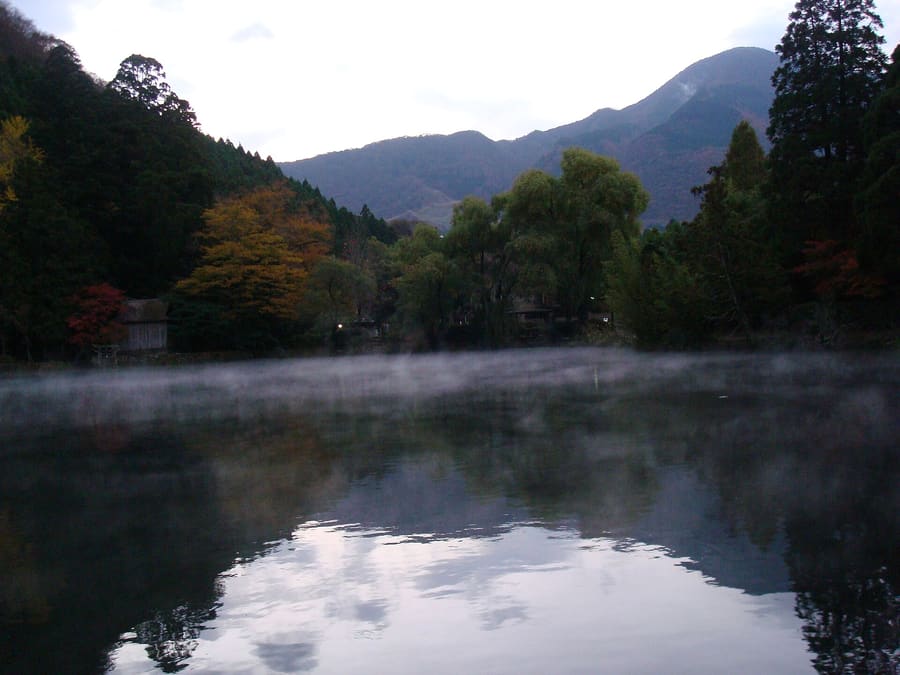
Thermal water feeds this small lake, creating thick morning fog in autumn. Visit at sunrise before day-trip tour groups arrive.
landmark
A highway overlook sitting 680 meters above sea level on Route 11. Drive up at dawn to see fog filling the entire Yufu basin.
02
03
Practical transit hub lined with bicycle rental shops, cafes, and luggage storage lockers.
NearbyJR Yufuin Station and main bus arrival points.
Ask ParleyCrowded pedestrian strip packed with snack vendors, craft boutiques, and souvenir shops.
NearbyComico Art Museum and Floral Village.
Ask ParleyQuiet lakeside quarter surrounded by high-end traditional ryokan and tall cedar trees.
NearbyLake Kinrin and Mount Yufu trailheads.
Ask ParleyPeaceful agricultural hamlets, rice fields, and isolated thermal baths outside the main center.
NearbyTsukahara Onsen and valley hiking paths.
Ask Parley04
Yufu's food scene centres on Oita Prefecture's regional specialities rather than city dining trends. Bungo Wagyu beef appears across the valley as charcoal-grilled steaks, hot pot meals, and rice bowls topped with thin slices. Local lunch counters focus heavily on Toriten, a regional style of light tempura batter chicken dipped in ponzu sauce with hot mustard.Volcanic spring water directly shapes local grain production. Hand-cut buckwheat soba noodles are cooked in mountain spring water, giving them a distinct firmness and clean finish. Most travelers eat multi-course kaiseki dinners inside their assigned ryokan accommodation, leaving town restaurants primarily focused on the daytime lunch service.
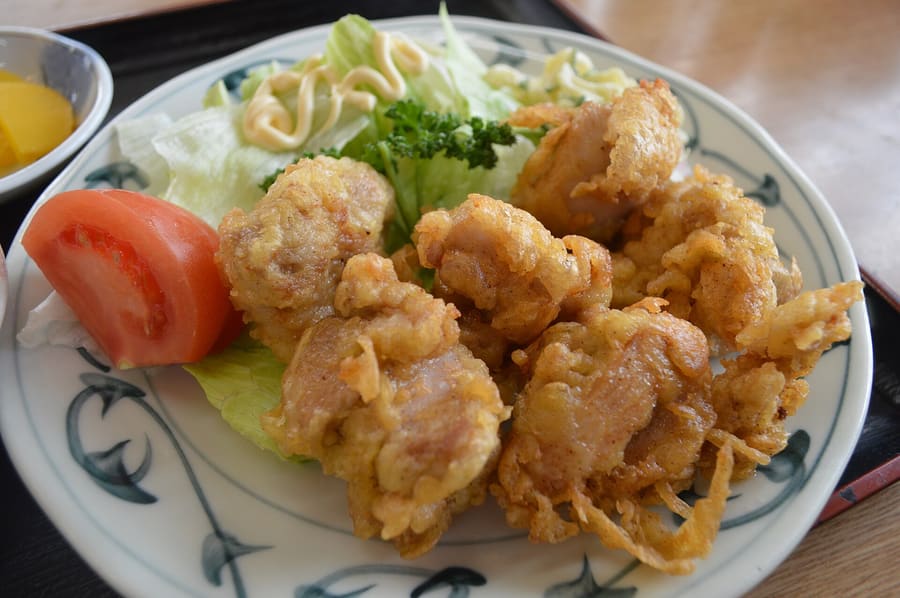
Toriten, Oita's signature crispy fried chicken tempura served with ponzu sauce.
Independent restaurants along Yunotsubo Street often finish service by 14:30. Plan midday meals before 13:30 to avoid limited options.
Most traditional accommodations include multi-course kaiseki dinners. Confirm dietary requirements with your host forty-eight hours before arrival.
Popular Wagyu specialists like Yufuin Mabushi Shin require advance day-of queueing or lunch reservations.
05
Yufu developed as a rural agricultural basin reliant on natural hot spring outlets beneath . Unlike nearby Beppu, which built large-scale concrete bathhouses and high-rise hotel towers during Japan's mid-century tourism boom, Yufu chose a strict preservation strategy.In the 1970s, local innkeepers and residents successfully campaigned against proposed golf courses and high-rise developments. They established community guidelines favoring small wooden ryokan, unpaved agricultural tracks, and protected views of the surrounding volcanic peaks. This deliberate policy preserved the valley's rural atmosphere.
Development resistance
Townspeople organize to defeat a proposal for a large golf course and high-rise hotel development, establishing conservation charters.
Earthquake recovery
A magnitude 6.4 earthquake damages the town. Residents rebuild using low-slung, traditional architectural guidelines.
Ryokan destination
The arrival of luxury design ryokan establishes Yufu as Kyushu's premier rural retreat for slow travel.
06
Base your location choice on whether you rely on public transit or seek absolute valley isolation. Staying near Yufuin Station simplifies arrival and luggage hand-off, but puts you closer to commercial traffic. The quietest properties lie east toward or along the forested outer slopes of .
Highly rated hotels in Yufu.
See more Yufu hotels07
Central Yufu is compact and easily traversed on foot or by bicycle. The main distance from Yufuin Station to spans roughly 1.5 kilometers along flat terrain. Taxis wait outside the main railway station for connections to outlying rural ryokan.
From Oita Airport (OIT)
Direct highway bus with baggage storage. Reservations required during peak autumn leaf weekends.
Expensive option, but useful for late arrivals after public airport buses stop running.
This popular sightseeing train from Hakata Station requires mandatory seat reservations. Seats open thirty days before travel.
The Yufuin Station Tourist Information Center transfers bags directly to local ryokan for a small fee per item.
Rent electric bikes at the station tourist center. Flat valley roads make cycling the fastest way to navigate countryside paths.
Taxis become scarce after 20:00. Arrange evening transport through your ryokan desk if dining outside your hotel.
08
Yufu caters heavily to high-end thermal tourism, making accommodation the dominant trip expense. While street food and casual lunch spots remain affordable, ryokan stays with traditional double-meal inclusions command premium rates across the valley.
Per person per night, including multi-course kaiseki dinner and full breakfast.
Midday set menu including grilled beef, rice, soup, and small side dishes.
Public thermal bath access fee for non-overnight visitors.
Half-day rental fee from station-area rental counters.
09
MAR – MAY
Mild spring temperatures and cherry blossoms along the river banks. Book accommodation well ahead of May Golden Week.
JUN – AUG
Warm summer weather with lush green rice fields. Heavy rains occur in June and early July during the monsoon season.
SEP – NOV
Peak season for crisp temperatures and vivid autumn foliage. Thermal morning mist on Lake Kinrin peaks in late November.
DEC – FEB
Cold weather brings light snowfall to Mount Yufu. Excellent conditions for hot spring bathing with fewer daytime crowds.
10
Retail shops and street stalls on Yunotsubo Kaido close by 17:00. Central streets empty out completely after dark.
While ryokan accept major credit cards, smaller street food vendors and rural cafes often require cash payments.
Wash thoroughly at shower stations before entering shared thermal pools. Towels must stay out of the bath water.
Public baths vary on tattoo rules. Reserve ryokan with private in-room or rentable baths if you have visible ink.
The hike to 's rim involves steep rocky scrambles near the summit. Wear sturdy hiking boots with good grip.
Contents
Your trip
Going to Yufu?
Tell Parley when you’re going and what you enjoy, and it plans the days around this guide.
Plan with Parley


