landmark
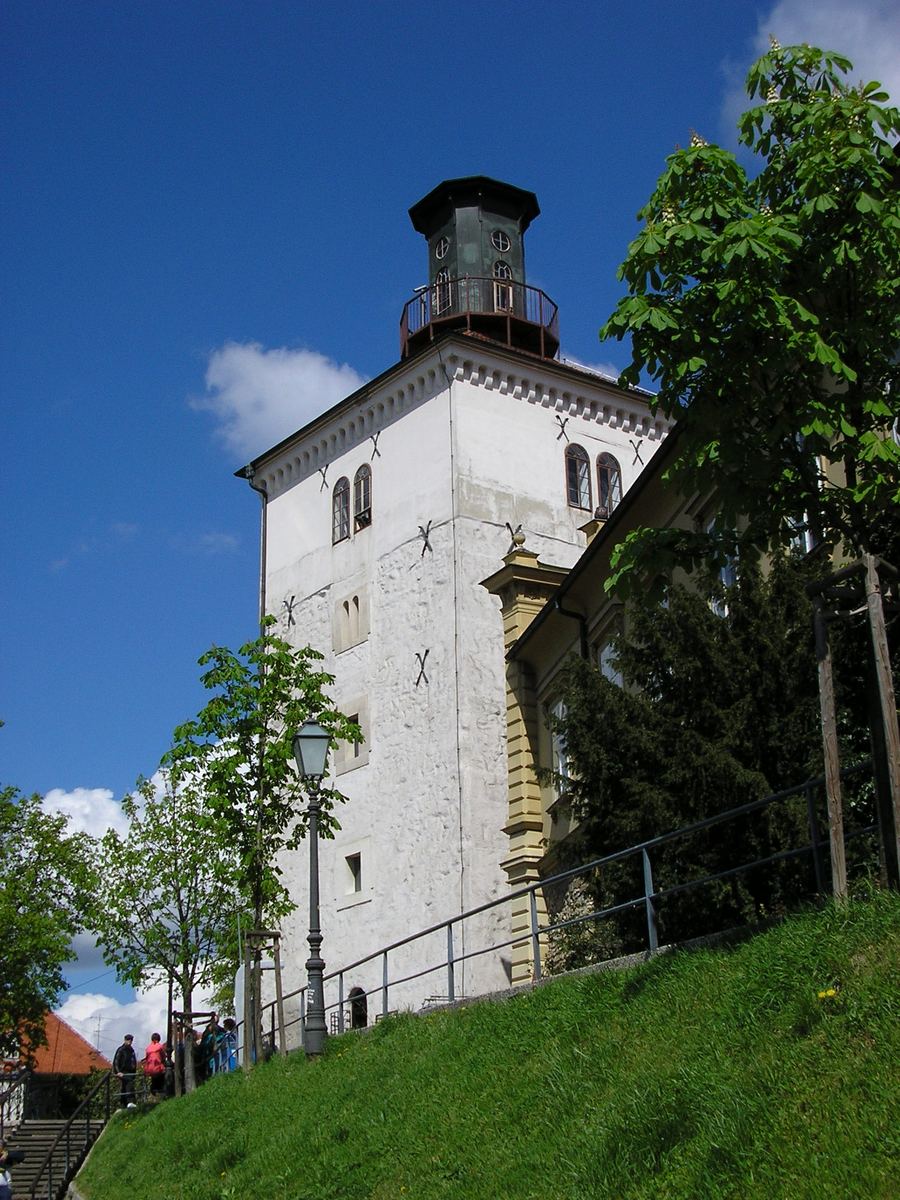
Lotrščak Tower
A 13th-century tower firing the Grič cannon daily at noon. Climb 120 steps for wide views over Lower Town.
Ask ParleyCroatia
Austro-Hungarian scale, Balkan coffee culture, hilltop views.
introduction
Zagreb splits cleanly into two levels. Gornji Grad sits on a hilltop with medieval streets, while Donji Grad spreads below in a 19th-century Austro-Hungarian grid. You walk between them using stone stairways or the 66-metre funicular railway. The city functions on coffee shop lingering and reliable blue tram lines.
Arrival trick
Pleso transport shuttle buses link Zagreb Airport to the Central Bus Station every 30 minutes for €8. Taxis charge triple that amount for the same ride.
Shortest public transit cable car
Zagreb Funicular connects Lower and Upper Town along a 66-metre track. The ride takes 64 seconds and runs every 10 minutes.
Tram ticket strategy
Buy a 30-minute ZET paper ticket at Tisak newsstands for €0.53. Buying the same ticket on board from the driver costs €0.80 cash.
Zagreb
Roberta F. · CC BY-SA 3.0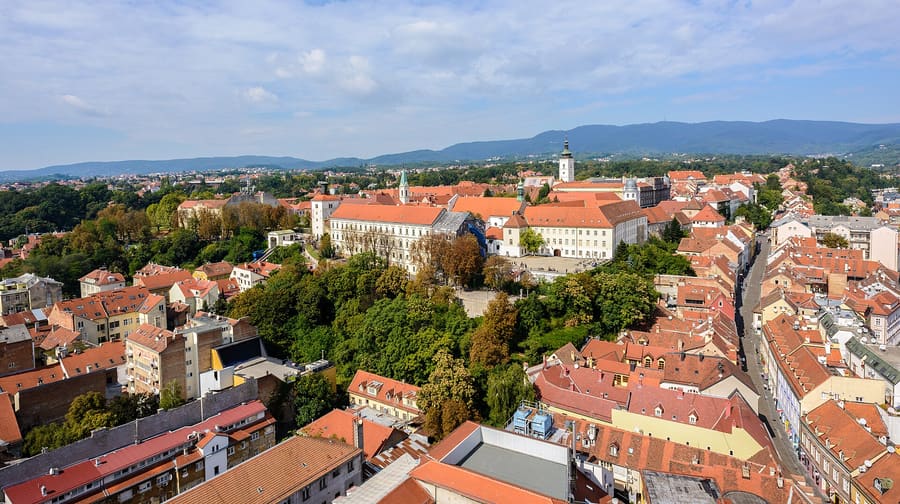
Gornji Grad — Cobblestone alleys, gas lanterns, and hilltop palace views over the Lower Town rooflines.
Nick Savchenko from Kiev, Ukraine · CC BY-SA 2.0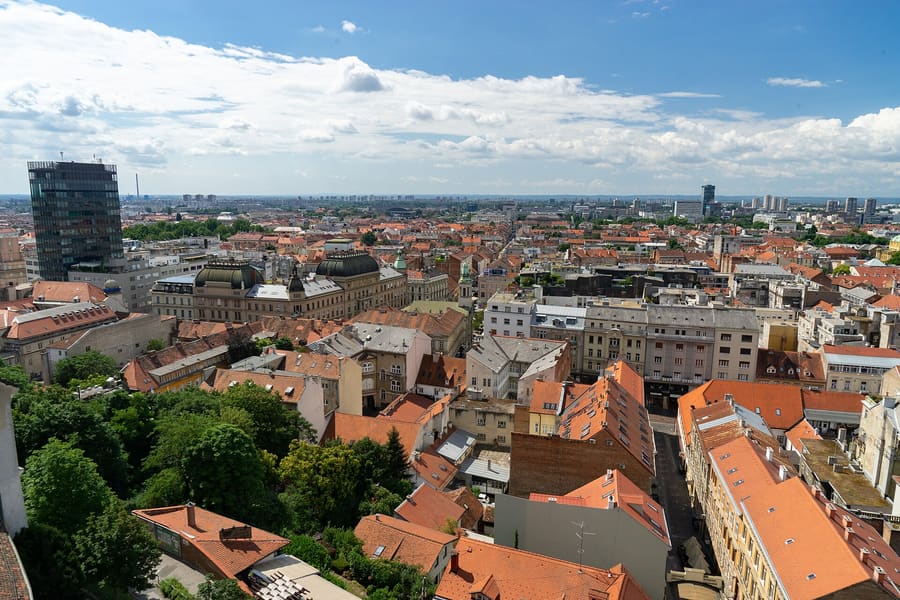
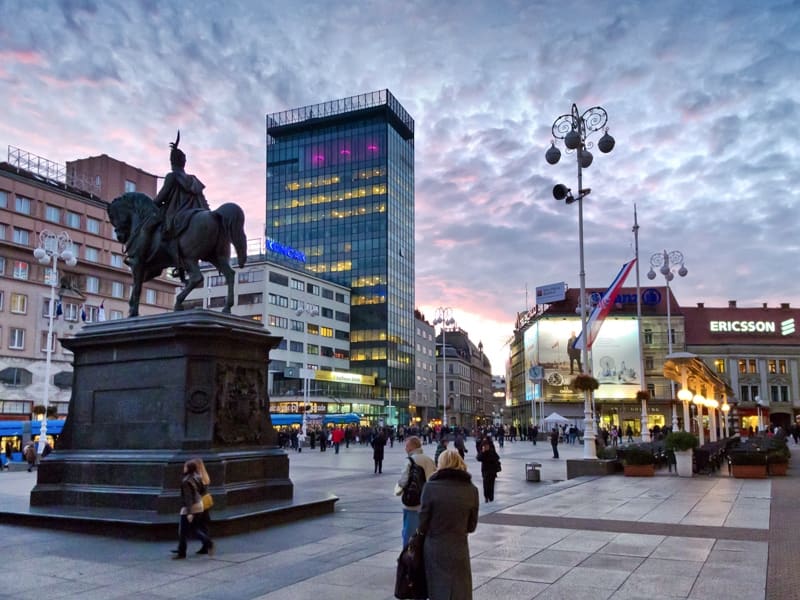
Donji Grad — 19th-century Austro-Hungarian grid with grand parks, tram lines, and wide pedestrian avenues.
Sei F from Tokyo, Japan · CC BY-SA 2.0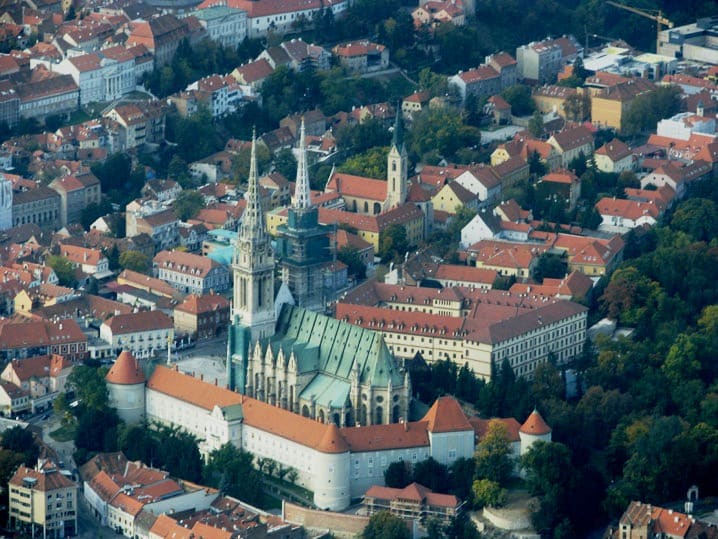
Kaptol — Historic religious hub centered around Dolac Market and Tkalčićeva street cafe terraces.
Suradnik13 · CC BY-SA 3.0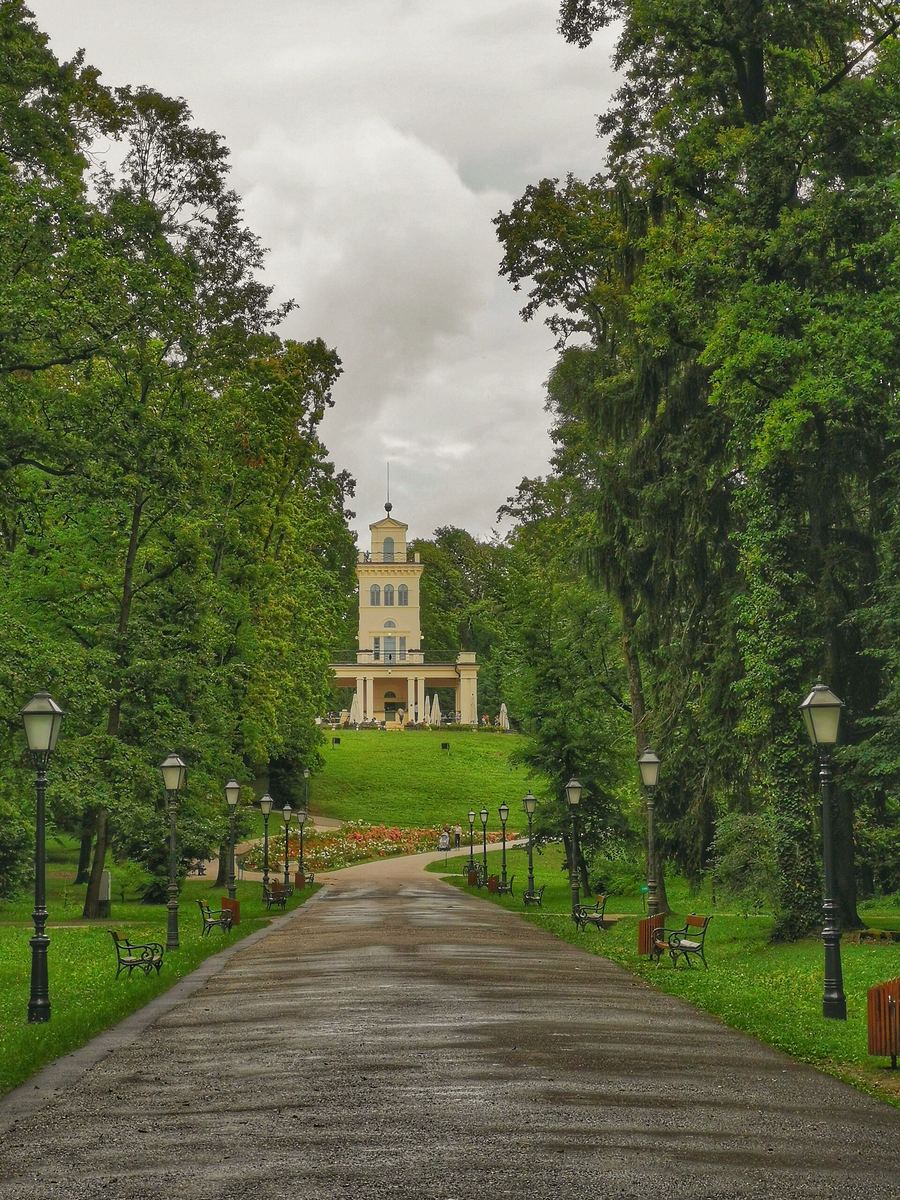
Maksimir — Leafy residential zone surrounding Zagreb's largest public park and forest trails.
Aldenita · CC BY-SA 4.0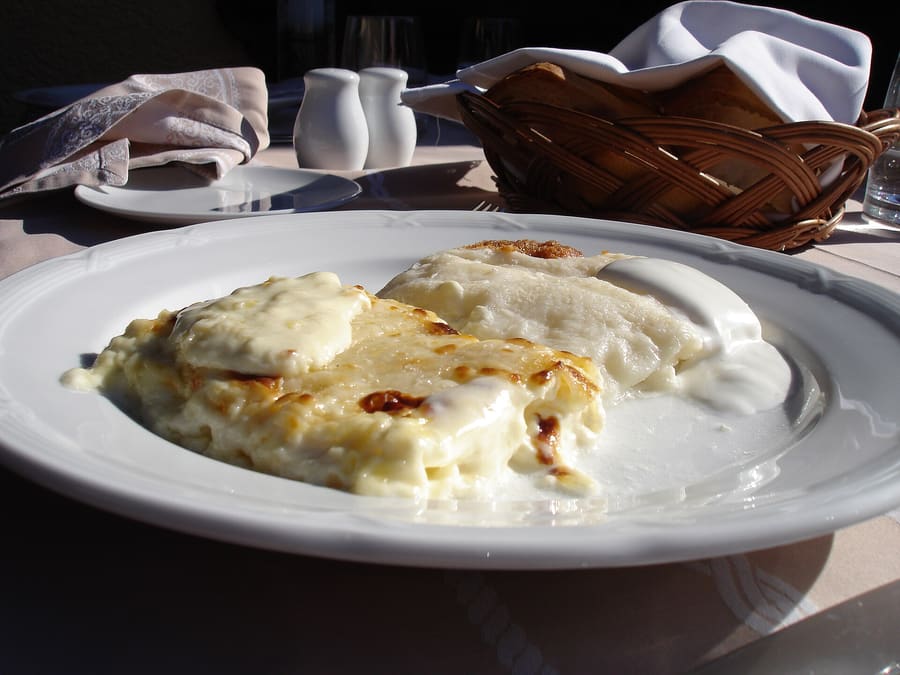
Freshly baked štrukli served hot in a traditional ceramic dish.
Bonč · CC BY-SA 3.0highlights
landmark
A 13th-century tower firing the Grič cannon daily at noon. Climb 120 steps for wide views over Lower Town.
Ask Parley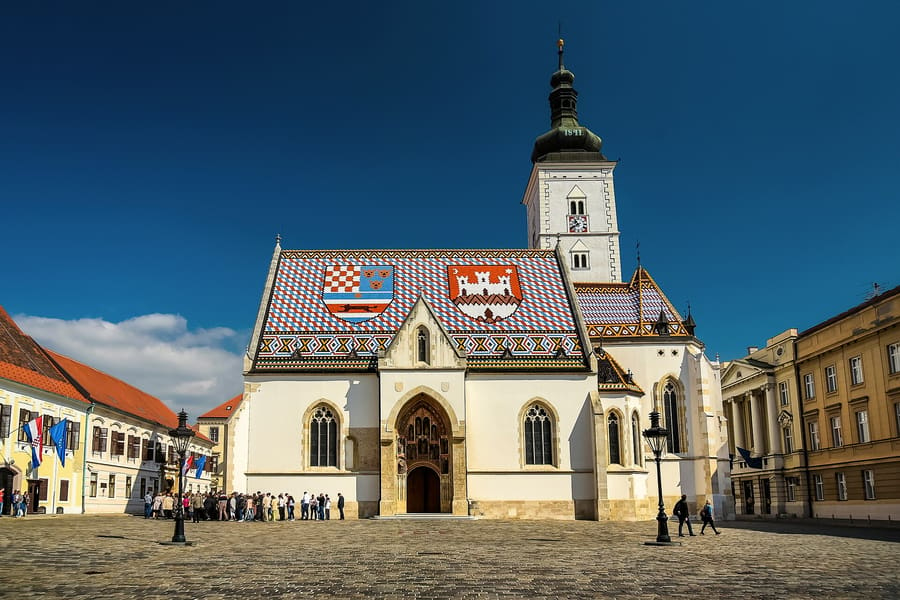
landmark
Famous for its tiled roof displaying medieval coats of arms. View the exterior anytime on St. Mark's Square.
Ask Parley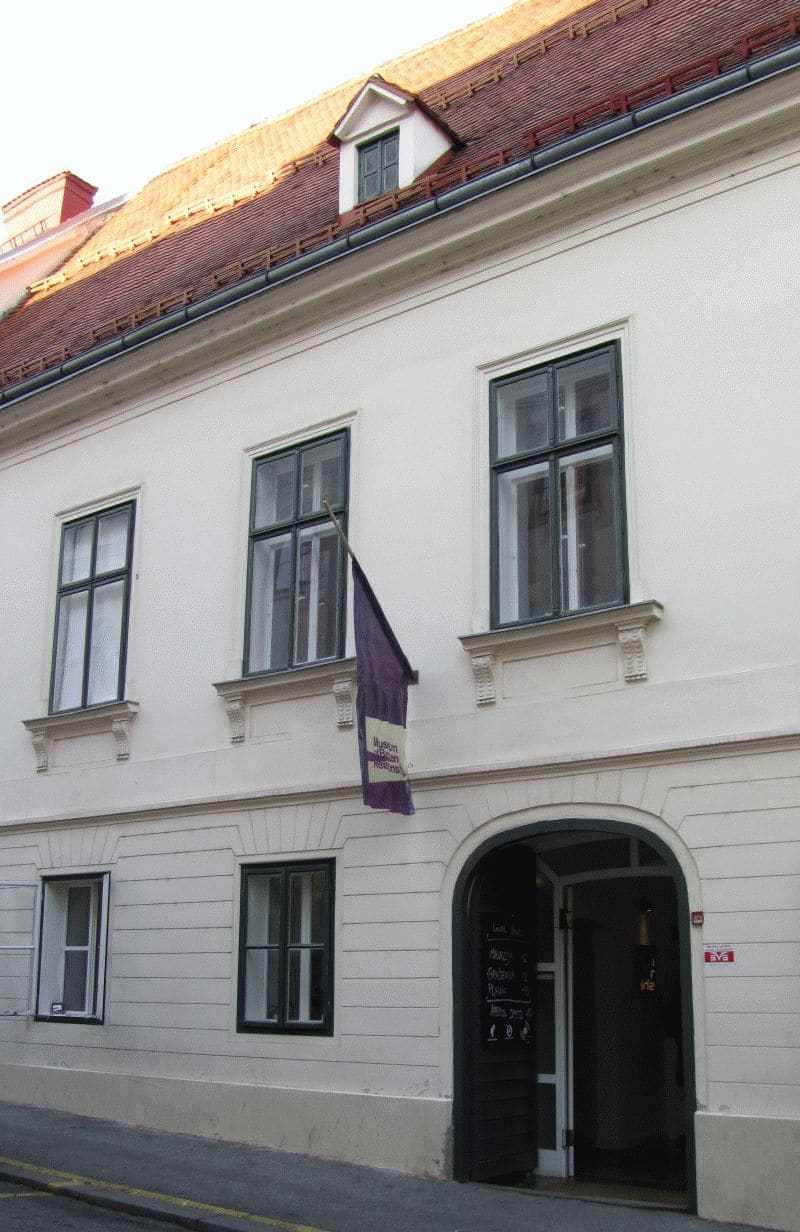
landmark
Personal artifacts donated by former couples from around the world. Located in Kulmer Palace with an indoor cafe.
Ask Parley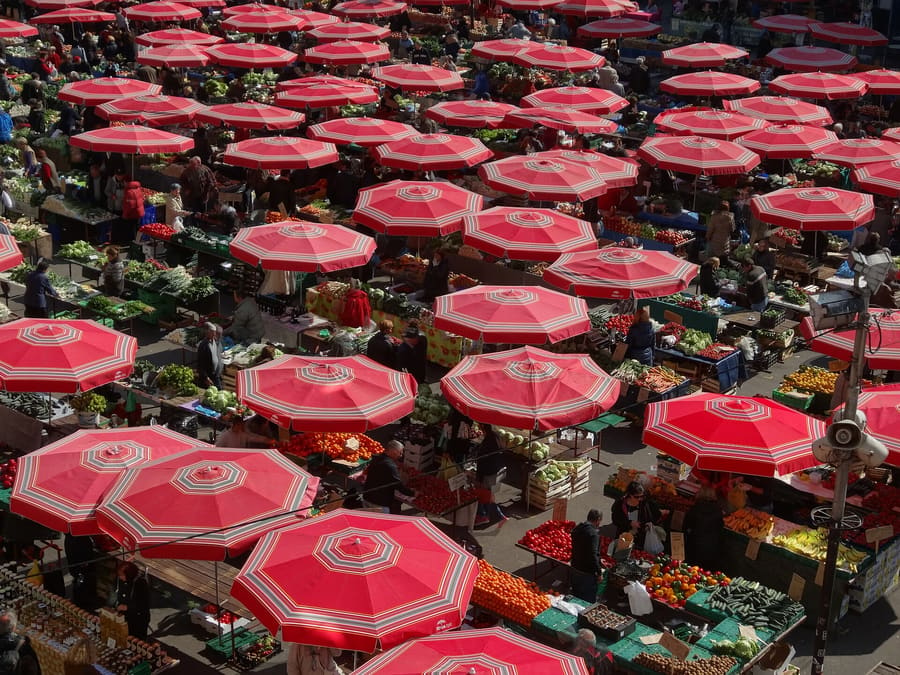
landmark
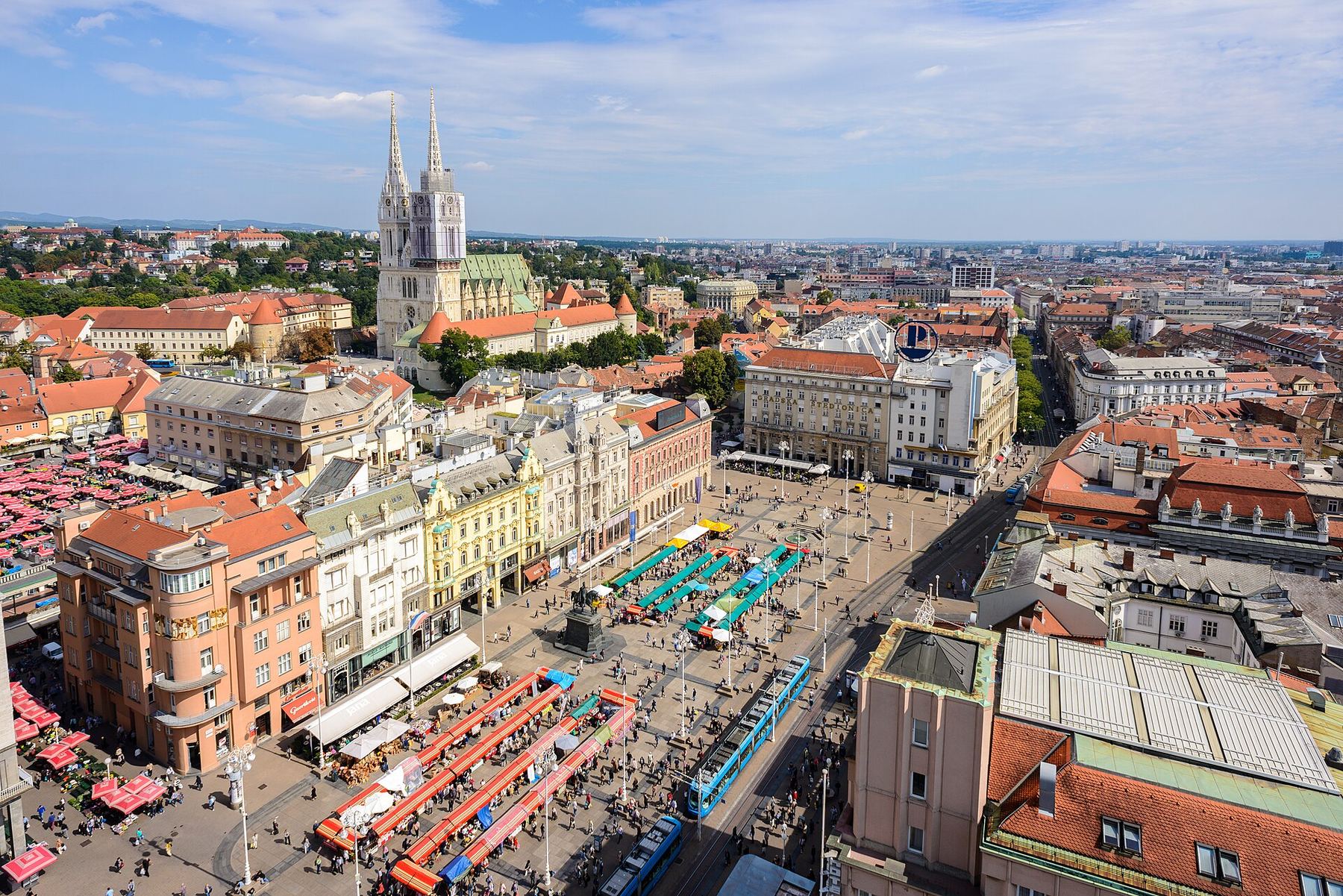
Open-air farmers market operating under red umbrella canopies since 1930. Arrive before 12:00 for full vendor selection.
Ask Parley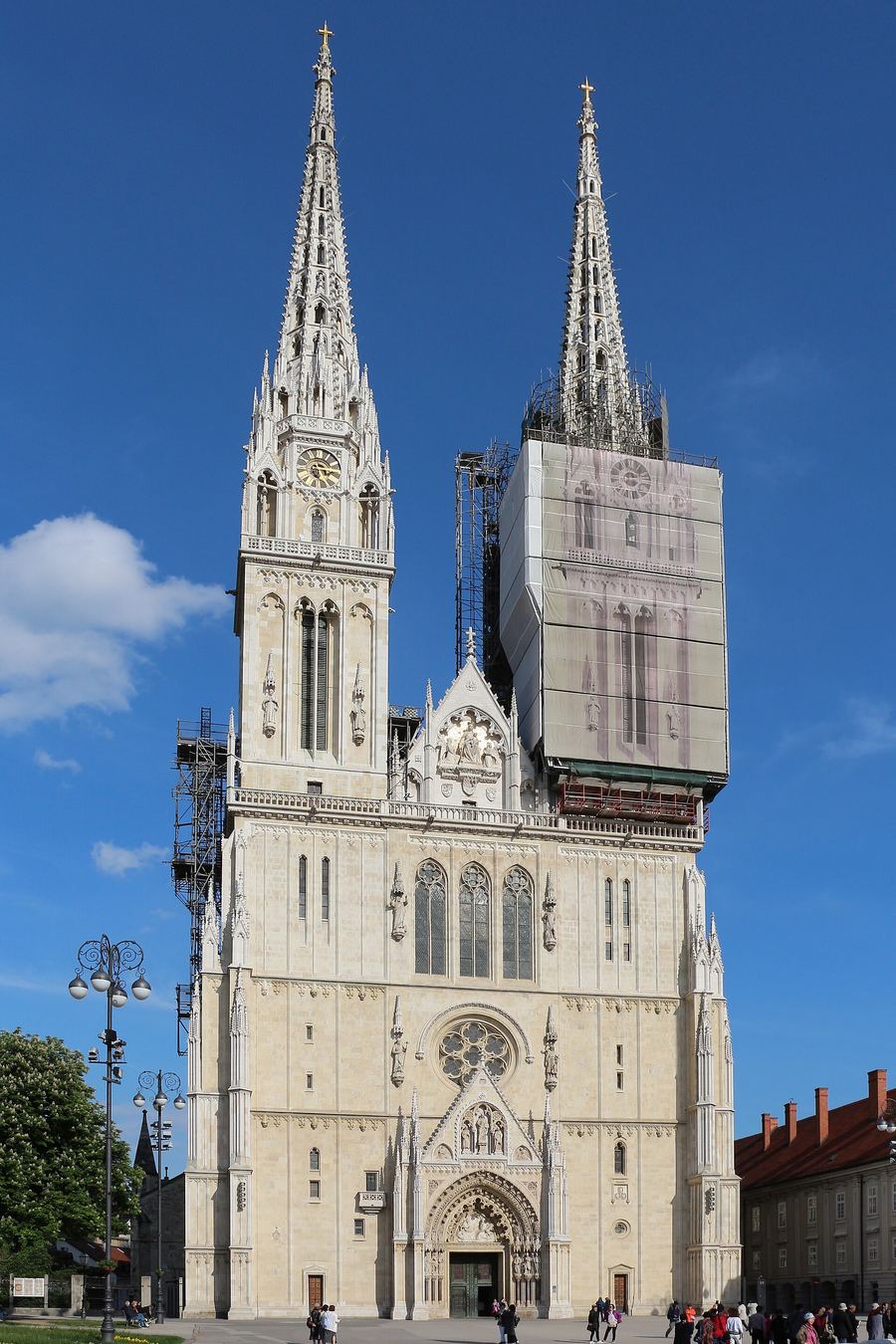
landmark
Neo-Gothic spires dominates Kaptol hill. Ongoing restoration from earthquake damage limits full interior access.
Ask Parley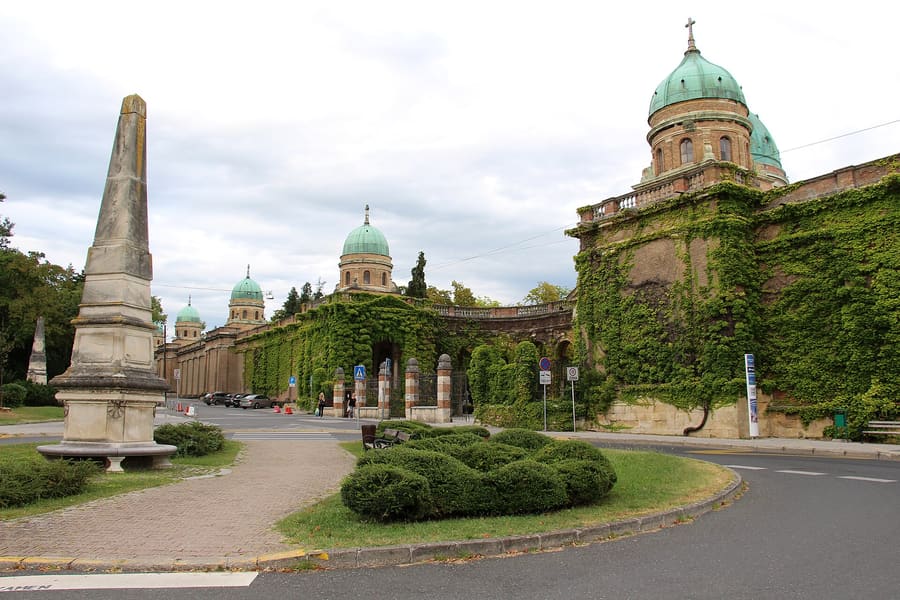
landmark
Designed by Hermann Bollé with ivy arcades and green domes. Take bus 106 from Kaptol terminal to reach the entrance.
Ask Parleyattractions
areas
Cobblestone alleys, gas lanterns, and hilltop palace views over the Lower Town rooflines.
NearbyKaptol and Ilica shopping corridor.
Ask Parley19th-century Austro-Hungarian grid with grand parks, tram lines, and wide pedestrian avenues.
NearbyBan Jelačić Square and Main Railway Station.
Ask ParleyHistoric religious hub centered around Dolac Market and Tkalčićeva street cafe terraces.
NearbyGornji Grad and Ban Jelačić Square.
Ask ParleyLeafy residential zone surrounding Zagreb's largest public park and forest trails.
NearbyMaksimir Park and Dinamo Zagreb stadium.
Ask Parleyfood
Zagreb dining revolves around Northern Croatian staples and a ritual called špica. Every Saturday morning, residents sit for hours over espresso along Petar Preradović Square and Tkalčićeva street. Traditional meals lean heavy on cottage cheese, roasted pork, and slow-baked pastry dishes.The signature local specialty is štrukli. It consists of baked or boiled dough filled with cottage cheese and sour cream. La Štruka on Skalinska street serves only this dish in sweet and savory variations.
Freshly baked štrukli served hot in a traditional ceramic dish.
Bonč · CC BY-SA 3.0Eat grilled sardines or calamari at the small eateries inside the covered section of Dolac Market before 14:00.
Join locals for mid-morning coffee between 10:00 and 13:00 along Bogovićeva and Cvjetni Trg. Finding an open table requires patience.
Service is rarely included on Zagreb restaurant checks. Leaving 10% cash directly on the table is standard practice for sit-down meals.
history
Zagreb originated as two competing medieval hilltop settlements separated by the Medveščak stream. Kaptol housed the bishopric, while Gradec was a fortified free royal town. Frequent conflicts defined their early relationship until unification in 1850.During the Austro-Hungarian era, the city expanded southward into the valley, establishing modern grid layouts and public parks. It survived 20th-century political shifts through Yugoslavia to become the capital of independent Croatia in 1991.
Kaptol Bishopric
King Ladislaus I of Hungary establishes the diocese on Kaptol hill, recording Zagreb's first written mention.
Golden Bull of Gradec
King Béla IV grants Gradec free royal city status, prompting the construction of defensive stone walls and towers.
City Unification
Ban Josip Jelačić unites Kaptol, Gradec, and surrounding villages into the single municipality of Zagreb.
Funicular Opens
The steam-powered funicular opens to link Lower Town with Upper Town, electric transit following in 1910.
National Capital
Zagreb becomes the official capital of the newly independent Republic of Croatia following parliament's declaration.
where to stay
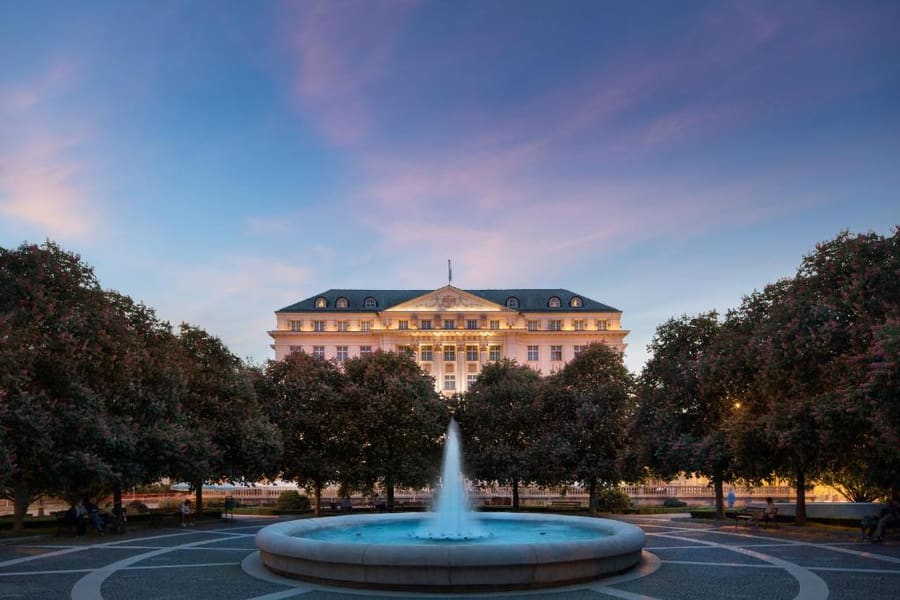
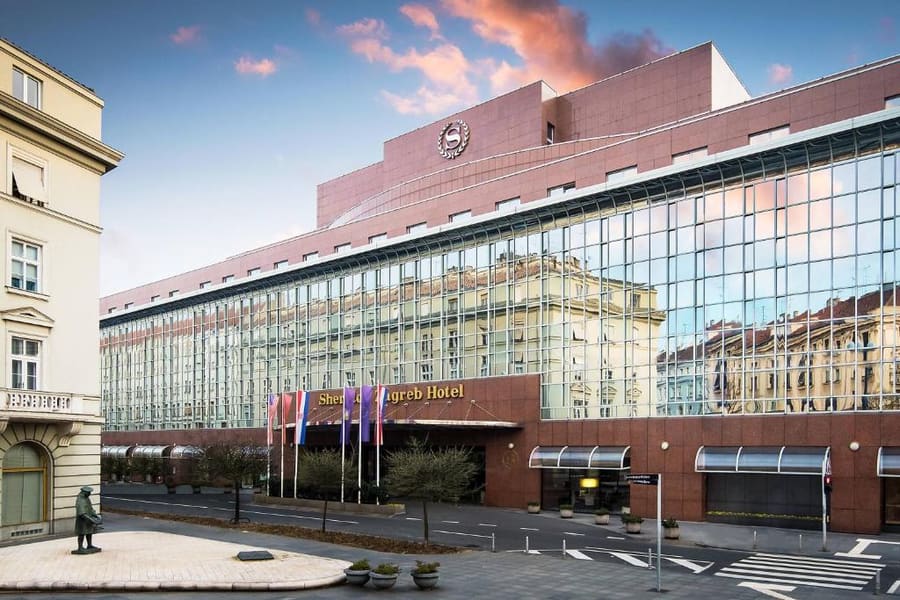
Choose your location based on elevation and transit access. Lower Town gives you flat walking access to train lines, major museums, and main shopping streets. Upper Town offers quiet cobblestone streets with views, but requires walking up steep stone steps or using the funicular.
Live rates, matched to the areas above.
transport
Zagreb is easily navigated on foot inside the historic center. For longer trips across Lower Town or out to Mirogoj, the ZET blue tram and bus system operates a clean, high-frequency network.
From ZAG
Pleso Transport bus runs every 30 mins directly to Main Bus Station (Autobusni kolodvor).
Official airport taxi stand located directly outside the arrivals terminal exit.
Uber and Bolt pickup zone is located upstairs at the departure curb level.
Buy 30-minute tickets for €0.53 at Tisak newsstands. Driver cash purchases cost €0.80 and require exact change.
Night tram lines 31 through 34 run every 30 to 60 minutes from midnight until 04:00.
The funicular links Tomićeva street to Lotrščak Tower. Standard ZET 30-minute tram tickets are valid on board.
cost
Croatia adopted the Euro in January 2023. Zagreb remains less expensive than coastal Croatian hubs like Dubrovnik, but museum tickets and boutique dining prices have adjusted to Central European norms.
Sitting at outdoor cafes in Lower Town carries a small location markup compared to neighborhood spots.
A single portion meal of cheese or sweet štrukli on Skalinska street.
Valid across all ZET trams, buses, and the Zagreb funicular when purchased at Tisak kiosks.
Standard adult admission for the Museum of Broken Relationships or Zagreb City Museum.
seasonality
MAR – MAY
Mild temperatures around 18°C. Outdoor cafe terraces fill up and botanical gardens bloom.
JUN – AUG
Summer heat exceeds 30°C. Many locals depart for the coast, leaving city streets surprisingly quiet.
SEP – NOV
Crisp autumn weather ideal for walking tours. Harvest season brings seasonal chestnut vendors.
DEC – FEB
Cold conditions with frequent snow. Advent Zagreb market stalls transform central squares throughout December.
practicalities
The Grič cannon at Lotrščak Tower fires precisely at 12:00 every day. Expect a loud bang if you are nearby.
National retail laws mandate that major supermarkets and shops close on most Sundays throughout the year.
Take tram 15 to Gračansko Dolje to access trailheads or the cable car leading to Sljeme peak.
Two lamplighters manually ignite 214 gas lanterns across Gornji Grad every evening at dusk.
Tap water across Zagreb is safe to drink. Public drinking fountains operate throughout central parks.