
landmark
Forodhani Gardens
Food stalls open nightly along the waterfront. Agree on prices before vendors start grilling fish skewers.
Tanzania
Swahili alleyways, spice trade history, and tidal shores.
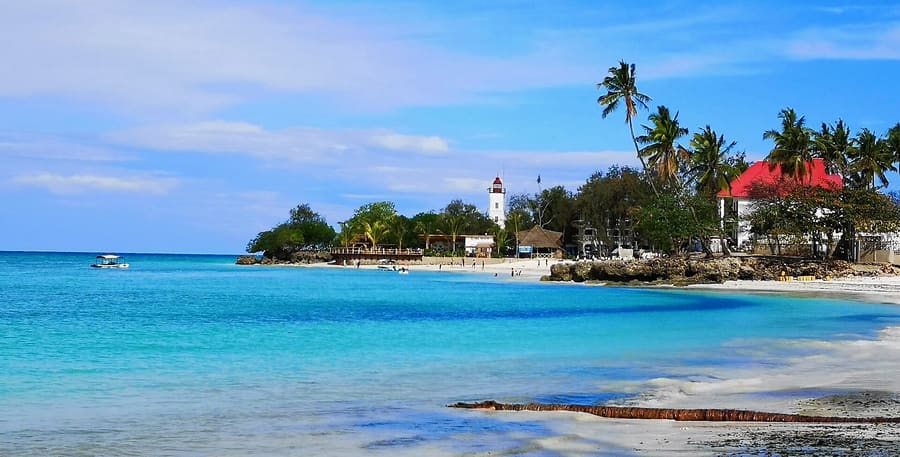
Zanzibar is an Indian Ocean archipelago off the coast of mainland Tanzania defined by trade winds and tidal beaches. Navigating the main island involves walking Stone Town's labyrinth of alleyways and taking taxis along rural two-lane roads. Expect active street vendors, distinct Swahili-Omani architecture, and dramatic coastal tides that shape daily swimming routines.
Nungwi — Deep water unaffected by tides, active beach bars, and dhow building yards.
Paje — Broad sand flats, shallow turquoise waters, and steady cross-shore winds.
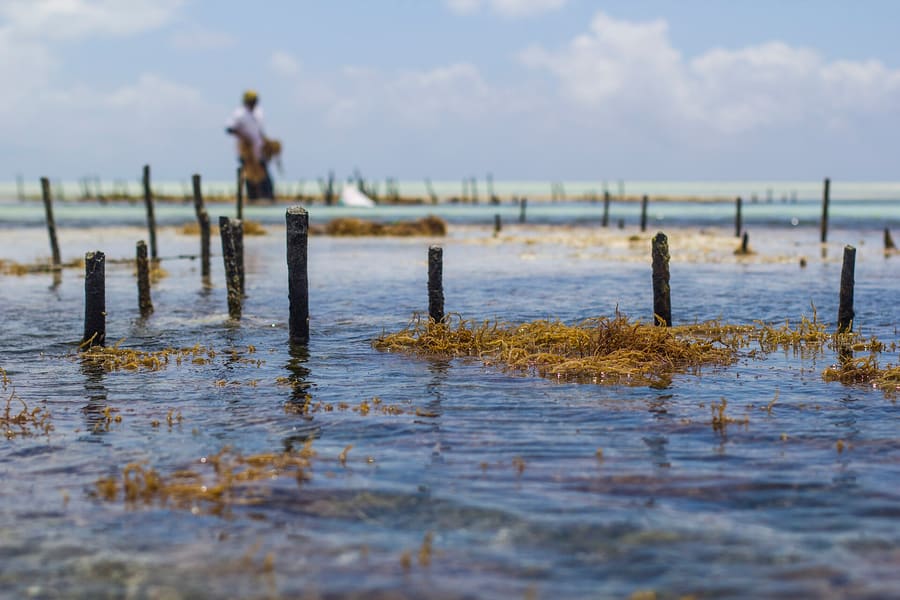
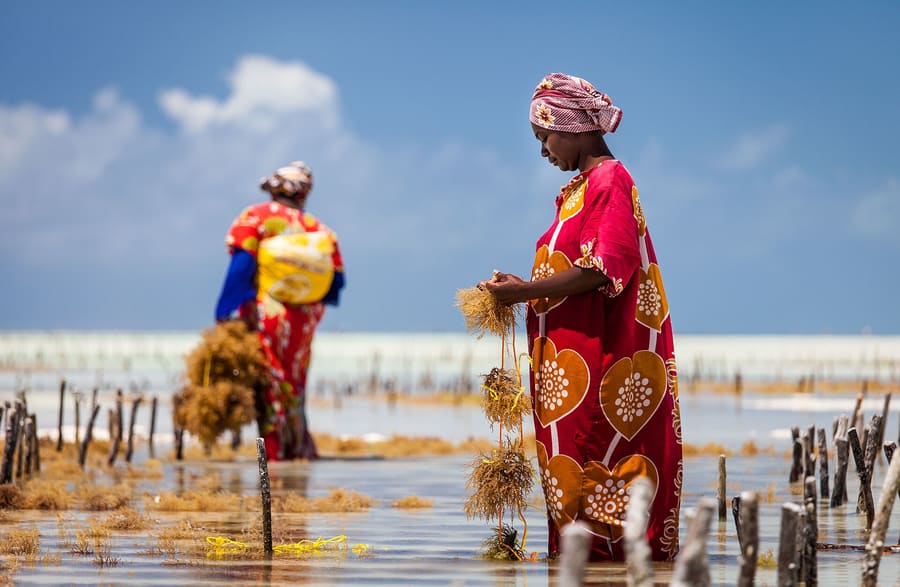
Jambiani — A seven-kilometer coastline of quiet fishing communities and seaweed farms.
01
landmark
Food stalls open nightly along the waterfront. Agree on prices before vendors start grilling fish skewers.
landmark
Zanzibar's first public baths, built in 1888. Pay the caretaker a small entrance fee to access the roof complex.
landmark
Home to the endemic Zanzibar red colobus monkey. Mandatory park guides lead paths through mahogany trees and mangroves.
landmark
A historic quarantine station housing giant Aldabra tortoises. Negotiate round-trip boat transport at the waterfront.
02
03

Narrow coral-stone alleys, wooden carved doors, and street vendors.
NearbyMalindi ferry terminal and Forodhani Gardens.
Ask ParleyDeep water unaffected by tides, active beach bars, and dhow building yards.
NearbyKendwa beach and Mnarani Aquarium.
Ask ParleyBroad sand flats, shallow turquoise waters, and steady cross-shore winds.
NearbyJambiani and Kuza Cave.
Ask ParleyA seven-kilometer coastline of quiet fishing communities and seaweed farms.
NearbyPaje and Michamvi Peninsula.
Ask Parley04
Zanzibari food reflects centuries of trade between East Africa, Arabia, and India. Local cooks prepare Urojo, a sour flour soup loaded with potatoes, crisp cassava, and chili sauce. Octopus curry cooked in coconut milk and spices remains the coastal staple served across everyday local eateries.
Confirm prices before vendors cook fish skewers at . Standard bowls of Urojo have stable prices around 4,000 TZS.
Spice farms operate near Dole and Kizimbani. Morning visits avoid the muggy afternoon heat in the plantation trees.
Stone Town is predominantly Muslim. Drink alcohol inside licensed tourist hotels and beach bars rather than outdoors.
05
Monsoon trade winds made Zanzibar a central node for spices, ivory, and enslaved people across the Indian Ocean. Omani sultans moved their capital to Stone Town in the 19th century, leaving a legacy of coral-stone palaces and carved wooden doorways.
Omani capital move
Sultan Seyyid Said moves the Omani capital from Muscat to Stone Town to control clove production and trade routes.
Anglo-Zanzibar War
British warships bombard the Sultan's palace. The conflict lasts 38 minutes, marking the shortest war in recorded history.
Zanzibar Revolution
An uprising overthrows the Sultanate. Zanzibar merges with mainland Tanganyika months later to form Tanzania.
UNESCO inscription
Stone Town receives UNESCO World Heritage status for its intact Swahili trading town architecture.
06
Select your base by prioritizing historical walking access against coastal swimming needs. Stone Town puts markets and restaurants outside your door but lacks swimming beaches. Nungwi offers constant ocean swimming, while the east coast has calm lagoons governed by daily tides.
Highly rated hotels in Zanzibar.


07
Walking is the only way to navigate Stone Town's narrow alleys. Cross-island transit relies on local minibuses called dalla-dallas or private taxis booked in advance.
From Abeid Amani Karume International Airport (ZNZ)
Unmetered. Negotiate and fix total fare in TZS or USD before placing bags in trunk.
Board outside airport main gate on main road. Drops at Darajani terminal. Pay conductor.
Arrange in advance via your hotel. Recommended for direct drop-off near Stone Town alleys.
Shared wooden-bench trucks serve main routes across the island. Board at Darajani terminal and pay the conductor directly upon sitting down.
Taxis lack meters completely. Agree on the total trip fare in TZS or USD with your driver before placing bags in the trunk.
Azam Marine operates fast passenger ferries between Stone Town and Dar es Salaam. Purchase tickets at official passenger terminal counters.
Alleys block mobile GPS signals frequently. Treat Darajani Market and the waterfront promenade as your primary orientation points.
08
Zanzibar uses the Tanzanian Shilling (TZS), though major hotels and tour operators state prices in US Dollars. Cash is required for taxis, street food, and small markets.
Standard price for spiced flour soup at street stalls near Darajani Market.
One-way transit fare from Stone Town out to Paje or Nungwi.
Private taxi fare for the 60-kilometer drive north.
One-way economy class passenger ticket on high-speed ferry lines.
Standard park admission fee including mandatory guide service.
09
JUN – OCT
Dry weather and cooler ocean breezes. Ideal conditions for exploring Stone Town alleys and coastal stays.
NOV – DEC
Short seasonal rains bring afternoon downpours. Temperatures and humidity levels gradually increase.
JAN – FEB
Hot and dry period. High tourist traffic drives up coastal accommodation rates.
MAR – MAY
Heavy long rains arrive. Many smaller coastal hotels shut down for annual repairs.
10
Keep shoulders and knees covered when walking through Stone Town and rural villages. Swimwear is meant strictly for beach areas.
Stone Town ATMs run out of cash frequently on weekends. Withdraw needed shillings early in the week or hold backup USD.
Shops in Stone Town close on Friday afternoons between 12:00 and 14:00 for communal prayers.
Pack rubber water shoes to avoid sea urchins when wading into east coast lagoons during low tide.
Equatorial sun burns skin quickly even on overcast days. Apply high-factor sun protection continuously.
Contents
Your trip
Going to Zanzibar?
Tell Parley when you’re going and what you enjoy, and it plans the days around this guide.
Plan with Parley


