landmark
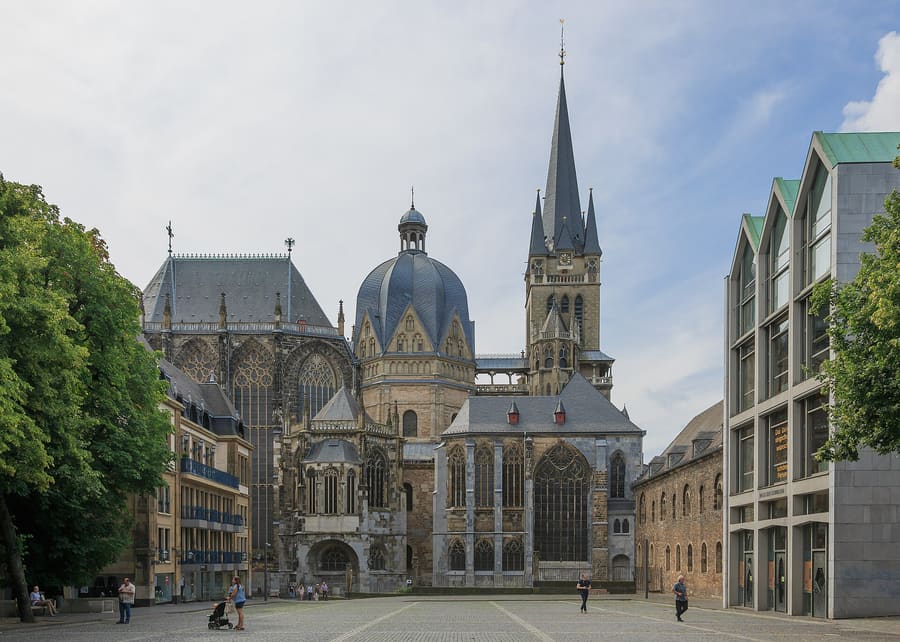
Aachen Cathedral
Charlemagne's 8th-century octagonal chapel forms the heart of this cathedral. Guided tours grant access to the throne gallery.
Pregunta a ParleyAlemania
Charlemagne’s imperial spa city of mineral springs.
introduction
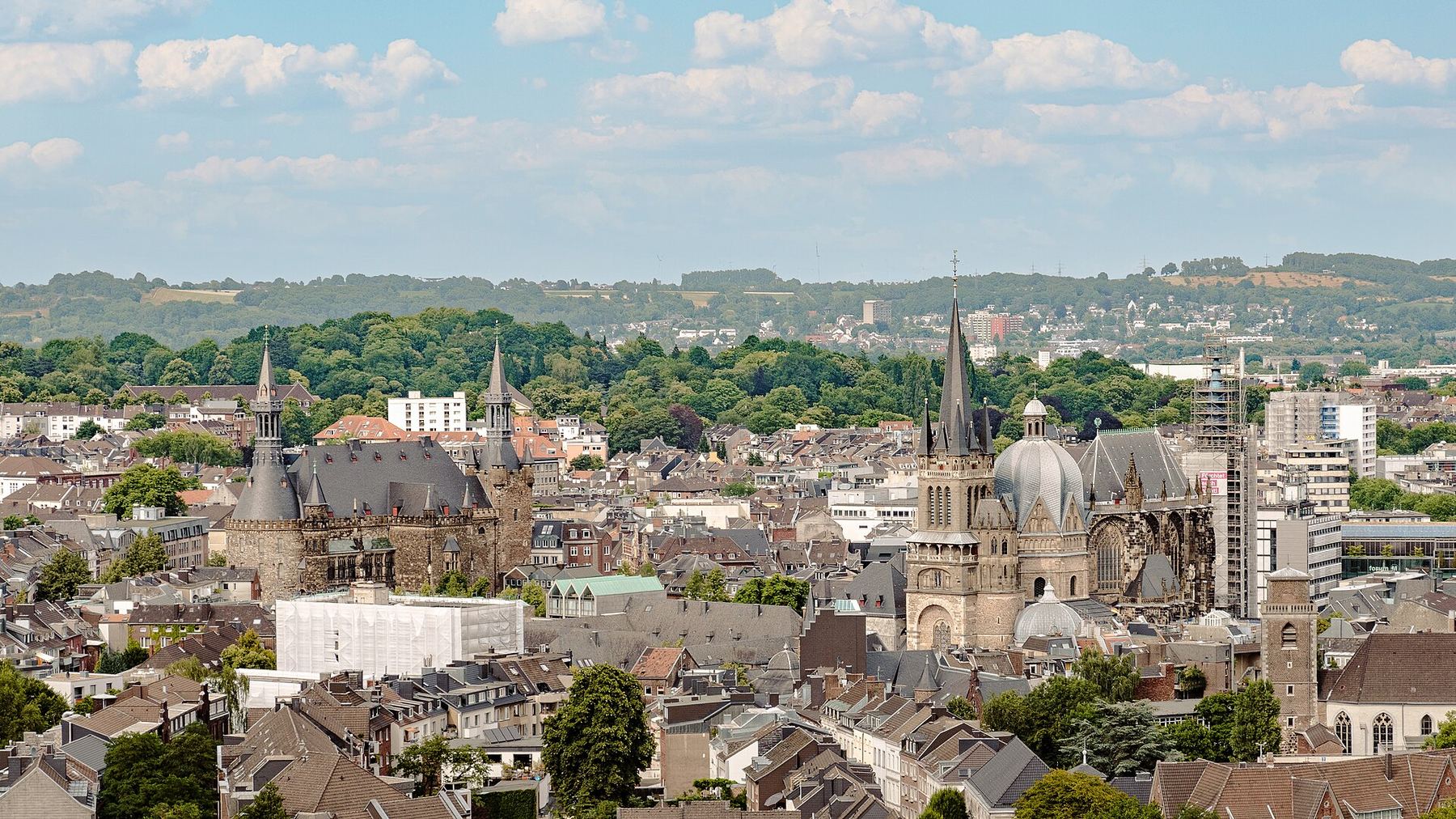
Aachen sits at the westernmost tip of Germany, directly touching the borders of Belgium and the Netherlands. Charlemagne made this spa town his imperial seat in the 790s, leaving behind a palatine chapel that still dominates the Old Town. Today, high-tech engineering students from RWTH Aachen fill the ancient taverns along Pontstraße. You can easily explore the entire historic center on foot within a single day.
Cathedral photo fee
Entry to Aachen Cathedral is free. A photo permit band costs €3 at the cathedral information desk.
UNESCO World Heritage site
Aachen Cathedral was named Germany's first UNESCO World Heritage site in 1978.
Three-nation border point
The Dreiländereck on Vaalserberg lets you step between Germany, Belgium, and the Netherlands.
Aachen
Euku:⇄ · CC BY-SA 3.0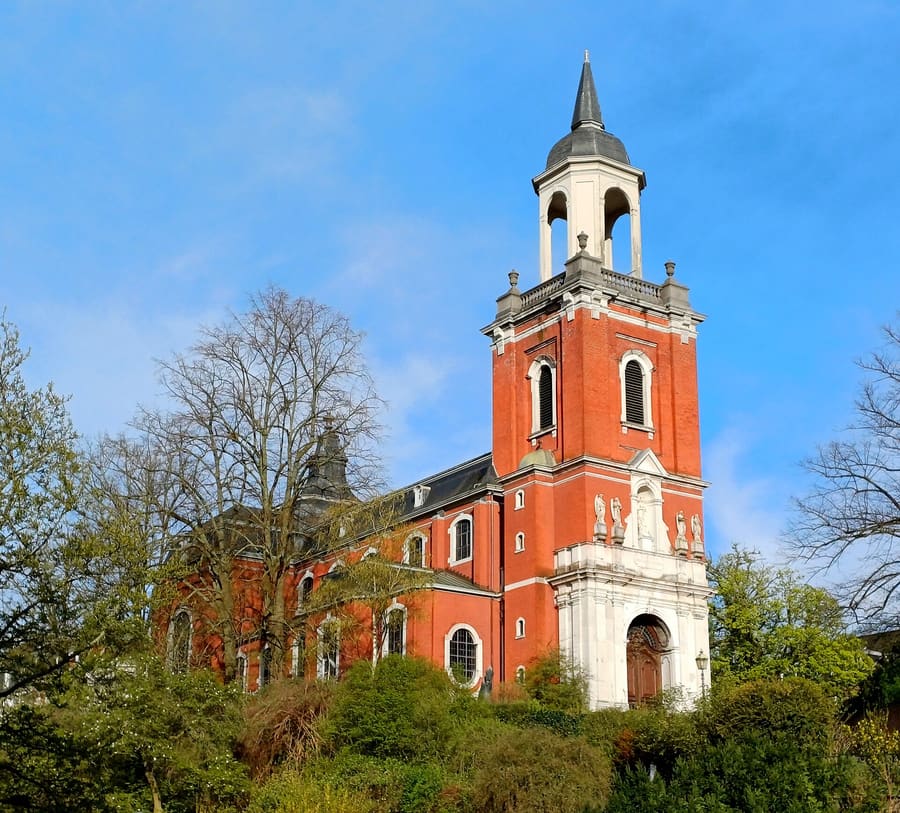
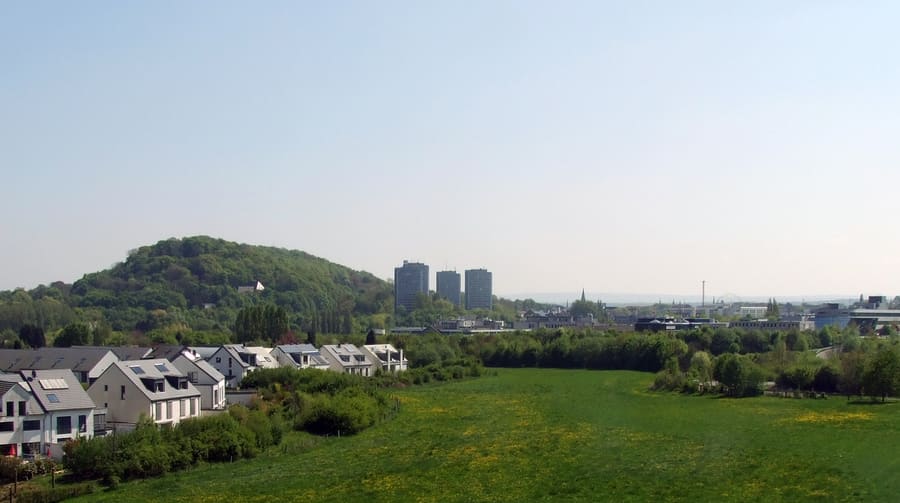
Burtscheid — Quiet spa district south of the train tracks with warm thermal spring fountains and green parks.
ArthurMcGill · CC BY-SA 4.0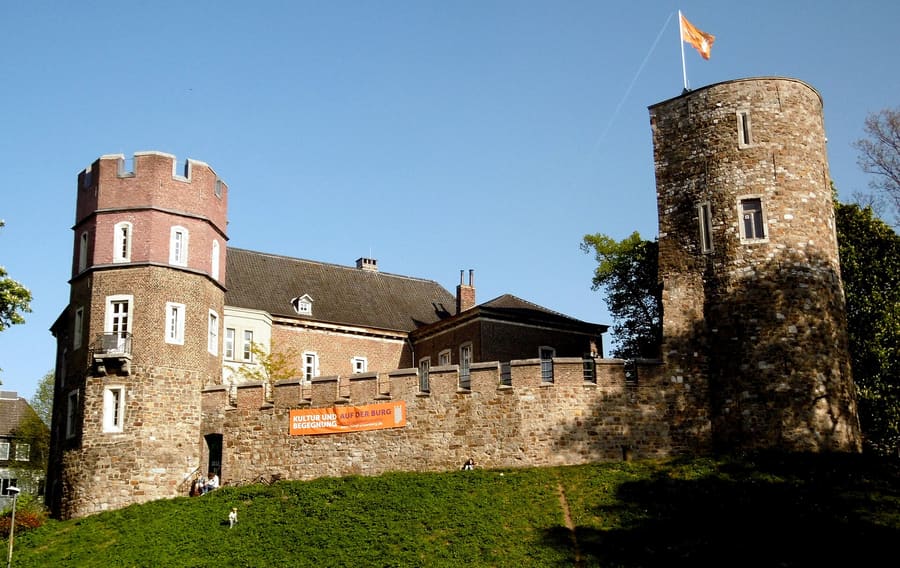
Frankenberger Viertel — Residential 19th-century neighbourhood centered on Burg Frankenberg, hosting cafes and flea markets.
ArthurMcGill · CC BY 3.0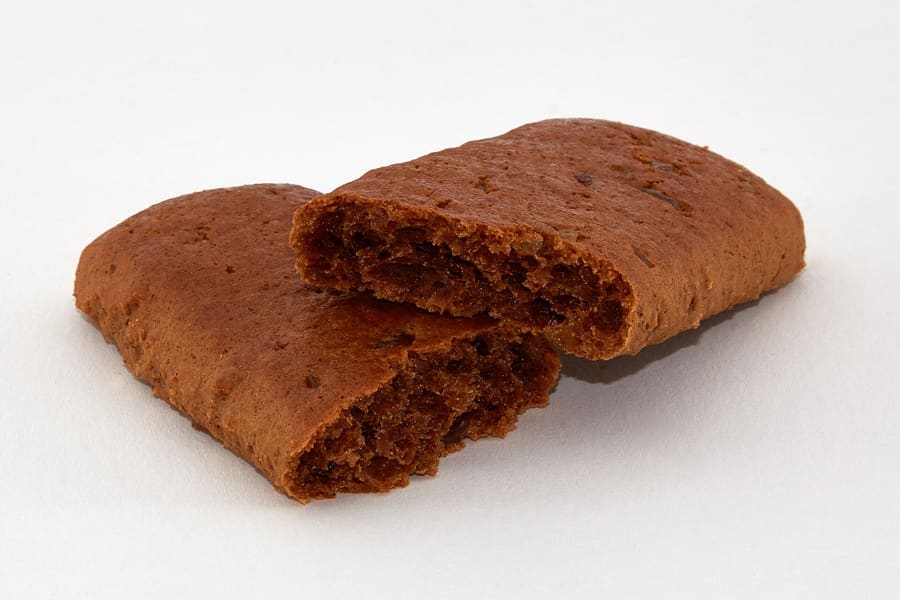
Traditional Aachener Printen displayed inside an Altstadt bakery.
Superbass · CC BY-SA 4.0highlights
landmark
Charlemagne's 8th-century octagonal chapel forms the heart of this cathedral. Guided tours grant access to the throne gallery.
Pregunta a Parley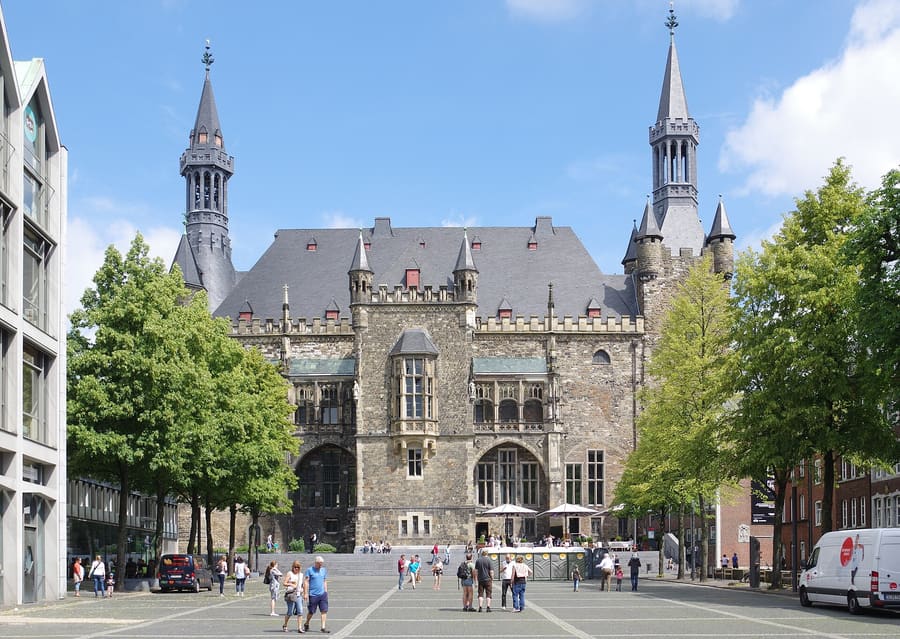
landmark
Built over Charlemagne’s palace foundations in the 14th century. Replicas of the imperial regalia sit in the Reichssaal upstairs.
Pregunta a Parley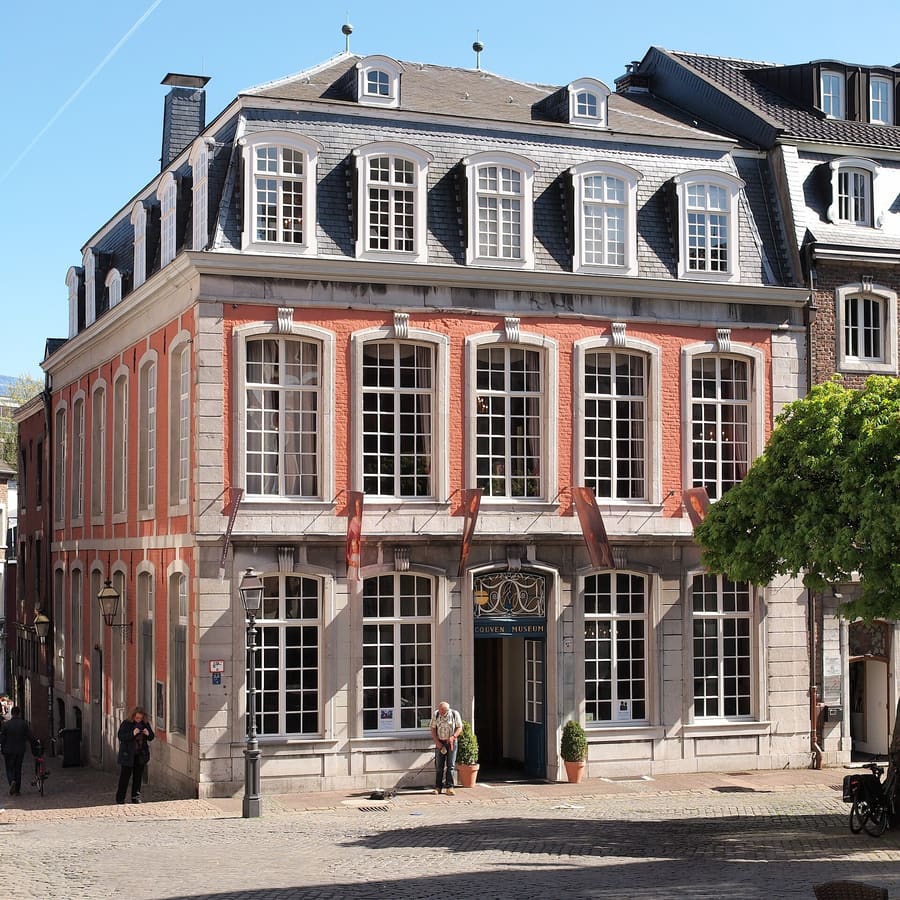
landmark
Preserved 18th-century townhouse showing merchant family life. Houses an early pharmacy collection on the ground floor.
Pregunta a Parley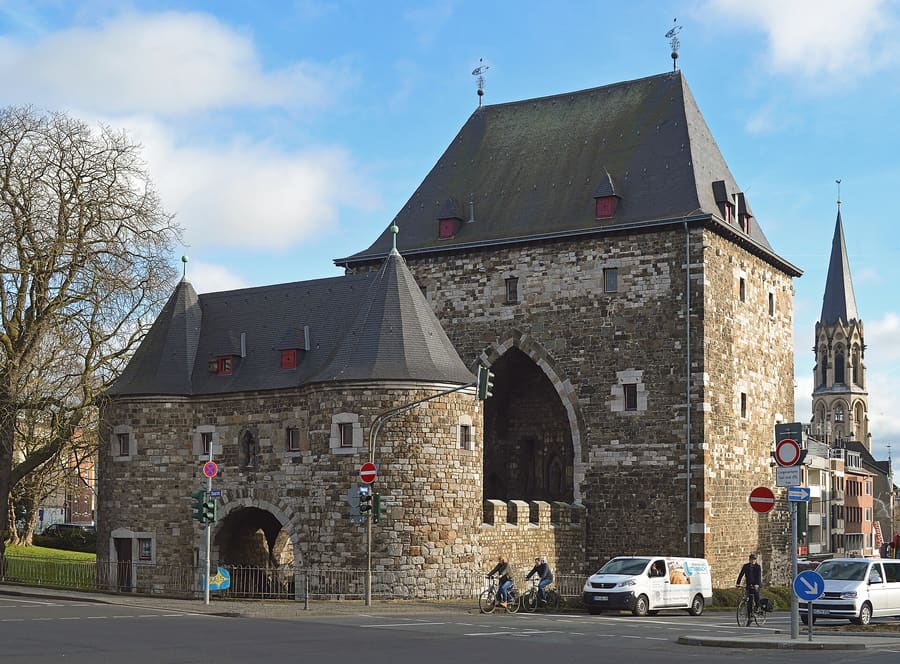
landmark
The main artery for student life running from Markt to Ponttor. Lined with inexpensive eateries and late-night bars.
Pregunta a Parleyattractions
areas
Quiet spa district south of the train tracks with warm thermal spring fountains and green parks.
CercaFerberpark and Markt Burtscheid
Pregunta a ParleyResidential 19th-century neighbourhood centered on Burg Frankenberg, hosting cafes and flea markets.
CercaFrankenberg Castle park
Pregunta a ParleyHigh-density student quarter packed with value eateries, cocktail spots, and outdoor beer tables.
CercaPonttor city gate and RWTH main building
Pregunta a Parleyfood
Aachen’s culinary hallmark is the Aachener Printe, a protected herbal gingerbread baked hard or soft and glazed with chocolate or rock candy. EU geographical protection extends to bakeries in Aachen and adjacent municipalities in the region. Local taverns specialize in Öcher Puttes, a regional pan-fried blood sausage served with potato mash and cooked apples.
Traditional Aachener Printen displayed inside an Altstadt bakery.
Superbass · CC BY-SA 4.0Order this traditional blood sausage dish at historic taverns like Postwagen right next to the Town Hall.
Independent bakeries often set a €5 minimum for card transactions, while larger chains accept contactless cards without minimums.
history
Romans established thermal bath compounds around Aachen’s mineral springs, naming the settlement Aquae Granni. Charlemagne chose Aachen as his primary imperial residence in the 790s, constructing a grand palace complex. Over the next six centuries, 31 Holy Roman monarchs traveled here to receive their crown inside the Palatine Chapel.
Charlemagne settles Aachen
Charlemagne selects Aachen as his royal residence, drawn by its natural hot thermal springs.
Palatine Chapel consecrated
Pope Leo III consecrates the octagonal chapel that now forms the core of Aachen Cathedral.
Imperial coronation site
Thirty-one Holy Roman kings are crowned inside Aachen Cathedral across six centuries.
UNESCO designation
Aachen Cathedral becomes Germany's first official UNESCO World Heritage site.
where to stay
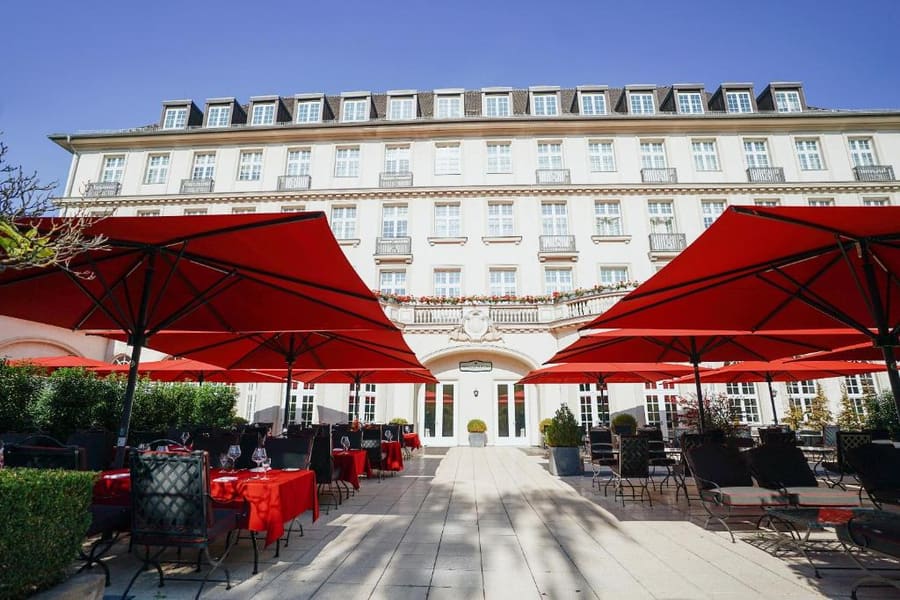
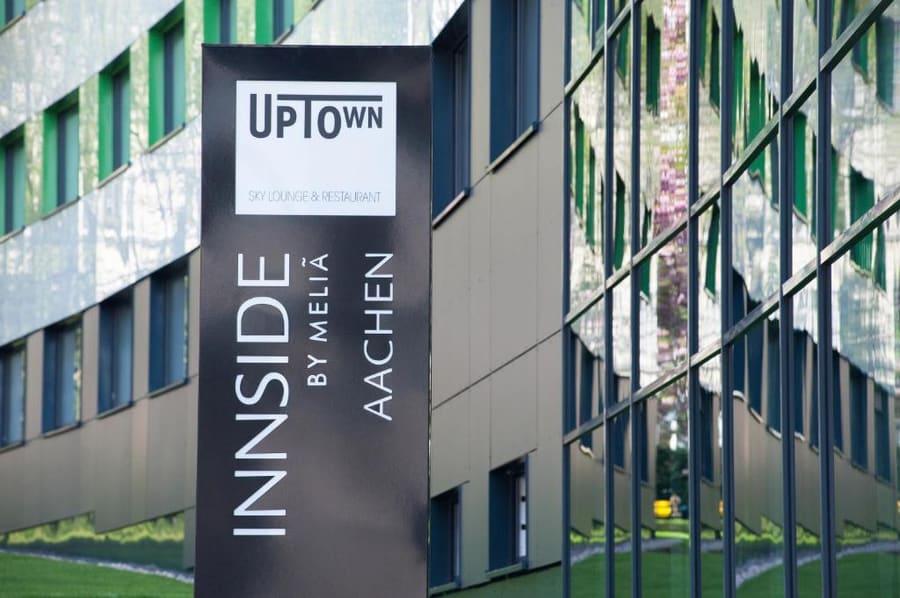
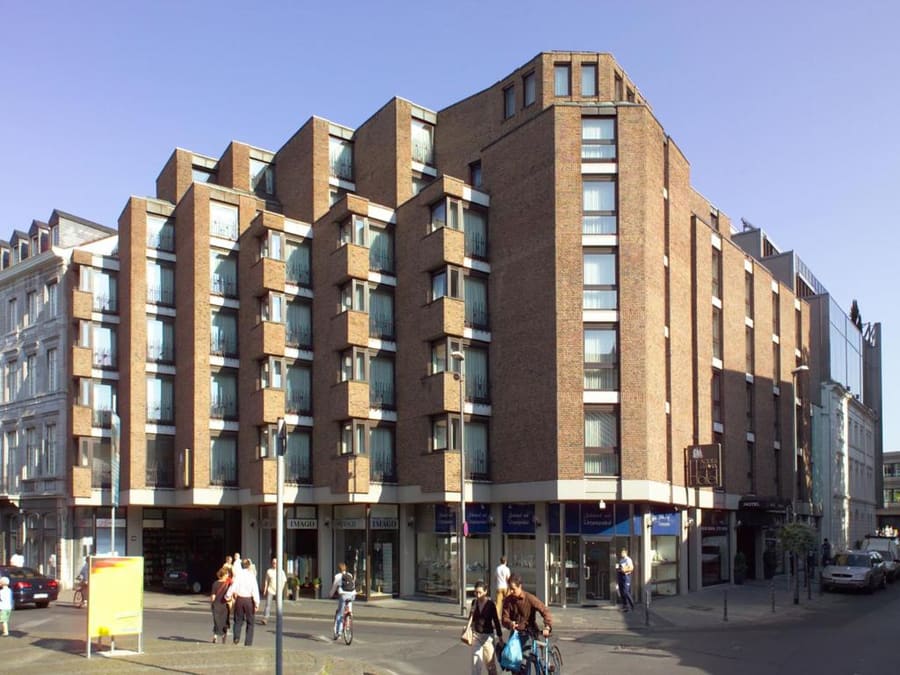
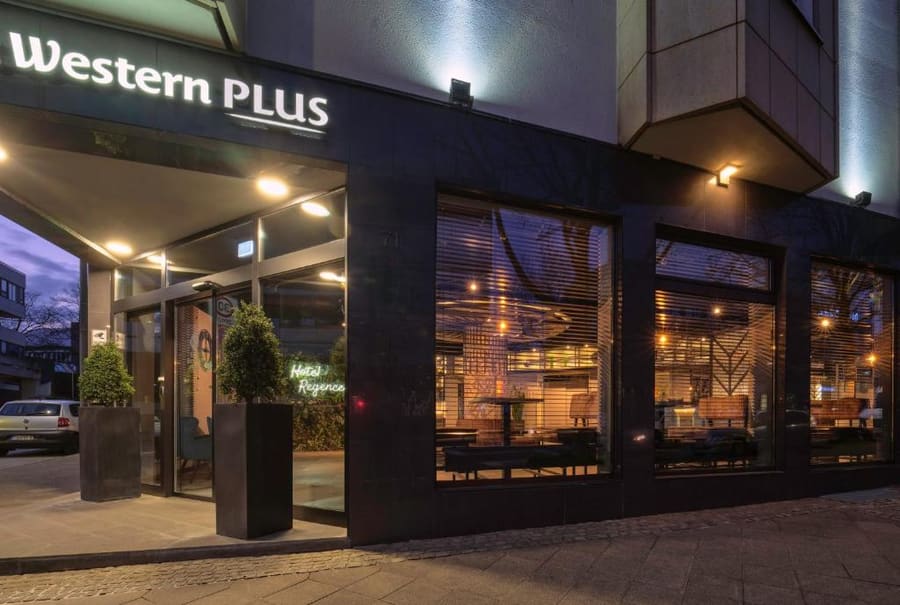
Choose your stay based on your transit needs and sensitivity to noise. The Altstadt puts major historic sites right outside your door, but car drop-offs are restricted. Burtscheid offers quiet spa hotel stays south of the main train station.
Live rates, matched to the areas above.
transport
Aachen lacks trams and underground trains, relying entirely on a dense city bus system operated by ASEAG. The historic core is compact enough to navigate on foot without public transit. Aachen Hauptbahnhof acts as the primary regional rail hub, linking directly to Cologne, Brussels, and Frankfurt.
Desde Aachen Hauptbahnhof (Hbf)
ASEAG lines 11, 21, and 31 run frequently from the Hbf forecourt straight to Elisenbrunnen.
Taxi ranks sit immediately outside the main station building exit.
Download the local movA app to purchase digital single bus tickets instantly without cash.
Buses 3A and 3B run circular routes around the outer ring road to avoid city center traffic.
Velocity Aachen runs electric bike docks across town; unlocks require a smartphone registration.
All trips inside Aachen city limits stay within AVV Tariff Zone 110.
cost
Dining and museum entry prices in Aachen run slightly lower than in neighboring Cologne or Düsseldorf due to the large university student population. Budget dining option density is highest around Pontstraße.
Standard 3.5-hour pass covering all indoor and outdoor thermal bath pools.
Standard tavern price for blood sausage, apple compote, and potato mash.
Covers unlimited city bus travel for one person within AVV Zone 110.
seasonality
MAR – MAY
Mild temperatures make Altstadt walking pleasant. Spring blossoms line the Lousberg park trails.
JUN – AUG
Warm weather fills Pontstraße pub gardens. RWTH student crowds drop during summer recess.
SEP – NOV
Crisp autumn weather fits thermal bath visits. Lower light highlights Gothic stonework details.
DEC – FEB
The Aachen Christmas Market fills Markt and Katschhof; hotel room rates surge on December weekends.
practicalities
Retail shops close on Sundays. Central bakeries and train station pharmacies stay open.
Independent meat shops and historic bakeries regularly decline card payments under €10.
The square between Rathaus and Cathedral holds weekly markets, open-air concerts, and wine fairs.
Historic city center streets feature uneven stone paving; wear sturdy flat shoes.