landmark
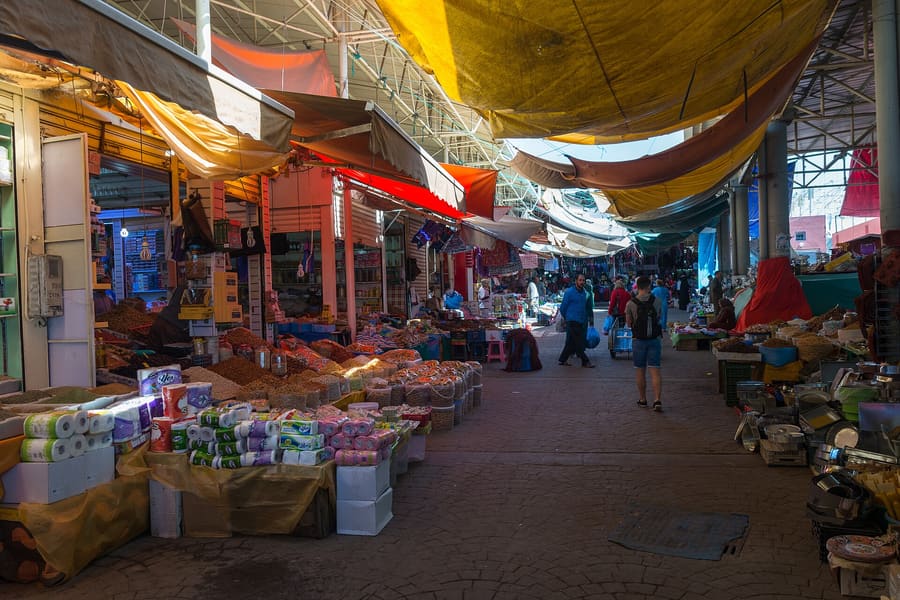
Souk El Had
One of North Africa's largest walled markets with 6,000 stalls. Use Gate 9 for spices and Gate 5 for leather goods.
Pregunta a ParleyMarruecos
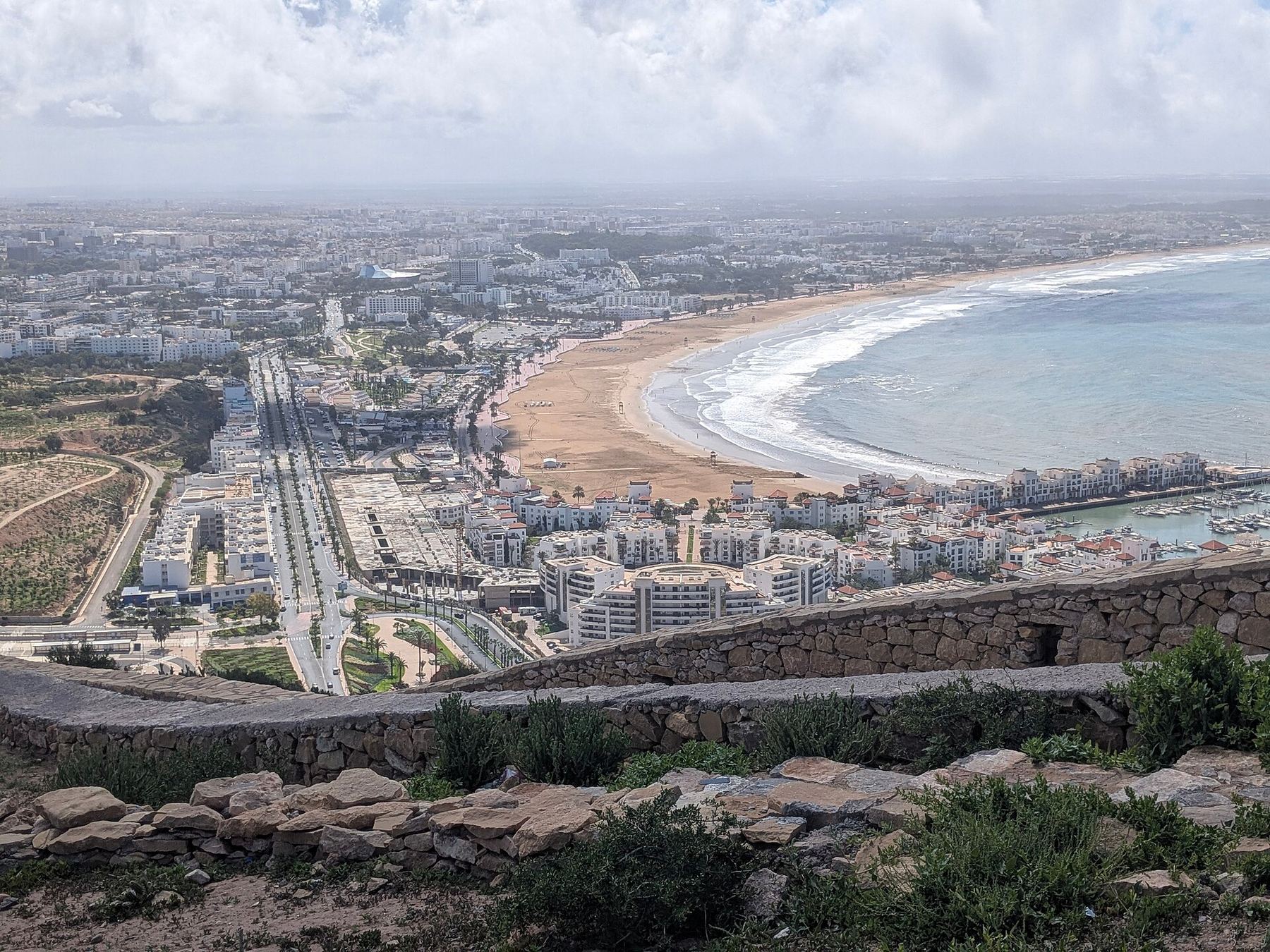
Modern Atlantic grid, endless beach, and Souss market trade.
introduction
Agadir is a modern grid built after the devastating 1960 earthquake leveled the historic town. Broad boulevards replace medieval alleys, prioritizing low-rise concrete, beach access, and clear street layouts. Taxis and public buses connect distinct zones easily, from the quiet residential interior to the seafront resort strip. Expect steady ocean breezes, consistent winter sun, and an understated urban rhythm.
Airport taxi flat rates
Grand taxis to the city center cost a fixed 220 MAD. Confirm the official fare board outside terminal arrivals before entering any vehicle.
UNESCO Biosphere Reserve
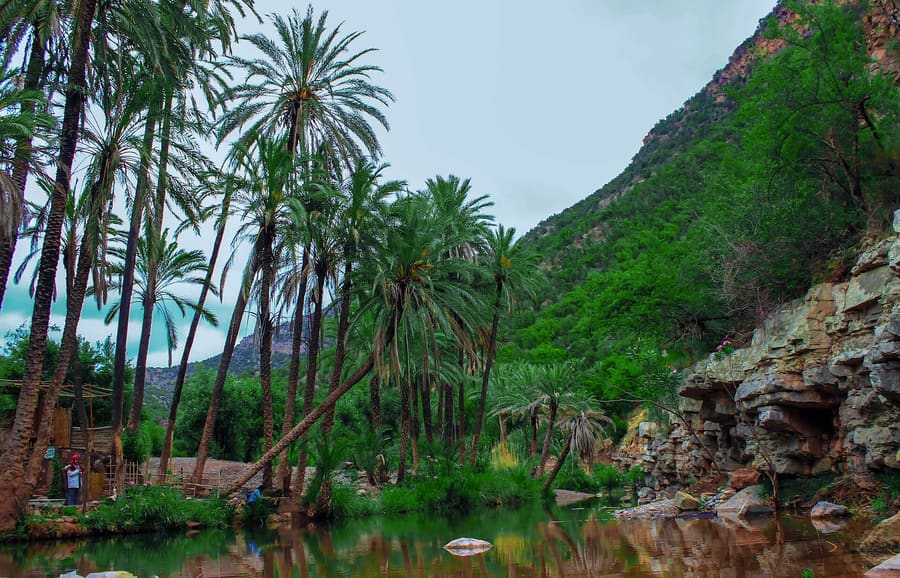
Agadir sits within the UNESCO Arganeraie Biosphere Reserve. The surrounding Souss hills grow the world's primary wild argan groves.
Souk El Had Monday closure
Souk El Had closes every Monday for deep cleaning. Plan major shopping visits for Tuesday through Sunday mornings when fresh catch arrives.
Agadir
CHKOURRACH Larbi · CC BY-SA 4.0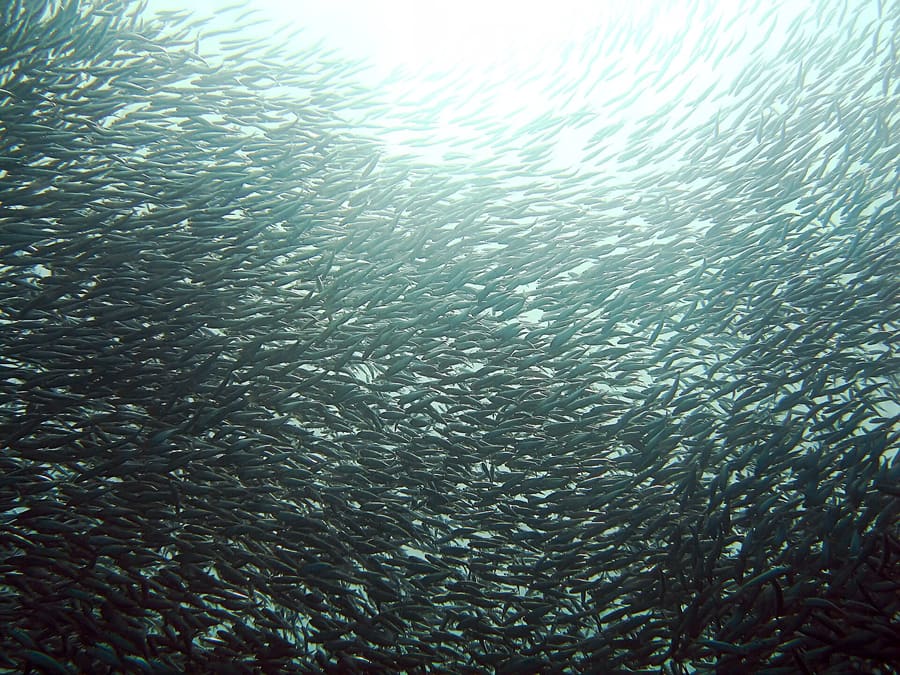
Freshly grilled sardines served at the Agadir port stalls with salt, cumin, and lemon.
TANAKA Juuyoh (田中十洋) · CC BY 2.0highlights
landmark
One of North Africa's largest walled markets with 6,000 stalls. Use Gate 9 for spices and Gate 5 for leather goods.
Pregunta a Parley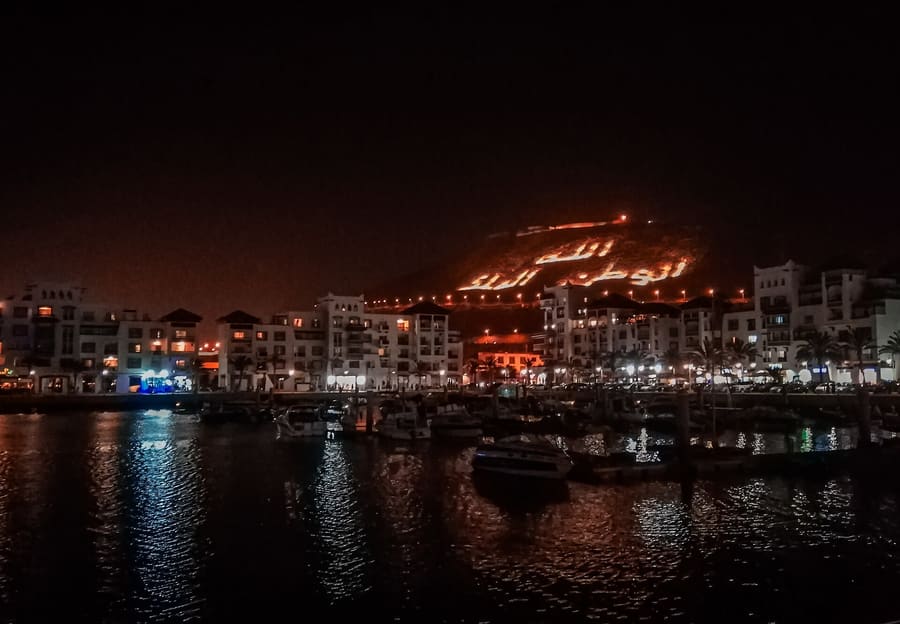
landmark
A ten-kilometer crescent beach sheltered from ocean swells. Walking the paved promenade is easiest before midday heat.
Pregunta a Parley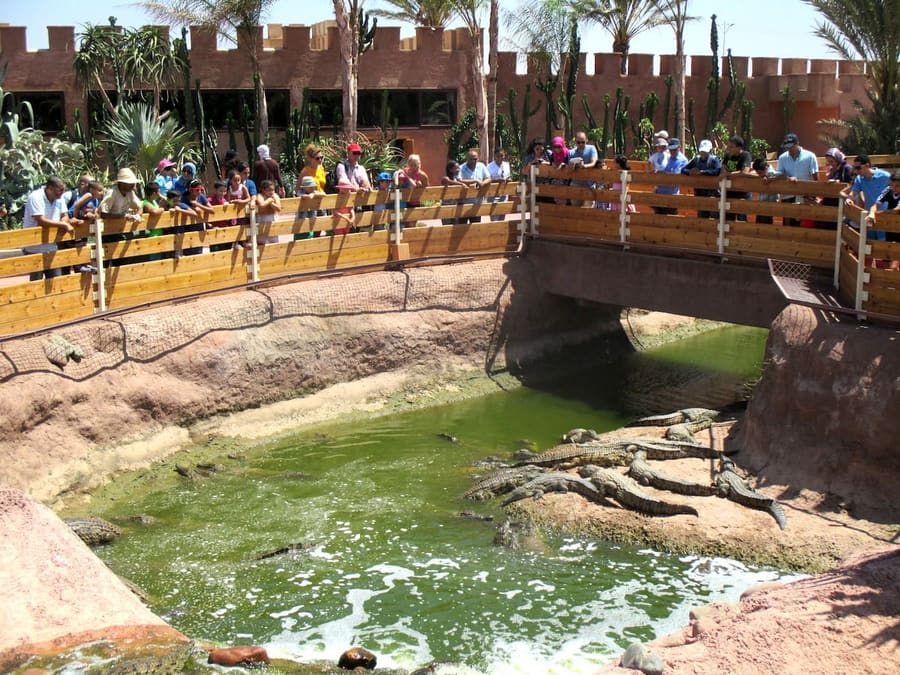
landmark
Home to over 300 Nile crocodiles in botanical gardens along the N8. Catch the dedicated shuttle bus from the beach resort area.
Pregunta a Parleyattractions
areas
Wide oceanfront boulevard lined with high-rise hotels, palm trees, and international dining options.
CercaPromenade and Marina
Pregunta a ParleyRebuilt post-1960 civic hub with pedestrian plazas, local cafes, and mid-century modern apartments.
CercaMohamed V Mosque and Olhão Garden
Pregunta a ParleyQuiet residential district with whitewashed villas, small bakeries, and calm neighborhood streets.
CercaRoyal Golf d'Agadir
Pregunta a ParleyFormer industrial fishing port turned coastal surf spot, famous for fossilized dinosaur footprints.
CercaAnza Beach surf break
Pregunta a Parleyfood
Agadir operates as Morocco's primary sardine port. Local eateries serve daily catches grilled over charcoal with coarse salt and cumin, rather than heavy sauces. Regional Souss cooking relies on roasted argan oil, harvested in the surrounding valleys and blended into amlou with roasted almonds and local honey. Skip resort buffets and visit the portside fish market stalls or local cafes in Nouveau Talborjt for authentic regional fare.
Freshly grilled sardines served at the Agadir port stalls with salt, cumin, and lemon.
TANAKA Juuyoh (田中十洋) · CC BY 2.0Order Souss-style goat or vegetable tagines at lunch when pots have simmered for hours. Evening tagines are often reheated.
Buy certified culinary argan oil and amlou directly from female-run cooperatives inside Souk El Had to avoid diluted bottles.
history
Agadir began as a Portuguese trading post in 1505 before the Saadian dynasty captured it in 1541. Its physical history changed permanently on February 29, 1960, when a 15-second earthquake destroyed 80 percent of the city. King Mohammed V ordered the town rebuilt to strict seismic standards, creating the modern grid visible today.
Portuguese Outpost
Portuguese navigators build Santa Cruz do Cabo de Gué, establishing a fortified Atlantic trade post.
Saadian Conquest
Sultan Mohammed ash-Sheikh captures the fortress, establishing Moroccan control over Souss trade routes.
The Great Earthquake
A magnitude 5.7 earthquake destroys the old hilltop Kasbah and lower town, killing over 12,000 residents.
Modern Reconstruction
Urban planners design a modern grid layout south of the ruins using reinforced concrete construction.
Cable Car Opening
The first urban cable car line opens, linking the city base directly to the restored Kasbah Oufella summit.
where to stay
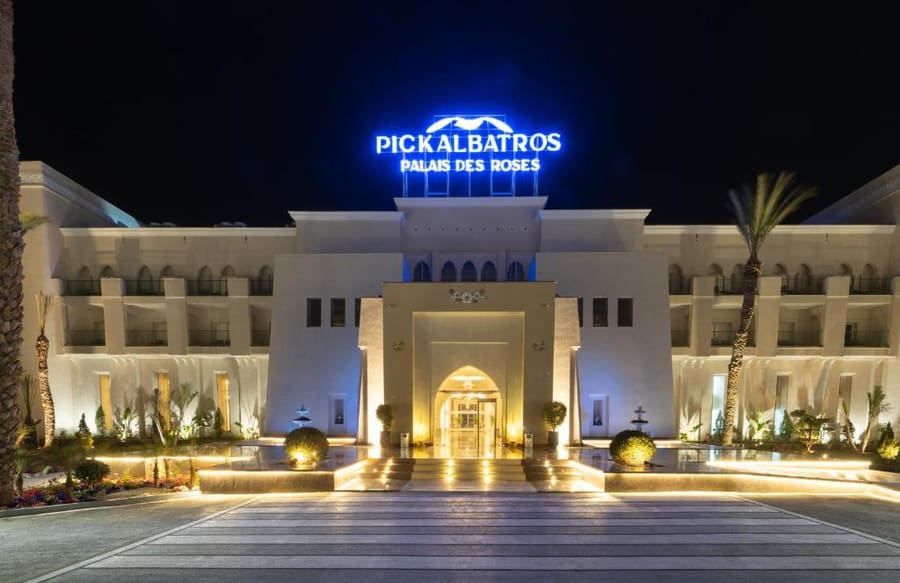
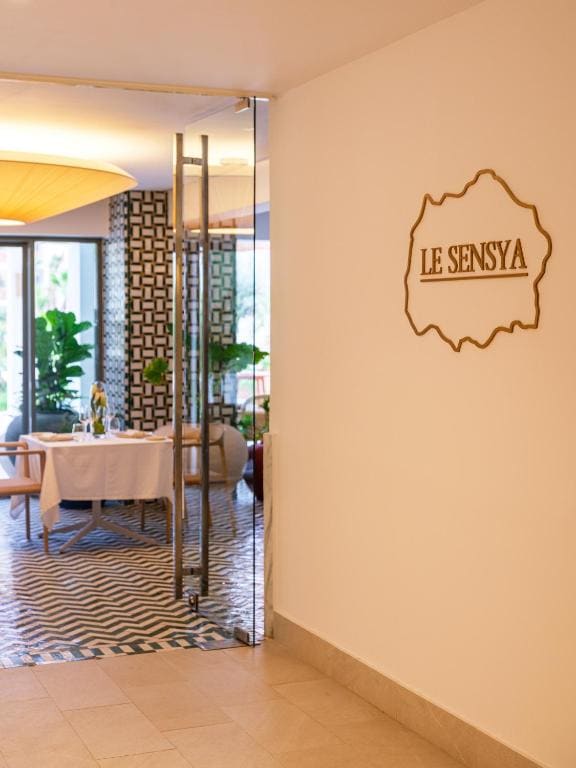
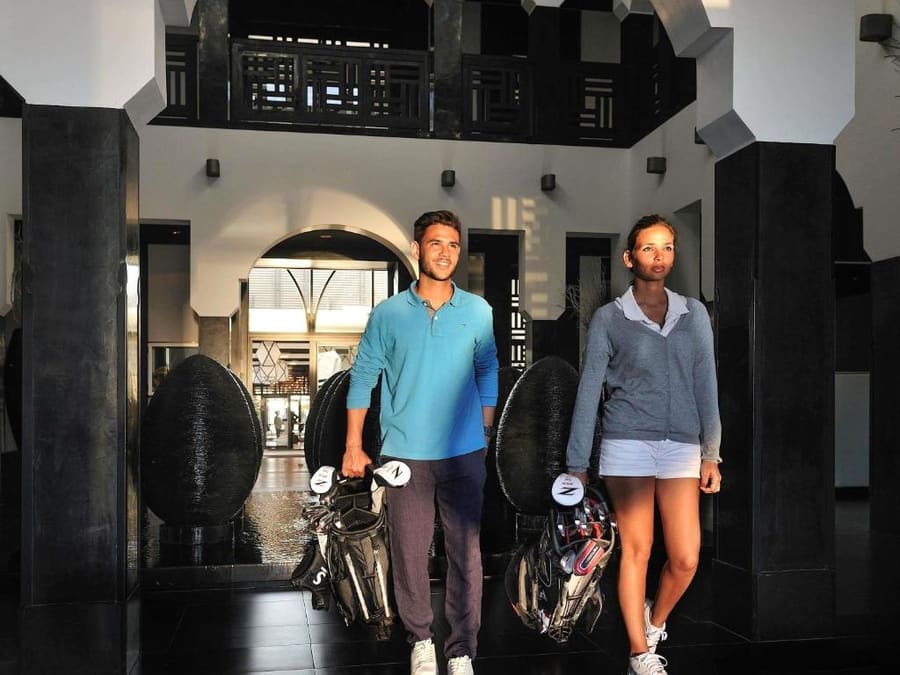
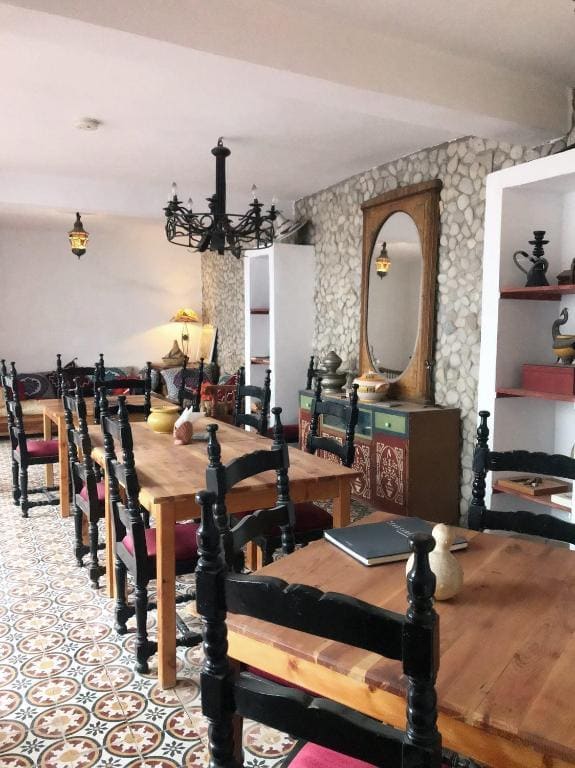
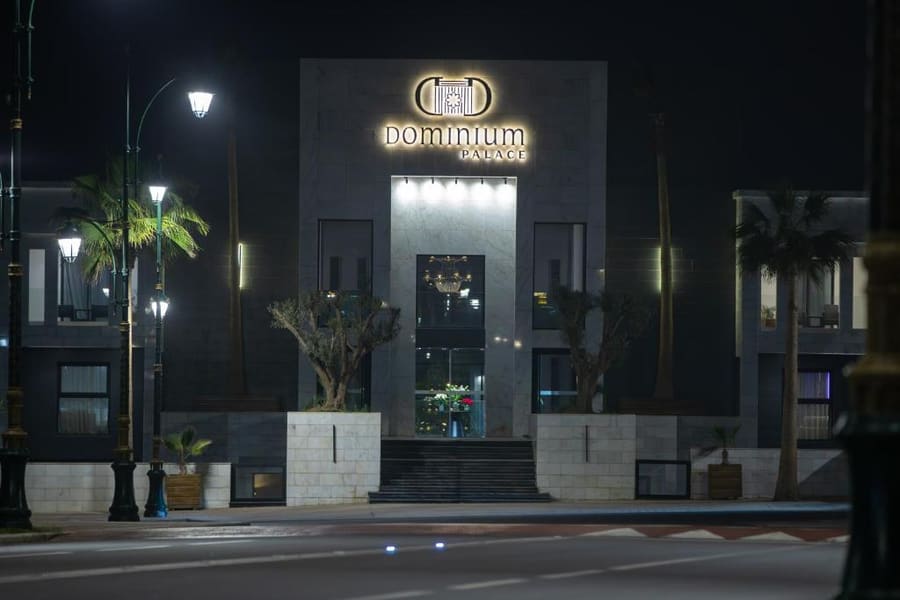
Choose your location by your tolerance for resort density and daily walking distances. Staying along the Secteur Touristique puts you directly on the sand but insulates you from local city life. Nouveau Talborjt offers authentic dining and lower room rates, though reaching the water requires an uphill return walk.
Live rates, matched to the areas above.
transport
Agadir spreads across broad avenues, making walking between distant neighborhoods impractical under afternoon sun. Red petit taxis serve short urban trips within municipal borders, while orange grand taxis run fixed suburban routes to surrounding towns.
Desde Agadir–Al Massira Airport (AGA)
Official flat rate to city center. Rate rises to 300 MAD after 20:00.
Take Line 22 to Inezgane hub, then transfer to ALSA Line 20 or 24 into central Agadir.
Pre-booked driver waiting at arrival exit; helpful for late-night flight arrivals.
Red petit taxis use meters by law. Check that the driver starts the counter upon boarding; typical urban trips run 10 to 20 MAD.
Petit taxi fares increase by 50 percent automatically after 20:00. The meter automatically calculates the evening rate.
ALSA operates local blue buses across town. Standard single rides cost 4 MAD paid directly to the bus driver in exact cash.
Inezgane station acts as the primary regional grand taxi and intercity bus transfer point 10km south of Agadir.
cost
Agadir remains significantly cheaper than Marrakech or Casablanca for local food and urban transport. However, beachfront resort dining and international hotel bars carry standard Western pricing. Cash is essential for markets, taxis, and neighborhood cafes.
Served with bread, hot sauce, and fresh lemon at portside stalls.
Standard metered fare across central city neighborhoods.
Standard round-trip ticket from lower terminal to Kasbah summit.
Three courses in a local Nouveau Talborjt restaurant.
seasonality
MAR – MAY
Warm sunny days with moderate coastal breezes. Ideal for walking market trips without high summer heat.
JUN – AUG
Peak domestic tourism window. Morning coastal fog often rolls over the beach until clearing by midday.
SEP – NOV
Warm ocean water and clear skies. Recommended months for coastal swimming and uncrowded markets.
DEC – FEB
Mild winter sunshine popular with European long-term visitors. Atlantic surf swells reach peak consistency.
practicalities
Agadir experiences summer morning marine fog called 'mormo' that blankets the coast until roughly 11:00.
Bank ATMs regularly run dry on Sunday afternoons near Souk El Had. Withdraw cash earlier in the weekend.
Stalls in Souk El Had and small neighborhood shops close between 12:00 and 15:00 on Fridays for prayer.
Tachelhit Berber and Moroccan Arabic are primary local languages. French is spoken universally in hospitality.
Strong Atlantic undertows exist outside the main sheltered bay. Swim inside flagged resort zones on open beach stretches.