landmark
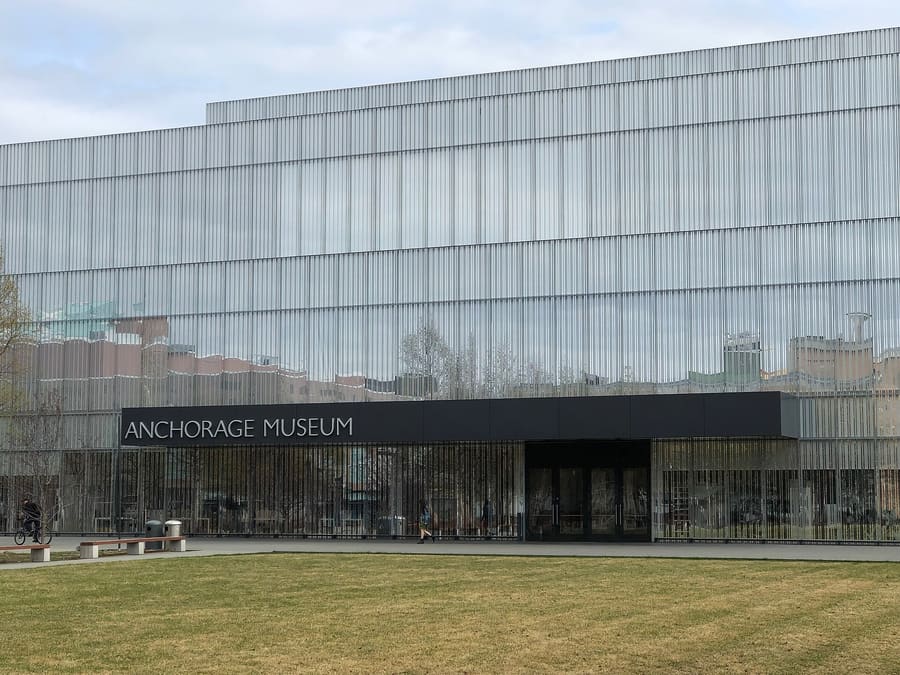
Anchorage Museum
Exhibits document Northern indigenous art and Arctic ecology. Buy tickets online to skip peak summer midday entry lines.
Pregunta a ParleyEstados Unidos
Alaska's urban wilderness hub between mountains and inlet.
introduction
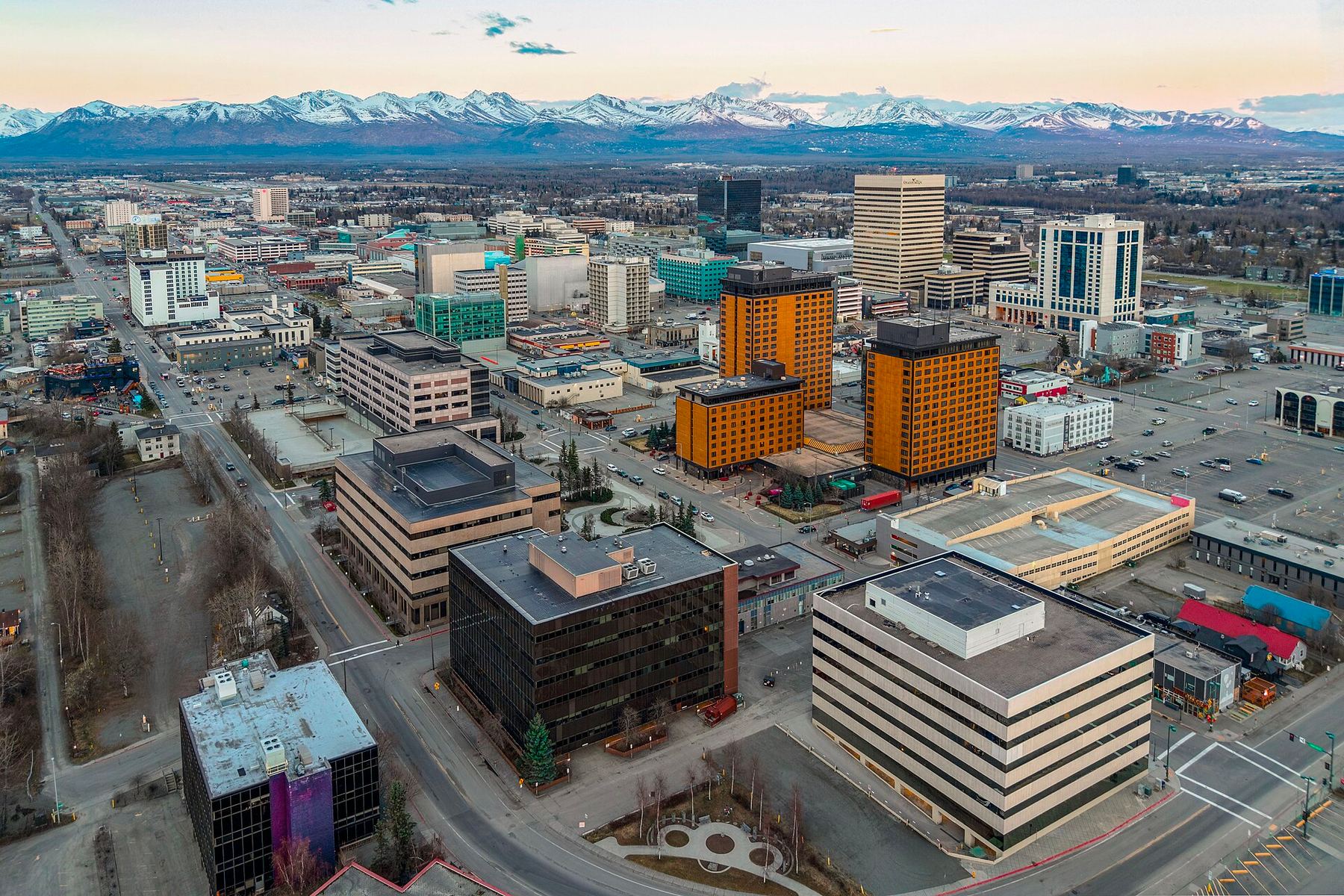
Anchorage contains forty percent of Alaska's population, spread across a grid sandwiched between Cook Inlet and the Chugach Mountains. It functions less as a traditional metropolis and more as a paved staging ground for the surrounding wilderness. Moose walk downtown streets, while floatplanes takeoff every few minutes from city lakes. Moving around requires a car or stamina for long urban trail connections.
Airport to downtown connection
People Mover bus route 40 runs every 15 to 30 minutes from ANC terminal to downtown for $2, taking 20 minutes.
World's busiest floatplane base
Lake Hood handles over 190 daily flights on water, making it the highest-volume seaplane airport in the world.
Summer sunlight planning
Midsummer brings 19 hours of sunlight, which pushes restaurant dinner rushes and hiking departures well past 22:00.
Anchorage
James Brooks · CC BY 2.0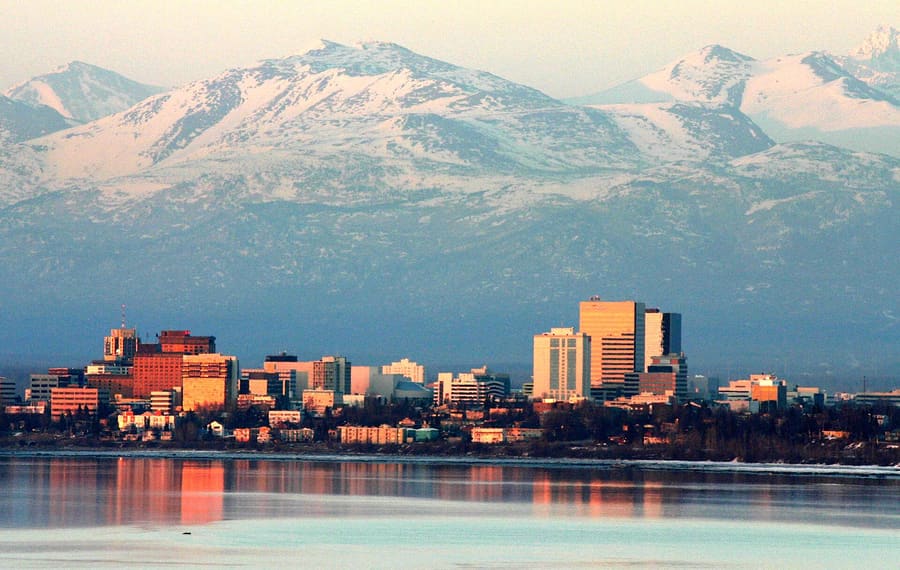
Downtown — Grid of souvenir shops, seafood eateries, and trailheads along the inlet.
Frank K. from Anchorage, Alaska, USA · CC BY 2.0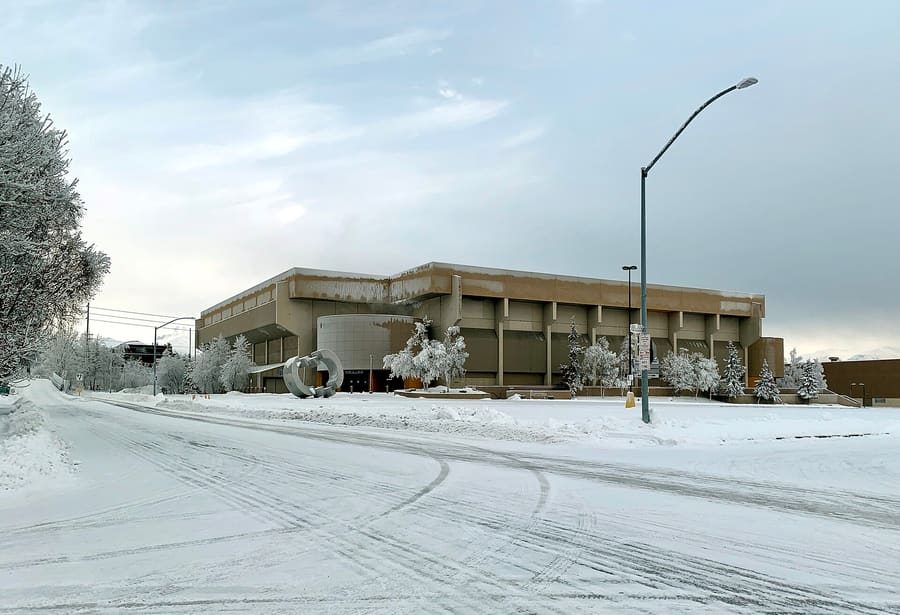
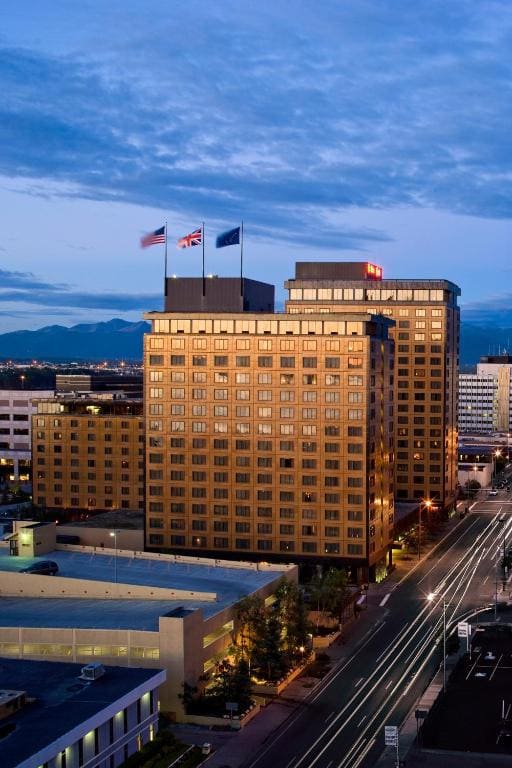
Midtown — Commercial district dominated by strip malls, craft breweries, and chain hotels.
Mikhail Siskoff · CC BY-SA 4.0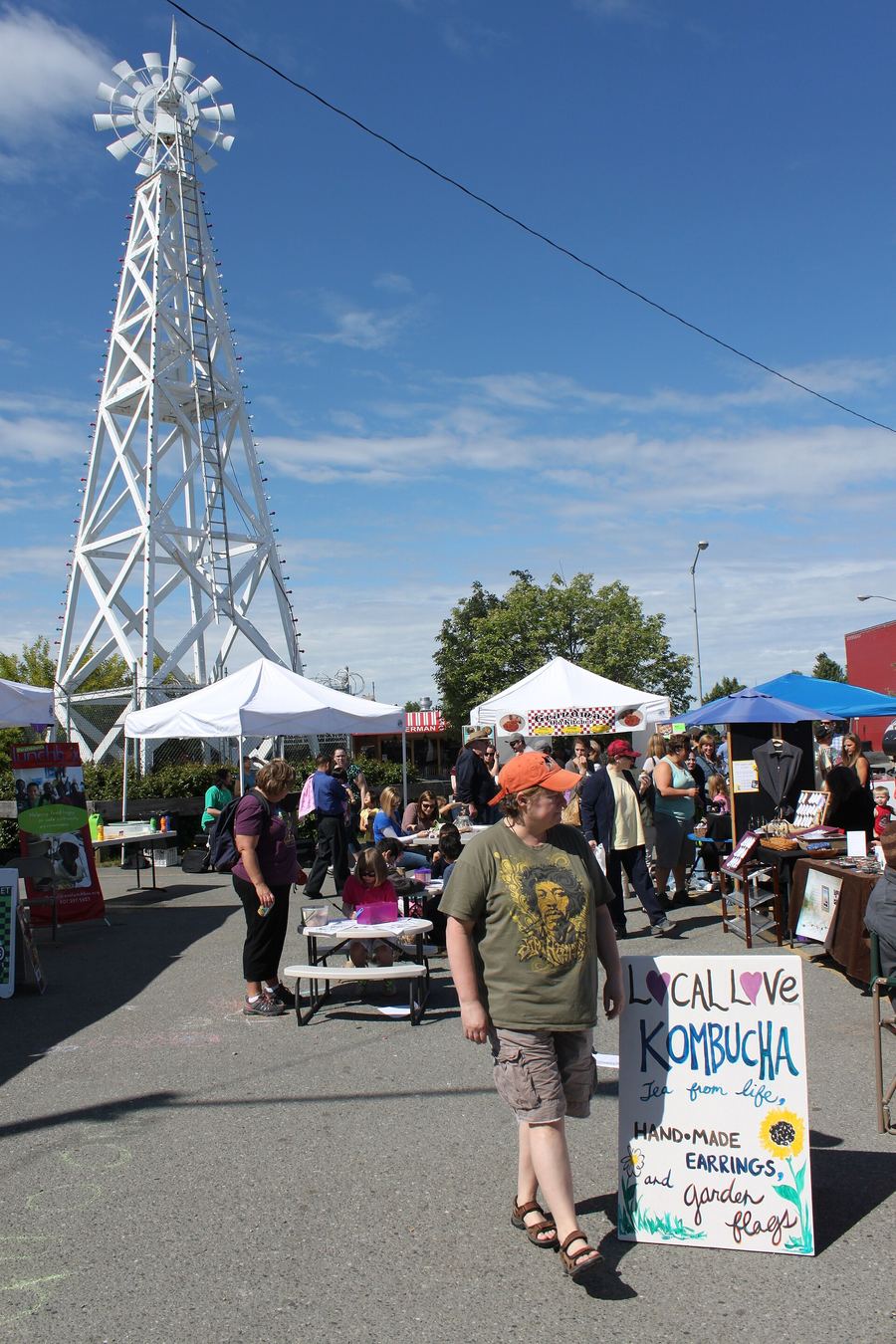
Spenard — Quirky lakeside strip known for dive bars, food trucks, and aviation history.
Eli Duke · CC BY-SA 2.0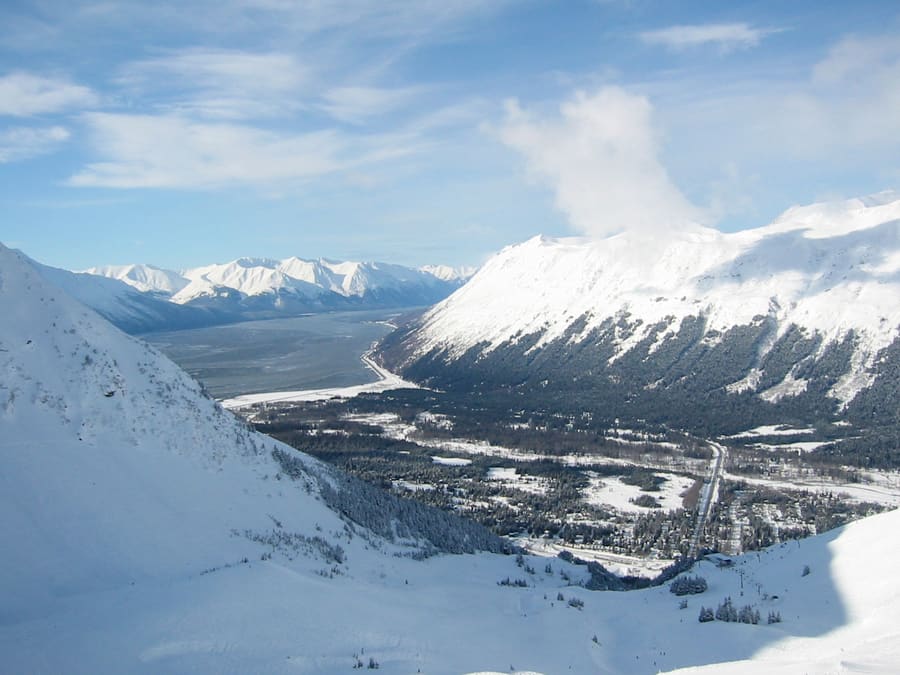
Girdwood — Resort valley tucked into rainforest 36 miles south of downtown Anchorage.
Nathan Searles from Portland, Oregon · CC BY 2.0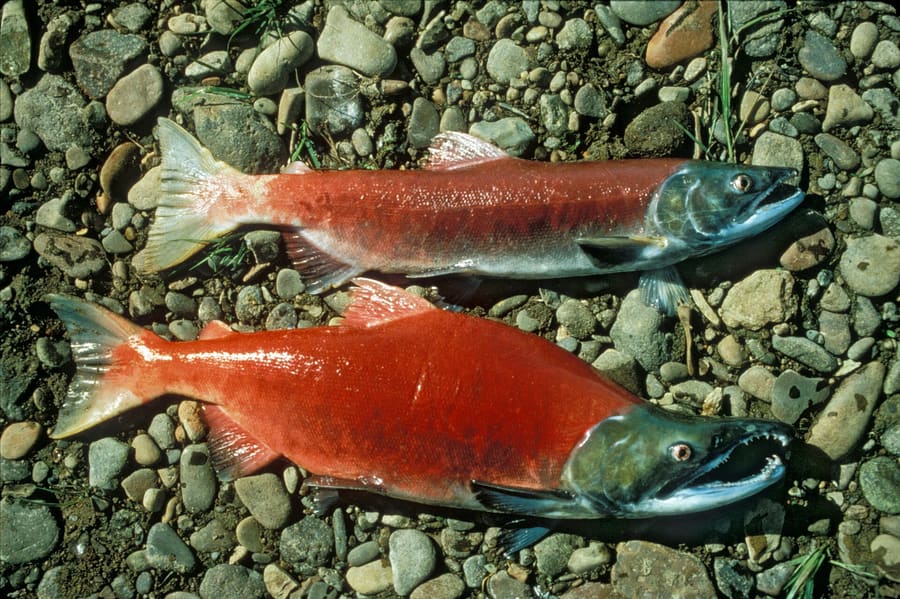
Freshly caught wild salmon and local craft beer dominate Anchorage dining tables.
David Menke · Public domainhighlights
landmark
Exhibits document Northern indigenous art and Arctic ecology. Buy tickets online to skip peak summer midday entry lines.
Pregunta a Parley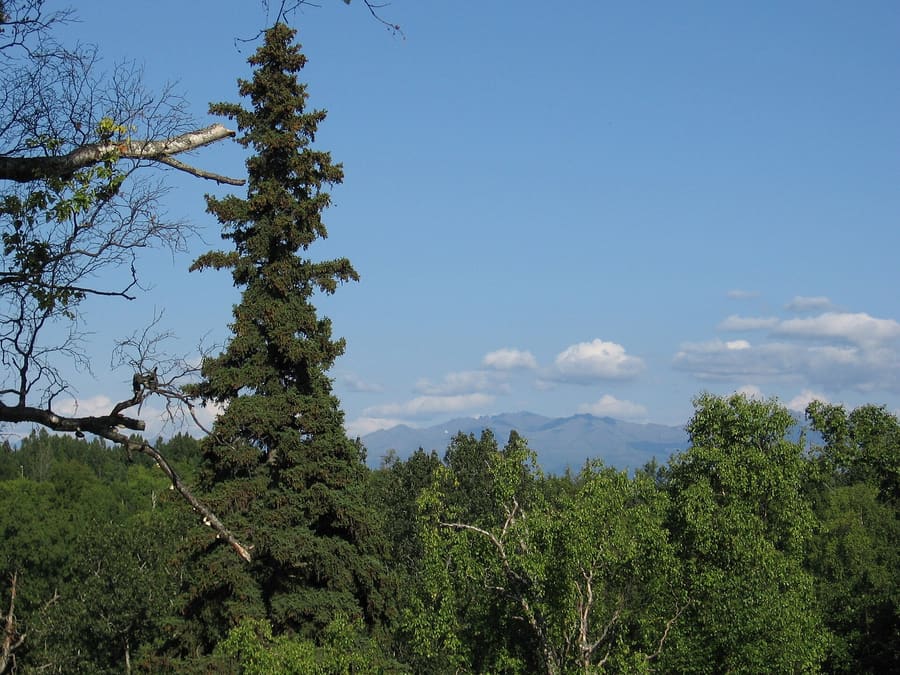
landmark
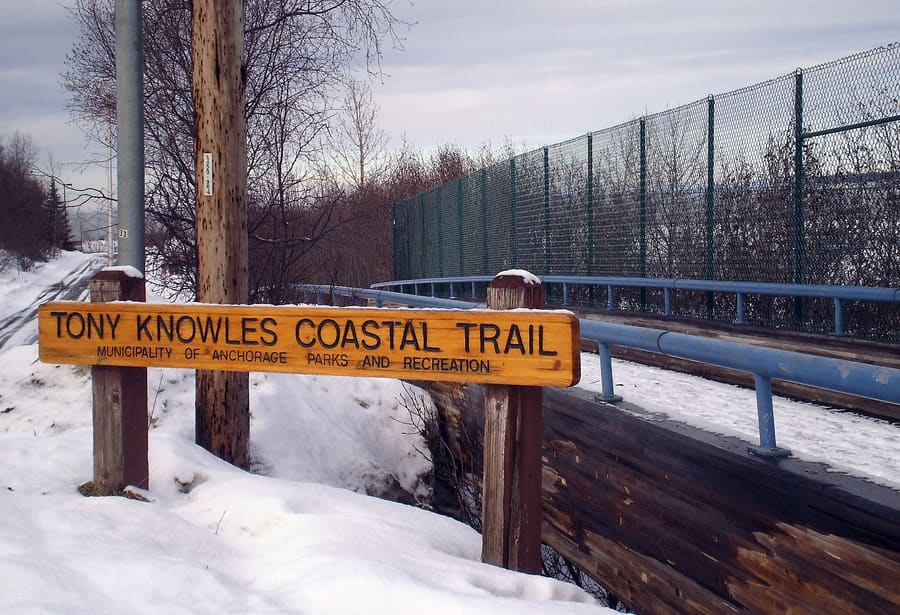
Paved 11-mile trail tracking the Cook Inlet shore. Rent a bike at 5th Avenue to cover the full length to Kincaid Park.
Pregunta a Parley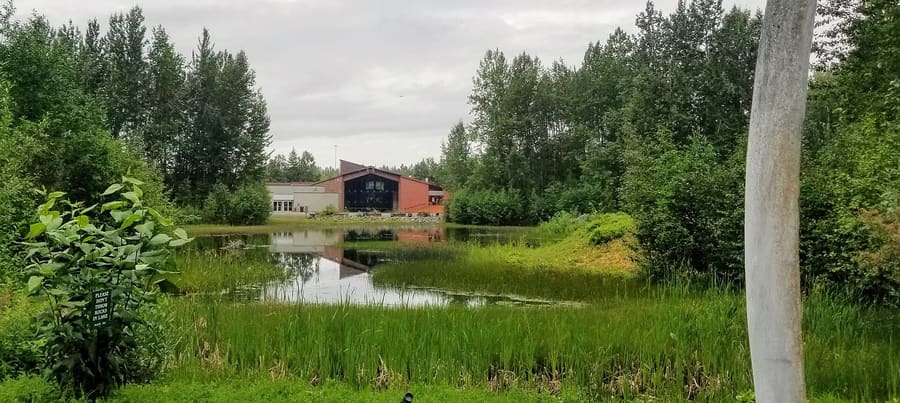
landmark
Life-sized indigenous dwellings surrounding a central lake. Take the summer shuttle bus operating from downtown museums.
Pregunta a Parley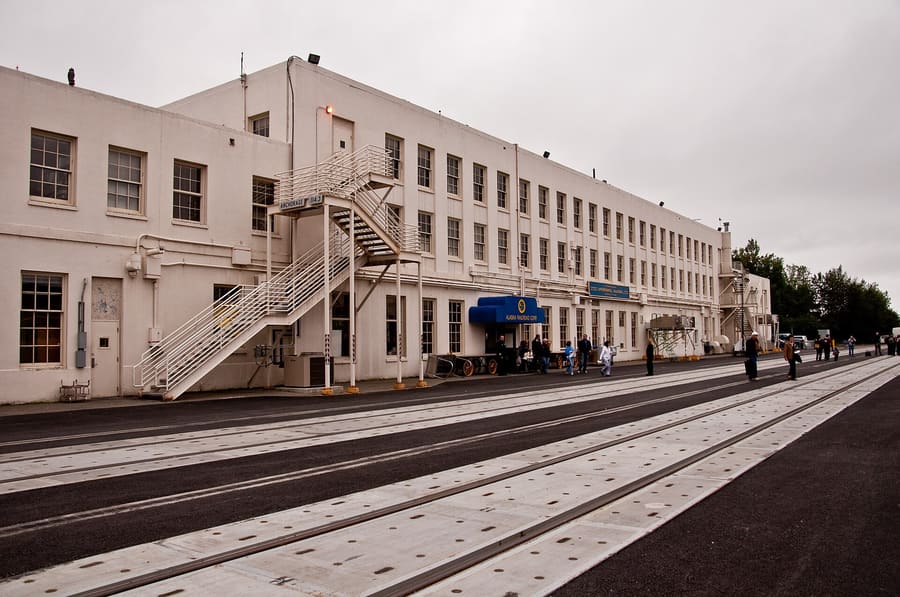
landmark
The hub for Alaska Railroad trains south to Seward and north to Denali. Arrive 45 minutes early for baggage check.
Pregunta a Parley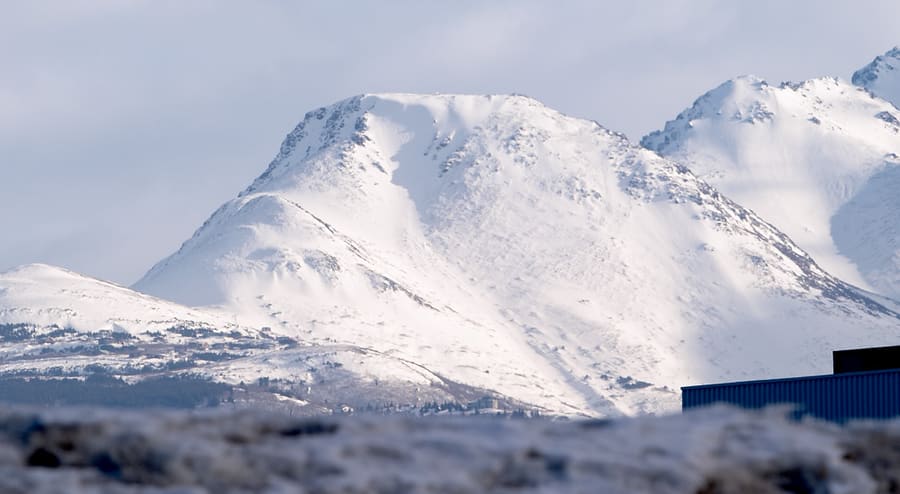
landmark
Alaska's most climbed peak offers panoramic grid views. Bring sturdy boots for the final rocky scramble to the summit.
Pregunta a Parley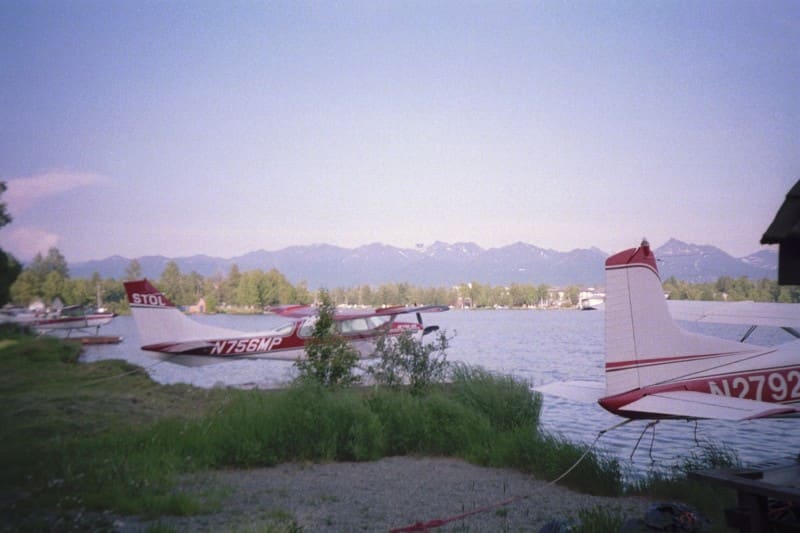
landmark
Continuous floatplane operations on two connected lakes. Watch takeoffs from the public view deck near the shoreline.
Pregunta a Parleyattractions
areas
Grid of souvenir shops, seafood eateries, and trailheads along the inlet.
CercaCoastal Trail, Anchorage Museum, Railroad Depot
Pregunta a ParleyCommercial district dominated by strip malls, craft breweries, and chain hotels.
CercaChugach foothill roads, Seward Highway access
Pregunta a ParleyQuirky lakeside strip known for dive bars, food trucks, and aviation history.
CercaLake Hood, Ted Stevens Airport
Pregunta a ParleyResort valley tucked into rainforest 36 miles south of downtown Anchorage.
CercaAlyeska Resort, Crow Creek Pass
Pregunta a Parleyfood
Anchorage dining revolves around wild Alaska seafood and surprising ethnic enclaves. Wild salmon, halibut, and red king crab dominate downtown menus, where freshness offsets high prices. Immigrant communities along Northern Lights Boulevard have made Thai and Vietnamese staples local comfort staples. Craft breweries supply the city's primary social gathering spaces year-round.
Freshly caught wild salmon and local craft beer dominate Anchorage dining tables.
David Menke · Public domainDowntown street carts sell grilled reindeer sausage wrapped in bacon with grilled onions.
Copper River king and sockeye salmon hit menus in late May with premium price tags.
Kitchens often close by 21:00 or 22:00, even when sunlight lasts well past midnight.
history
Anchorage began in 1915 as a tent city built for the construction of the Alaska Railroad. The city grew rapidly as a military aviation crossroads during World War II and the Cold War. In 1964, a magnitude 9.2 earthquake reshaped the terrain and downtown grid. The discovery of oil at Prudhoe Bay in 1968 turned Anchorage into the administrative and financial hub for Alaska's resource economy.
Railroad Tent City
Engineers lay out a townsite at Ship Creek to build the federal Alaska Railroad line.
Military Expansion
Fort Richardson and Elmendorf Air Force Base establish Anchorage as an Arctic military stronghold.
Good Friday Earthquake
The most powerful recorded earthquake in North America strikes, re-leveling entire coastal neighborhoods.
Prudhoe Bay Discovery
North Slope oil wealth fuels massive commercial, infrastructure, and suburban growth in Anchorage.
where to stay
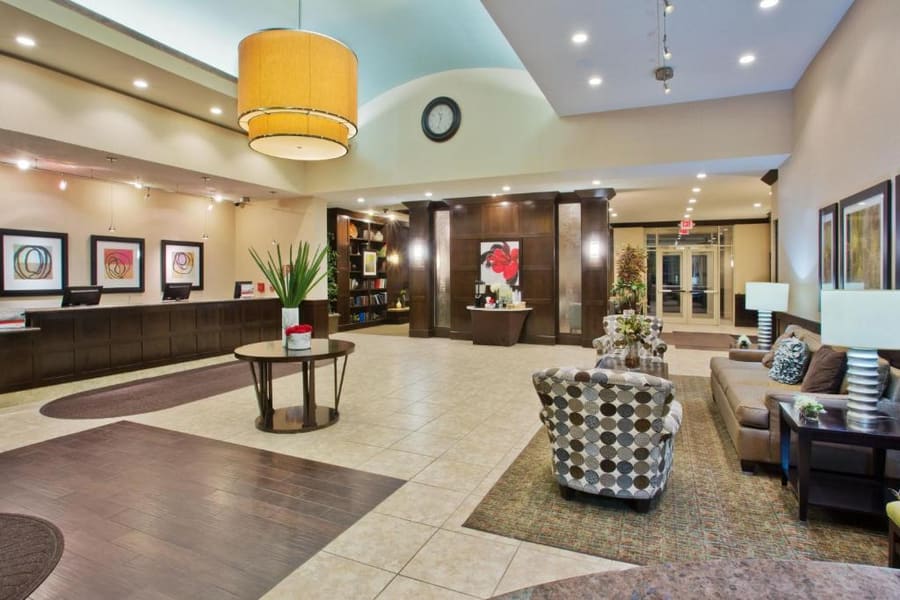
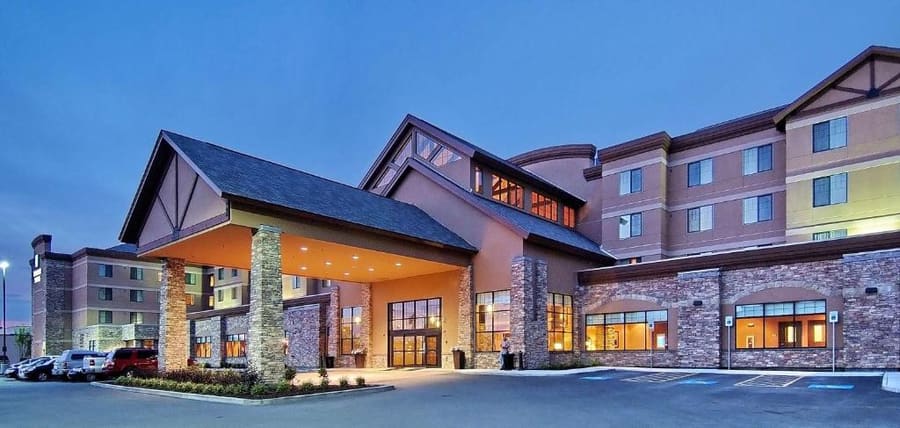
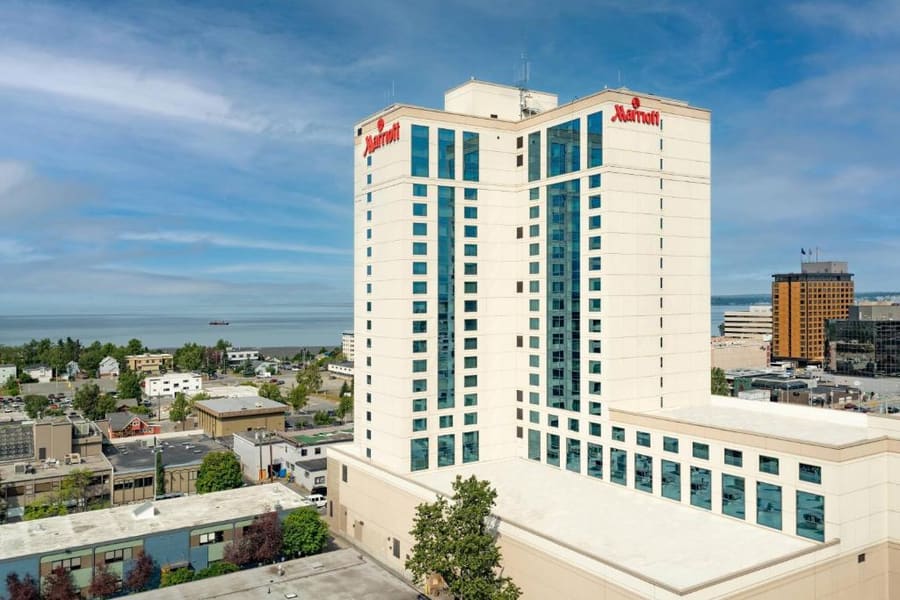
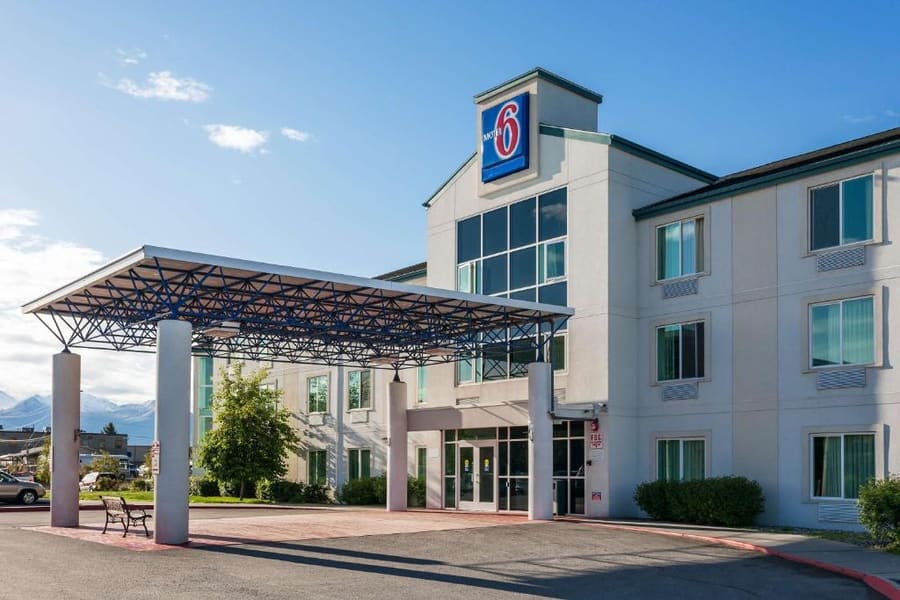
Choose your base according to whether you rely on public transit or rent a car. Downtown puts dining, the railroad depot, and the Coastal Trail within walking distance. Midtown offers newer mid-range hotels with ample parking and highway access. Spenard suits early flights and budget stays, while Girdwood offers alpine resort lodging outside the urban grid.
Live rates, matched to the areas above.
transport
Anchorage is sprawling and built for motor vehicles. While downtown is compact enough to explore on foot, reaching trailheads, Midtown, or Girdwood requires driving. The public bus network connects major corridors but runs with limited weekend frequencies.
Desde Ted Stevens Anchorage International Airport (ANC)
People Mover Route 40 runs from terminal to downtown hub every 15-30 min.
Metered taxis queue outside baggage claim on the ground transport level.
Uber and Lyft pickup zone is located outside door 3 at airport lower level.
Day passes cost $5 and cover all city routes including the airport line.
Book rental cars months in advance for June-August. Daily rates can double near departure dates.
Trains to Seward leave at 06:45 daily from May to September from the Downtown Depot.
cost
Anchorage prices reflect Alaska's remote location and short summer tourist window. While Alaska has no state sales tax and Anchorage charges no municipal sales tax, goods and dining carry an Arctic freight premium.
Fresh local catches in downtown seafood restaurants sit at the upper end of menu prices.
Rates triple between winter off-season and peak July summer dates.
Unlimited transit across Anchorage proper for twenty-four hours.
Includes helmet and lock for exploring the Coastal Trail system.
seasonality
JUN – AUG
Endless daylight and warm temperatures near 65°F. Reserve lodging and cars half a year ahead.
SEP – OCT
Fall colors peak in the mountains as summer crowds leave. Trail conditions can get muddy.
NOV – MAR
Snow sports and northern lights viewing dominate. Daylight shrinks to five hours in December.
APR – MAY
Spring thaw brings slush and shoulder pricing. Glaciers and high trails remain snow-covered.
practicalities
Give moose at least fifty feet of distance on trails. Never step between a cow and her calf.
Carry bear spray when hiking Chugach or Kincaid trails, even within city limits.
Anchorage charges no local sales tax. The price on the tag or menu is what you pay.
Midnight sun requires eye shades or black-out curtains for sound sleeping.
Never walk onto the exposed mudflats along the coast; the silt acts like quicksand during incoming tides.