landmark
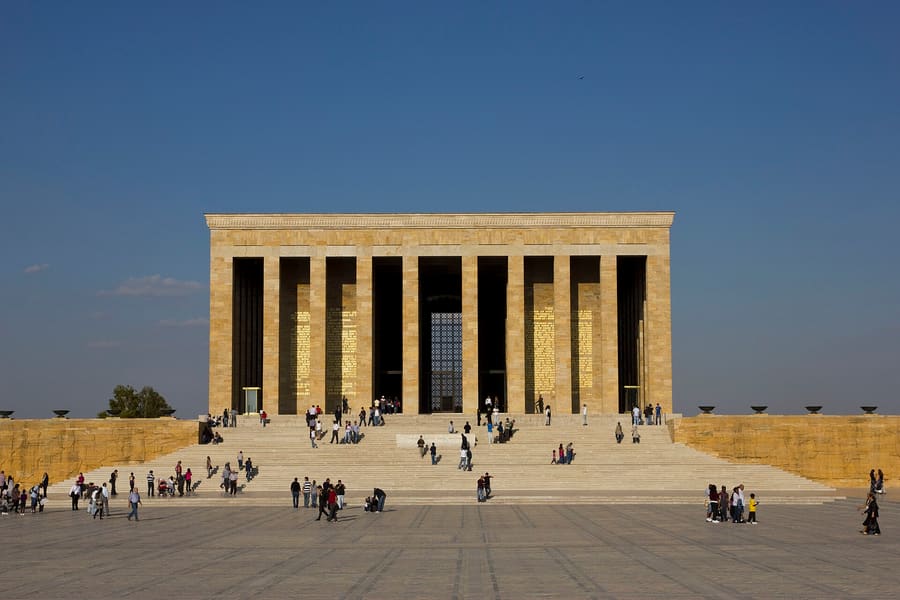
Anıtkabir
The solemn mausoleum of Atatürk. Arrive at opening to beat the crowd and watch the changing of the guard.
Pregunta a ParleyTurquía
The republic’s stark administrative heart and hilltop fort.
introduction
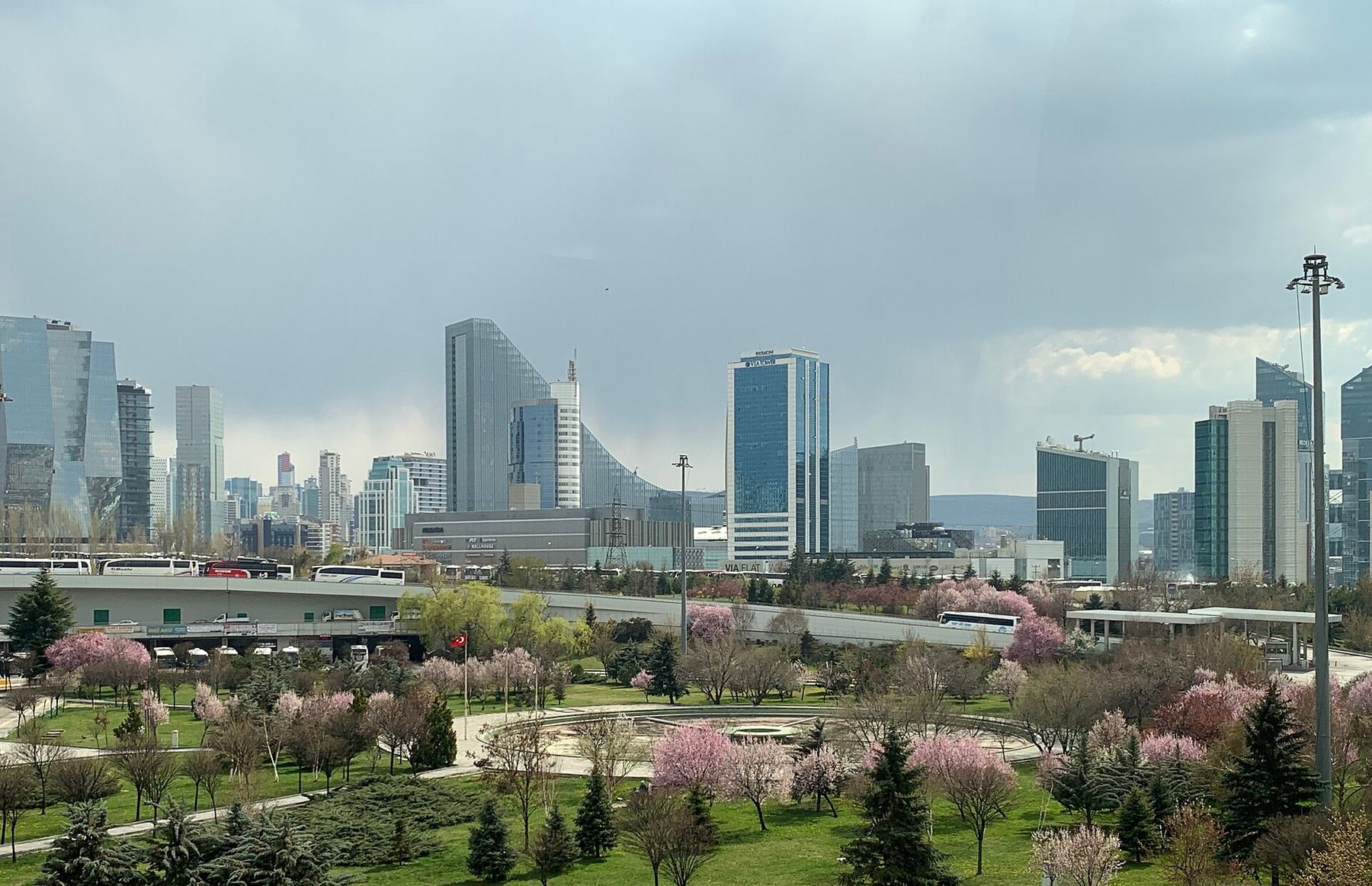
Ankara is a planned capital built beneath an ancient Anatolian citadel. You move between two distinct eras: the steep stone alleyways of the northern castle district and the wide brutalist boulevards of the republican south. The city functions as a working seat of government rather than a postcard backdrop. You come here for world-class Hittite artifacts, heavy Anatolian gastronomy, and modern Turkish political history.
European Museum of the Year
The Museum of Anatolian Civilizations won European Museum of the Year in 1997. It holds the world's premier collection of Hittite and Neolithic artifacts.
Ankarakart vs contactless
Contactless bank cards work on metro turnstiles and buses. You pay a slight surcharge per ride compared to a topped-up physical Ankarakart.
highlights
landmark
The solemn mausoleum of Atatürk. Arrive at opening to beat the crowd and watch the changing of the guard.
Pregunta a Parley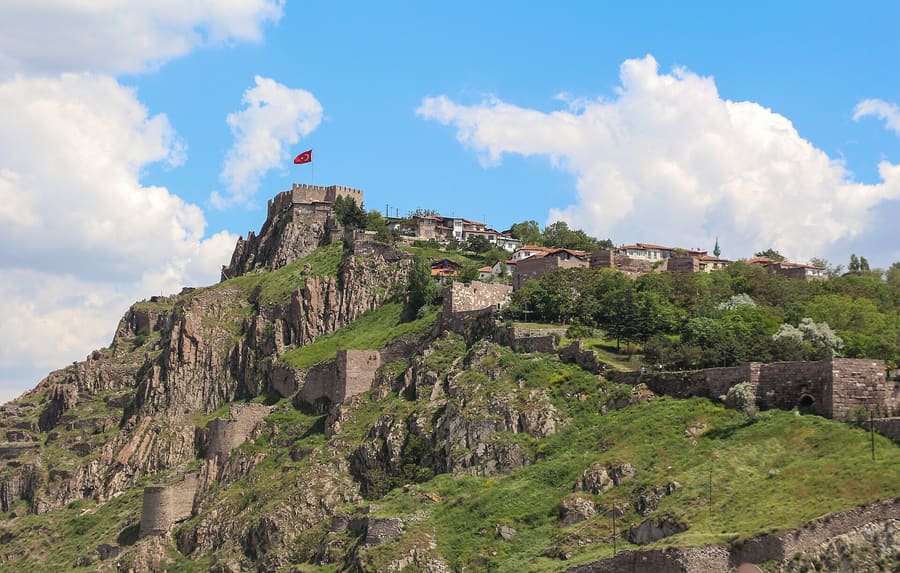
landmark
An ancient fort offering panoramic views of the city. Navigating the steep cobbled lanes requires sturdy footwear.
Pregunta a Parley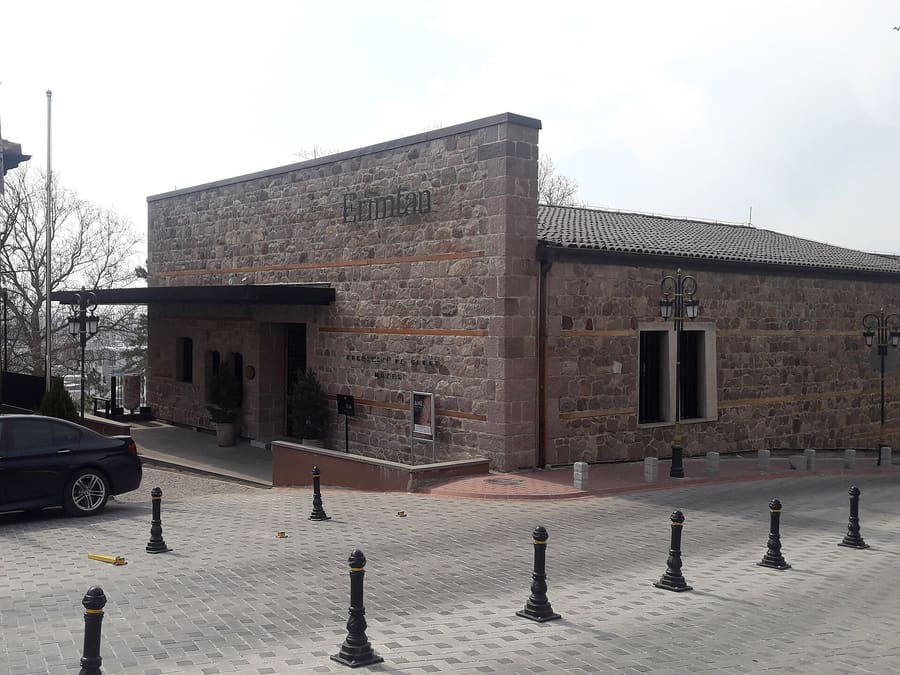
landmark
A modern private museum displaying classical antiquities. It stays quiet even on busy weekend afternoons.
Pregunta a Parley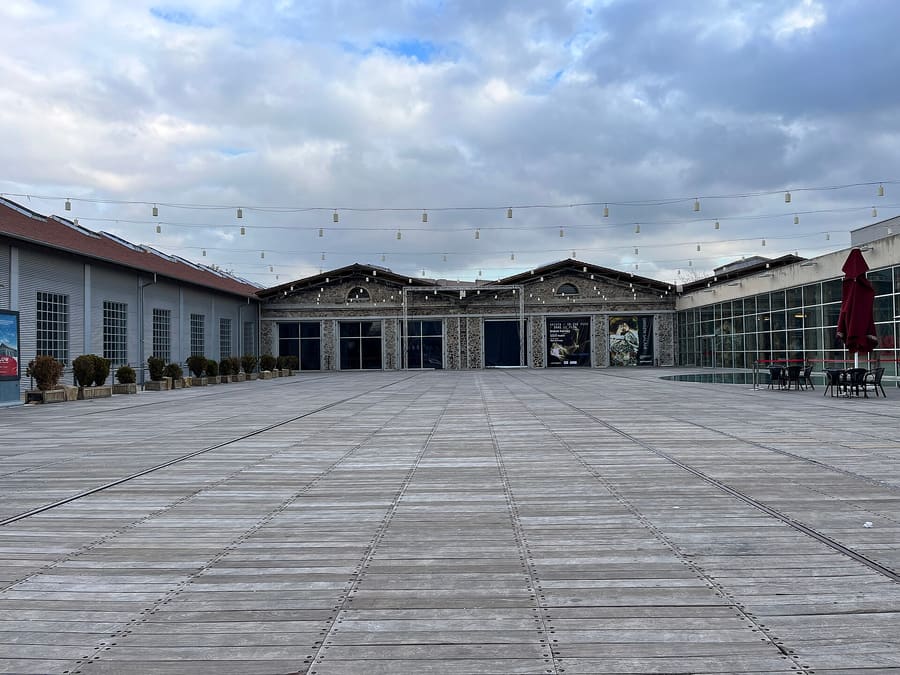
landmark
A contemporary art hub set inside converted 1920s railway sheds. Check their schedule for open-air cinema nights.
Pregunta a Parleyattractions
areas
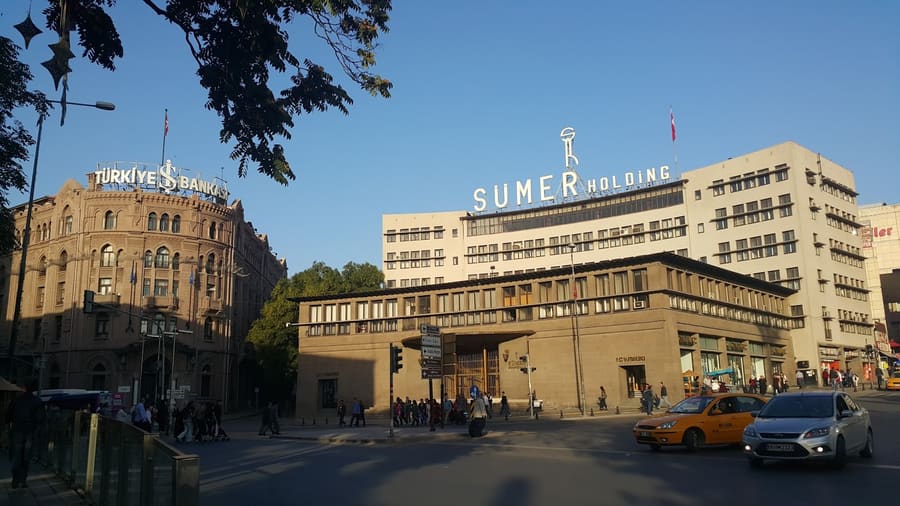
Grand early-republic architecture meets working-class markets and budget eateries.
CercaMuseum of Anatolian Civilizations and First Parliament Building.
Pregunta a Parley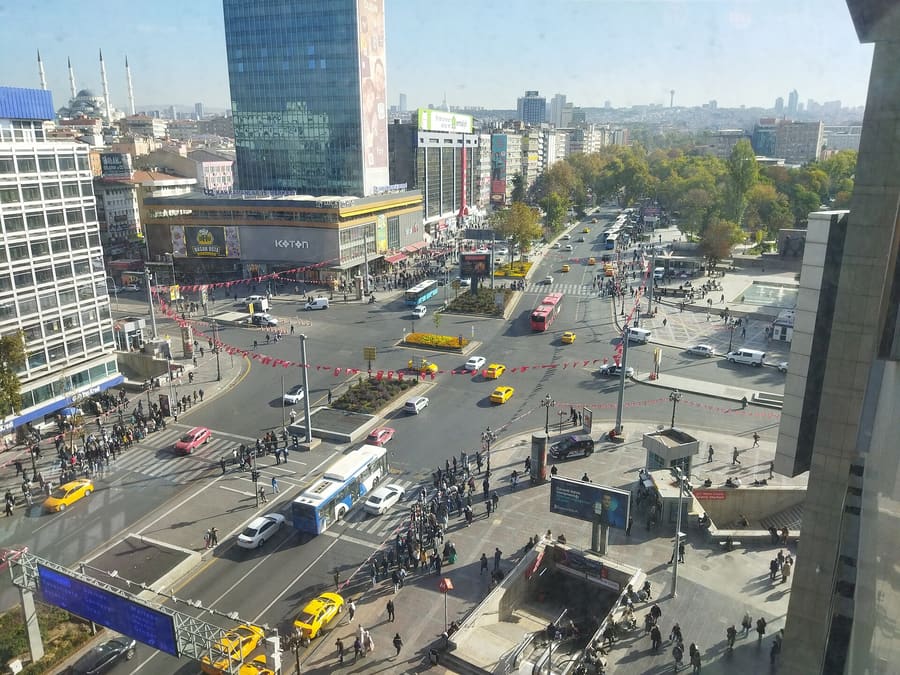
High-density transit hub filled with student cafes, street food counters, and foot traffic.
CercaKocatepe Mosque and Ankaray light rail interchange.
Pregunta a Parley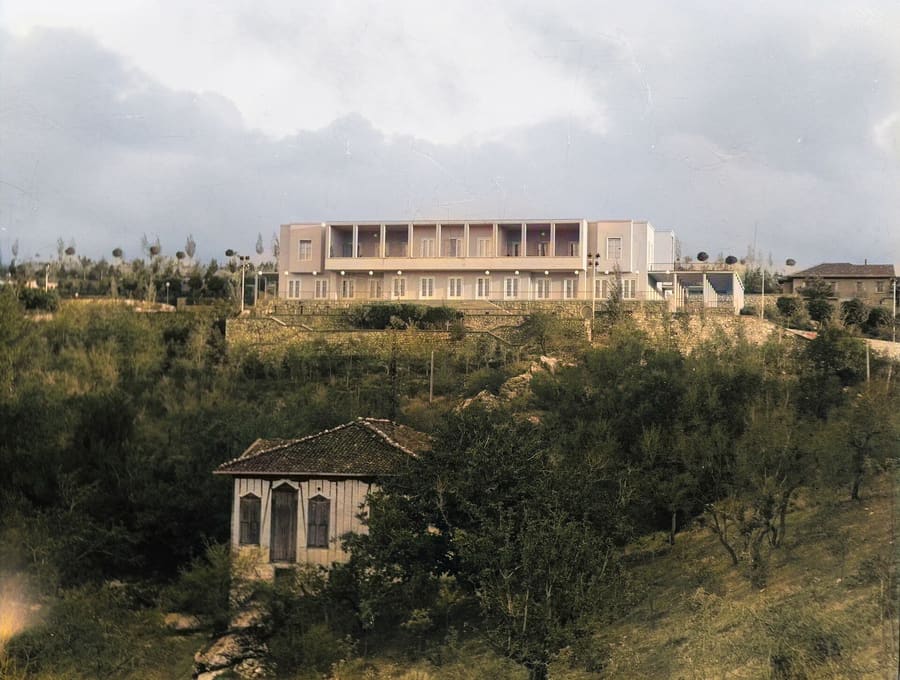
Leafy diplomatic enclave with cocktail bars, upscale bakeries, and quiet avenues.
CercaKuğulu Park and foreign embassies.
Pregunta a Parley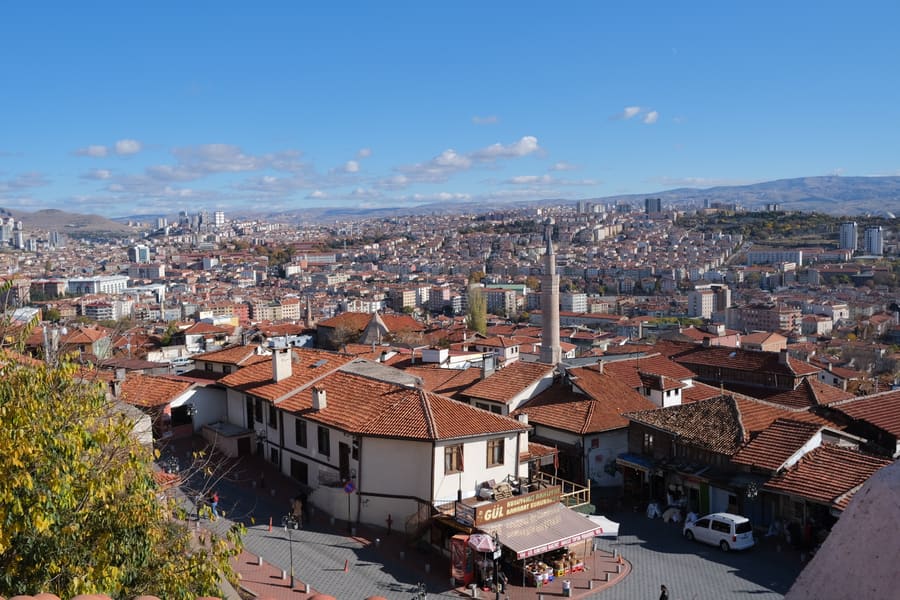
Historic hilltop sector with restored Ottoman timber houses, spice stalls, and antiques.
CercaAnkara Castle and Erimtan Museum.
Pregunta a Parleyfood
Ankara food relies heavily on slow-cooked lamb and central Anatolian wheat. Unlike Istanbul's seafood or Gaziantep's spice-heavy cuisine, local cooks emphasize onion, butter, and black pepper. Döner here is made with thin-sliced beef and lamb marinated in milk and onion juice, cooked over oak charcoal without heavy sauce toppings.
Seek out specialist döner shops in Ulus before 14:00. The highest quality spits sell out early in the afternoon.
Order Ankara Tava at traditional restaurants near the citadel. It consists of tender roasted lamb served over buttery baked orzo.
Pick up these hard, butter-baked biscuits at bakeries. Locals dip them directly into hot black tea to soften the crunch.
history
Ankara transformed from a provincial Anatolian town into a planned modern capital in 1923. Mustafa Kemal Atatürk chose it for its central inland location and defensible hilltop fort. Modern planners laid out broad avenues in the southern districts while leaving the ancient northern citadel intact.
Galatian Capital
Ancyra becomes the regional stronghold of the Tectosages, a Celtic tribe settling in central Anatolia.
Roman Rule
The city incorporates into the Roman Empire, leaving behind the Temple of Augustus and Roman Baths.
Declared Capital
Mustafa Kemal Atatürk officially establishes Ankara as the legal capital of the new Republic of Turkey.
Completion of Anıtkabir
Atatürk's remains are transferred to the newly finished modernist mausoleum dominating the city skyline.
where to stay
Choose your neighborhood by your evening priorities. Stay in Ulus or Kale if you want historic sites on your doorstep at budget rates. Stay in Çankaya or Tunalı Hilmi if you prefer fine dining, cocktail spots, and leafy residential streets.
transport
Ankara uses a combination of metro lines, light rail, and express buses. The system centers on Kızılay, where lines M1, M2, and M4 intersect with the Ankaray light rail line, while line M3 operates further west between Batıkent and OSB-Törekent.
Ankaray light rail runs east-west while the M1-M4 lines run north-south. Kızılay is the primary transfer hub.
Buy a rechargeable Ankarakart at station kiosks for lowest fares. Contactless credit cards work at turnstiles for a small premium.
Ankara Gar connects to Istanbul in 4.5 hours and Konya in 1.5 hours via fast YHT train services.
Ankaray light rail terminates inside AŞTİ terminal, allowing easy transfers to long-distance intercity buses.
cost
Ankara is noticeably more affordable for food and lodging than Istanbul. Civil service offices and university populations keep daily dining costs competitive.
seasonality
MAR – MAY
Mild spring temperatures ideal for walking the citadel. Pack layers for cool Anatolian evenings.
JUN – AUG
Hot, dry summers exceeding 32°C. The city thins out slightly as universities close for summer break.
SEP – NOV
Crisp autumn weather and clear skies. Perfect conditions for outdoor sightseeing and museum visits.
DEC – FEB
Cold winters with periodic snowfall and freezing temperatures. Pack heavy coats and sturdy footwear.
practicalities
Anıtkabir requires quiet, respectful behavior. Modest clothing covering shoulders and knees is expected at mosques.
The cobblestone streets inside the Kale sector are steep and slick when wet. Wear shoes with reliable traction.
Small craft vendors in the Coppersmiths Market (Bakırcılar Çarşısı) prefer cash payments in Turkish Lira.
Tap water in Ankara is chlorinated and safe for washing, but locals rely on bottled water for drinking.