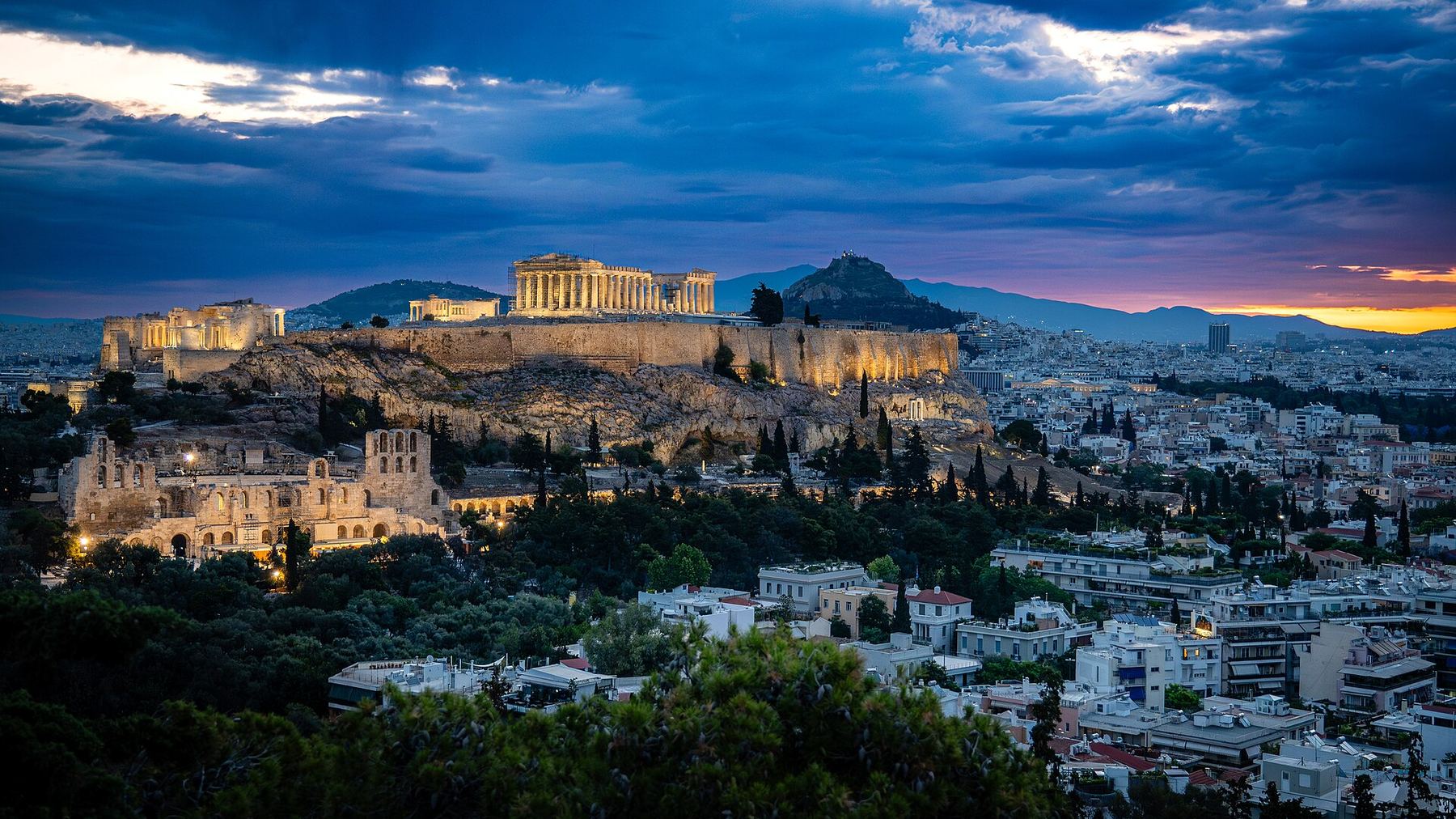
landmark
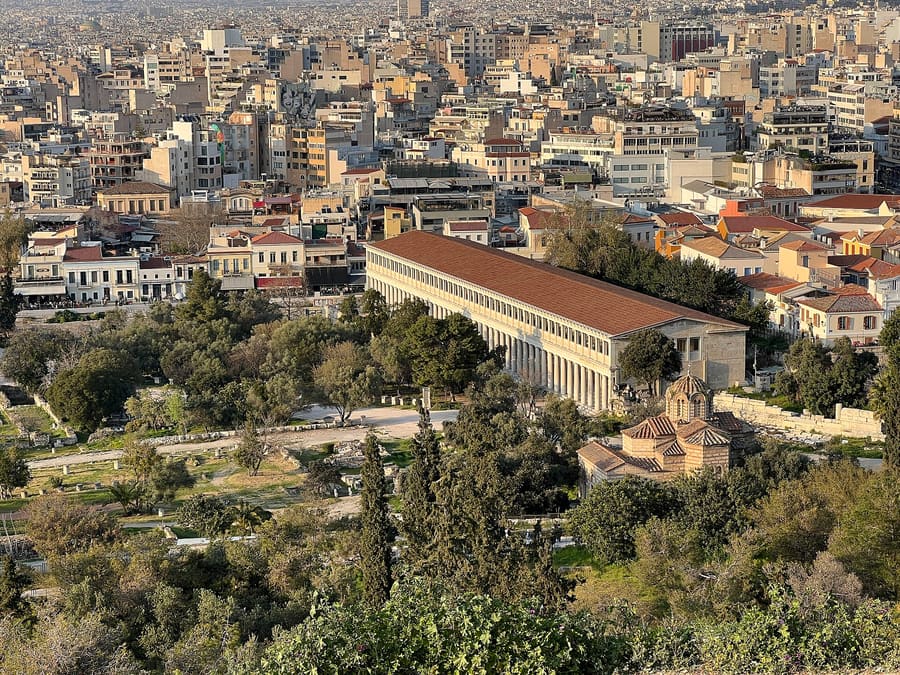
Ancient Agora
The civic heart of ancient classical Athens. Contains the remarkably preserved 5th-century BCE Temple of Hephaestus.
Pregunta a ParleyGrecia
Concrete, ancient marble, and relentless late-night energy.
introduction
Athens is a dense, high-tempo city where ancient ruins sit directly inside everyday neighbourhoods. You navigate it mostly on foot, crossing from concrete blocks to 2,500-year-old marble within minutes. Expect noise, heavy summer heat, and a culinary scene that runs deep into the night. It rewards targeted exploration rather than aimless wandering.
Airport train strategy
Buy the €9 airport metro ticket at the station machines. It grants a 90-minute transfer across the entire urban transit network.
Acropolis UNESCO status
The Acropolis gained UNESCO World Heritage status in 1987. Entry requires a time-slotted ticket reserved online in advance.
Acropolis timed tickets
Book the 08:00 slot for the Acropolis. You enter before tour buses arrive at 09:30.
Athens
Dimorsitanos · CC BY-SA 3.0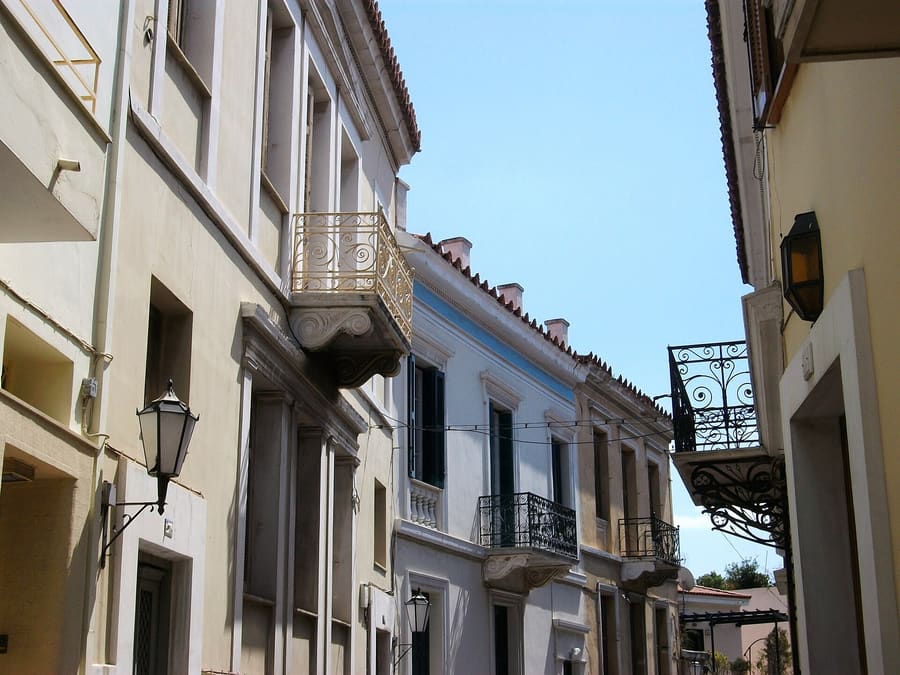
Plaka — Historic pedestrian core under the Acropolis, lined with neoclassical facades and narrow alleys.
Joanbanjo · CC BY-SA 3.0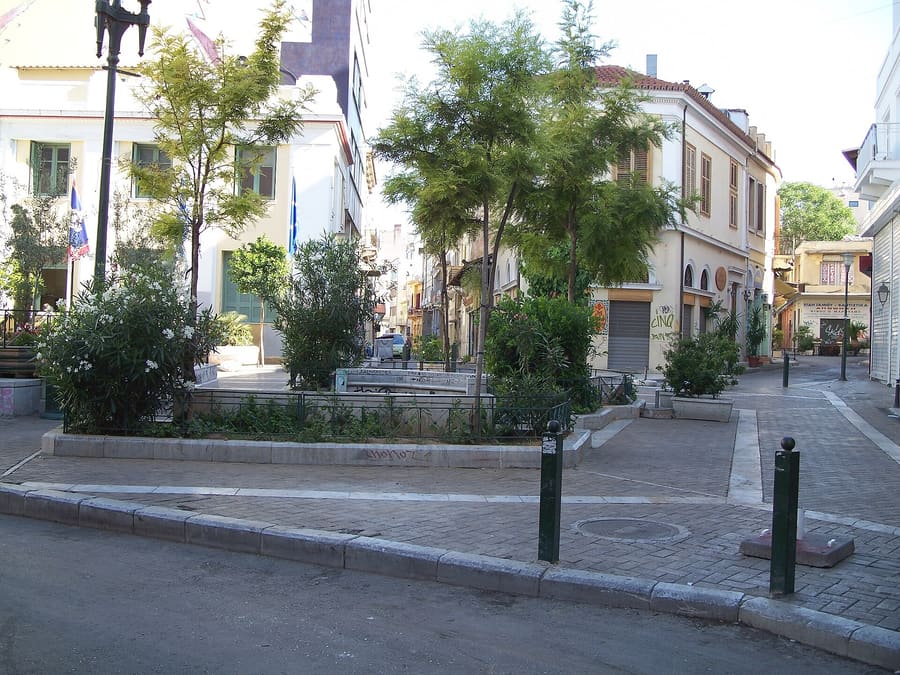
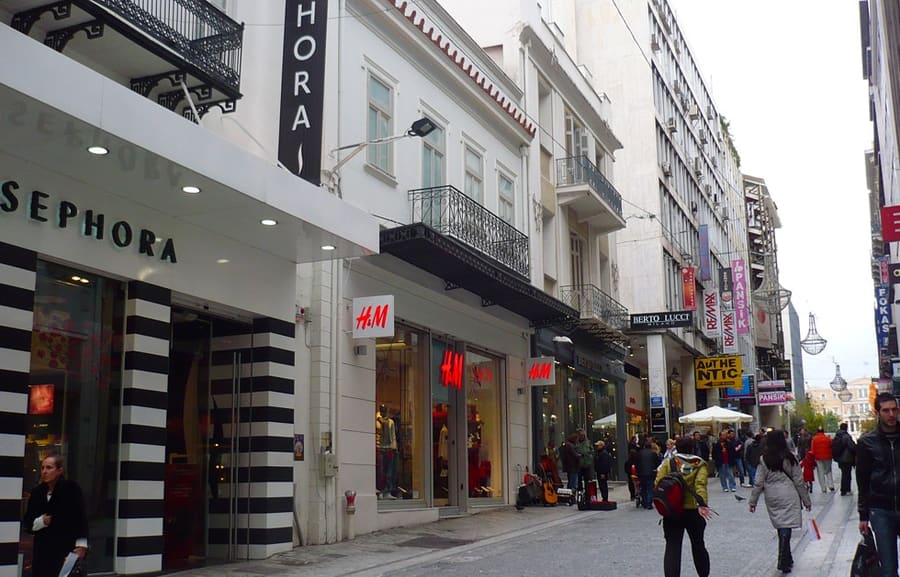
Psyri — Former light-industrial quarter now filled with artisan workshops, cocktail bars, and mezedopoleia.
Badseed · CC BY-SA 3.0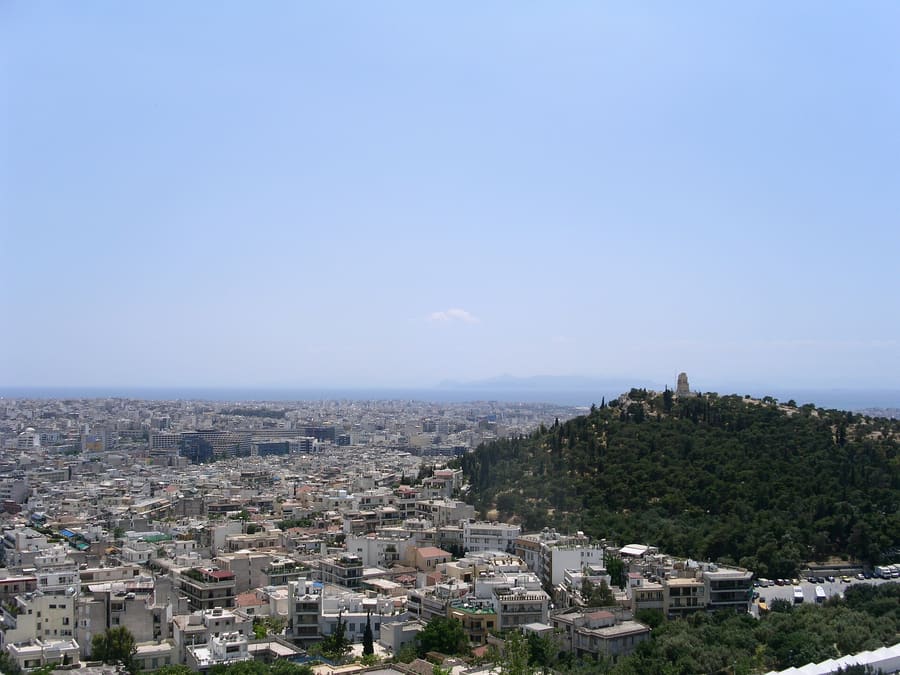
Koukaki — Residential district south of the Acropolis with pedestrian promenades, wine bars, and local tavernas.
Public domain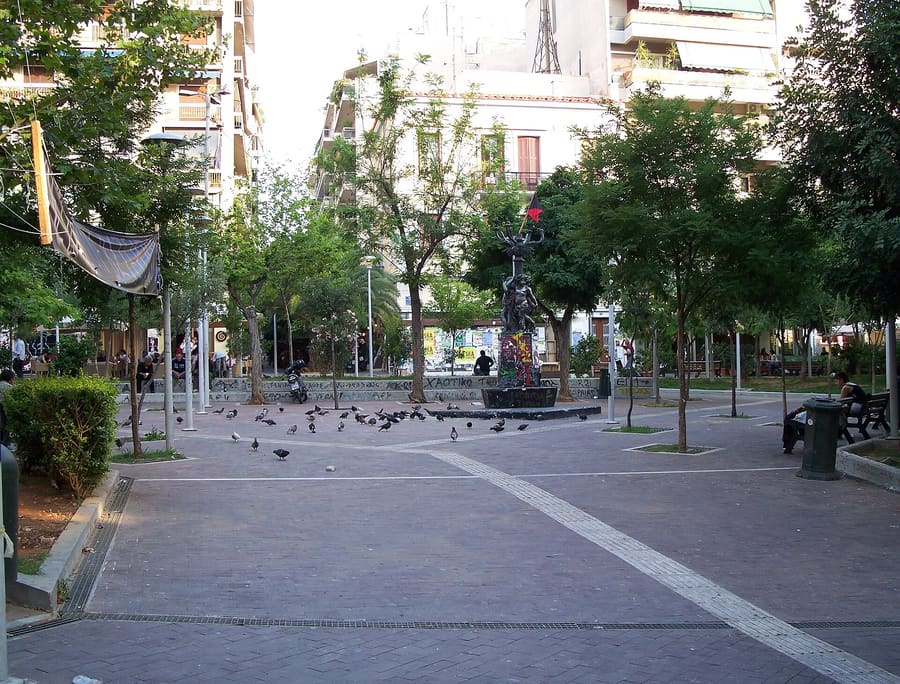
Exarcheia — Uncompromising political quarter home to vinyl shops, anarchist collectives, street art, and cheap eats.
Badseed · CC BY-SA 3.0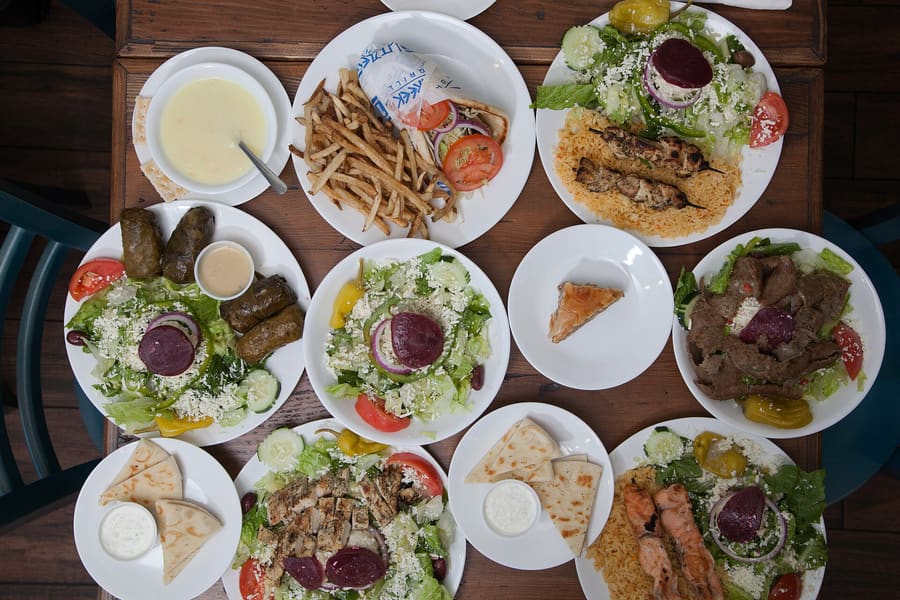
A classic taverna spread featuring small plates, char-grilled meats, and cold beverages.
LIttleGreekFreshGrill · CC BY-SA 4.0highlights
landmark
The civic heart of ancient classical Athens. Contains the remarkably preserved 5th-century BCE Temple of Hephaestus.
Pregunta a Parley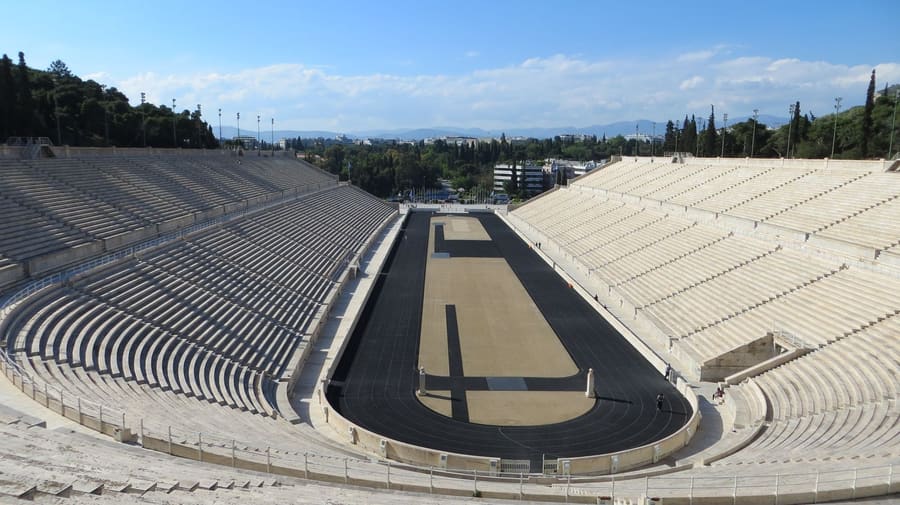
landmark
The only stadium built entirely of marble. Host site of the first modern Olympic Games in 1896.
Pregunta a Parley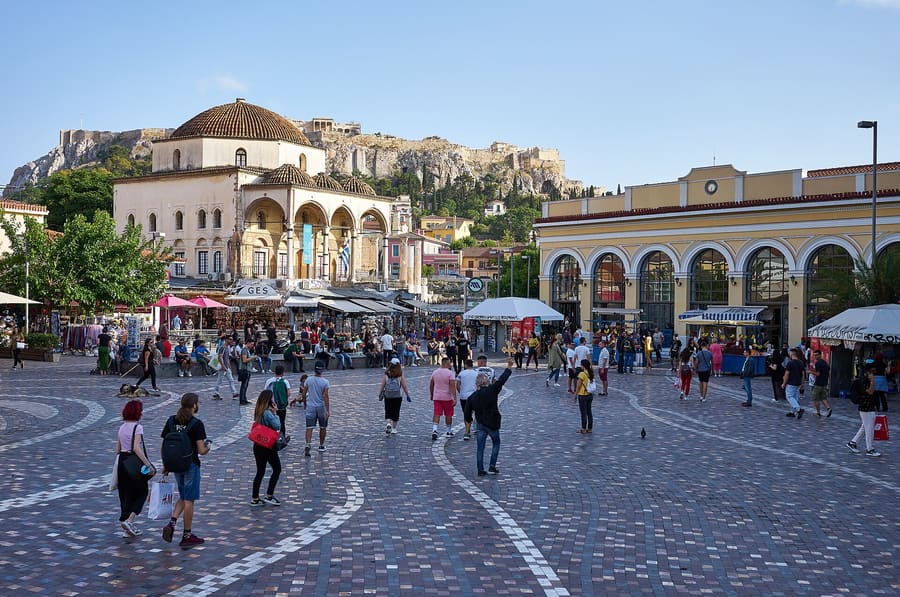
landmark
Dense market square backed by antique shops. Sunday morning is the busiest window for real vintage traders.
Pregunta a Parleyattractions
areas
Historic pedestrian core under the Acropolis, lined with neoclassical facades and narrow alleys.
CercaAcropolis, Ancient Agora, Syntagma
Pregunta a ParleyFormer light-industrial quarter now filled with artisan workshops, cocktail bars, and mezedopoleia.
CercaMonastiraki, Central Market, Ermou
Pregunta a ParleyResidential district south of the Acropolis with pedestrian promenades, wine bars, and local tavernas.
CercaAcropolis Museum, Philopappou Hill
Pregunta a ParleyUncompromising political quarter home to vinyl shops, anarchist collectives, street art, and cheap eats.
CercaNational Archaeological Museum, Strefi Hill
Pregunta a Parleyfood
Athens eats late. Lunch begins around 14:00, while dinner service rarely peaks before 21:30. Street food centers on pork or chicken gyros wrapped in grilled pita with tzatziki, fresh tomato, and red onion. Neighbourhood tavernas rely on char-grilled lamb chops, boiled wild greens named chorta, and baked salt cod.
A classic taverna spread featuring small plates, char-grilled meats, and cold beverages.
LIttleGreekFreshGrill · CC BY-SA 4.0Sit down before 21:00 and you share the room with tourists. Athenians arrive after 21:30 and stay past midnight.
Order a Freddo Espresso or Freddo Cappuccino year-round. Athenians drink cold espresso even in midwinter.
O Kostas near Syntagma Square serves grilled pork skewers wrapped in pita without chips inside. It sells out by 15:00 daily.
history
Athens evolved from a Bronze Age Mycenaean fortress into the dominant classical city-state of antiquity. Centuries of Roman, Byzantine, and Ottoman rule reshaped its urban layout before it became the capital of modern Greece in 1834.
Birth of Democracy
Cleisthenes reforms Athenian politics, establishing direct democracy on the Pnyx hill.
Parthenon Construction
Pericles commissions architect Ictinus and sculptor Phidias to rebuild the Acropolis monuments.
Capital of Greece
Athens becomes the capital of the modern Greek state. Neoclassical architects reshape the town.
Olympic Modernisation
The summer games prompt infrastructure expansion, including the international airport and metro.
where to stay
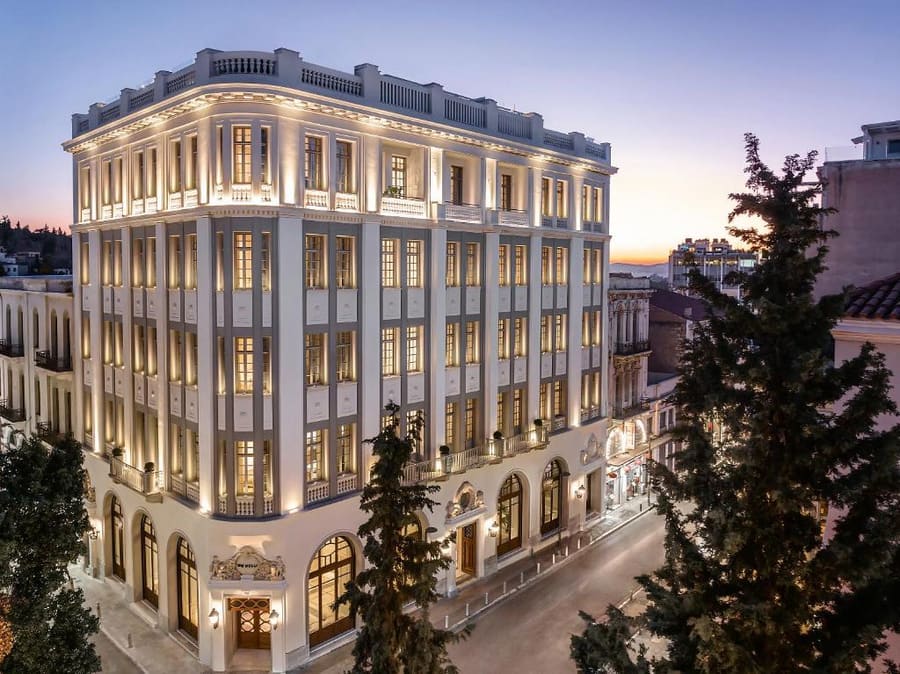
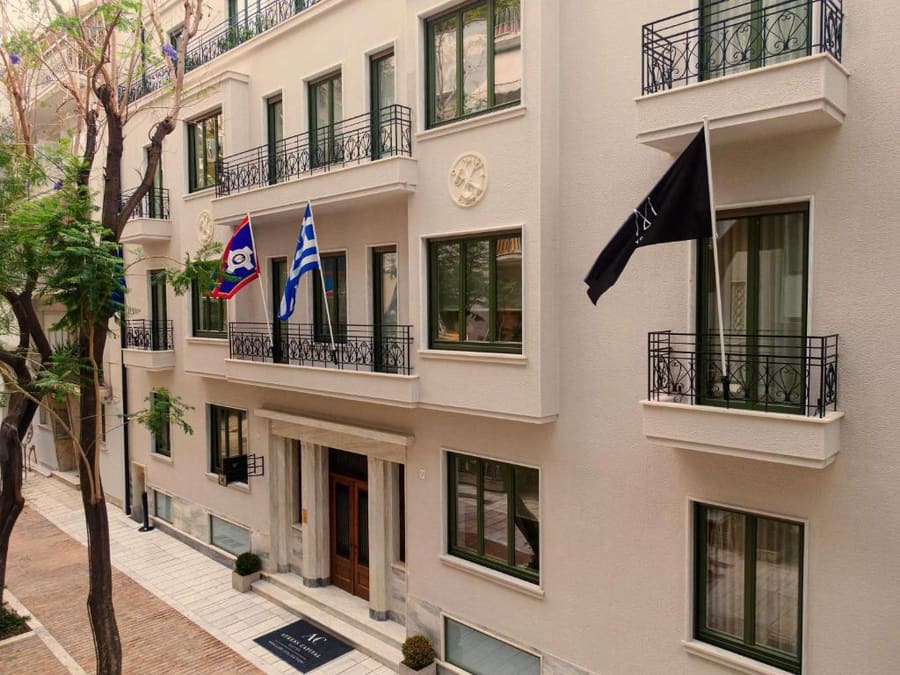
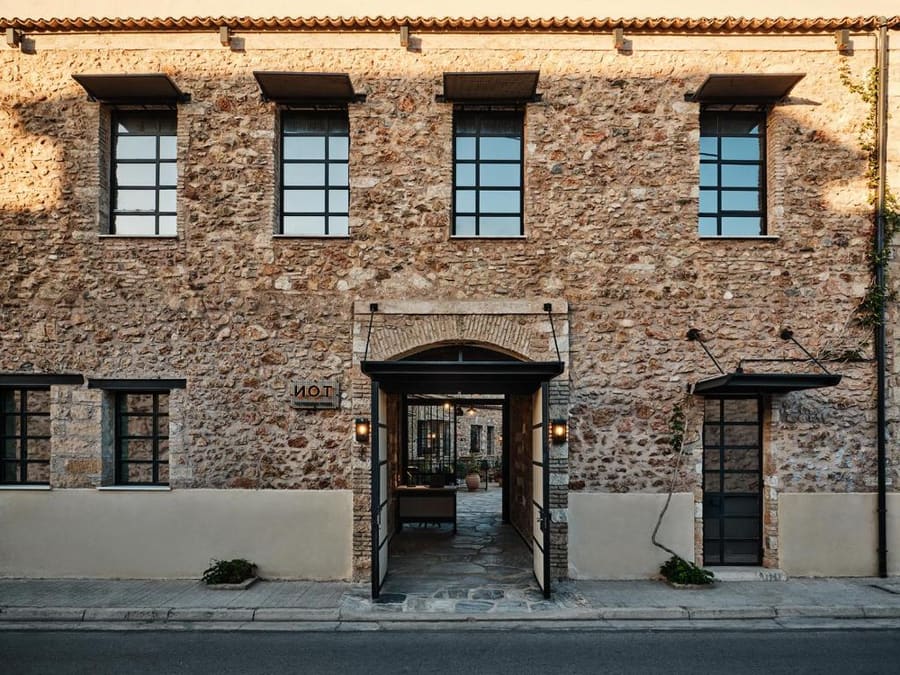
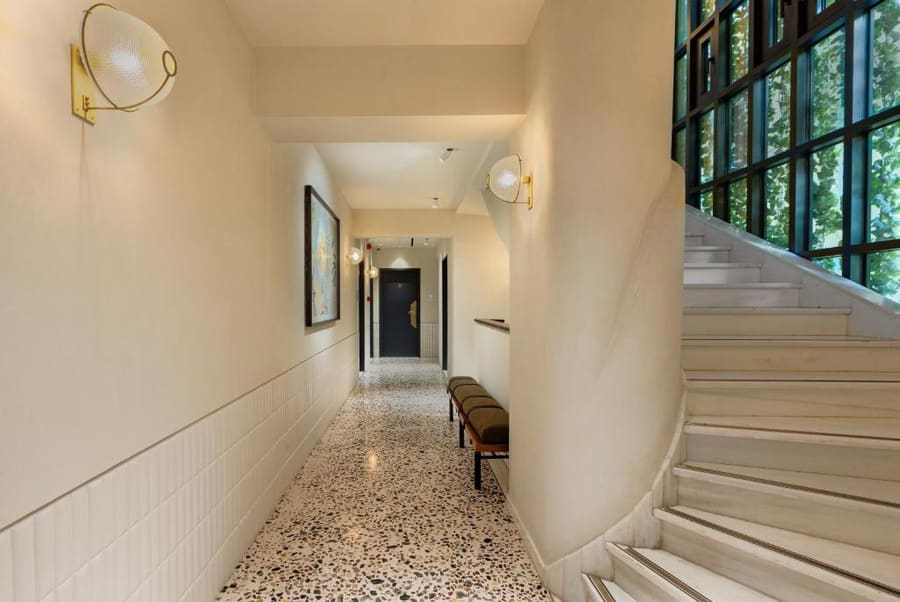
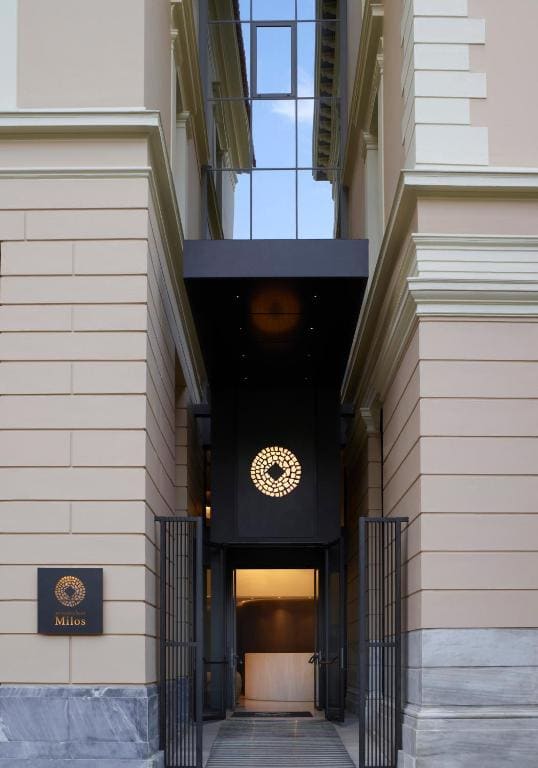
Choose your location based on walkability and noise tolerance. Plaka puts you steps from major sites but charges a premium. Psyri offers direct access to night venues. Koukaki provides a quiet neighbourhood feel just south of the Acropolis.
Live rates, matched to the areas above.
transport
Central Athens is compact and best explored on foot. The three-line metro network handles longer cross-city trips cleanly. Taxis are plentiful and regulated, though road traffic jams the centre during peak hours.
Desde Athens International Airport (ATH)
Metro Line 3 runs every 36 minutes direct to Syntagma and Monastiraki stations.
Express Bus X95 runs 24/7 directly to Syntagma Square outside arrivals.
Flat rate is €40 during daytime (05:00–24:00) and €55 during night hours.
Buy a rechargeable paper Ath.ena Ticket at station machines. Tap in and tap out at metro turnstiles.
Metro lines run from 05:30 to 00:30 on weekdays, with service extended until 02:00 on Friday and Saturday.
Use the FreeNow app to request metered city taxis with clear GPS tracking and card payment options.
cost
Athens remains one of Western Europe's more affordable capitals. Public transit and everyday street food keep daily spending modest, though major museum ticket prices have risen.
A filled pita with grilled meat, tomato, onion, and tzatziki serves as a complete meal.
Takeaway prices sit at the lower end, while seated service on central squares doubles the cost.
Includes house wine, shared mezedes, and a main meat dish at non-tourist neighbourhood spots.
seasonality
MAR – MAY
Mild temperature (18–24°C) ideal for walking hill slopes. Sites remain manageable before summer crowds arrive.
JUN – AUG
Temperatures exceed 38°C. Archaeological sites close midday during heat warnings. Book morning entry early.
SEP – NOV
Warm sea temperatures and pleasant daytime weather (22–27°C). Tourist density drops by late October.
DEC – FEB
Cool weather (10–15°C) with clear blue days. Classical sites offer reduced entry fees from November to March.
practicalities
Classical marble paving stones around Plaka and the Acropolis become slick under foot. Wear rubber-soled shoes.
During summer heatwaves, the Ministry of Culture frequently closes outdoor monuments between 12:00 and 17:00.
Do not flush toilet paper down drainage pipes anywhere in Athens. Use the waste bins beside every toilet.
Keep bags zipped on Metro Line 3 between Monastiraki and the airport, and on crowded Line 1 trains near Omonoia.
The Teleferik funicular to Mount Lycabettus peak runs every 30 minutes from Aristippou street in Kolonaki.