landmark
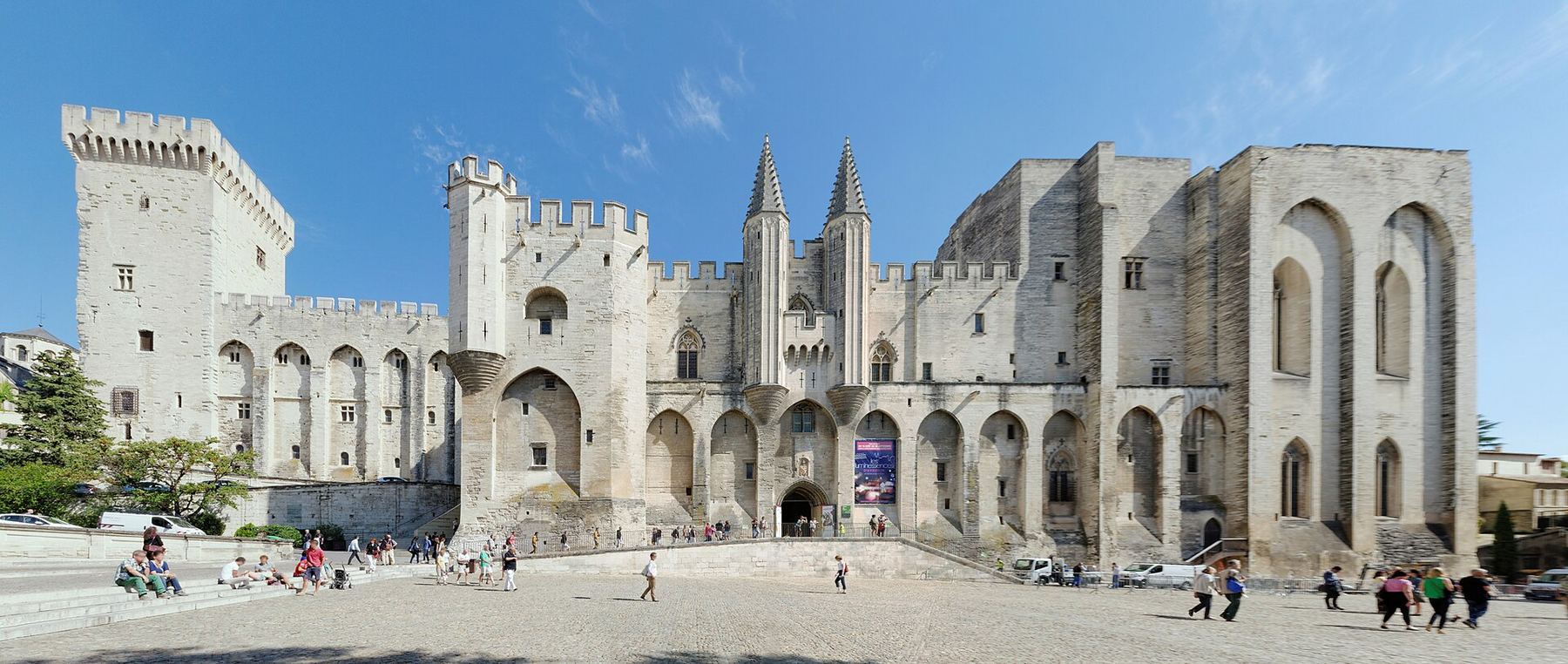
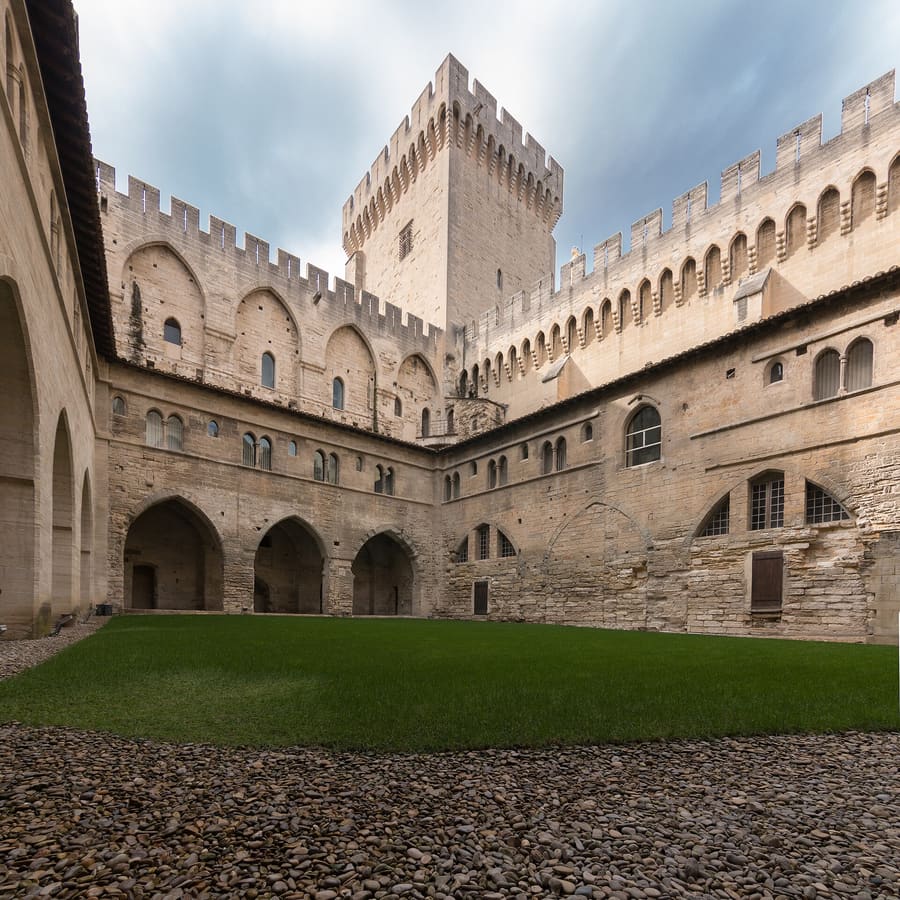
Palais des Papes
The world's largest Gothic palace. Buy the combined ticket online to skip line delays at the door.
Pregunta a ParleyFrancia
The Papal stronghold on the Rhône, inside stone walls.
introduction
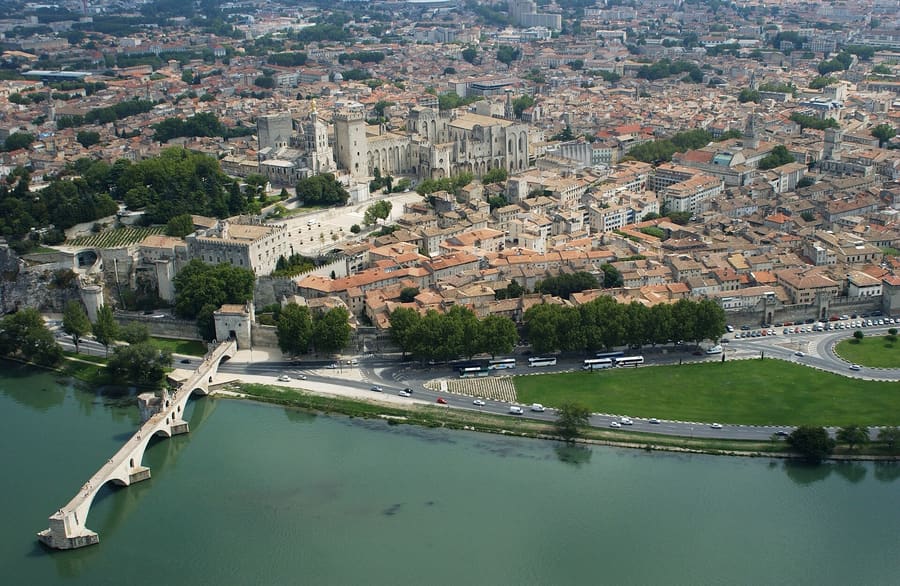
Avignon sits inside intact 14th-century ramparts on the east bank of the Rhône. You can cross the historic core on foot in twenty minutes, but navigating the narrow side alleys takes time. High-speed TGV trains drop you four kilometres south of the center, requiring a quick regional rail transfer. Visit in July for the world-famous theater festival, or pick shoulder months to double your hotel choices.
Arrival trick
TGV trains arrive at Avignon TGV station outside the city walls. Take the five-minute TER shuttle train to Avignon Centre for €2.
World Heritage distinction
UNESCO lists the Papal Palace, episcopal ensemble, and Saint-Bénézet bridge together as a single protected site.
Festival planning
During the July Festival d'Avignon, city population triples and hotel prices double. Reserve rooms six months ahead.
Avignon
OT Avignon · CC BY-SA 4.0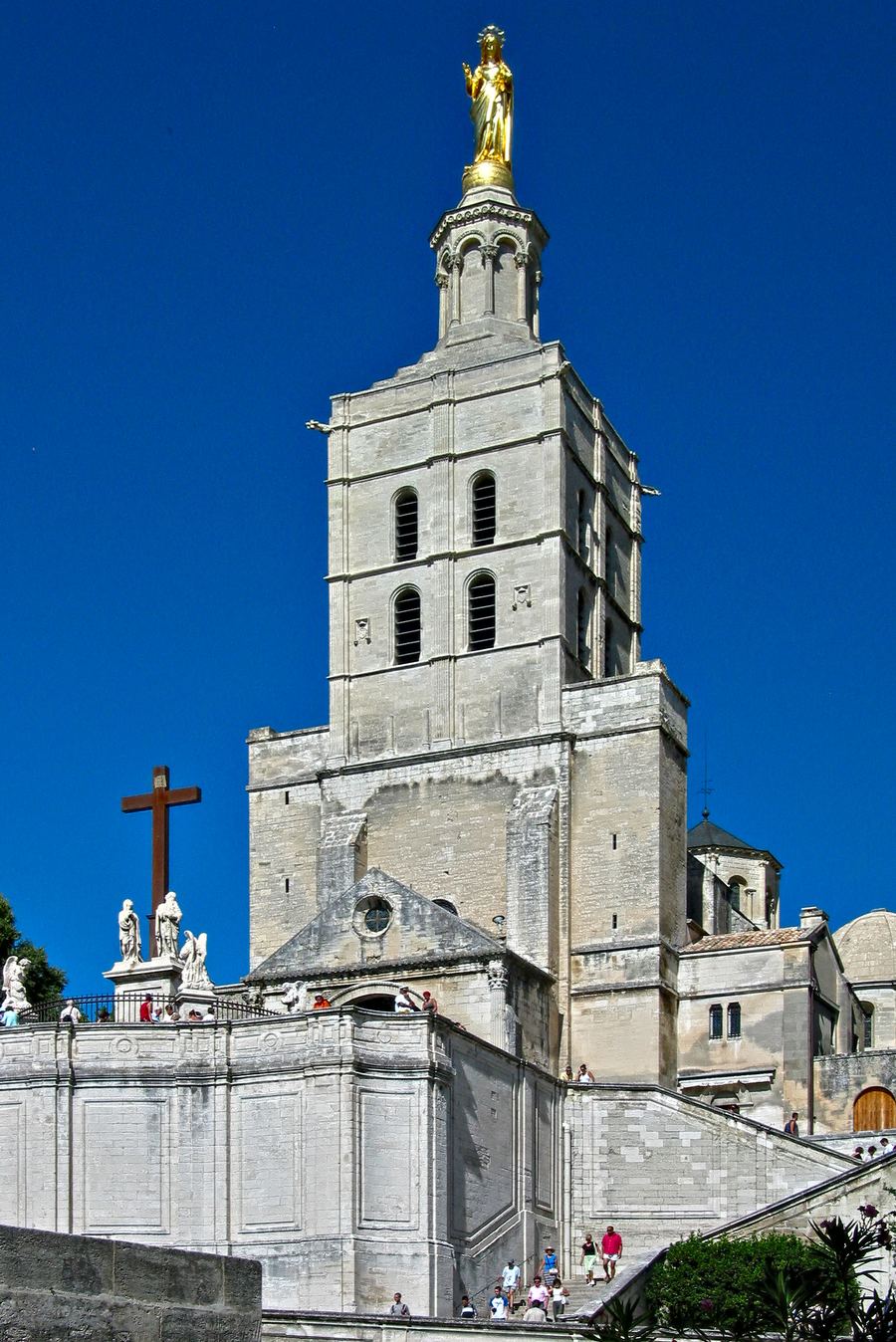
Palais Quarter — Monumental stone architecture, heavy foot traffic, and high-end dining.
Rolf Süssbrich · CC BY-SA 3.0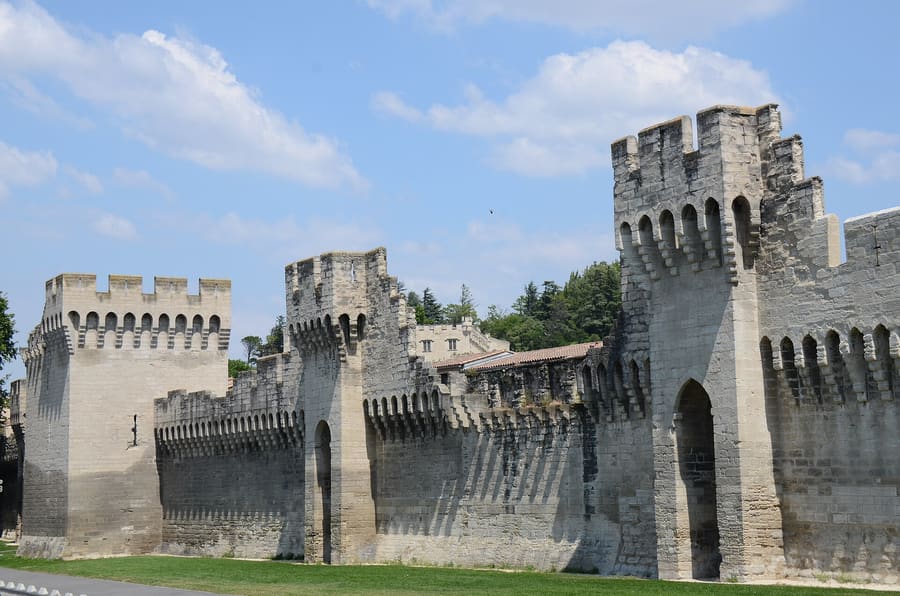
Extra-Muros — Modern residential avenues, transit hubs, and commercial streets.
Henk Monster · CC BY 3.0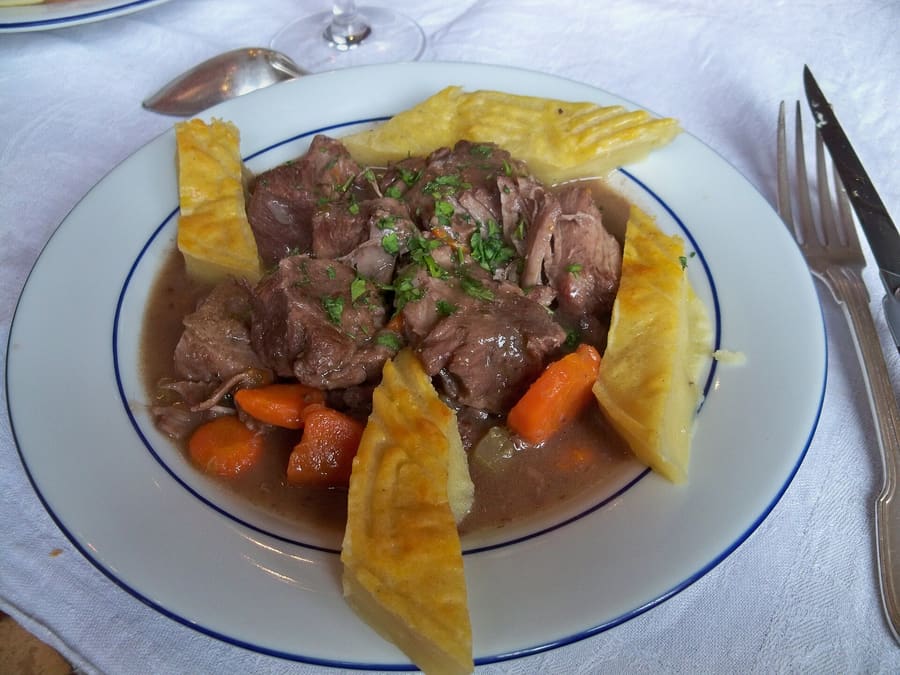
Daube avignonnaise, traditional lamb stew braised with white wine and garlic.
Véronique PAGNIER · CC BY-SA 3.0highlights
landmark
The world's largest Gothic palace. Buy the combined ticket online to skip line delays at the door.
Pregunta a Parley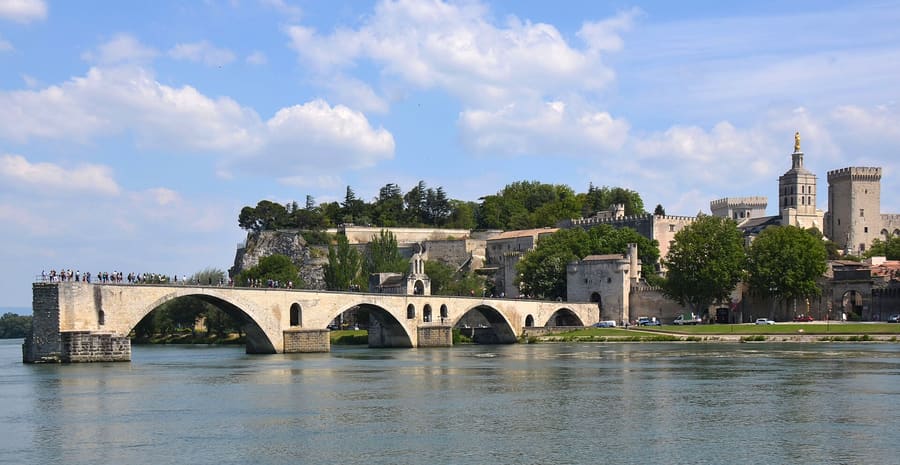
landmark
Four remaining arches of the 12th-century bridge. Access the deck via the visitor entrance on the quay.
Pregunta a Parley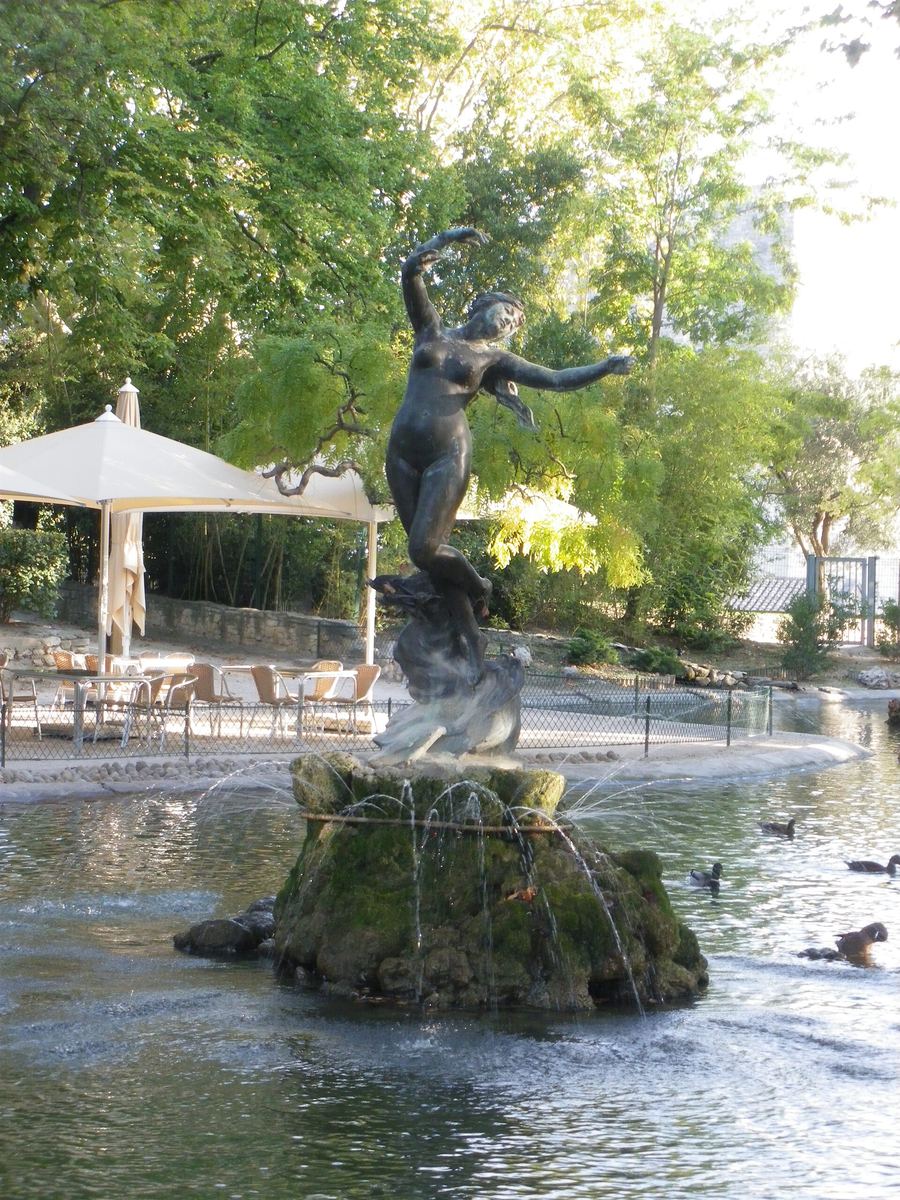
landmark
Hilltop garden sitting directly above the river. It offers unobstructed views of Mont Ventoux and Villeneuve.
Pregunta a Parley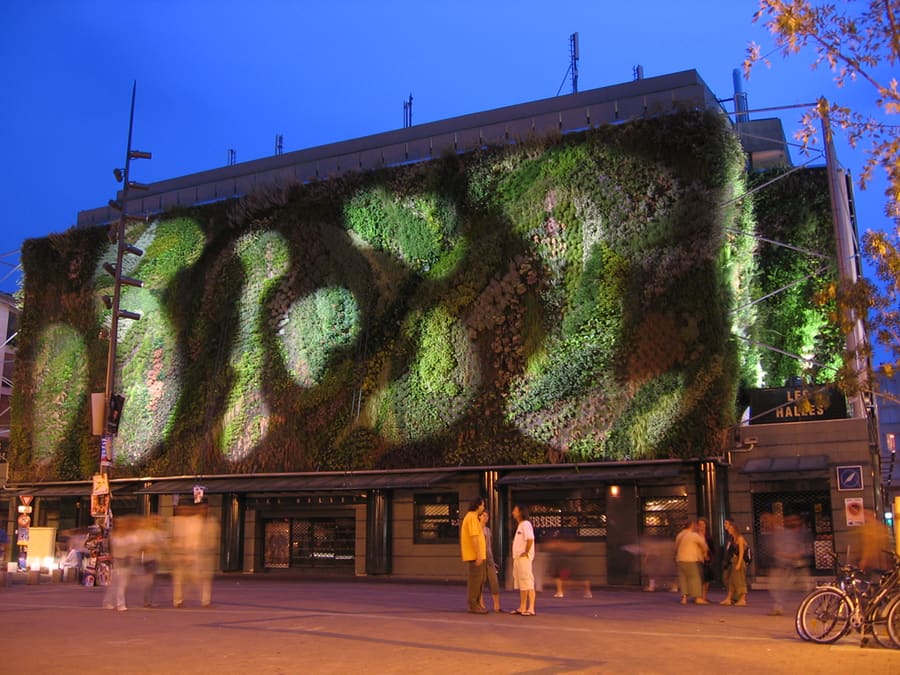
landmark
Indoor food market covered by a massive living plant wall. Eat oysters and local pork charcuterie at the counter bars.
Pregunta a Parley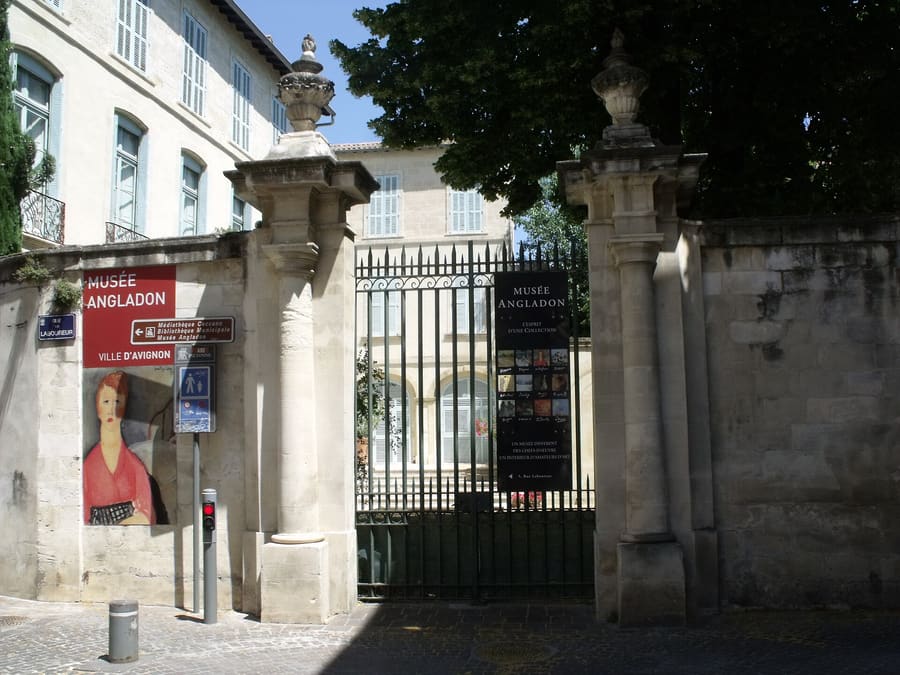
landmark
Former private mansion holding works by Cézanne, Van Gogh, and Degas. It stays far quieter than the Papal Palace.
Pregunta a Parley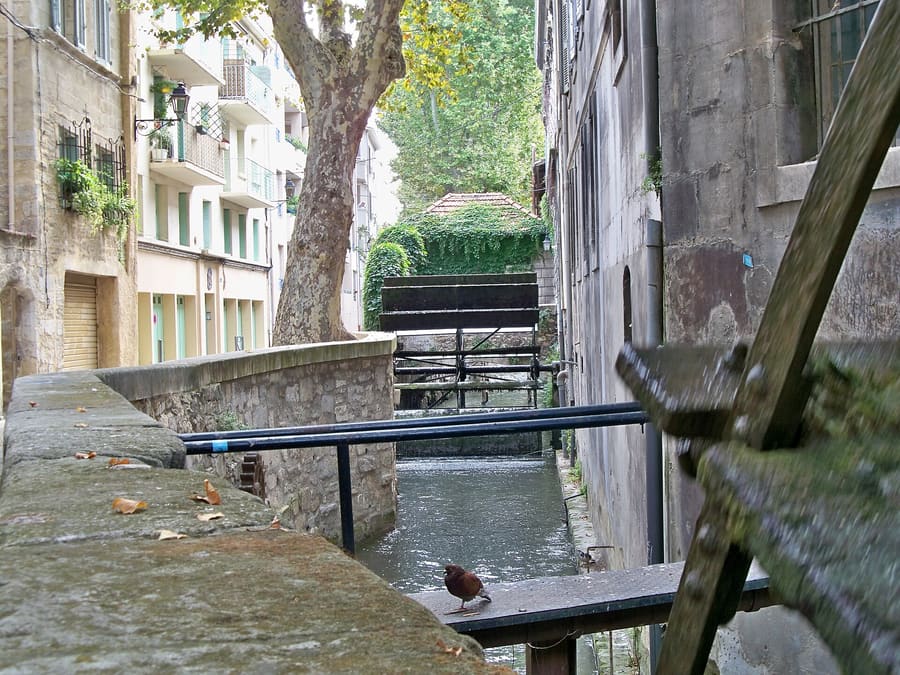
landmark
Cobbled street running along the Sorgue canal with four historic water wheels. Shaded by plane trees and lined with cafes.
Pregunta a Parleyattractions
areas
Monumental stone architecture, heavy foot traffic, and high-end dining.
CercaPalais des Papes, Pont d'Avignon
Pregunta a ParleyModern residential avenues, transit hubs, and commercial streets.
CercaAvignon Centre station, City walls
Pregunta a ParleyWater wheels, leafy shade, independent bars, and quiet residential lanes.
CercaSorgue canal, Ramparts
Pregunta a ParleyMarket stalls, open-air cafes, and active morning trade.
CercaLes Halles market, Rue de la République
Pregunta a Parleyfood
Avignon cooks with olive oil, garlic, and wild herbs rather than northern French butter. Regional cooking centers on daube avignonnaise, a lamb shoulder stew braised in local white wine instead of beef and red wine. Chocolate shops across the historic core sell papalines, pink thistle-shaped confections filled with Orenga d'Avignon herbal liqueur.
Daube avignonnaise, traditional lamb stew braised with white wine and garlic.
Véronique PAGNIER · CC BY-SA 3.0Unlike classic beef daube, Avignon's version uses lamb shoulder marinated in local white wine and garlic.
Eat at the indoor market bars from Tuesday to Sunday, 08:00 to 13:30.
history
In 1309, Pope Clement V moved the Papal court from Rome to Avignon to escape Italian political violence. Seven successive popes ruled from this Provencal stronghold, building immense fortresses and attracting scholars from across Europe. Rome reclaimed the papacy in 1377, leaving Avignon as a papal enclave inside France until the French Revolution.
Papacy arrives
Pope Clement V transfers the papal seat to Avignon, beginning 68 years of papal residency.
Palace construction
Pope Benedict XII begins building the Palais des Papes fortress on top of the Rocher des Doms.
Return to Rome
Pope Gregory XI returns the main papal court to Rome, starting the Great Western Schism.
Annexation by France
Revolutionary France officially annexes Avignon, ending five centuries of papal rule.
where to stay
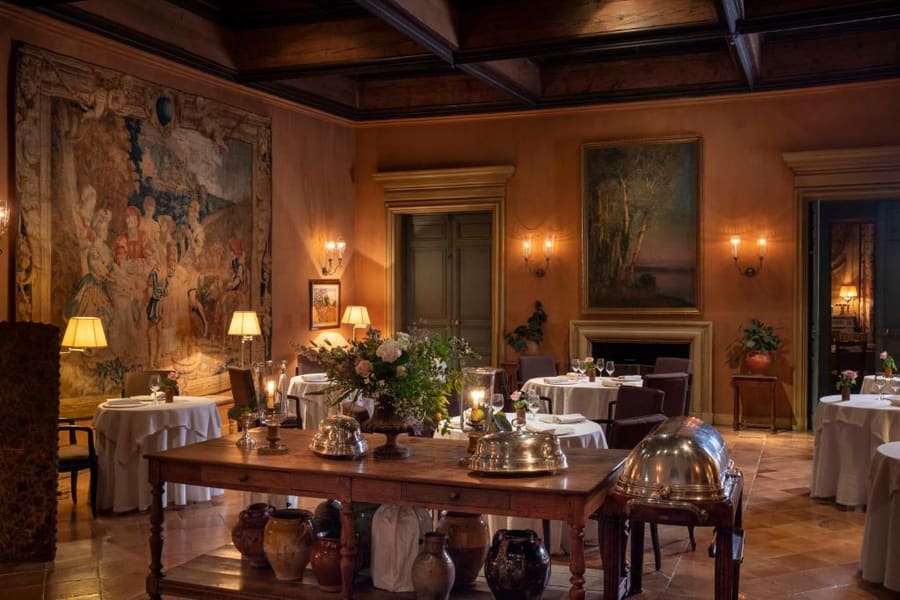
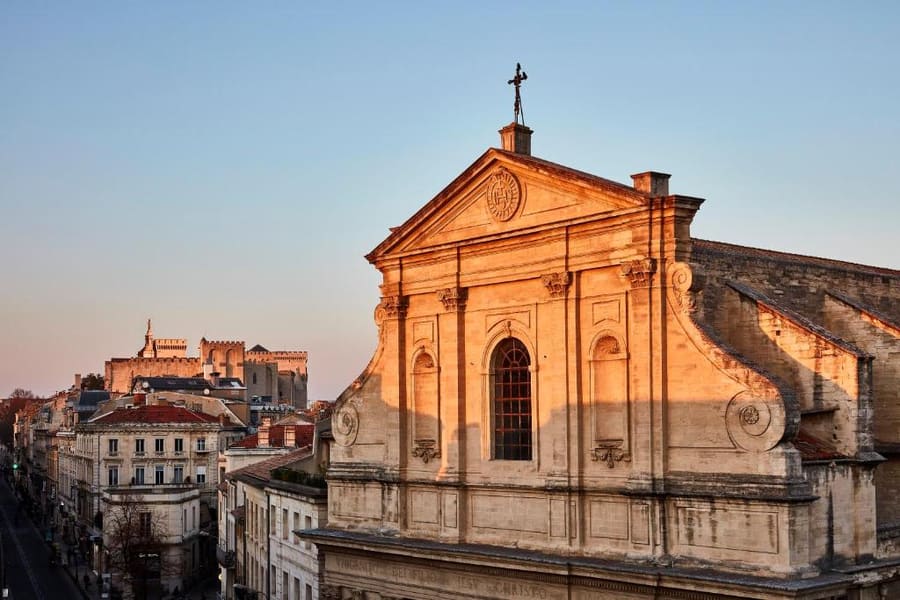
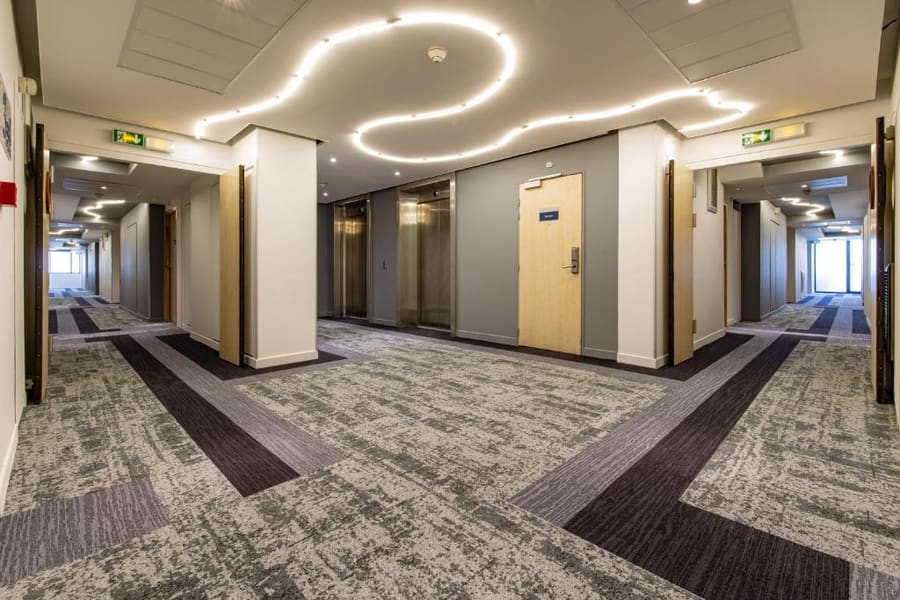
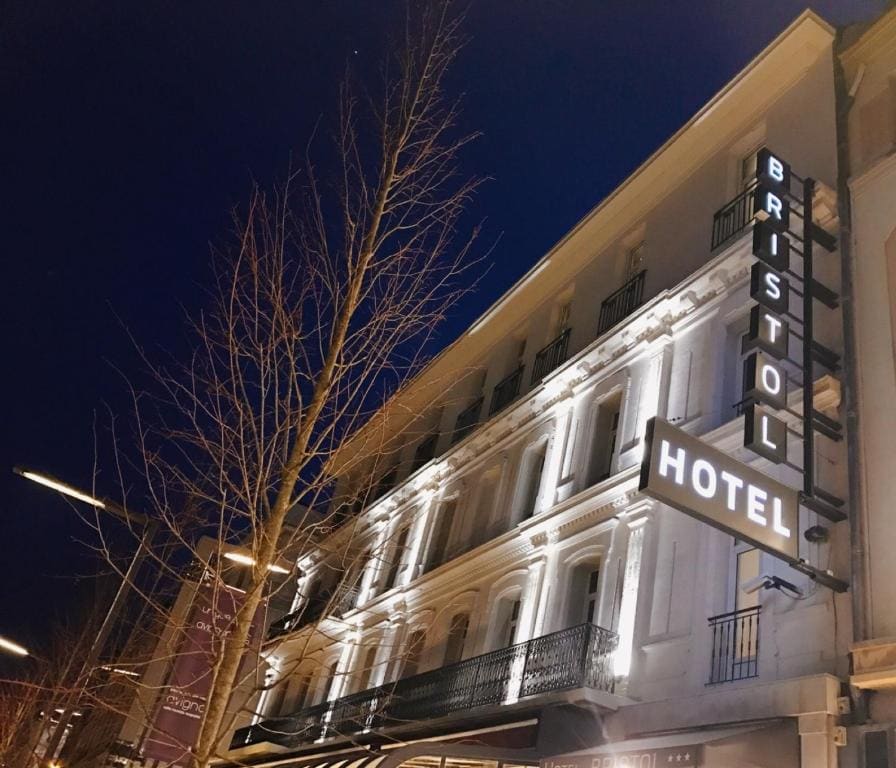
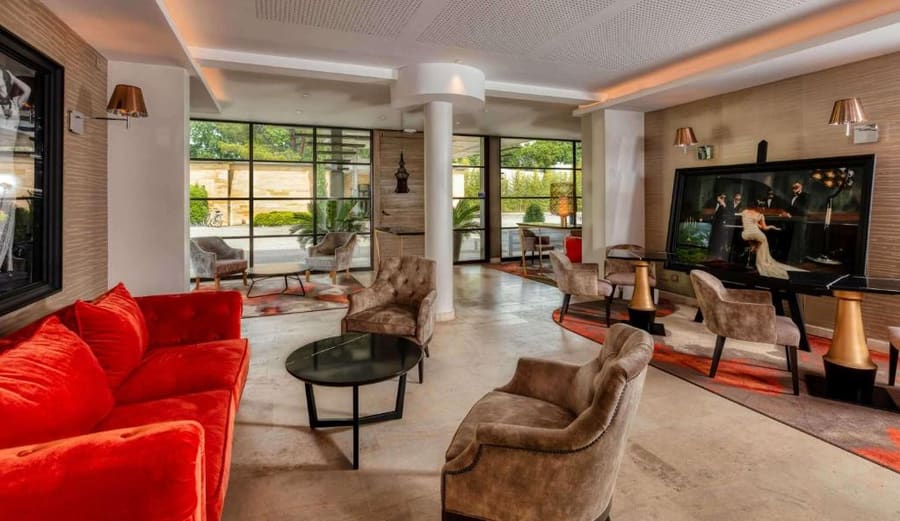
Choose your location based on transit needs and noise tolerance. Inside the ramparts, cobblestone alleys make wheeling luggage difficult, and street noise lasts late during summer nights. Staying outside the walls gives you car parking and easy TGV access, but requires a ten-minute walk to sightsee.
Live rates, matched to the areas above.
transport
The historic core inside the ramparts is completely walkable. Taxis cannot navigate narrow pedestrian lanes easily, making walking or the city electric shuttle the most efficient way to travel.
Desde Avignon TGV Railway Station
TER link shuttle train connects Avignon TGV to Avignon Centre inside the walls.
Orizo Line C2 bus connects Avignon TGV directly to Place Pie.
Drop-off is restricted inside historic pedestrian zones.
Line T1 tram connects Avignon Centre to southern suburbs, but does not run inside historic walls.
Automated bollards block car entry to the inner center between 10:00 and 02:00 daily.
Validate single-use transit tickets on onboard machines immediately upon stepping inside.
cost
Avignon is cheaper than Paris or Nice, but prices jump drastically during the July theater festival. Midday fixed lunch menus offer substantially better value than ala carte evening meals.
Palais des Papes entry combined with Pont d'Avignon access.
Two-course lunch menu at mid-range bistros inside the ramparts.
One-way ticket valid for 60 minutes across city buses and trams.
Coffee prices on main tourist squares carry heavy location markups.
seasonality
MAR – MAY
Mild temperatures and small crowds. Ideal for walking the ramparts before summer heat.
JUN – JUN
Warm weather and manageable foot traffic before the July festival season starts.
JUL – JUL
Festival d'Avignon fills the city. Venue spaces pack with shows, and hotel rates peak.
AUG – OCT
Warm days remain as festival crowds depart. Harvest season starts in nearby vineyards.
NOV – FEB
Cool, windy conditions due to the Mistral. Many seasonal sights run reduced hours.
practicalities
Shops and many independent restaurants inside the walls close completely on Sundays.
Strong north winds called the Mistral can drop temperatures quickly even on bright sunny days.
Tap water is safe to drink everywhere; ask for 'une carafe d'eau' in restaurants for free water.
Rocher des Doms public park is free to enter and offers clean public rest rooms near the top cafe.
A free electric shuttle boat crosses the Rhône from Quai de la Ligne to Barthelasse Island.