landmark
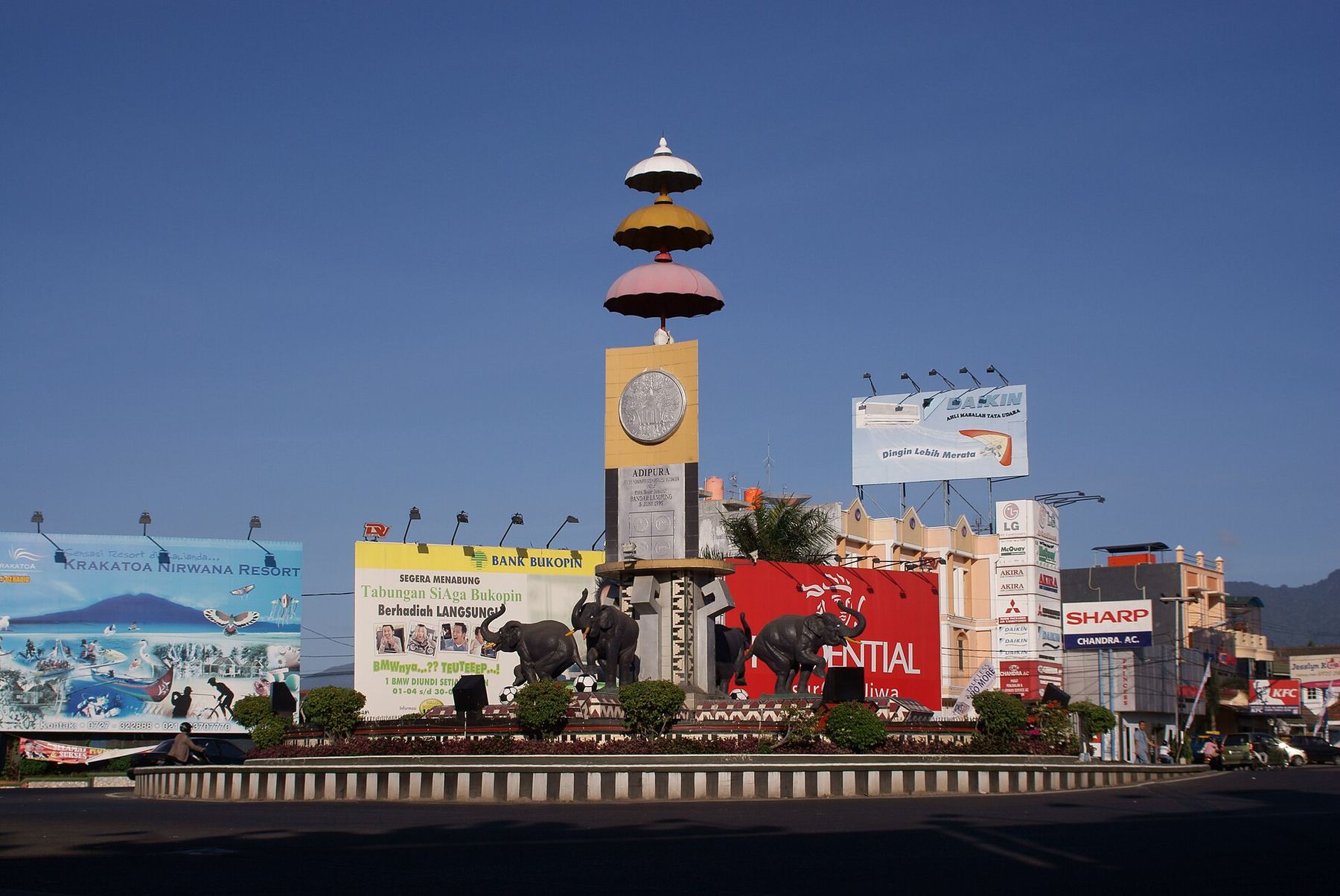
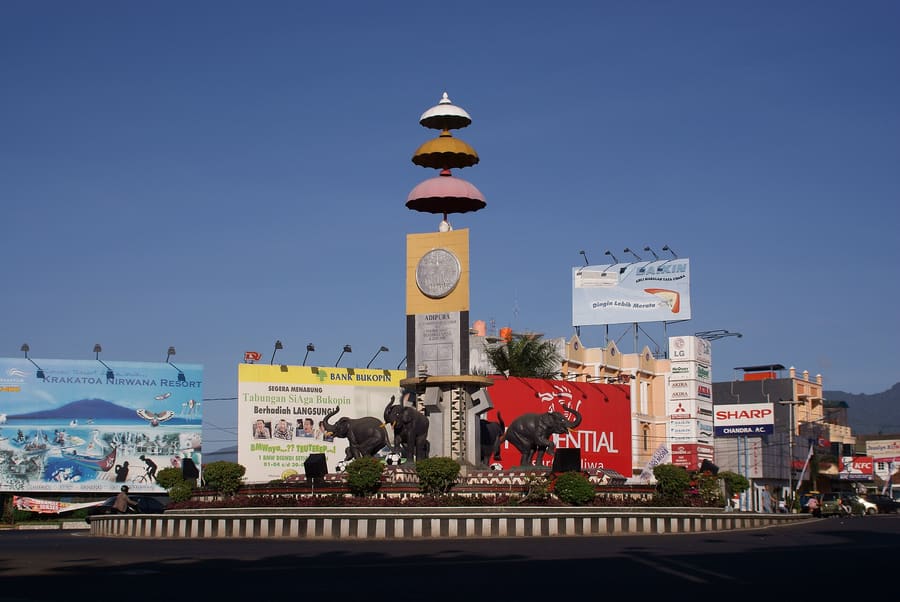
Tugu Adipura
Elephant statue marking the central traffic circle where Tanjung Karang meets the city's main avenues.
Pregunta a ParleyIndonesia
Sumatra's southern port city where hills meet the strait.
introduction
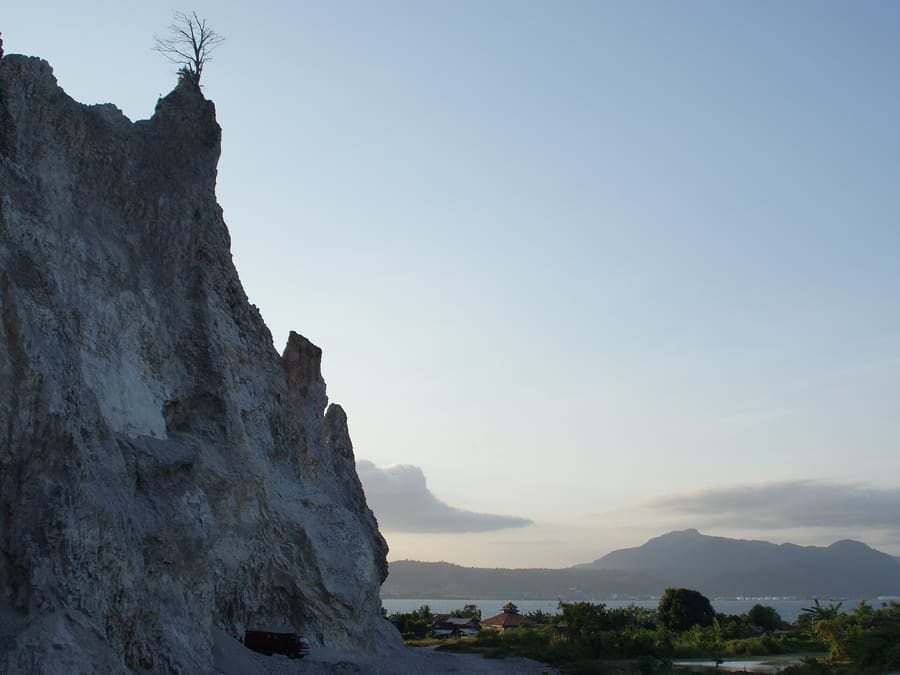
Bandar Lampung anchors the southern tip of Sumatra at the edge of the Sunda Strait. Formed by merging the upland commercial district of Tanjung Karang and the coastal port of Teluk Betung, the city climbs steep volcanic hills. Grab and Maxim rides handle the inclines far better than local angkot minibuses. Expect heavy transit traffic, fiery freshwater fish dishes, and quick access to offshore reefs.
Radin Inten II Airport transfers
Damri buses connect Radin Inten II Airport to Tanjung Karang station for IDR 35,000. Taxis cost double and save only fifteen minutes.
Lampung Tapis weaving
Museum Lampung houses traditional gold-threaded Tapis textiles, a craft unique to Lampung's aristocratic ritual gift traditions.
Moving across steep topography
Angkot minibuses follow set routes, but riders pay cash per ride. Ride-hailing apps offer fixed pricing on steep hill climbs.
Bandar Lampung
Sakurai Midori · CC BY-SA 3.0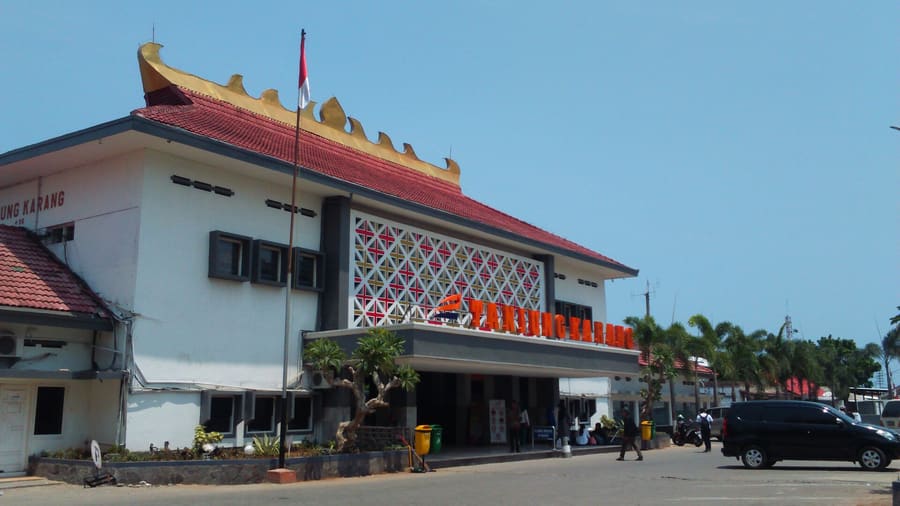
Tanjung Karang — Commercial core packed with retail markets, train connections, and late-night food stalls around Enggal.
The original uploader was Alzena2nd at Indonesian Wikipedia. · Public domain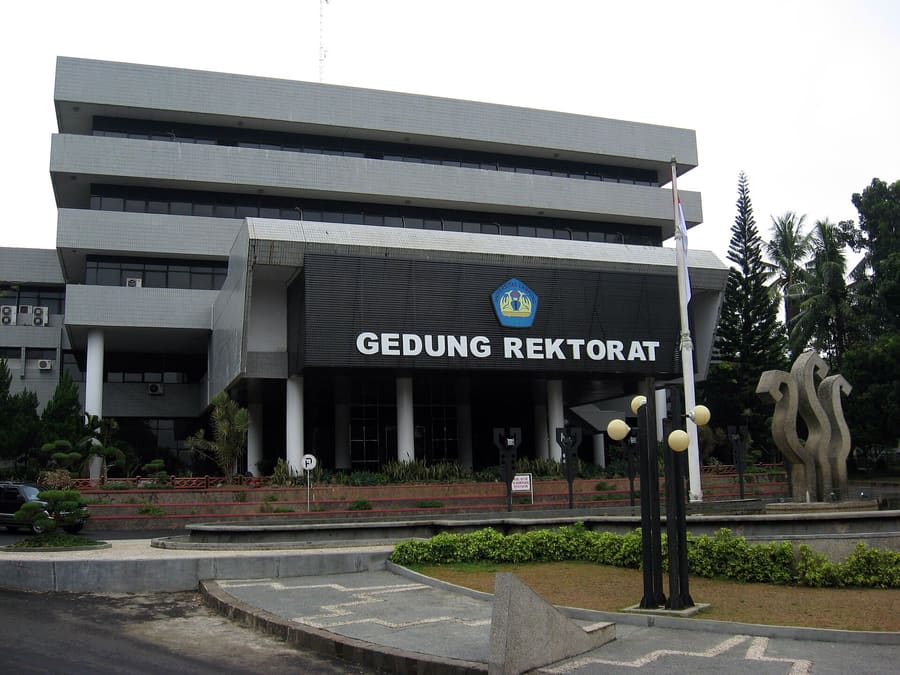
Kedaton — Northern transit district built around universities, budget eateries, and Museum Lampung.
Crisco 1492 · CC BY-SA 3.0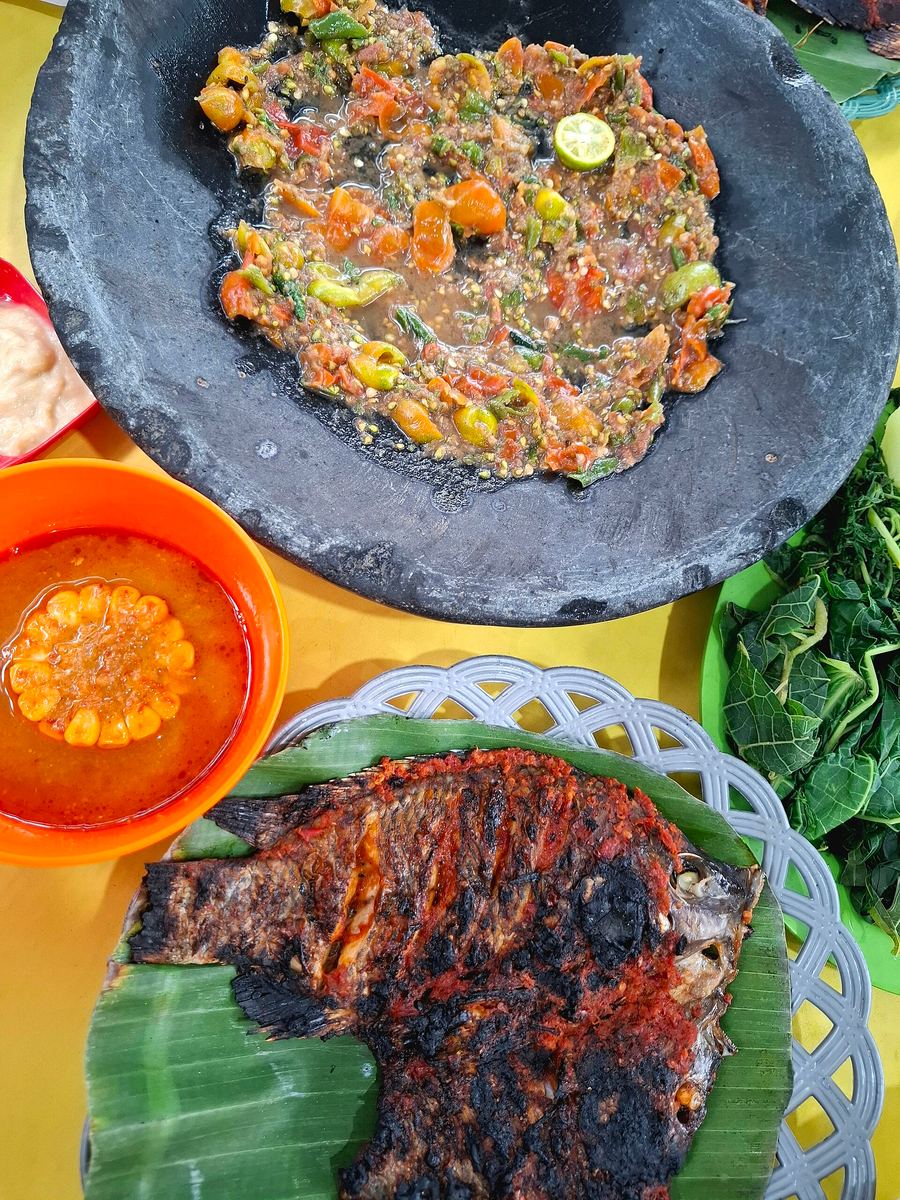
Seruit served with grilled river fish, sambal terasi, and tempestuous tempoyak fermented durian paste.
Raflinoer32 · CC BY-SA 4.0highlights
landmark
Elephant statue marking the central traffic circle where Tanjung Karang meets the city's main avenues.
Pregunta a Parley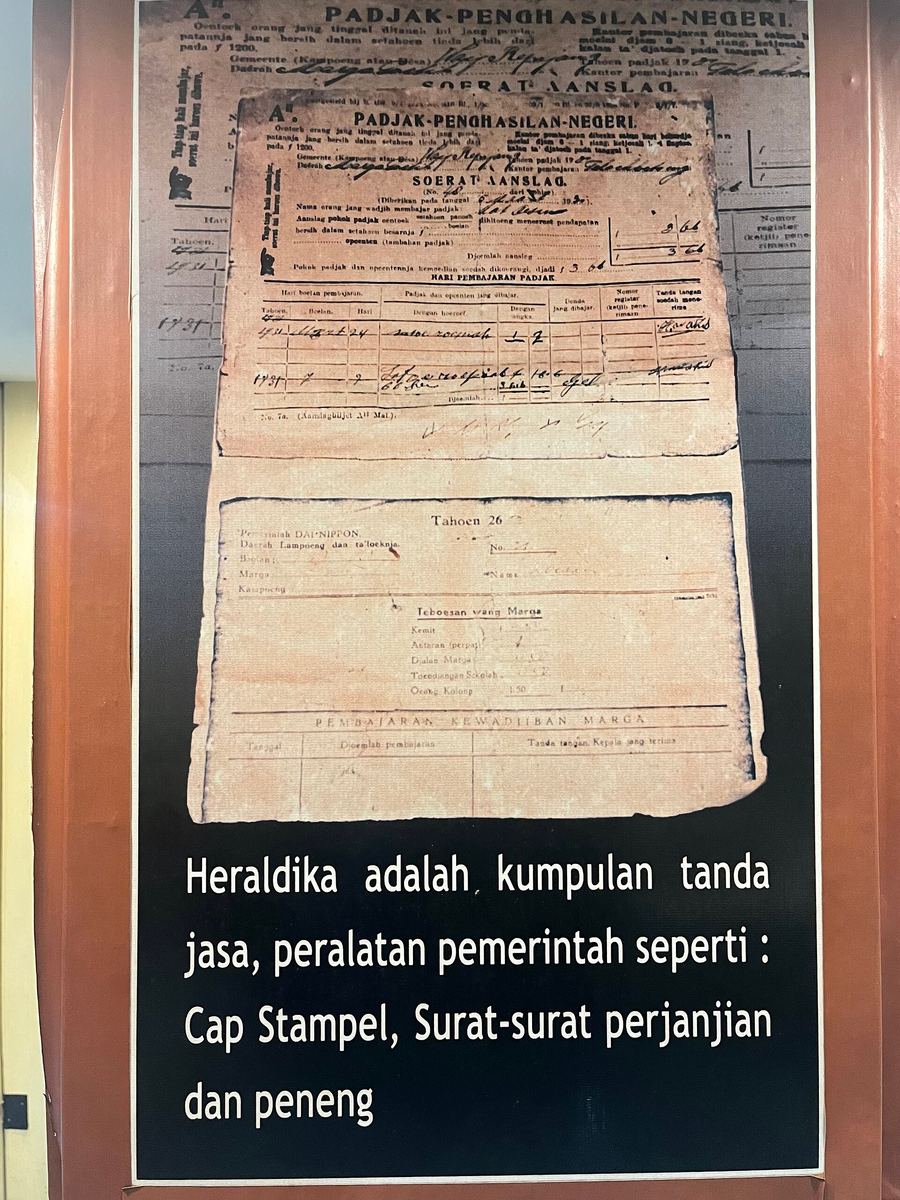
landmark
Exhibits prehistoric tools, traditional bridal houses, and gold-embroidered Tapis cloth. Closed Mondays.
Pregunta a Parley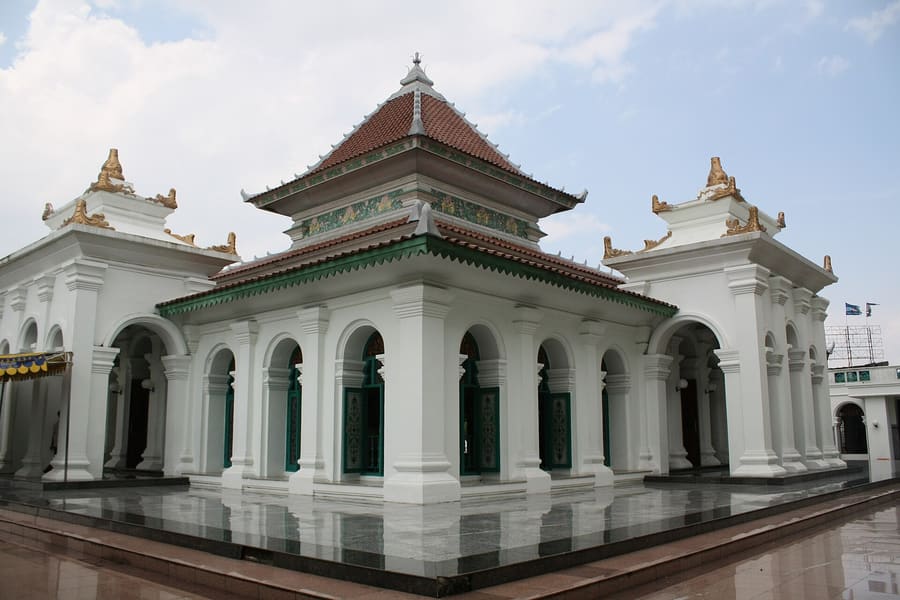
landmark
The city's largest mosque features a 114-metre minaret providing views across the bay.
Pregunta a Parley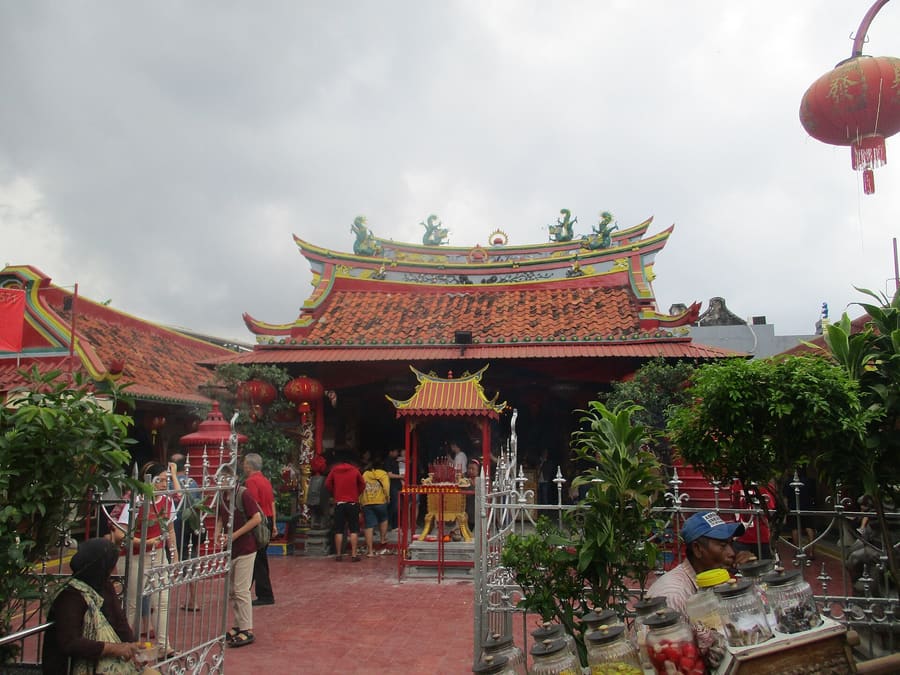
landmark
Oldest Chinese temple in Lampung, built in 1896 in the heart of Teluk Betung's historic Chinatown.
Pregunta a Parley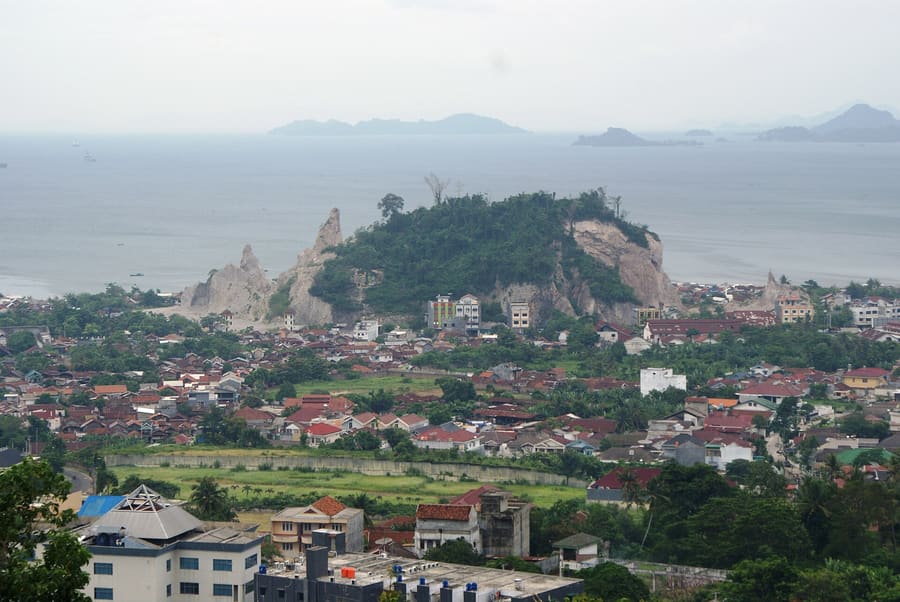
landmark
A central hill overlooking the urban layout and harbor. Visit at dusk to catch the cooling sea breeze.
Pregunta a Parley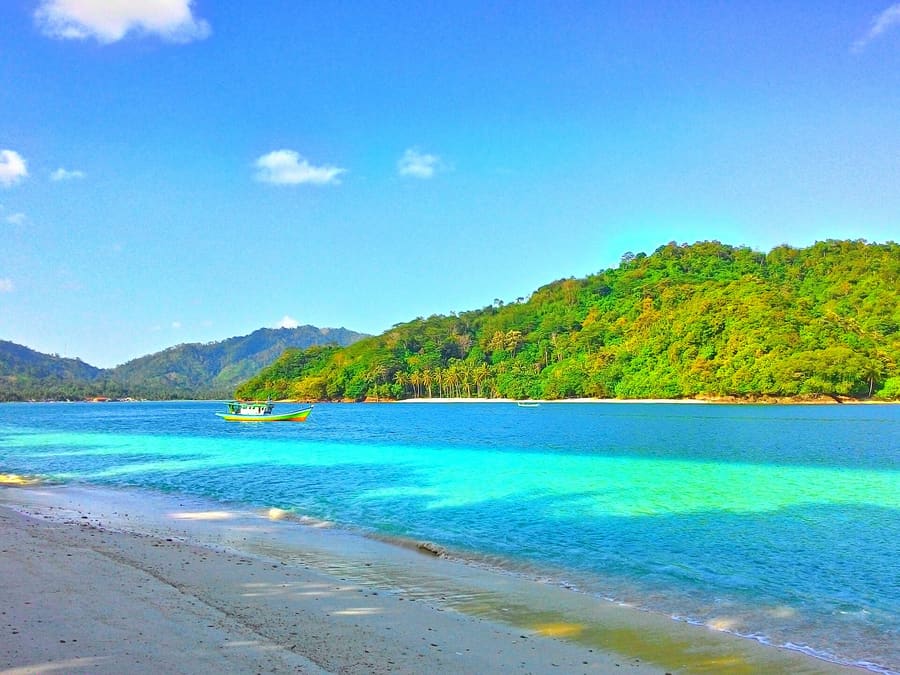
landmark
Sheltered beach 15km south of the city, serving as the primary jump-off point for boat trips to Tangkil Island.
Pregunta a Parleyattractions
areas
Commercial core packed with retail markets, train connections, and late-night food stalls around Enggal.
CercaTugu Adipura and Tanjung Karang railway station.
Pregunta a ParleyNorthern transit district built around universities, budget eateries, and Museum Lampung.
CercaMuseum Lampung and Rajabasa bus terminal.
Pregunta a ParleyHistoric coastal district featuring Chinese temples, coffee processors, and seafood night markets.
CercaVihara Thay Hin Bio and the harbor front.
Pregunta a ParleyElevated residential area on the slopes of Mount Betung with cooler air and hillside cafes.
CercaLookout spots and Mount Betung foothills.
Pregunta a Parleyfood
Lampung cuisine revolves around freshwater fish harvested from inland rivers and seasoned with sharp, fermented ingredients. The signature dish is seruit, a bowl of grilled freshwater fish mashed together with sambal terasi, raw herbs, and tempoyak, which is fermented durian paste. Pindang patin offers a lighter alternative, featuring catfish simmered in a clear turmeric and pineapple broth. Teluk Betung acts as the roasting capital for dark Lampung robusta coffee, processed in small family mills across the district.
Seruit served with grilled river fish, sambal terasi, and tempestuous tempoyak fermented durian paste.
Raflinoer32 · CC BY-SA 4.0Seruit is traditionally mixed by hand at the table, combining fish, sambal, fresh eggplant, and cucumber.
Pindang specialists prepare freshwater catfish daily; popular lunch spots sell out by early afternoon.
Historic coffee processors along Jalan Ikan Kakap ground beans to order while you wait.
history
Bandar Lampung's history was fundamentally altered on August 27, 1883, when Mount Krakatoa erupted in the Sunda Strait. Tsunami waves destroyed coastal Teluk Betung, forcing surviving communities to rebuild inland toward Tanjung Karang. The Dutch colonial government developed Tanjung Karang into a rail terminal in 1912 to extract pepper, rubber, and coffee from South Sumatra. The two districts were merged into a single municipality in 1959 as Tanjungkarang-Telukbetung and officially renamed Bandar Lampung in 1983.
Krakatoa Eruption
The catastrophic eruption destroyed coastal Teluk Betung, fundamentally altering the geography of the port.
where to stay
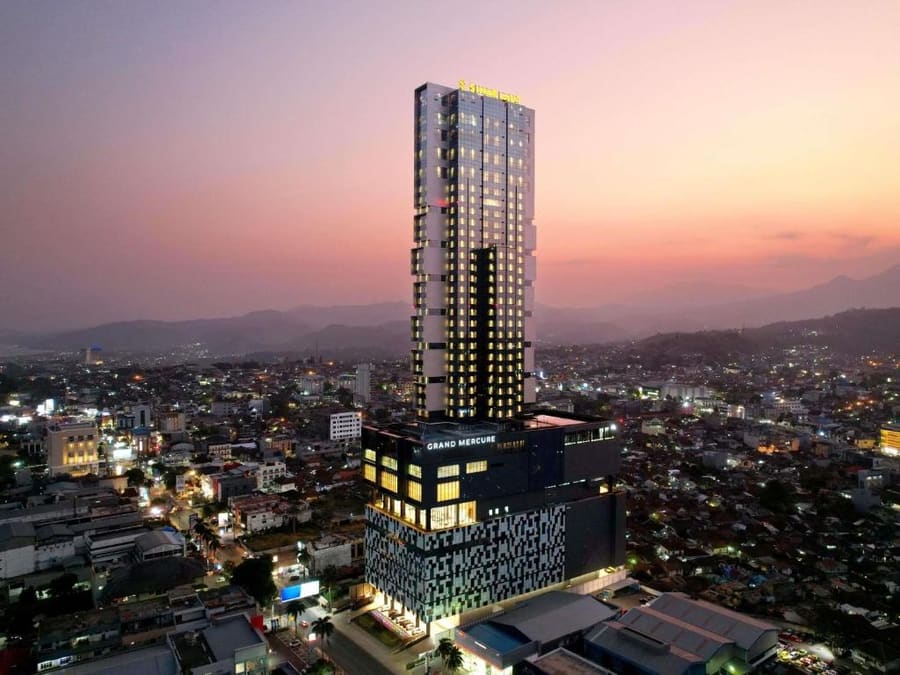
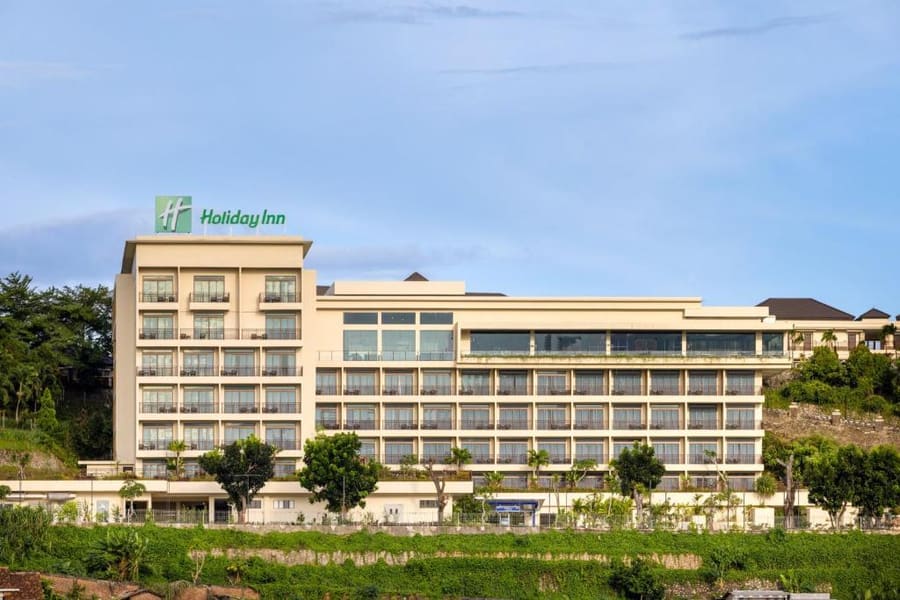
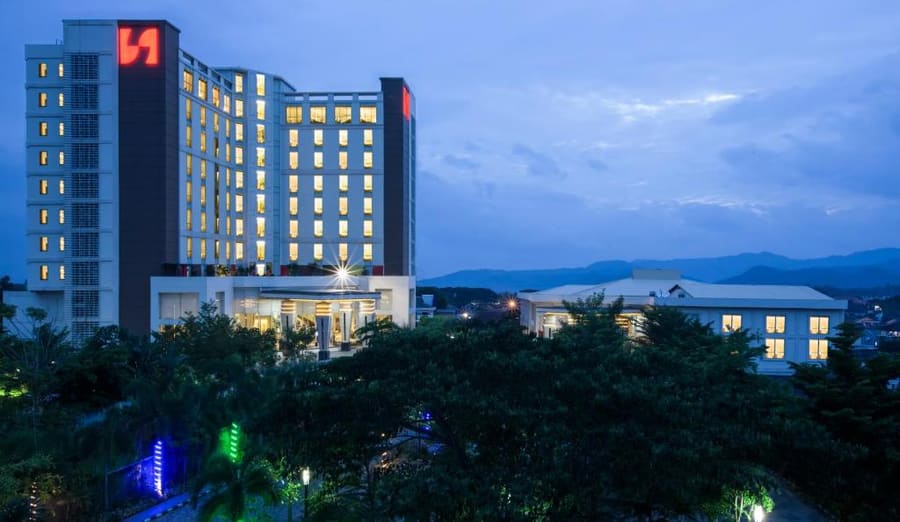
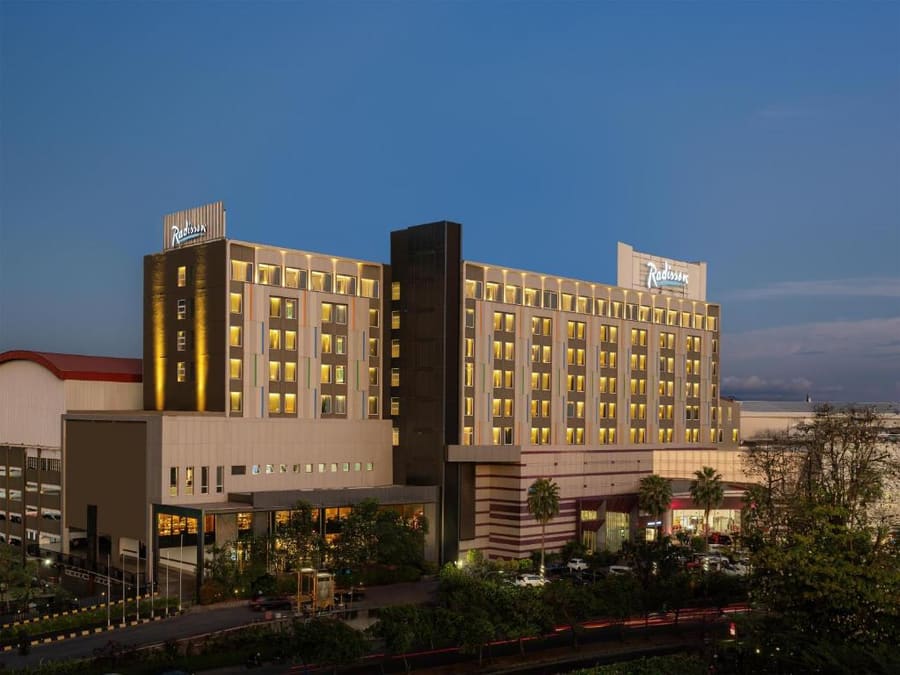
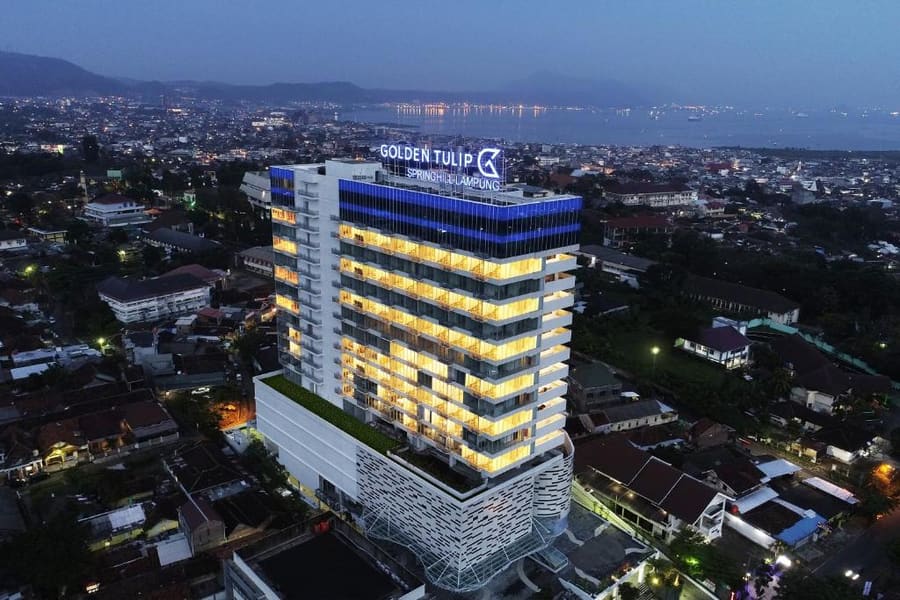
Choose your base based on your transport plans and heat tolerance. Staying in Tanjung Karang keeps you close to the railway station, central shopping centers, and night market dining. Teluk Betung suits travelers focused on heritage walks, coffee processors, and early morning harbor access. Kemiling offers cooler temperatures on the mountainside but adds twenty minutes to every trip into the city center.
Live rates, matched to the areas above.
transport
Bandar Lampung spreads across steep terrain, making walking practical only within small neighborhood pockets like Teluk Betung's market area. Motorbike and car ride-hailing services are the most efficient option for navigating hills and unpredictable local traffic. Local angkot minibuses follow designated avenues, but they lack fixed schedules and require exact route knowledge.
Desde Radin Inten II Airport (TKG)
Damri airport bus runs direct to Tanjung Karang railway station.
Grab and Maxim pickup points operate outside the arrivals gate.
Official taxi counters inside arrivals charge fixed zonal fares.
App-based rides provide fixed pricing upfront, avoiding negotiations on steep hillside routes.
Minibuses display destination signs on the windshield but only depart when full.
Daily trains leave Tanjung Karang for Palembang; seats sell out several days in advance.
Minibus drivers and street parking attendants do not accept digital payments or large notes.
cost
Bandar Lampung remains significantly cheaper than Jakarta for food, transport, and lodging. Local dining and public minibuses require cash in small denominations. Mid-range hotels and established restaurants accept major Indonesian bank transfers and credit cards.
A complete lunch with freshwater fish, rice, and raw herbs at local eateries.
Covers most short urban trips across Tanjung Karang.
Flat cash fare per ride along a single continuous route.
Freshly roasted local coffee purchased at Teluk Betung mills.
seasonality
JUN – SEP
Driest window with calm sea conditions. Best period for offshore boat trips to Pahawang and Tangkil.
OCT – NOV
Humidity increases as afternoon rain showers return. Sea swell becomes unpredictable.
DEC – FEB
Peak monsoon rainfall brings heavy downpours and occasional street flooding in low coastal areas.
MAR – MAY
Warm transitional period with frequent evening thunderstorms but manageable morning weather.
practicalities
Shops and government offices close between 11:30 and 13:00 every Friday.
Teluk Betung remains hot year-round; carry water during walking visits to Chinatown.
Cover shoulders and knees when visiting mosques and neighborhood residential streets.
ATMs are frequent in Tanjung Karang but scarce near southern beach embarkation piers.
Sunda Strait winds generate chop in late afternoons; schedule island return trips before 15:00.