landmark
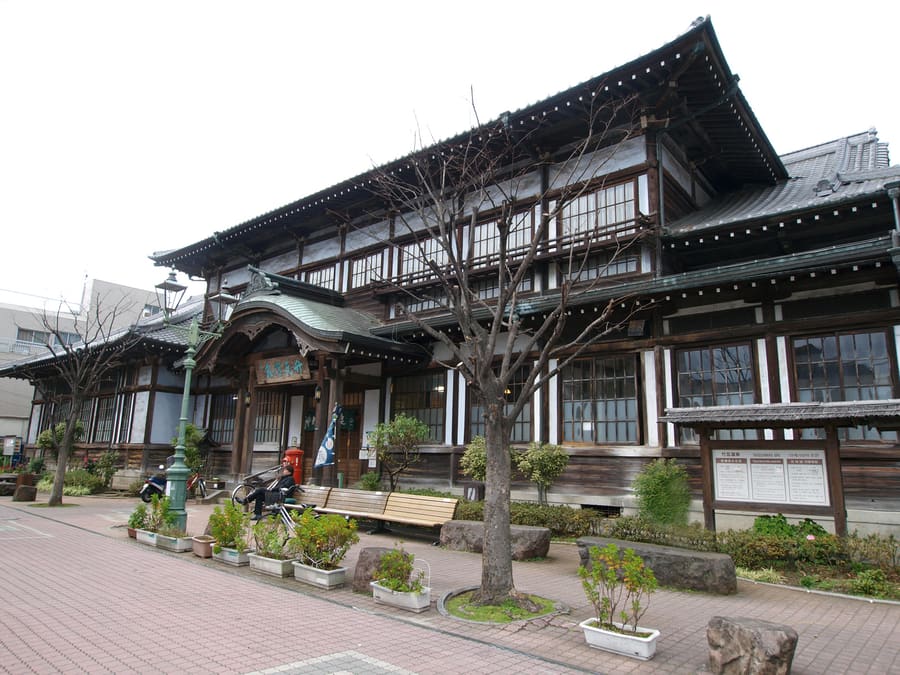
Takegawara Onsen
1879 wooden public bath. Pay 300 JPY for a basic soak or 1,500 JPY for the hot sand bath.
Pregunta a ParleyJapón
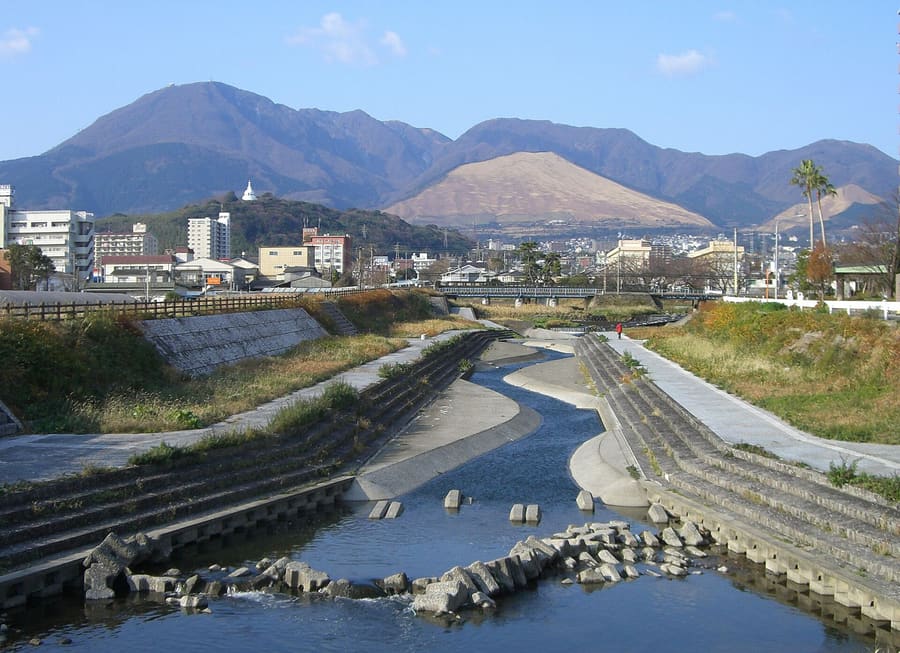
Japan's geothermal capital, wrapped in steam and salt bay.
introduction
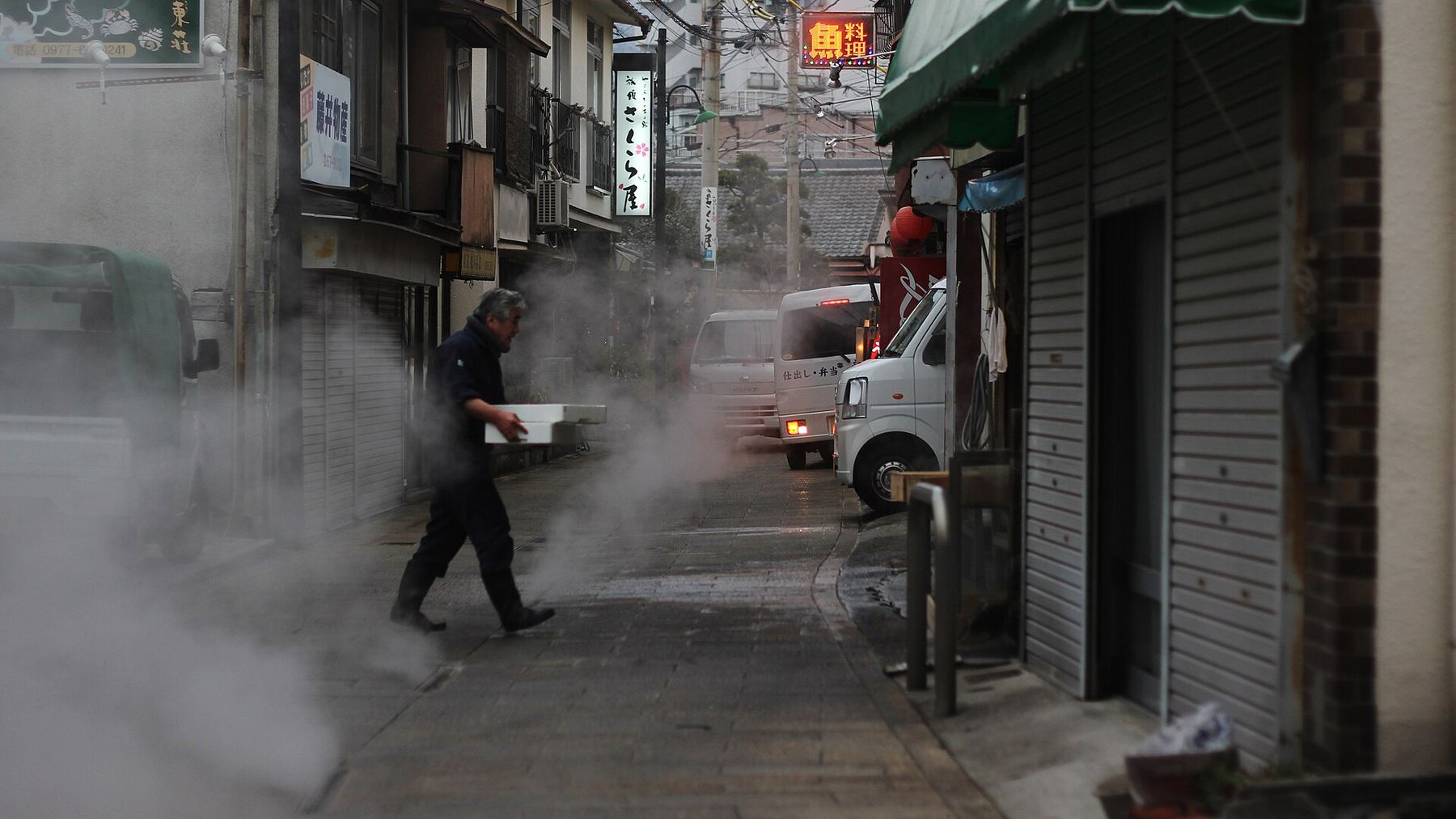
Beppu smells of sulfur and ocean salt before you even step off the train. Ocean breezes hit hot volcanic plumes rising from concrete alleys and residential backyards across eight distinct bath districts. You move through the city by public bus, jumping between open-air mud baths, century-old wooden bathhouses, and steam-cooked food stalls. Expect sulfur-tarnished silver jewelry, warm sidewalks, and steep hills that force a slow pace.
Arrival trick
Board the Airport Airliner bus outside Oita Airport arrivals. The bus reaches Beppu Station in 45 minutes and costs 1,500 JPY.
Geothermal scale
Beppu yields more thermal spring water than any other site in Japan. Over 2,000 active vents discharge 87,000 liters every minute.
Beppu
Miya.m · CC BY-SA 3.0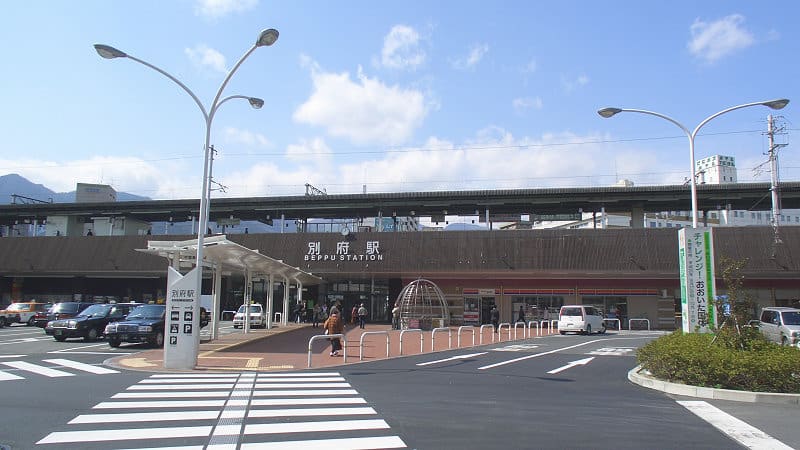
Ekimae & Kitahama — Transit hub with izakaya arcades, late-night bars, and modern high-rise hotels.
The original uploader was MK Products at Japanese Wikipedia. · CC BY-SA 3.0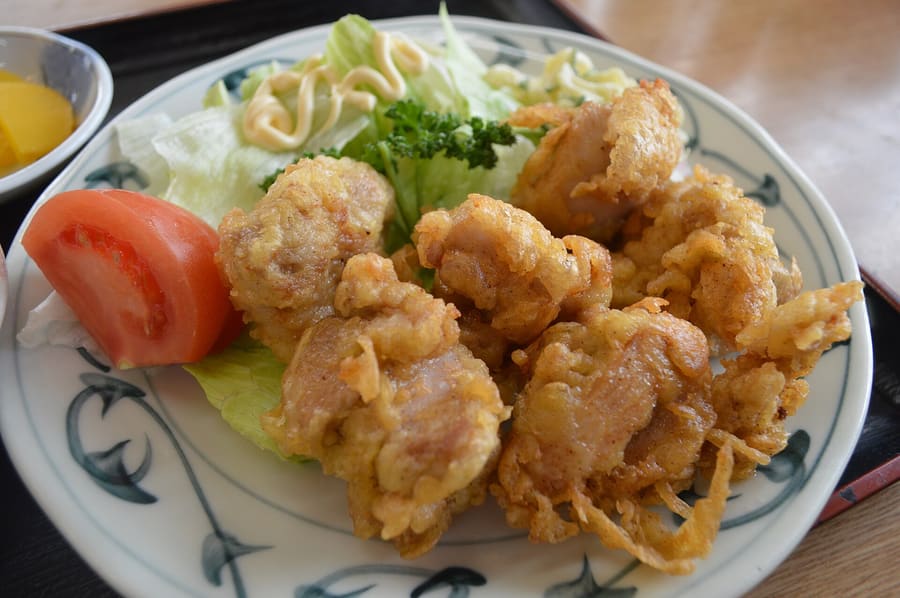
Toriten, tempura-battered chicken strips served with soy, mustard, and kabosu citrus.
Asturio Cantabrio · CC BY-SA 4.0highlights
landmark
1879 wooden public bath. Pay 300 JPY for a basic soak or 1,500 JPY for the hot sand bath.
Pregunta a Parley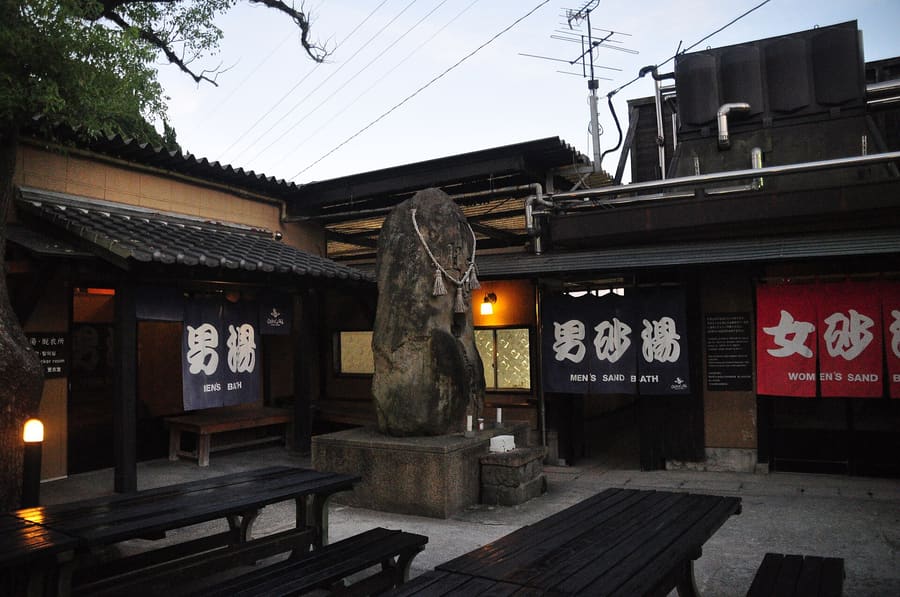
landmark
Michelin-starred bath complex with 19 waterfalls. Open until 01:00 for late-night hot soak sessions.
Pregunta a Parley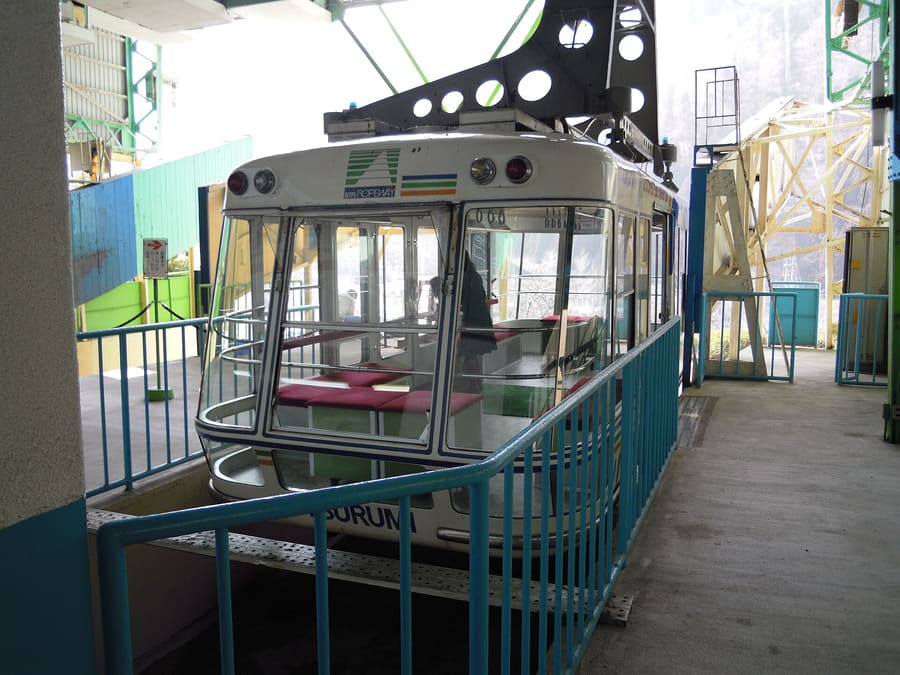
landmark
101-passenger cable car climbing Mount Tsurumi in 10 minutes. Round-trip fare costs 1,800 JPY.
Pregunta a Parleyattractions
areas
Transit hub with izakaya arcades, late-night bars, and modern high-rise hotels.
CercaJR Beppu Station and Takegawara Onsen
Pregunta a ParleySteam plumes rise from gutters, stone lanes stay damp, traditional ryokan dominate.
CercaUmi Jigoku and Jigoku Mushi Kobo
Pregunta a ParleyHigh mountain village of thatched huts producing medicinal alum salt.
CercaMyoban Yunosato and Hoyoland mud baths
Pregunta a ParleyElevated hillside district known for expansive bay views and resort hotels.
CercaSuginoi Hotel complex and Beppu Ropeway
Pregunta a Parleyfood
Beppu cooks with volcanic earth. In Kannawa, geothermal steam vaults reach 100°C, locking moisture into vegetables and seafood without oil. Local food culture leans heavily on kabosu, a sour local citrus harvested across Oita Prefecture. You dip lightly battered fried chicken into kabosu ponzu, or cut through rich soy broths with squeezed juice.
Toriten, tempura-battered chicken strips served with soy, mustard, and kabosu citrus.
Asturio Cantabrio · CC BY-SA 4.0Toyoken created chicken tempura in 1926. Expect a 45-minute wait during lunch hours.
Cold buckwheat noodles topped with cabbage kimchi offer relief from hot bath humidity.
history
Geothermal waters defined Beppu long before leisure tourism arrived. Samurai used thermal mud baths to heal sword wounds, while monks established healing sanctuaries in Kannawa. Early 20th-century rail infrastructure transformed rural bathhouses into a national resort city.
Kannawa established
Monk Ippen Shonin tames geothermal vents in Kannawa, opening public steam bath sanctuaries for pilgrims.
Takegawara built
Takegawara Onsen opens, setting the architectural standard for Meiji-era public bathhouses.
Railway connects Beppu
The Nippo Main Line railway arrives, converting rural thermal hamlets into a unified resort town.
Hell Tour launch
Kamenoi Bus initiates the famous Jigoku Meguri tour, introducing Japan's first female bus guides.
where to stay
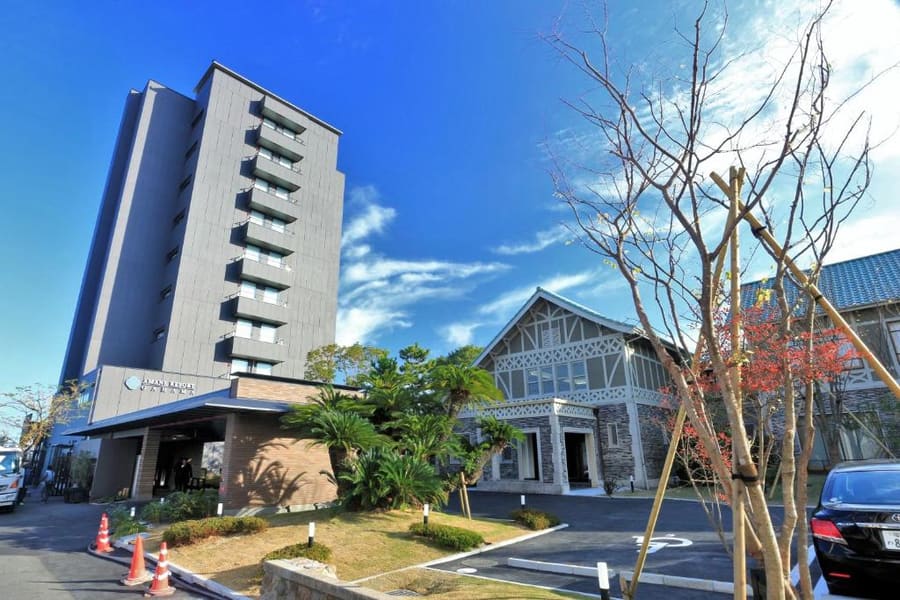
Base yourself by transit convenience or thermal atmosphere. Stay in Ekimae if you travel without luggage transport or want night dining. Pick Kannawa or Myoban if you want to walk in yukata between natural public baths.
Live rates, matched to the areas above.
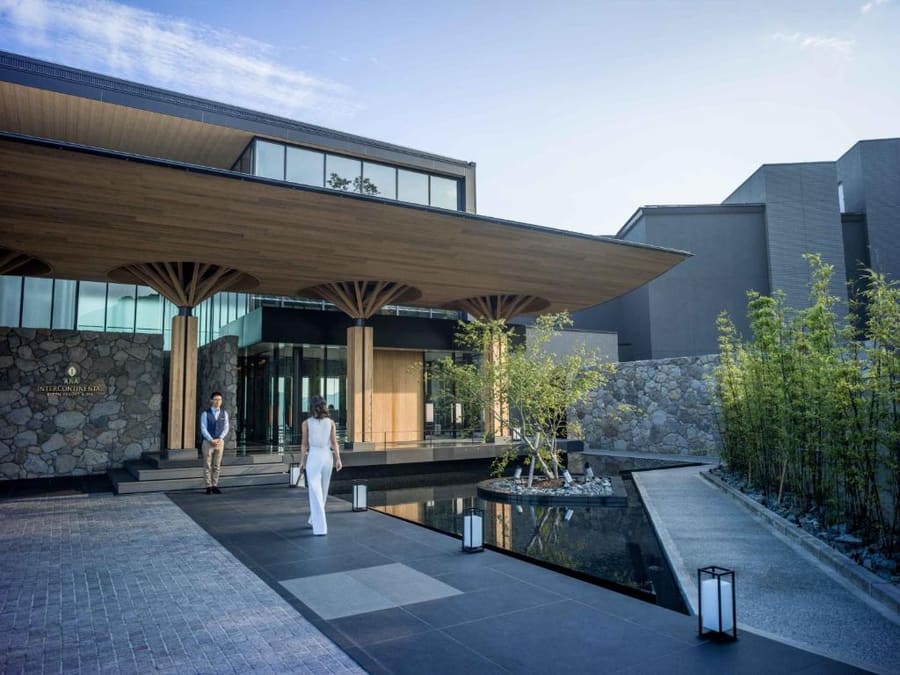
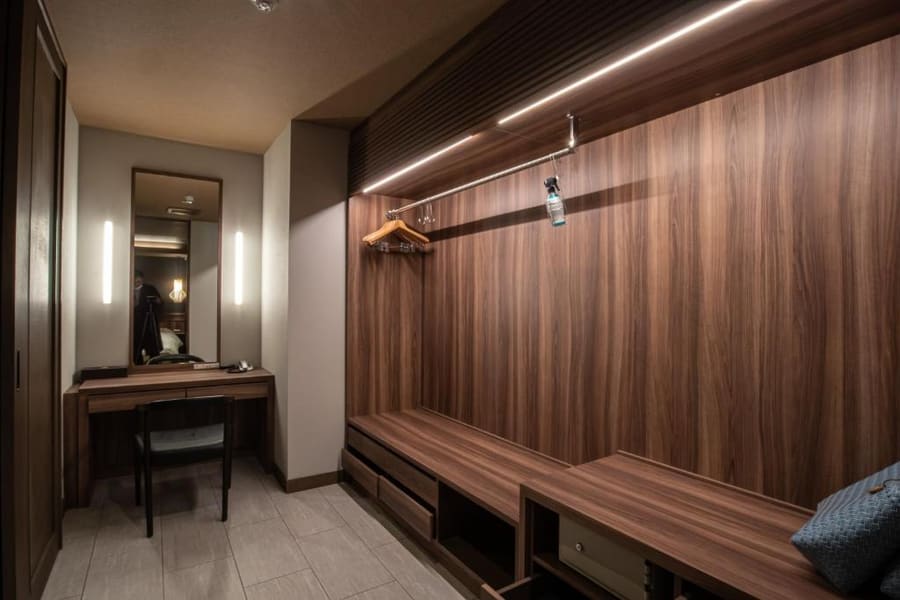
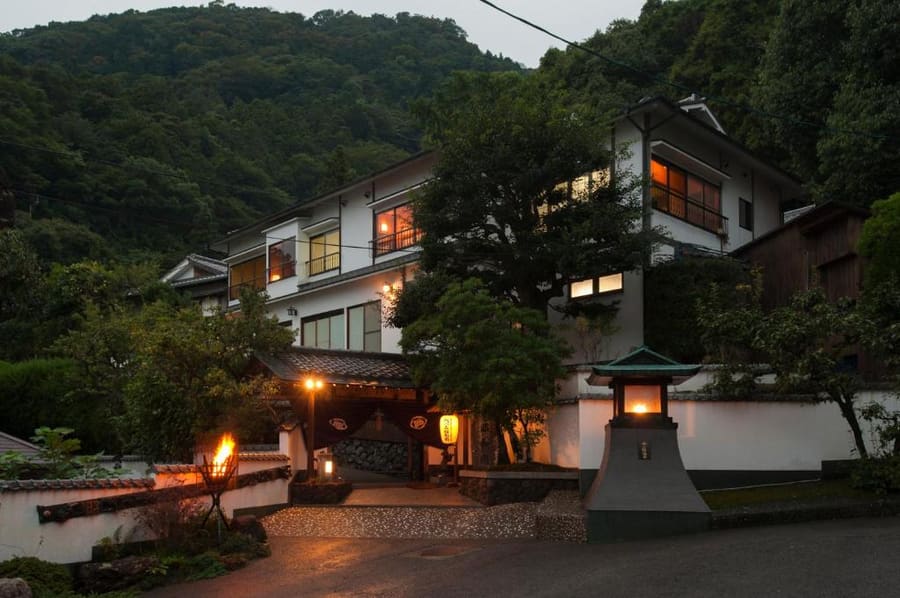
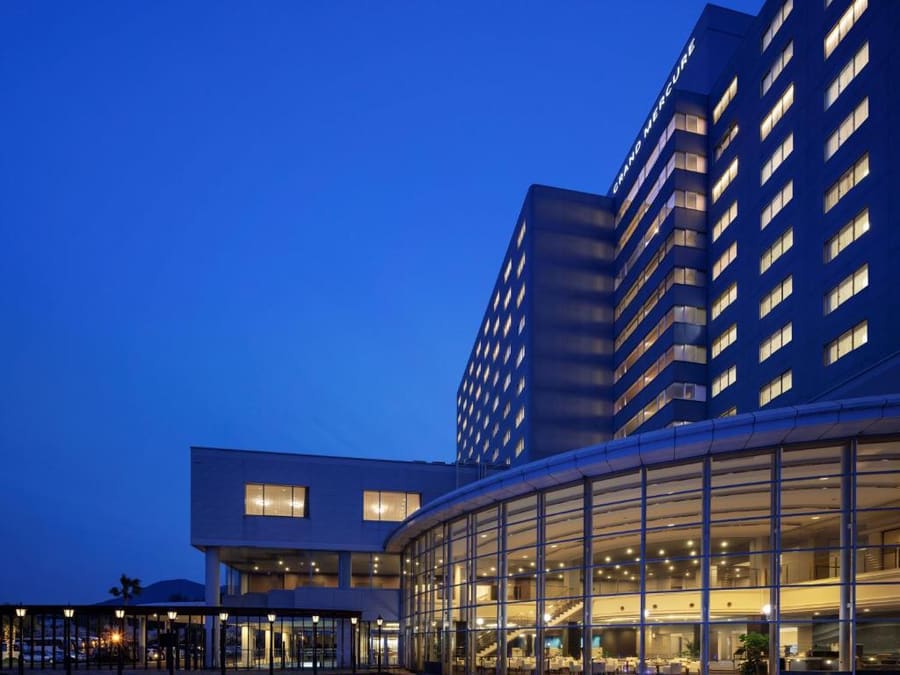
transport
Beppu stretches up steep volcanic hills from the ocean. Kamenoi Bus operates every major transit route within the city. Trains connect north and south along the bay edge, but buses carry you up to mountain bath zones.
Desde Oita Airport (OIT)
Board the Airport Airliner bus outside arrivals directly to Beppu Station.
Best for groups with heavy luggage traveling directly to hillside ryokan.
JR Sonic Limited Express connects Beppu to Hakata Station in Fukuoka in two hours.
SUICA, ICOCA, and Nimoca cards work across all local Kamenoi bus routes.
Walking from Kitahama up to Kannawa gains 200 meters in elevation over 5 kilometers.
cost
Beppu offers exceptionally cheap public bathing offset by higher mid-range ryokan prices. Municipal baths cost less than a cup of coffee, while private open-air bath rooms require moderate hourly fees.
Local neighborhood bathhouses charge small coins at front counters or coin slots.
Standard 30-minute rental fee for a natural steam cooking chamber.
Per person per night, including multi-course kaiseki dinner and breakfast.
seasonality
MAR – MAY
Mild spring weather makes walking steep hill districts comfortable. Cherry blossoms bloom along Mount Tsurumi.
JUN – AUG
High humidity makes hot springs exhausting. High summer temperatures limit steam bath enjoyment.
SEP – NOV
Clear autumn skies offer great views from Mount Tsurumi. Maple leaves peak around early November.
DEC – FEB
Cold air produces dramatic steam clouds across the city skyline. Peak season for open-air hot baths.
practicalities
Hyotan Onsen and municipal baths allow tattoos. Luxury private ryokan require booking private family baths.
Bring small washcloths from your hotel. Municipal baths charge extra for basic towels and soap.
Many local eateries around Kannawa close by 19:00 once bath crowds return to their ryokan.
Remove all silver jewelry before stepping into thermal water to prevent instant black oxidation.
Keep 100 JPY coins handy. Small municipal bath lockers and ticket machines accept cash only.