landmark
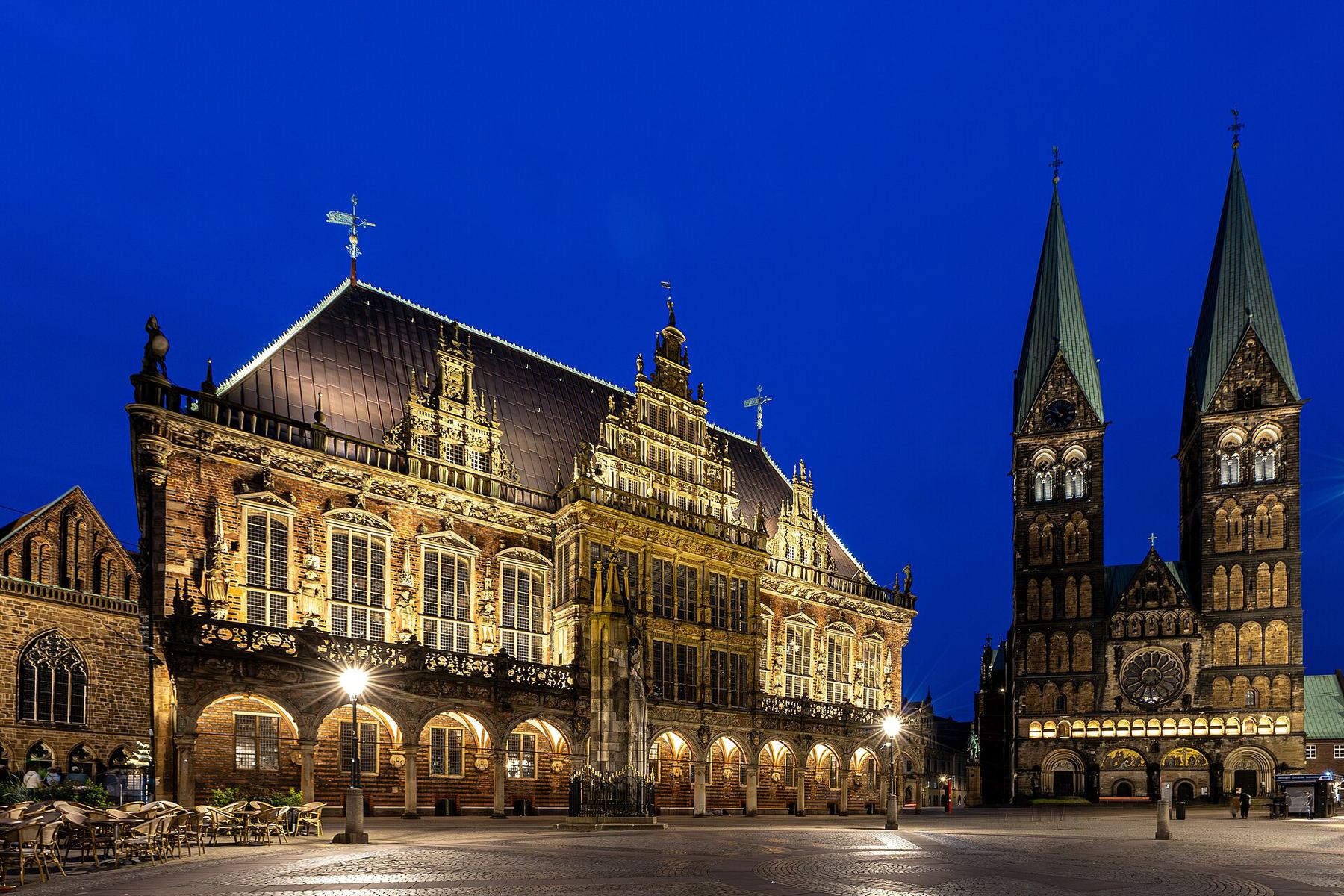
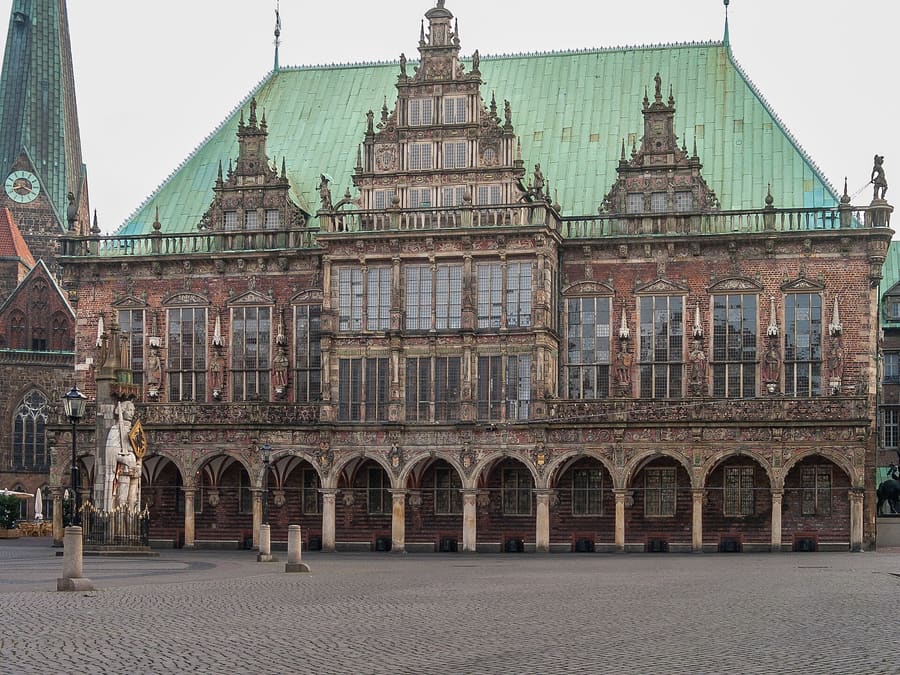
Bremen Town Hall
A 600-year-old Gothic structure with a Weser Renaissance facade. Book an official guided tour online to see the historic Upper Hall.
Pregunta a ParleyAlemania
Hanseatic brick, riverfront walks, and compact districts.
introduction
Bremen centres on the Weser river, built on medieval trade wealth. You can walk across the historic core in twenty minutes. Trams connect outer districts quickly, making a car unnecessary. Expect red-brick Gothic buildings and working-class neighbourhood pubs.
Airport to centre trick
Tram 6 runs directly from airport terminal to the central station in 16 minutes. A standard single ticket costs €3.40.
UNESCO World Heritage site
Town Hall and the Roland statue share a single UNESCO designation granted in 2004. Both sit directly on the main market square.
Sunday retail rule
Shops close on Sundays across Bremen, including grocery stores. Hauptbahnhof station shops remain open for emergency supplies.
Bremen
Lucas Kaufmann · CC BY-SA 4.0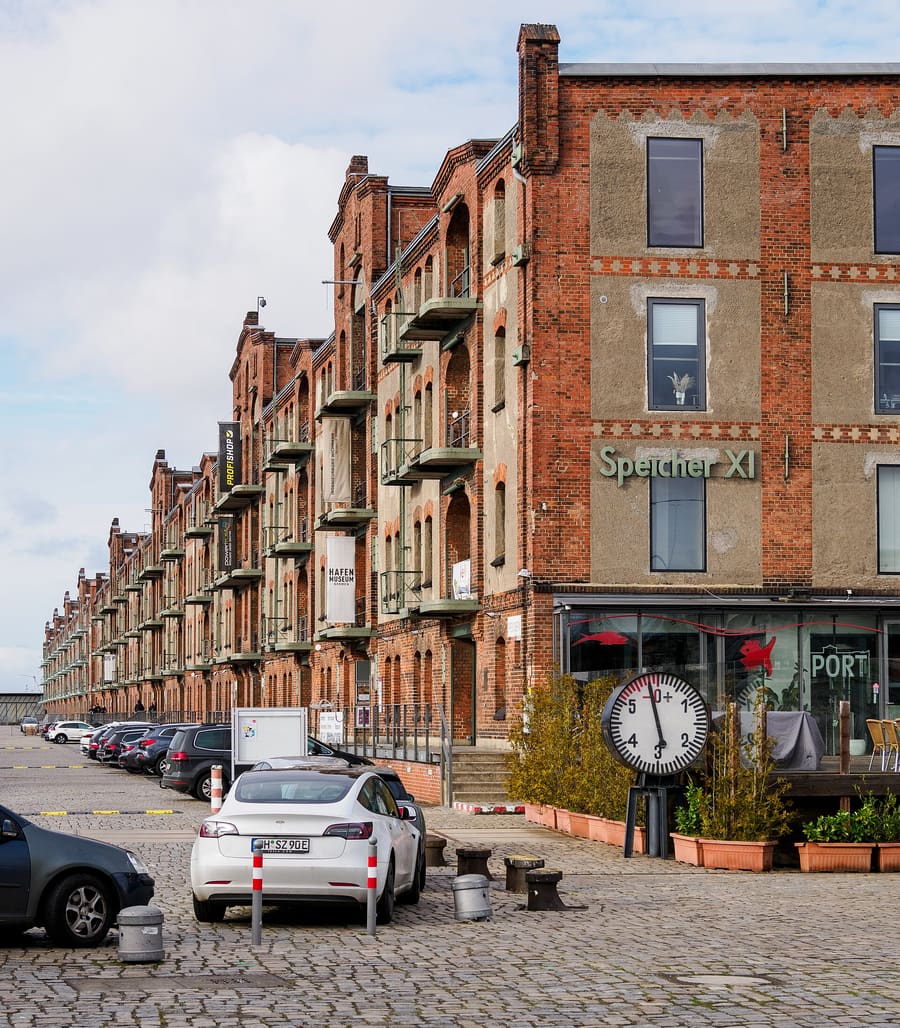
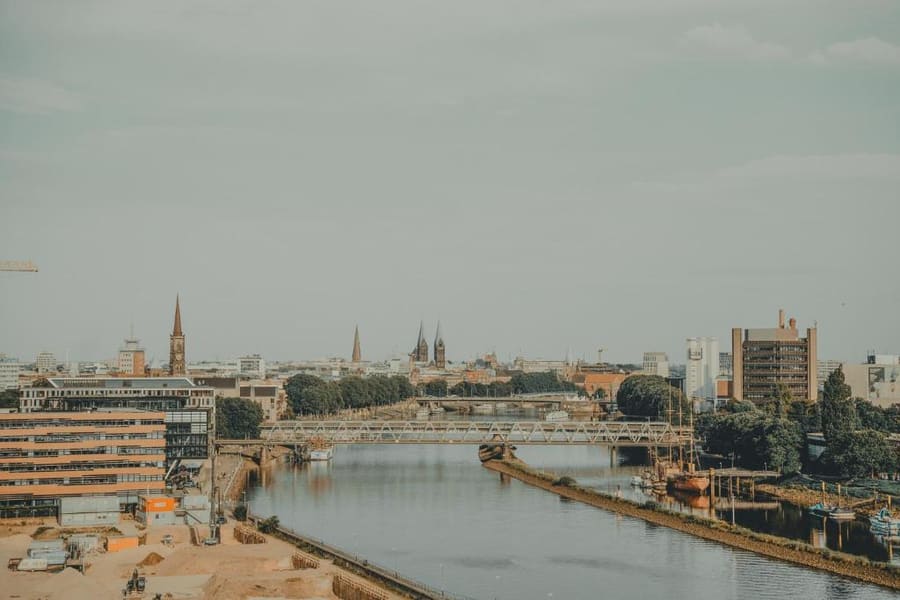
Überseestadt — Converted former docklands featuring modern architecture and industrial harbour basins.
JoachimKohler-HB · CC BY-SA 4.0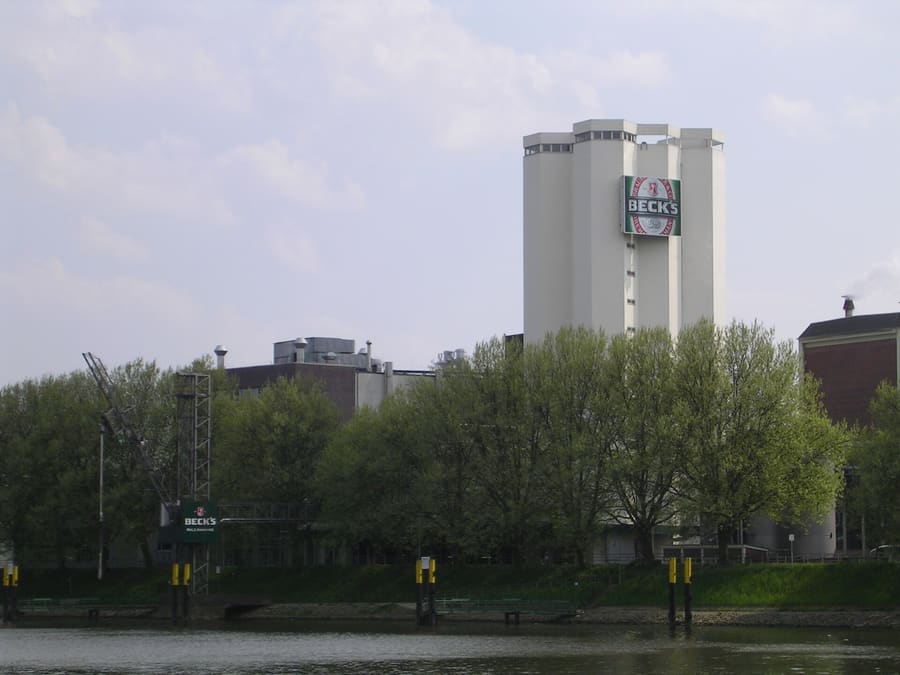
Neustadt — Relaxed residential district across the river with parks, craft beer spots, and local cafes.
Rami Tarawneh · CC BY 2.5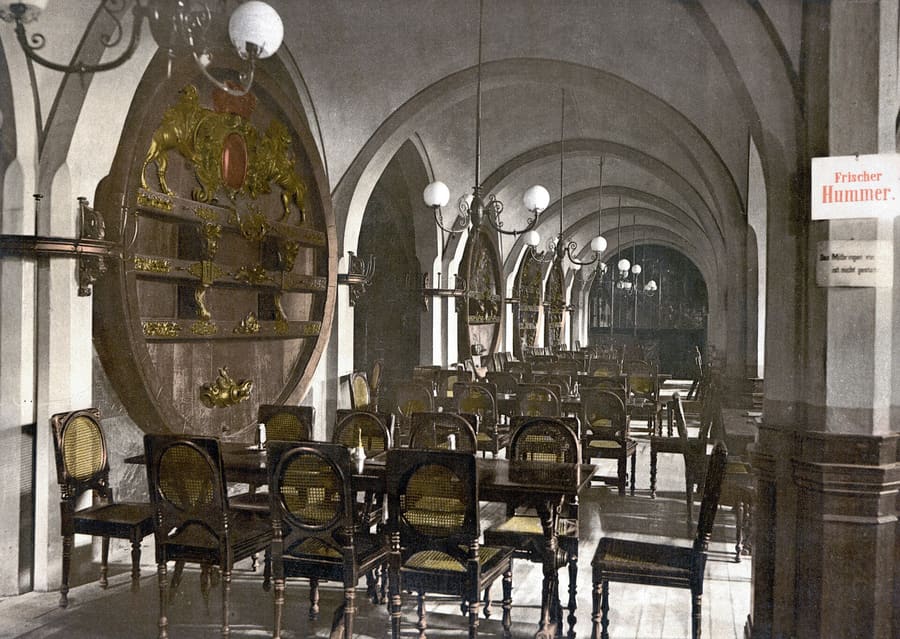
The Ratskeller holds Germany's oldest wine cask, dating from 1653.
Unknown authorUnknown author · Public domainhighlights
landmark
A 600-year-old Gothic structure with a Weser Renaissance facade. Book an official guided tour online to see the historic Upper Hall.
Pregunta a Parley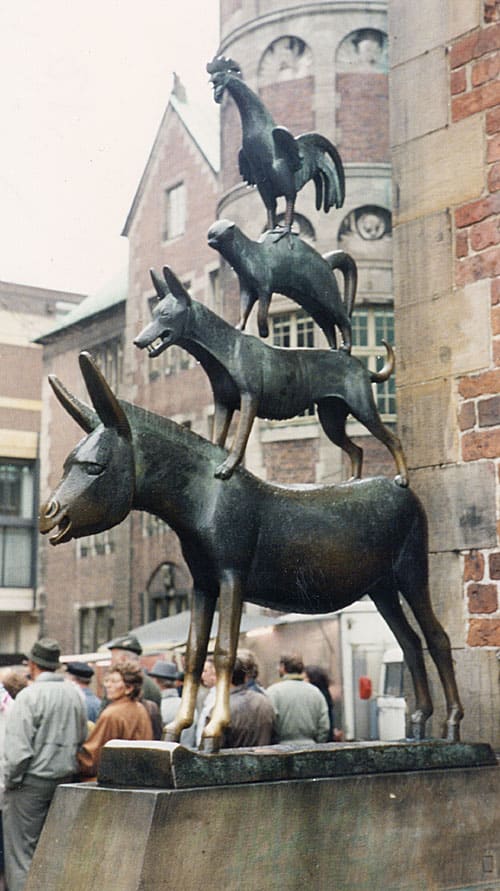
landmark
Bronze sculpture of the Brothers Grimm characters. Rub both donkey's front legs with two hands for good luck.
Pregunta a Parley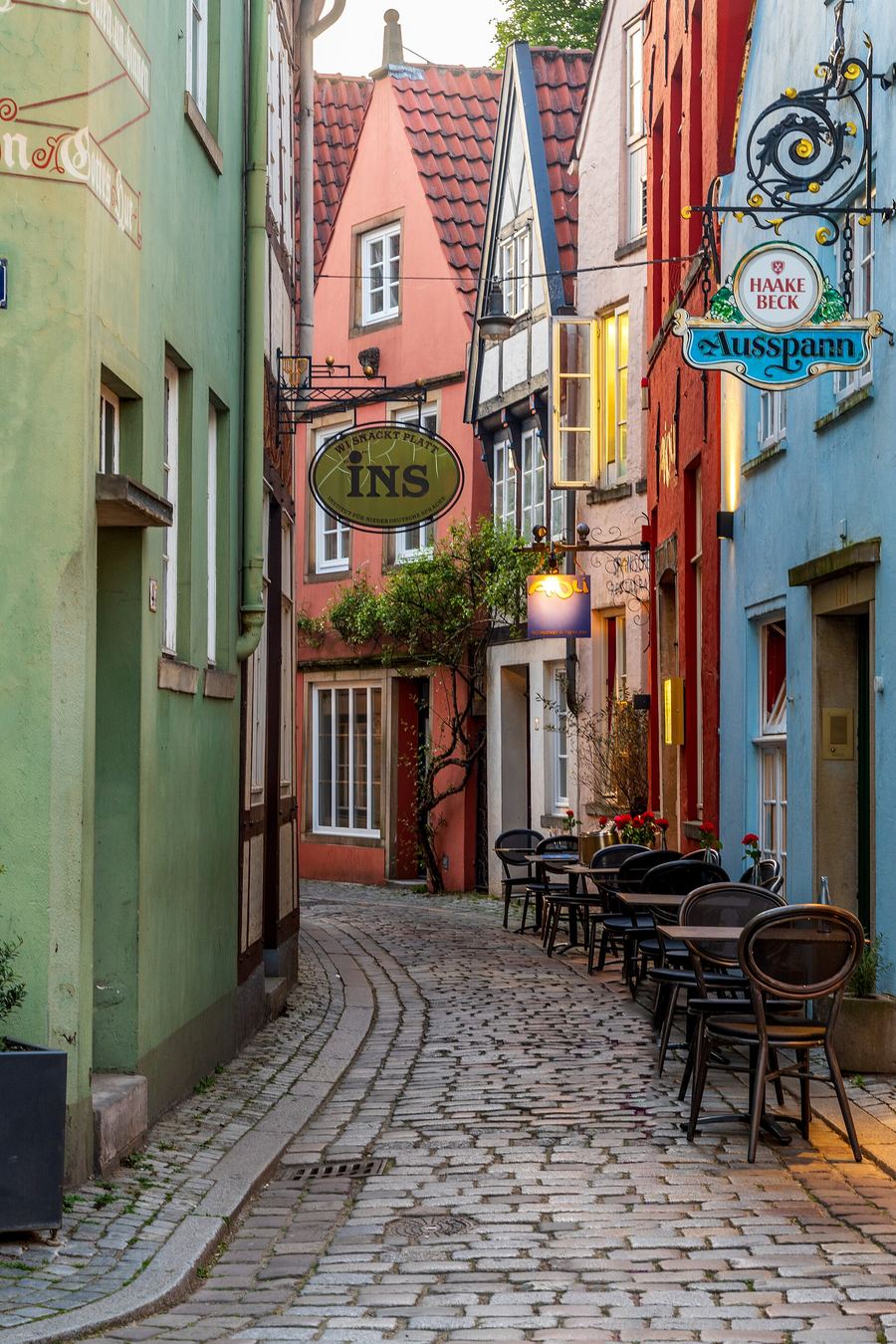
landmark
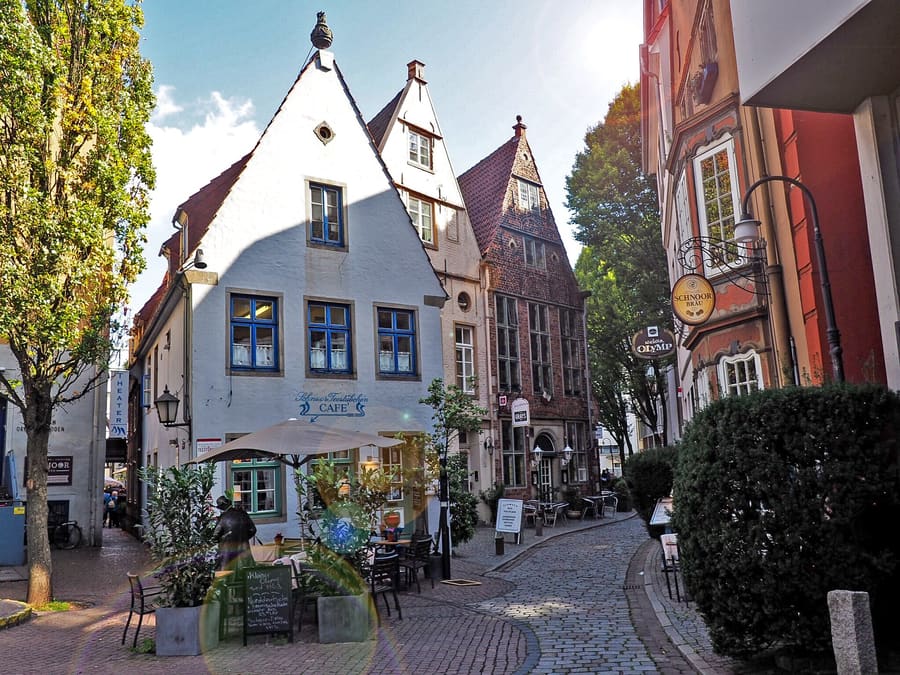
Bremen's oldest quarter with 15th-century fishermen houses. Narrow alleys bottleneck around mid-day, so visit before 10:00.
Pregunta a Parley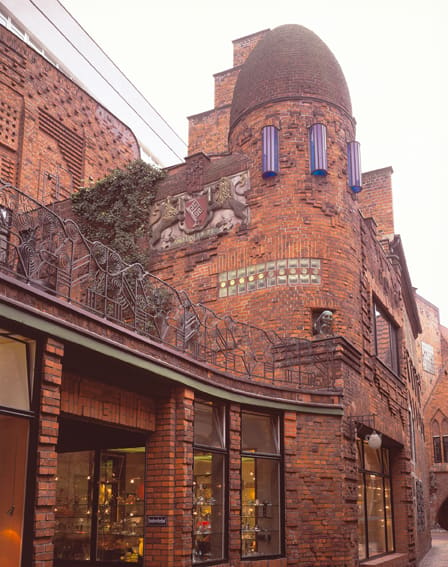
landmark
100-meter street built in Expressionist brick during the 1920s. Listen to the Meissen porcelain carillon chime hourly.
Pregunta a Parley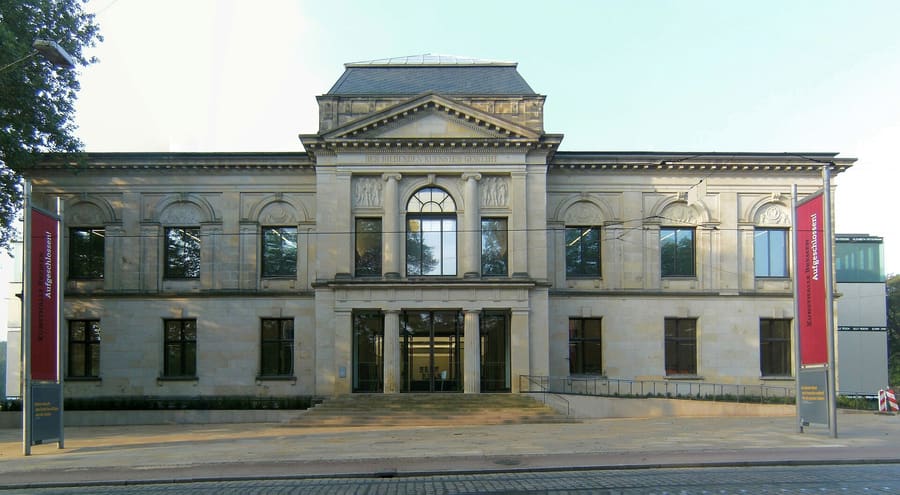
landmark
Art museum housing 600 years of European art from Albrecht Dürer to Claude Monet. Closed on Mondays.
Pregunta a Parleyattractions
areas
Converted former docklands featuring modern architecture and industrial harbour basins.
CercaSchuppen Eins and Europahafen
Pregunta a ParleyRelaxed residential district across the river with parks, craft beer spots, and local cafes.
CercaBeck's Brewery and Werdersee
Pregunta a ParleyHistoric, compact, and dominated by Hanseatic architecture and civic squares.
CercaRathaus and Böttcherstraße
Pregunta a ParleyEclectic neighbourhood with 19th-century townhouses, indie shops, and late bars.
CercaKunsthalle and Weser embankment
Pregunta a Parleyfood
Bremen culinary traditions reflect its North Sea trade connections and agricultural hinterland. Winter brings Kohl-und-Pinkel, a dish of braised kale served with spiced pork sausage, bacon, and caramelized potatoes. In December, bakers produce Bremer Klaben, a dense fruit loaf packed with raisins and candied peel that holds a protected designation of origin.
The Ratskeller holds Germany's oldest wine cask, dating from 1653.
Unknown authorUnknown author · Public domainFrom November through February, local groups parade through countryside with pull-wagons before eating kale and sausage.
Bakeries like Conditorei Knigge sell Klaben sliced by weight. Eat it spread with butter alongside strong coffee.
The city council holds a monopoly on German wine sales in the cellar. The wine list includes only domestic bottles.
history
Bremen joined the Hanseatic League in 1358 to secure trade routes along the Weser river. Maritime commerce brought wealth, funding monumental brick buildings and civic autonomy. Merchant guilds maintained independence from local bishops, establishing self-rule that persists in Bremen's current status as Germany's smallest federal state.
Hanseatic League
Bremen joins the powerful trading alliance, dominating North Sea commerce routes.
Roland Statue erected
Citizens construct the stone Roland statue to assert independence from church control.
Federal statehood
Bremen becomes a two-city state within West Germany alongside Bremerhaven.
where to stay
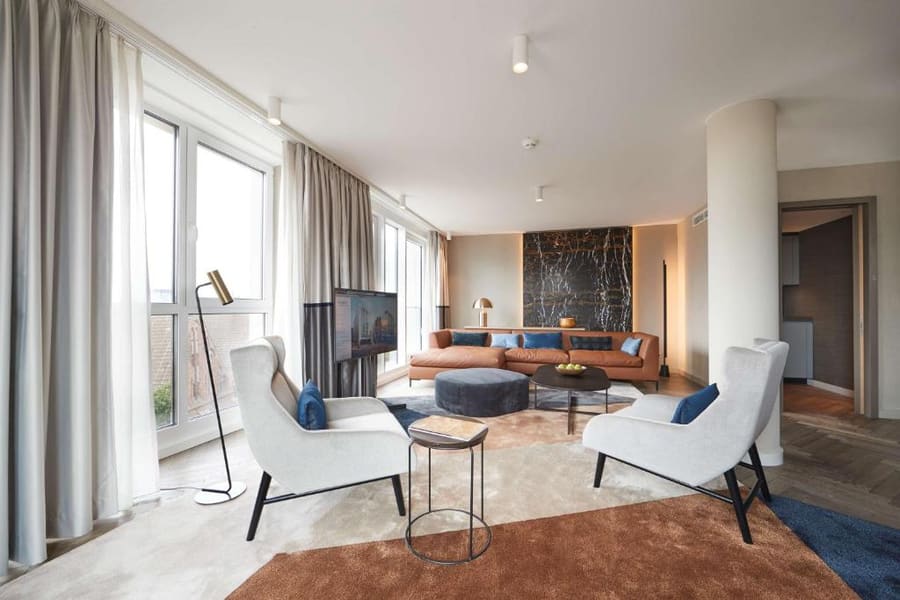
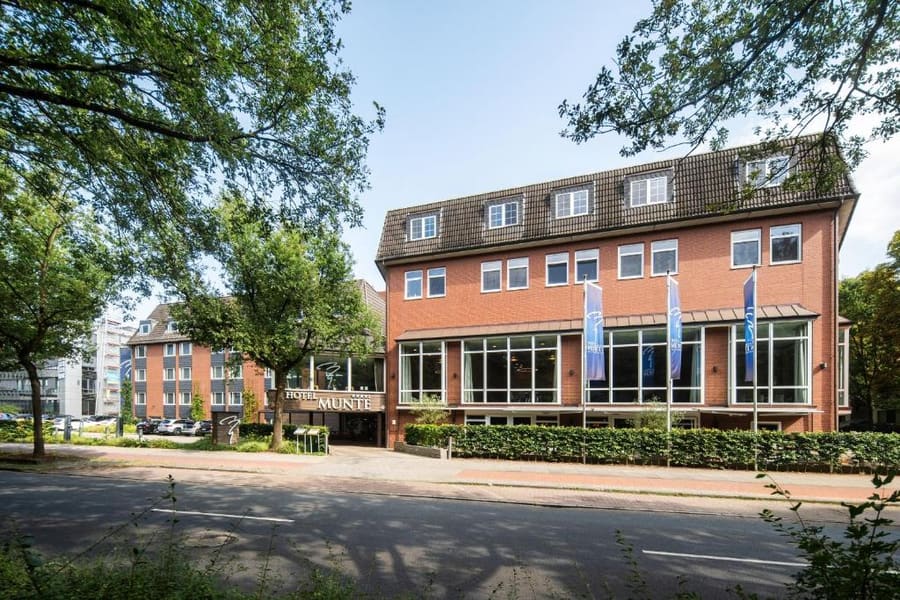
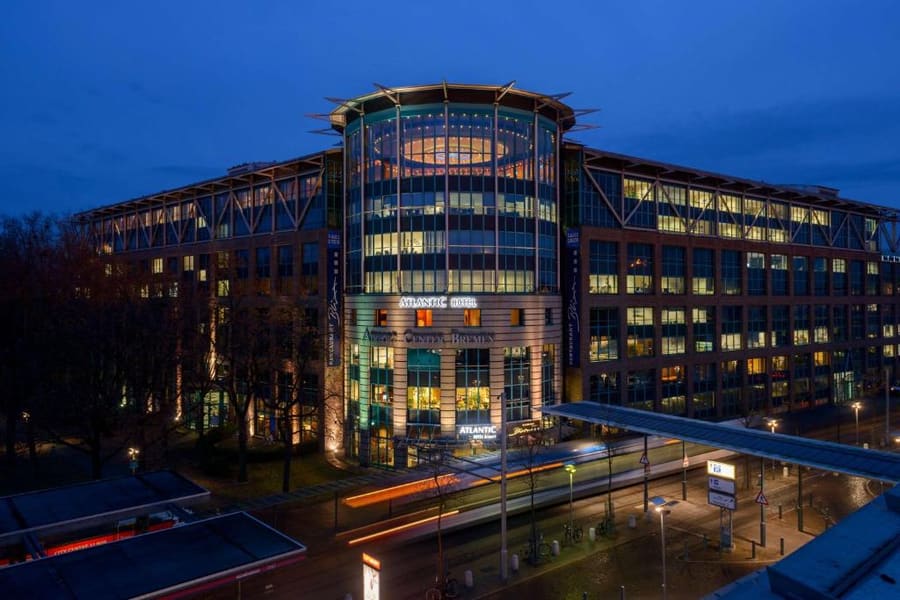
Choose your base by preferred pace. Altstadt keeps you within walking distance of medieval sights. Das Viertel suits night owls seeking bars, while Überseestadt appeals to travellers who prefer modern harbour lofts.
Live rates, matched to the areas above.
transport
Bremen transit runs on BSAG trams and buses. The city is flat and compact, making walking or cycling the easiest option in the centre.
Desde Bremen Airport (BRE)
Tram line 6 departs directly outside the main terminal every 10 minutes.
Taxi ranks sit immediately outside arrivals.
Line 52 runs to Neustadt and central connection points.
A day pass for one person costs €8.80 and covers all trams and buses within city zone 100.
Ticket machines inside trams accept contactless cards and cash for individual fares.
Night tram lines N1 through N9 run hourly throughout Friday and Saturday nights.
cost
Bremen is moderately priced compared to Munich or Hamburg. Daily costs stay manageable if you navigate food markets and public transport.
Valid for 90 minutes on all trams and buses in the central zone.
Covers classic German dishes like Labskaus or Knipp at traditional taverns.
Pilsner from Beck's or local craft breweries at neighbourhood bars.
Includes entrance to historical wine vaults and one glass of German wine.
seasonality
MAR – MAY
Mild weather and blooming parks along the Wallanlagen. Outdoor seating opens along the Schlachte riverbank promenade in April.
JUN – AUG
Long daylight hours and riverfront festivals like Breminale. Hotel prices peak during summer events along the Weser.
SEP – NOV
Freimarkt festival dominates October with fairground rides. Autumn weather turns wet and chilly by November.
DEC – FEB
Christmas market fills Marktplatz in December. Winter brings traditional Kohlfahrt kale walks across local taverns.
practicalities
Supermarkets and retail stores close every Sunday. Hauptbahnhof station shops stay open.
Market stalls in Wochenmarkt Marktplatz often accept cash only.
Bicycle tires easily catch in streetcar rails on narrow Altstadt streets.
The Weser embankment is popular for drinks on summer evenings.
Bremen is the state capital; Bremerhaven is its seaport sister city 60 km north.