landmark
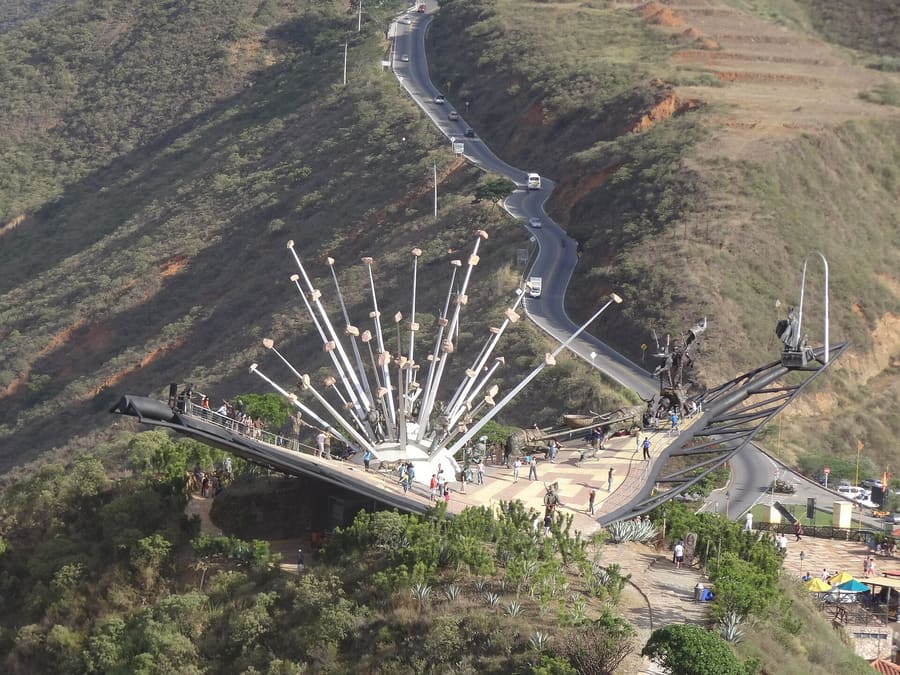
Chicamocha Canyon
A deep gorge 50 km south. Take the 6.3 km cable car across the canyon to Mesa de los Santos for the best views.
Pregunta a ParleyColombia
Mountain-rimmed Santander capital driven by parks and beef.
introduction
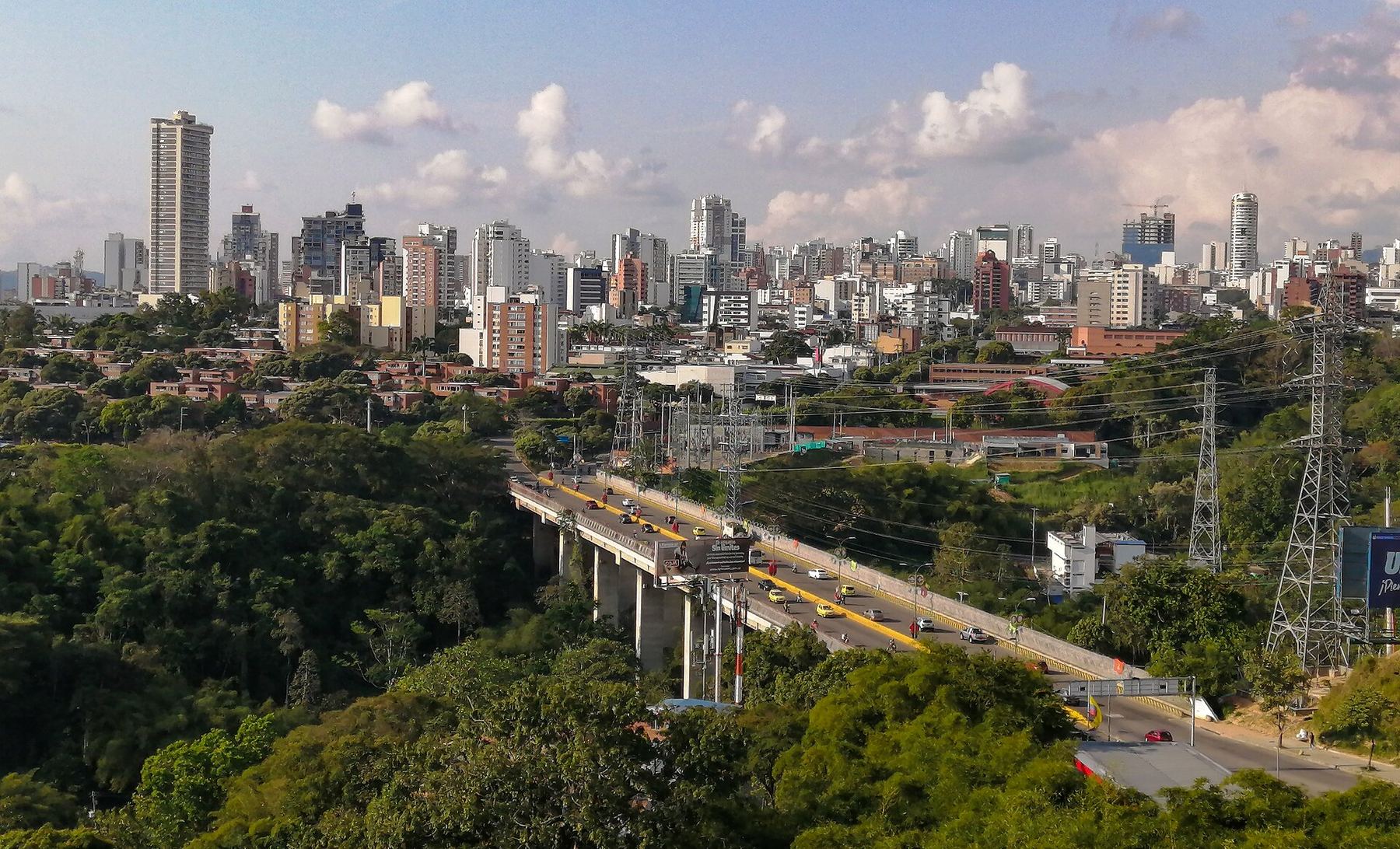
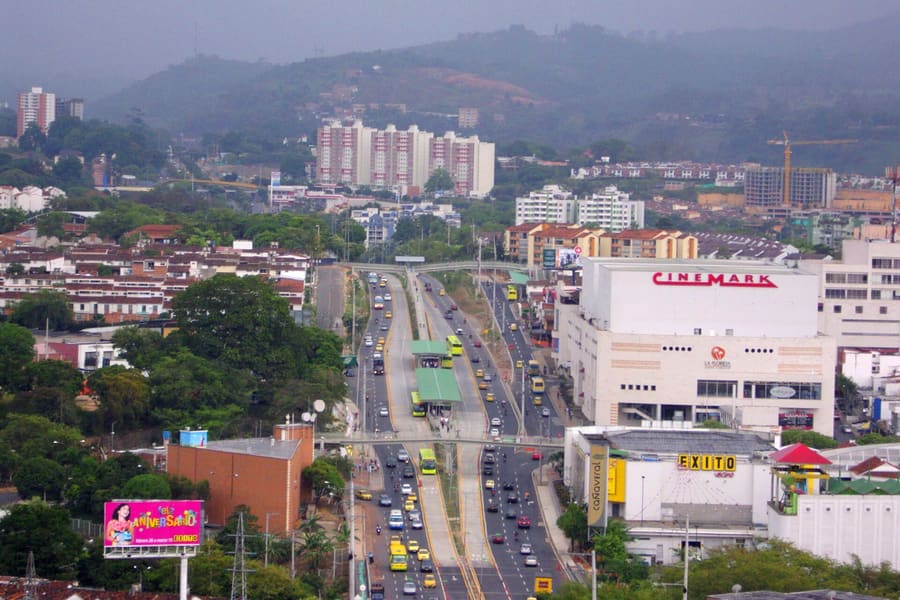
Bucaramanga sits on a high plateau in the Eastern Cordillera of the Colombian Andes. The city trades equatorial heat for a steady year-round temperature near 23°C. You move between high-rise residential neighborhoods and dense urban parks linked by steep avenues. It functions as the jumping-off point for extreme sports in Chicamocha Canyon while serving Colombia's heaviest regional cuisine.
Arrival trick
Palonegro Airport sits on a scraped mountain plateau in Lebrija. Fog frequently delays early morning flights.
City recognition
Bucaramanga holds the official title City of Parks due to its dozens of renovated urban squares.
Planning trick
Address numbers rely on a strict grid of Calles running east-west and Carreras running north-south.
Bucaramanga
Chasen · CC BY-SA 4.0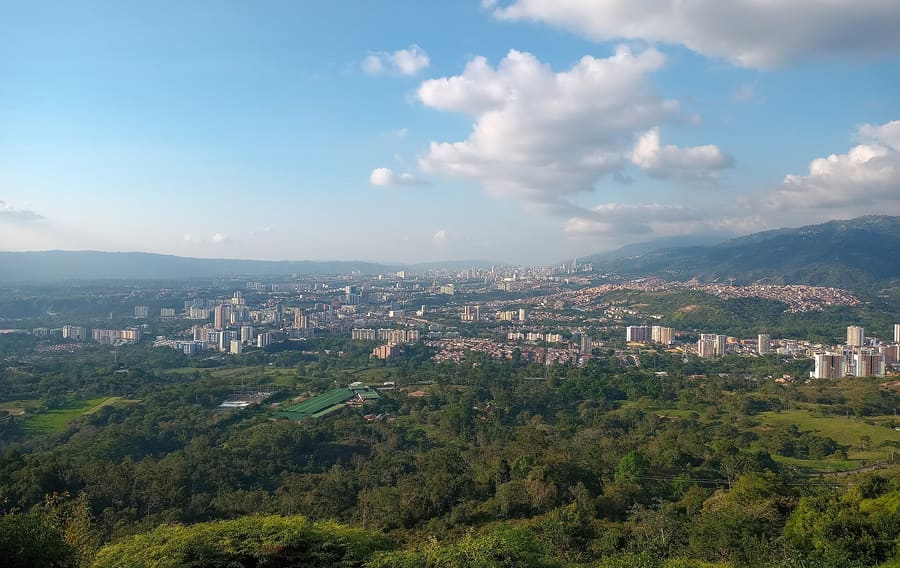
Floridablanca — Southern suburban municipality known for traditional dessert shops, large malls, and cooler hills.
EEIM · CC BY-SA 4.0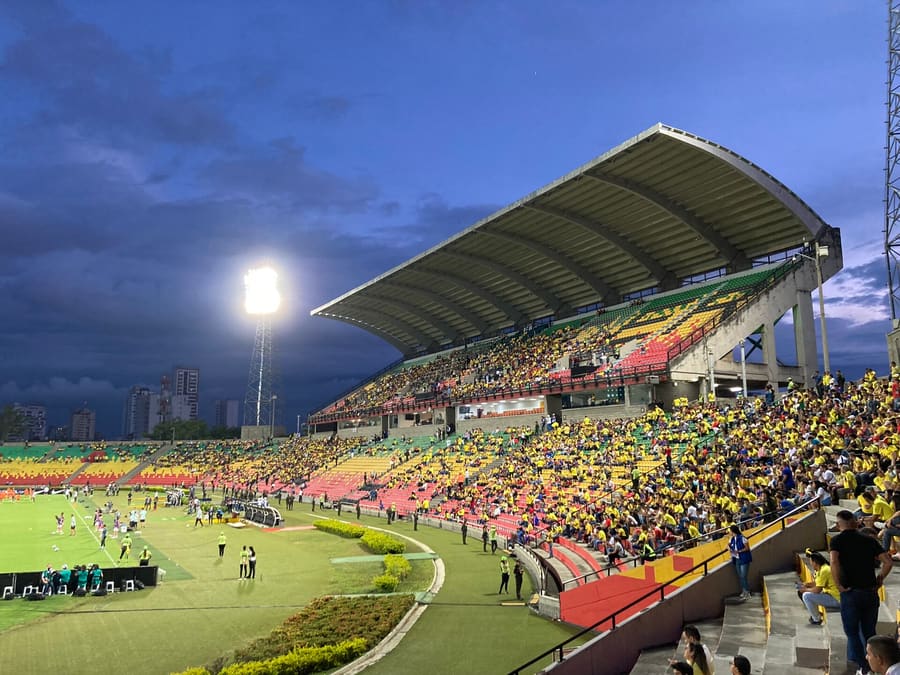
San Alonso — Quiet residential sector near the stadium with craft coffee shops and small neighborhood eateries.
Nikolaiky · CC BY-SA 4.0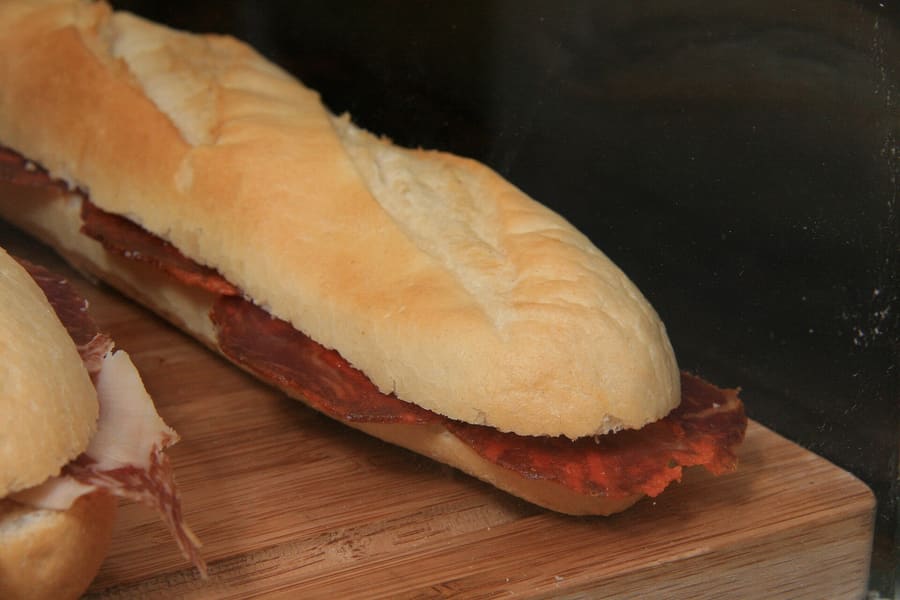
Hormigas culonas are harvested during rainy weeks in April and May, then toasted in copper pots.
Tamorlan · CC BY-SA 3.0highlights
landmark
A deep gorge 50 km south. Take the 6.3 km cable car across the canyon to Mesa de los Santos for the best views.
Pregunta a Parley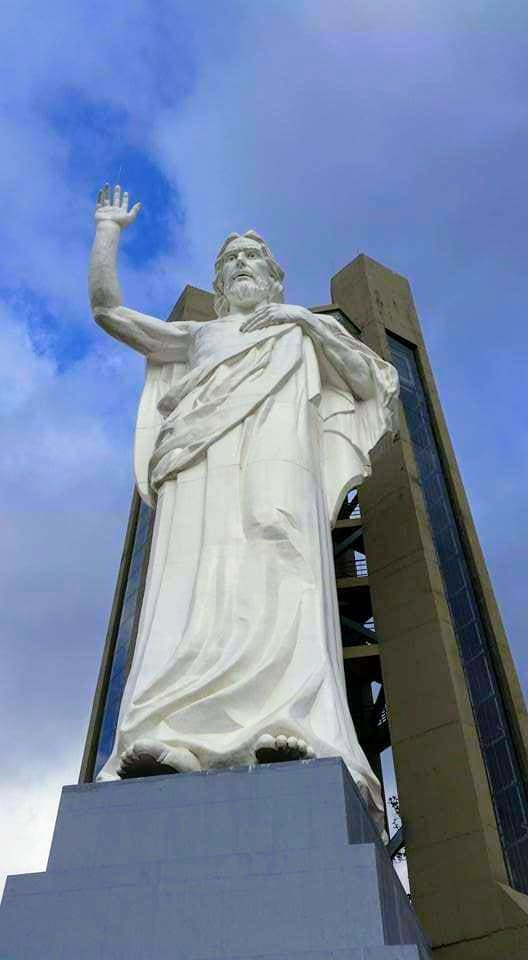
landmark
A 40-metre Jesus statue above Floridablanca. Reach it via cable car to view the entire urban valley at sunset.
Pregunta a Parley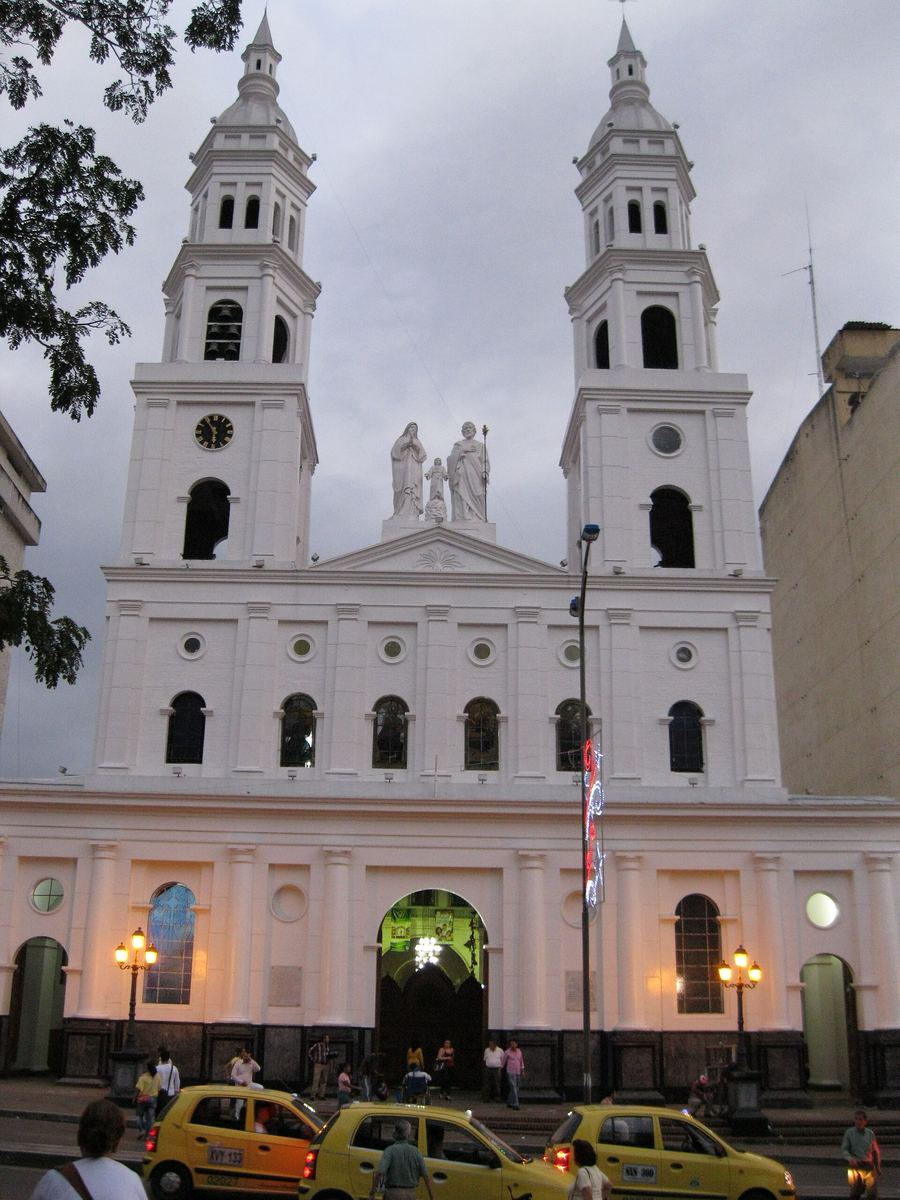
landmark
The central church on Parque Santander, built over decades with a yellow dome visible across the historic core.
Pregunta a Parleyattractions
areas
Southern suburban municipality known for traditional dessert shops, large malls, and cooler hills.
CercaCerro del Santísimo, Botanical Garden
Pregunta a ParleyQuiet residential sector near the stadium with craft coffee shops and small neighborhood eateries.
CercaAlfonso López Stadium, Megamall
Pregunta a ParleyHigh-rise neighborhood packed with upscale dining, leaf-shaded avenues, and late-night cocktail bars.
CercaParque San Pío, Cuadra Play
Pregunta a ParleyBusy commercial district full of shoe stores, street vendors, government plazas, and midday traffic.
CercaMercado Central, Parque Santander
Pregunta a Parleyfood
Food in Bucaramanga relies on heavy protein and distinct regional preservation techniques. Carne oreada is thin beef sun-dried and seasoned with panela and beer before grilling. Mute santandereano is a thick soup combining pork ribs, beef tripe, corn, potatoes, and chickpeas cooked for hours. The most famous local delicacy is hormigas culonas, giant leafcutter ants toasted with salt that yield a nutty flavor.
Hormigas culonas are harvested during rainy weeks in April and May, then toasted in copper pots.
Tamorlan · CC BY-SA 3.0Order pepitoria alongside goat meat. It is a savory mixture of rice, goat blood, offal, and spices baked into a firm side.
Travel south to Floridablanca's main plaza for obleas. These thin wafer sandwiches hold thick arequipe, cheese, and blackberry jam.
Locals head to countryside roadside restaurants on Sunday morning for caldo de pajarilla or mute to recover from weekend drinking.
history
Bucaramanga developed slowly as a satellite of colonial Girón before rising as an industrial power. Tobacco trade and coffee exports drove growth in the late 19th century, drawing European merchants who built manufacturing infrastructure. The 20th century transformed the plateau into a major leatherworking and footwear hub.
Colonial foundation
Spanish colonial authorities establish Bucaramanga as a native settlement near gold washing sites.
State capital
The city becomes the capital of the sovereign state of Santander, sparking rapid administrative growth.
Thousand Days' War
The Thousand Days' War halts local coffee exports and damages regional infrastructure.
Industrial manufacturing
Modern textile and shoe manufacturing industries expand, establishing Bucaramanga as an industrial hub.
where to stay
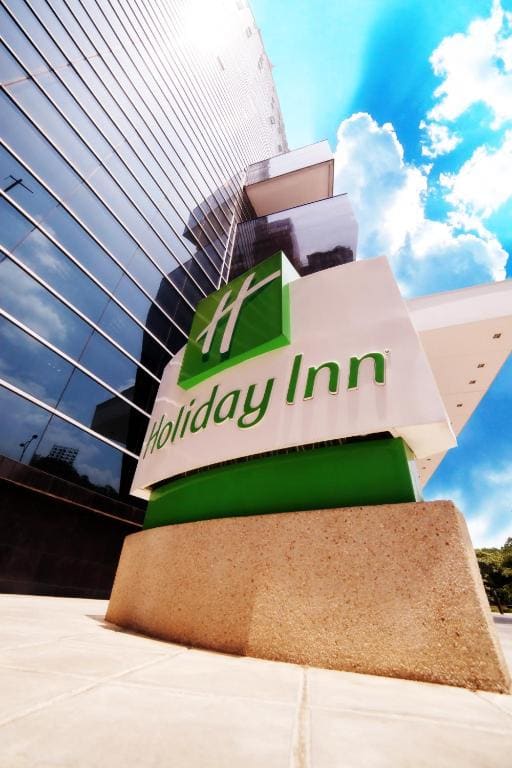
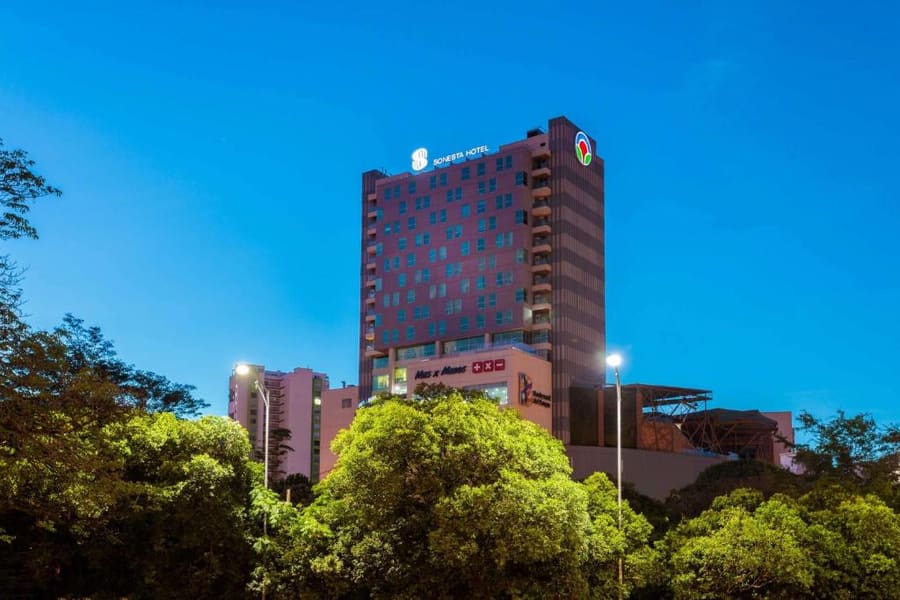
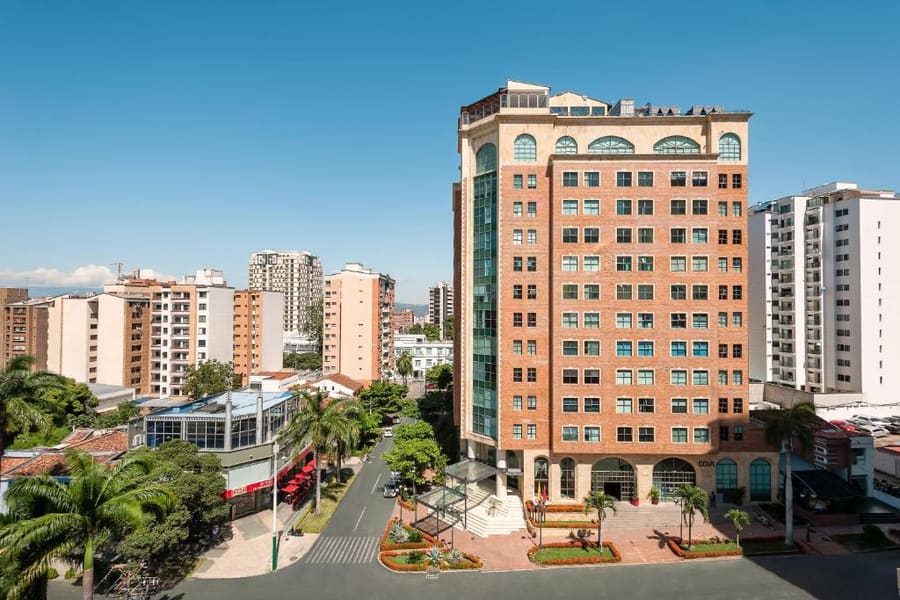
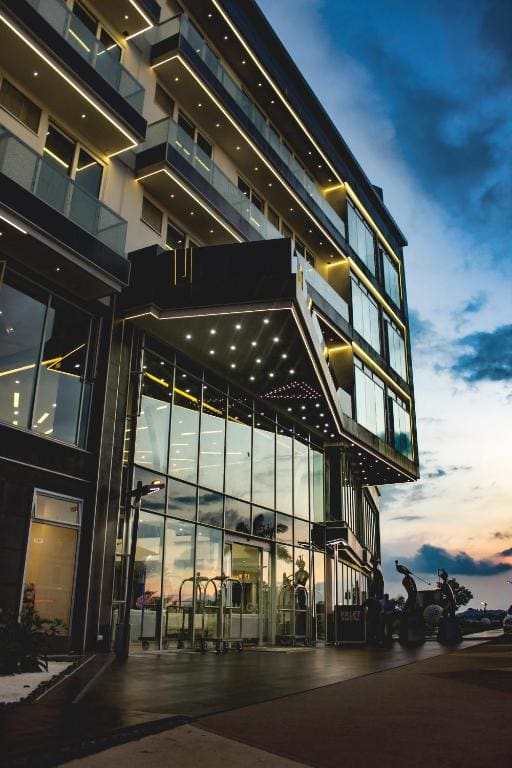
Choose your location based on altitude and evening activity. Cabecera provides walkable access to high-end restaurants, cocktail venues, and secure night streets. Centro lowers your room costs significantly but requires taking taxis as soon as shops close at dusk. Floridablanca sits at a lower elevation (~925 m) than Bucaramanga (~950–1,000 m), making it slightly warmer rather than cooler, and offers resort-style hotel properties.
Live rates, matched to the areas above.
transport
Desde Palonegro International Airport (BGA)
Fixed rate zones apply from the airport terminal counter.
Pickup occurs outside the main terminal doors on the upper level.
Buses drop off near the central bus terminal or Parque San Mateo.
Drivers must start the meter (taxímetro) upon pickup. Surcharges apply after 20:00 and on Sundays.
Avoid crossing between Bucaramanga and Floridablanca on the Autopista from 17:00 to 19:30.
Small white vans (colectivos) leave from Carrera 15 to Girón every five minutes.
cost
Bucaramanga costs substantially less than Bogotá, Medellín, or Cartagena. High-end dining in Cabecera matches standard casual restaurant prices in Western Europe, while everyday street food and market meals remain inexpensive.
A massive bowl that serves as a complete lunch at regional markets.
Price varies depending on extra toppings like cheese or fruit.
Covers most urban trips within Cabecera, Cañaveral, or Centro.
Includes park admission and round-trip cable car ride across the canyon.
seasonality
DEC – FEB
Dry season with sunny skies. Ideal for visiting Chicamocha Canyon and paragliding.
MAR – MAY
Heavy rains return. Mountain roads face landslide delays, but rivers fill up for rafting.
JUN – AUG
Secondary dry spell. Perfect outdoor weather with moderate domestic holiday crowds.
SEP – NOV
Second rainy season. September features the Feria de Bucaramanga with concerts and parades.
practicalities
The high plateau elevation causes rapid sunburn despite mild air temperatures. Apply sunscreen daily.
Keep phones hidden when walking through Centro or isolated park edges after dark.
Most small shops close completely on Sunday, though large malls in Floridablanca remain open.
Market stalls and street ant vendors do not accept credit cards. Keep small COP bills handy.
Book paragliding jumps at Ruitoque or Curití in the morning before thermal winds turn unpredictable.