landmark
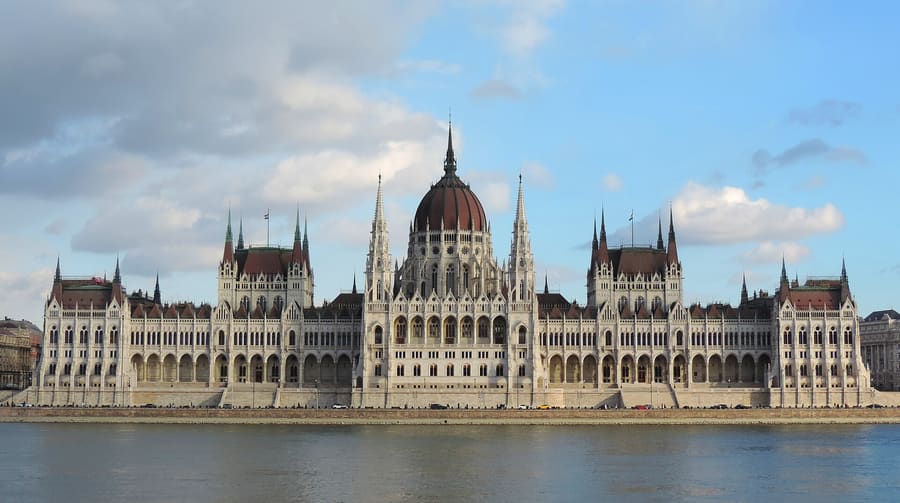
Hungarian Parliament
The colossal Gothic Revival seat on the Danube bank. Book official interior tours weeks in advance online to secure entry.
Pregunta a ParleyHungría
Thermal waters, grand boulevards, and ruined courtyards.
introduction
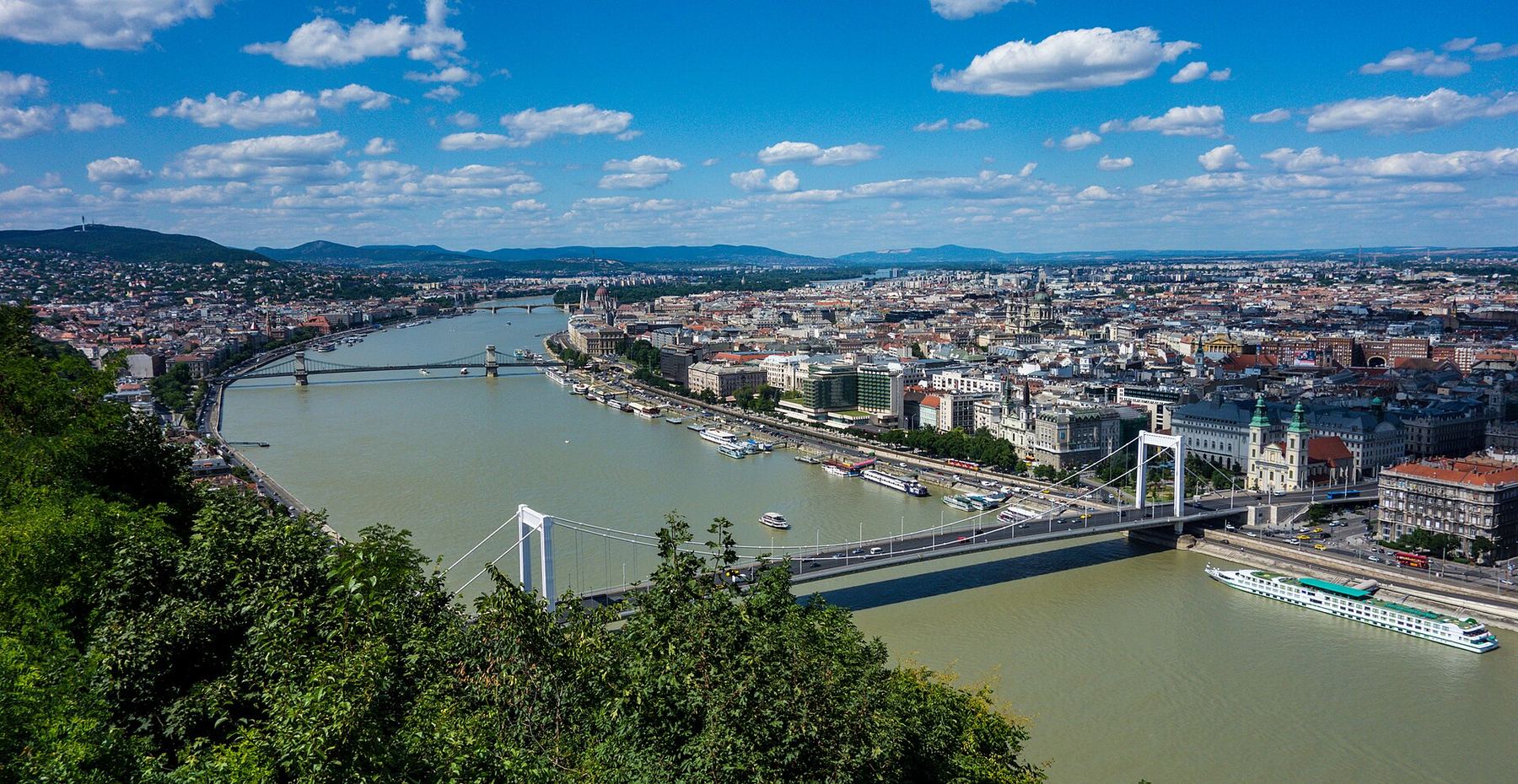
Budapest is a single unified city divided by the Danube River into two main geographical sides, Buda and Pest. Hilly Buda holds the royal castle and mineral baths, while flat Pest drives the city's commercial and nightlife grids. You move between them on foot or via Europe's dense network of yellow trams and historic metros. Expect grand 19th-century architecture paired with unpretentious dining and late-night ruin bars.
100E Airport Express
The 100E shuttle bus connects Liszt Ferenc Airport directly to Deák Ferenc tér in 30 minutes. It requires a specific airport bus ticket costing 2,200 HUF.
UNESCO World Heritage Banks
The Danube banks, Buda Castle Quarter, and Andrássy Avenue hold UNESCO status. Metro Line M1 beneath Andrássy is the oldest underground line in continental Europe.
Thermal bath etiquette
Bring rubber flip-flops and your own towel to avoid rental fees at thermal baths. Swimming caps are mandatory only in dedicated lap swimming pools.
Budapest
Civertan · CC BY-SA 3.0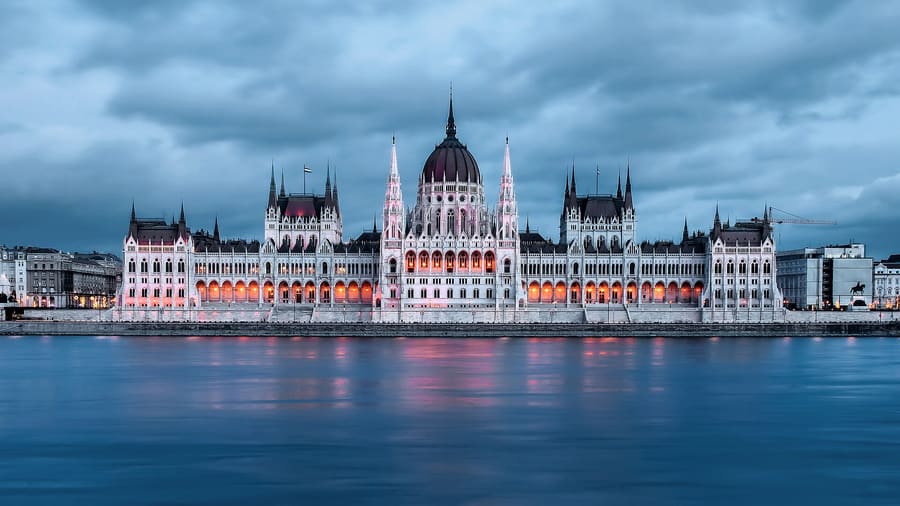
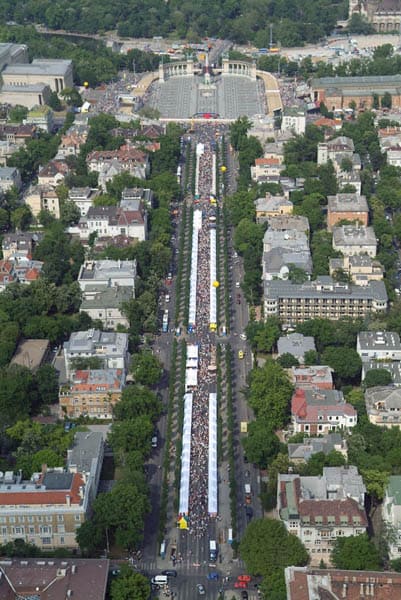
District V (Belváros) — Polished administrative and shopping hub along the Danube waterfront.
Jorge Franganillo from Barcelona, Spain · CC BY 2.0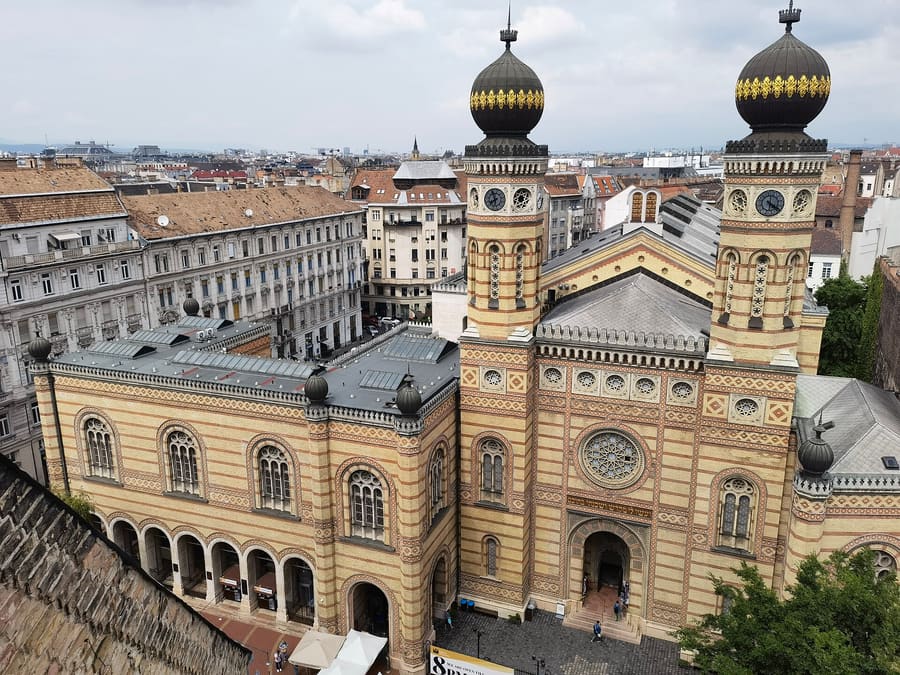
District VII (Erzsébetváros) — Historic Jewish Quarter packed with ruin bars, courtyards, and cafes.
Random photos 1989 · CC BY-SA 4.0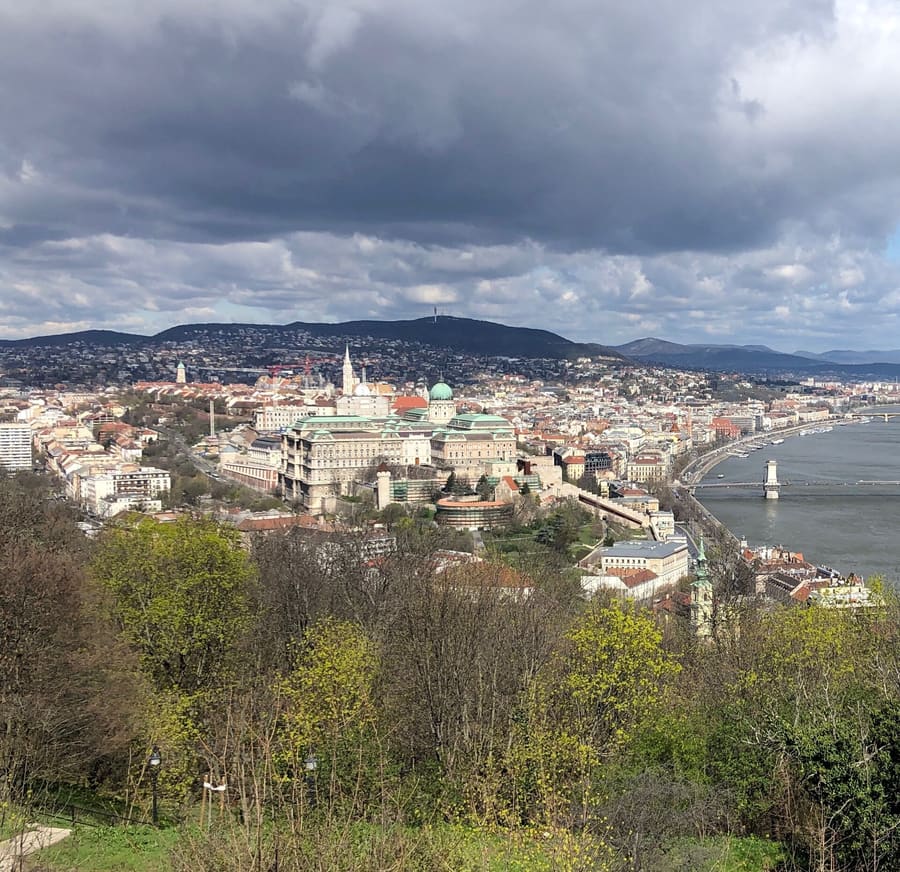
District I (Várkerület) — Quiet cobblestone hilltop neighborhood surrounding the royal palace.
Kolbicrew · CC BY-SA 4.0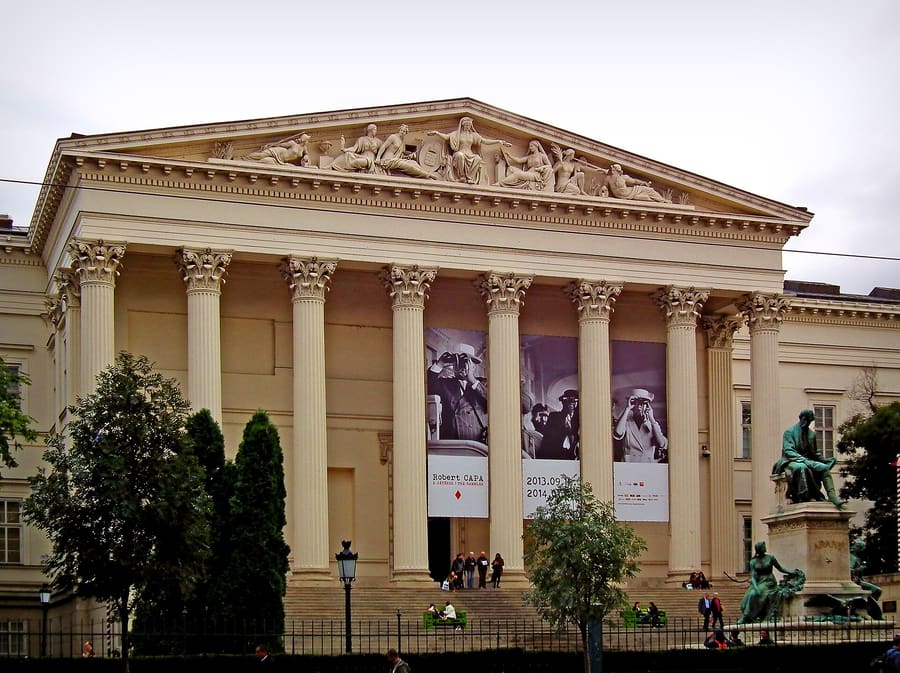
District VIII (Józsefváros) — Gritty Palace Quarter evolving into an arts and student hub.
Varius · CC BY-SA 3.0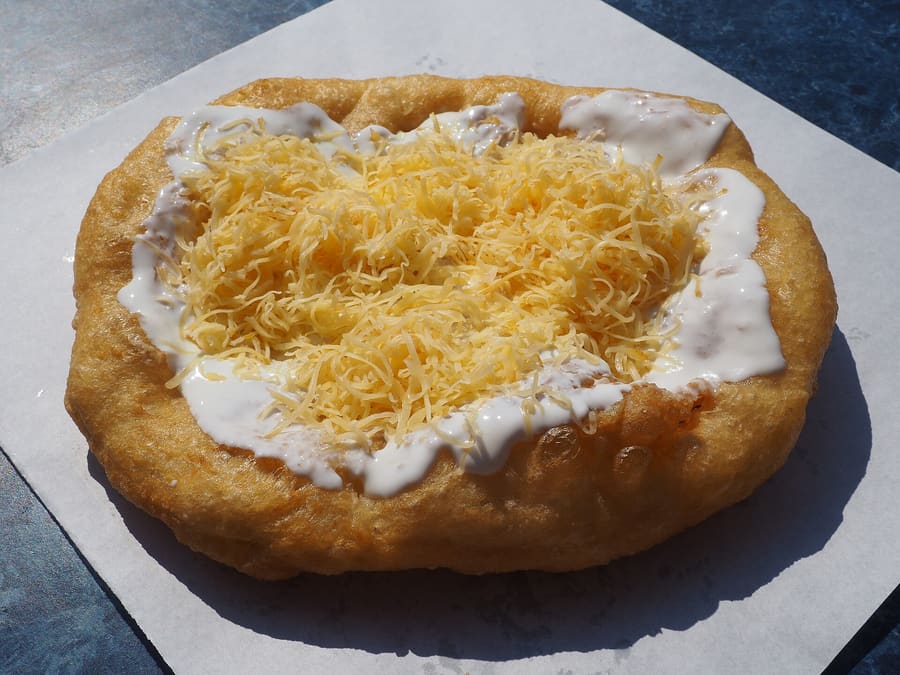
Freshly fried lángos served with sour cream, garlic water, and grated cheese.
sikeri · CC BY-SA 4.0highlights
landmark
The colossal Gothic Revival seat on the Danube bank. Book official interior tours weeks in advance online to secure entry.
Pregunta a Parley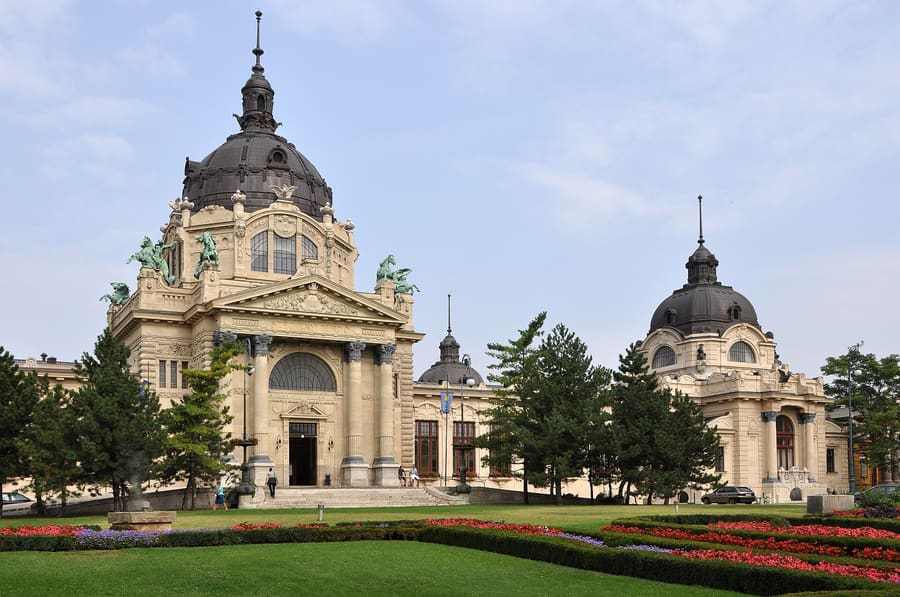
landmark
Europe's largest medicinal bath complex with 18 pools. Visit before 9:00 AM to beat tour groups and secure private lockers.
Pregunta a Parley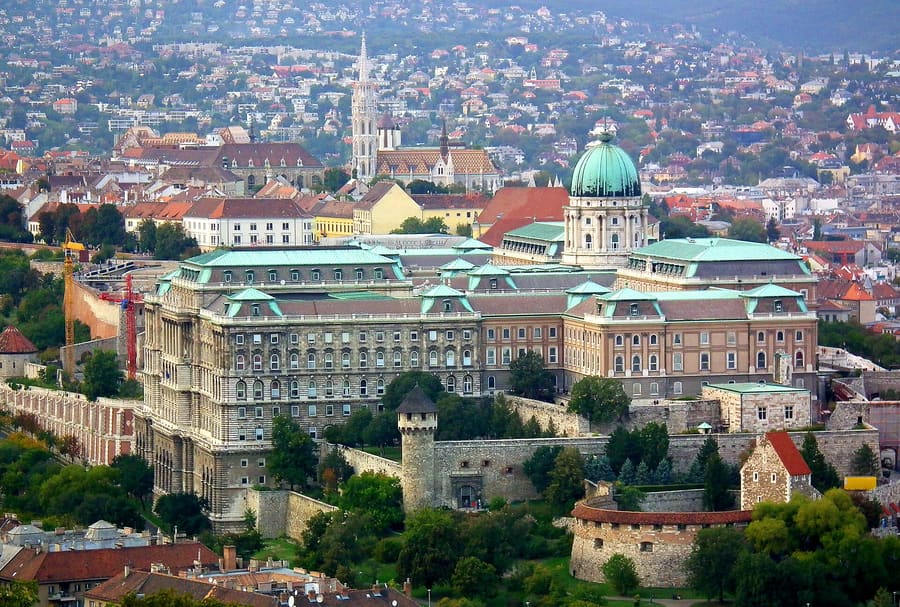
landmark
Historic royal complex housing the Hungarian National Gallery. Skip the costly funicular and walk up the Royal Steps from Clark Ádám tér.
Pregunta a Parley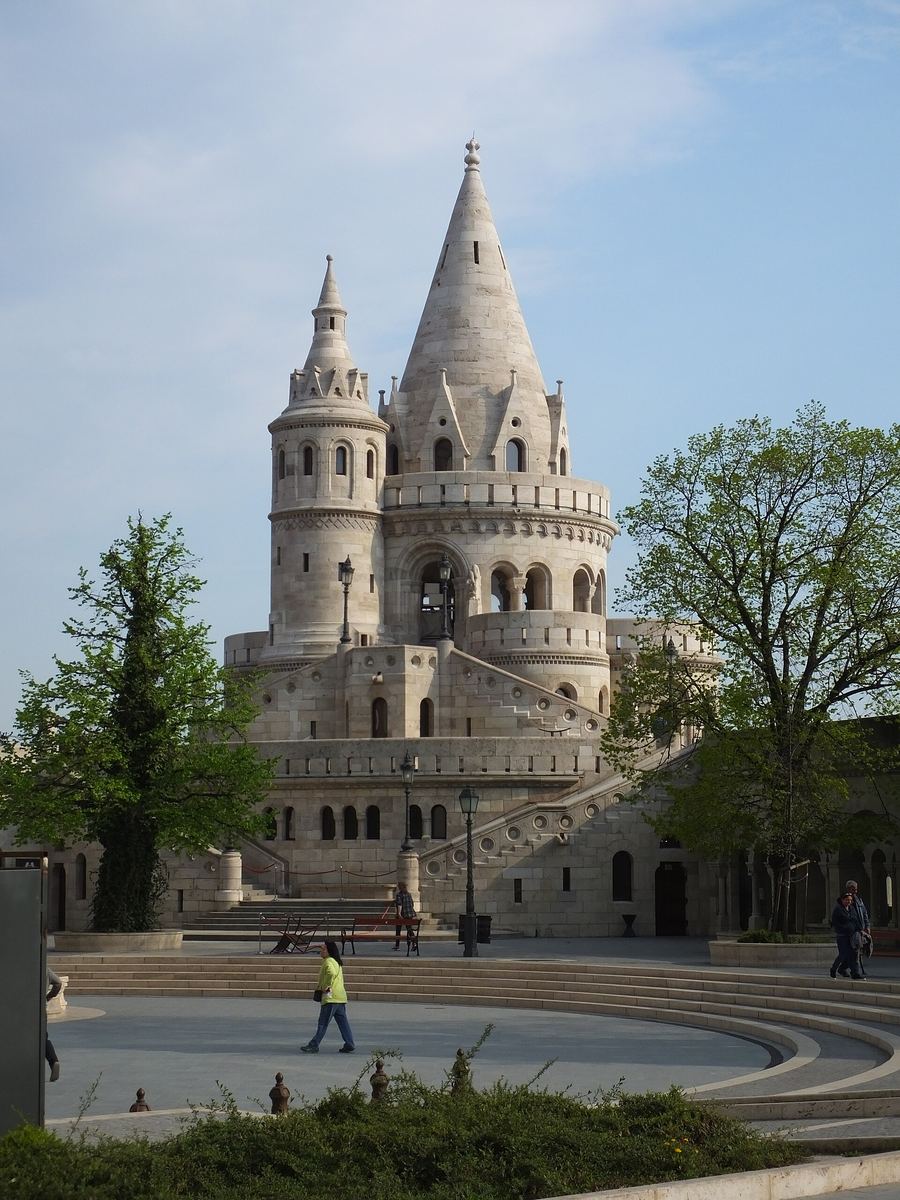
landmark
Seven neo-Romanesque lookout towers offering wide river views. Upper balconies are free before 9:00 AM and late at night.
Pregunta a Parley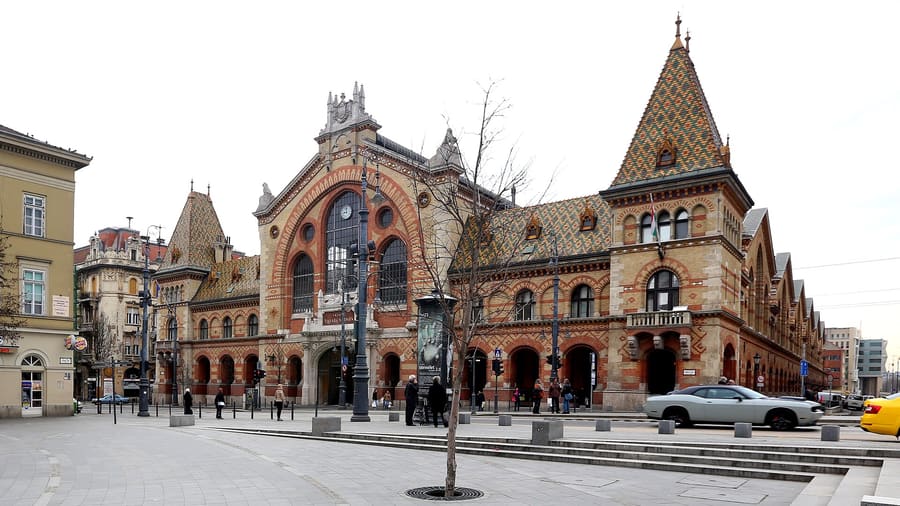
landmark
A three-story 19th-century hall for paprika, sausages, and lángos. Eat upstairs, but buy food items on the ground floor for lower prices.
Pregunta a Parley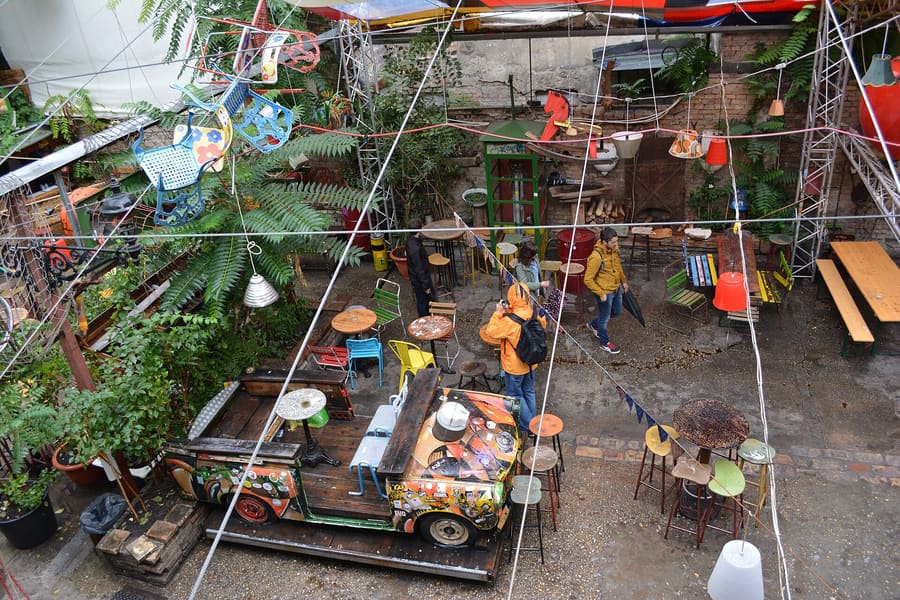
landmark
The original ruin bar built inside an abandoned factory. Visit on Sunday mornings for the local farmers' market without party crowds.
Pregunta a Parleyattractions
areas
Polished administrative and shopping hub along the Danube waterfront.
CercaParliament and Chain Bridge
Pregunta a ParleyHistoric Jewish Quarter packed with ruin bars, courtyards, and cafes.
CercaDohány Street Synagogue and Szimpla Kert
Pregunta a ParleyQuiet cobblestone hilltop neighborhood surrounding the royal palace.
CercaBuda Castle and Fisherman's Bastion
Pregunta a ParleyGritty Palace Quarter evolving into an arts and student hub.
CercaNational Museum and Great Market Hall
Pregunta a Parleyfood
Budapest dining is grounded in lard, paprika, and slow-cooked meat, but modern bistro culture has shifted the baseline. Classic étkezdék (traditional lunch canteens) serve hearty daily menus, while young chefs refashion Hungarian staples without heavy sauces.
Freshly fried lángos served with sour cream, garlic water, and grated cheese.
sikeri · CC BY-SA 4.0Avoid restaurants on Váci utca displaying laminated picture menus, where cover charges inflate bills.
Buy kürtőskalács from subway station stalls rather than high-street bakeries to pay local prices.
history
Budapest was born in 1873 from the unification of three towns: Buda, Óbuda, and Pest. The city expanded rapidly under the Austro-Hungarian Empire before enduring destruction during World War II and decades behind the Iron Curtain.
Unification
Buda, Óbuda, and Pest combine to create the imperial metropolis of Budapest.
Millennial Exhibition
Hungary celebrates 1,000 years with Metro Line 1 and the Heroes' Square monument.
Hungarian Revolution
Citizens revolt against Soviet rule; the uprising is crushed by Soviet tanks.
Fall of Communism
Hungary opens its borders with Austria, triggering the collapse of the Eastern Bloc.
where to stay
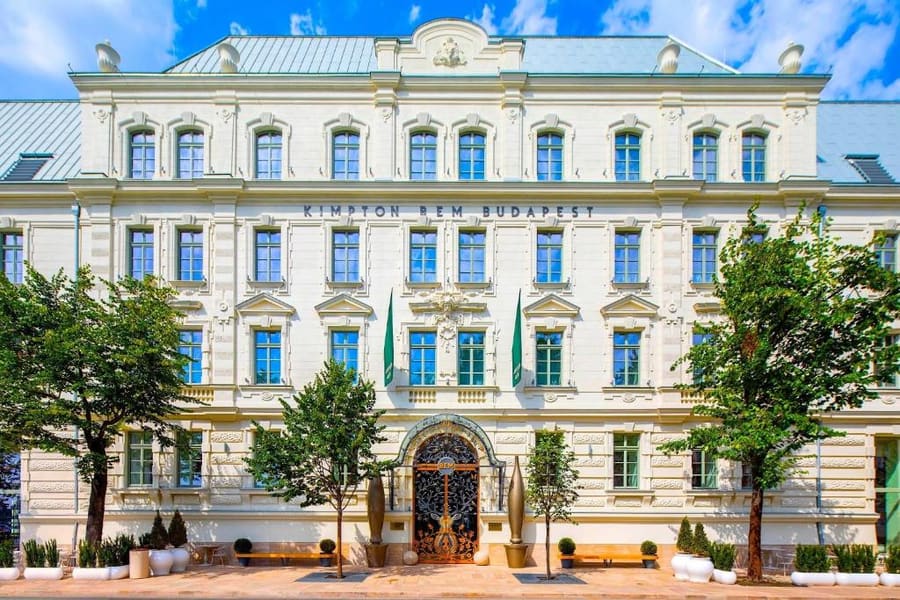
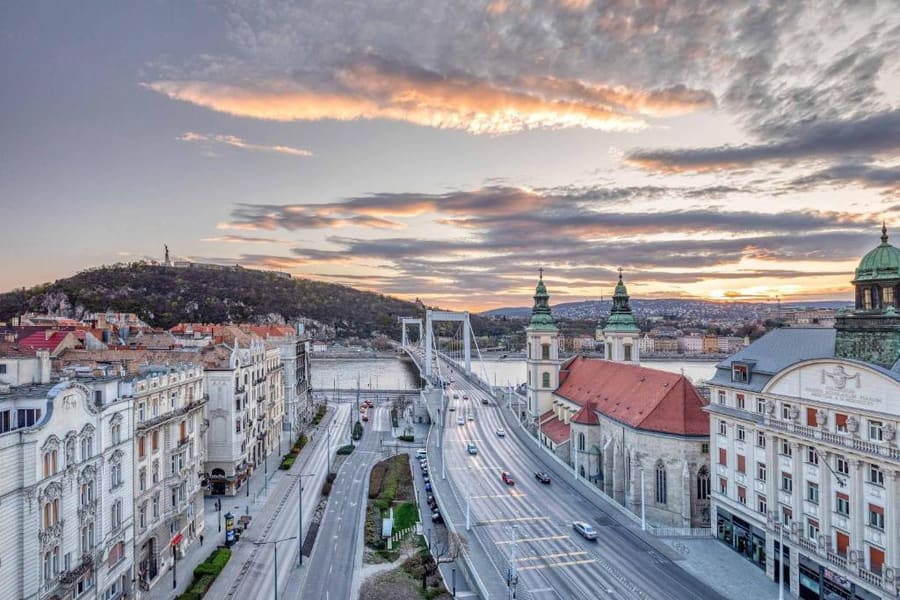
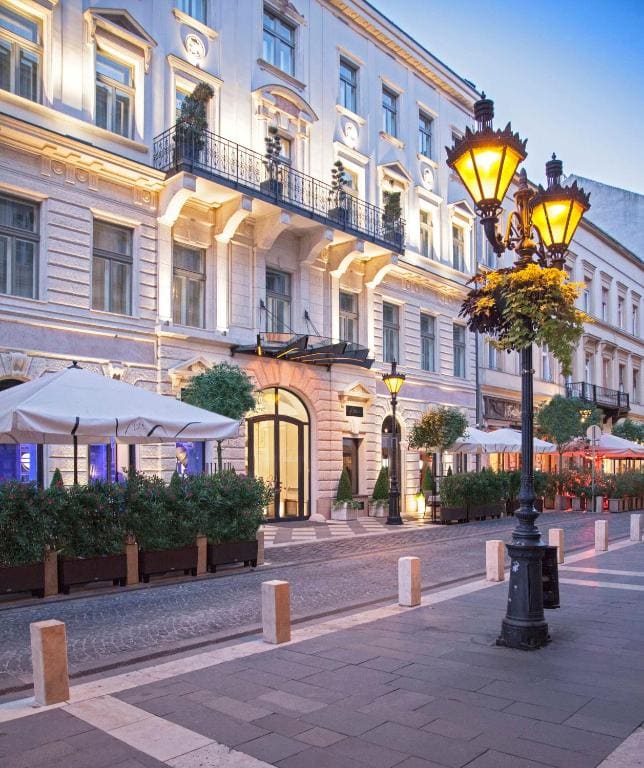
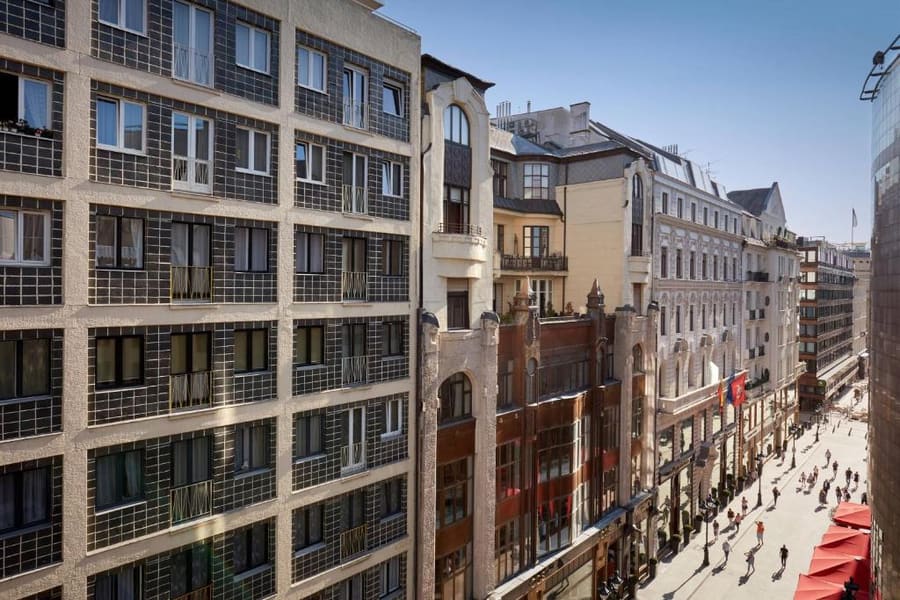
Choose your side of the river based on your travel rhythm. Buda offers quiet slopes, green parkland, and historic views. Pest delivers walkable street grids, continuous transit, and late-night dining.
Live rates, matched to the areas above.
transport
Budapest has an integrated transit network of trams, metros, buses, and trolleybuses operated by BKK. Tram line 2 runs along the Pest embankment and doubles as a scenic river tour.
Desde Liszt Ferenc International Airport (BUD)
Bus 100E goes direct from BUD to Deák Ferenc tér. Requires dedicated airport bus ticket.
Bus 200E connects BUD to Kőbánya-Kispest M3 metro station using standard transit tickets.
Official Főtaxi cabs operate from airport terminal booths with fixed distance pricing.
Bolt operates legally; pick up at designated taxi lanes right outside arrival gates.
Validate single paper tickets at orange machines before entering metro platforms to avoid 25,000 HUF fines.
Tram 2 skirts the Danube past Parliament and Buda Castle for the price of a standard 450 HUF ticket.
Download the BudapestGO app to purchase digital single tickets, 24-hour passes, and plan routes.
Never enter unbranded street taxis at rail stations. Use Bolt or hail official Főtaxi cabs.
cost
Budapest uses the Hungarian Forint (HUF), not the Euro. Card acceptance is standard across restaurants, bars, and museums, but public restrooms and small market stalls still expect coins.
A main course at a traditional bistro costs between 4,000 and 8,000 HUF per person.
Weekend entry with a locker at major baths like Széchenyi ranges from 10,500 to 13,000 HUF.
Provides unlimited rides on all BKK trams, buses, and metros for 2,500 HUF.
Specialty coffee shops charge around 1,000 HUF for a flat white or double espresso.
seasonality
MAR – MAY
Mild temperatures and blooming parks make spring optimal for walking, though April brings sudden rain showers.
JUN – AUG
Hot summers with temperatures topping 35°C. High tourist volume, open-air bath parties, and high hotel rates.
SEP – NOV
Warm early autumn weather, wine festivals, and thinning crowds make September and October ideal months.
DEC – FEB
Freezing winters feature festive Christmas markets on Vörösmarty tér and thermal outdoor bathing in the snow.
practicalities
Select HUF when paying by card at POS terminals to avoid dynamic currency conversion fees.
Thermal spring waters contain natural minerals like sulfur; silver jewelry will tarnish if worn in pools.
Keep 200 HUF coins handy for automated public restrooms and rail station facilities.
Budapest tap water is clean and safe to drink throughout the city; carry a refillable bottle.