landmark
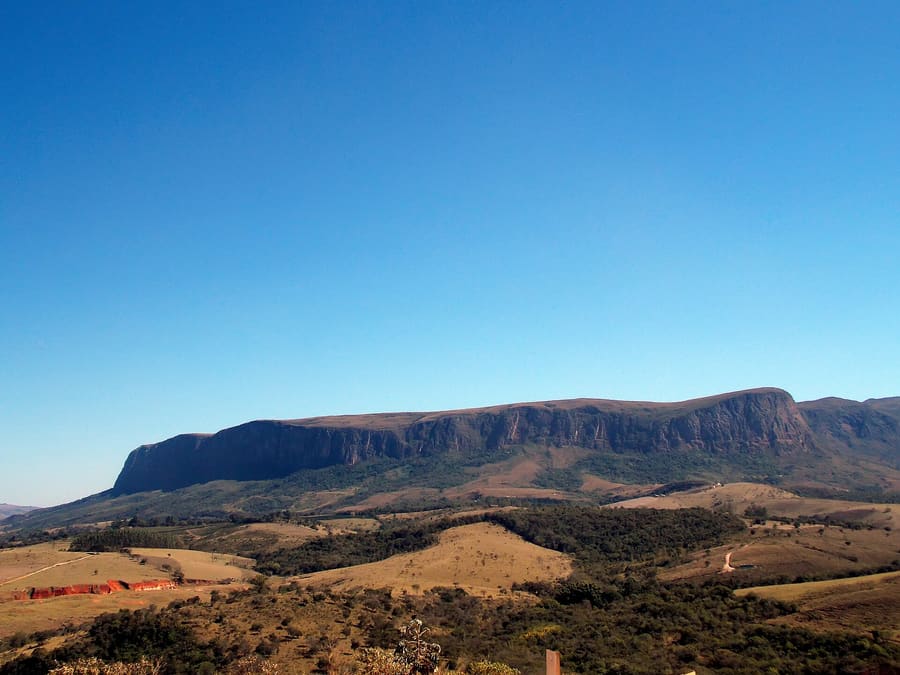
Morro do Chapéu
Highest point in the municipality at 1,293 metres. Drive a high-clearance vehicle for the dirt track.
Pregunta a ParleyBrasil
The flooded canyon hub of Minas Gerais lake country.
introduction
Capitólio sits beside the Furnas Reservoir, a flooded river system that created steep quartzite gorges in rural Minas Gerais. You move through the region primarily by private car and chartered speedboat, as attractions spread along forty kilometres of highway MG-050. Days split between morning water outings and afternoon trail walks to quartzite pools. Expect rustic farm logistics, heavy regional dishes cooked over iron stoves, and intense sun exposure.
Arrival trick
Drive in from Ribeirão Preto or Belo Horizonte with a full fuel tank. Gas stations along highway MG-050 are widely spaced and charge premium rates.
Reservoir scale
Furnas Lake covers over 1,400 square kilometres, making it four times larger than Guanabara Bay in Rio de Janeiro.
Planning trick
Reserve speedboat slots for 09:00 to avoid late-morning boat bottlenecks at the canyon narrows.

Capitólio
[https://www.flickr.com/people/8100764@N03 Marcelo Costa] · CC BY 2.0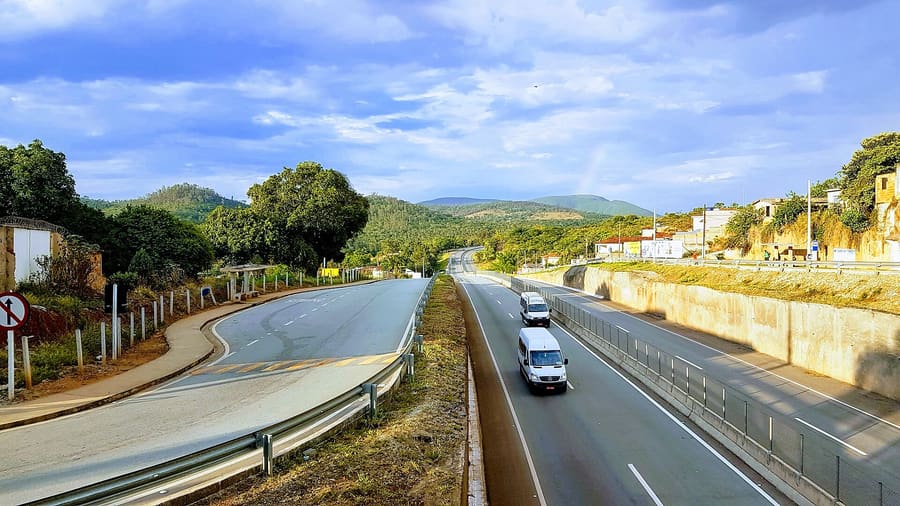
Zona Rural MG-050 — Stretches of farm country along the main arterial road housing rural inns and waterfall access tracks.
Sudhertzen · CC BY-SA 4.0highlights
landmark
Highest point in the municipality at 1,293 metres. Drive a high-clearance vehicle for the dirt track.
Pregunta a Parley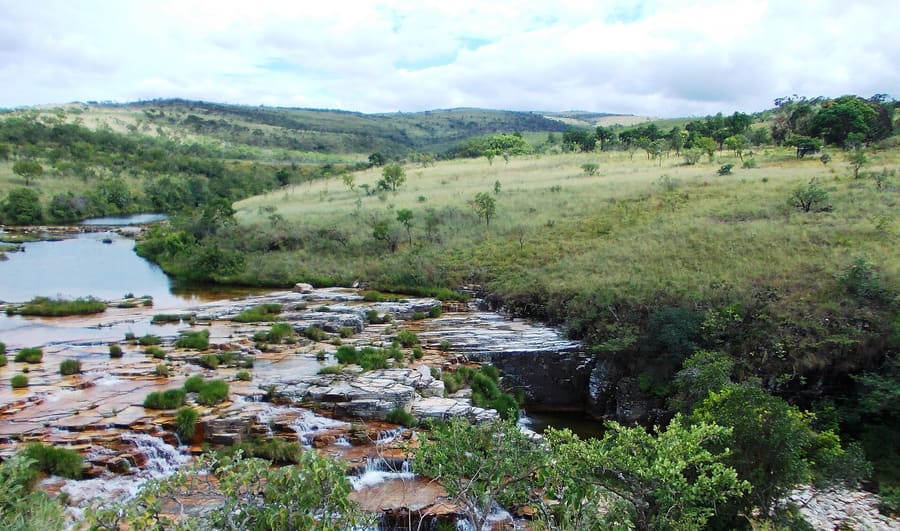
landmark
Easily reached pool right off highway MG-050. Ideal for a quick dip without a long walk.
Pregunta a Parley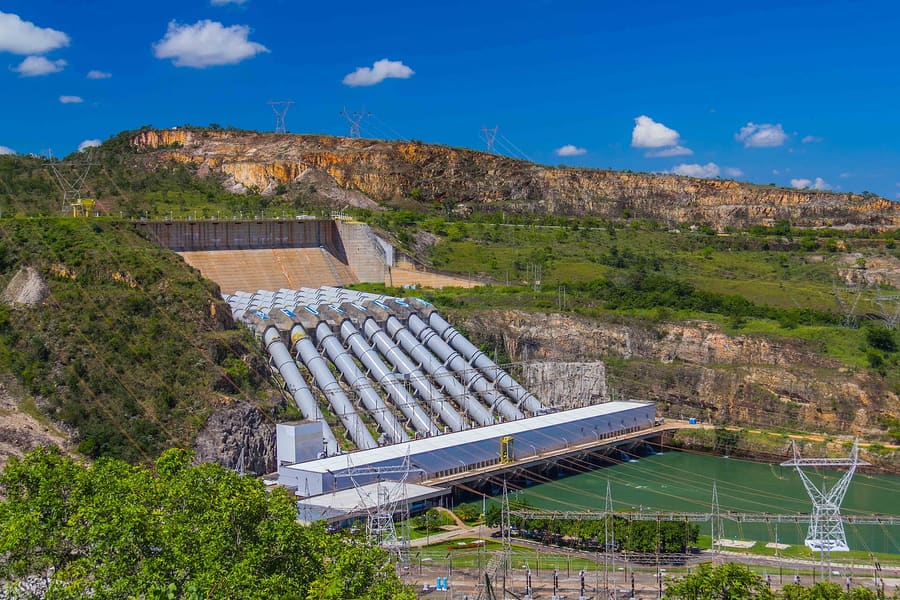
landmark
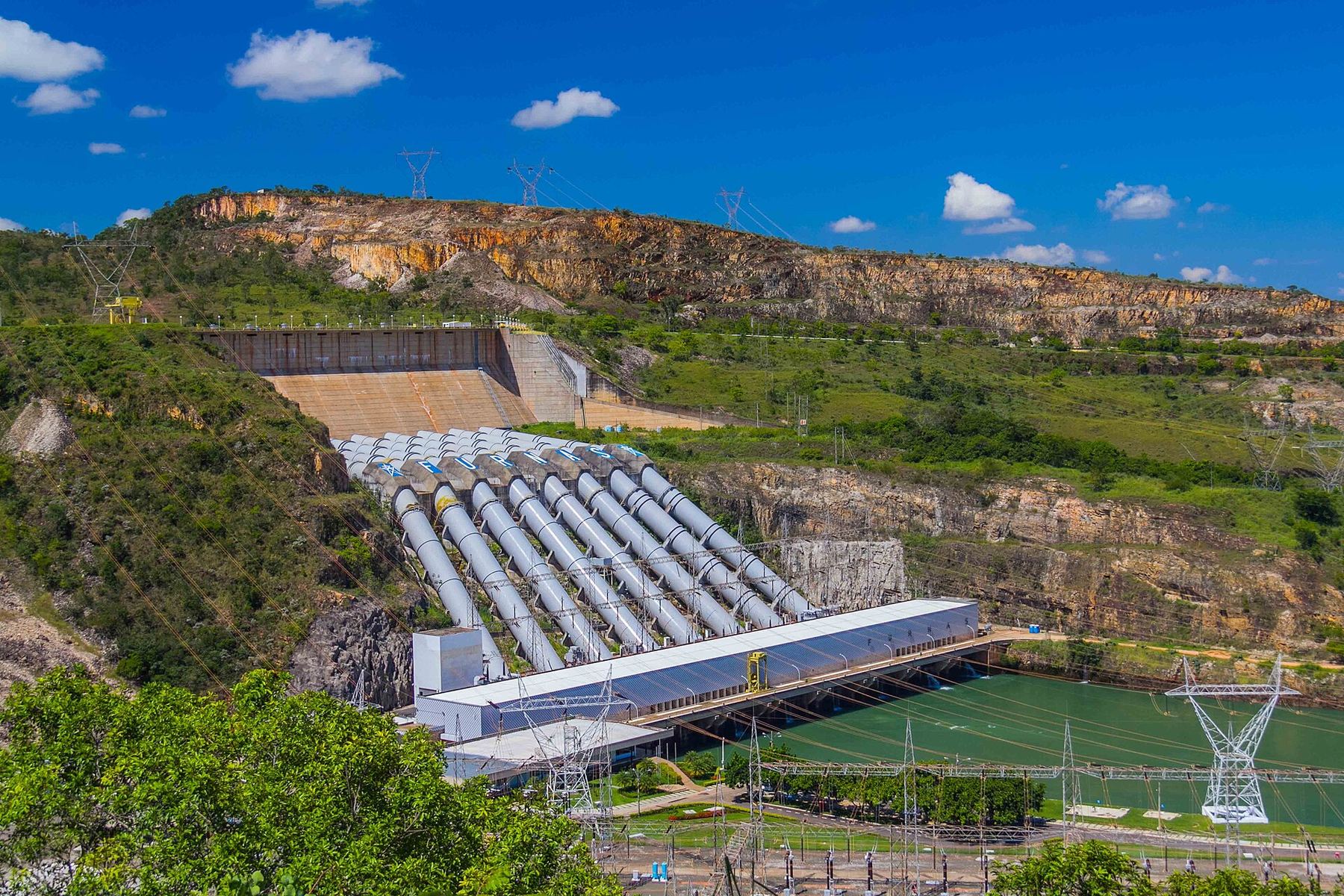
The dam that created the reservoir in 1963. Viewpoints show the scale of civil engineering.
Pregunta a Parleyattractions
areas
Stretches of farm country along the main arterial road housing rural inns and waterfall access tracks.
CercaTrilha do Sol and canyon lookouts
Pregunta a ParleyTraditional interior town grid centered on Praça da Matriz with banks and simple eateries.
CercaPraça da Matriz and local bakeries
Pregunta a ParleyGated residential resort district six kilometres out, full of waterfront mansions and private marinas.
CercaEscarpas Marina and private piers
Pregunta a ParleyNautical highway cluster where MG-050 crosses the lake, dominated by piers and fish restaurants.
CercaPonte do Turvo and speedboat piers
Pregunta a Parleyfood
Dining in Capitólio centers on two distinct culinary currents: freshwater lake fish and classical rural Mineiro cooking. Local restaurants line highway MG-050 near the Turvo bridge, serving traíra and tilapia pulled from Furnas Lake. Inland farms churn raw-milk Canastra cheese, aged on wooden shelves in the nearby mountain ranges.Standard lunch places operate on a self-service buffets model by weight, where cast-iron pots sit over wood stoves keeping pork ribs, tutu de feijão, and fried cassava hot. Expect heavy portions built for outdoor physical activity rather than delicate plating.
Order deboned traíra stuffed with bacon and Canastra cheese at Bairro do Turvo fish houses.
Wood-stove buffets open at 11:30; popular dishes like leitão à pururuca run out by 13:30 on weekends.
Buy raw-milk cheese directly from roadside producers along MG-050 rather than town souvenir shops.
history
Capitólio began as a modest farming settlement named Vila dos Eymards in the early twentieth century, relying on cattle farming and coffee. The region shifted permanently in 1958 when construction started on the Furnas Hydroelectric Dam, an ambitious federal energy initiative.The damming of the Rio Grande in 1963 flooded fertile valleys, creating the giant reservoir known locally as the Sea of Minas. Former agricultural valleys became navigable waterways, converting a quiet farming district into a nautical travel hub over subsequent decades.
Municipal Independence
Vila dos Eymards separates from Piumhi and renames itself Capitólio.
Dam Construction
Furnas Hydroelectric project breaks ground to power southeastern Brazil.
Valley Flooding
Furnas Lake fills, submerging farmland and turning quartzite canyons into boat routes.
Tourism Boom
Speedboat charters replace fishing boats as major regional income driver.
where to stay
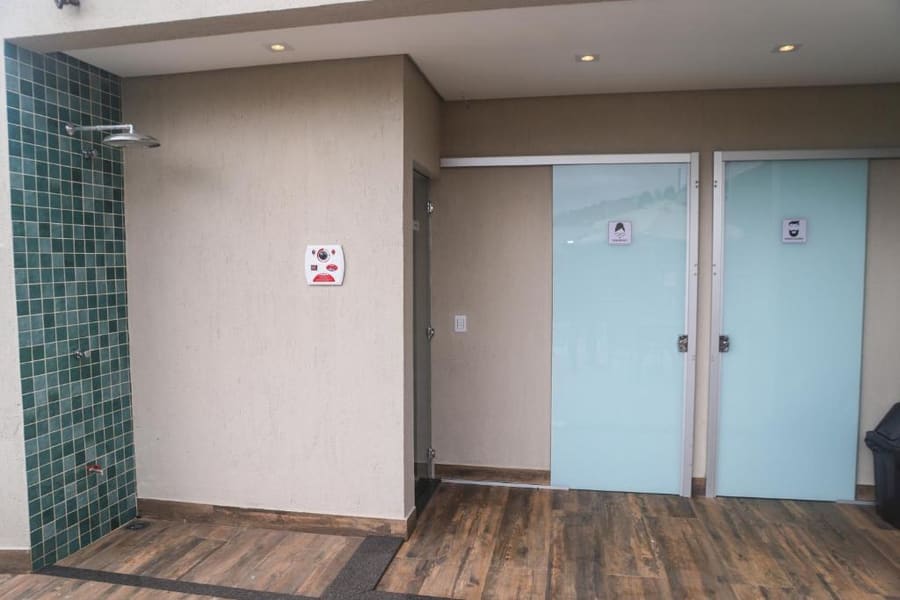
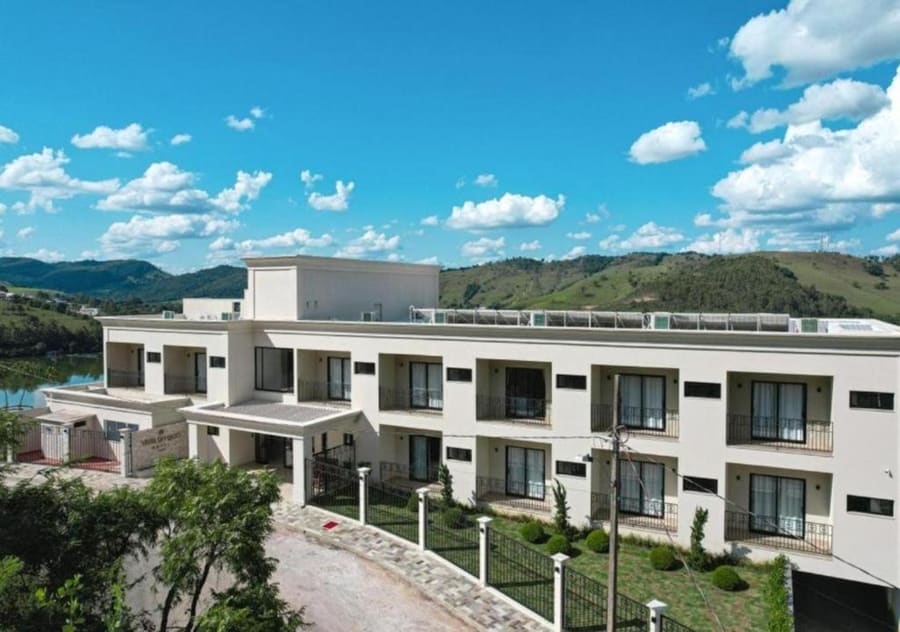
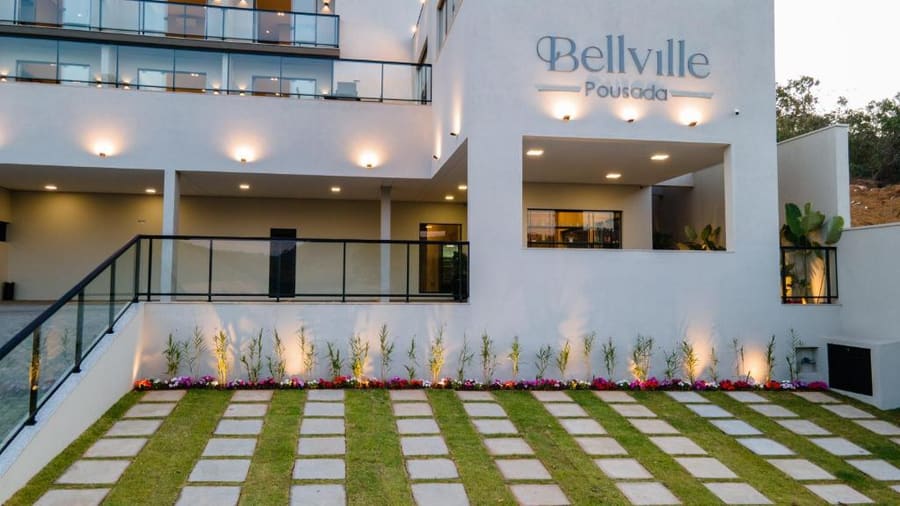
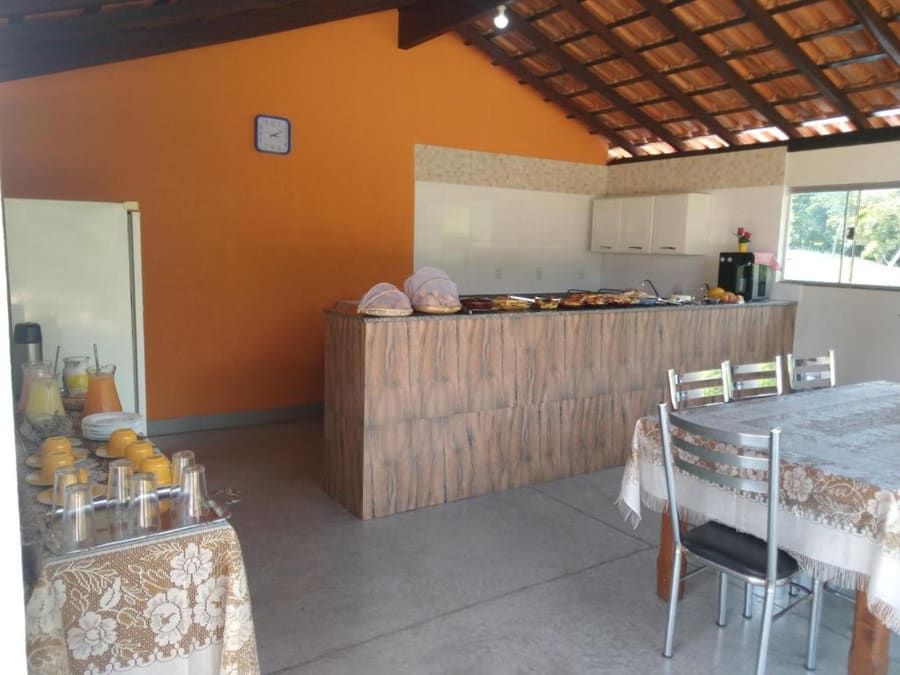
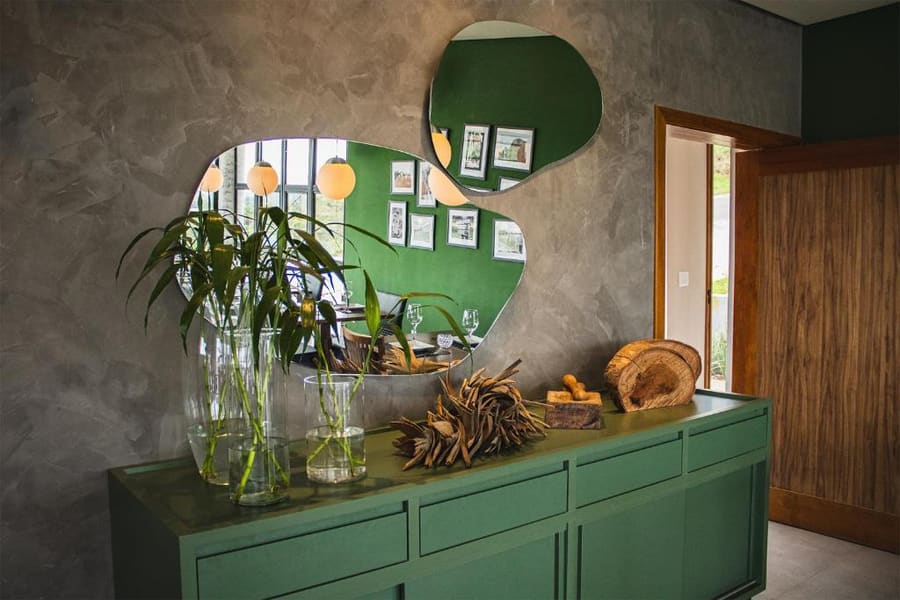
Base selection depends on your transport and evening preferences. Town center pousadas offer walking access to banks and basic dinner spots. Escarpas do Lago fits groups renting private houses with docks, while rural pousadas along MG-050 sit right at waterfall trailheads.
Live rates, matched to the areas above.
transport
Capitólio lacks a commercial airport and public urban transit. Visitors arrive by road, driving three to four hours from regional hubs like Ribeirão Preto or Belo Horizonte. Having a car is essential, as attractions sit miles apart along highway MG-050.For water routes, shared or private speedboats (lanchas) leave from the Turvo bridge or Escarpas marina. Rideshare services are unreliable outside the small town center.
Pick up a rental car at the airport before driving in; local car rental options in town are scarce.
Shared 2-hour boat tours depart continuously from Ponte do Turvo between 09:00 and 16:00.
MG-050 is a single-lane toll road with heavy truck traffic. Avoid driving it after dark.
Toll booths along MG-050 accept cash and automated electronic tags (Sem Parar/Veloe).
cost
Prices surge on holiday weekends when tourists arrive from São Paulo and Belo Horizonte. Waterfall parks charge individual entrance fees that cover trail maintenance and safety infrastructure.
Per-person ticket for Mirante dos Canyons boardwalk access.
Per person for a standard 2 to 3 hour circuit on Furnas Lake.
Full-day private boat rental with driver for up to 10 passengers.
Day pass per person for sites like Trilha do Sol or Pedreira Lagoa Azul.
seasonality
DEC – FEB
Heavy summer rains fill waterfalls but risk flash floods; expect high holiday crowds.
MAR – MAY
Water levels remain high while rainfall drops off. Pleasant swimming conditions.
JUN – AUG
Dry winter weather guarantees sunny skies, but water temperatures turn cold for swimming.
SEP – NOV
Temperatures rise before summer rains kick in. Moderate crowds on regular weekends.
practicalities
Reflected glare from white quartzite and lake water causes fast burns. Wear UV shirts.
Submerged quartzite rocks are slick with algae. Rubber water shoes prevent falls.
Cellular signal drops inside canyons, disabling card machines at rural trail checkpoints.
Life jackets are required by the Brazilian Navy while speedboats are under way.
Inspect rain forecasts before entering narrow gorges due to sudden water level shifts.