religious
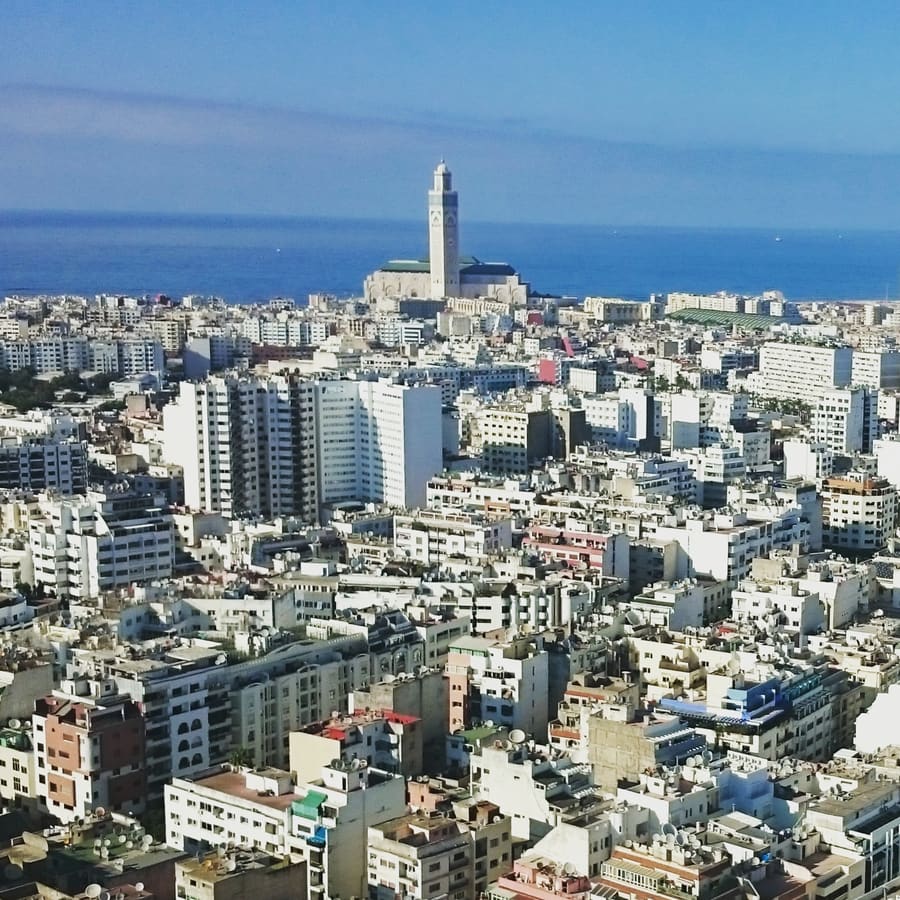
Hassan II Mosque
Active religious site sitting over the Atlantic ocean. Book the 09:00 tour to avoid group buses.
Pregunta a ParleyMarruecos
Morocco's Atlantic engine of Art Deco and commercial drive.
introduction
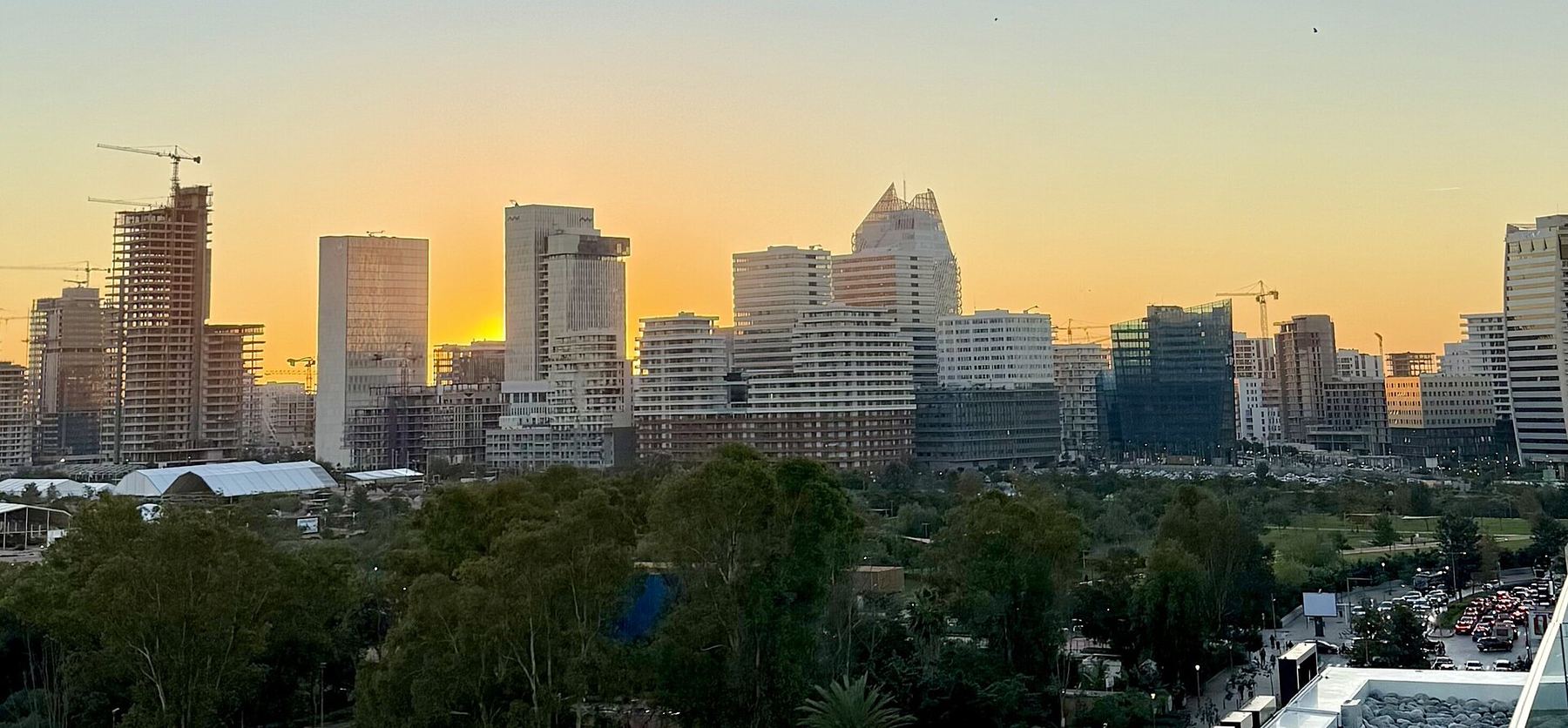
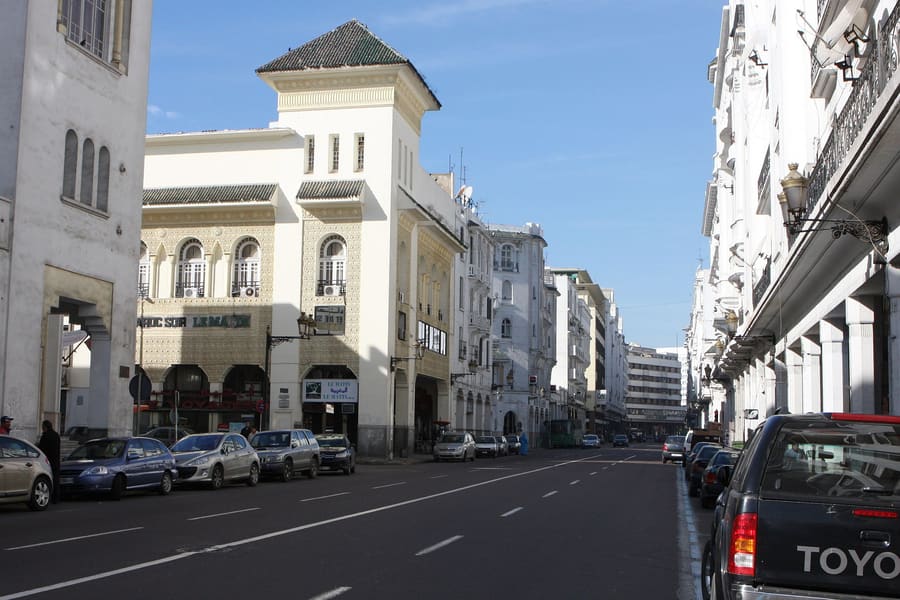
Casablanca is Morocco's economic hub rather than an imperial showcase. You navigate wide avenues lined with 1930s Mauresque facades, modern tramways, and busy Atlantic port docks. Expect heavy traffic, raw urban grit, and high-end coastal dining.
Airport train beats road traffic
The ONCF train links Mohammed V Airport to Casa-Port in 45 minutes for 50 MAD. Taxis cost 300 MAD and sit in traffic.
Hassan II Mosque non-Muslim entry
The mosque minaret reaches 210 metres. Non-Muslims enter on timed guided tours costing 130 MAD.
Tramway rechargeable cards
Buy a rechargeable Tway card for 2 MAD to save money. Single paper tickets cost 8 MAD per trip.
Casablanca
Dr. Didier Hinz · CC BY-SA 3.0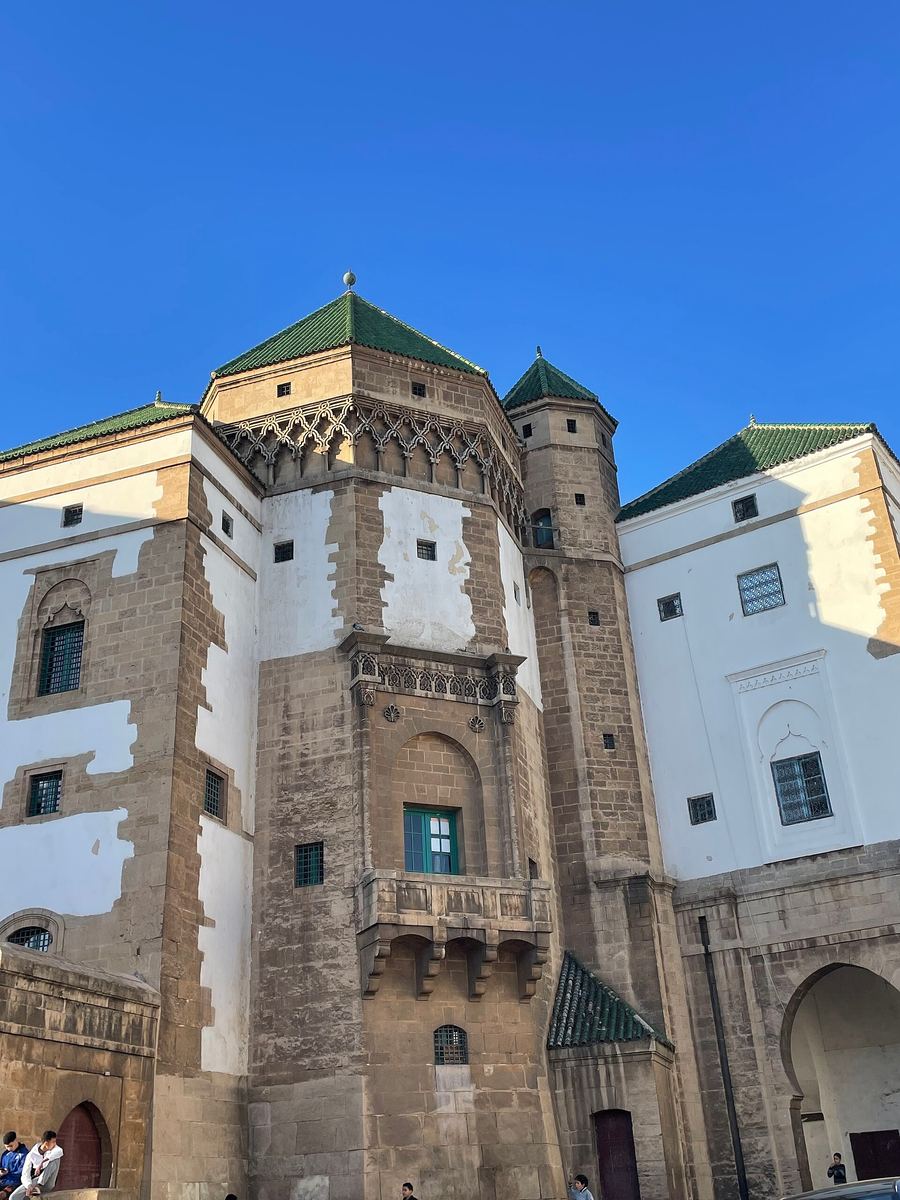
Quartier Habous — Orderly French-planned arcades filled with olive markets, bakeries, and traditional bookshops.
Photo2023 · CC BY 4.0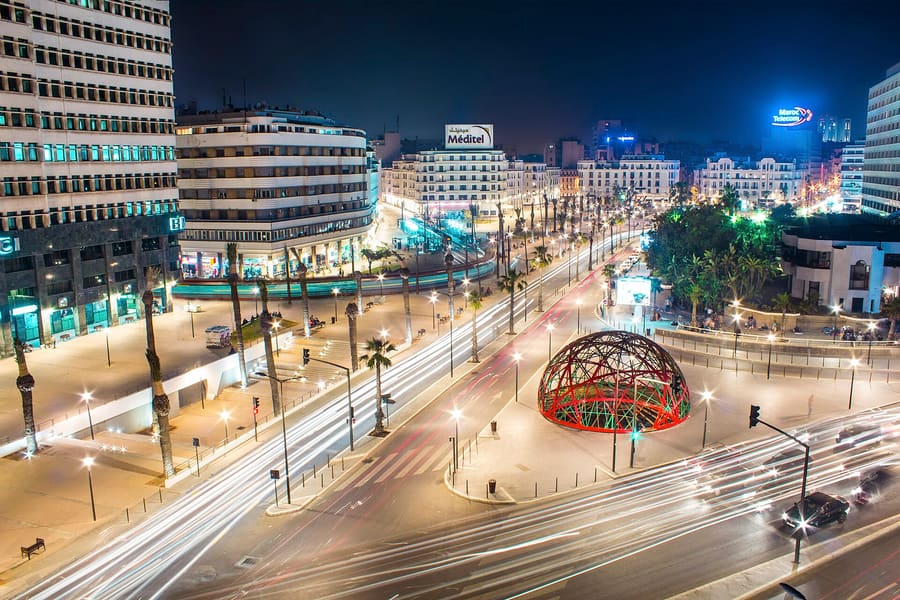
Centre-Ville — Dense commercial sector packed with colonial Mauresque buildings, banks, and major train links.
Achalhikarim · CC BY-SA 4.0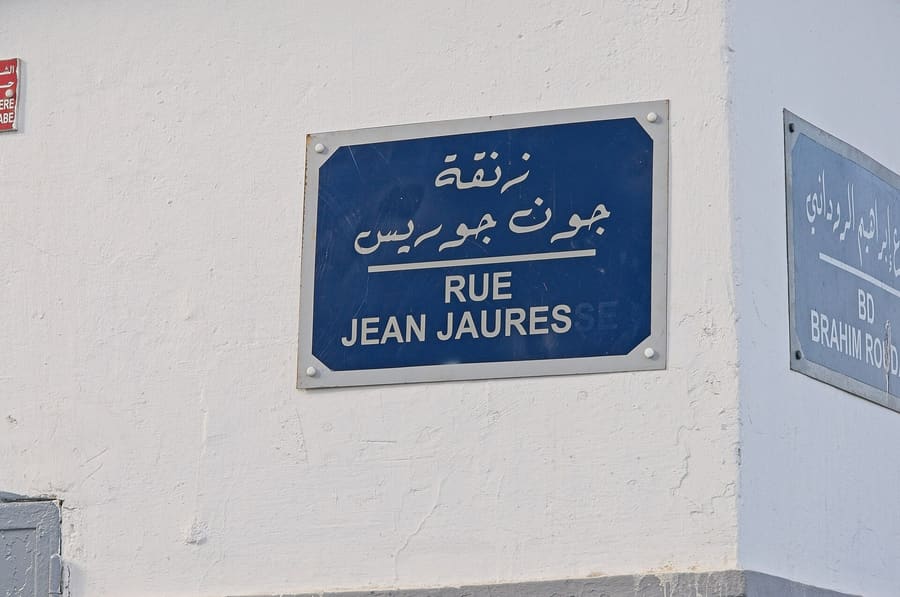
Gautier — Tree-lined residential district hosting contemporary galleries, espresso bars, and French bistros.
Bertrand SOUBEYRAND · CC BY-SA 4.0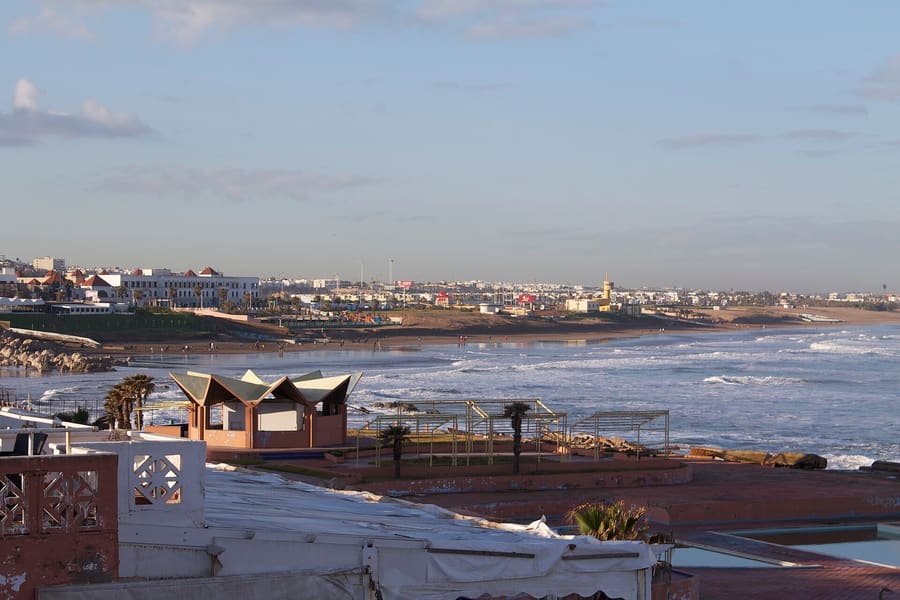
Ain Diab — Coastal strip dominated by resort hotels, beach clubs, and ocean-facing restaurants.
Patrick Nouhailler's… · CC BY-SA 3.0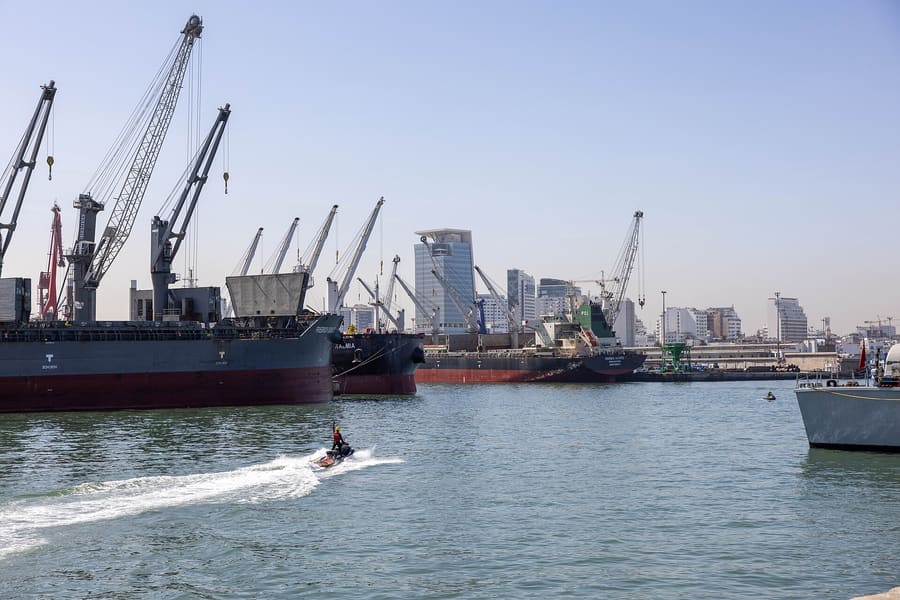
Fresh Atlantic fish stalls inside Marché Central.
U.S. Army National Guard photo by Sgt. 1st Class Tim Beery · Public domainhighlights
religious
Active religious site sitting over the Atlantic ocean. Book the 09:00 tour to avoid group buses.
Pregunta a Parley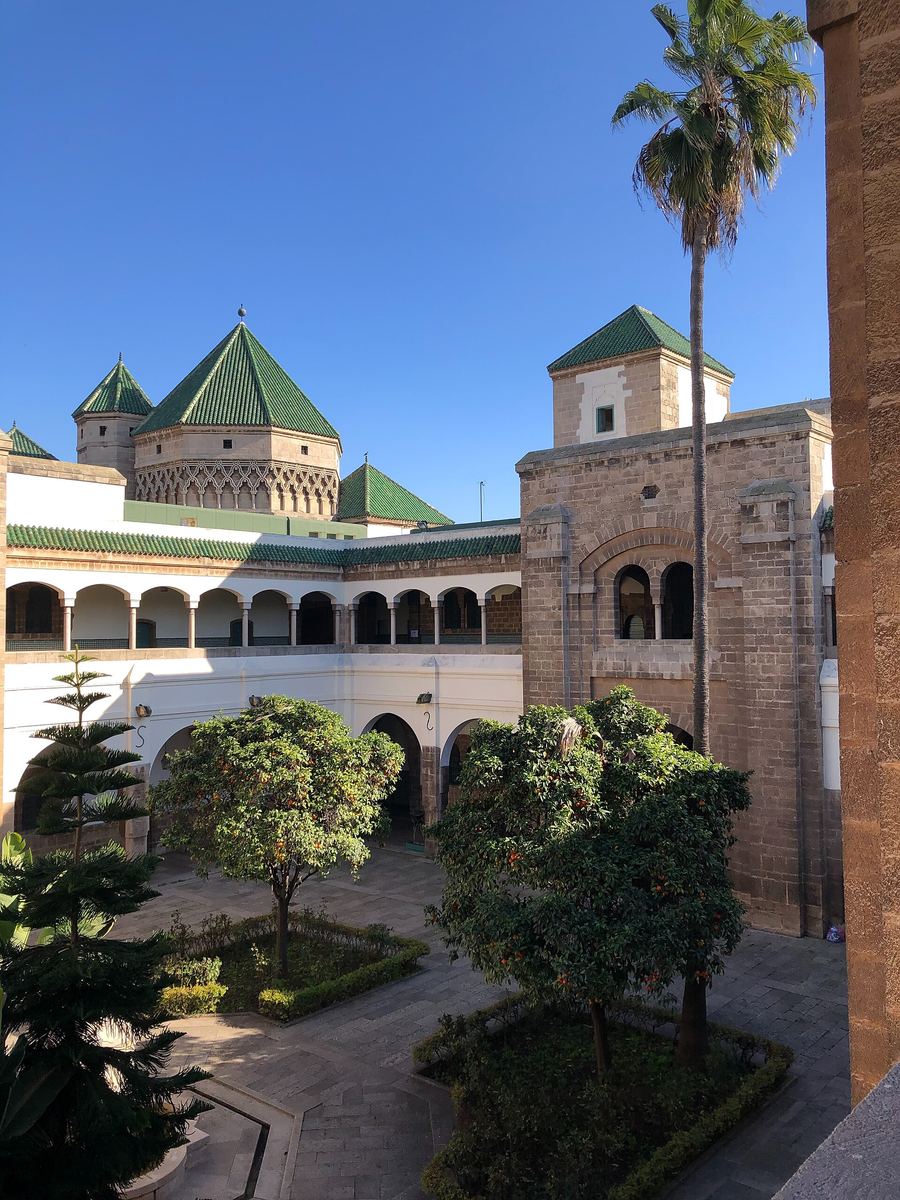
landmark
A French-designed planned medina from the 1920s. Buy almond gazelle horns directly at Pâtisserie Bennis.
Pregunta a Parley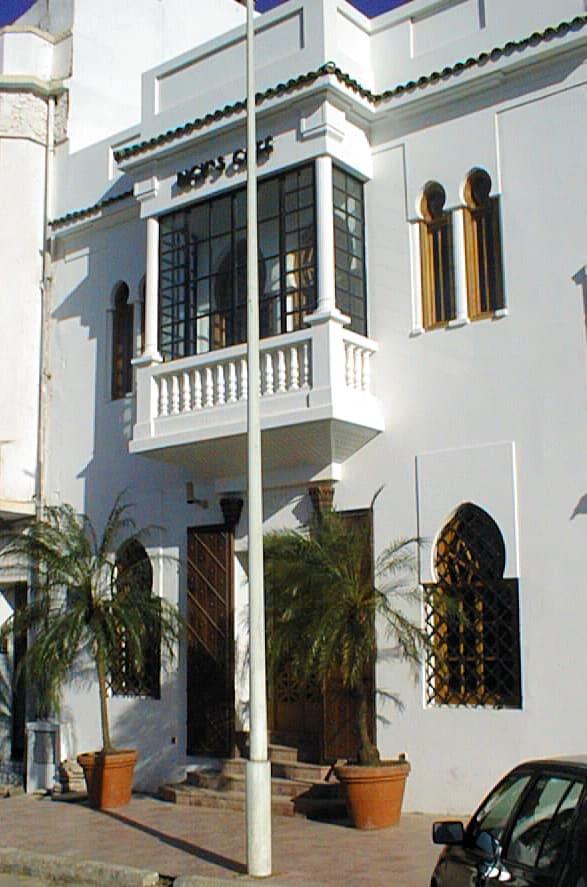
landmark
A restored courtyard riad created to replicate the film set. Reserve dinner early or pop in for lunch.
Pregunta a Parley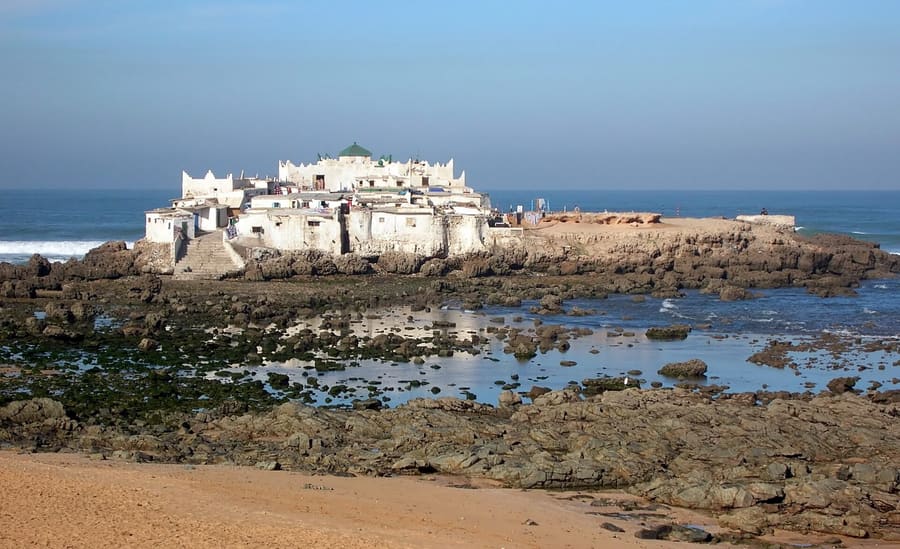
landmark
Oceanfront promenade lined with private beach clubs. Strong Atlantic currents make open sea swimming dangerous.
Pregunta a Parleyattractions
areas
Orderly French-planned arcades filled with olive markets, bakeries, and traditional bookshops.
CercaRoyal Palace
Pregunta a ParleyDense commercial sector packed with colonial Mauresque buildings, banks, and major train links.
CercaCasa-Port Station
Pregunta a ParleyTree-lined residential district hosting contemporary galleries, espresso bars, and French bistros.
CercaArab League Park
Pregunta a ParleyCoastal strip dominated by resort hotels, beach clubs, and ocean-facing restaurants.
CercaAnfa Place Shopping Center
Pregunta a Parleyfood
Casablanca's food scene relies on fresh Atlantic seafood and long-standing French bistro habits. At the Marché Central, you select raw fish directly from market counters and pay nearby open-air stalls to grill it. However, the old port canteen has been closed and demolished as part of Casablanca port restructuring.
Fresh Atlantic fish stalls inside Marché Central.
U.S. Army National Guard photo by Sgt. 1st Class Tim Beery · Public domainBuy fish at market counters, then hand it to stall cooks who grill it for a flat fee per kilogram.
Commercial lunch crowds fill seafood spots between 12:30 and 14:30. Arrive early to claim tables.
Harbour fish stalls do not accept credit cards. Keep dirhams ready for port lunches.
history
Casablanca expanded rapidly from a modest coastal settlement into Morocco's commercial engine. French urban planner Henri Prost drew up the modern street grid under the Protectorate, pairing Neo-Moorish flourishes with early modern concrete construction. The city continues to prioritize trade over tourism.
Portuguese destruction
Portuguese forces destroy the original Berber port town of Anfa to suppress regional piracy.
French occupation
French troops land in Casablanca, initiating protectorate control and rapid port development.
Anfa Conference
Churchill and Roosevelt meet in the Anfa suburb to map Allied strategy for Western Europe.
Hassan II Mosque completed
Morocco inaugurates the coastal mosque after seven years of intensive construction.
where to stay
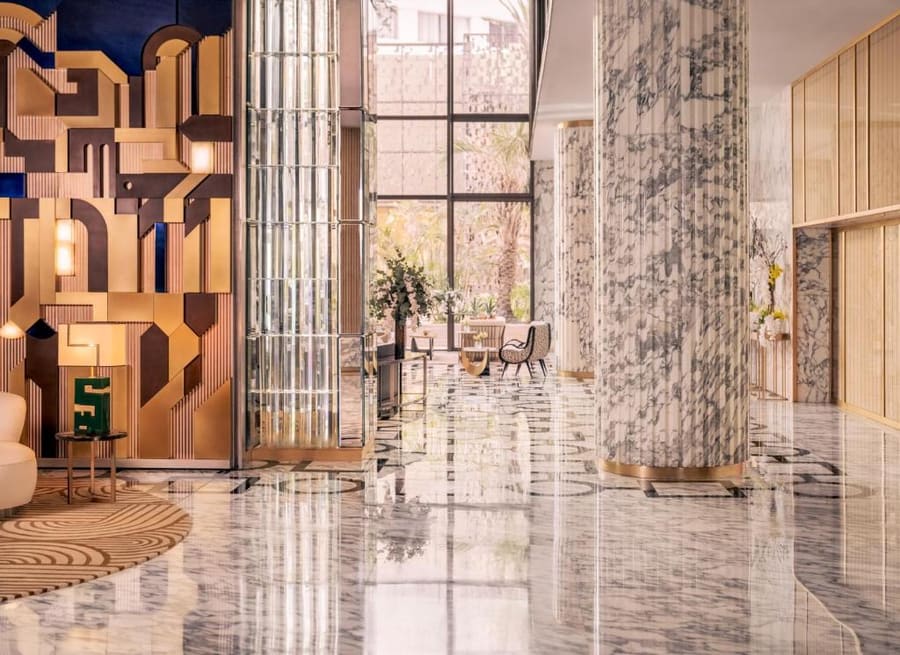
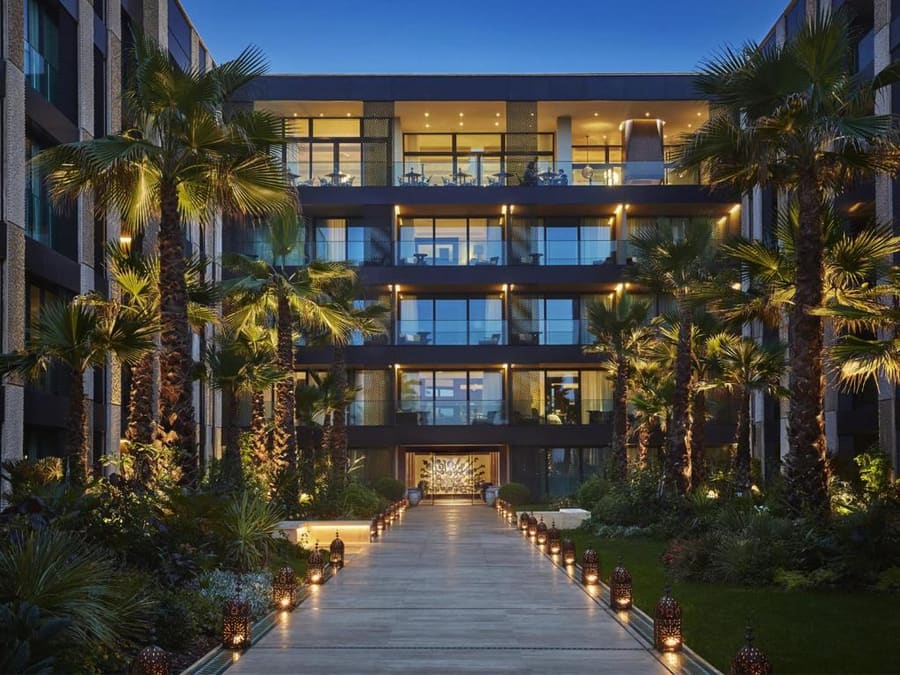
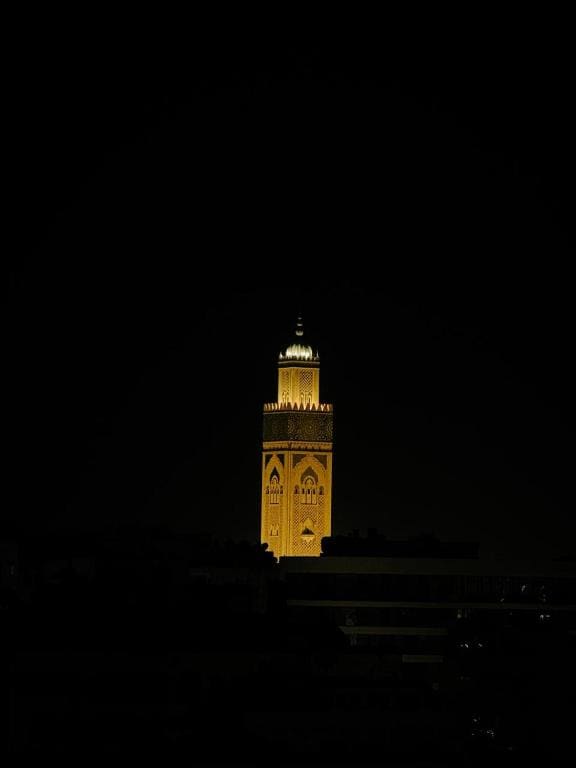
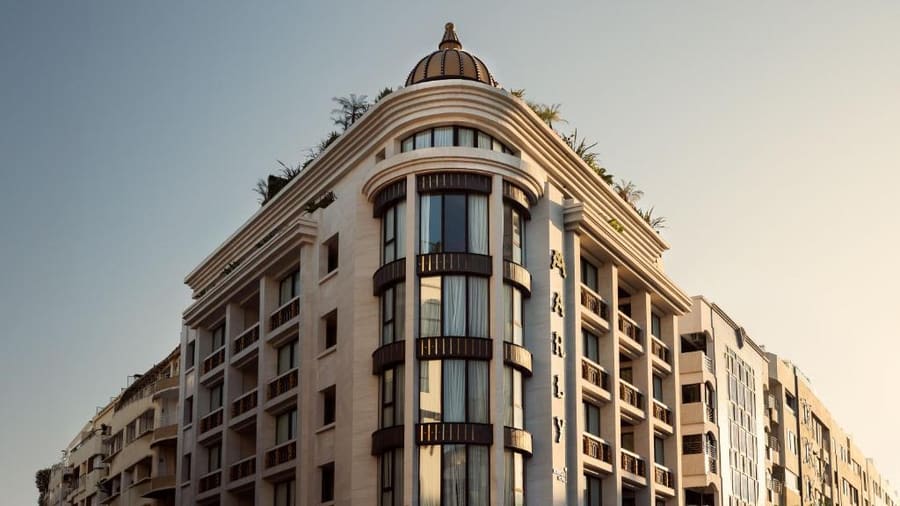
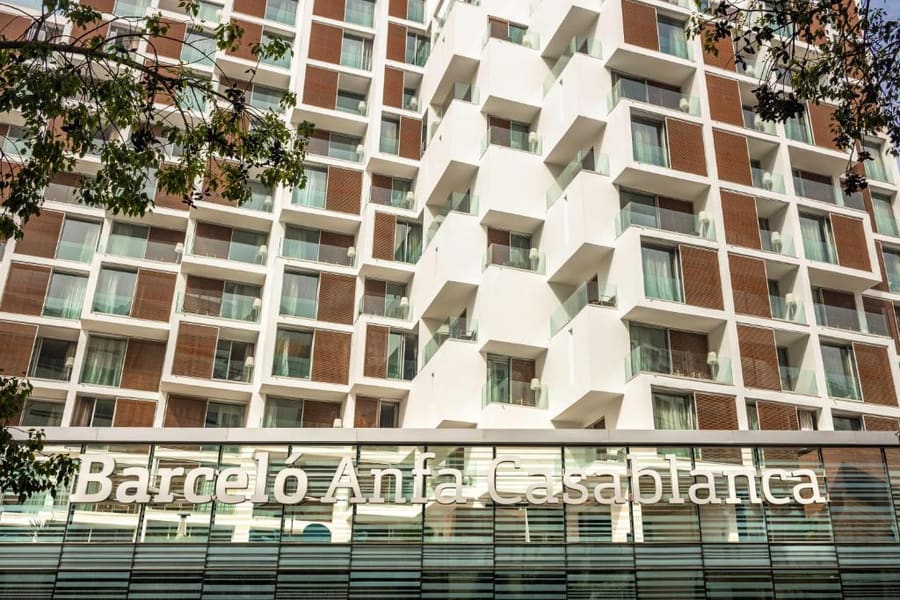
Base yourself according to transit needs and night noise. Downtown keeps you directly on tram lines and near train stations. Gautier offers quiet streets with walkable dinner options.
Live rates, matched to the areas above.
transport
Casablanca uses a modern tramway system that crosses the city. Red petit taxis serve short urban routes, while two main railway stations connect you to national rail networks.
Desde Mohammed V International Airport (CMN)
Departs hourly from terminal basement to Casa-Voyageurs and Casa-Port.
Fixed daytime rate to central city; agree on price before loading bags.
Book ahead to ensure driver waits at arrivals during peak flight hours.
Red taxis must use the meter. Insist on turning it on or flag another cab immediately.
Casa-Port serves local and regional trains. Casa-Voyageurs hosts the Al Boraq high-speed line.
Red taxis pick up extra passengers along main avenues. You pay for your individual seat distance.
cost
Casablanca operates on commercial city prices. Transport and street food remain inexpensive, while upscale dining in Gautier and Ain Diab matches international cities.
Standard single paper ticket price across all tramway network lines.
Price varies between neighborhood corner spots and modern Gautier venues.
Fresh fried fish or grilled sardines with salad near the docks.
Standard entry fee for guided tours inside the Hassan II Mosque.
seasonality
MAR – MAY
Comfortable daytime temperatures around 20°C. Ideal weather for walking urban Art Deco corridors.
JUN – AUG
Warm ocean weather with frequent coastal fog. Ain Diab beach clubs operate at full capacity.
SEP – NOV
Warm ocean sea temperatures persist into October. City business returns to normal rhythm after summer.
DEC – FEB
Mild days near 17°C with occasional rain showers. Hotel rates downtown drop noticeably.
practicalities
Cover shoulders and knees when taking guided tours inside Hassan II Mosque.
ATMs line Boulevard Mohammed V and district plazas. Cash remains necessary for taxis and markets.
Shops in Quartier Habous close during Friday afternoon prayer hours from 12:00 to 15:00.
Ocean beaches near Ain Diab carry strong undertows. Swim inside guarded pool enclosures.
Ocean moisture accelerates wear on downtown buildings. Fog often covers the port in early morning.