landmark
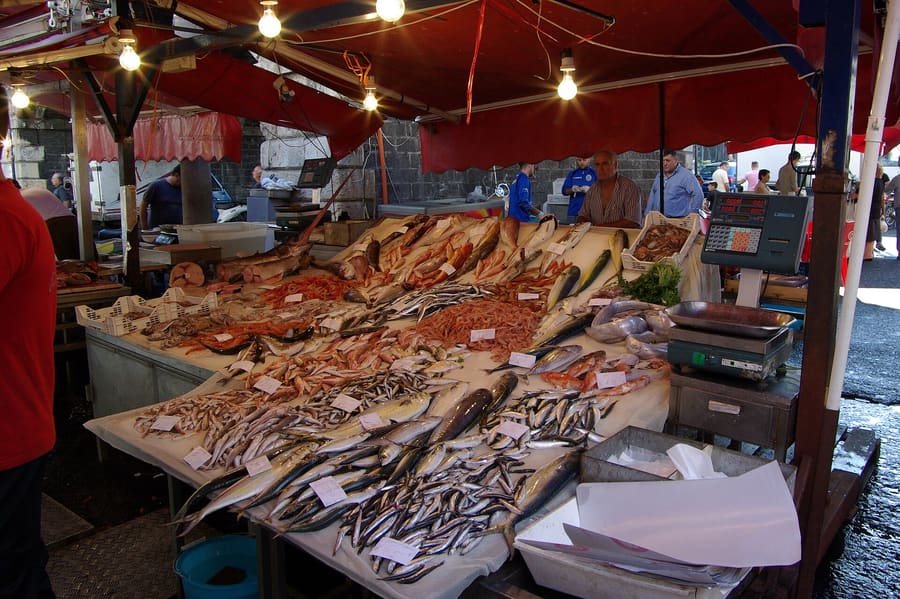
La Pescheria
A raw fish market operating behind Piazza del Duomo. Wear rubber-soled shoes because wet cobblestones stay slick.
Pregunta a ParleyItalia
Black volcanic stone, sharp market shouting, and Mount Etna.
introduction
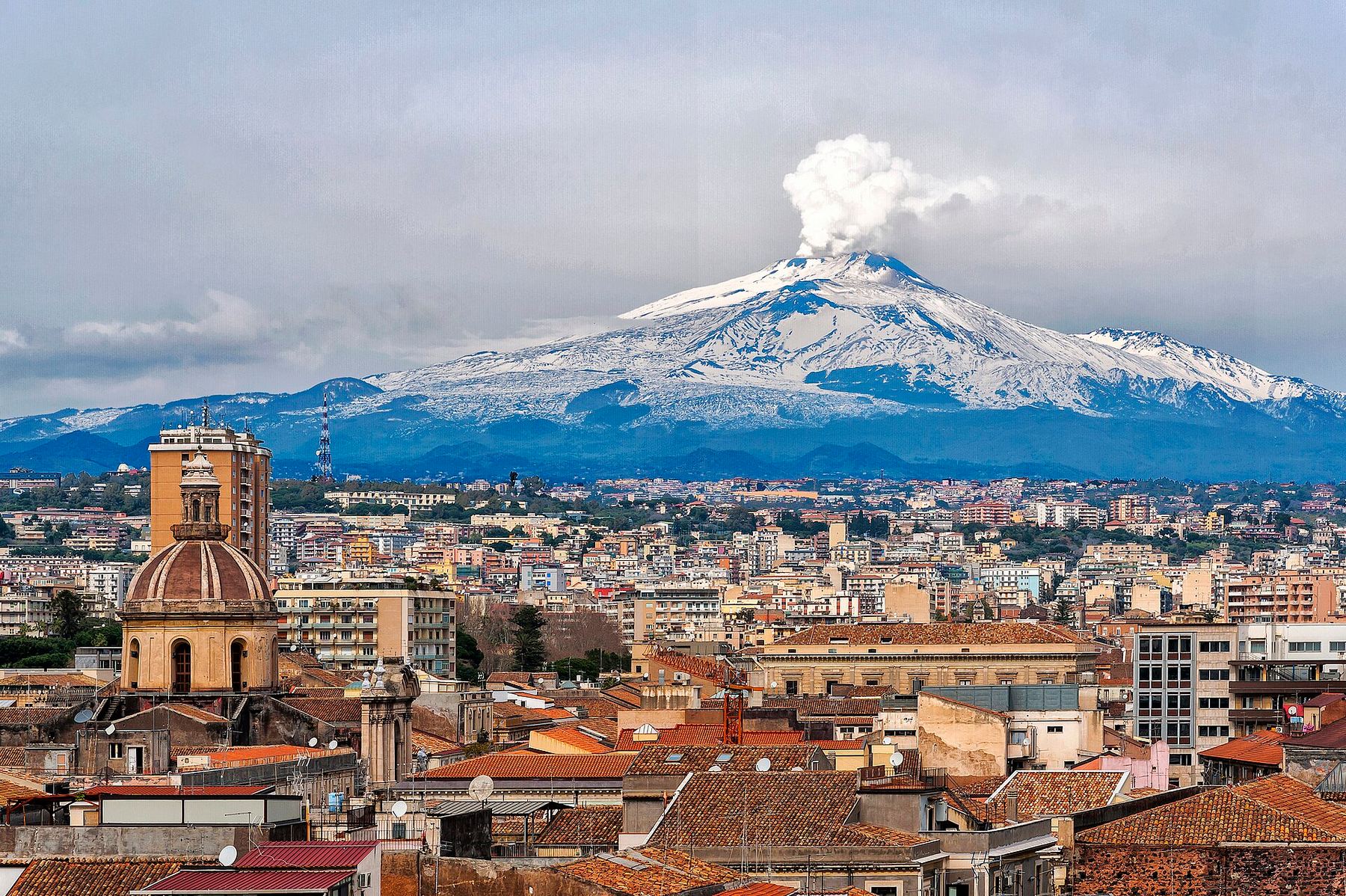
Catania builds its street grid out of dark volcanic basalt. The city sits directly under Mount Etna, which repeatedly destroyed and fed it across centuries. You walk wide pedestrian avenues lined with blackened Baroque facades and open-air fish stalls. Expect loud street life, late dinner hours, and rapid urban transitions.
Airport transit trick
Take the AMTS Alibus for €4 instead of private taxis. It runs every 25 minutes directly to Catania Centrale and Piazza Stesicoro.
Monday market closures
The fish market operates Monday to Saturday mornings only. Visit before 11:00 to see traders actively working before stalls pack up.
Catania
Rabe! · CC BY-SA 4.0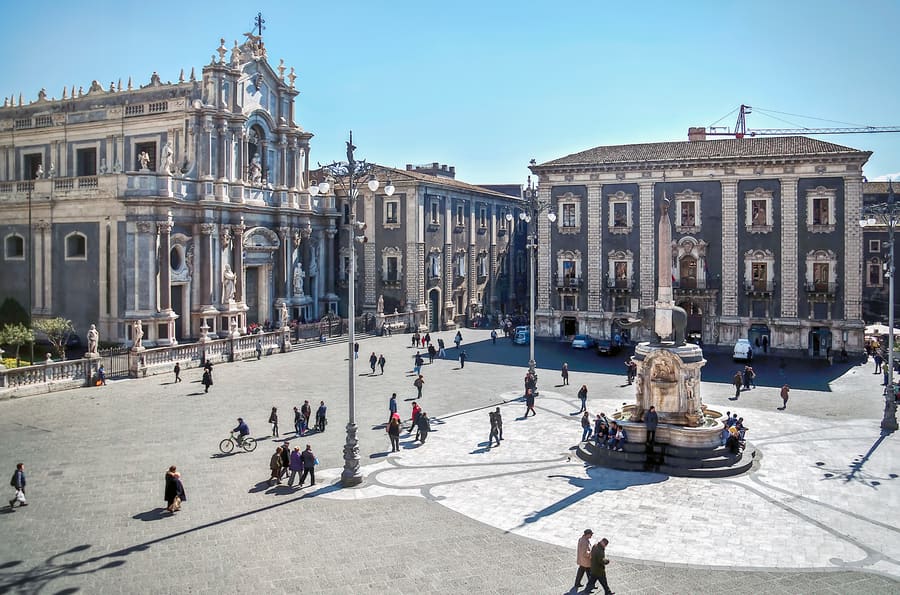
Centro Storico — Baroque basalt facades, morning fish market calls, and late-night piazzas.
Dariolp83 · CC BY-SA 4.0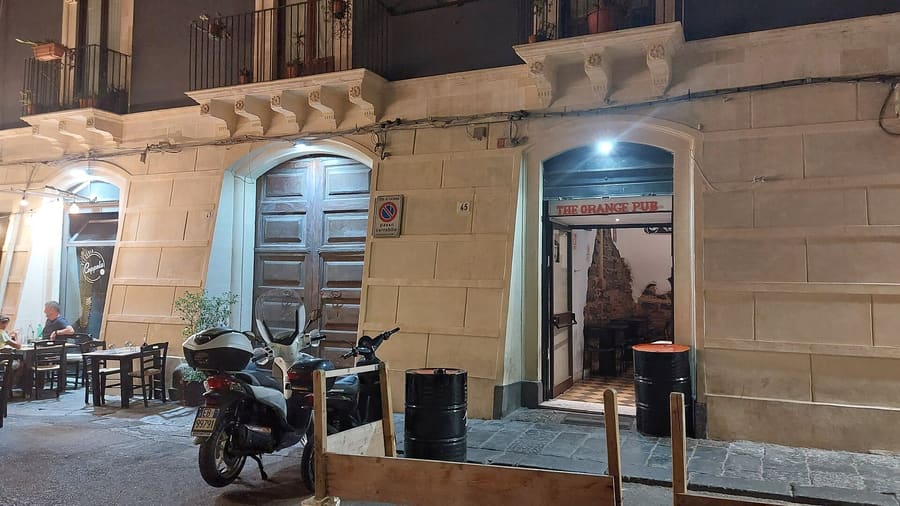
San Berillo — A former red-light district re-emerging with street art and cocktail bars.
Ysogo · CC BY-SA 4.0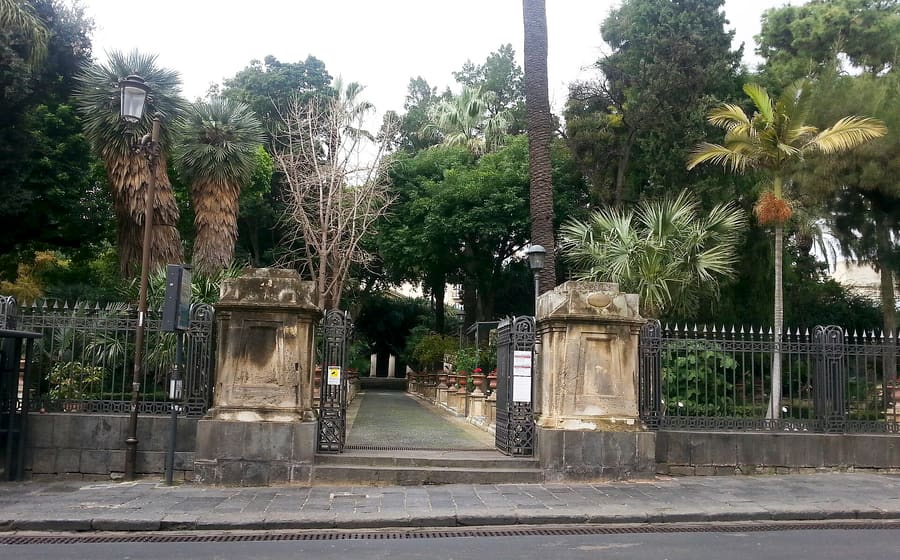
Borgo-Sanzio — Modern residential district with wide avenues, tree-lined streets, and metro stations.
Esculapio · CC BY-SA 4.0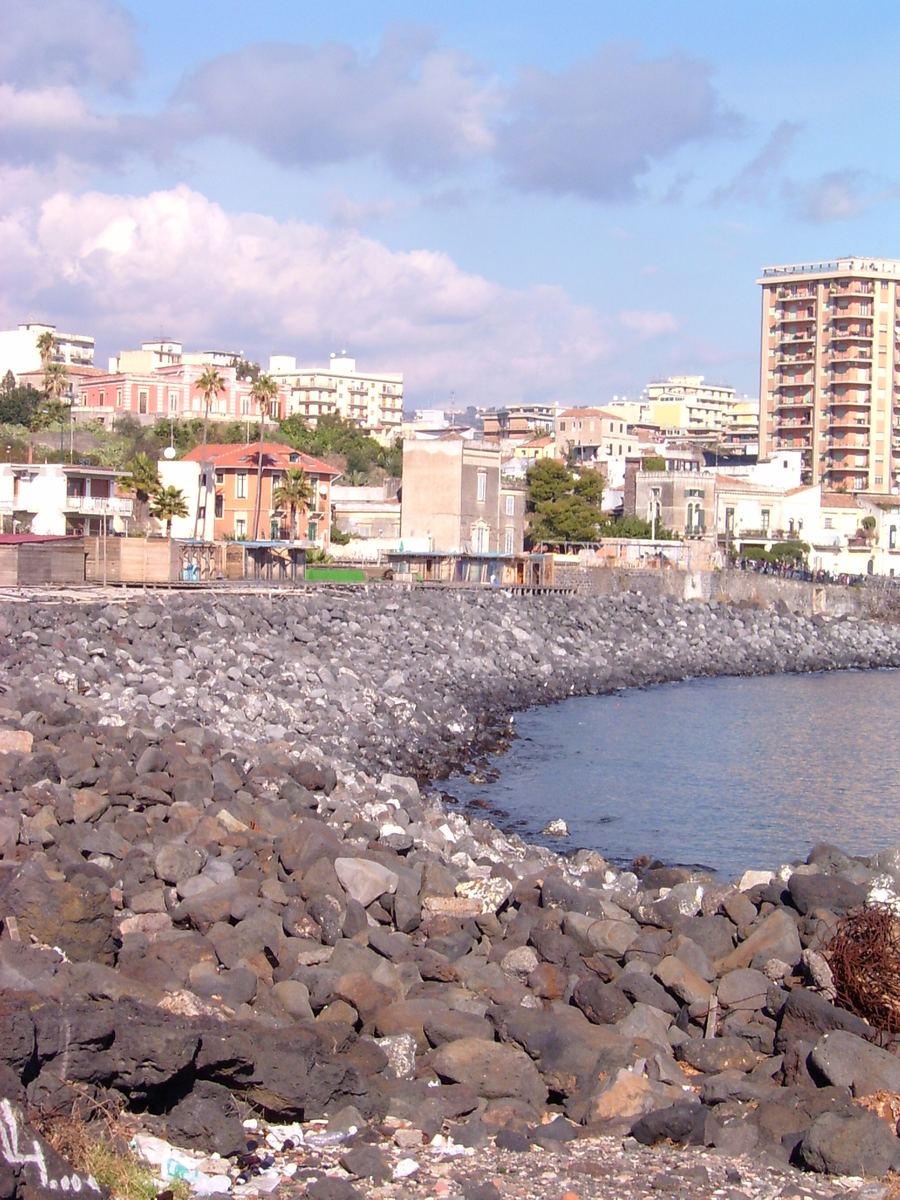
San Giovanni Li Cuti — A coastal fishing nook paved with black lava pebbles and seaside trattorias.
gutter · CC BY-SA 2.0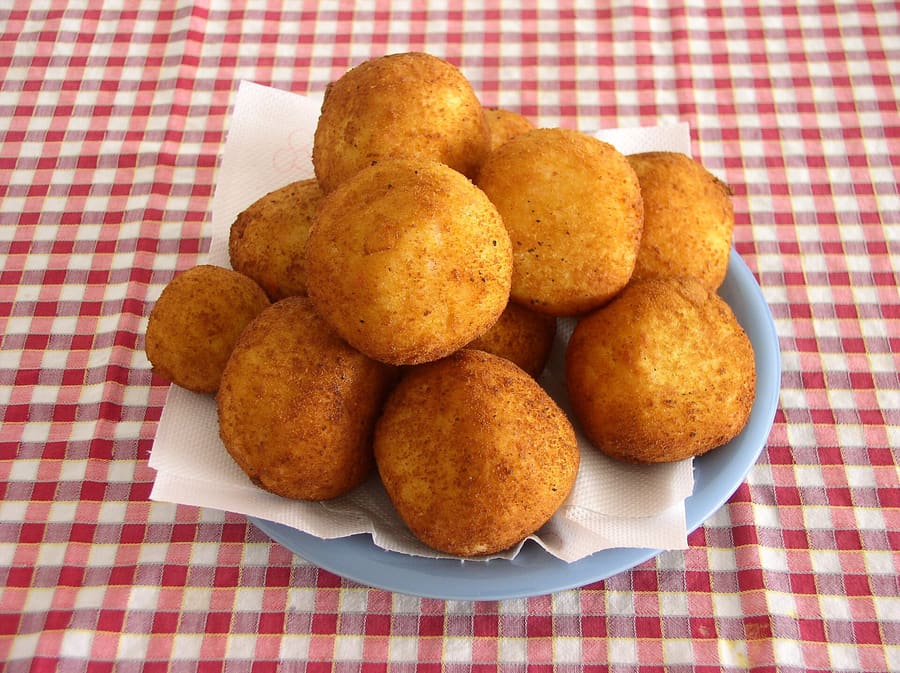
A pointed Catanian arancino filled with ragù, peas, and caciocavallo cheese.
No machine-readable author provided. Gmelfi assumed (based on copyright claims). · Public domainhighlights
landmark
A raw fish market operating behind Piazza del Duomo. Wear rubber-soled shoes because wet cobblestones stay slick.
Pregunta a Parley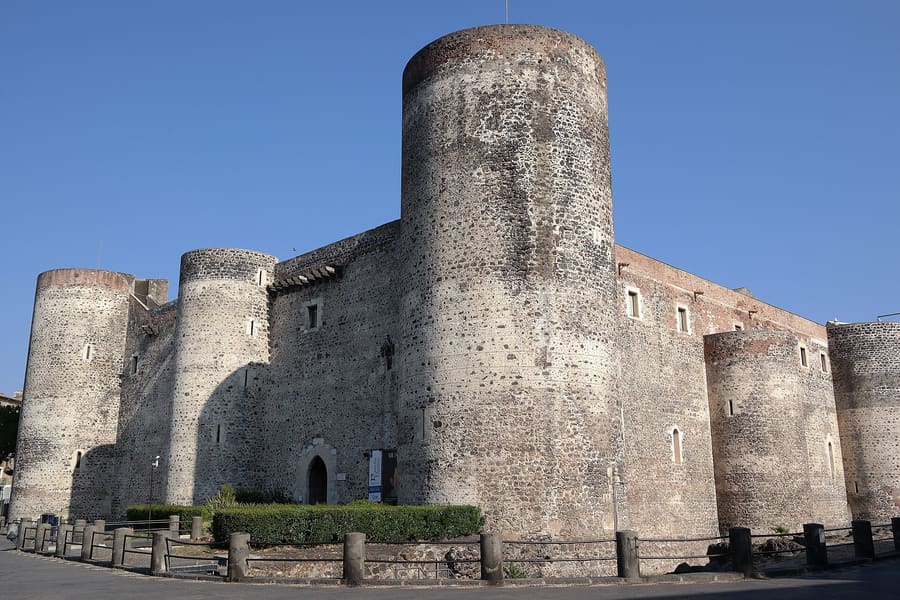
landmark
A 13th-century fortress surrounded by 1669 lava flows. Houses the civic museum with Greek marbles and Roman relics.
Pregunta a Parley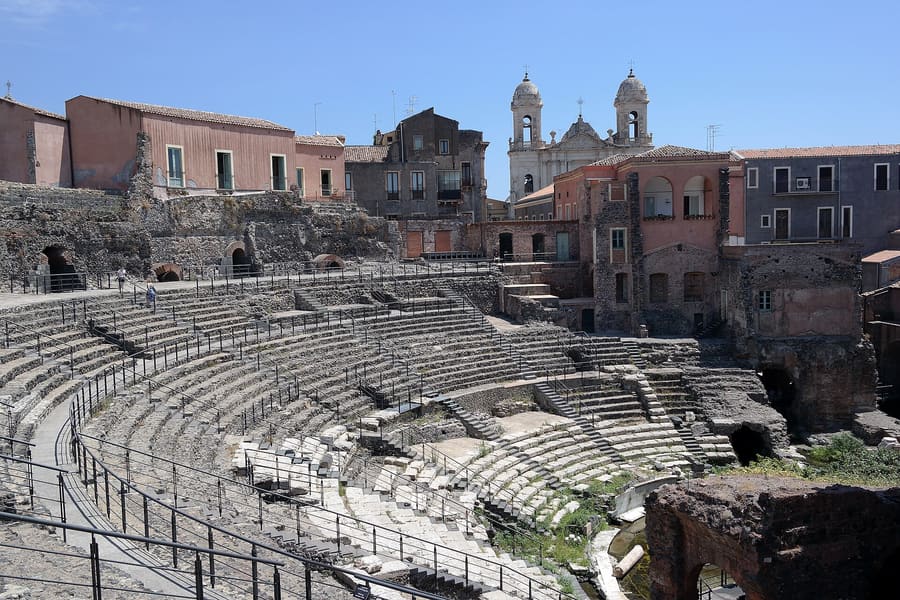
landmark
An ancient theatre hidden inside a residential block off Via Vittorio Emanuele. Buy tickets online to bypass afternoon lines.
Pregunta a Parley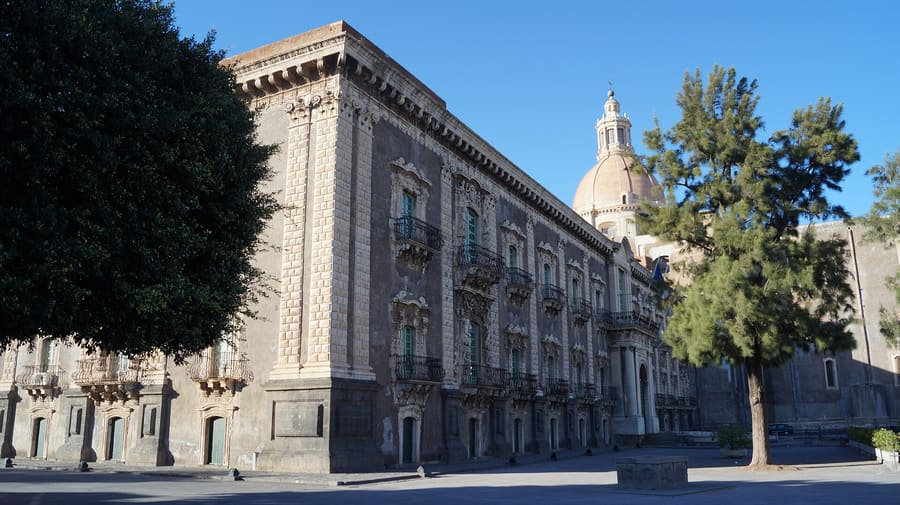
landmark
One of Europe's largest Benedictine complexes, now part of the university. Book a guided tour to access the volcanic basement.
Pregunta a Parley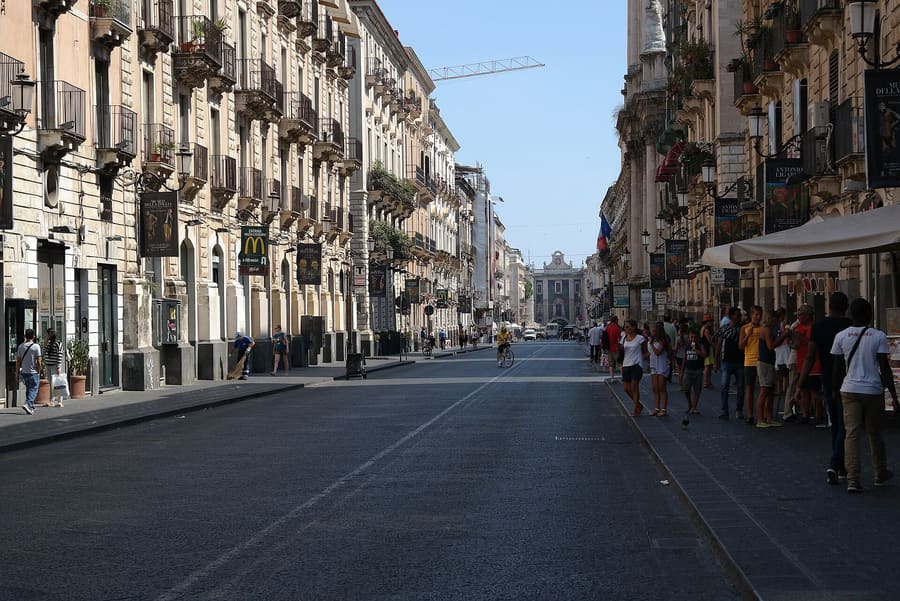
landmark
The main pedestrian artery running straight toward Mount Etna. Walk north from Piazza Duomo for views of the volcano framing the avenue.
Pregunta a Parleyattractions
areas
Baroque basalt facades, morning fish market calls, and late-night piazzas.
CercaPiazza Duomo and La Pescheria market
Pregunta a ParleyA former red-light district re-emerging with street art and cocktail bars.
CercaPiazza Stesicoro and Via Etnea
Pregunta a ParleyModern residential district with wide avenues, tree-lined streets, and metro stations.
CercaVilla Bellini park and Borgo metro station
Pregunta a ParleyA coastal fishing nook paved with black lava pebbles and seaside trattorias.
CercaThe volcanic shoreline and small boat harbour
Pregunta a Parleyfood
Catania culinary traditions differ sharply from western Sicily. Pointed conical rice balls hold ragù and peas, named in the masculine singular arancino. Fried eggplant, salted ricotta, and sweet tomato define Pasta alla Norma, created here in honour of Catania-born composer Vincenzo Bellini.Night dining centers on street stalls along Via Plebiscito. Open-air butcher shops smoke charcoal grills late into the night, serving horse meat steaks and meatballs directly onto paper plates.
A pointed Catanian arancino filled with ragù, peas, and caciocavallo cheese.
No machine-readable author provided. Gmelfi assumed (based on copyright claims). · Public domainOrder almond or pistachio granita with a warm brioche col tuppo at traditional cafes around Piazza Duomo. Dip the pastry crown directly into the icy slush.
Smoke from open charcoal grills fills Via Plebiscito after 20:00. Order meatballs or steaks made from horse meat directly at butcher counters.
Bars along Via Gemmellaro launch aperitivo around 19:30. Drinks come with small plates of caponata and crisp fried chickpea panelled snacks.
history
Lava and seismic shocks reshaped Catania across centuries. Mount Etna's 1669 eruption breached the western city walls and surrounded the moat of Castello Ursino. In 1693, a massive earthquake flattened what remained of the medieval city.Giuseppe Lanza, Duke of Camastra, then planned a wide grid of streets paved in dark volcanic basalt, while architect Giovanni Battista Vaccarini designed prominent Baroque buildings starting in 1730. This dark stone layout gave the city its distinct late Baroque architectural identity.
Etna Eruption
Lava flows breach the western city walls, engulfing outer neighbourhoods and surrounding Castello Ursino.
Val di Noto Earthquake
A magnitude 7.4 earthquake destroys Catania, killing over half its urban population.
Baroque Reconstruction
Vaccarini designs iconic dark basalt monuments, including Piazza del Duomo's elephant fountain.
Bellini's Norma
Catanian composer Vincenzo Bellini premieres his masterpiece opera Norma in Milan.
where to stay
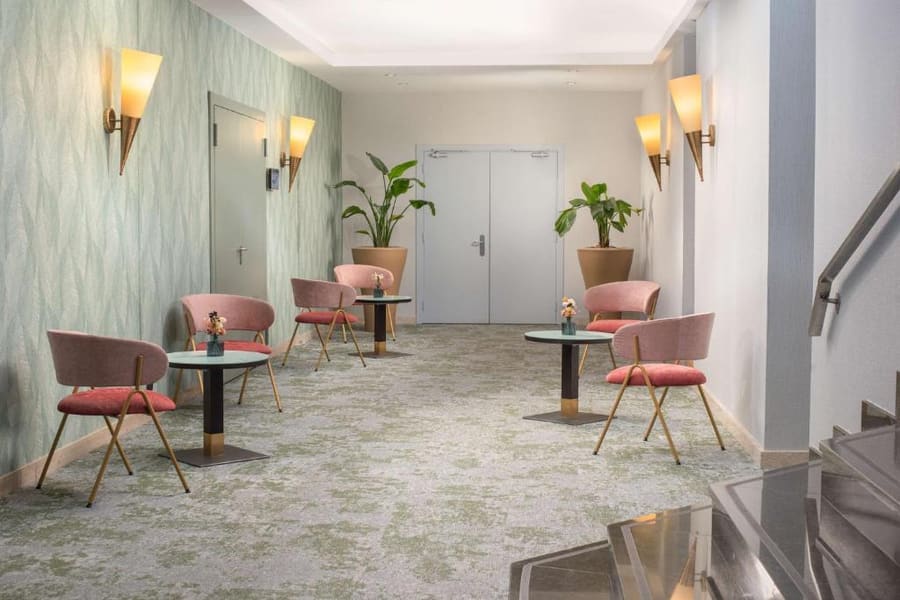
Choose your base by how close you want to be to market noise and transit hubs. The historic core suits short visits focused on walking to sights. Borgo offers quiet nights and easy metro connections.
Live rates, matched to the areas above.
transport
Central Catania is walkable, though worn basalt paving stones require sturdy shoes. Public transportation consists of AMTS city buses and a single metro line that connects central plazas to northern neighborhoods.
Desde Fontanarossa Airport (CTA)
AMTS Alibus runs every 25 minutes to Catania Centrale and Piazza Stesicoro.
Official taxi ranks sit outside arrival gates. Fixed rates apply to inner central zones.
Trenitalia connects Catania Aeroporto Fontanarossa station to Catania Centrale.
Buy urban bus tickets at tabacchi shops before boarding. Validated tickets last 90 minutes across all AMTS city routes.
Basalt street paving turns slick when wet or worn smooth. Wear shoes with firm rubber traction when exploring the old town.
Narrow-gauge trains depart from Borgo station to encircle Mount Etna. Check schedules carefully as Sunday service is suspended.
cost
Catania stays significantly cheaper than northern Italian cities. Fresh street food snacks and low public transit fares keep daily budgets manageable.
Standard price at traditional cafes around Piazza del Duomo.
Expect this price range in local trattorias around the central market district.
Includes 90 minutes of total travel time on city buses after validation.
Drinking standing up at the counter costs less than sitting at terrace tables.
seasonality
MAR – MAY
Comfortable temperatures for walking basalt streets. Etna mountain trails clear of heavy snow by late April.
JUN – AUG
Intense heat often exceeds 38°C. Midday sightseeing becomes difficult, so schedule activities for early mornings.
SEP – OCT
Warm sea water and smaller tourist crowds. Market stalls fill with autumn produce like mushrooms and figs.
NOV – FEB
Mild daytime temperatures but frequent rain showers. Mount Etna opens winter ski slopes during heavy snow years.
practicalities
Small shops and family trattorias close between 13:30 and 16:30. Plan your shopping and lunch before 14:00.
Do not touch fruits or fish directly at market stalls. Point to what you want and let vendors select items.
Temperatures on Mount Etna drop 10–15°C lower than city levels. Bring windproof layers even during peak summer months.
Small bakeries and market vendors prefer cash for transactions under €10. Keep euro coins ready for quick buys.
Black sand at San Giovanni Li Cuti absorbs heat rapidly under summer sun. Wear rubber sandals to cross to the water.