landmark
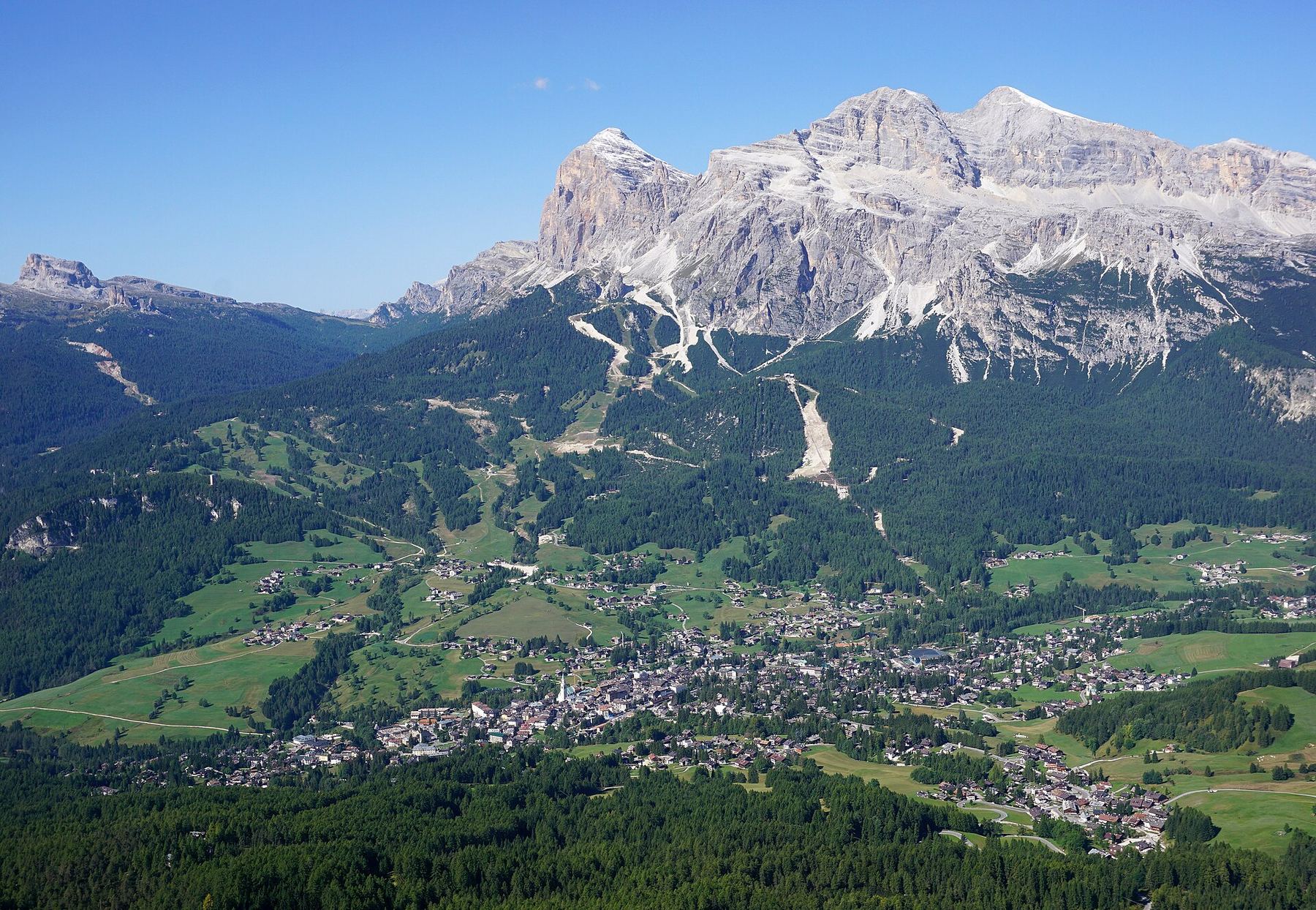
Tofana di Mezzo
Accesses the highest peaks above Cortina. Ride all three stages to reach 3,244 metres at Tofana di Mezzo.
Pregunta a ParleyItalia
Ladin mountain culture meets high-altitude alpine sport.
introduction
Cortina sits in a broad valley surrounded by high Dolomite walls. Life here revolves around Corso Italia for pedestrian strolling and two primary lift networks for reaching the peaks. You get around mostly by foot in the centre and by regional ski buses for outlying passes.
Arrival connection
Cortina has no rail station. Catch the Cortina Express coach directly from Venice Marco Polo airport in two hours.
UNESCO status
The surrounding Dolomites earned UNESCO World Heritage status in 2009 for their distinctive geomorphology.
Ski pass efficiency
Buy the Dolomiti SuperSki pass online to skip morning window queues at the Faloria base station.
Cortina d'Ampezzo
Frisia Orientalis · CC BY-SA 3.0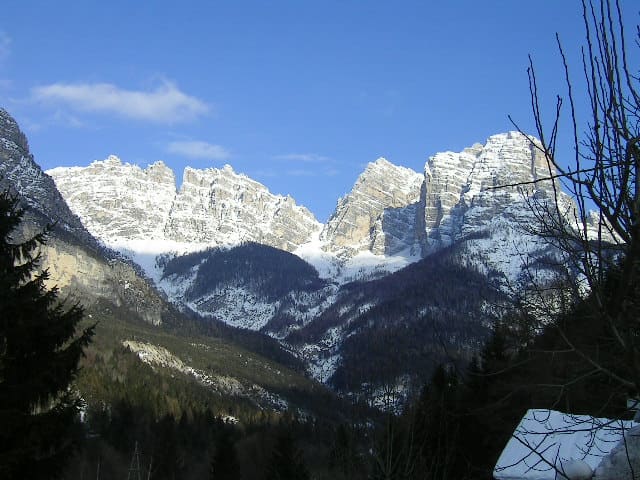
Pecol — Quiet district centered around the base station of the Faloria cable car.
Original uploader was Piave at it.wikipedia. Later version(s) were uploaded by Herzi Pinki at it.wikipedia. · CC BY-SA 3.0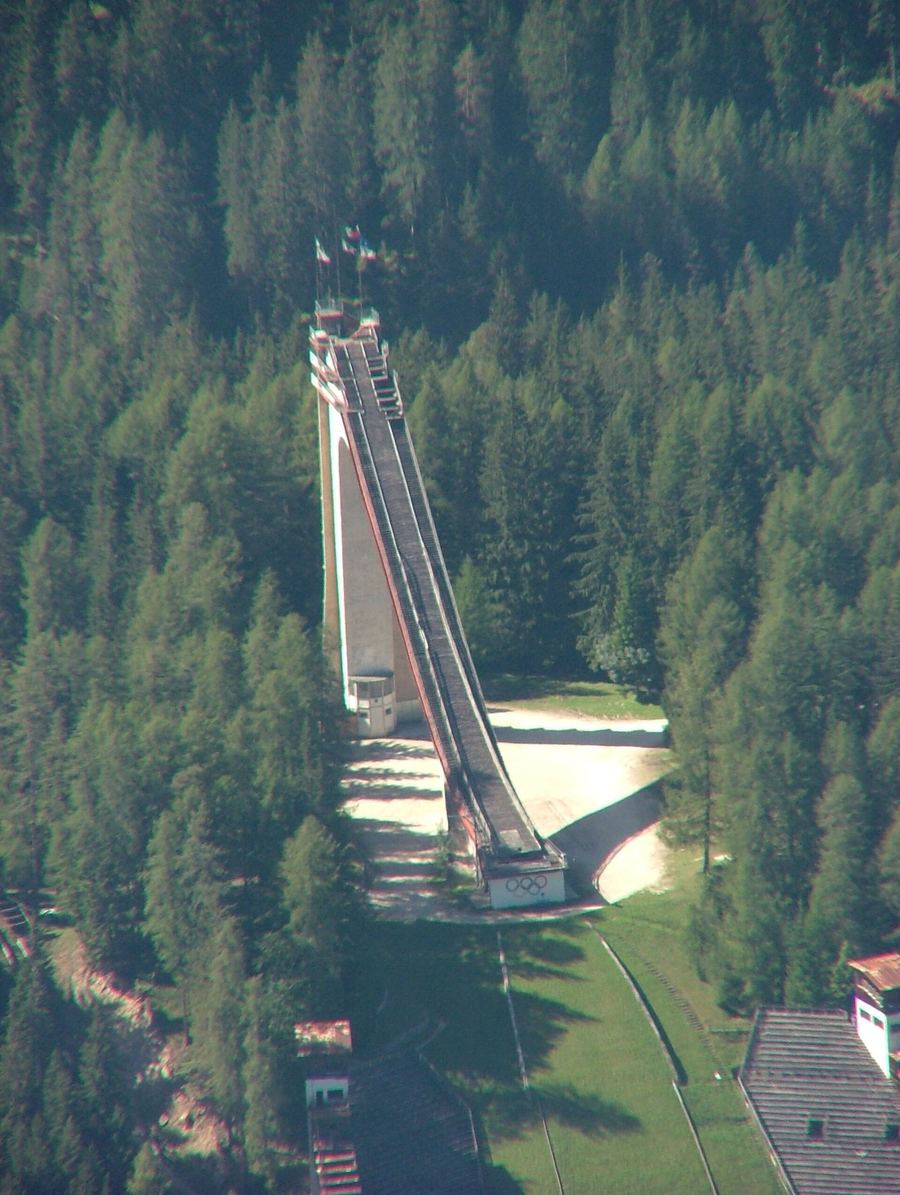
Zuel — Southern hamlet offering views of the historic 1956 Olympic ski jump.
Marco Walker · CC BY 2.5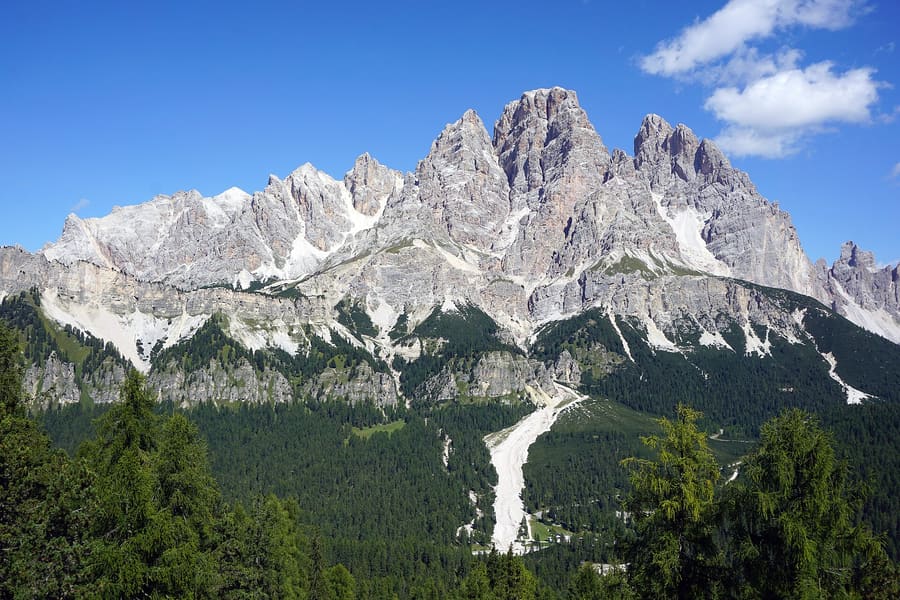
Alverà — Residential district on the eastern slopes with traditional wood alpine chalets.
kallerna · CC BY-SA 4.0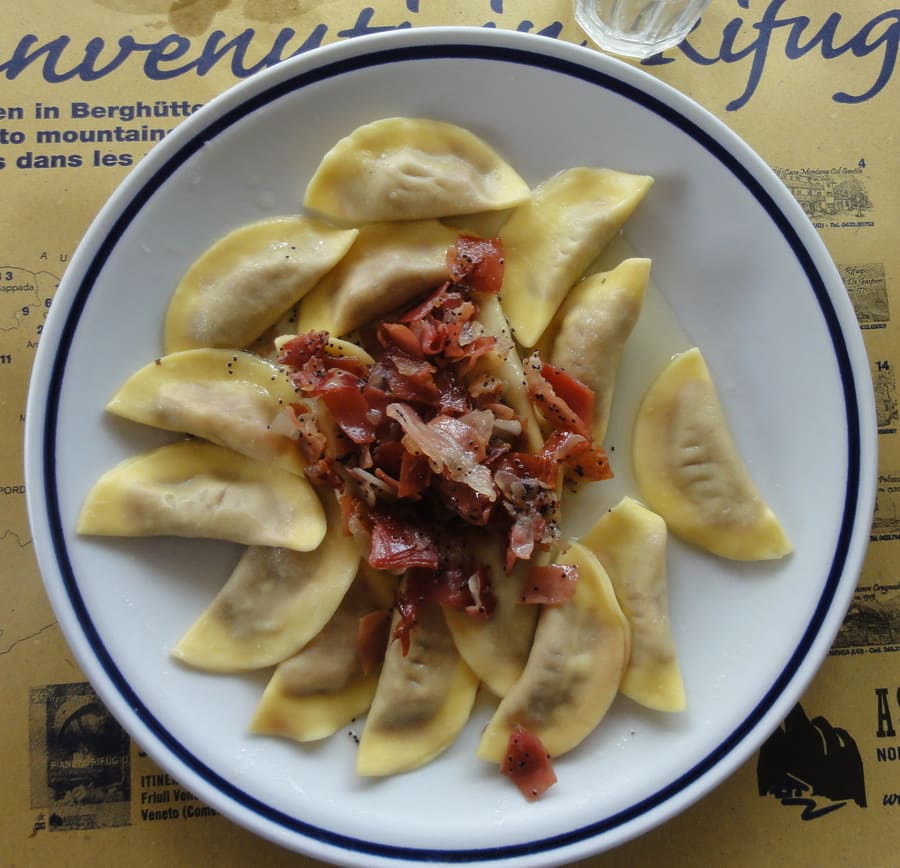
Casunziei all'ampezzana topped with melted butter and poppy seeds.
ildirettore (original version) ; cropped by Off-shell · CC BY 3.0highlights
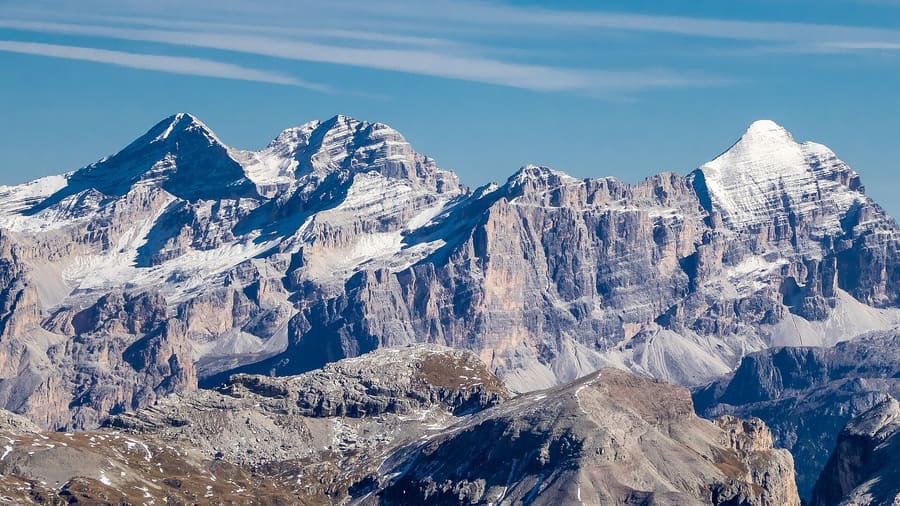
landmark
Accesses the highest peaks above Cortina. Ride all three stages to reach 3,244 metres at Tofana di Mezzo.
Pregunta a Parley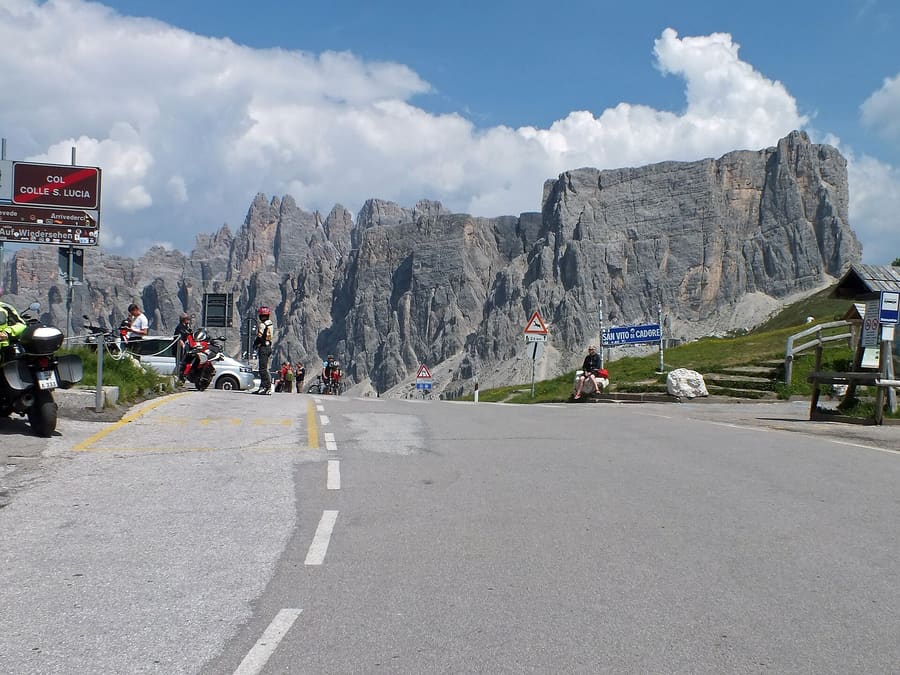
landmark
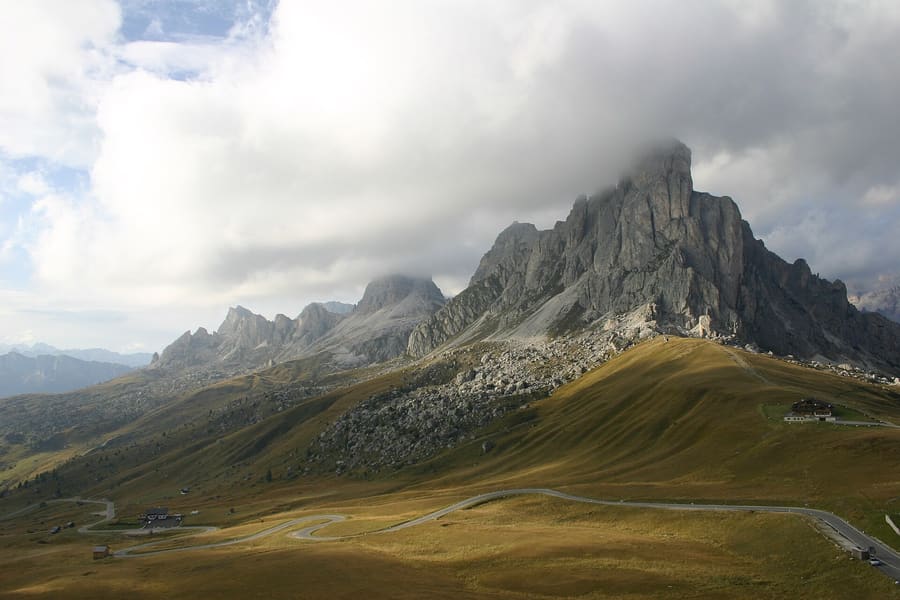
A mountain pass offering sharp views of Ra Gusela. Drive early in summer before motorcycle tours clog the switchbacks.
Pregunta a Parley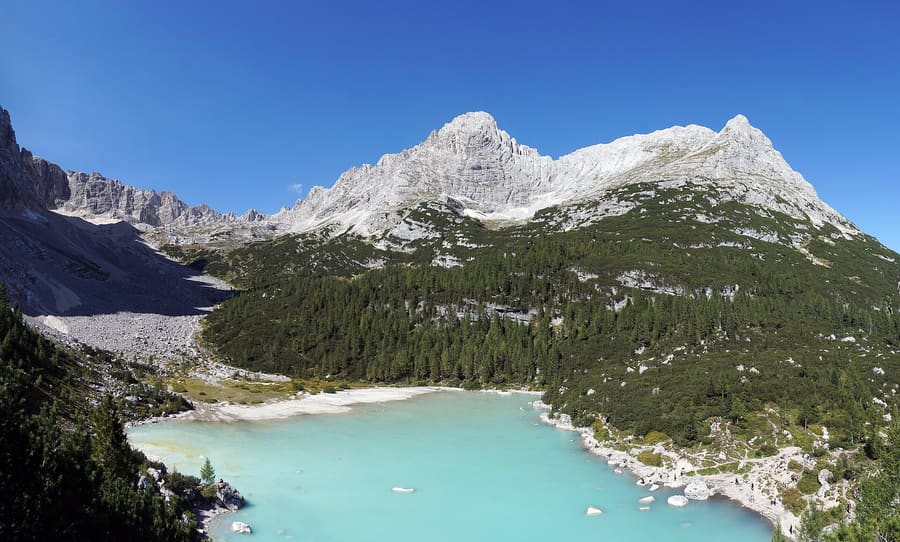
landmark
A glacial lake known for turquoise water. The hike from Passo Tre Croci takes two hours each way over narrow ledges.
Pregunta a Parley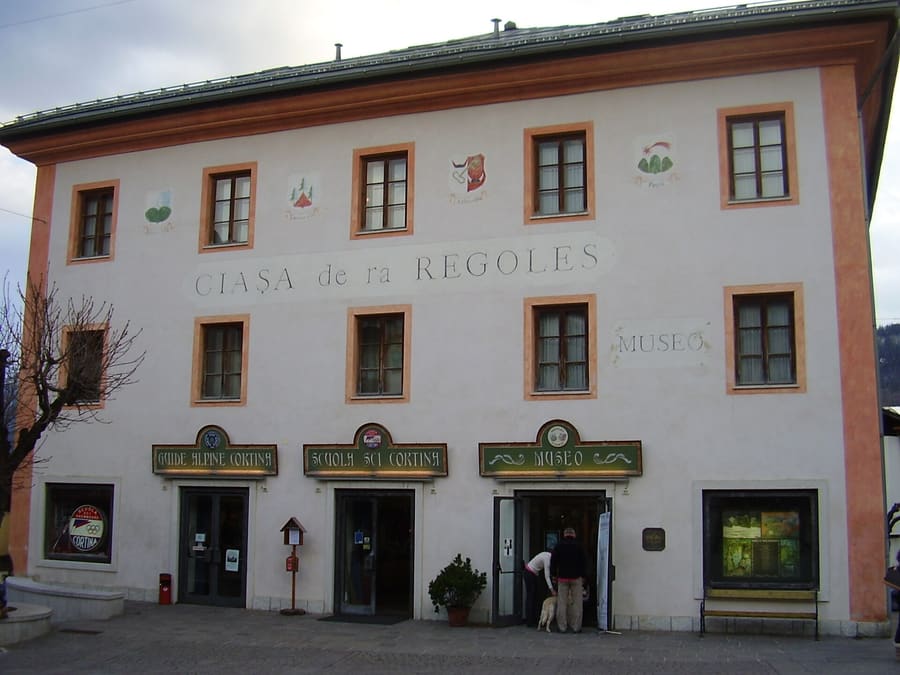
landmark
Exhibits 20th-century Italian art collected locally. Check seasonal opening hours as it closes between peak seasons.
Pregunta a Parleyattractions
areas
Quiet district centered around the base station of the Faloria cable car.
CercaFaloria lift base and Boite river trail.
Pregunta a ParleySouthern hamlet offering views of the historic 1956 Olympic ski jump.
CercaTrampolino Italia ski jump structure.
Pregunta a ParleyResidential district on the eastern slopes with traditional wood alpine chalets.
CercaTrails toward the Cristallo mountain group.
Pregunta a Parleyfood
Ampezzo cuisine reflects its four centuries under Austro-Hungarian rule before joining Italy in 1918. Local kitchens rely on mountain dairy, root vegetables, and cured meats rather than olive oil and tomato sauce. You will find sweet and savoury combinations across every traditional menu.
Casunziei all'ampezzana topped with melted butter and poppy seeds.
ildirettore (original version) ; cropped by Off-shell · CC BY 3.0These half-moon pasta parcels are stuffed with red beetroot and turnip, dressed simply in melted brown butter and poppy seeds.
Holders of a Michelin star, serving refined local game dishes outside the centre. Reserve weeks ahead for dinner.
A working dairy farm on the road to Passo Tre Croci where butter and mountain cheeses are produced on site.
history
Cortina transitioned from an isolated Ladin farming valley to an international winter destination over two centuries. Its strategic location on the border between Italy and Austria shaped both its architecture and dialect.
Austro-Hungarian Rule
Cortina comes under Habsburg control, remaining part of Tyrol for over four hundred years.
Incorporation into Italy
Following World War I mountain warfare across the Dolomites, Ampezzo joins the Kingdom of Italy.
VII Winter Olympic Games
Cortina hosts Italy's first Winter Olympics, establishing its status as a global ski destination.
UNESCO Listing
The Dolomites around Cortina receive World Heritage status for geological significance.
where to stay
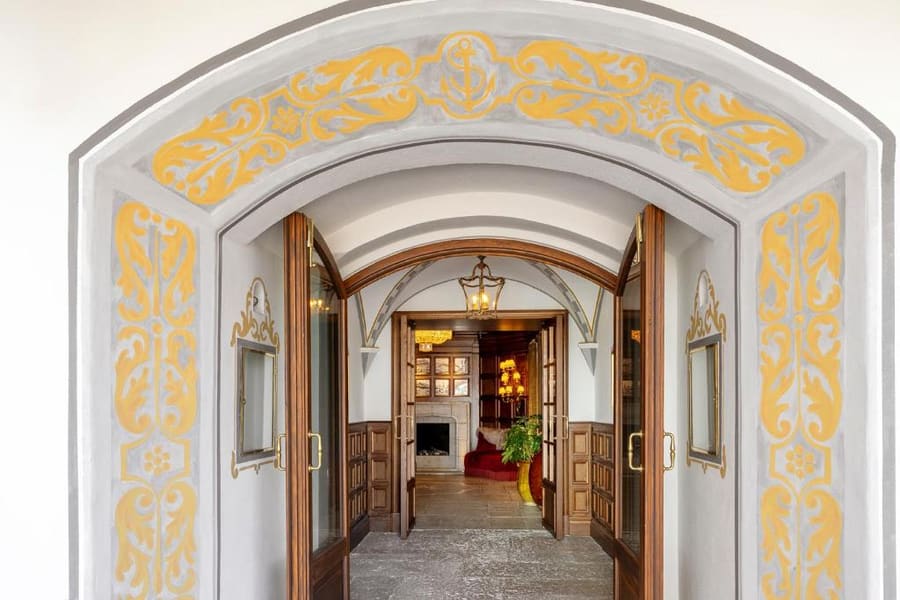
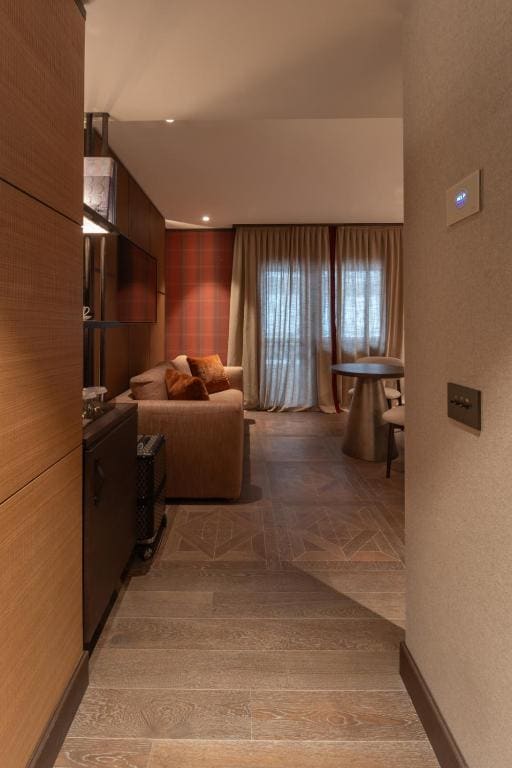
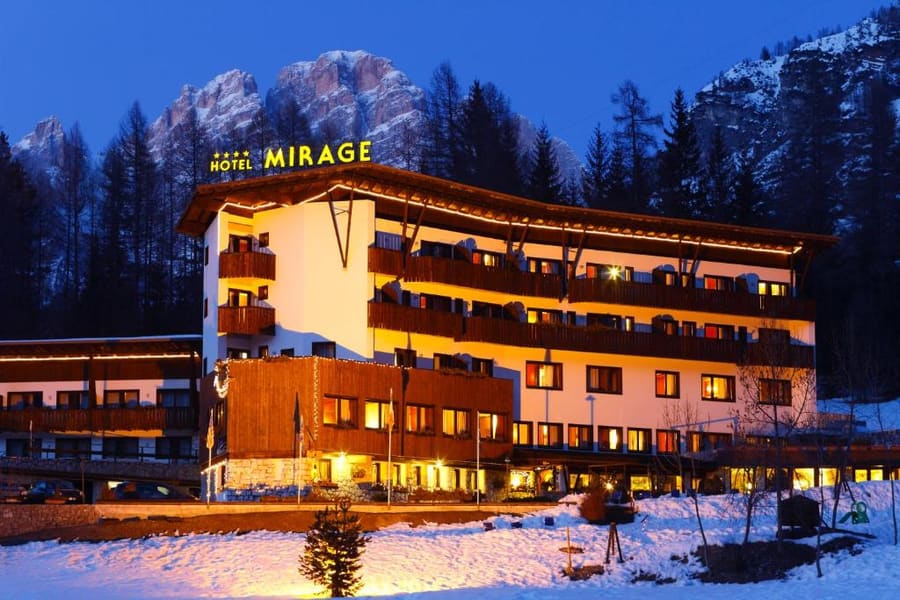
Choose your base by your primary transport mode and daily priorities. Staying in Centro Storico eliminates the need for driving, while outlying hamlets offer easier vehicle parking and lower room rates.
Live rates, matched to the areas above.
/929e97a2cf5f.jpg)
transport
Cortina is compact enough to navigate on foot, but reaching mountain passes requires buses or cable cars. A car is helpful for remote trailheads but burdensome inside the historic centre.
Desde Venice Marco Polo Airport (VCE)
Cortina Express or ATVO buses run direct from VCE. Pre-book during peak winter and summer seasons.
Operates mostly during ski season (e.g., Fly Ski Shuttle). Advanced reservation required.
Fares increase at night. Best for groups with heavy ski gear or luggage.
Burdensome inside historic centre due to limited parking. Winter tires or chains required Dec-Apr.
Regional buses run to Toblach, Venice, and Belluno. Buy tickets at the central station kiosk before boarding.
Covers all major lift systems around Cortina. The pass includes public ski buses between lift stations.
Lifts operate seasonally, closing completely between mid-April and late May, and again in November.
cost
Cortina ranks among Italy's most expensive alpine resorts. Peak winter holiday weeks and August command top rates for both lodging and dining.
Prices fluctuate between shoulder and peak winter dates across the Dolomiti SuperSki network.
Standard price in a traditional mountain trattoria or alpine hut.
One-way coach fare from Venice Airport directly to Cortina bus terminal.
Expect higher charges if sitting at outdoor tables on the main promenade.
seasonality
DEC – MAR
Peak winter ski season. Expect crowded slopes and maximum hotel rates during Christmas and Carnival.
APR – MAY
Shoulder season thaw. Ski lifts close, hiking trails are muddy, and many hotels shut for maintenance.
JUN – SEP
Summer hiking and via ferrata season. Warm days bring busy mountain huts; August requires early bookings.
OCT – NOV
Quiet autumn transition. Crisp days and golden larch foliage, but most lift systems remain closed.
practicalities
Shops on Corso Italia close between 13:00 and 15:30 daily, reopening late into the evening.
High-altitude mountain huts lose connectivity frequently; carry cash for mid-afternoon snacks.
Local signage often displays Ladin names alongside Italian; the local dialect remains actively spoken.
High elevation trails often retain packed snow until late June; check conditions at the alpine guide office.
Cortina uses strict sorted waste bins locked with keycards for residents; use hotel bins for sorting.