landmark
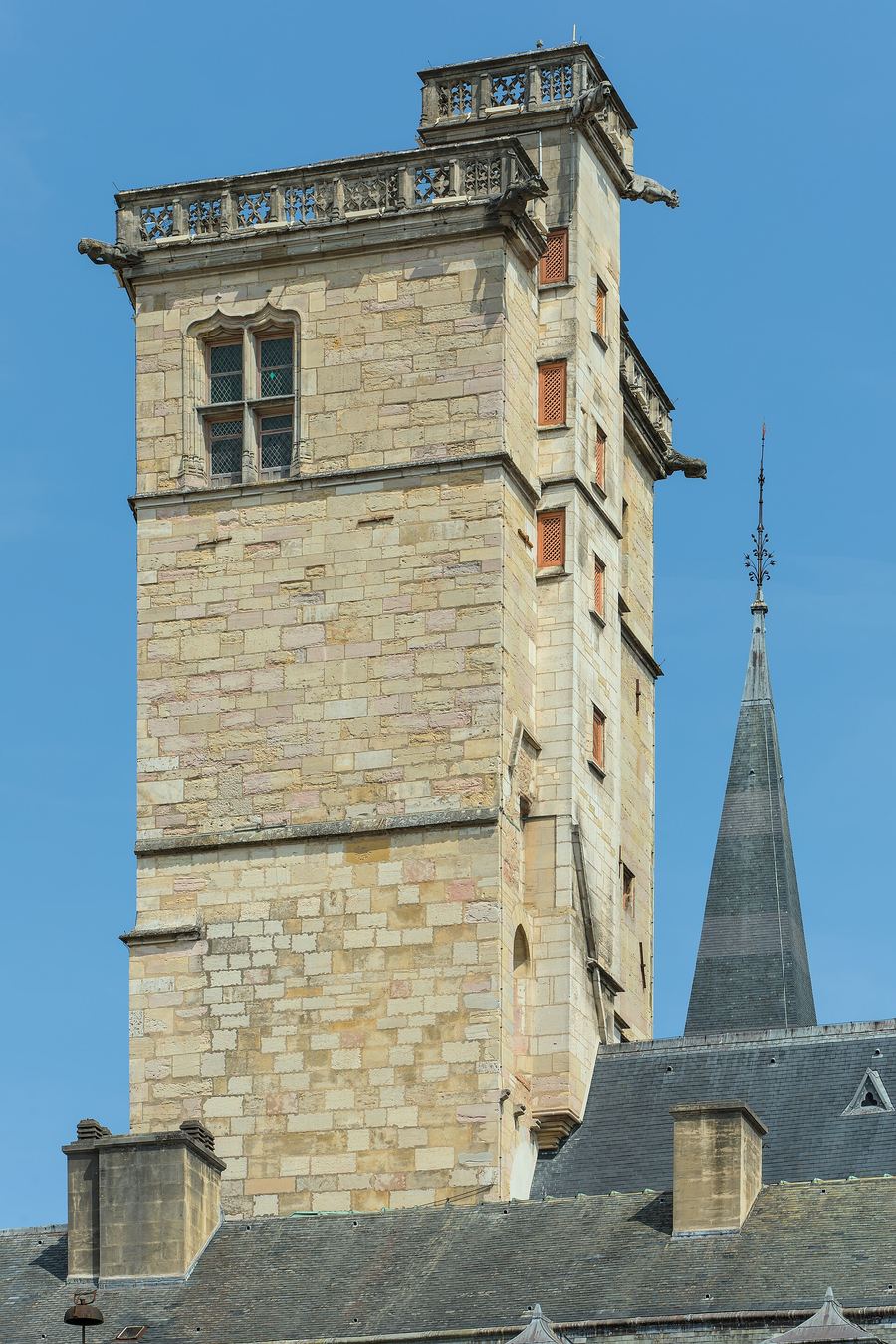
Tour Philippe le Bon
A 316-step climb rewards you with full panoramic views over Dijon's terracotta roofs. Book online.
Pregunta a ParleyFrancia
The medieval ducal capital built on wine, stone, and mustard.
introduction
Dijon was the seat of the Dukes of Burgundy, who ruled a 15th-century state competing directly with the King of France. Today, its compact pedestrian centre holds timber-framed medieval houses and grand classical stone mansions. You can walk across the inner historic core in twenty minutes without using public transit. Expect high culinary standards and an afternoon lull when small shops close between lunch and dinner.
Arrival speed
High-speed TGV trains connect Paris Gare de Lyon directly to Gare de Dijon-Ville in 1 hour 35 minutes.
UNESCO designation
Dijon's historic core forms the urban component of the UNESCO World Heritage Climate, Terroirs of Burgundy site.
Market days
Les Halles covered market opens only on Tuesday, Thursday, Friday, and Saturday mornings.
Dijon
Arnaud 25 · CC BY-SA 3.0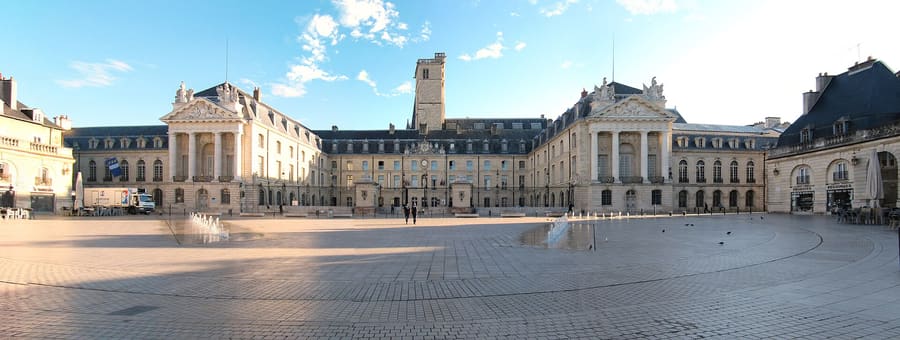
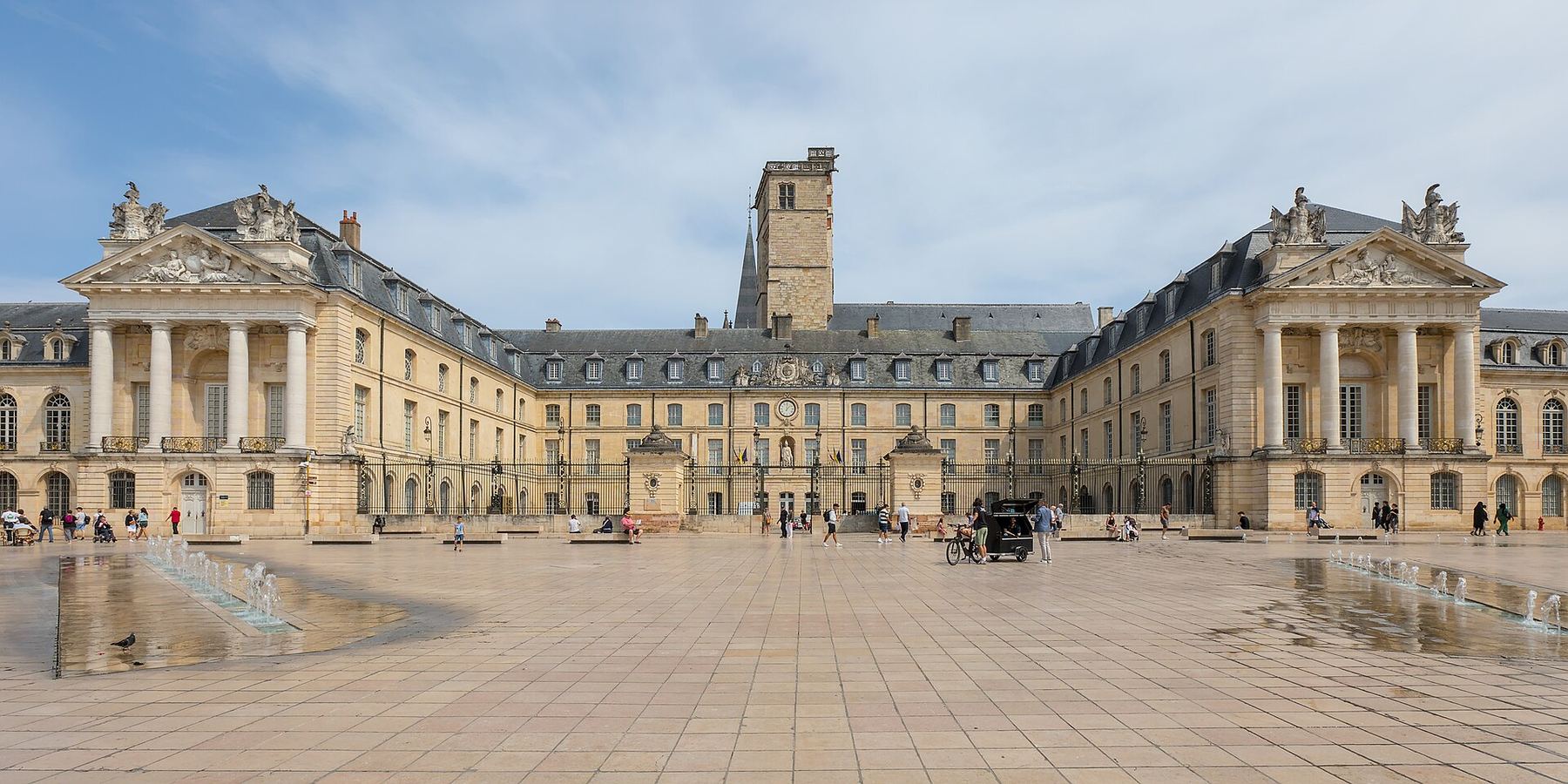
Centre Historique — Pedestrian stone streets flanked by 17th-century mansions and sidewalk terraces.
François de Dijon · CC BY-SA 3.0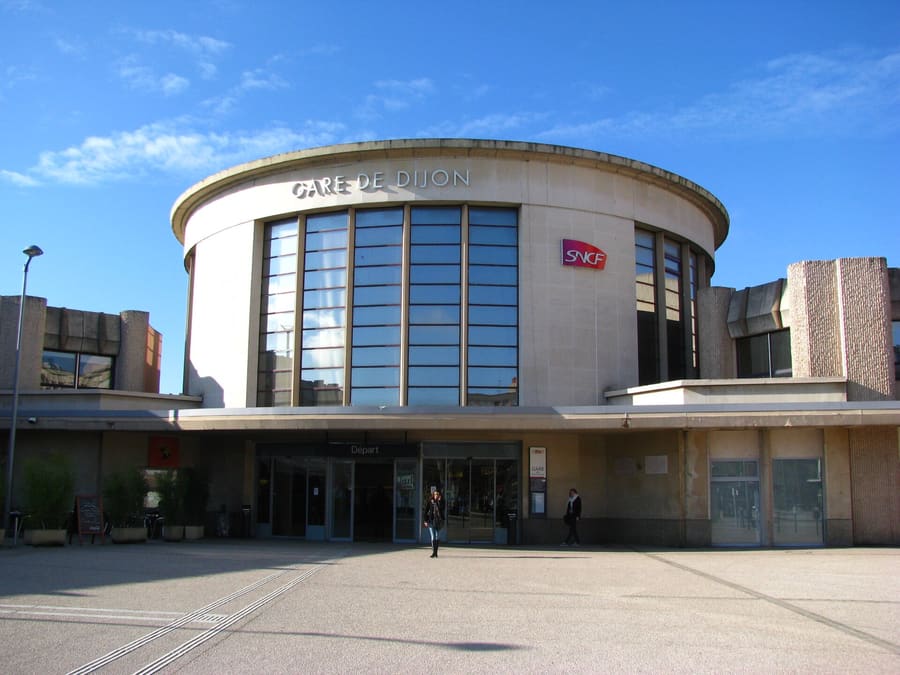
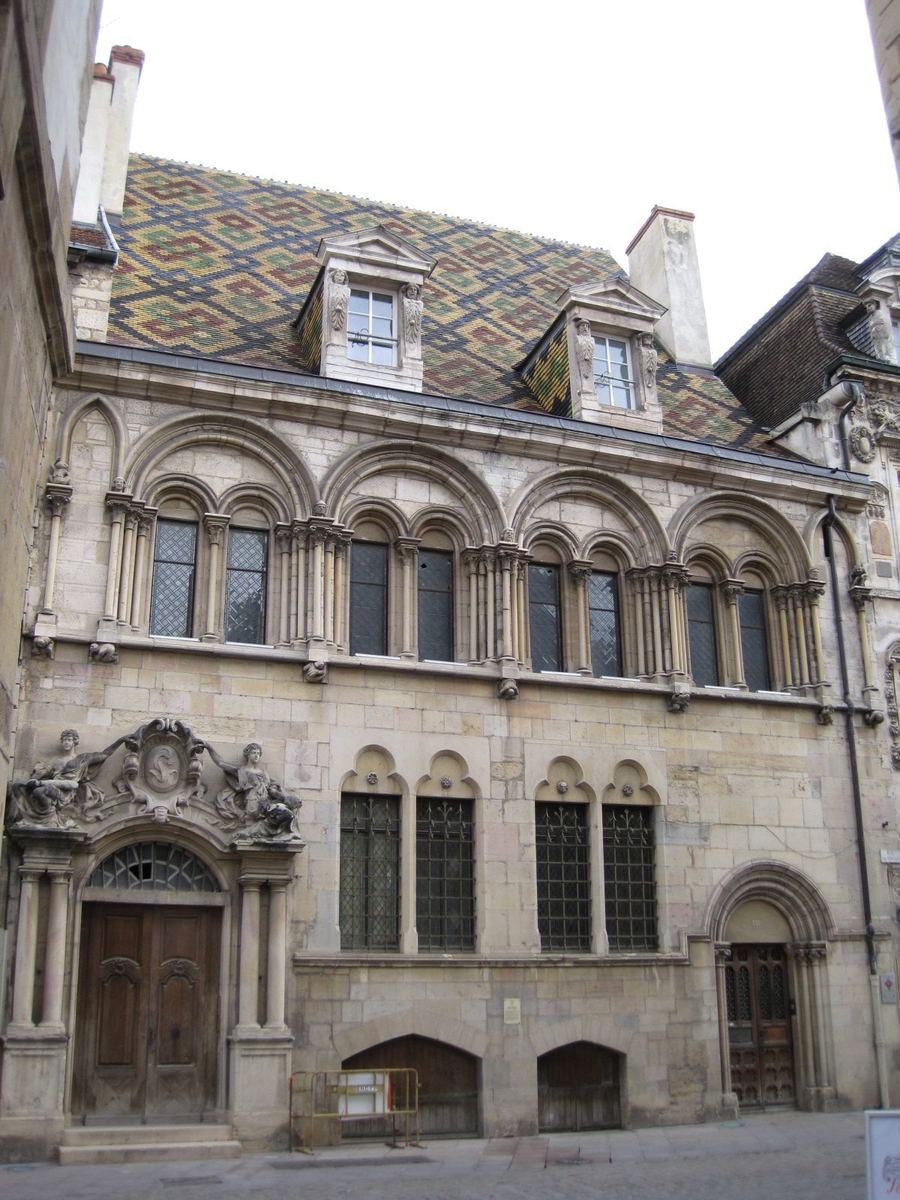
Gare & Faubourg Raines — Practical transport hub bordered by botanical gardens.
Peter Kauffmann pdkauffmann Uploaded by Pdkauffmann at en.wikipedia · CC0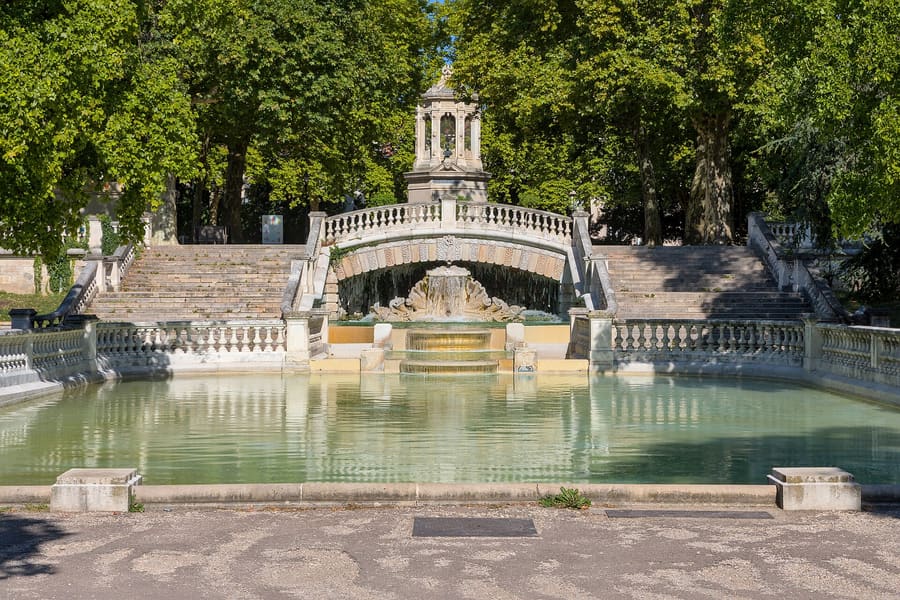
Montchapet — Quiet residential neighborhood built on a hill northwest of the station.
Benjamin Smith · CC BY-SA 4.0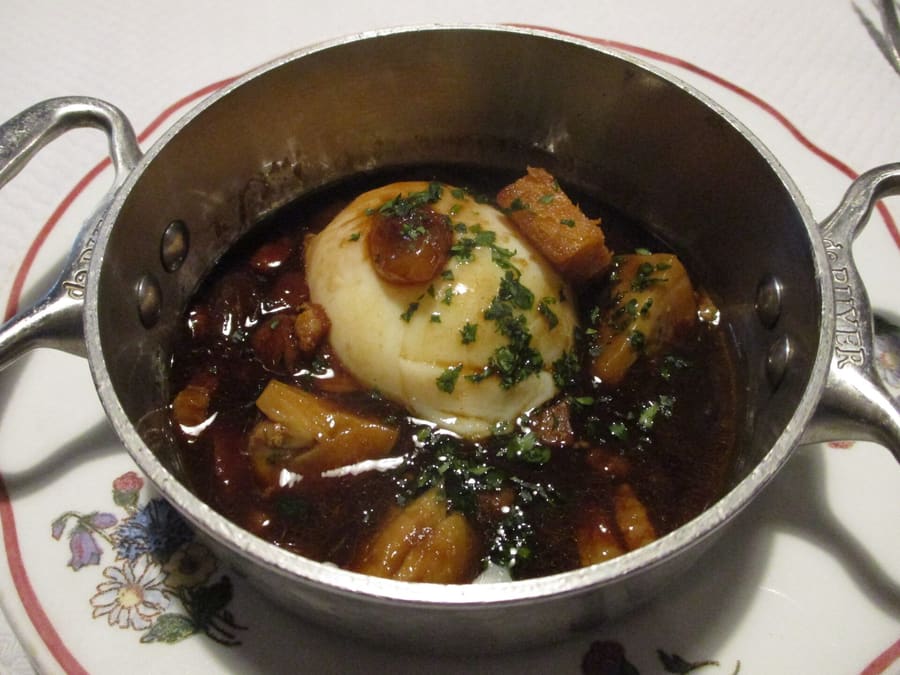
Oeufs en meurette served in a red wine reduction broth at a traditional bistro.
Arnaud 25 · CC BY-SA 4.0highlights
landmark
A 316-step climb rewards you with full panoramic views over Dijon's terracotta roofs. Book online.
Pregunta a Parley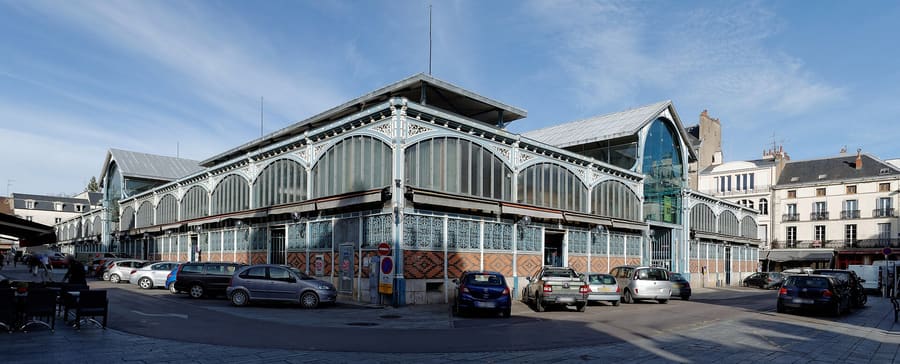
landmark
Covered food market designed by Gustave Eiffel's firm. Arrive before 11:00 on market days to beat crowds.
Pregunta a Parley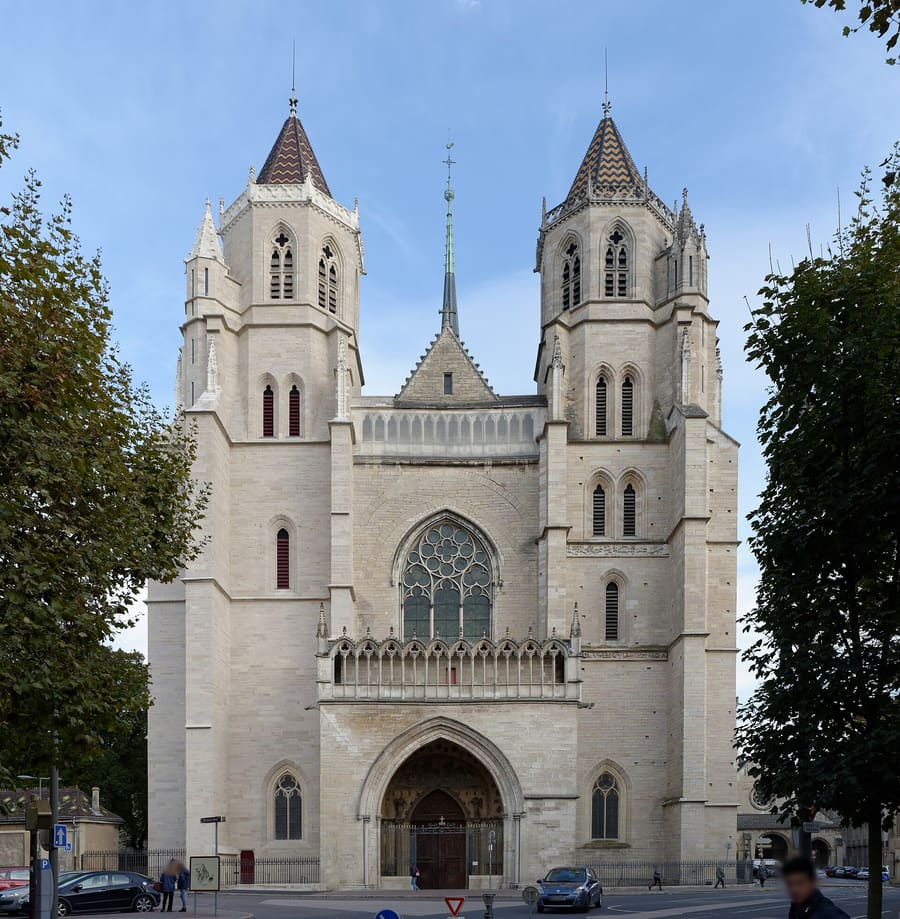
landmark
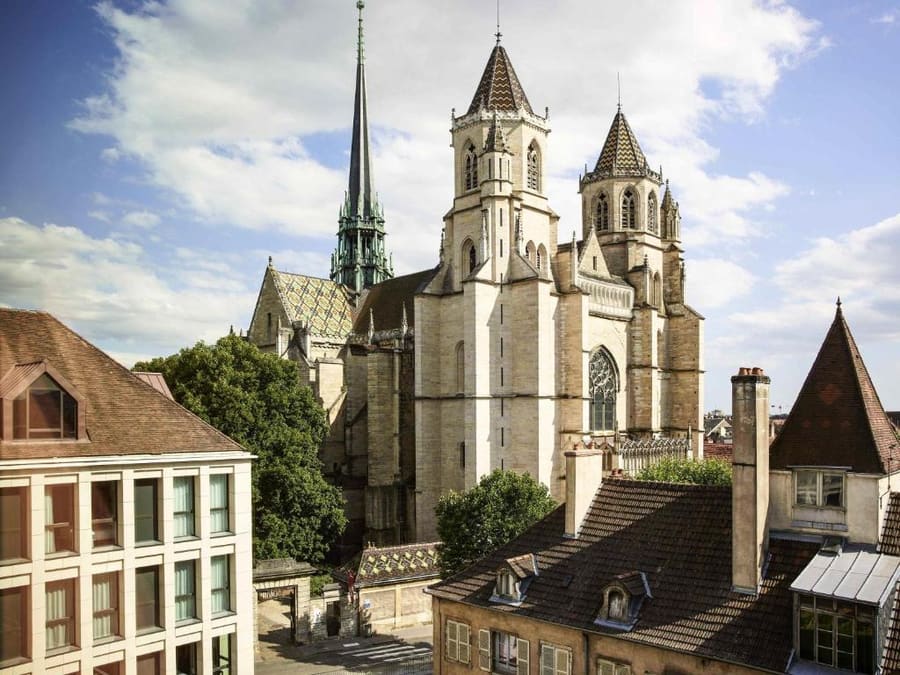
Gothic cathedral housing an 11th-century Romanesque crypt beneath its main floor.
Pregunta a Parleyattractions
areas
Pedestrian stone streets flanked by 17th-century mansions and sidewalk terraces.
CercaPalais des Ducs, Place de la Libération, Musée des Beaux-Arts
Pregunta a ParleyPractical transport hub bordered by botanical gardens.
CercaGare de Dijon-Ville, Jardin Arquebuse, Jardin Darcy
Pregunta a ParleyQuiet residential neighborhood built on a hill northwest of the station.
CercaJardin Darcy, Gare de Dijon-Ville
Pregunta a ParleyMarket commerce, antique shops, and casual bistro counters.
CercaLes Halles, Rue Verrerie, Rue des Forges
Pregunta a Parleyfood
Dijon's food culture rests on heavy reductions, local meats, and blackcurrants. Regional specialties dominate traditional menus across the central pedestrian zone. Real Dijon mustard relies on brown mustard seeds and verjuice; La Moutarderie Fallot manufactures its mustard at its mill in Beaune, while its Rue de la Chouette location in Dijon is a boutique and boutique-workshop.Oeufs en meurette are poached eggs set in a sauce of reduced Pinot Noir, bacon lardons, and pearl onions. You eat them as a starter in traditional winemakers' bistros. For dessert, pain d'épices provides a spiced honey cake tradition preserved since the 18th century by local bakery Mulot & Petitjean.
Oeufs en meurette served in a red wine reduction broth at a traditional bistro.
Arnaud 25 · CC BY-SA 4.0On market mornings, grab charcuterie and Époisses cheese from hall vendors to eat outside at surrounding terrace cafes.
The classic aperitif combines local Crème de Cassis with dry Bourgogne Aligoté white wine, named after former mayor Félix Kir.
Bistros run lunch service from 12:00 to 14:00 and dinner from 19:30 to 21:30. Reservations are necessary on Friday and Saturday.
history
Dijon grew from a Roman fortified post on the road from Lyon to Mainz into a medieval power capital. Under the Valois Dukes of Burgundy in the 14th and 15th centuries, the city rivaled Paris in wealth, territorial reach, and artistic patronage.After the death of Duke Charles the Bold in 1477, Burgundy was absorbed into the French kingdom. The city retained administrative importance as the seat of the Burgundian Parliament, leaving a heritage of grand stone townhouses built by royal magistrates.
Valois Dynasty
Philip the Bold initiates the Valois line, launching a century of major expansion and artistic investment.
French Crown Annexation
Charles the Bold dies in battle, and King Louis XI annexes Burgundy into France.
Railway Connection
The Paris-Lyon rail link opens, accelerating wine shipping and industrial growth.
UNESCO Inscription
Dijon's historic center receives UNESCO World Heritage status as part of the Burgundy wine region.
where to stay
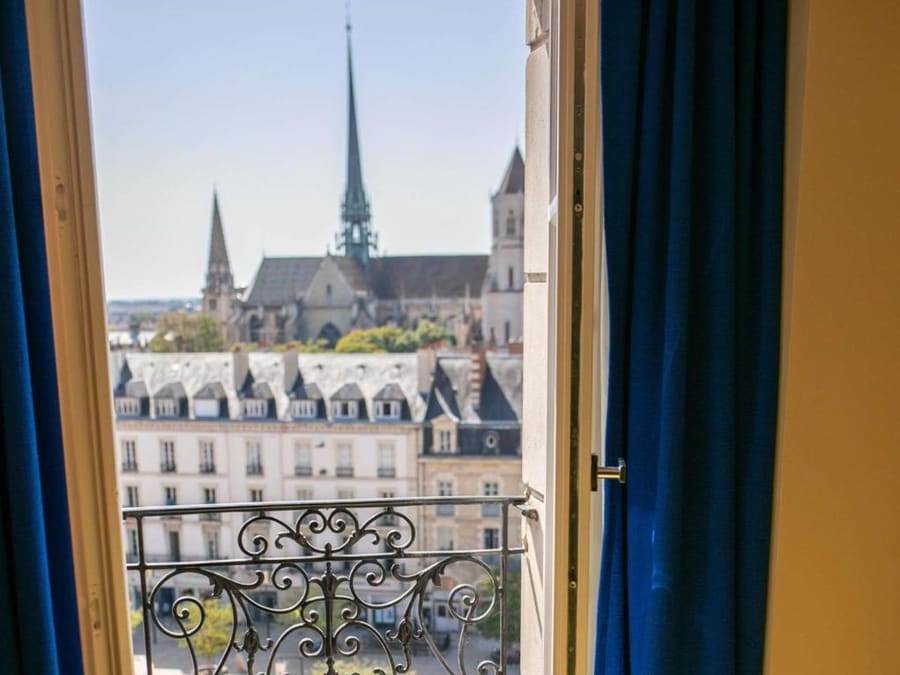
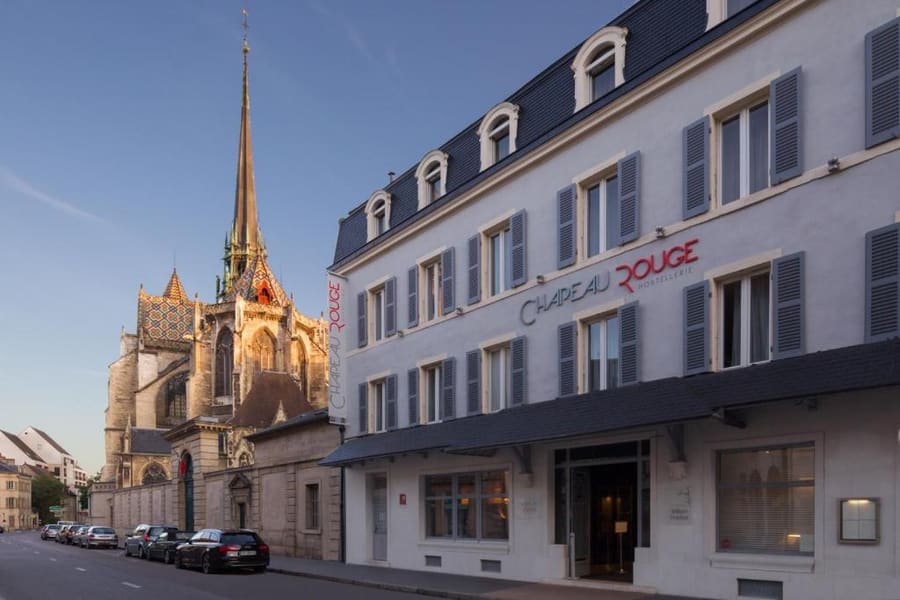
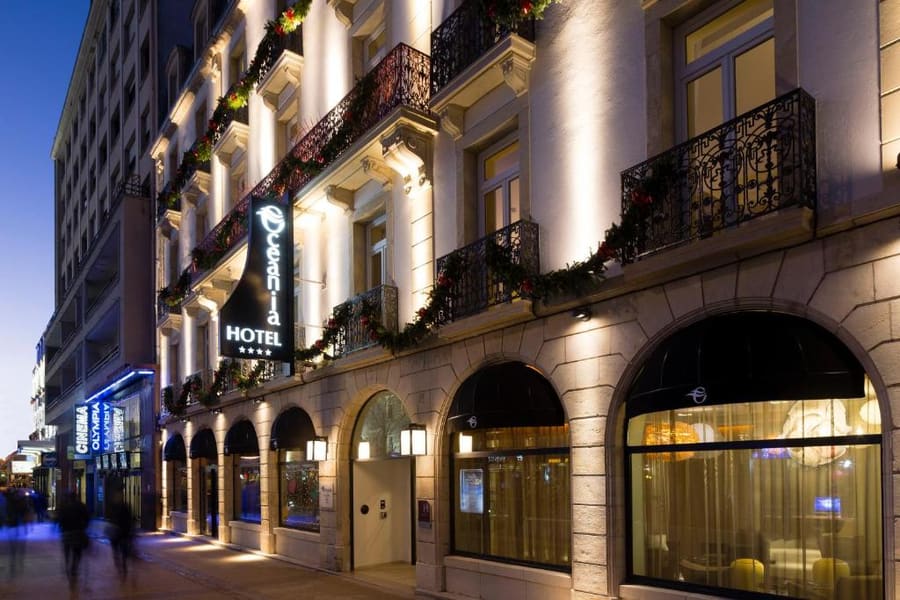
Choose your location based on your transport plans. Staying inside the central ring boulevard puts sights and dining within a five-minute walk, while hotel space near the railway station suits morning day-trips into the vineyards.
Live rates, matched to the areas above.
transport
Dijon's historic core is entirely walkable. The local transit network, Divia, operates two tram lines and city buses that skirt the pedestrian zone.
Small electric buses run every 10-15 minutes through pedestrian streets. Board without checking in.
Regional trains leave Gare de Dijon-Ville hourly for Beaune, taking 20 minutes.
Short-term bike rentals are available at automated stations using a credit card.
cost
Dijon prices are moderate compared to Paris, though high-end wine bars and starred restaurants reflect Burgundy's global culinary standing.
Standard price at traditional bistros in the city center.
Purchased directly at the Fallot shop on Rue de la Chouette.
Ticket includes a timed climb with a official guide.
seasonality
MAR – MAY
Cool days with moderate tourist activity. Good weather for walking and indoor museum visits.
JUN – AUG
Warm summer weather bring crowded outdoor terraces. Book central hotels well ahead.
SEP – NOV
Grape harvest season in surrounding vineyards. Hotel prices peak during grape picking weeks.
DEC – FEB
Cold, quiet winter days. Short daylight hours but minimal crowds in museums.
practicalities
Follow bronze owl markers set into pavement stones for a self-guided route around 22 historic locations.
Independent boutiques outside major chains frequently close between 12:00 and 14:00.
Most central retail shops close on Sundays. Plan Sunday activities around museums and restaurants.
Permanent collections in city-owned museums like Musée des Beaux-Arts offer free entry year-round.
The paved towpath alongside the Canal de Bourgogne starts near Port Canal for flat cycling routes.