landmark
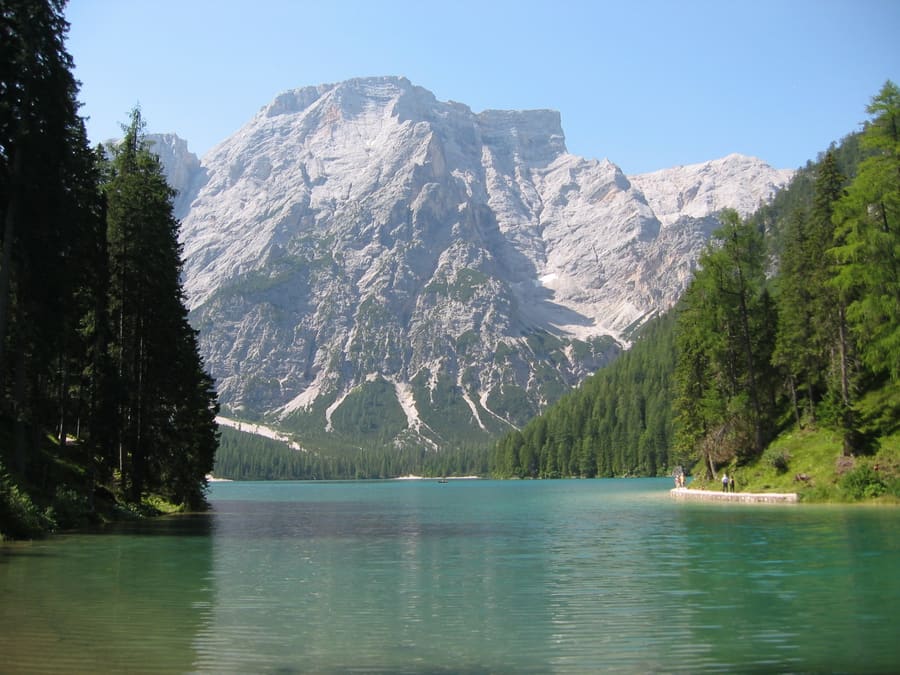
Lago di Braies
Glacial mountain lake with blue water beneath Seekofel peak. Access requires an advance shuttle ticket between July and September.
Pregunta a ParleyItalia
Limestone peaks, Ladin valleys, and strict transit rules.
introduction
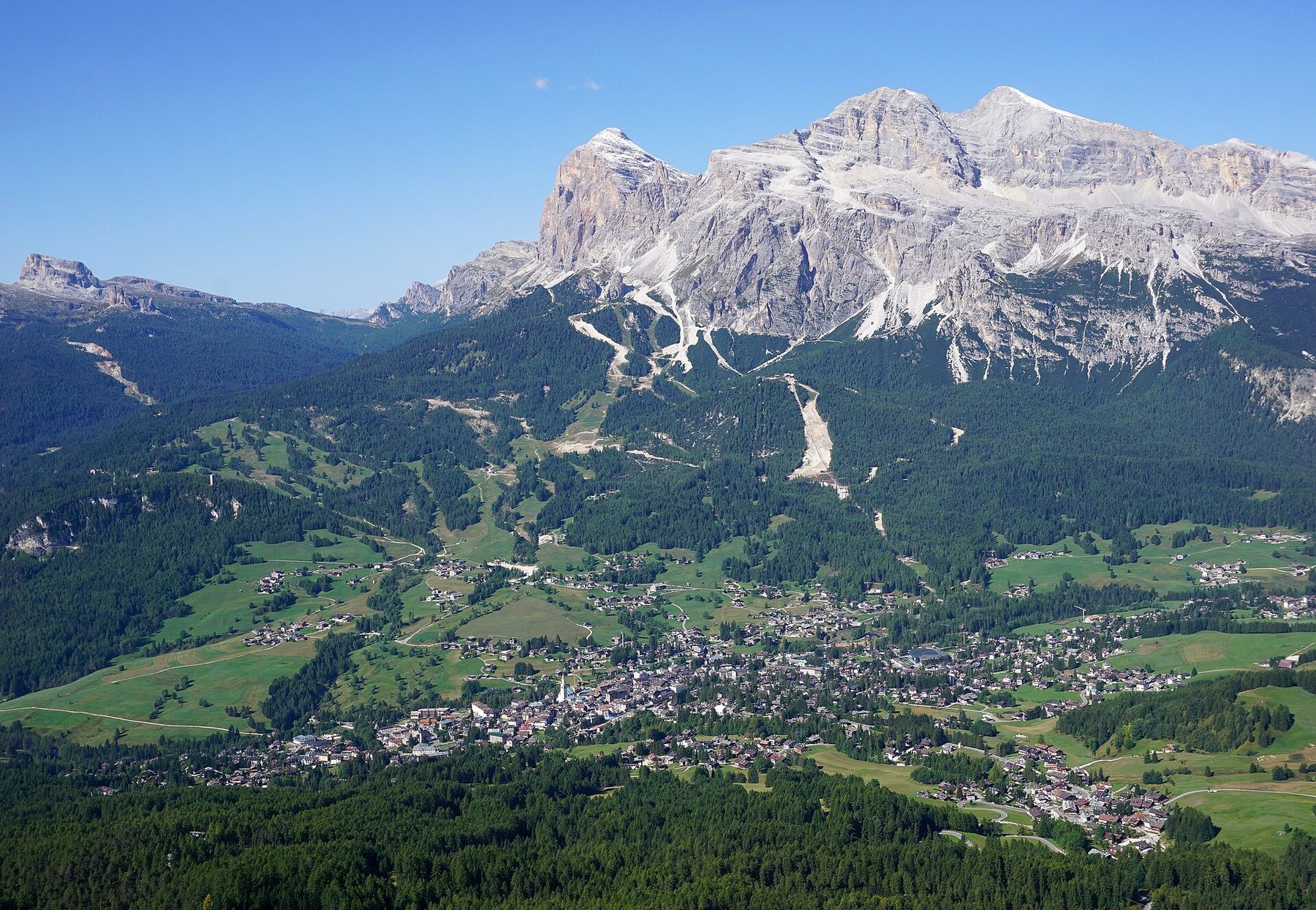
The Dolomites sit split between German-speaking South Tyrol and Italian-speaking Trentino and Veneto. Peaks rise sharply from green pastures, accessible via cable cars or narrow pass roads. Moving between valleys takes longer than map distances suggest due to hairpin turns and seasonal traffic restrictions. Staying in one valley for three days yields better hiking than rushing across three passes in an afternoon.
UNESCO World Heritage site
Nine distinct mountain systems form the UNESCO site. South Tyrol and Trentino enforce strict building codes to preserve alpine valley skylines.
Südtirol Guest Pass benefits
Hotels in South Tyrol issue free Südtirol Guest Passes. This card gives unlimited regional train and bus transit throughout the province.
Dolomites
Public domain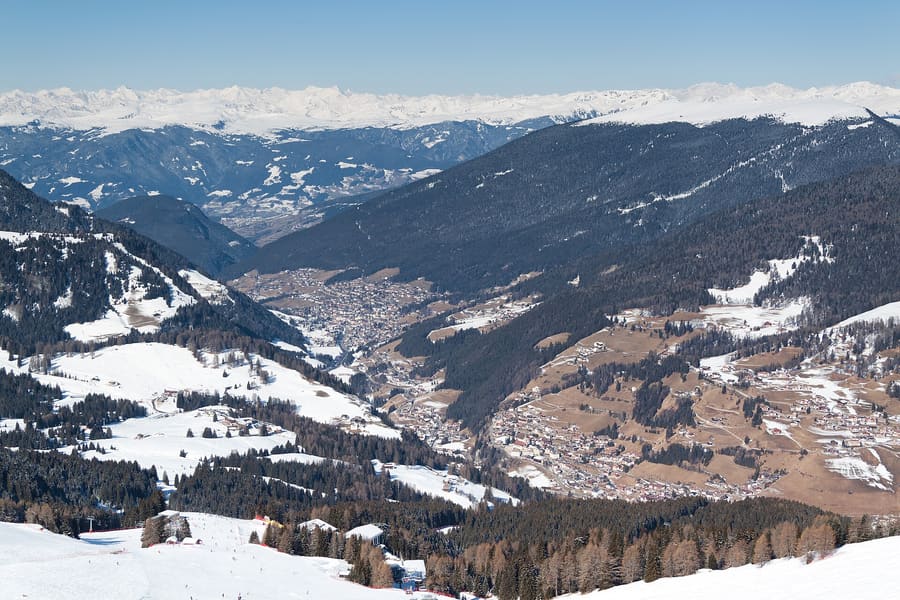
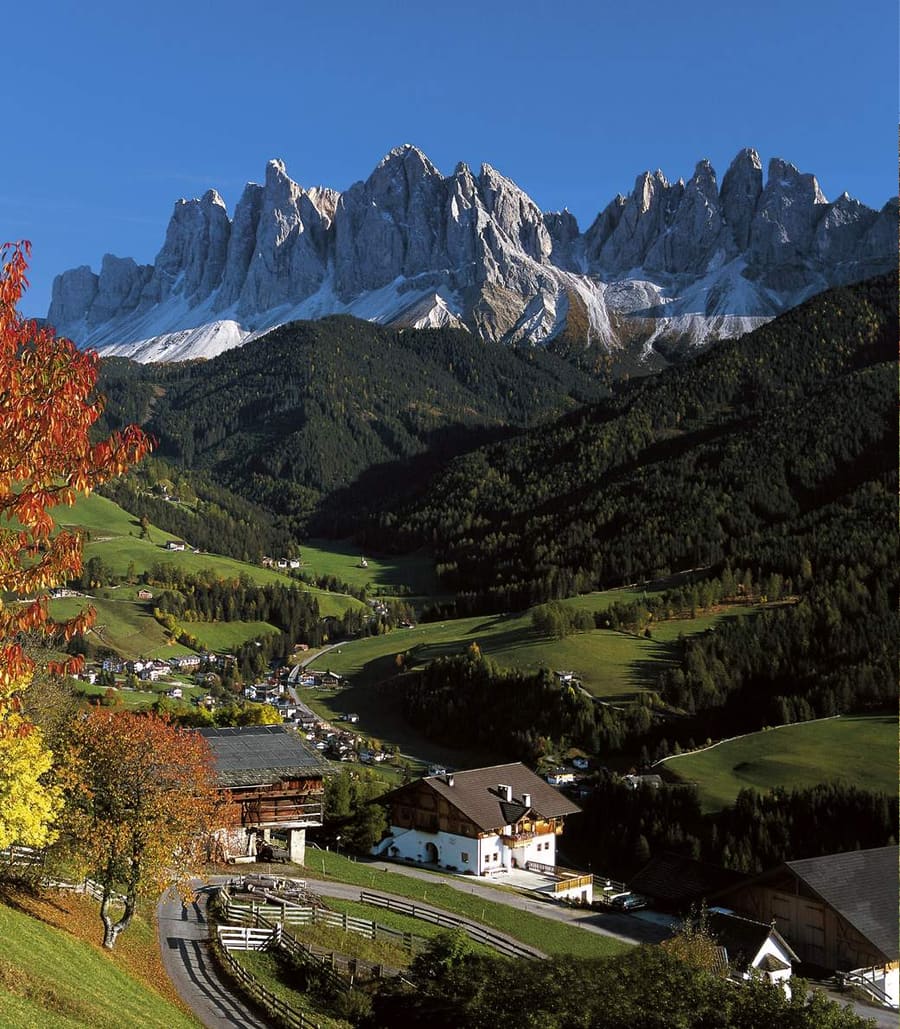
Val Gardena — German-Ladin woodcarving towns connected by efficient cable cars and high-frequency valley buses.
Dmitry A. Mottl · CC BY-SA 3.0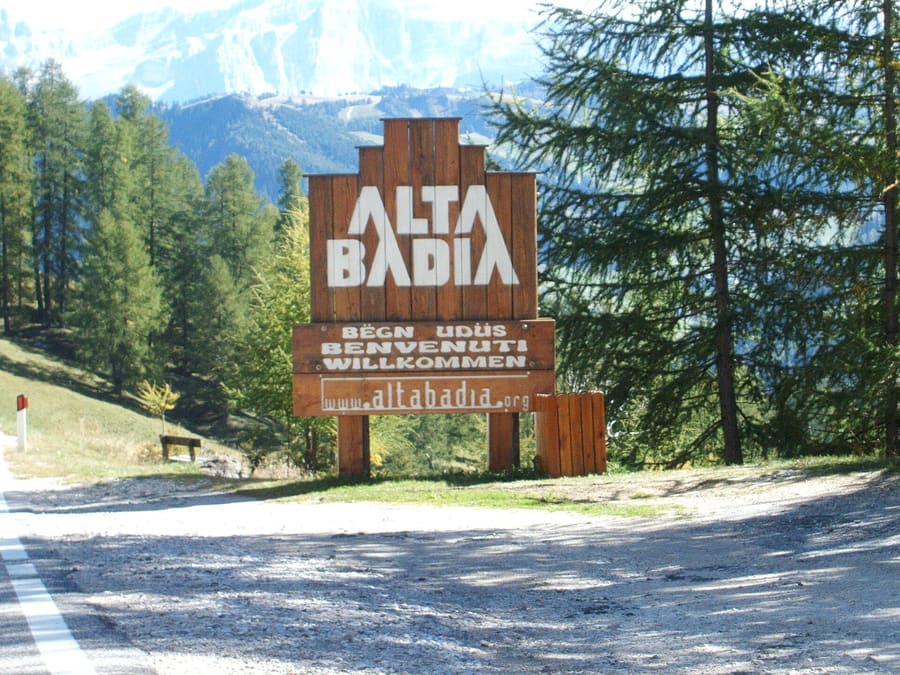
Alta Badia — Ladin culinary stronghold offering Michelin-starred dining alongside farm-to-table mountain huts.
Llorenzi at Italian Wikipedia · CC BY-SA 3.0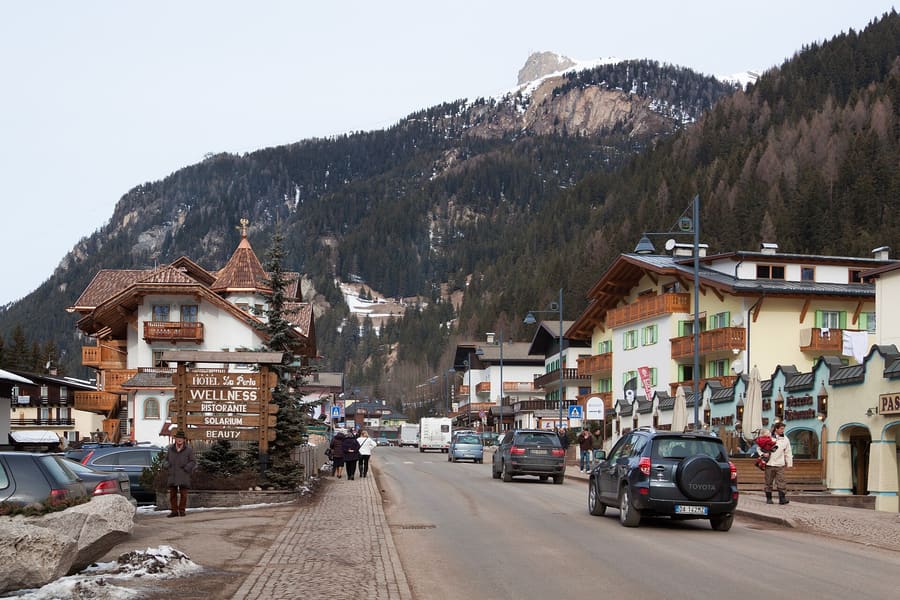
Val di Fassa — Trentino valley framed by the Rosengarten group with direct links to the Sellaronda mountain ring.
Dmitry A. Mottl · CC BY-SA 3.0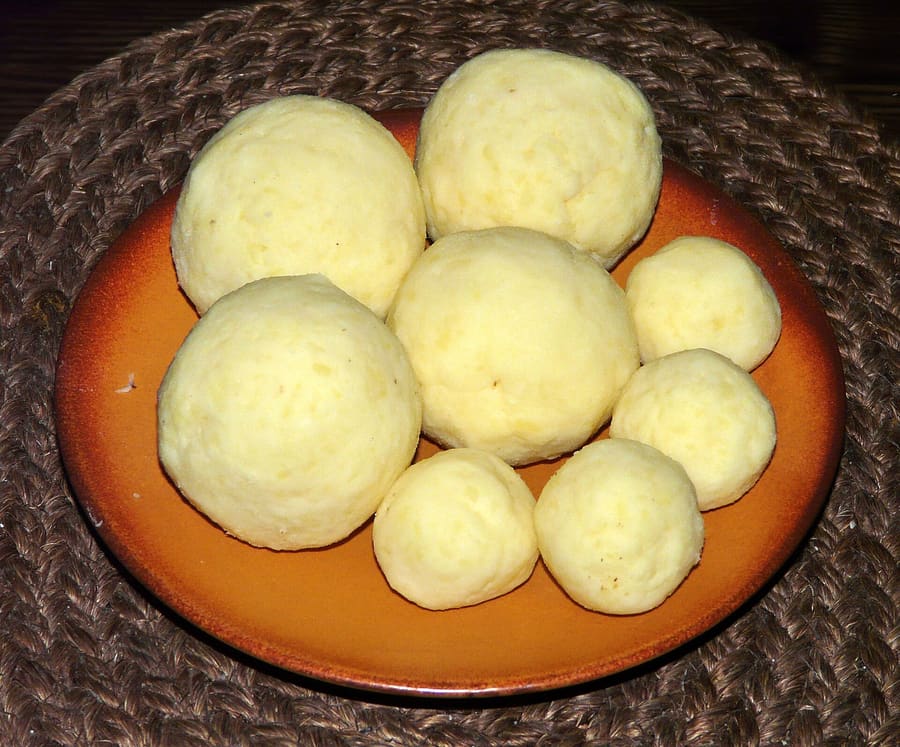
Tyrolean Knödel served in hot beef broth at an alpine hut.
Schnobby · CC BY-SA 4.0highlights
landmark
Glacial mountain lake with blue water beneath Seekofel peak. Access requires an advance shuttle ticket between July and September.
Pregunta a Parley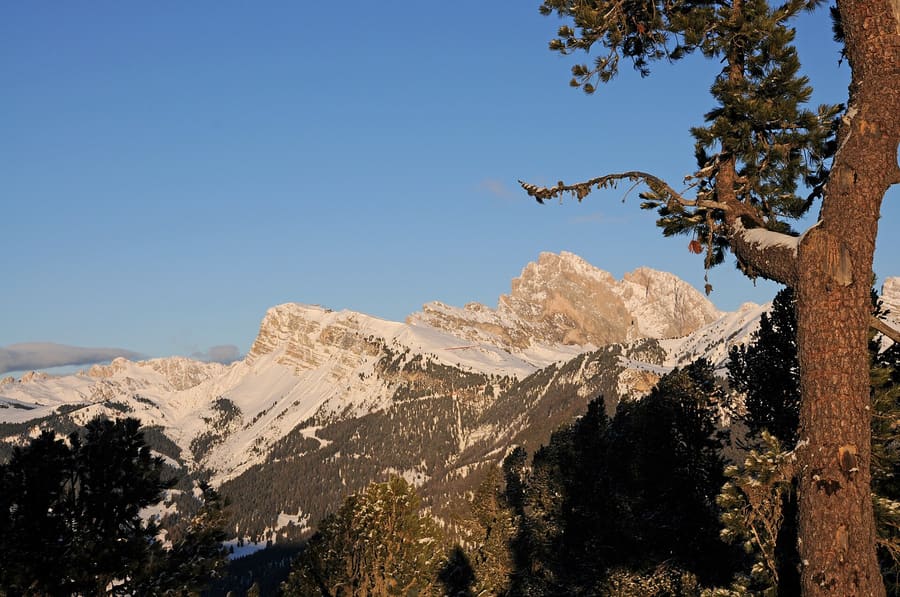
landmark
Sheer rock blade dropping into Val Gardena. The Furnes-Seceda cable car from Ortisei lands you at 2,500m in twenty minutes.
Pregunta a Parley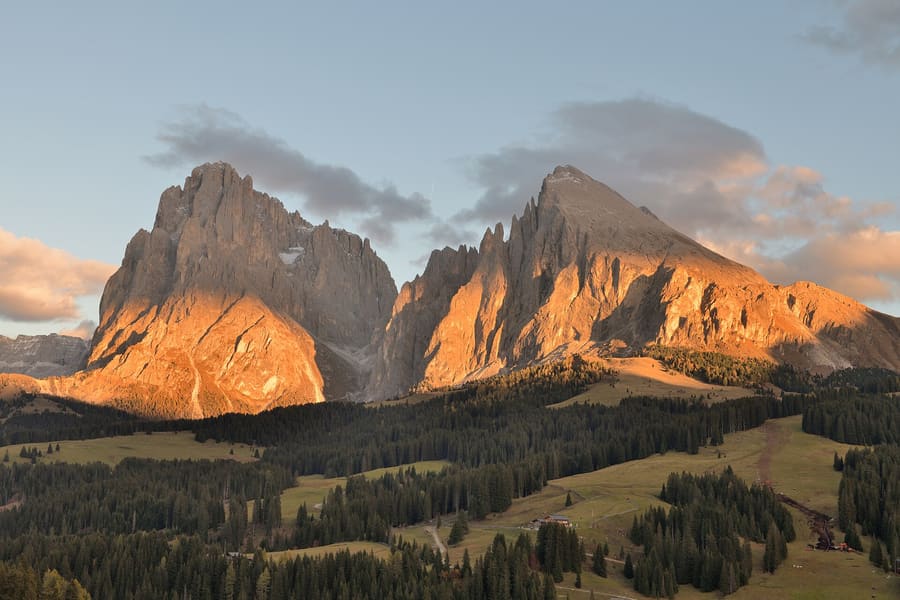
landmark
Europe's largest high-alpine pasture spanning 56 square kilometres. Private cars are banned from the access road between 9:00 and 17:00.
Pregunta a Parley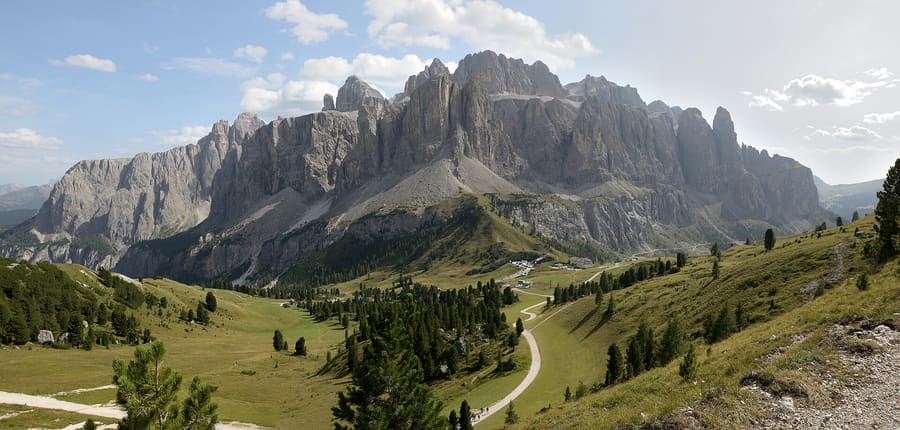
landmark
Mountain pass connecting Val Gardena to Alta Badia at 2,121m. Catch line 471 bus to avoid tight hairpin parking lots.
Pregunta a Parley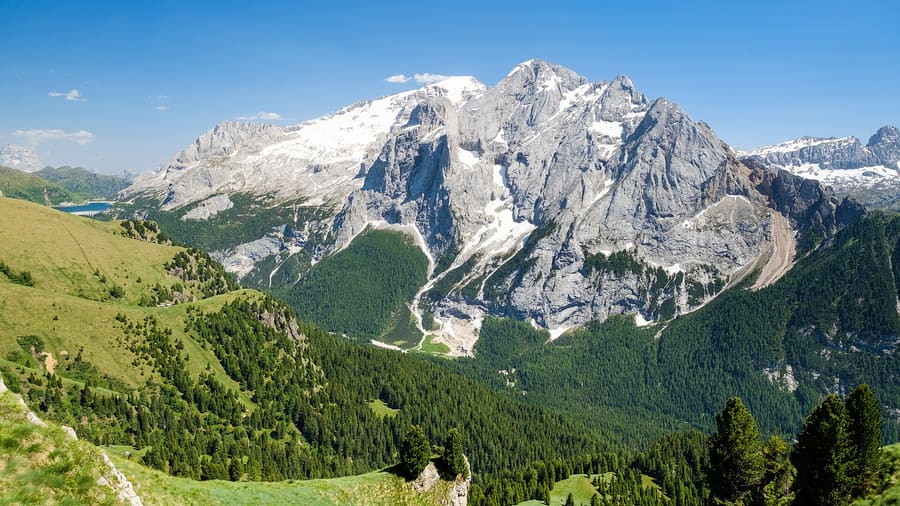
landmark
The highest peak in the range at 3,343m with an active glacier. A three-stage cable car ascends from Malga Ciapela to Punta Rocca.
Pregunta a Parleyattractions
areas
German-Ladin woodcarving towns connected by efficient cable cars and high-frequency valley buses.
CercaSeceda, Alpe di Siusi, Passo Gardena
Pregunta a ParleyLadin culinary stronghold offering Michelin-starred dining alongside farm-to-table mountain huts.
CercaPasso Gardena, Piz Boè, Val Badia
Pregunta a ParleyTrentino valley framed by the Rosengarten group with direct links to the Sellaronda mountain ring.
CercaMarmolada, Passo Sella, Canazei
Pregunta a Parleyfood
Food in the Dolomites changes as you move between South Tyrol, Trentino, and Belluno. South Tyrolean cooking pairs Austrian dumplings with Tyrolean Speck cured ham. Ladin valleys cook hand-folded casunziei pasta stuffed with red beetroot and tossed in melted alpine butter. Mountain rifugi serve warm Kaiserschmarrn shredded pancakes with lingonberry jam after noon.
Tyrolean Knödel served in hot beef broth at an alpine hut.
Schnobby · CC BY-SA 4.0Bread dumplings made with Speck, spinach, or cheese, served in broth or warm butter.
Half-moon ravioli filled with red beetroot and poppy seeds, native to Cortina and Val Badia.
High mountain huts serve warm hot lunches strictly between 11:30 and 14:30 daily.
Afternoon wooden platter of cured Speck, hard alpine cheese, and rye Schüttelbrot bread.
history
The Dolomites were long divided between the Austrian County of Tyrol and the Venetian Republic. During World War I, the Italian-Austrian frontline ran across these limestone ridges, where soldiers carved tunnels into rock faces. In 1919, South Tyrol transferred to Italy under the Treaty of Saint-Germain. Autonomous statutes granted after World War II protected the Ladin language and established self-governance.
The Alpine Frontline
Italian and Austro-Hungarian troops fight high-altitude trench warfare, constructing tunnels still visible on Lagazuoi.
Treaty of Saint-Germain
South Tyrol is annexed to Italy from Austria, creating a bilingual border territory.
Second Autonomy Statute
South Tyrol and Trentino gain fiscal autonomy, protecting local German and Ladin culture.
UNESCO Listing
Nine Dolomite mountain clusters achieve UNESCO World Heritage status for geology and scenery.
where to stay
Choose your valley based on transit convenience and culinary preference. Val Gardena offers seamless bus access and South Tyrol transit passes. Cortina suits hikers targeting Tre Cime and eastern peaks. Alta Badia appeals to food-focused travelers and road cyclists.
transport
Public transport works efficiently in South Tyrol, while car rentals offer flexibility across regional borders. Mountain pass roads close temporarily when summit parking fills up during July and August.
Desde Venice Marco Polo Airport (VCE)
Cortina Express or ATVO lines run directly from the terminal; pre-booking recommended.
Offers cross-border flexibility; pass roads close when summit parking fills in July-August.
Night surcharges apply between 22:00 and 06:00.
Bus to Venezia Mestre, train to Calalzo-Pieve di Cadore, then connect to Dolomiti Bus.
Grants unlimited access to 18 cable cars in Val Gardena for 3 or 6 consecutive days.
cost
Prices reflect high seasonal demand. High-altitude rifugi offer affordable mountain lunches, while cable car lift passes represent a major daily expense.
Single mountain cable car round trips range from €25 to €42 depending on elevation change.
A plate of Canederli or Schlutzkrapfen dumplings with house draft beer at 2,000 meters.
Cold board of smoked Speck ham, hard cheese, and pickles served at alpine huts.
seasonality
JAN – MAR
Peak ski season across the Sellaronda ring. High hotel rates and packed cable cars.
MAY – JUN
Late snow melting on high trails. Cable cars start opening in early June with low crowd counts.
JUL – AUG
Peak hiking season. Mountain passes fill by 9:00, requiring advance booking for popular lake shuttles.
SEP – OCT
Stable weather and yellow larch trees. Many cable cars operate until mid-October.
practicalities
Most high-altitude lifts stop running around 17:00. Missing the last descent means a long valley walk.
Afternoon thunderstorms trigger quickly over limestone peaks. Begin morning hikes before 8:00.
Download offline maps like Tabacco or Outdooractive. Mobile signals drop inside steep limestone gorges.
Towns carry three names: German, Italian, and Ladin (e.g., Urtijëi / St. Ulrich / Ortisei).
Overnight stays in mountain rifugi require reservations months in advance for dorm beds.