landmark
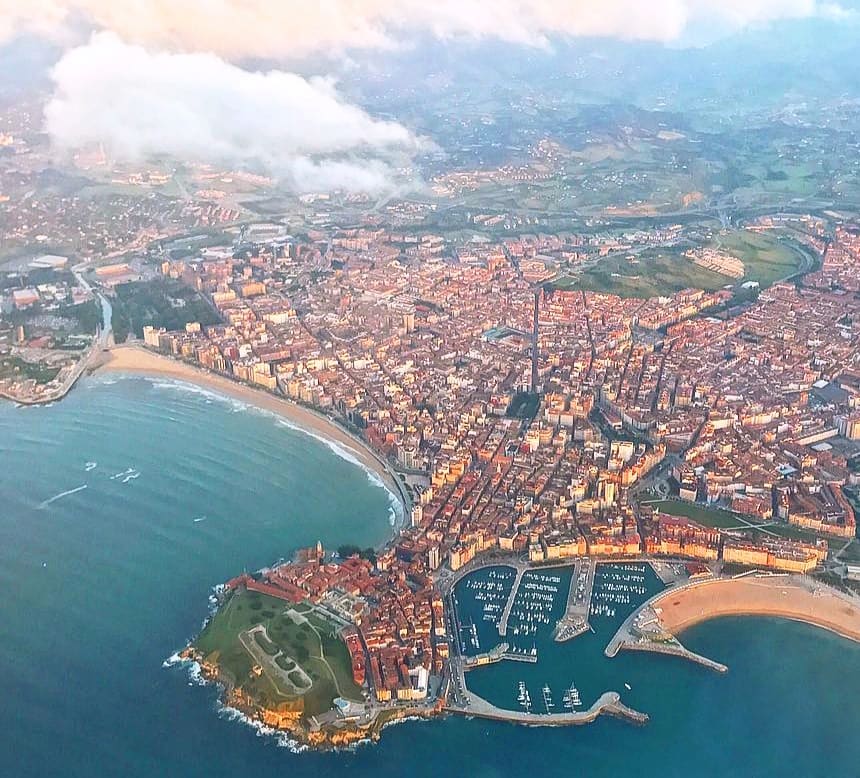
Cimavilla
The historic headland quarter features narrow alleys and traditional sidrerías. Walk uphill to Santa Catalina park.
Pregunta a ParleyEspaña
Asturian cider, maritime heritage, and northern sea air.
introduction
Gijón is Asturias' largest coastal city, driven by port trade and Atlantic weather. You navigate it on foot between the old fishing quarter on the peninsula and the wide crescent of San Lorenzo beach. Expect rain without warning, generous food portions, and cider poured from above the head.
Airport transit strategy
Take the ALSA bus from Asturias Airport (OVD) directly to Gijón station for €4.50. It runs hourly and takes 40 minutes.
Roman heritage site
The Campo Valdés Roman baths sit directly beneath the main beach promenade. They date to the 1st century AD.
Sidrería etiquette
Cider pouring requires standing order etiquette. Drink each poured glass immediately before the natural carbonation dies.
Gijón
Enric · CC BY-SA 4.0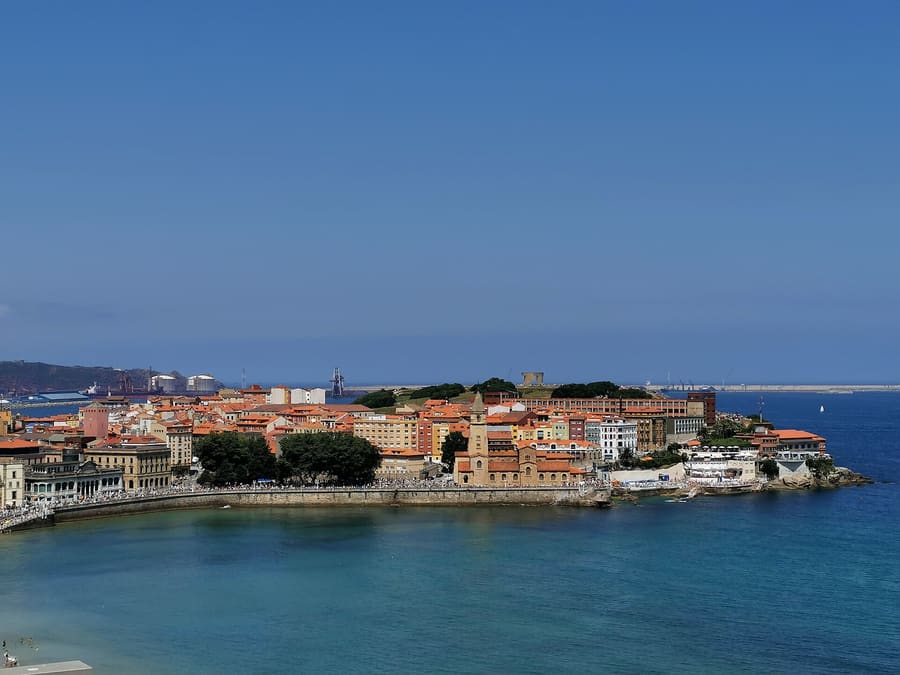
Cimavilla — Narrow pedestrian lanes on the headland filled with cider taverns and stone houses.
Torres05 · CC BY-SA 4.0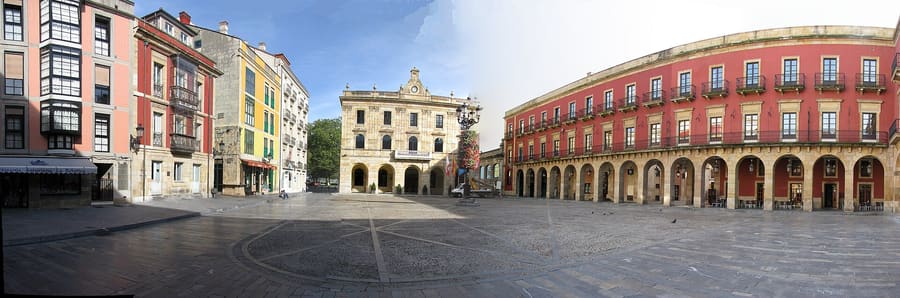
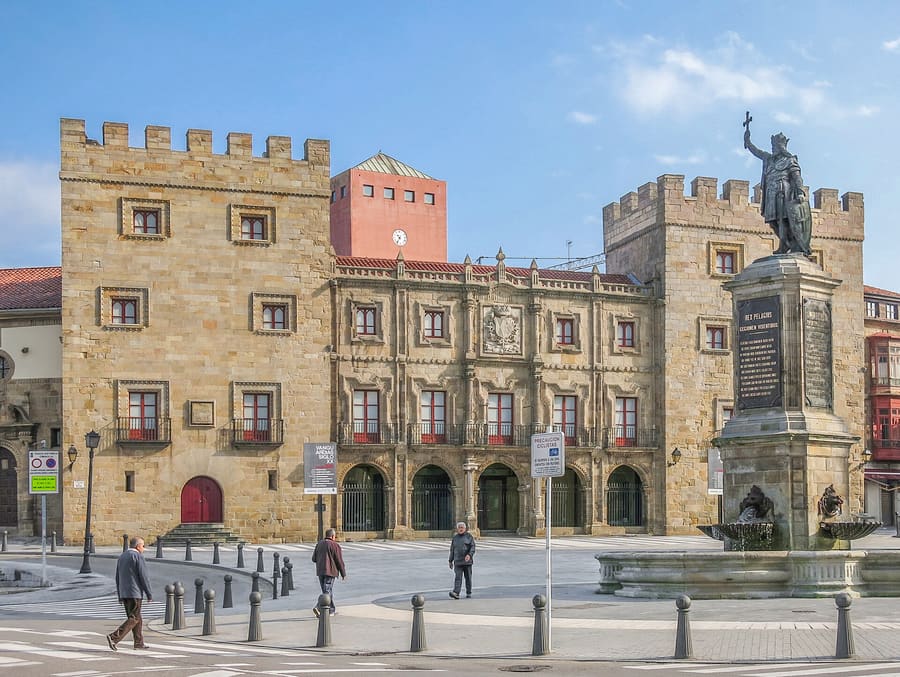
El Centro — Grid pattern streets lined with shops, cafes, and easy beach access.
charles lecompte · CC BY-SA 3.0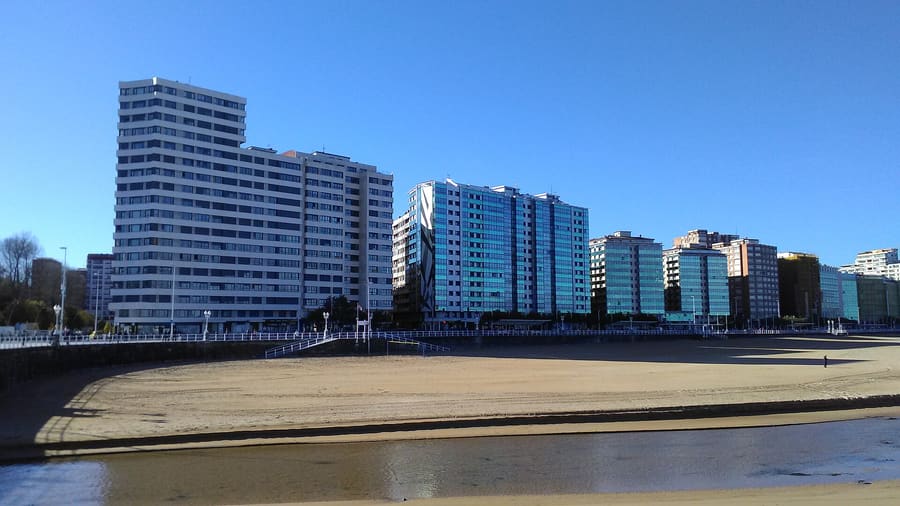
La Arena — Beachfront residential district full of everyday local seafood bars.
Alberto García Fernández · CC0
Poniente & Marina — Redeveloped port district featuring flat beaches, modern apartments, and wide paths.
Xauxa Håkan Svensson · CC BY-SA 3.0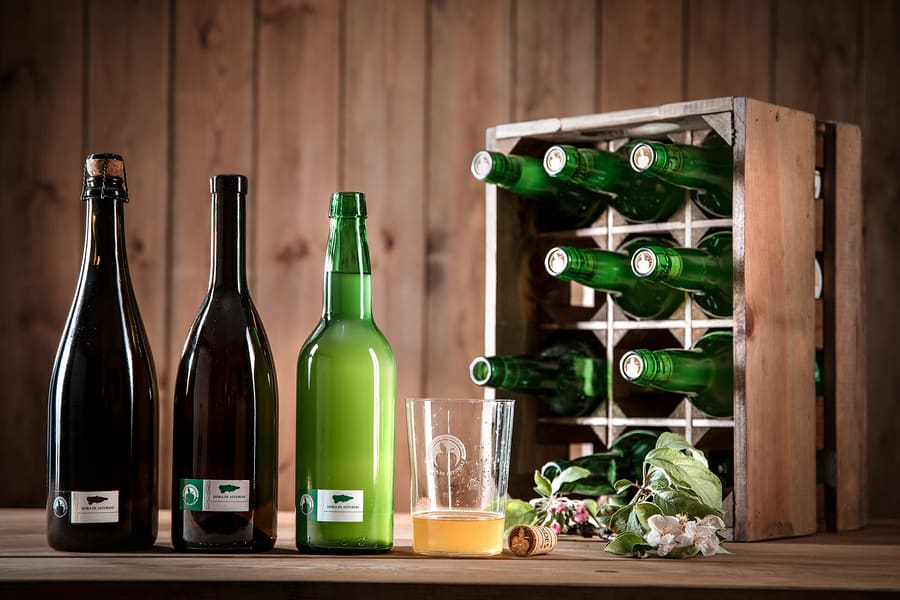
Traditional cider pouring creates temporary aeration.
CONSEJO REGULADOR DOP SIDRA DE ASTURIAS · CC BY-SA 4.0highlights
landmark
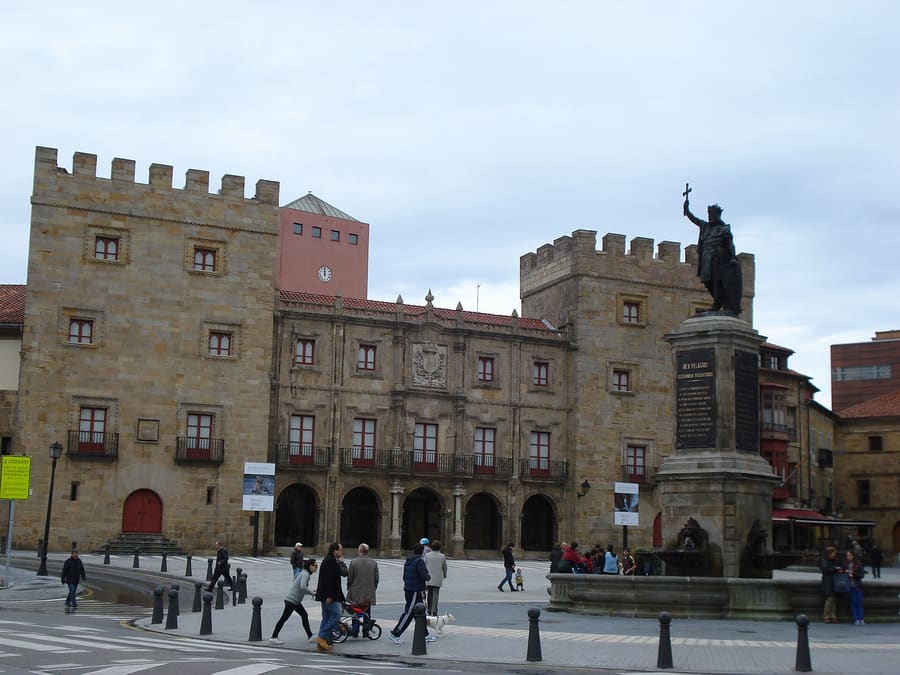
The historic headland quarter features narrow alleys and traditional sidrerías. Walk uphill to Santa Catalina park.
Pregunta a Parley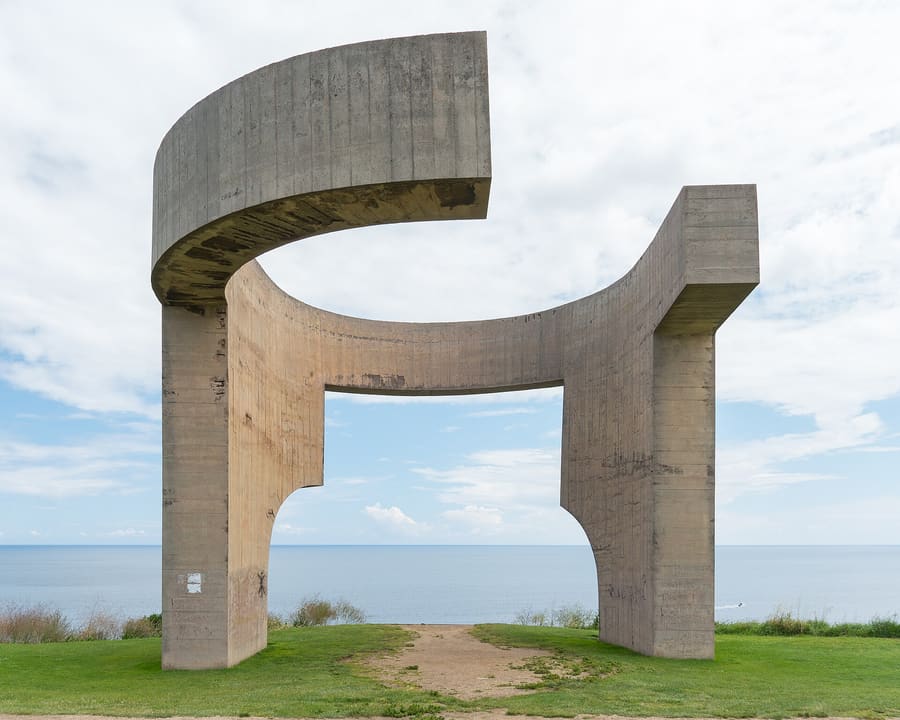
landmark
Chillida's massive concrete sculpture stands at the edge of the headland. Stand in the center to amplify the ocean acoustics.
Pregunta a Parley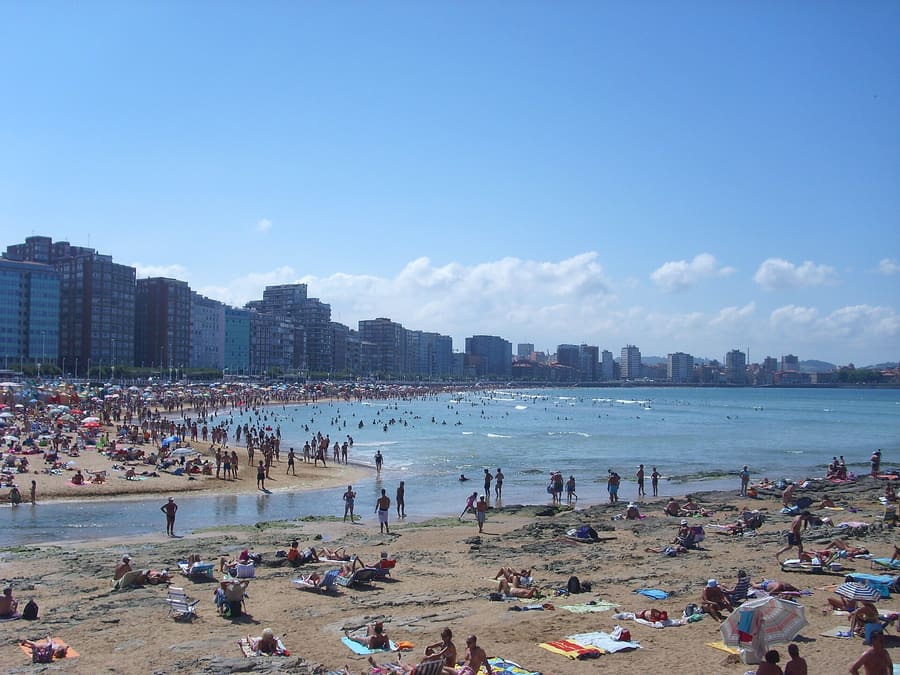
landmark
A 1.5-kilometer crescent beach bordered by the Wall promenade. Tides dictate how much sand stays visible throughout the day.
Pregunta a Parley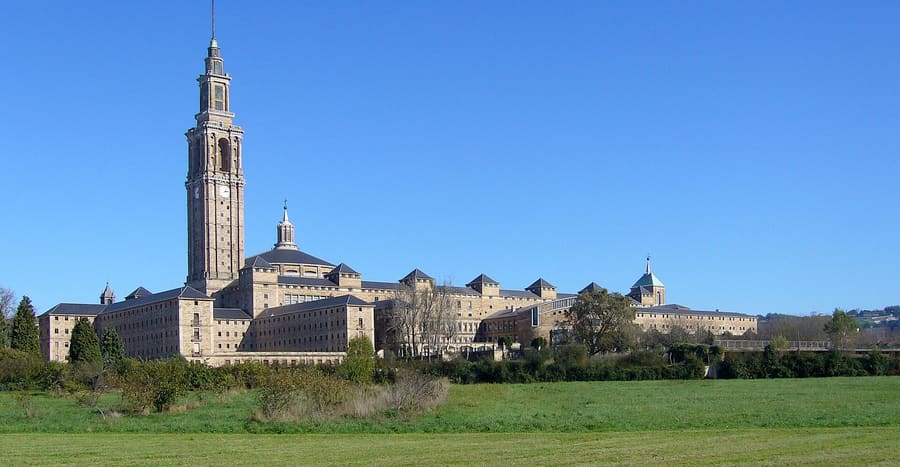
landmark
Spain's largest building spans 270,000 square meters outside the center. Take the elevator up the central tower for city views.
Pregunta a Parley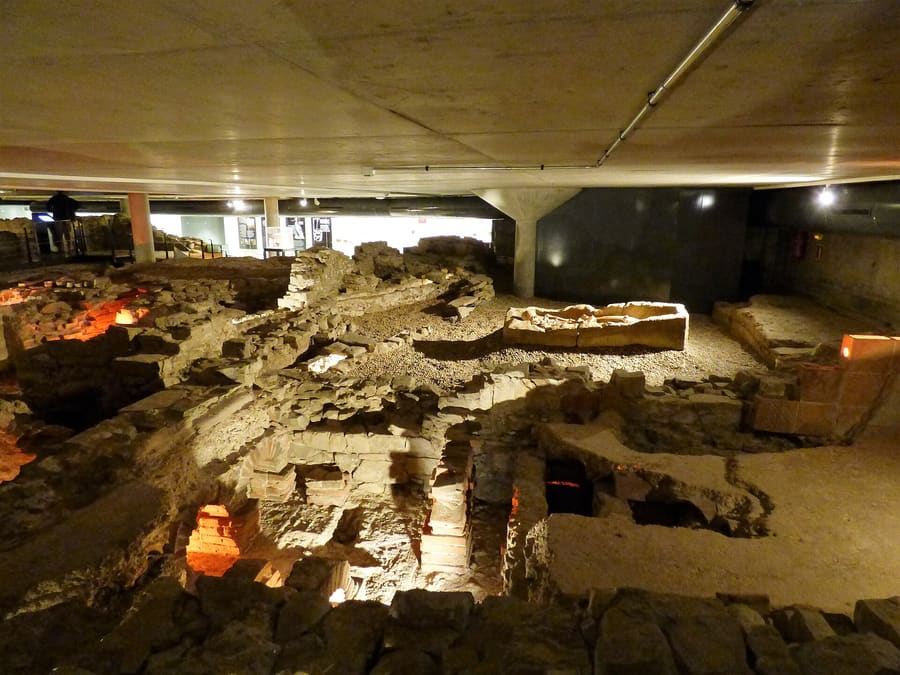
landmark
Subterranean Roman bath complex right off San Lorenzo beach. Interactive displays explain ancient heating systems.
Pregunta a Parley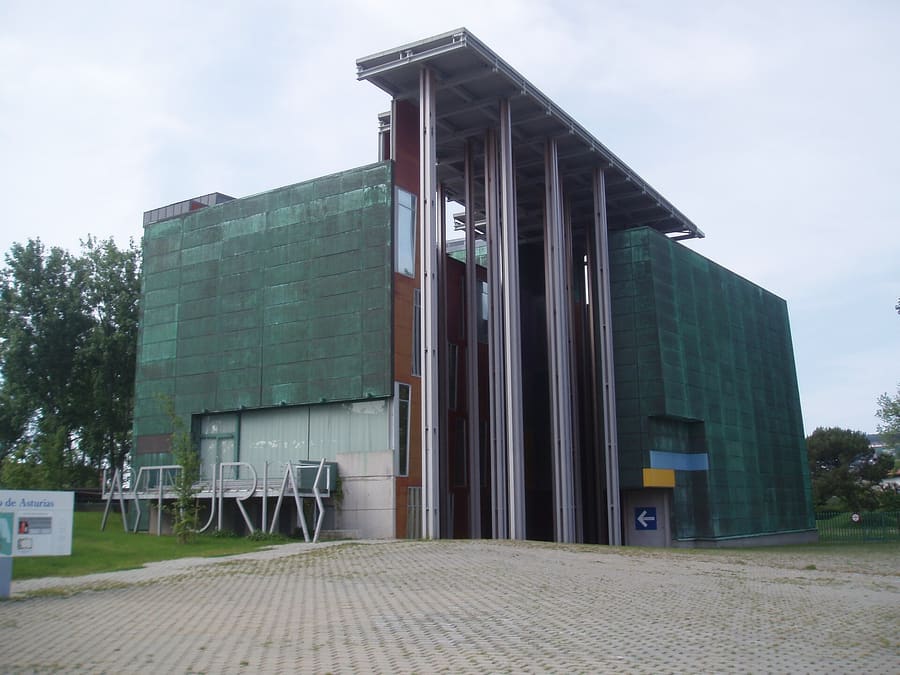
landmark
Open-air museum showcasing traditional Asturian granaries and rural life. Located near the Isabel La Católica park.
Pregunta a Parleyattractions
areas
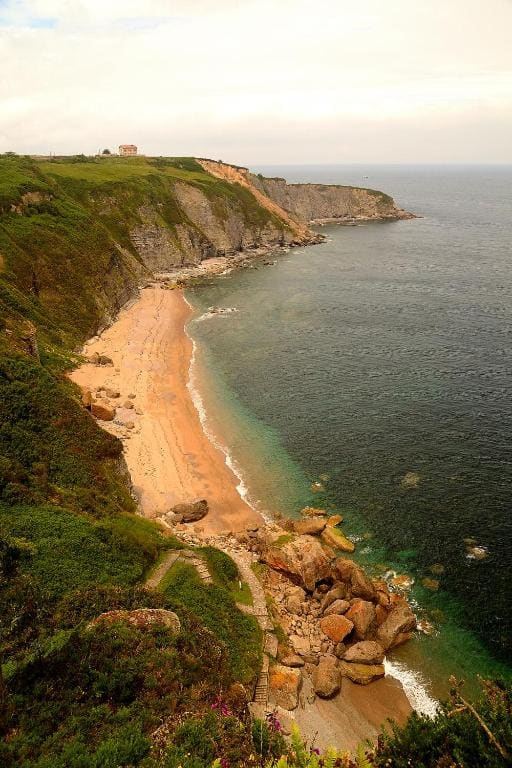
Narrow pedestrian lanes on the headland filled with cider taverns and stone houses.
CercaElogio del Horizonte, Roman Baths
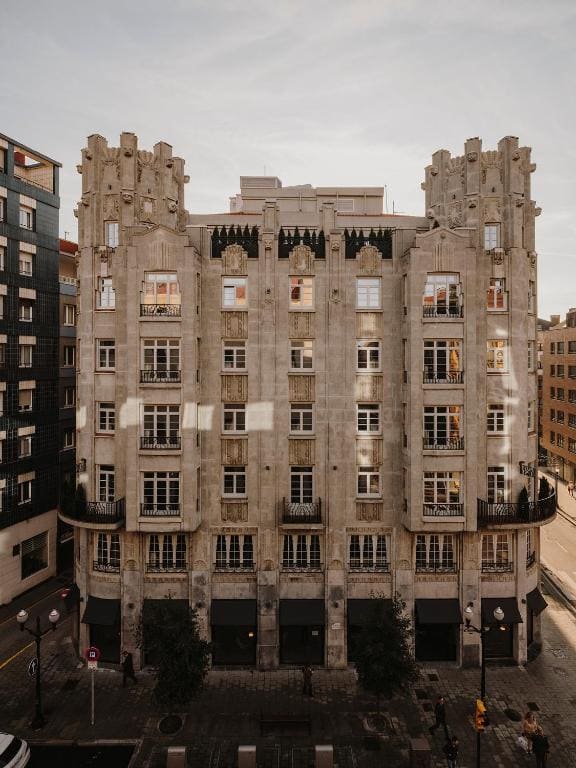
Pregunta a ParleyGrid pattern streets lined with shops, cafes, and easy beach access.
CercaPlaza del Parchís, San Lorenzo Beach
Pregunta a ParleyBeachfront residential district full of everyday local seafood bars.
CercaSan Lorenzo Beach, Isabel La Católica Park
Pregunta a ParleyRedeveloped port district featuring flat beaches, modern apartments, and wide paths.
CercaPoniente Beach, Gijón Railway Station
Pregunta a Parleyfood
Gijón eats heavily and drinks cider with strict intention. Sidra natural arrives uncarbonated in green bottles and requires escanciado, which means pouring from height into a tilted glass to create artificial fizz. You drink each small pour immediately in one swift gulp and leave the bottom drop in the glass.
Traditional cider pouring creates temporary aeration.
CONSEJO REGULADOR DOP SIDRA DE ASTURIAS · CC BY-SA 4.0Sidrerías do not sell single glasses of natural cider. You buy a whole bottle, which servers or automated wall pumps pour in rounds.
The traditional bean and pork stew is exceptionally heavy. Local cider houses serve it exclusively during midday service.
A standard breaded veal schnitzel stuffed with ham and cheese easily feeds two adults. Ordering one per person is a common mistake.
history
Gijón originated as a Roman port on the peninsula. Industrial growth in the 19th century linked it to inland coal mines, making it a northern shipping hub.
Roman Foundation
Romans build Gigia on the Cimavilla headland, establishing public baths and defensive walls.
Jovellanos Influence
Enlightenment scholar Jovellanos establishes the Royal Asturian Institute to modernize trade and sea education.
Urban Waterfront Renewal
Heavy manufacturing declines, allowing the city to clean San Lorenzo beach and build cultural hubs.
where to stay
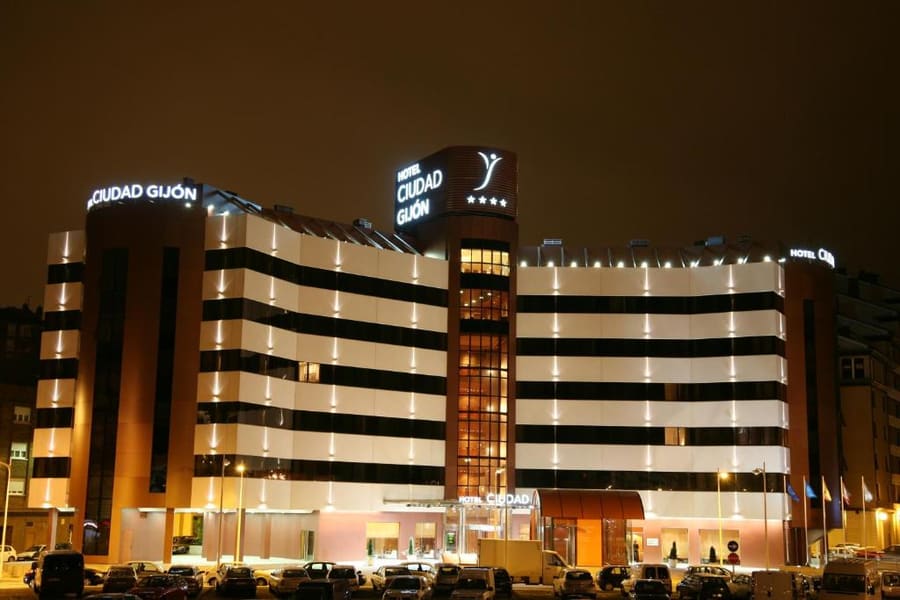
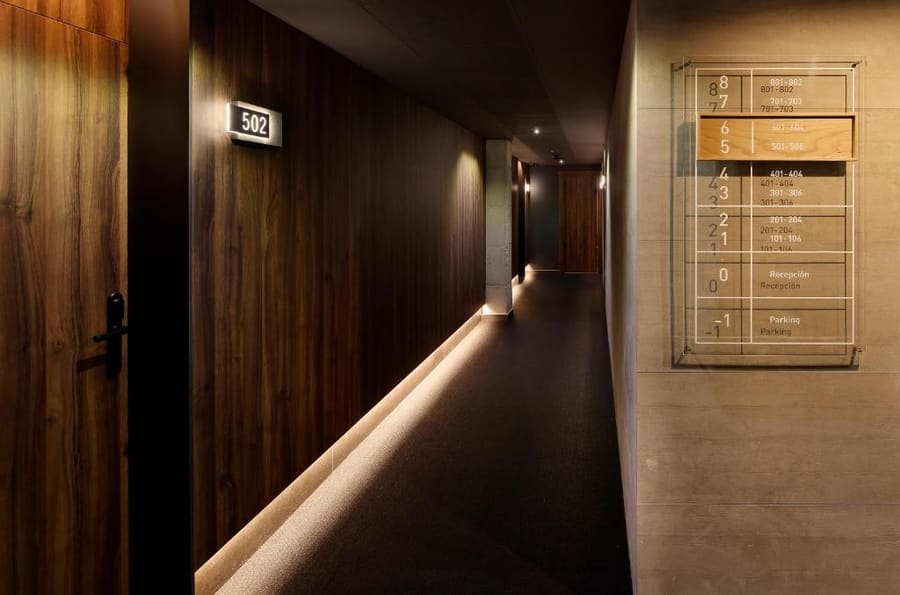
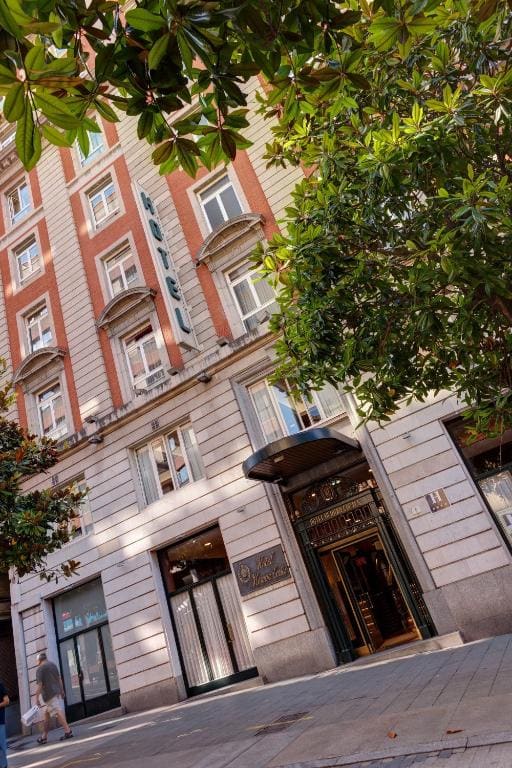
Select your neighborhood based on night noise tolerance and proximity to the water. Cimavilla puts you in cider houses but lacks parking. El Centro offers standard hotel conveniences near shopping and transit.
Live rates, matched to the areas above.
transport
Central Gijón is flat and easily walked. The municipal EMTUSA bus network covers outer destinations like Laboral and Somió efficiently.
Desde Asturias Airport (OVD)
ALSA direct bus departs outside arrivals every hour.
Fixed tariff applies between airport and municipal center.
Single bus tickets cost €1.50 and are purchased directly from the driver using cash or contactless cards.
Gijón Sanz Crespo station connects directly to Oviedo in 30 minutes on frequent local rail service.
A multi-trip Citizen Card reduces per-ride bus costs, available at local tobacco shops.
cost
Gijón offers lower prices for dining and transit compared to Mediterranean Spanish cities. Seafood prices vary daily based on Atlantic catches.
Standard cider house price for a full 70cl bottle served at your table.
Includes three courses, bread, and a bottle of wine or cider on weekdays.
Served with fried potatoes and roasted peppers.
Provides access to the 17th-floor observation deck.
seasonality
MAR – MAY
Cool temperatures with frequent spring rain. City cider houses run lively local indoor crowds.
JUN – AUG
Peak season with comfortable summer highs around 24°C. Hotel prices triple for August Semana Grande.
SEP – OCT
Warm sea waters and declining tourist numbers. Excellent window for walking coastal trails.
NOV – FEB
Heavy rainfall and strong Atlantic winds. Most outdoor beach activities halt, but sidrerías stay busy.
practicalities
San Lorenzo beach disappears almost entirely at high tide. Check local tide tables before planning beach days.
Local drizzle, known as orballo, starts quickly even on forecast sunny summer afternoons.
Kitchens open for lunch at 13:30 and dinner at 20:30, though cider drinking runs earlier.
Almost all sidrerías and cafes accept contact payments, even for single cider orders.
Clean subterranean public facilities sit along the Wall promenade near staircases 4 and 10.