landmark
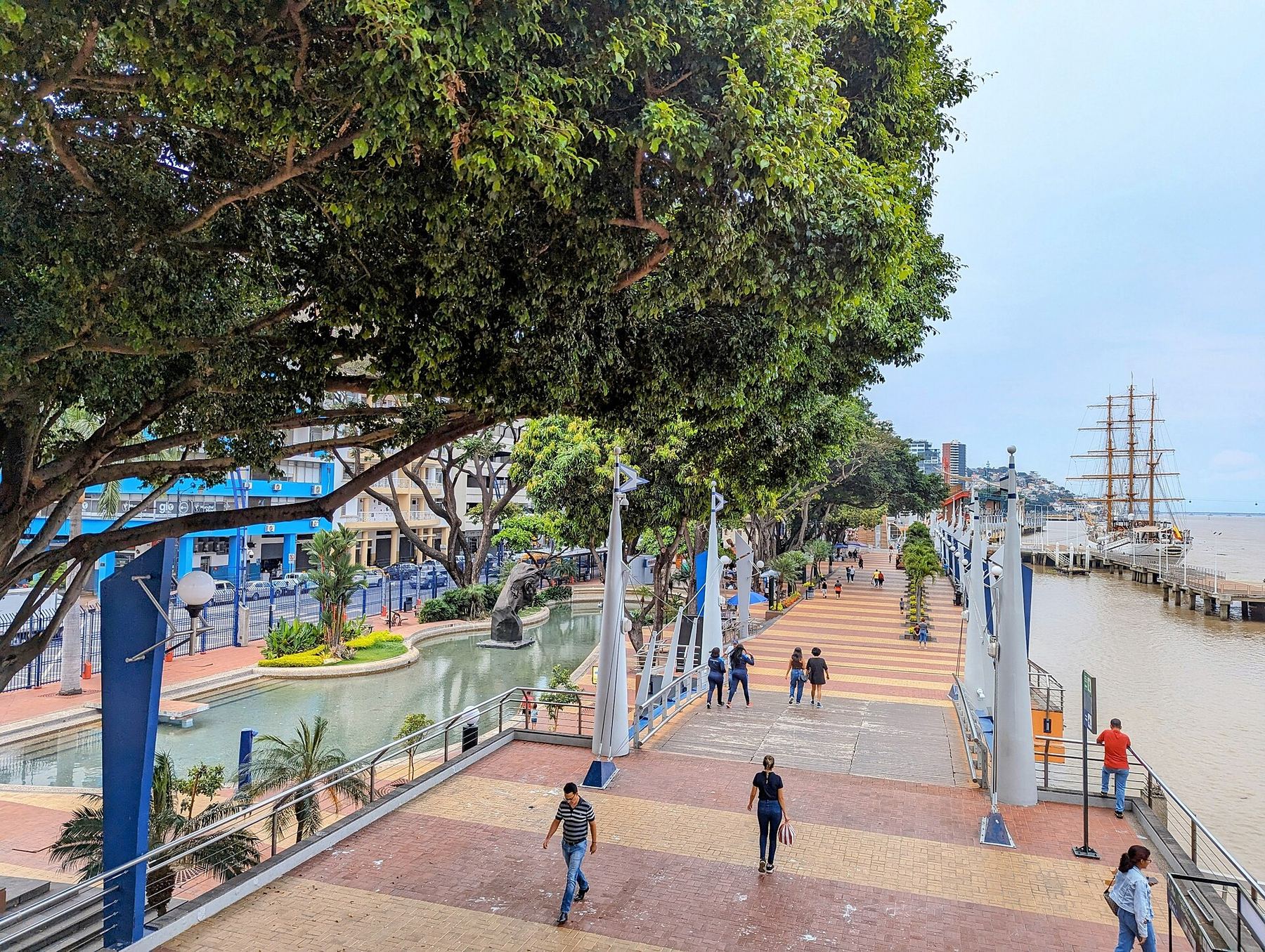
Malecón 2000
A 2.5 km riverfront promenade built over the Guayas. Security gates close at 24:00.
Pregunta a ParleyEcuador
Ecuador's riverine engine of commerce and coastal heat.
introduction
Guayaquil is Ecuador's second-largest city and commercial capital, sitting on the broad Guayas River just upstream from the Pacific Ocean. It trades the highland chill of Quito for heavy tropical heat, high energy, and immediate riverfront urbanism. You navigate the city along wide boardwalks, aerial cable cars, and dense grid streets. Expect fierce local pride, outstanding coastal seafood, and a fast-moving pace.
Arrival trick
GYE airport sits inside the city limits. A taxi to downtown takes 15 minutes and costs around $5 to $10.
Urban transformation
The city rebuilt its Guayas riverbank into Malecón 2000, creating 2.5 kilometers of gated public parkland.
River transit
The Aerovía cable car crosses the Guayas River to Durán for $0.70, offering an aerial view of urban river traffic.
Guayaquil
Unknown authorUnknown author · Public domain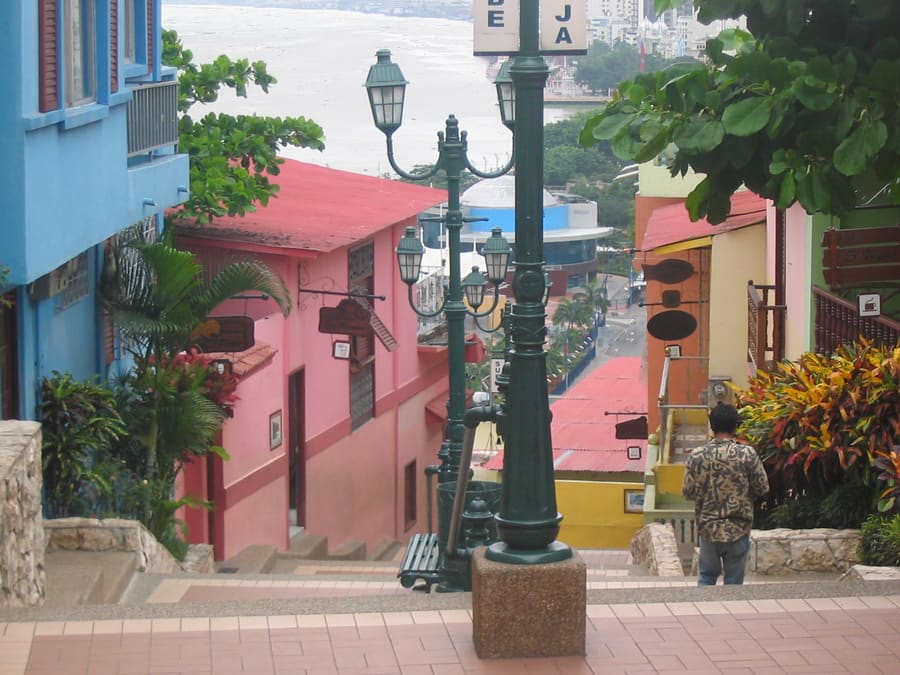
Las Peñas & Puerto Santa Ana — Cobblestone historic stairways transition into sleek high-rise boardwalks.
Epiovesan · CC BY 3.0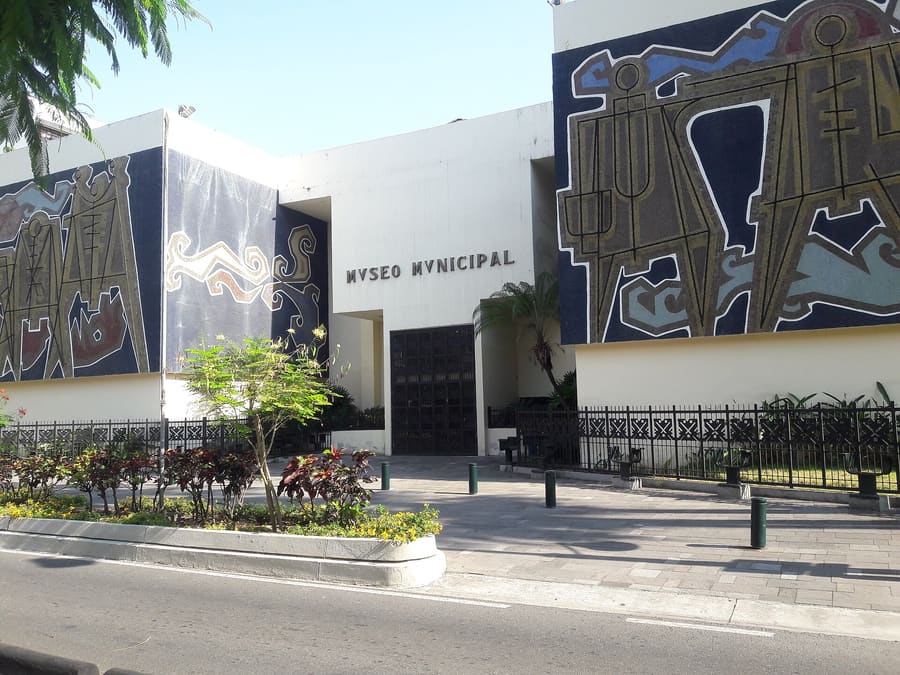
Centro Histórico — Dense commercial grid with heavy pedestrian traffic and municipal landmarks.
Pablo Jarrín · CC BY-SA 4.0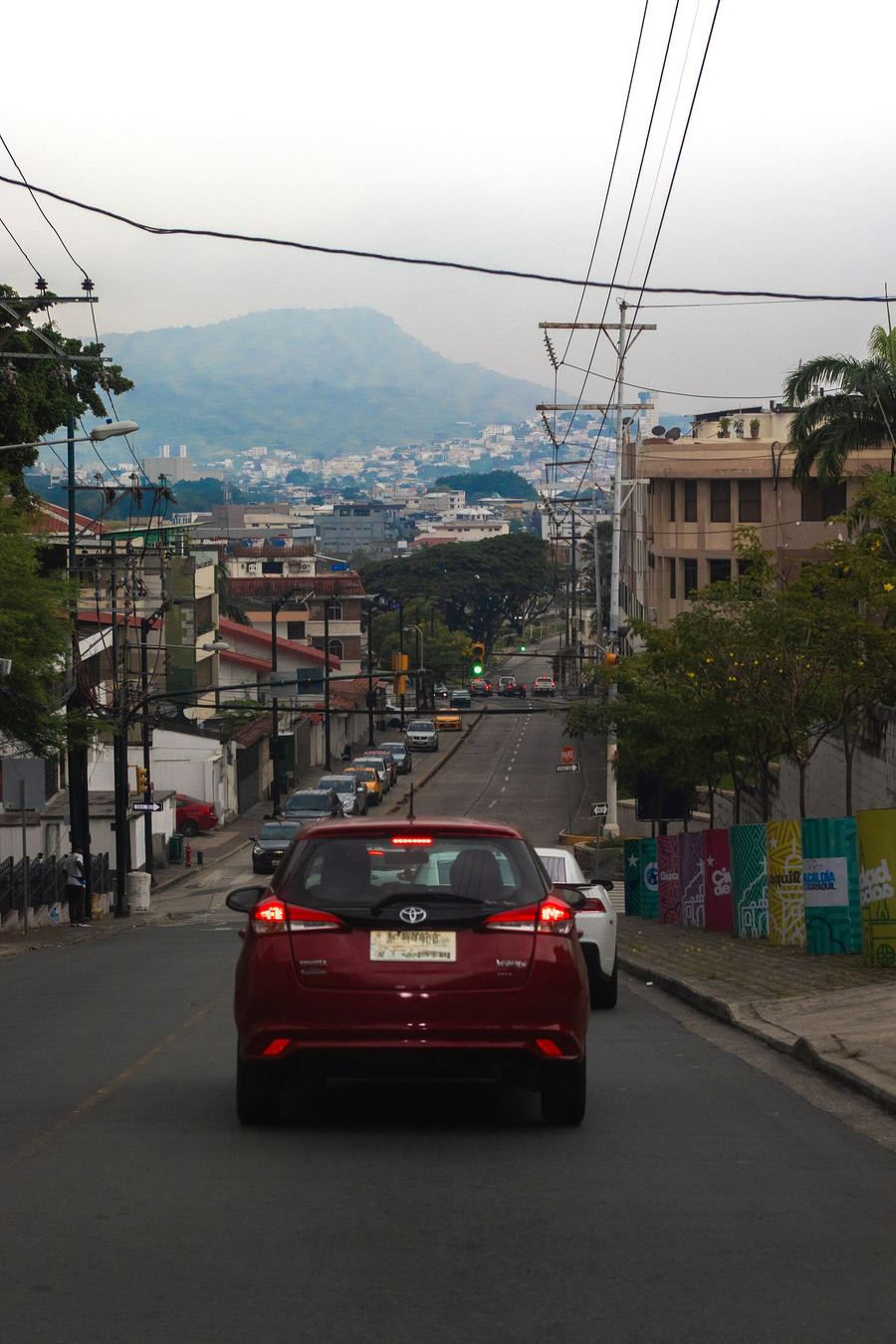
Urdesa — Mid-century residential grid packed with late-night eateries and bars.
Gabrielsolorzano0 · CC BY-SA 4.0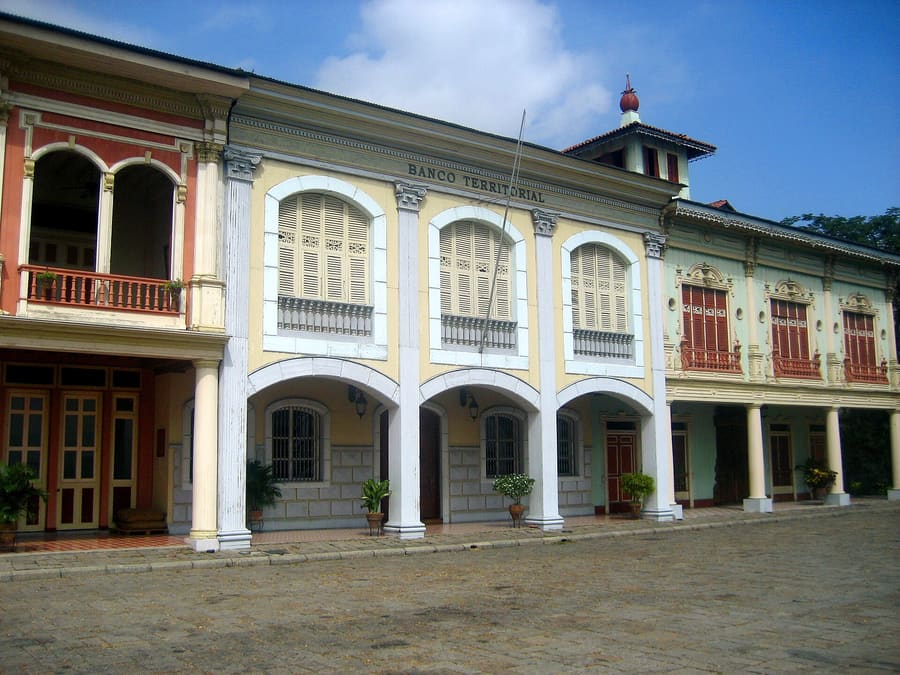
Samborondón — Gated suburban enclave across the river with upscale dining plazas.
Freddy eduardo · CC BY-SA 3.0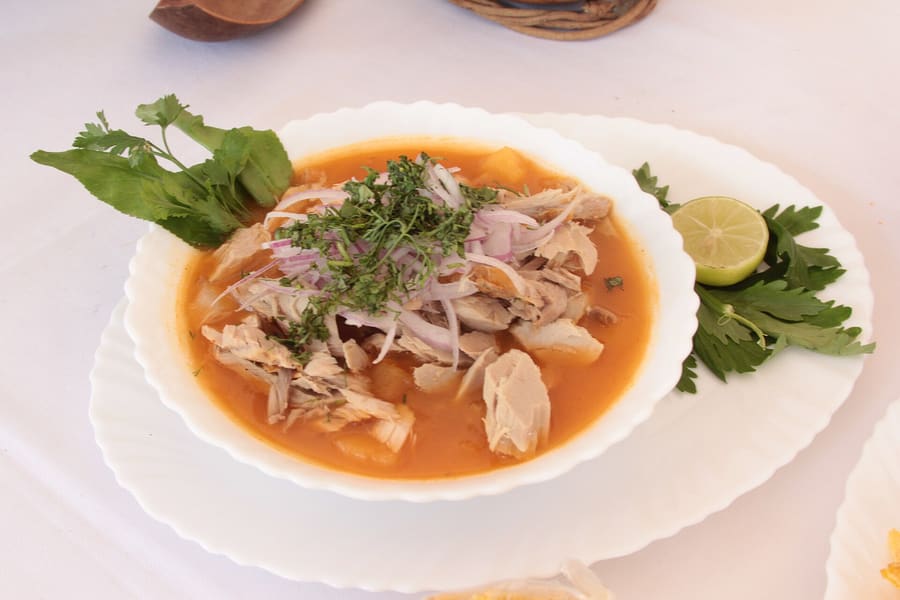
A bowl of encebollado served with pickled onions, cassava, and chifles.
Ministerio de Turismo Ecuador from Ecuador · CC BY-SA 2.0highlights
landmark
A 2.5 km riverfront promenade built over the Guayas. Security gates close at 24:00.
Pregunta a Parley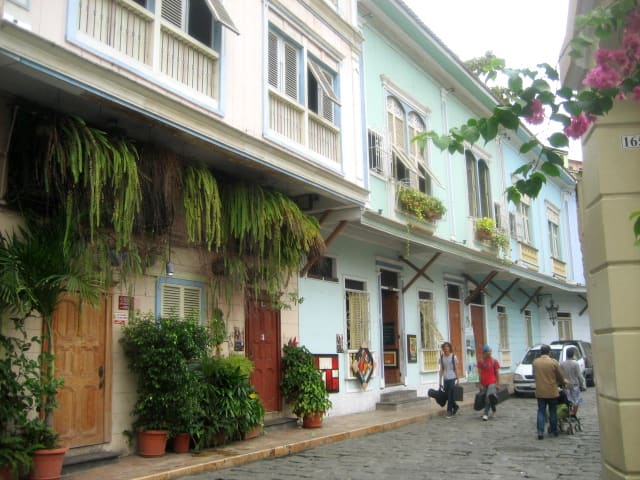
landmark
Climb 444 numbered steps to the lighthouse for city views. The lower steps host small cafes.
Pregunta a Parley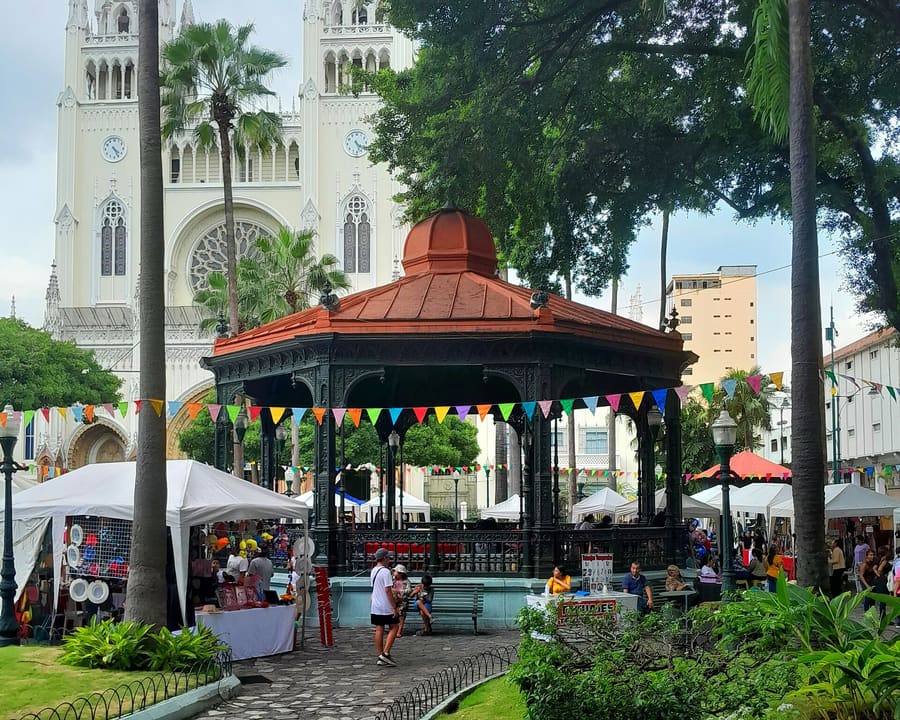
landmark
Dozens of green iguanas live freely in this urban park. Visit mid-morning for feeding time.
Pregunta a Parley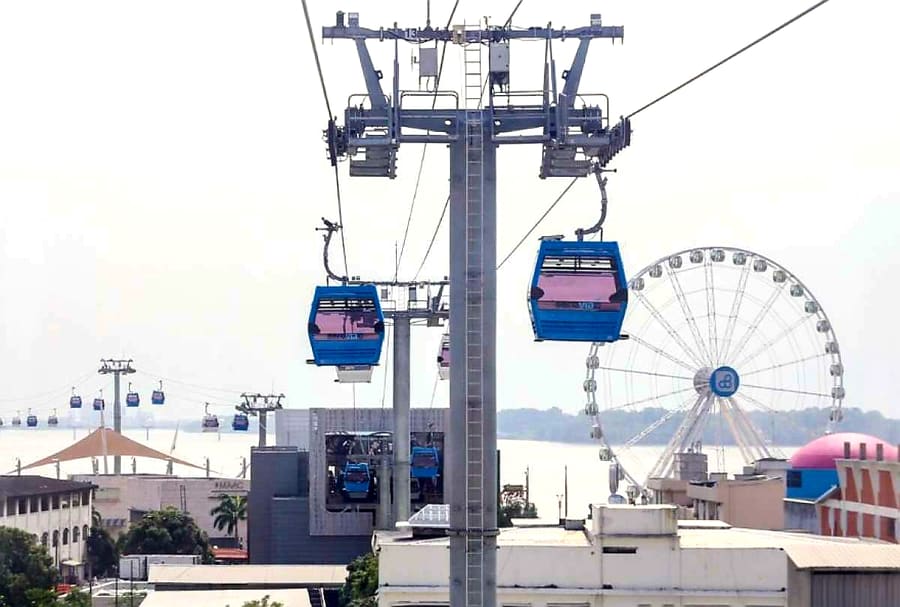
landmark
Glide across the river to Durán for $0.70. Buy a rechargeable transit card at the terminal entrance.
Pregunta a Parley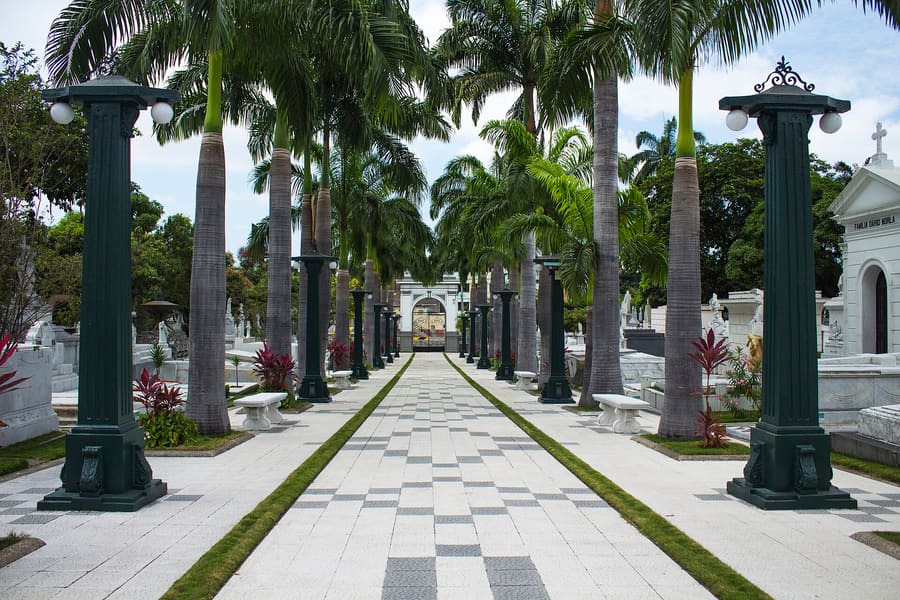
landmark
A white marble necropolis featuring Italianate mausoleums. Security guards patrol until 17:00.
Pregunta a Parley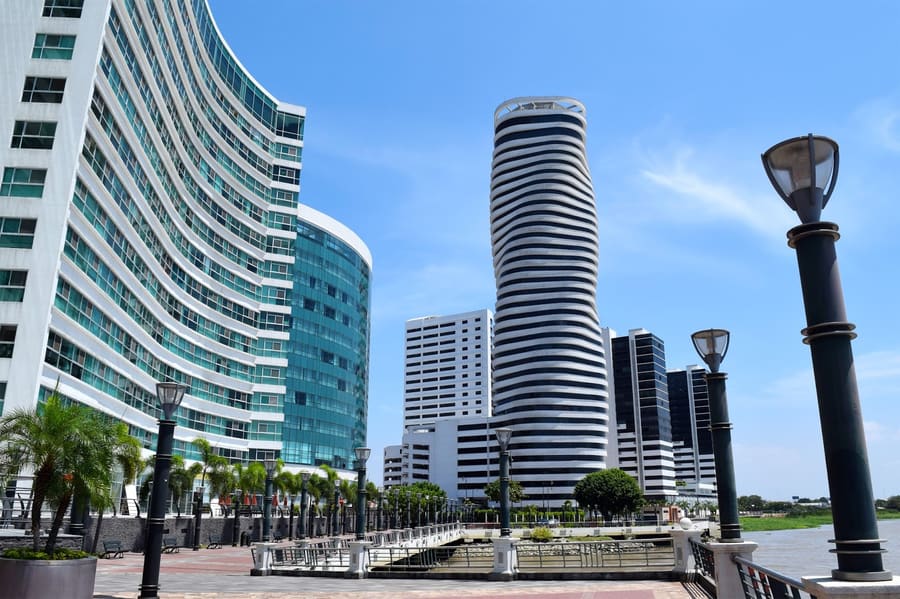
landmark
Modern residential towers line this boardwalk north of Las Peñas. Ideal for craft beer dinners.
Pregunta a Parleyattractions
areas
Cobblestone historic stairways transition into sleek high-rise boardwalks.
CercaGuayas riverfront and Santa Ana lighthouse.
Pregunta a ParleyDense commercial grid with heavy pedestrian traffic and municipal landmarks.
CercaParque Seminario and Malecón 2000.
Pregunta a ParleyMid-century residential grid packed with late-night eateries and bars.
CercaVíctor Emilio Estrada dining strip.
Pregunta a ParleyGated suburban enclave across the river with upscale dining plazas.
CercaPlaza Lagos and Isla Santay bridge.
Pregunta a Parleyfood
Guayaquil runs on encebollado, a steaming tuna soup cooked with cassava, pickled red onions, and cilantro. Locals eat it for breakfast or as a cure after a night out. Picanterías serve it accompanied by chifles, which are fried green plantain chips, and popcorn.Coastal location dictates the menu across the city. Red mud crabs, known locally as cangrejos, dominate weekend dining. Restaurants cover tables in butcher paper and hand out wooden mallets to crack crab shells cooked in beer, garlic, and coriander.
A bowl of encebollado served with pickled onions, cassava, and chifles.
Ministerio de Turismo Ecuador from Ecuador · CC BY-SA 2.0Encebollado eateries open by 07:00 and often run out of prime tuna cuts by 13:00.
Order cangrejos on weekends. Servers supply aprons and mallets for cracking whole boiled crabs.
Wash down coastal spices with cold resbaladera, a spiced rice-and-milk beverage sold at traditional downtown kiosks.
history
Guayaquil grew as South America's primary Pacific export port for cacao, timber, and tropical fruit. Its location on the Guayas River made it wealthy but vulnerable to pirate raids, tropical disease, and repeated structural fires.
Foundation
Spanish explorers establish a permanent settlement at the foot of Cerro Santa Ana along the Guayas.
Independence
Guayaquil declares independence from Spain, establishing an autonomous coastal trading province.
Guayaquil Conference
Simón Bolívar and José de San Martín meet privately here to determine the political future of South America.
Great Fire
A catastrophic fire burns for two days, destroying half of the city's timber frame buildings.
Urban Renewal
The municipal government launches large-scale public work projects, building Malecón 2000 on the riverbank.
where to stay
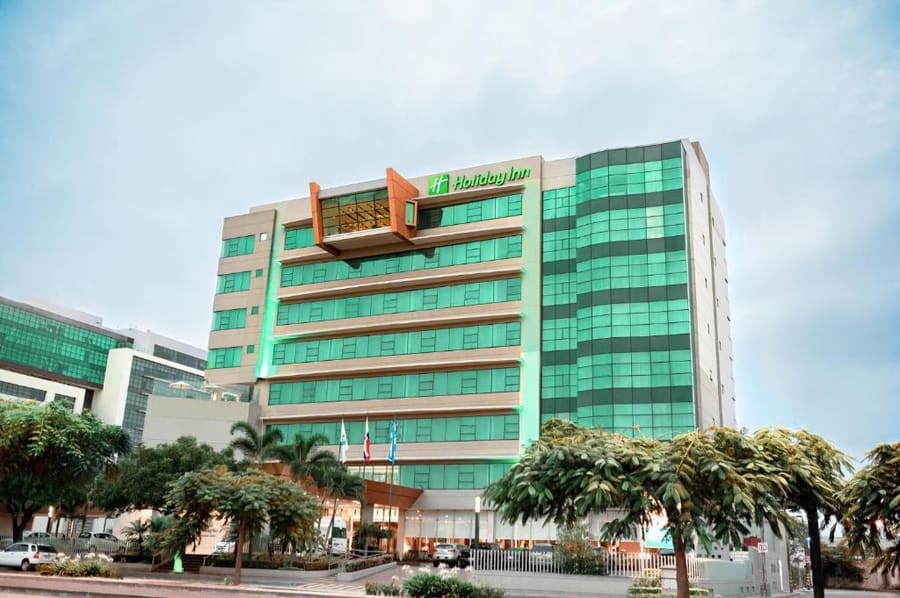
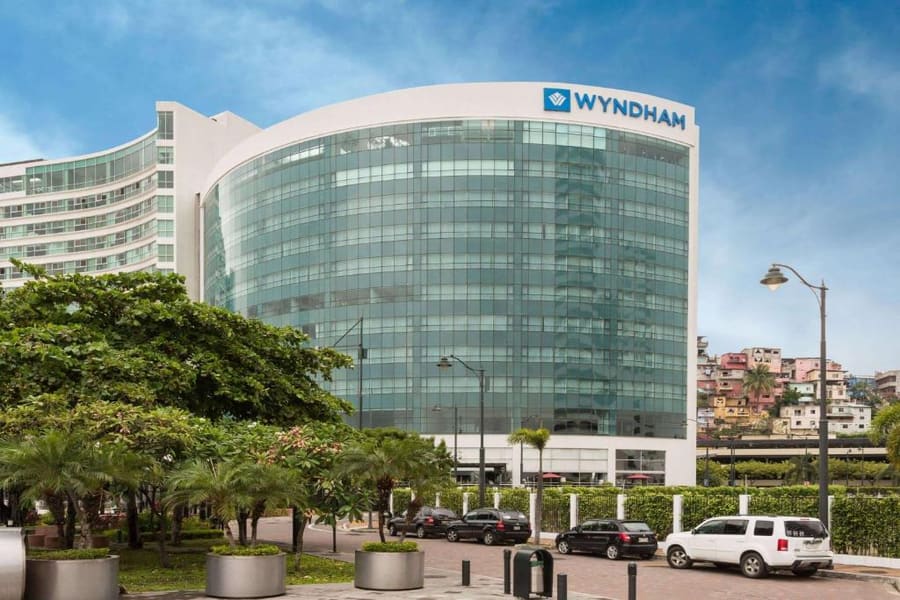
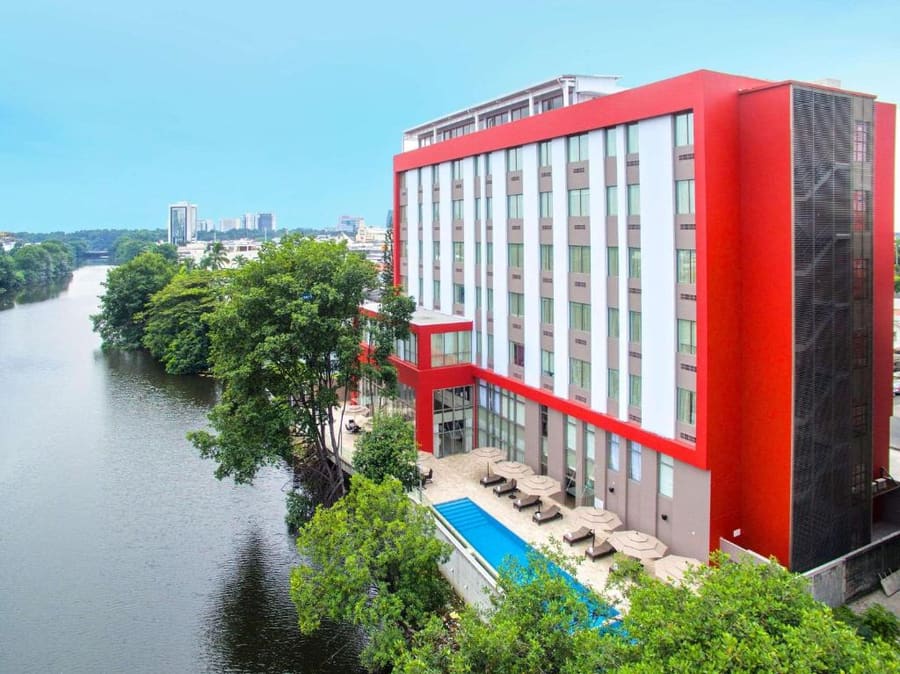
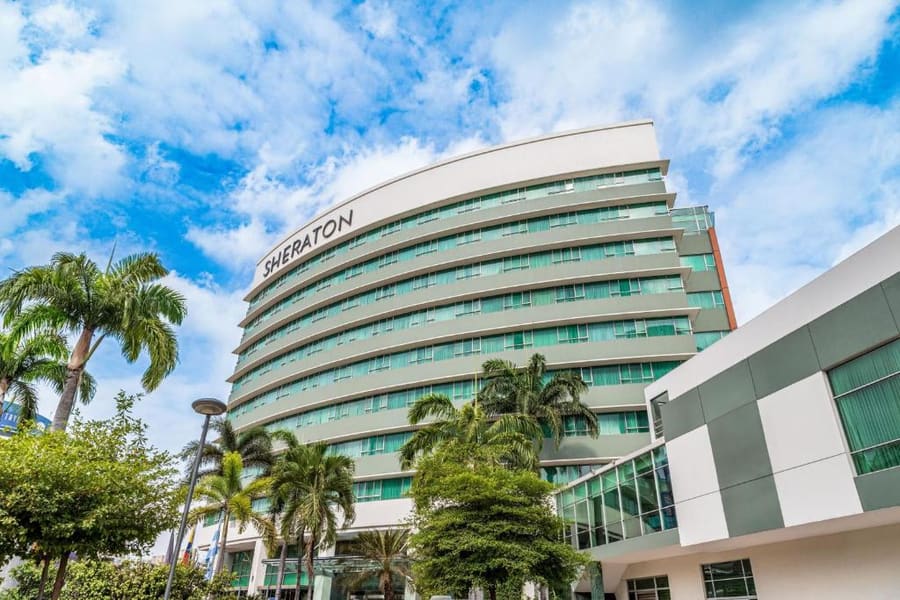
Choose your neighborhood based on walkability and security profile. Puerto Santa Ana offers private security, river views, and easy boardwalk walking. Downtown puts you close to municipal sites but requires caution after dark. Suburban options like Samborondón offer international hotel chains in gated complexes.
Live rates, matched to the areas above.
transport
Guayaquil is spread out, hot, and heavy with vehicular traffic. Walking is enjoyable along closed riverfront promenades, but moving between neighborhoods requires vehicles or public transit systems.
Desde José Joaquín de Olmedo International Airport (GYE)
Pay fixed fares at the designated taxi booth inside arrival terminal.
Pickup takes place outside the main terminal ground floor drop-off curb.
Requires a rechargeable Metrovía card or exact cash entry token.
The aerial cable car crosses the Guayas River to Durán in 15 minutes for $0.70 per ride.
Dedicated bus lanes bypass commuter gridlock on main arterial corridors during morning peaks.
Drivers rarely turn on taximeters. Negotiate and set the total price before stepping inside.
Purchase smart transit cards at automated machine kiosks located at main Metrovía stations.
cost
Ecuador uses the US Dollar ($). Prices in Guayaquil are lower than in Quito for casual dining and transit, but high-end international dining matches North American rates.
Local picanterías serve generous bowl portions accompanied by plantain chips.
Single fare ticket price across the river to Durán aerial station.
Average cost per person at sit-down seafood establishments.
Draft beer prices at boardwalk bars in Puerto Santa Ana.
seasonality
JAN – APR
Hot wet season. Expect heavy daily tropical downpours and high humidity levels.
MAY – JUL
Cooler dry months. Overcast skies keep temperatures near 26°C with little rainfall.
AUG – OCT
Dry skies and river breezes make this the best period for outdoor walking.
NOV – DEC
Temperatures rise and domestic holiday crowds fill riverfront shopping plazas.
practicalities
Schedule walking tours before 11:00 or after 16:00 to avoid high midday heat.
Keep smartphones out of sight when walking outside monitored areas like Malecón 2000.
Tap water is not potable. Buy sealed bottled water at neighborhood corner stores.
Small shops and street vendors require cash. Bills over $20 are difficult to change.
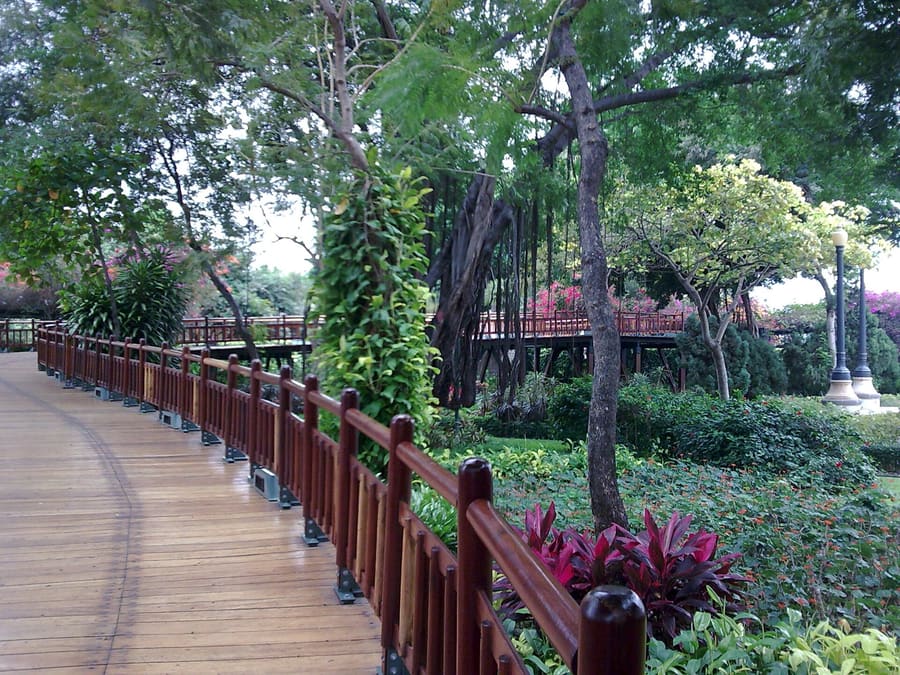
Cross the pedestrian bridge to Santay Island to ride rented bicycles along wooden trail boardwalks.