landmark
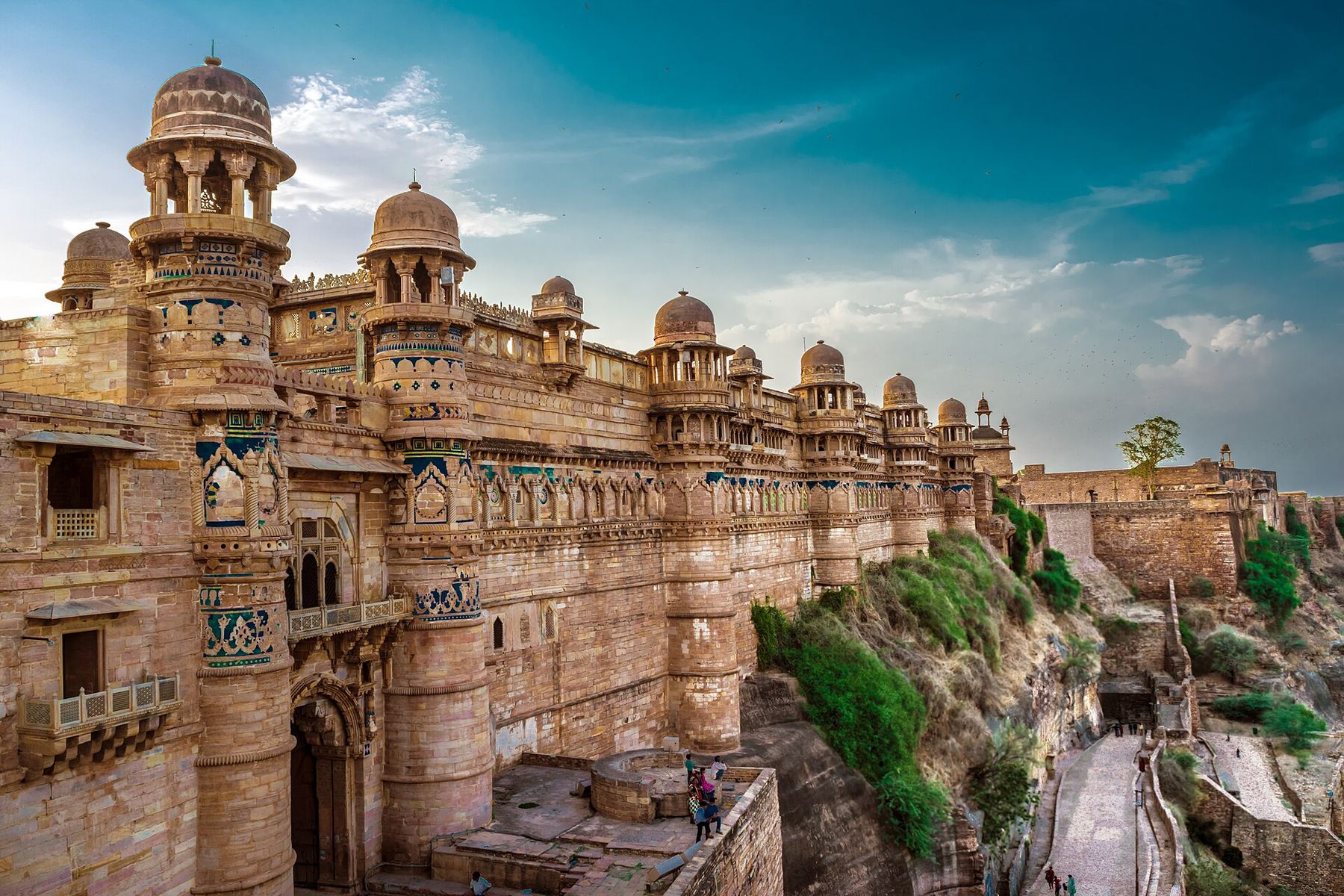
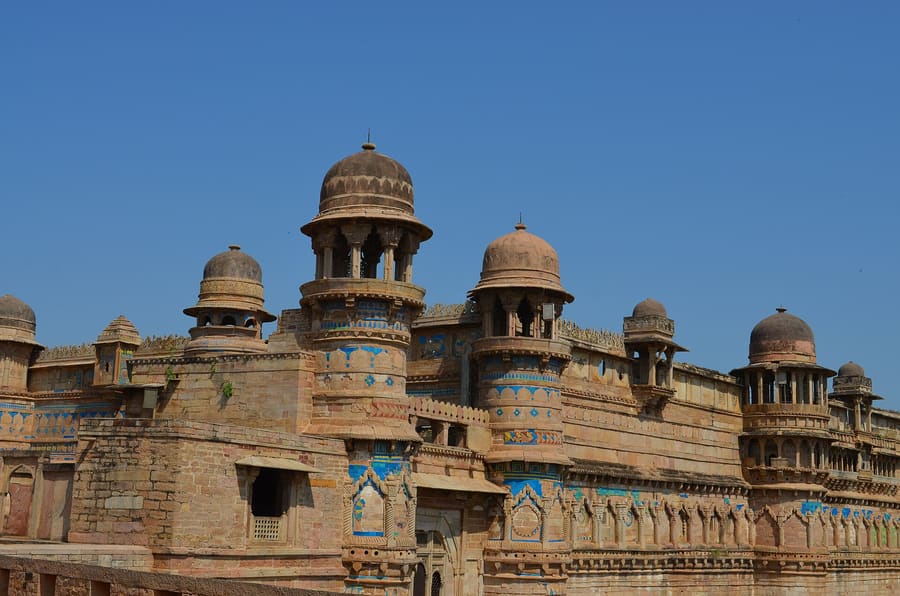
Gwalior Fort & Man Singh Palace
15th-century citadel featuring turquoise tilework. Enter via Urvai Gate to view giant cliff carvings on the ascent.
Pregunta a ParleyIndia
A sandstone fort city carved by music and monarchs.
introduction
Gwalior rises around a steep sandstone plateau capped by a thousand-year-old fortress. Below the rock, the city splits into the 19th-century royal district of Lashkar and the modern grid around the railway station. You move through it by auto-rickshaw, navigating narrow bazaar lanes and wide royal avenues. Plan for steep climbs on the fort and quiet morning ragas in old courtyards.
Arrival trick
Fast trains from Delhi reach Gwalior Junction in three hours. Pre-paid auto-rickshaw booths operate right outside platform one.
UNESCO recognition
UNESCO designated Gwalior a Creative City of Music in 2023. The title recognizes its centuries of dhrupad vocal traditions.
Planning trick
The fort plateau stretches three kilometres long. Hire an auto-rickshaw for the top circuit instead of walking between isolated sites.
Gwalior
Sanchari5491 · CC BY-SA 3.0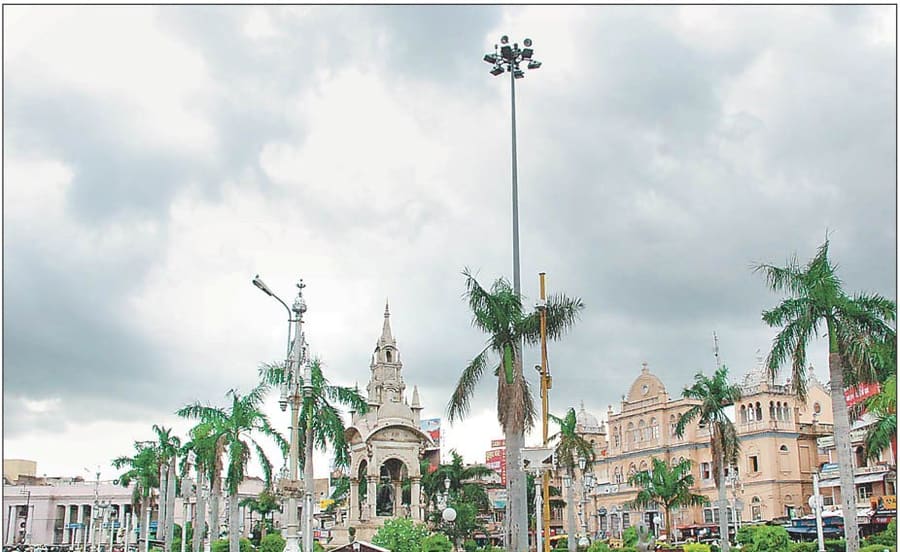
Lashkar — Royal 19th-century quarter with central bazaars, grand civic buildings, and street-food stalls.
Gyanendrasinghchauhan · CC0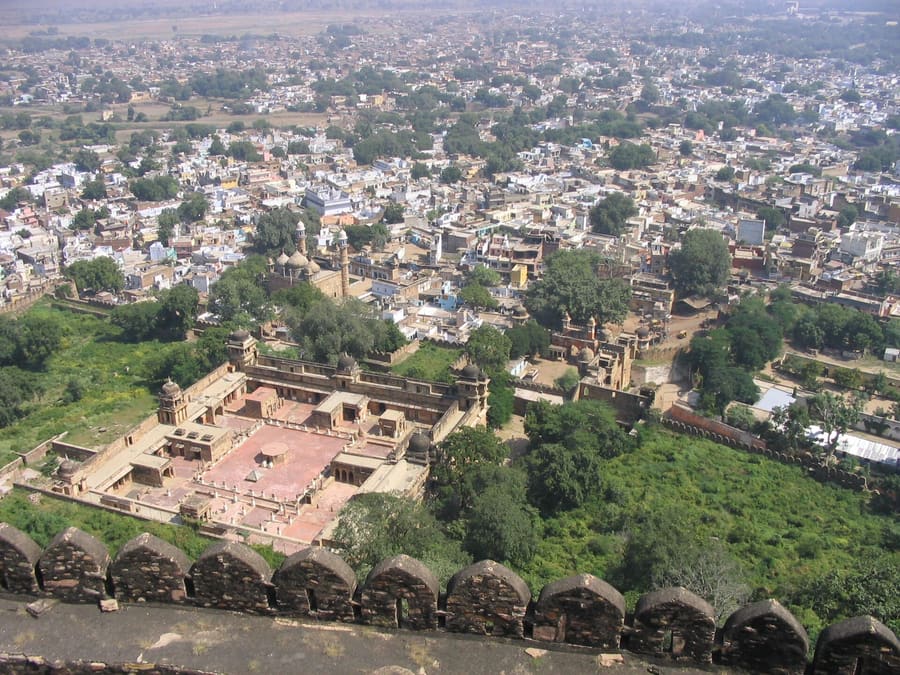
Fort Hill — Elevated plateau defined by ancient ramparts, quiet stone paths, and broad valley views.
YashiWong · CC BY-SA 3.0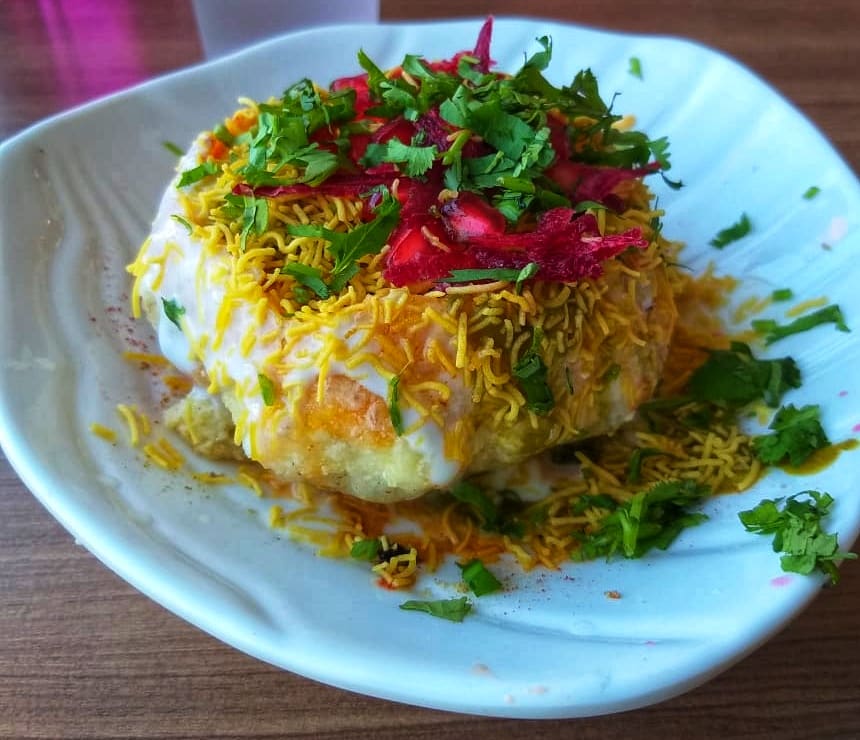
Crisp bedai with potato curry served fresh in Sarafa Bazaar.
Jaipuriamanasi · CC BY-SA 4.0highlights
landmark
15th-century citadel featuring turquoise tilework. Enter via Urvai Gate to view giant cliff carvings on the ascent.
Pregunta a Parley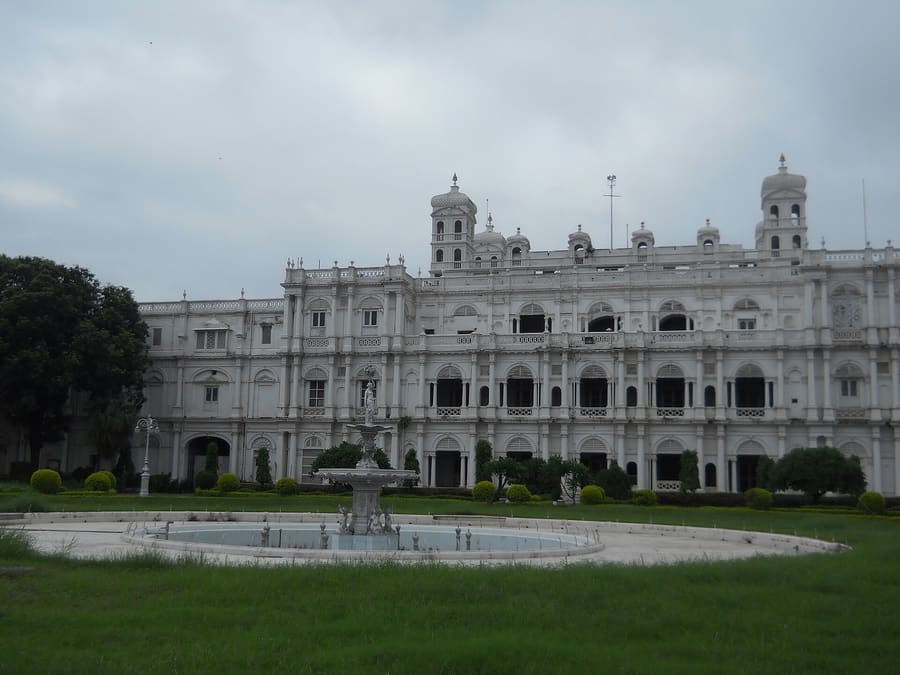
landmark
400-room Scindia residence with European design. Houses a silver model train that carries digestifs down the dining table.
Pregunta a Parley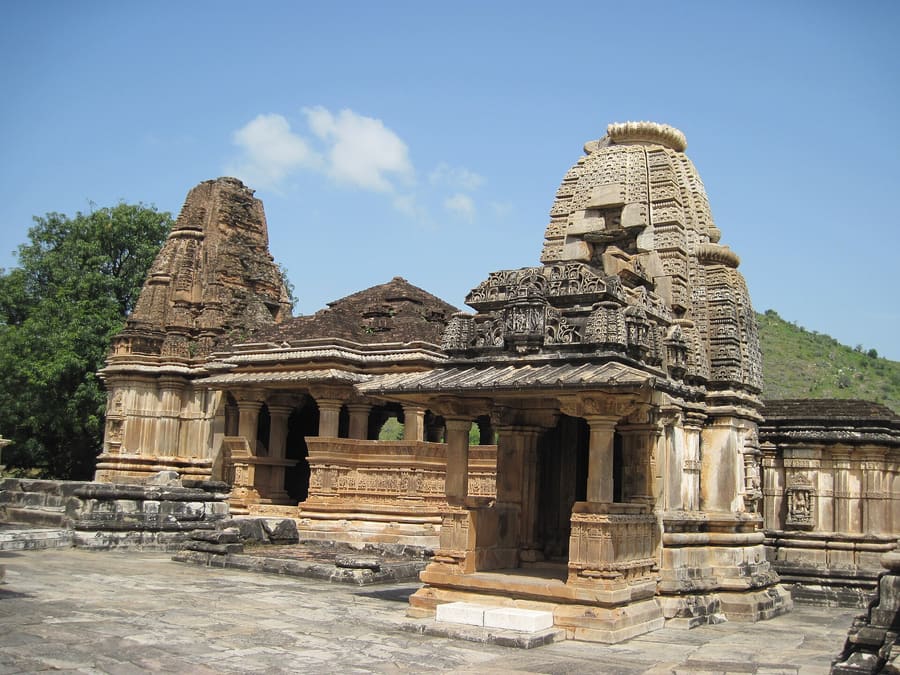
landmark
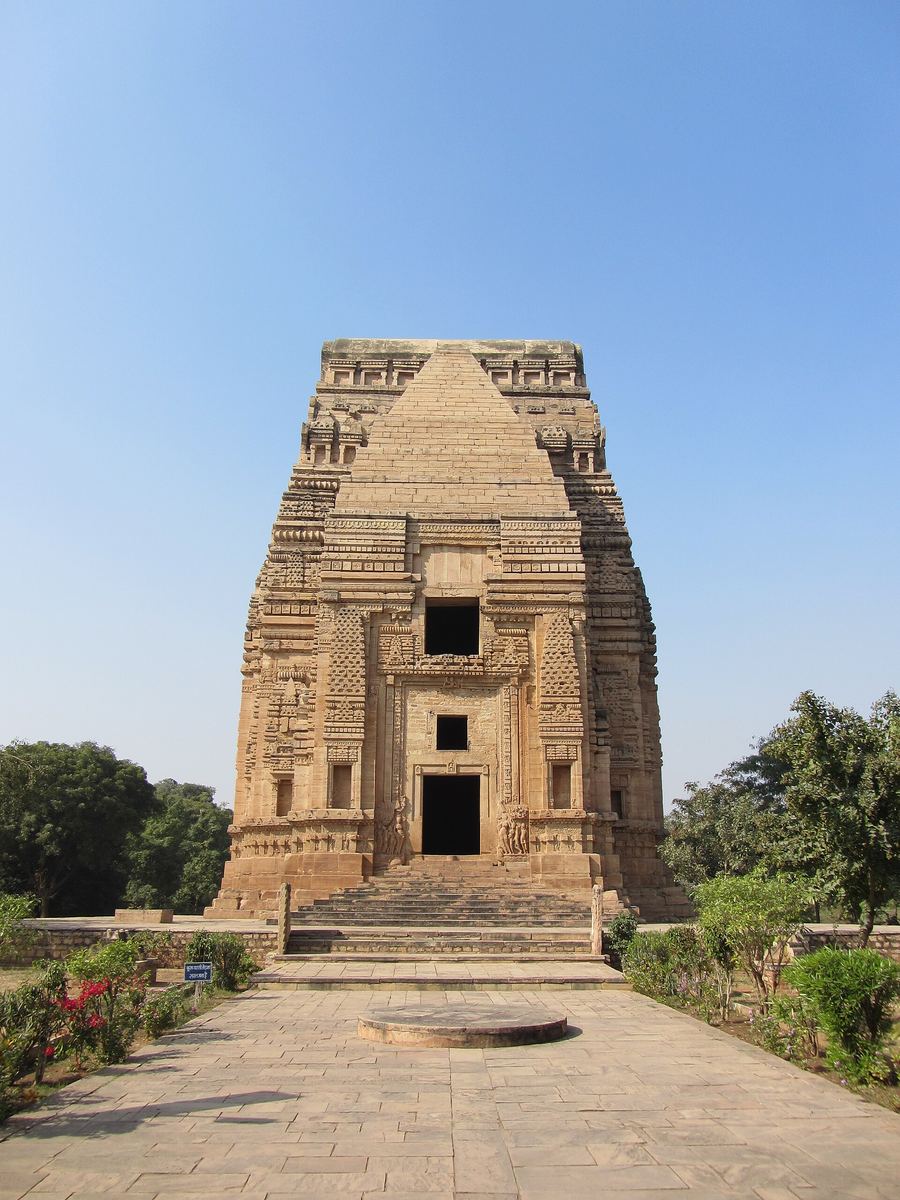
11th-century carved twin temples dedicated to Vishnu. Sit on the eastern edge of the fort for sunrise light.
Pregunta a Parleyattractions
areas
Royal 19th-century quarter with central bazaars, grand civic buildings, and street-food stalls.
CercaJai Vilas Palace and Sarafa Bazaar
Pregunta a ParleyElevated plateau defined by ancient ramparts, quiet stone paths, and broad valley views.
CercaMan Singh Palace, Teli Ka Mandir, Saas Bahu Temples
Pregunta a ParleyFormer British military zone featuring wide tree-lined avenues, gardens, and heritage estates.
CercaSun Temple and Deo Bagh
Pregunta a ParleyCommercial sector flanking Gwalior Junction train station, filled with modern business hotels.
CercaGwalior Junction railway station and main bus stand
Pregunta a Parleyfood
Gwalior begins its day at the deep fryer. Breakfast in the old town means bedai—a crisp, lentils-stuffed poori served alongside a fiery, thin potato curry. Cooks fry them in large brass vats along Subhash Chowk from six in the morning until sellout at ten.In winter, sesame seeds and jaggery take over the city's sweet shops. The nearby town of Morena supplies Gwalior with ground-sesame brittle called gajak. Shops along Naya Bazaar hammer sesame brittle into paper-thin sheets using wooden mallets throughout the day.
Crisp bedai with potato curry served fresh in Sarafa Bazaar.
Jaipuriamanasi · CC BY-SA 4.0SS Kachori Wala in Naya Bazaar runs out of bedai and kachori by 10:30 AM. Arrive by 8:00 AM for fresh batches.
Buy Morena gajak at Ratiram Gajak in Subhash Chowk. They pack air-tight boxes that survive transit.
Sarafa Bazaar sweet stalls boil thick milk in wide iron pans until midnight. Order a cup topped with fresh rabri.
history
Legend attributes the city's founding to a 3rd-century chieftain cured of leprosy by the hermit Gwalipa. The fortress plateau subsequently became a prime strategic prize for ruling dynasties across northern India. Its location controlled trade corridors between Delhi and the Deccan plateau.The Tomar dynasty brought artistic prominence in the 15th century under Raja Man Singh Tomar. He built the blue-tiled palace and nurtured dhrupad classical music. Control later shifted through Mughal, Maratha, and British hands before the Scindia dynasty established their modern capital in Lashkar.
Chaturbhuj Temple
Carvers engrave the Chaturbhuj Temple into the fort cliffside. The inscription contains the oldest recorded written zero used as a positional number.
Tomar Golden Age
Raja Man Singh Tomar ascends the throne. He constructs Man Singh Palace and establishes Gwalior as the center of dhrupad vocal tradition.
Rani of Jhansi's Last Stand
Freedom fighter Rani Lakshmibai falls in battle near Gwalior Fort during the Indian Rebellion. A memorial marks the site in Phool Bagh.
where to stay
Choose your hotel based on your transit plans and preferred pace. Staying near Gwalior Junction offers fast rail connections and business amenities. Staying in Morar or Lashkar places you closer to heritage gardens, old bazaars, and quiet courtyards.
Live rates, matched to the areas above.
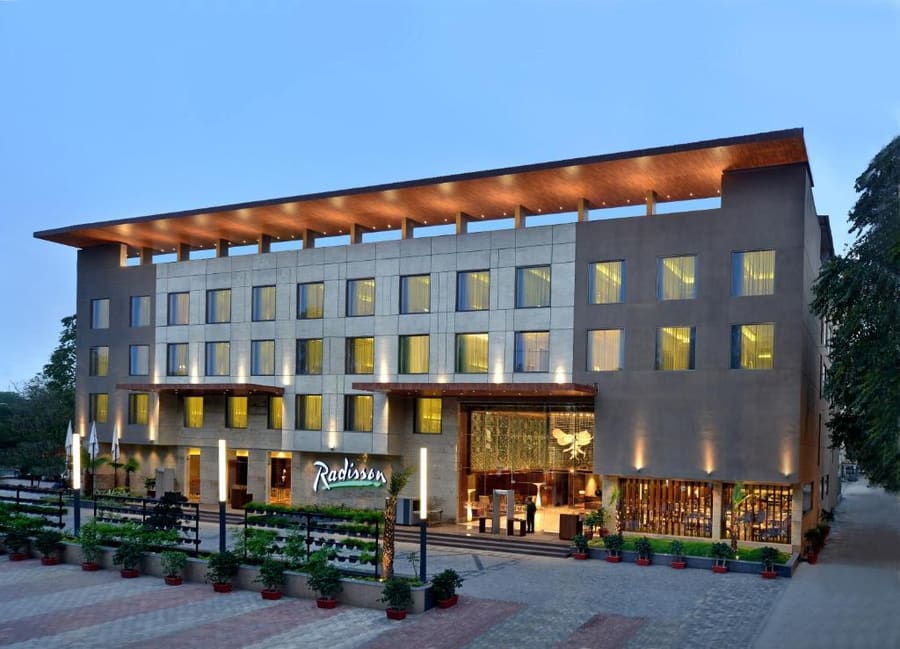
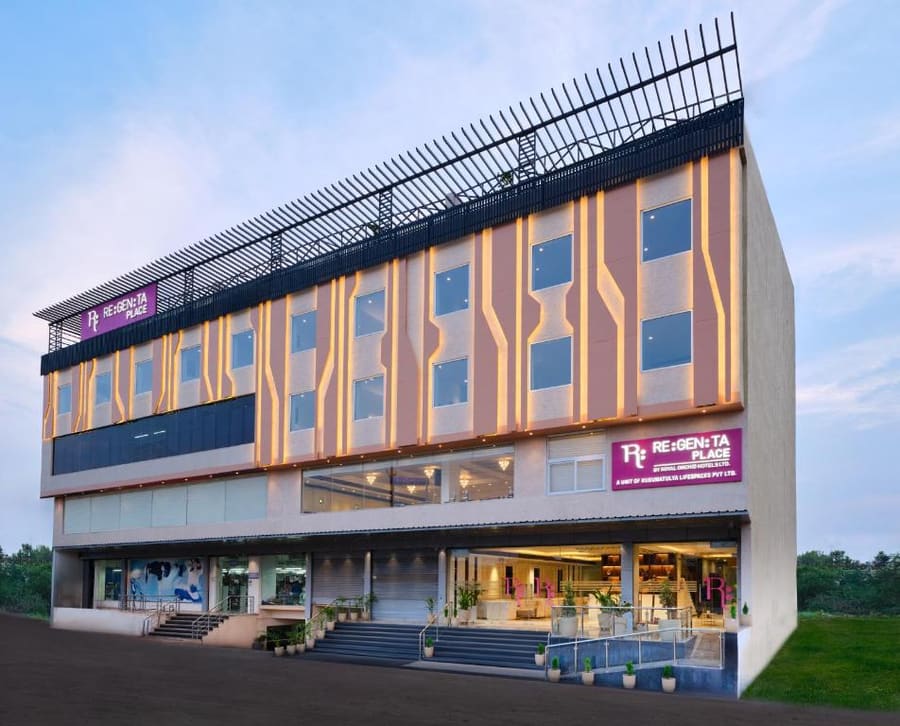
/ad2f7ef5e106.jpg)
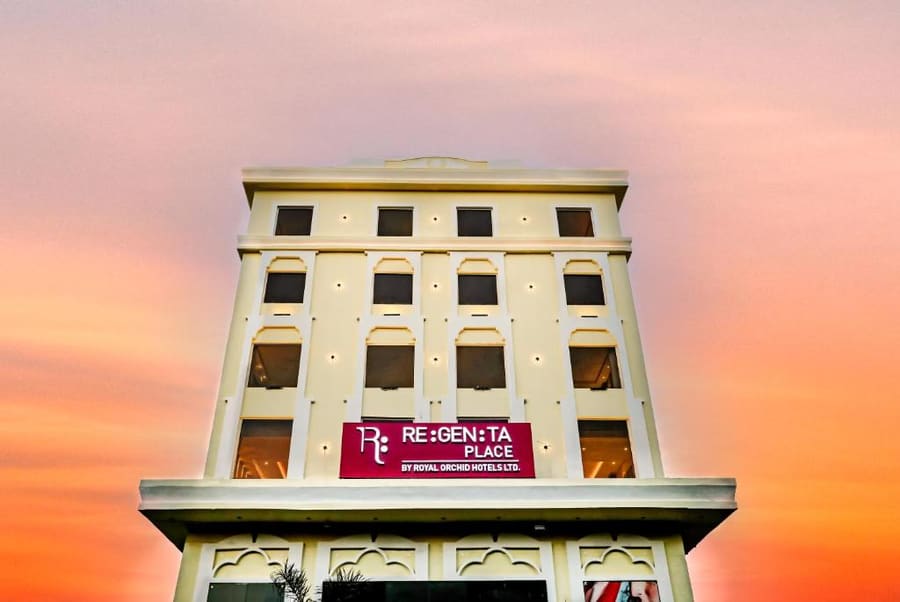
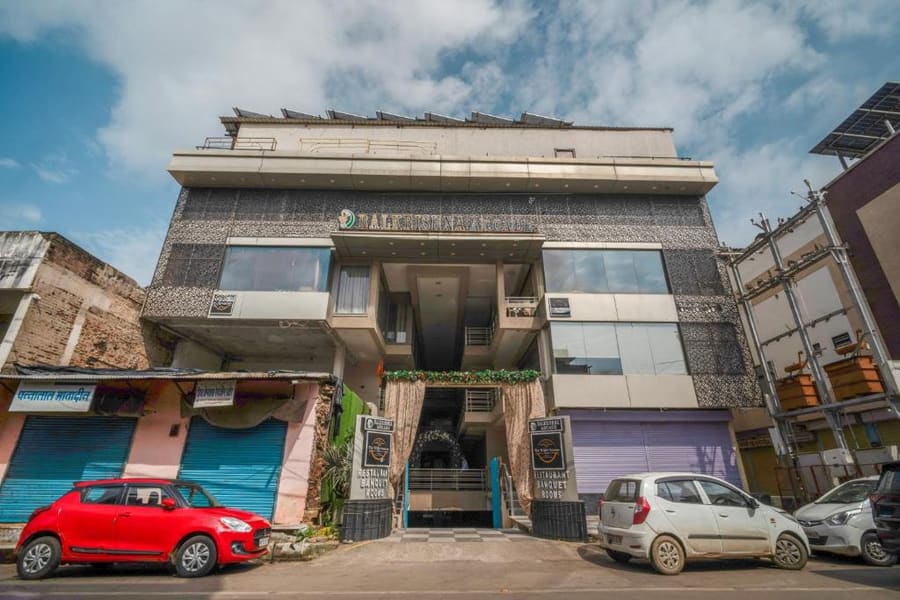
transport
Gwalior relies heavily on three-wheeled transport. Auto-rickshaws move between the flat city sectors and the fort gates. Shared tempo minibuses run fixed routes along major avenues like Station Road and Hospital Road for fixed low fares.
Desde GWL (Rajmata Vijaya Raje Scindia Airport)
Pre-book at the terminal counter; rideshare app coverage at the airport remains spotty.
Ola and Uber cover central city routes between Gwalior Junction and Lashkar.
Auto-rickshaws charge around ₹300–400 to drive up to Urvai Gate, wait two hours, and return you down.
Shared blue tempos run between Gwalior Junction and Maharaj Bada for ₹15 to ₹20 per seat.
Traffic bottlenecks around Huzrat Road and Maharaj Bada between 6:00 PM and 8:00 PM. Walk these stretches.
Drivers expect cash or Indian UPI digital payments; foreign credit cards are never accepted by drivers.
cost
Gwalior remains significantly cheaper than Agra or Jaipur. Fort entry fees differentiate sharply between domestic and foreign passports. Street food costs very little, while heritage dining matches national urban prices.
Standard price at morning street stalls around Sarafa Bazaar.
Includes entrance to Man Singh Palace and the main ASI ticketed zone.
Separate entry fee charged by the Scindia palace trust, extra for camera permits.
Covers a full-day circuit including fort top, Jai Vilas Palace, and Sun Temple.
seasonality
OCT – NOV
Post-monsoon air clears. Temperatures drop to comfortable daytime levels for walking the fort heights.
DEC – FEB
Cool winter weather. Tansen Music Festival takes place in December near Tansen's tomb.
MAR – APR
Spring brings rapidly rising afternoon heat. Sightseeing requires early morning departures.
MAY – JUN
Extreme heat above 42°C. Desert coolers operate everywhere; stone monuments get hot to walk on.
JUL – SEP
Monsoon rains bring lush greenery to the fort rock face but turn stone stairs slippery.
practicalities
Wear sturdy walking shoes. The sandstone paths inside the fort complex are polished slick by centuries of foot traffic.
The evening sound and light show at Man Singh Palace runs in Hindi first, followed by English.
Lhesus macaques occupy the stairs along the Urvai Gate climb. Keep food items sealed inside your backpack.
Jai Vilas Palace strictly charges extra fees for smartphone and digital camera usage inside the museum rooms.
The annual Tansen Music Festival occurs in December. Classical vocalists perform outdoors straight through the night.