landmark
Hikkaduwa Coral Reef
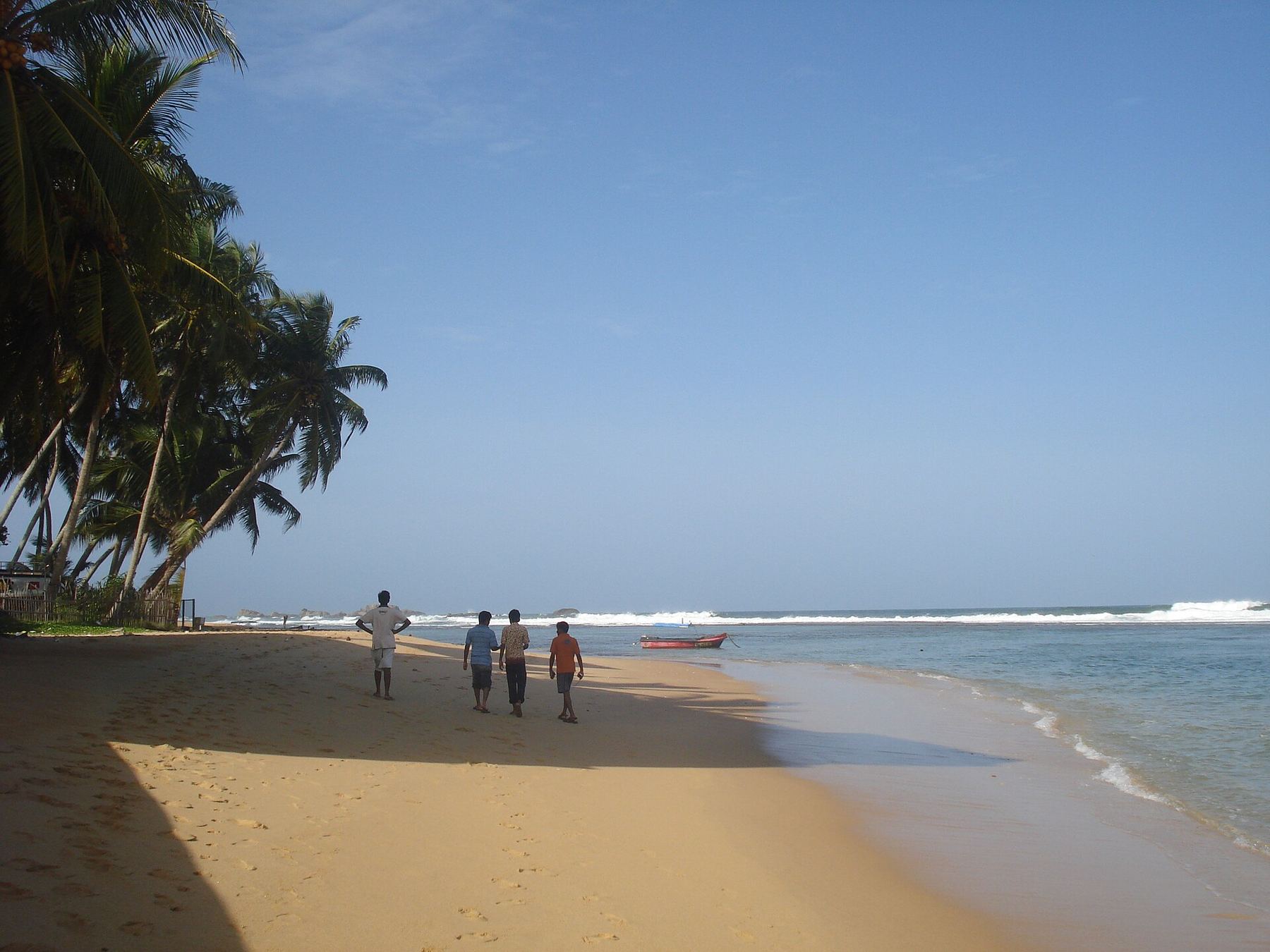
Shallow reef right off the town beach. Rent a mask on the sand early in the morning before boat diesel obscures the water.
Pregunta a ParleySri Lanka
Sri Lanka's original surf strip and coral reef hub.
introduction
Hikkaduwa stretches six kilometres along the A2 coastal highway in southwestern Sri Lanka. The town splits into a shallow coral bay to the north and a broad surf break at Narigama to the south. You navigate the town easily on foot or by short tuk-tuk rides along the main strip. Expect busy traffic on the inland road, backed by calm sand beaches and lagoon waterways.
Rail arrival choice
Coastal trains from Colombo Fort take two hours to Hikkaduwa station. Sit on the right side of the train for ocean views the entire journey.
Seasonal surf switch
Reef swells break best between November and April. May to October brings heavy monsoon rains and dangerous shore breaks.
highlights
landmark
Shallow reef right off the town beach. Rent a mask on the sand early in the morning before boat diesel obscures the water.
Pregunta a Parley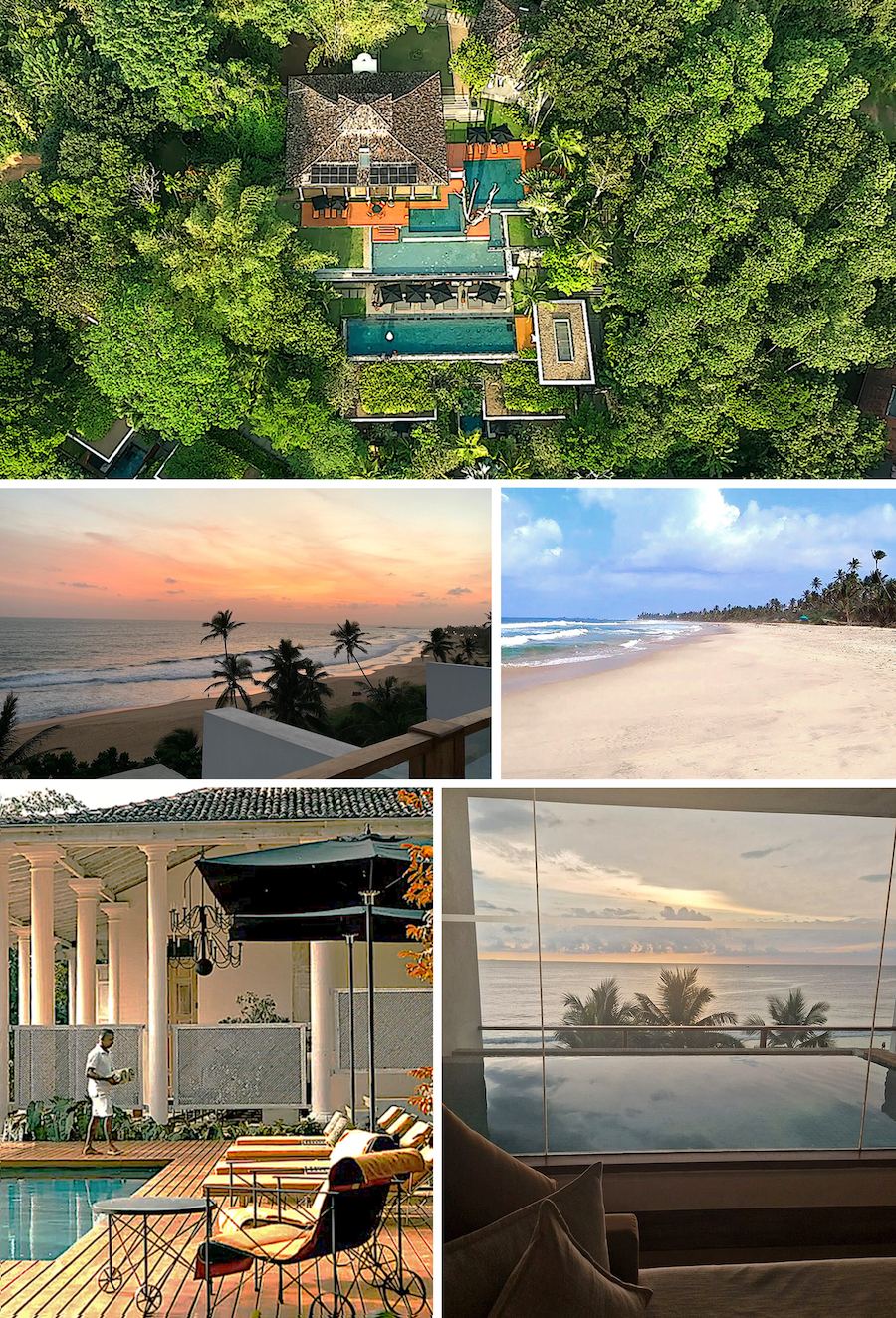
landmark
A long sand crescent with consistent beach breaks. Surfboard rentals and beach shacks line the upper high-tide mark.
Pregunta a Parley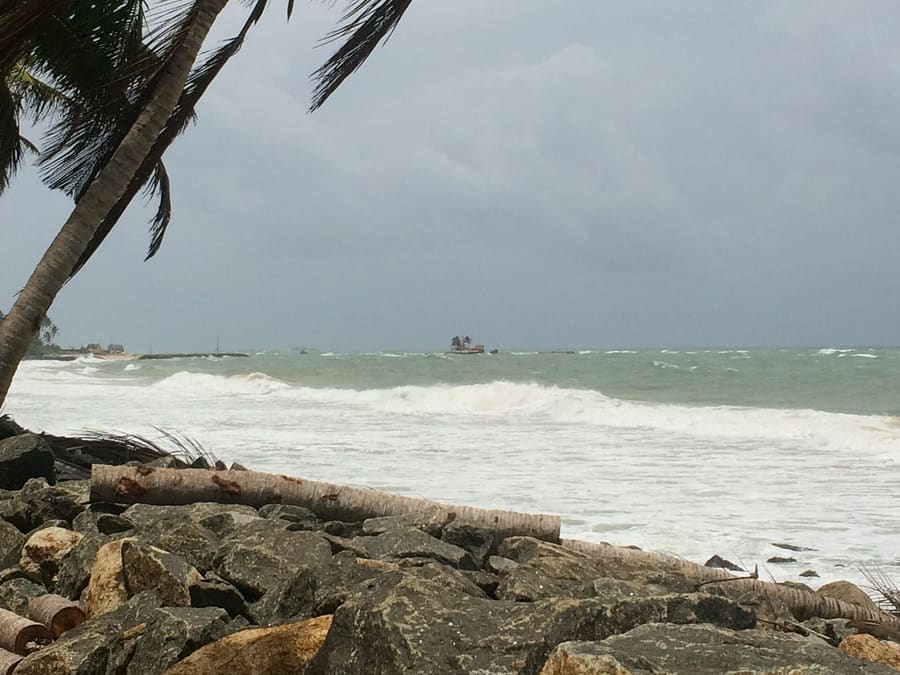
landmark
A Buddhist temple set on an offshore island 2km north. Local boats transfer worshippers to the shrine across the channel.
Pregunta a Parley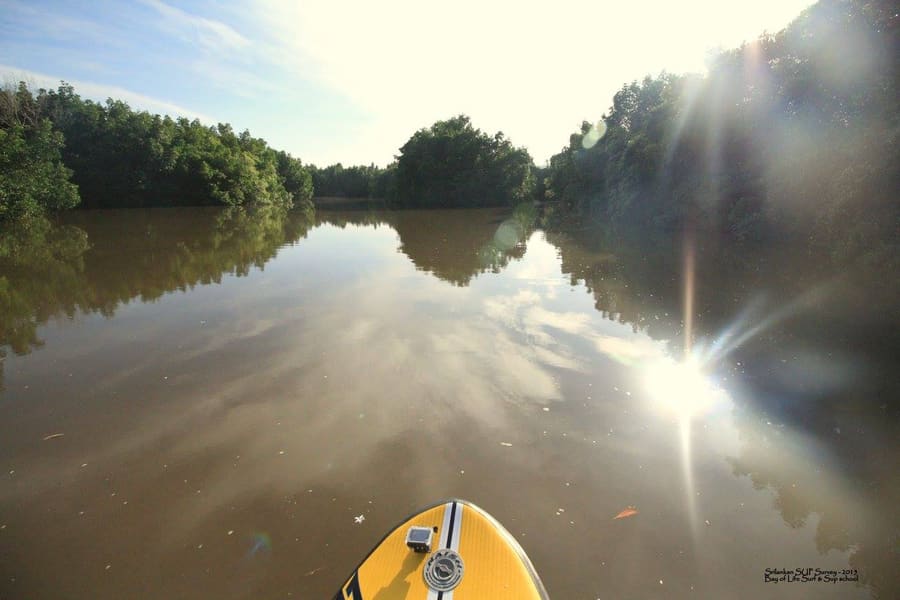
landmark
A quiet inland waterway located two kilometres east of the beach. Rent a kayak at dusk to observe monitor lizards and roosting birds.
Pregunta a Parley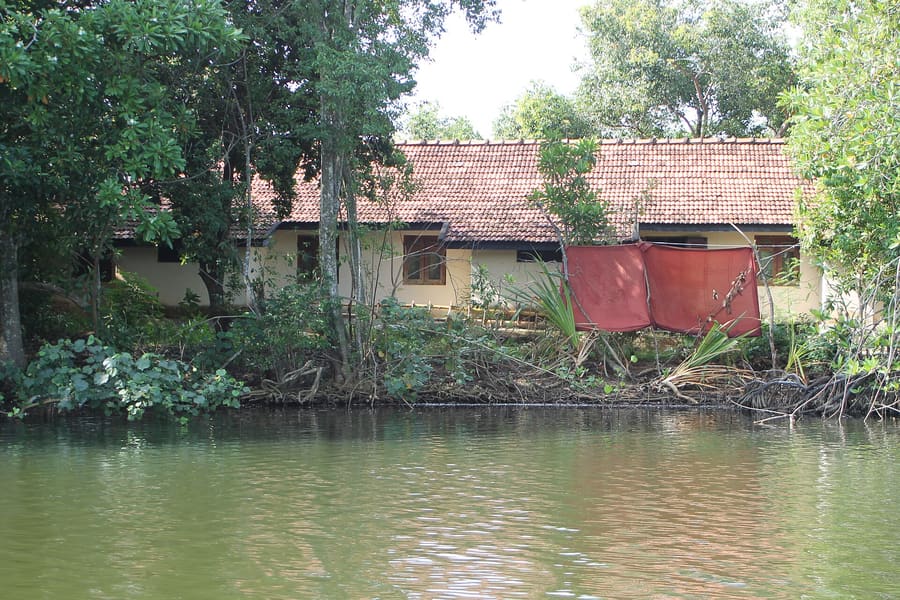
landmark
An island Buddhist monastery established in 1911 in Rathgama Lake. Visitors need permission before taking a boat across.
Pregunta a Parleyattractions
areas
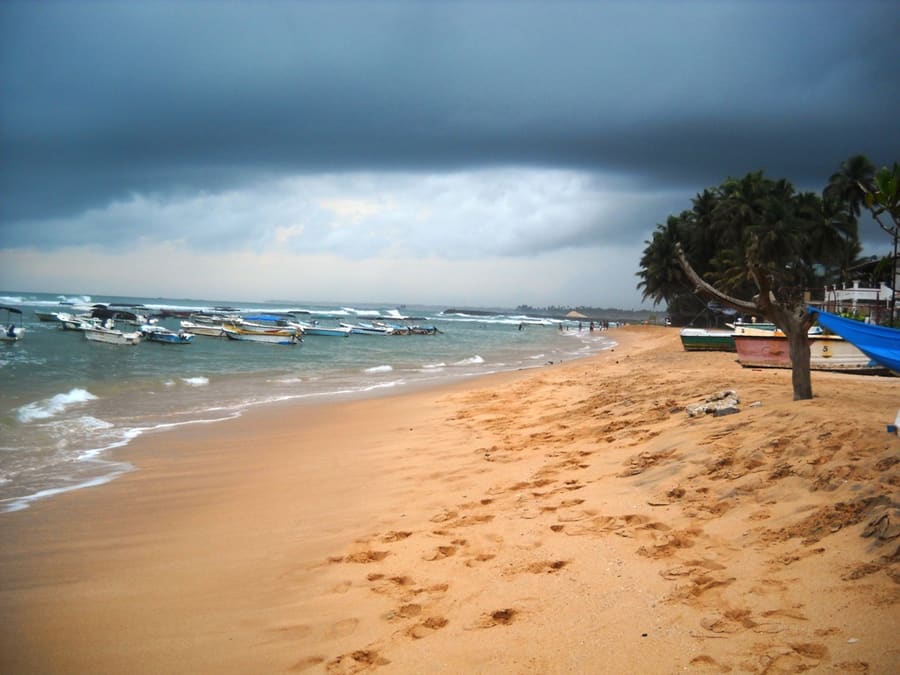
Busy commercial strip packed with dive shops, markets, and shallow beach access.
CercaHikkaduwa Railway Station and Northern Coral Reef
Pregunta a Parley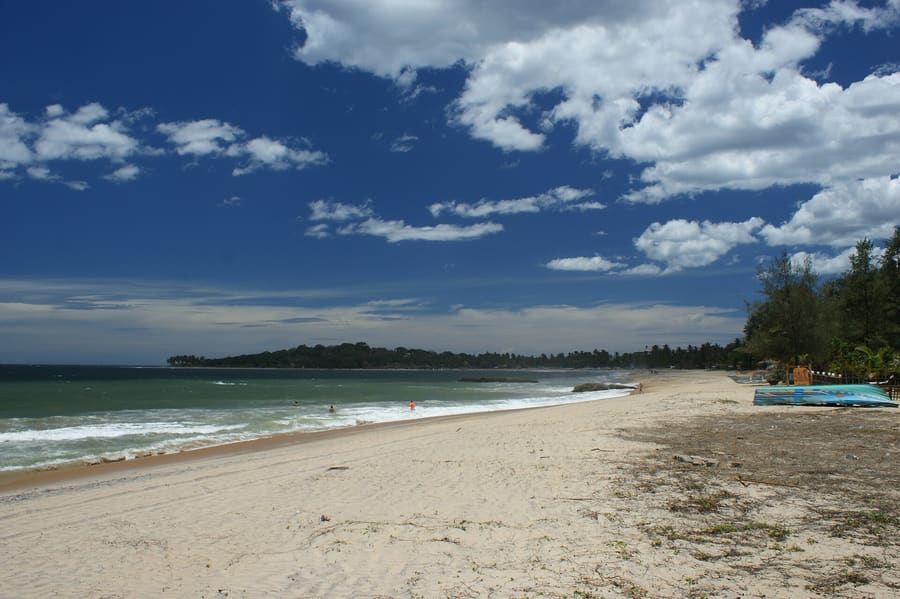
Lively beach zone filled with surf schools, beach bars, and sunset dining.
CercaNarigama Surf Break and Beachfront Shacks
Pregunta a Parley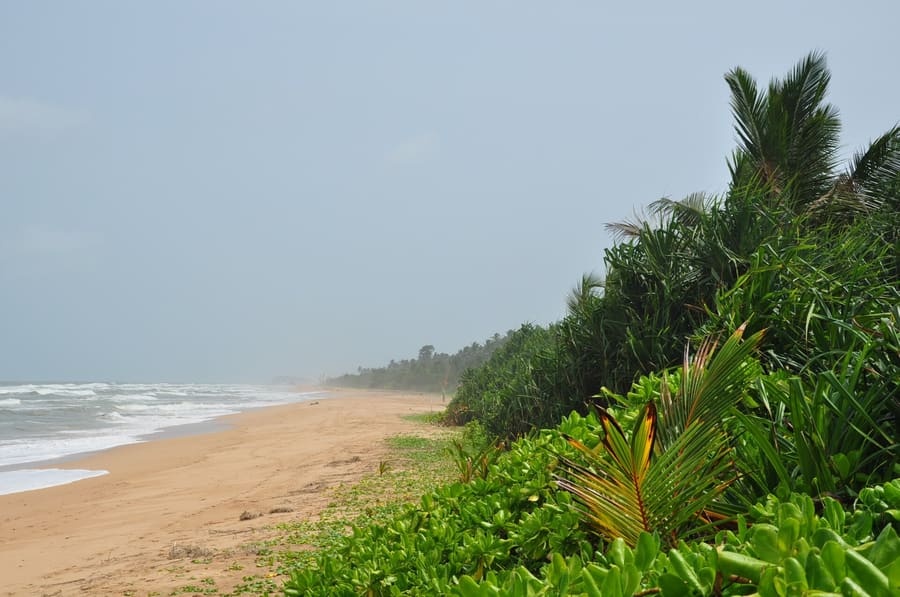
Relaxed southern stretch featuring upscale boutique hotels and wider sands.
CercaThiranagama Beach and Southern Coast Road
Pregunta a ParleyTranquil freshwater lagoon area surrounded by cinnamon trees and wildlife.
CercaRathgama Lagoon and Inland Villas
Pregunta a Parleyfood
Dining in Hikkaduwa stays grounded in fresh seafood and traditional coastal curries. Evening fish stalls along Galle Road display red snapper and jumbo prawns caught hours earlier by local outrigger boats. Beachside roti huts cook kottu roti on steel griddles using heavy iron blades starting around 18:00. Traditional Sri Lankan breakfast of string hoppers and coconut sambol is served at roadside curry spots near the train station.
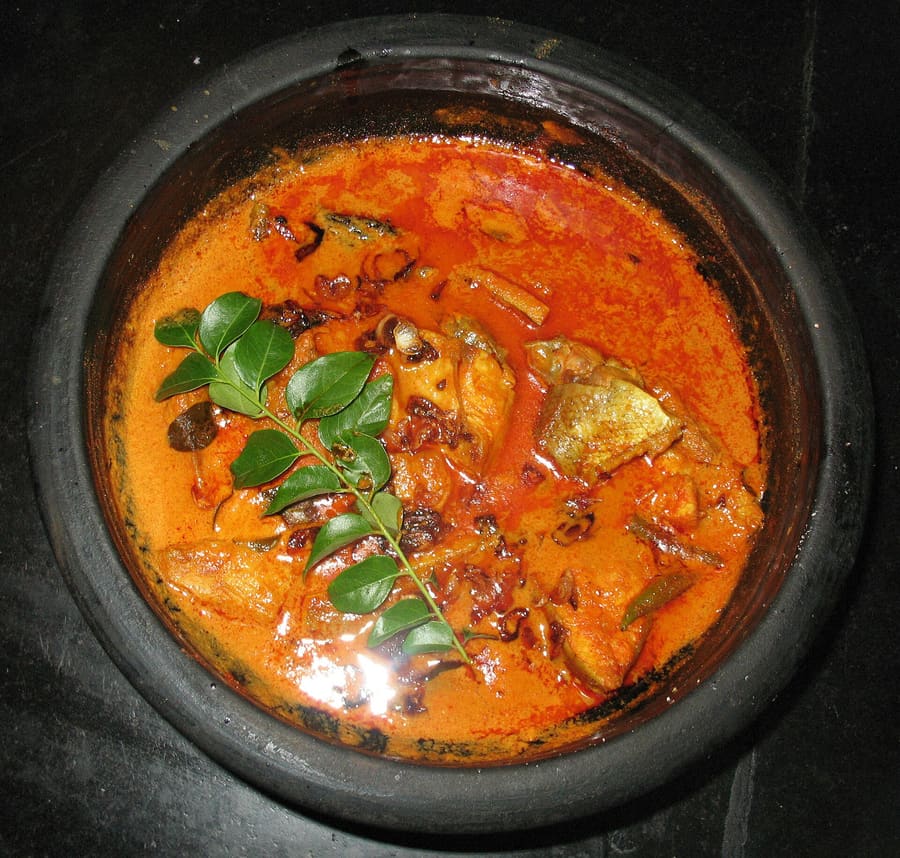
Fresh ocean fish and traditional curries served with red rice along Hikkaduwa's coastal strip.
Kalakki at ml.wikipedia · CC BY-SA 2.5Local rice and curry places prepare fresh batches for lunch between 11:30 and 14:00. Arriving after 14:30 means cold leftover spreads.
Kottu griddles light up after dusk along the main road. Order egg or vegetable kottu for a quick dinner.
Small beachfront family eateries do not accept credit cards. Keep LKR banknotes ready for breakfast hoppers and juice stands.
history
Hikkaduwa evolved from a modest fishing village into Sri Lanka's pioneer coastal resort during the late 20th century. The arrival of international surfers in the 1960s put its reef and beach breaks on world travel maps. Overdevelopment pressured the fringing coral reef, prompting conservation laws in the early 2000s. The December 2004 Indian Ocean tsunami devastated the coastline, but local rebuilding efforts subsequently restored the rail line, town center, and marine protection programs.
Hippie Trail Pioneer
Hikkaduwa becomes one of Sri Lanka's first backpacker stops as budget travellers discover its coral reef and surf breaks.
Marine Sanctuary
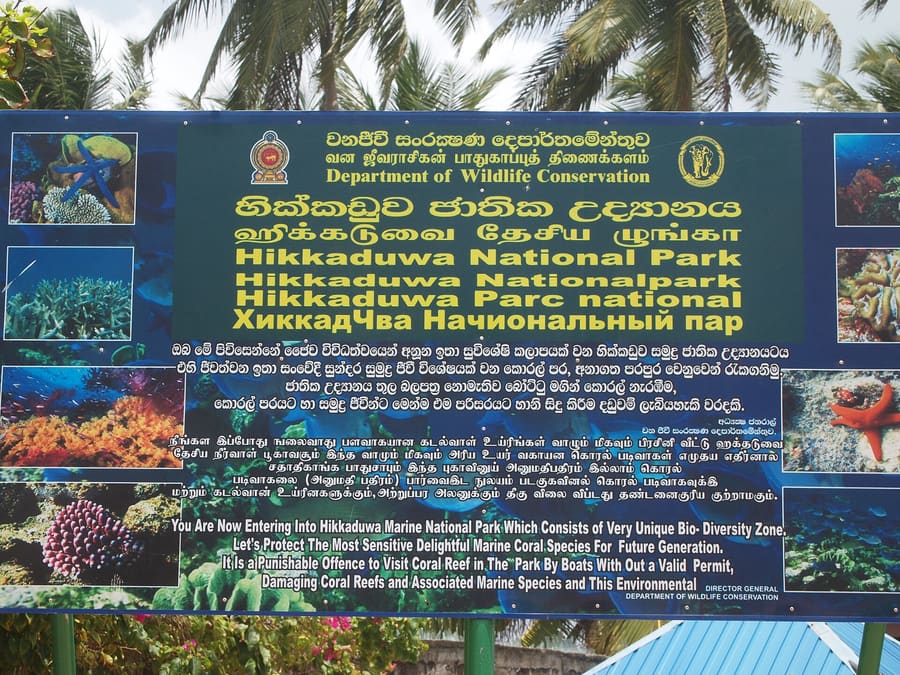
The coral reef earns protected sanctuary status, later declared Hikkaduwa National Park in 2002 to stem reef damage.
Indian Ocean Tsunami
The tsunami strikes the coast on 26 December, destroying coastal infrastructure and causing heavy loss of life on the Queen of the Sea train nearby.
Coastal Rebuilding
Restoration projects rebuild the coastal railway, marine research centers, and oceanfront accommodations.
where to stay
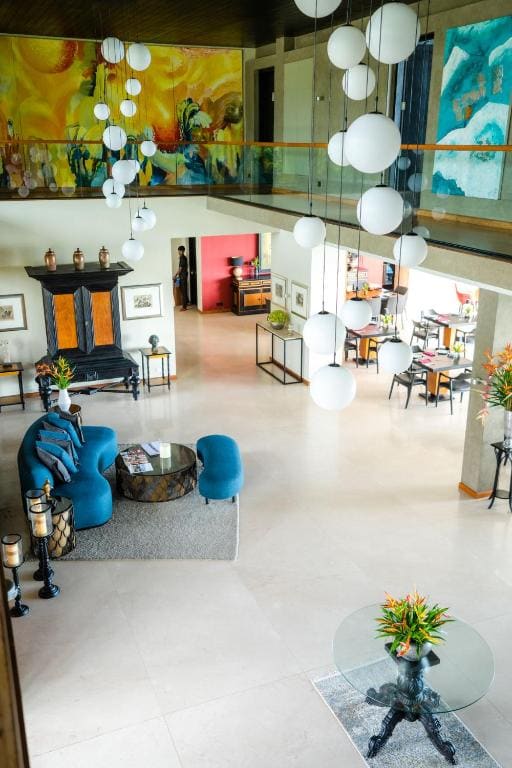
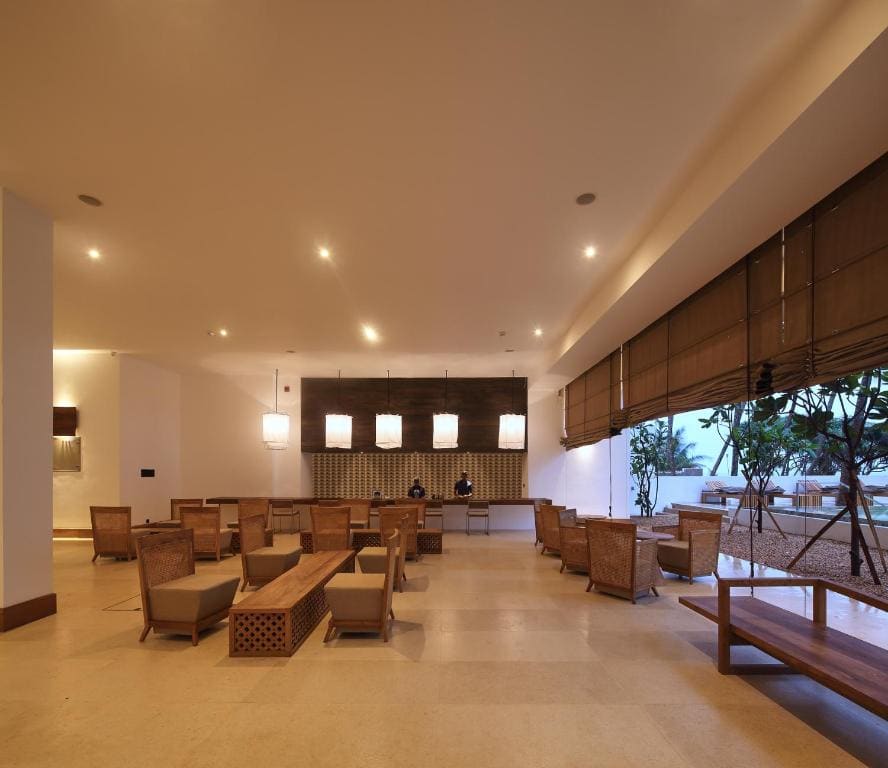
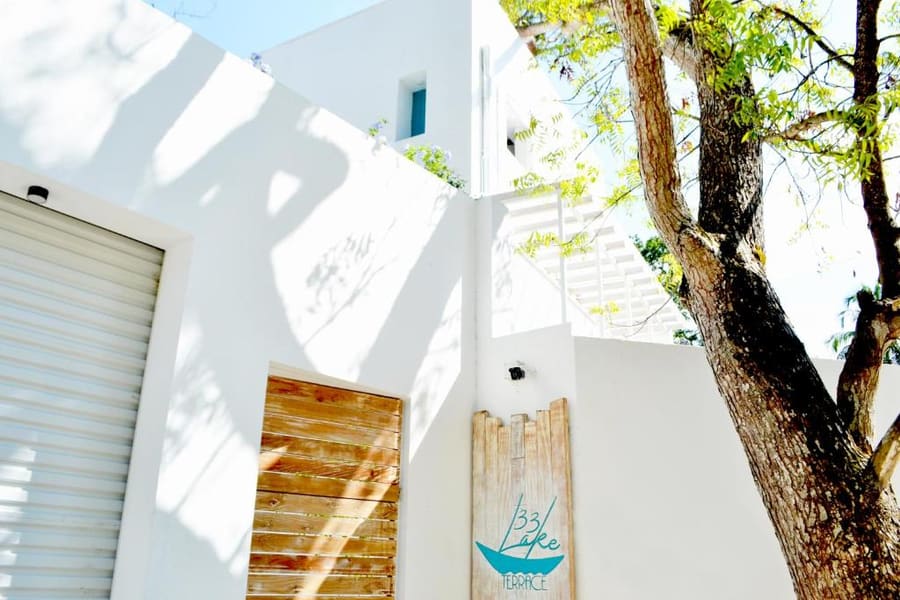
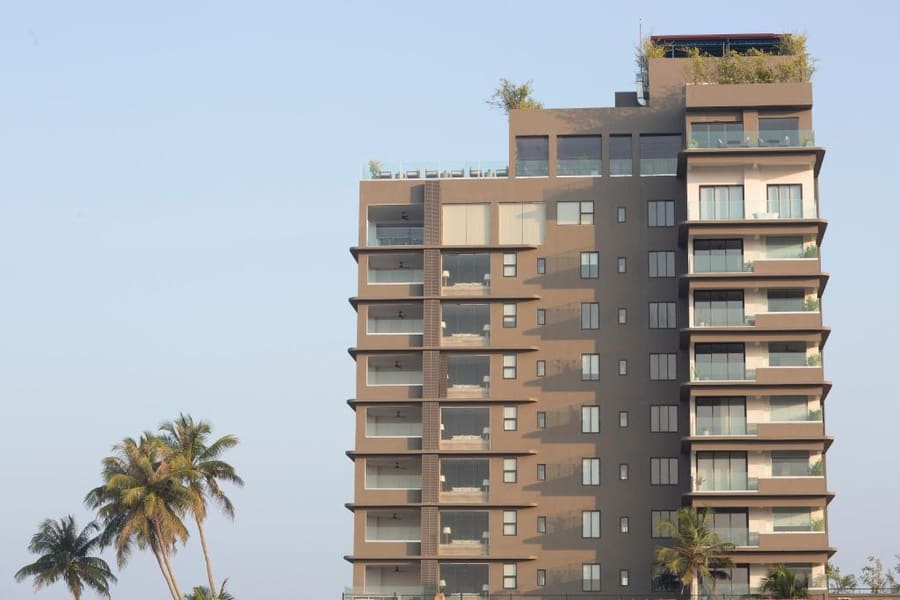
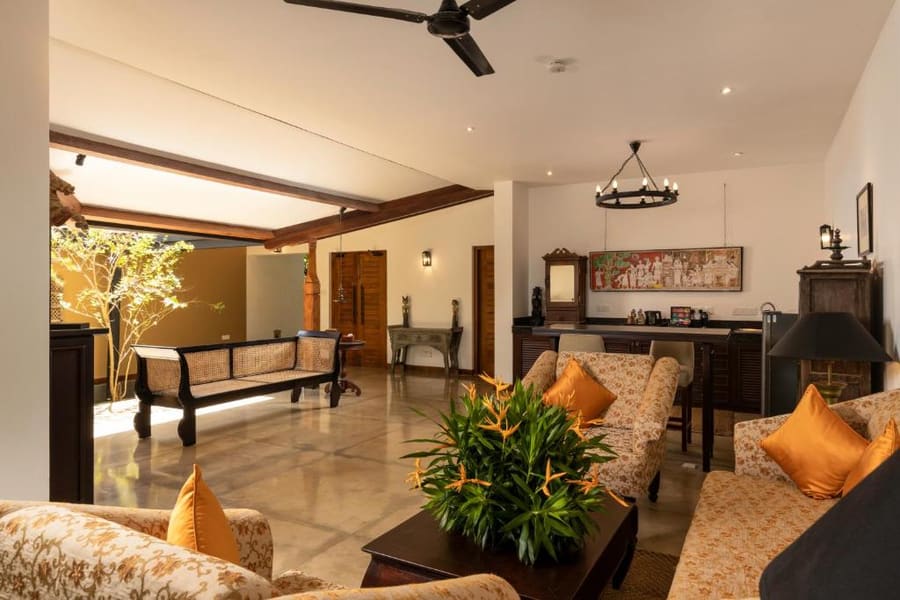
Choose your base according to ocean activity. Narigama suits surfers who want direct sand access and active evening venues. The Northern Coral Beach zone fits families who prefer calm shallow water for swimming. Choose Hikkaduwa Lake if quiet inland nature matters more than stepping out onto the beach sand.
Live rates, matched to the areas above.
transport
Getting to Hikkaduwa relies on the southern rail network or expressways from Colombo. Once in town, walking along the beach or taking short tuk-tuk hops covers almost every trip.
Desde Colombo Bandaranaike International Airport (CMB)
Uses the Southern Expressway (E01). Toll fees are usually included in negotiated airport taxi rates.
Take highway bus EX1-01 from Maharagama or Kadawatha to Galle, then local bus to Hikkaduwa.
Expect to pay LKR 300 to LKR 500 for short rides within Hikkaduwa. Always agree on the fare before stepping inside.
Board at Colombo Fort early to secure a sea-facing seat on the right side of the carriage heading south.
Express buses bypass Colombo traffic using the expressway. Take a taxi from the airport to Kadawatha bus stand to connect.
Reserved seats for coastal express trains open 30 days before departure at main rail stations and online portals.
cost
Daily expenses in Hikkaduwa depend on whether you stick to local street eateries or oceanfront tourist establishments. Cash remains essential for small vendors and tuk-tuks.
Equipment stands near the Coral Sanctuary rent masks and fins by the hour or day.
Boards of all lengths line Narigama beach with discounts available for full-day hires.
Roadside family eateries serve generous vegetable and fish plates with papadam.
Standard rate for moving between the Coral Beach and Narigama surf spots.
seasonality
NOV – APR
Peak dry season with clear waters, active surf breaks, and calm sea conditions for snorkelling.
MAY – JUL
Southwest monsoon brings heavy sea swells and rain. Snorkelling is impossible and many beach shacks close.
AUG – SEP
Inter-monsoon break offers lighter rains and brief sunny spells. Sea remains rough for swimming.
OCT
Heavy monsoon transitional rains. Ocean currents are strong and beach conditions deteriorate.
practicalities
Wild green turtles visit the shallow shore near Coral Reef Hotel. Do not touch or ride them, and refrain from feeding them processed food.
Narigama Beach has strong offshore undertows during tide changes. Swimmers should stay within flagged safe zones.
Commercial bank ATMs line the main Galle Road near the railway station. Withdraw cash before heading to quiet lagoon villas.
Monthly full moon Poya days mean alcohol sales are banned across Sri Lanka in shops, bars, and hotel restaurants.
When visiting Seenigama Viharaya or local temples, wear clothes that cover shoulders and knees. Remove shoes and hats at the gate.