landmark
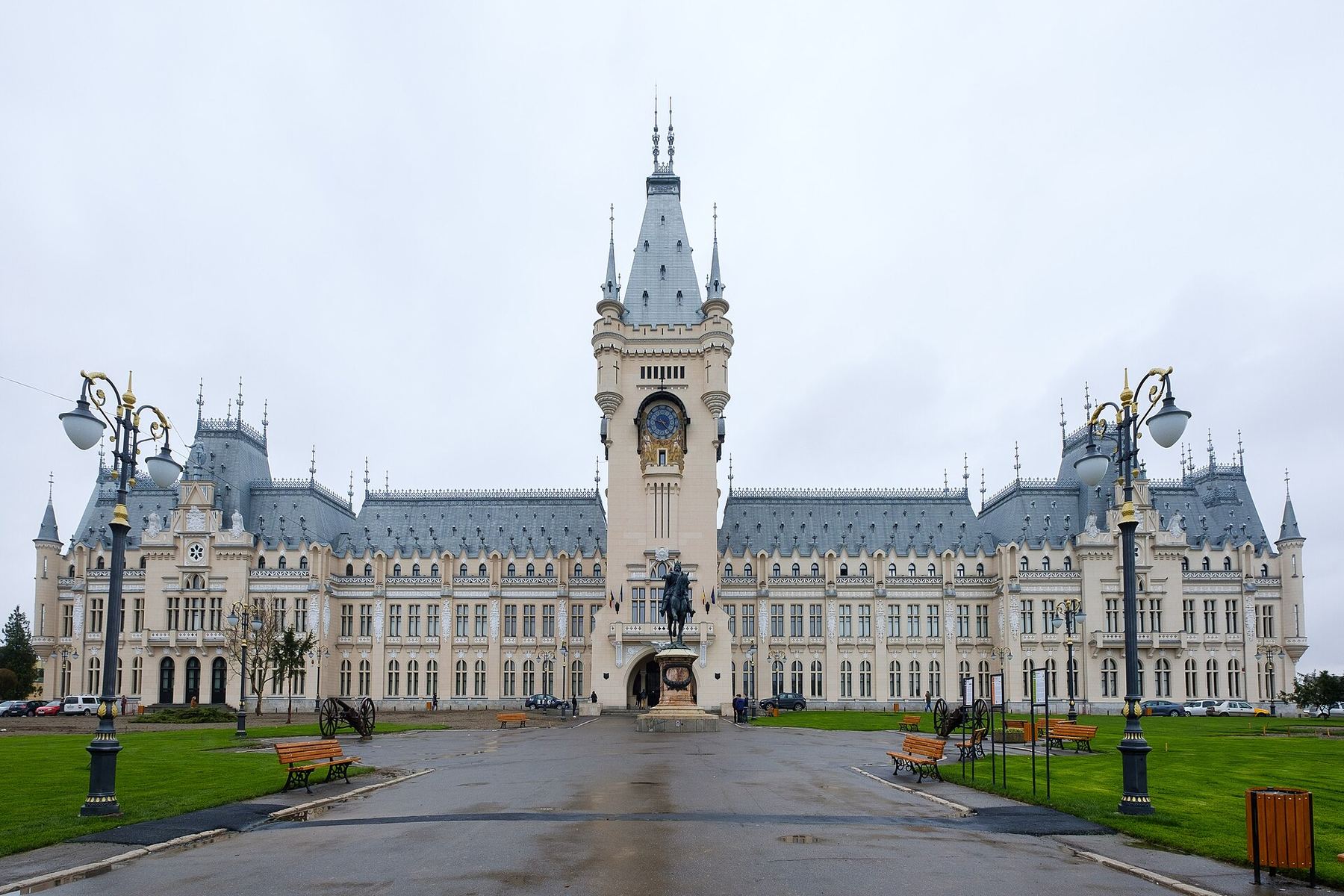
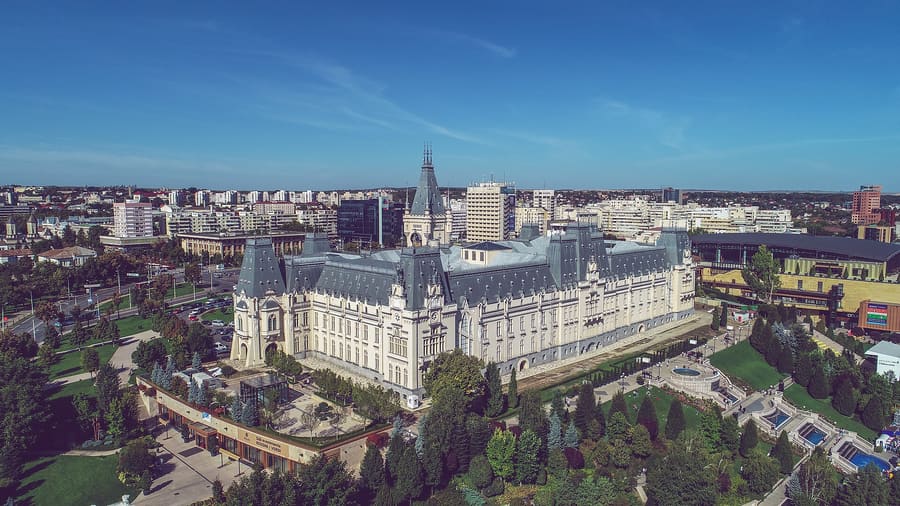
Palace of Culture
Neo-Gothic complex housing four regional museums. One combo ticket grants access to all indoor exhibit halls.
Pregunta a ParleyRumanía
Moldavia's academic capital built across seven green hills.
introduction
Iași operates as Romania's primary eastern academic hub and historic Moldavian seat. The city layout spans seven hills along the Bahlui River, anchored by a broad central pedestrian boulevard. You can walk most key sites within twenty minutes, though reaching suburban hilltop monasteries requires taking a bus, taxi, or walking, as trams do not run up to them. Expect lower prices than Bucharest alongside a steady student energy.
Historic capital status
Iași served as the capital of the Principality of Moldavia from 1564 to 1859. It also acted as Romania's wartime emergency capital during World War I.
Monastery pass savings
Entry to church courtyards across Iași is free year-round. Monasteries charge small fees only for interior museum collections.
Iași
Argenna · CC BY-SA 3.0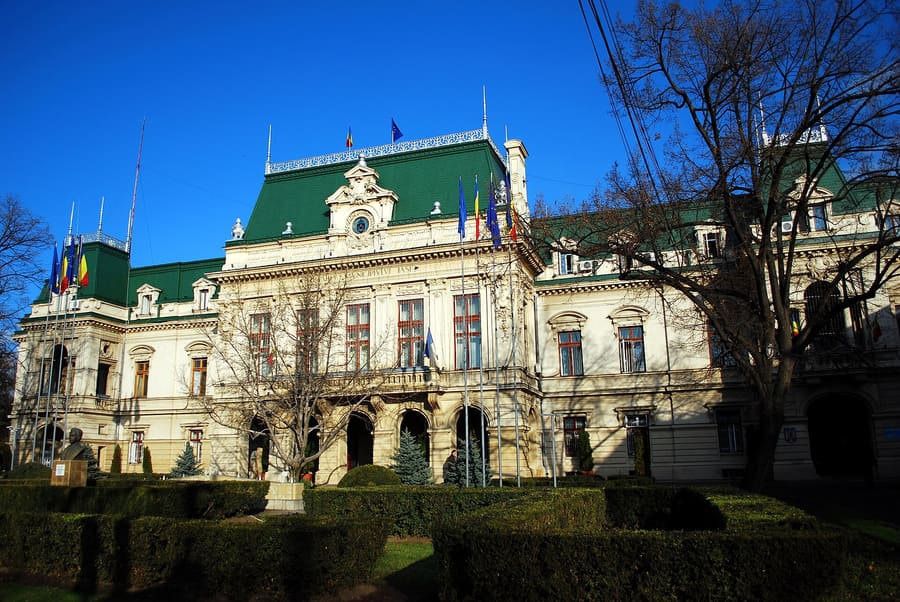
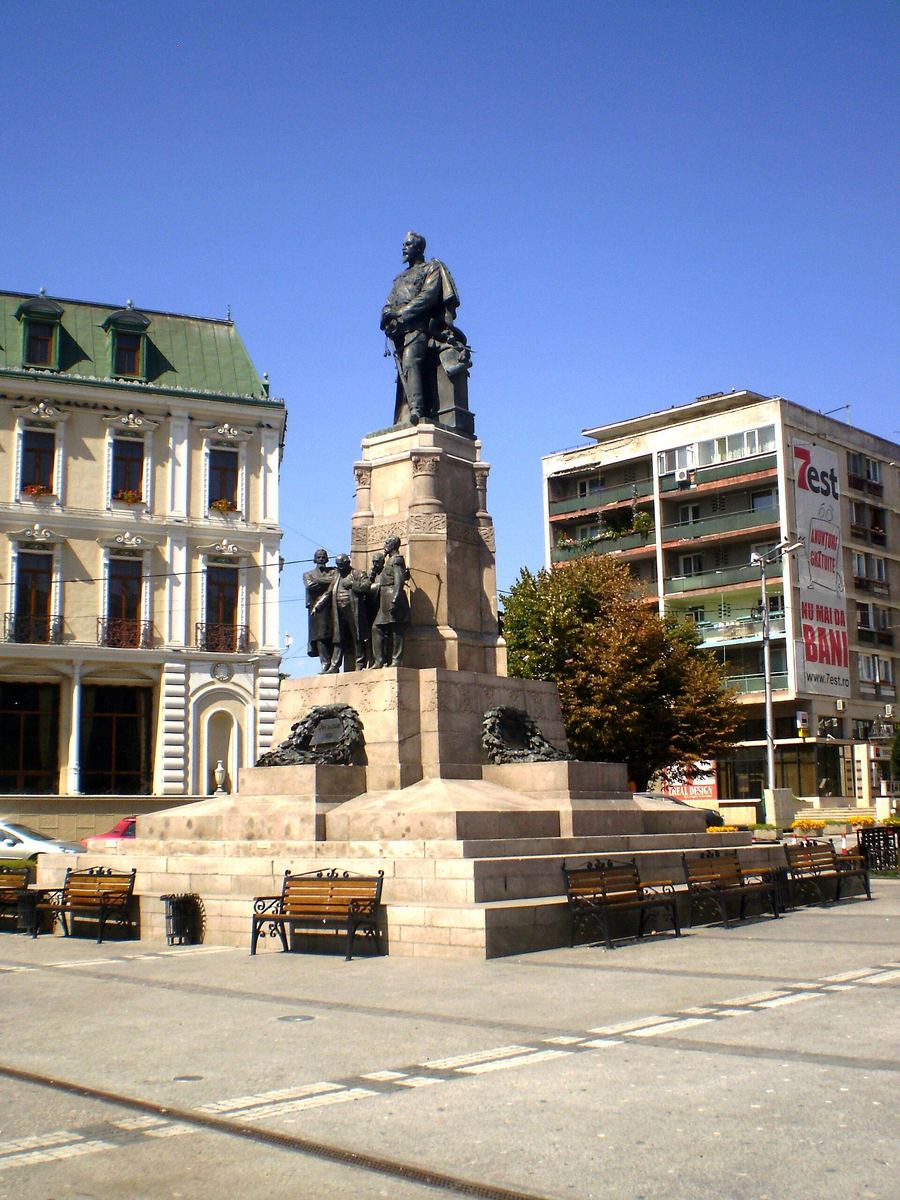
Centru — Broad stone pedestrian boulevard lined with grand churches, outdoor cafes, and civic buildings.
Andrei Stroe · CC BY 3.0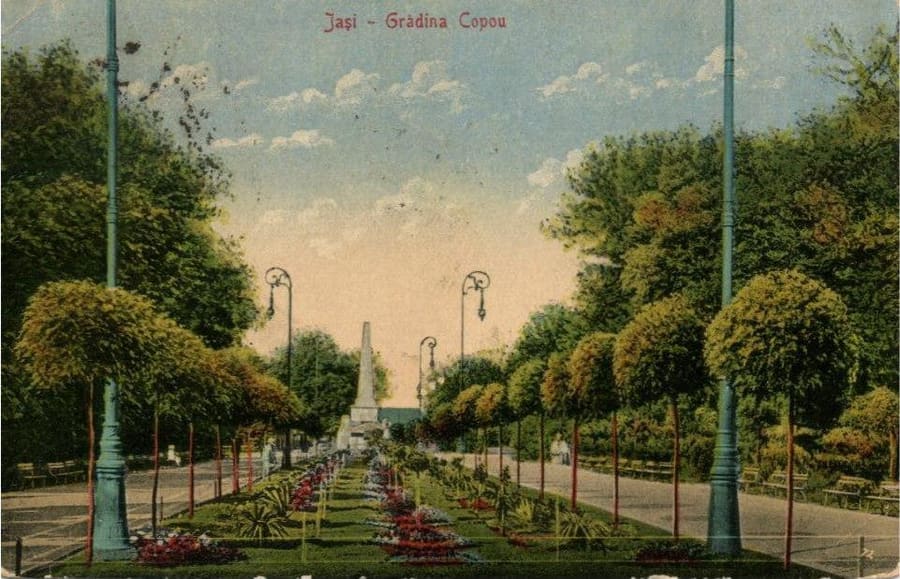
Copou — Leafy academic avenue packed with university halls, historic parks, and quiet coffee shops.
Editura Horovitz, România · Public domain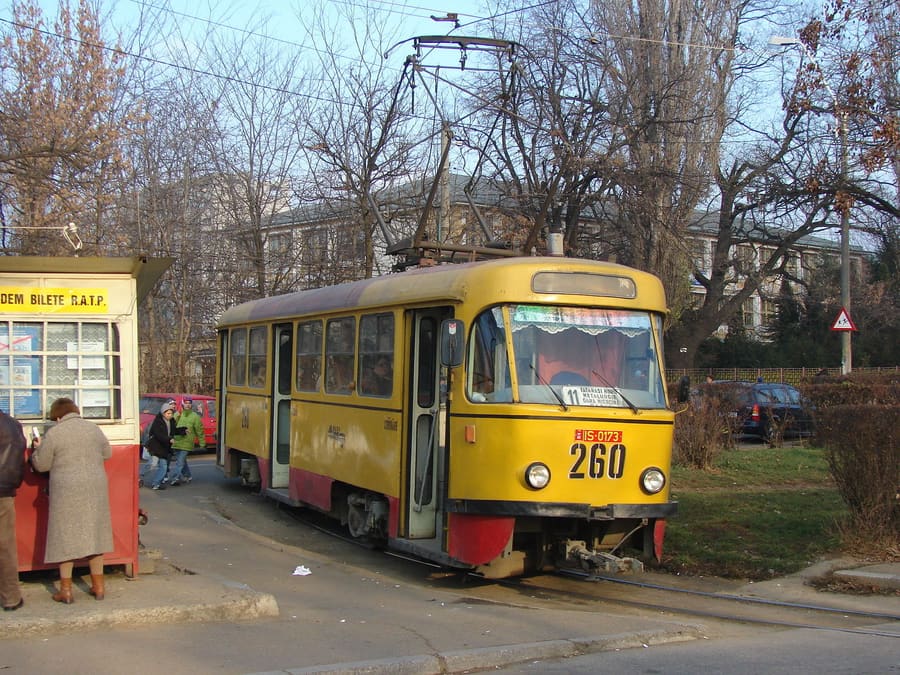
Tătărași — Residential district with mid-century blocks, local food markets, and Ciric park nearby.
Tiberiu Sufitchi · Public domain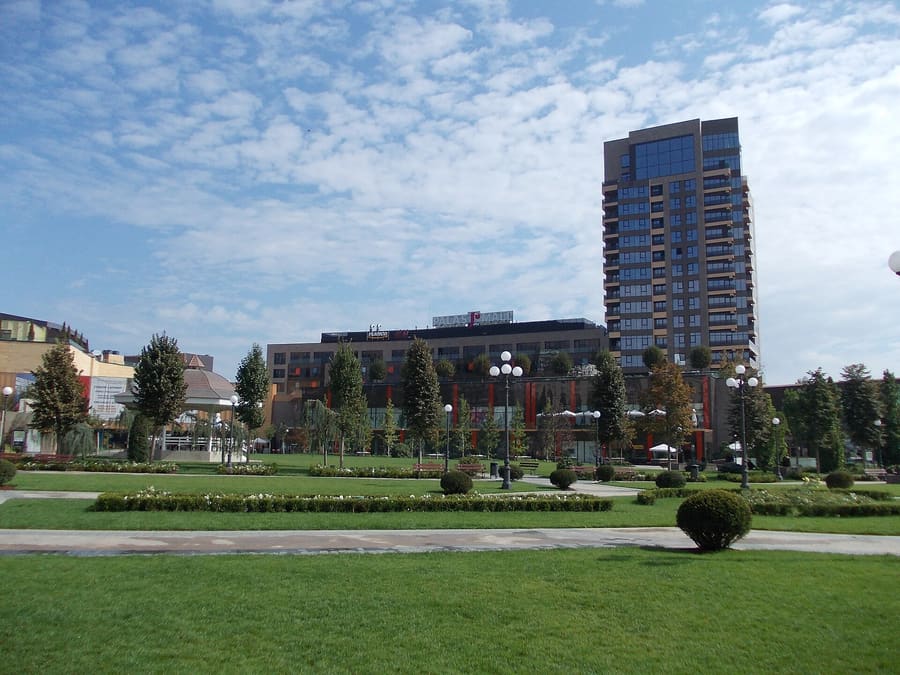
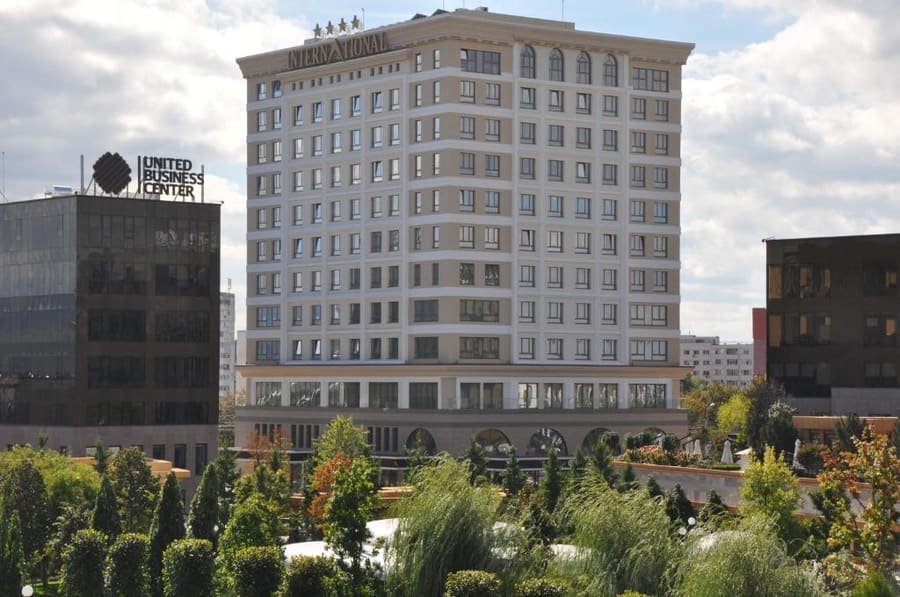
Palas — Modern commercial quarter featuring manicured gardens, open-air dining, and office towers.
Bogdan29roman · CC BY-SA 3.0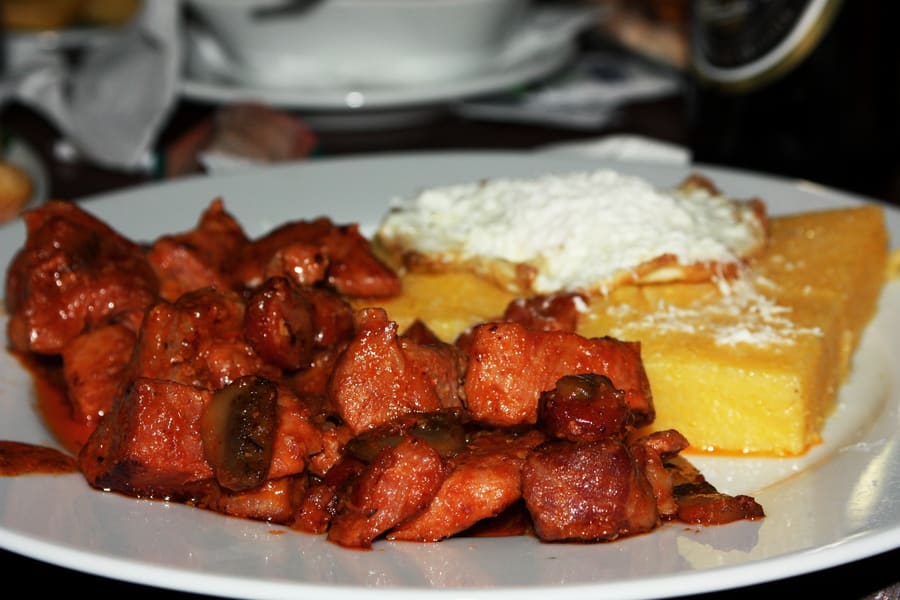
Tochitură moldovenească served with hot polenta, fried egg, and salted cheese.
Nicubunu · CC BY-SA 3.0highlights
landmark
Neo-Gothic complex housing four regional museums. One combo ticket grants access to all indoor exhibit halls.
Pregunta a Parley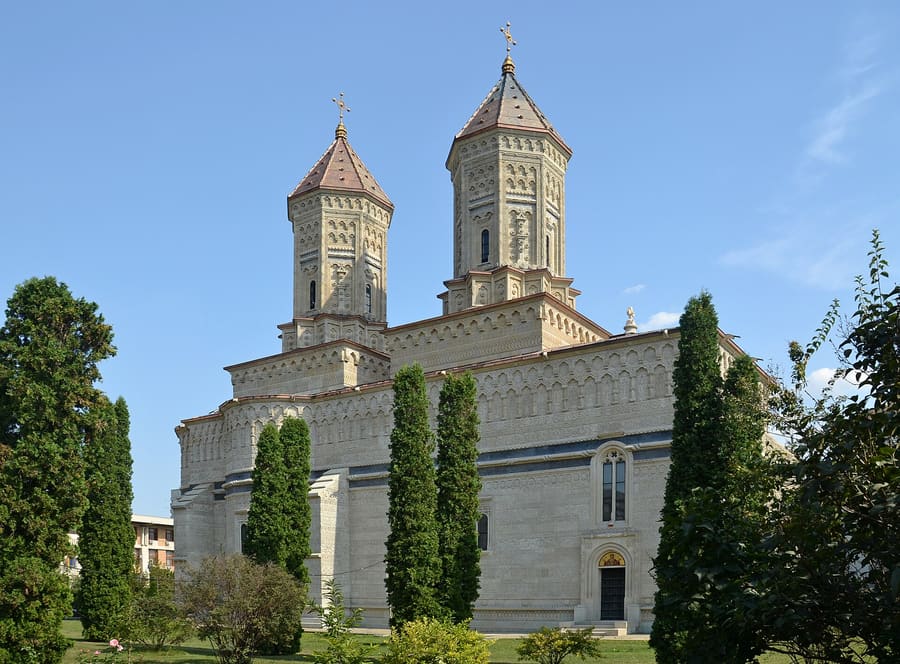
landmark
Seventeenth-century church covered in carved stone lace. Cover shoulders and knees before entering the nave.
Pregunta a Parley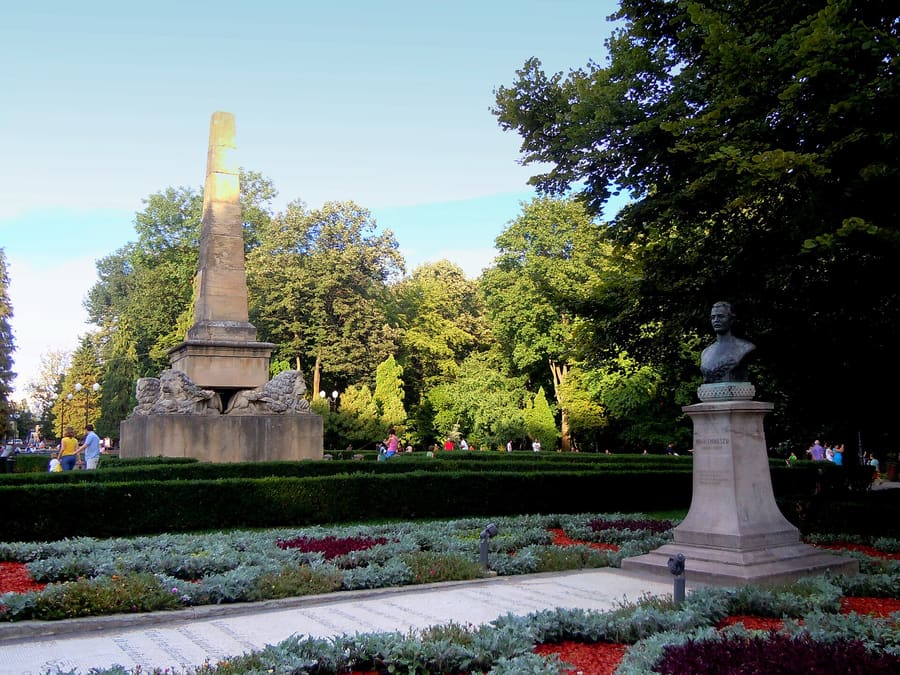
landmark
Oldest public park in Moldavia, home to Eminescu's 500-year-old linden tree. Benches fill quickly on sunny afternoons.
Pregunta a Parley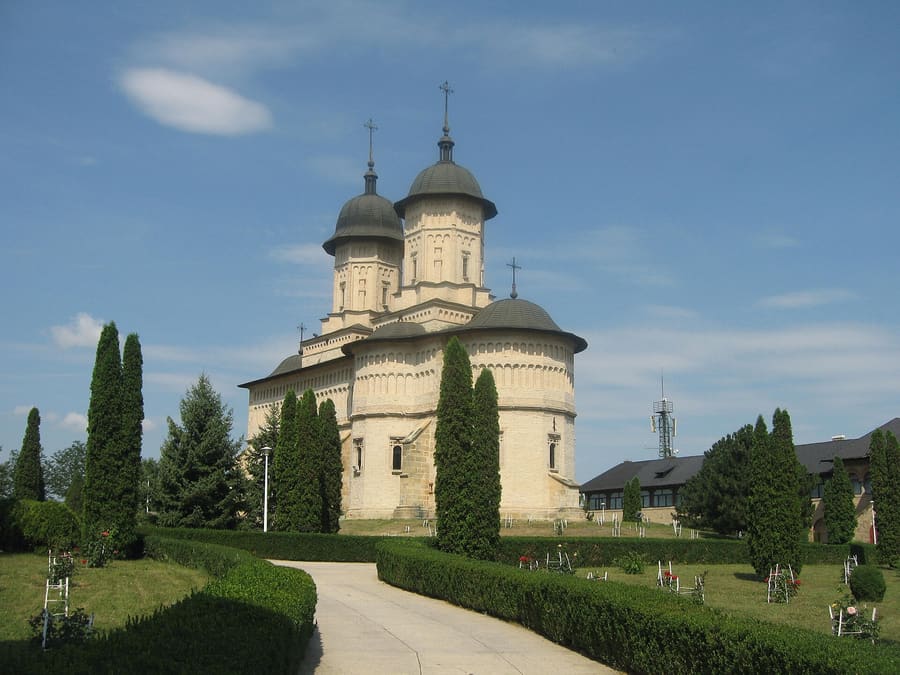
landmark
Hilltop fortified monastery offering clear views across the southern city. Take tram 9 to the base of the hill.
Pregunta a Parley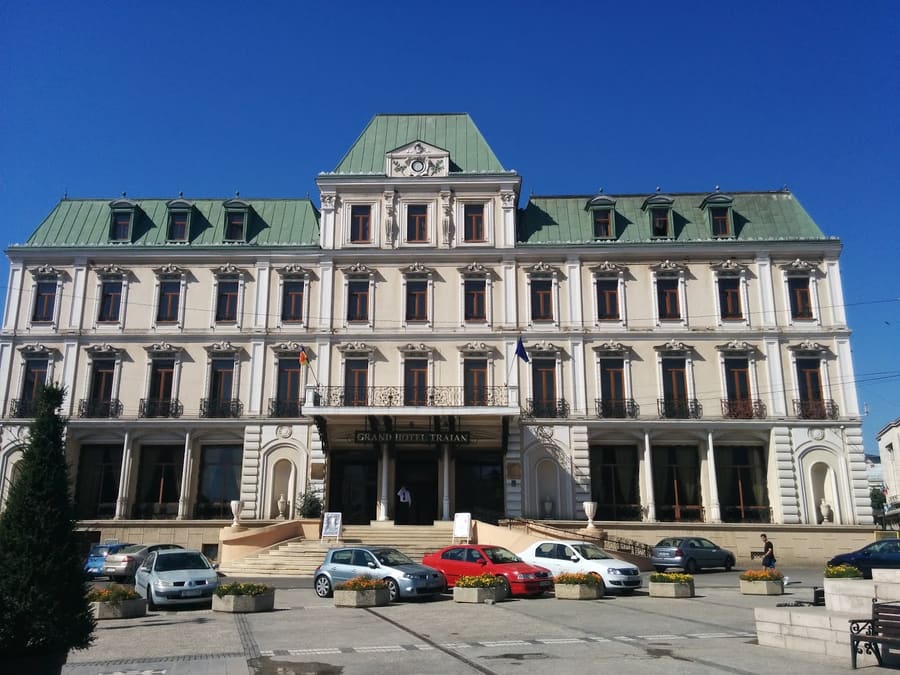
landmark
Central square lined with 19th-century hotels and trams. Connects direct to the main pedestrian artery.
Pregunta a Parleyattractions
areas
Broad stone pedestrian boulevard lined with grand churches, outdoor cafes, and civic buildings.
CercaPalace of Culture, Metropolitan Cathedral
Pregunta a ParleyLeafy academic avenue packed with university halls, historic parks, and quiet coffee shops.
CercaBotanical Garden, Copou Park
Pregunta a ParleyResidential district with mid-century blocks, local food markets, and Ciric park nearby.
CercaCiric Leisure Park, Tătărași Market
Pregunta a ParleyModern commercial quarter featuring manicured gardens, open-air dining, and office towers.
CercaPalace of Culture, Sfântul Andrei
Pregunta a Parleyfood
Dining in Iași focuses on regional Moldavian comfort foods served in generous portions. Garlic, sour cream, and cornmeal feature in most traditional main courses. You pay significantly less here than in Cluj or Bucharest for full sit-down meals.Local restaurants emphasize slow-cooked pork, regional cheeses, and sour soups called ciorbă. Moldavia excels at rich broths seasoned with fermented wheat bran or vinegar. Pair meals with local Cotnari white wines produced in the nearby hills.
Tochitură moldovenească served with hot polenta, fried egg, and salted cheese.
Nicubunu · CC BY-SA 3.0This staple dish combines pan-fried pork, sausage, polenta, a fried egg, and sharp sheep cheese.
Traditional places near Cuza University offer weekday daily specials (meniul zilei) for under 35 RON.
Contactless card payments work at all central restaurants and cafes. Keep small cash for bakeries.
history
Iași became the capital of Moldavia in 1564 when Prince Alexandru Lăpușneanu moved the court from Suceava. Its location provided weaker defense, as the Ottomans specifically required an unfortified, easily controlled capital in the plain, while fostering trade along eastern European routes.In 1860, the city established Romania's first university, solidifying its role as an intellectual hub. During World War I, Iași briefly served as Romania's national capital when southern territories fell under occupation.
Capital of Moldavia
Prince Alexandru Lăpușneanu transfers the Moldavian court to Iași.
Three Hierarchs Built
Prince Vasile Lupu constructs the monastery, introducing stone carving mastery.
First Romanian University
Alexandru Ioan Cuza University opens, launching Iași's academic profile.
Wartime Capital
Iași hosts the Romanian royal court and government during World War I.
Palace Completed
The Neo-Gothic Palace of Culture opens after two decades of construction.
where to stay
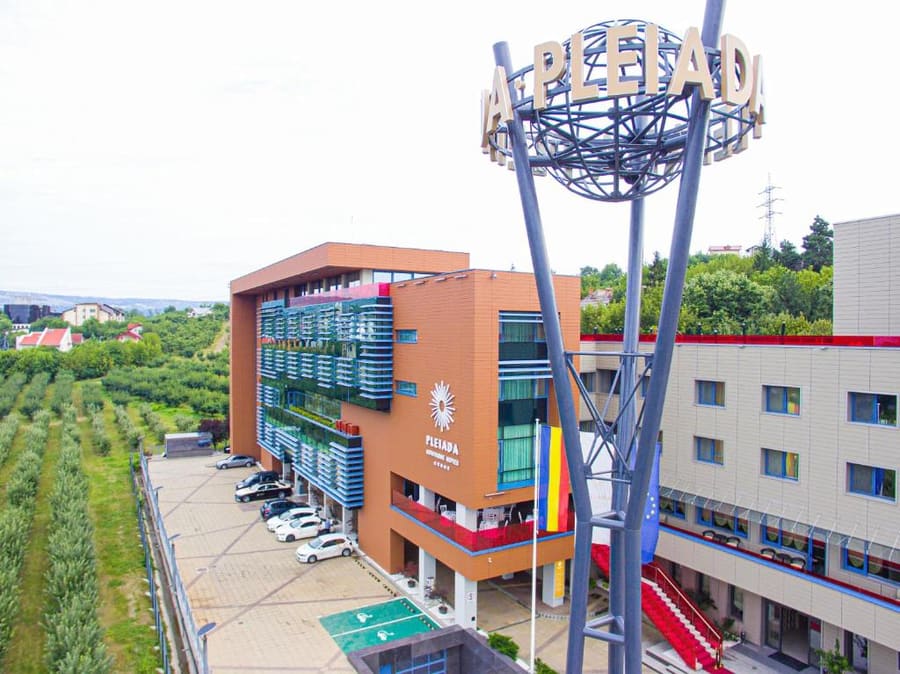
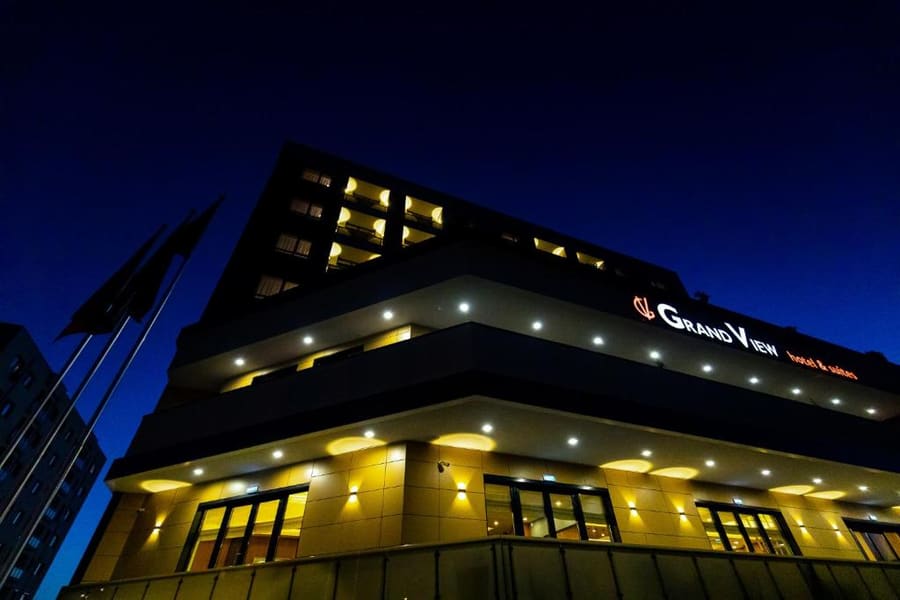
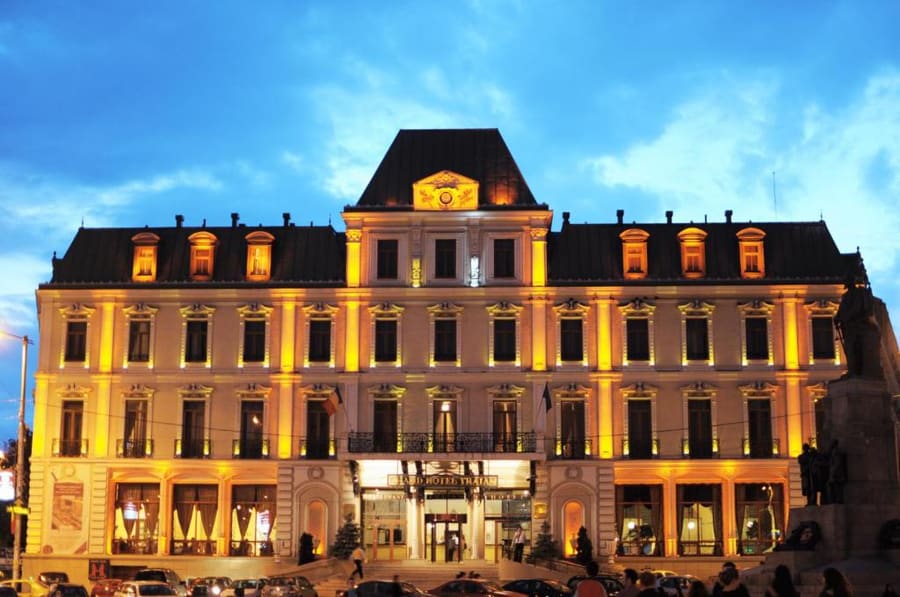
Choose your location based on elevation and mobility. Centru puts you within immediate walking distance of major monuments and the pedestrian zone. Copou offers quiet, tree-lined streets near parks, though it sits higher up the hill. Palas provides modern hotel buildings with immediate access to complex parking and modern dining options.
Live rates, matched to the areas above.
transport
Iași features an extensive tram and bus network managed by CTP Iași. Central sights along Ștefan cel Mare Boulevard are strictly pedestrianized. Trams move efficiently between the lower city, the train station, and Copou hill.
Desde Iași International Airport (IAS)
Use official airport taxi ranks or dispatch apps to prevent overcharging.
Uber and Bolt pick up in designated lanes outside the passenger terminal.
Buy a 24-hour pass for 12 RON at automated street kiosks for unlimited rides.
The route from Union Square down to the Palace of Culture is completely car-free.
Buses cross the Bahlui bridges slowly during 08:00–09:00 and 17:00–18:30 rush hours.
cost
Iași remains significantly cheaper than Western European destinations and larger Romanian cities. Currency is the Romanian Leu (RON). Major card networks are accepted universally, but small amounts of cash help in markets.
Specialty coffee shops in Copou charge standard rates across all espresso drinks.
Grants access to four distinct museum galleries inside the Palace of Culture.
Includes main meat courses, polenta sides, and local Moldavian wine.
seasonality
MAR – MAY
Mild temperatures around 18°C. Botanical gardens bloom fully in late April.
JUN – AUG
Hot days reaching 32°C. Students leave for summer, making the city quiet.
SEP – NOV
University restarts in October. The Saint Parascheva pilgrimage brings hundreds of thousands.
DEC – FEB
Freezing conditions with frequent snow. Outdoor exploration requires heavy winter gear.
practicalities
Around October 14, over 300,000 pilgrims visit the cathedral. Book hotels months ahead if travelling then.
Active Orthodox sites require covered shoulders and skirts or trousers below the knee.
Anastasie Fătu Botanical Garden covers 100 hectares. Wear walking shoes for dirt trails.
Euros are not accepted for cash transactions. Use ATMs to withdraw Romanian Lei (RON).
Walking between non-adjacent districts involves steep incline climbs. Use trams for uphill legs.