landmark
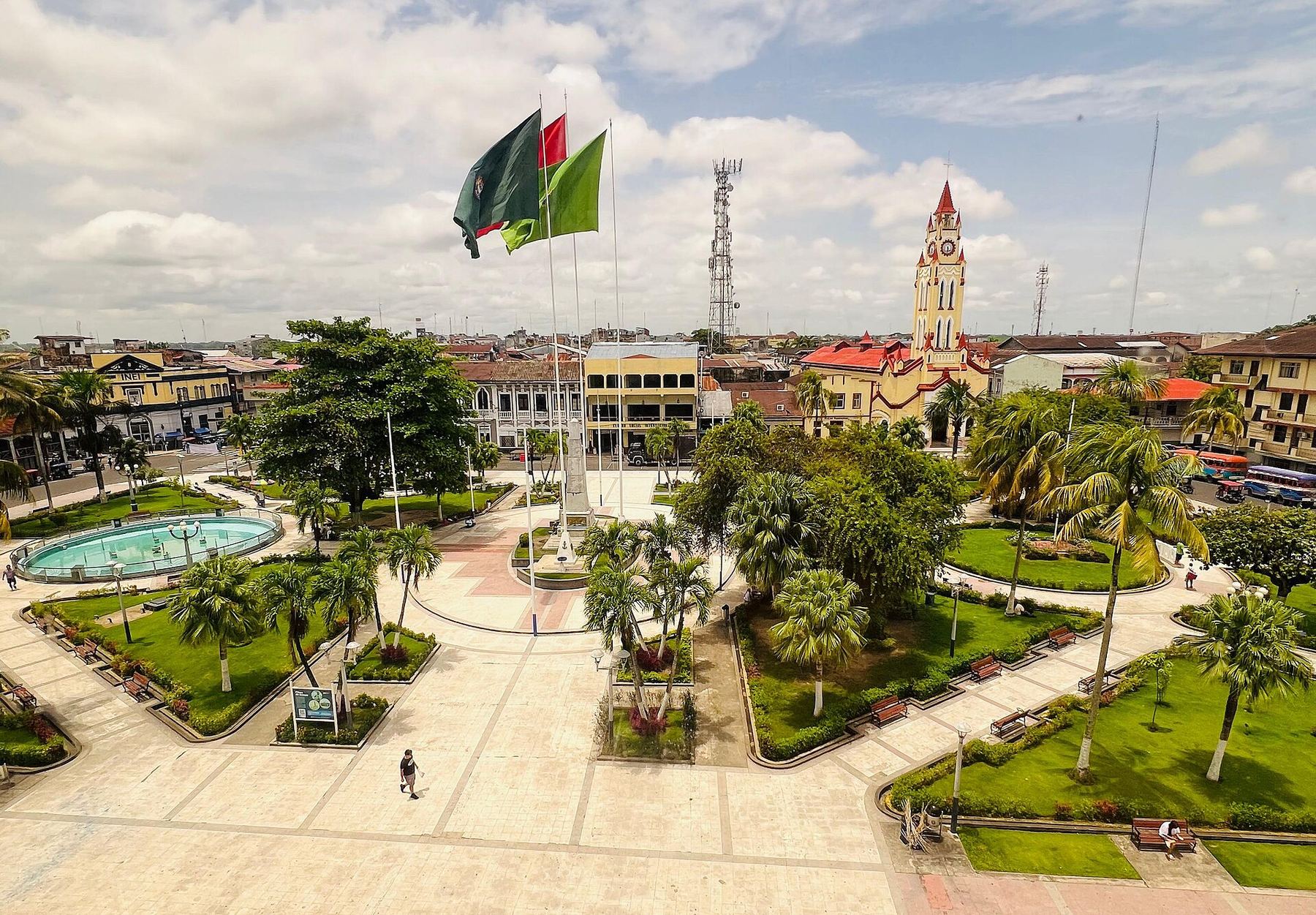
Malecón Tarapacá
This riverfront boardwalk features rubber-era mansions and river views. Visit at sunset when the heat dies down and food vendors set up.
Pregunta a ParleyPerú
The world's largest city reachable only by air or river.
introduction
Iquitos is the largest city in the world unreachable by road. Mototaxis dominate the asphalt, while boats handle movement on the surrounding Amazon and Itaya rivers. Expect oppressive heat, abrupt tropical downpours, and direct access to Amazon basin wildlife.
Arrival by air or river
No roads connect Iquitos to the rest of Peru. You arrive by flight at Coronel FAP Francisco Secada Vignetta International Airport or via multi-day riverboat.
Amazon river milestone
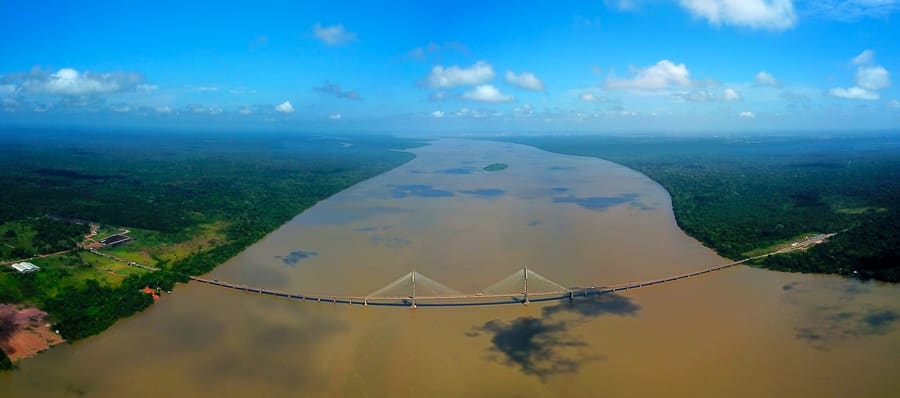
Iquitos sits at the confluence of the Itaya and Amazon rivers. It serves as the primary port for the Peruvian upper Amazon basin.
River level seasonality
High-water season runs from December to May, allowing boat access through flooded forests. Low-water season from June to November exposes river beaches.
Iquitos
Eduardo_Afonso_Cardoso_Mergulhao · CC BY-SA 3.0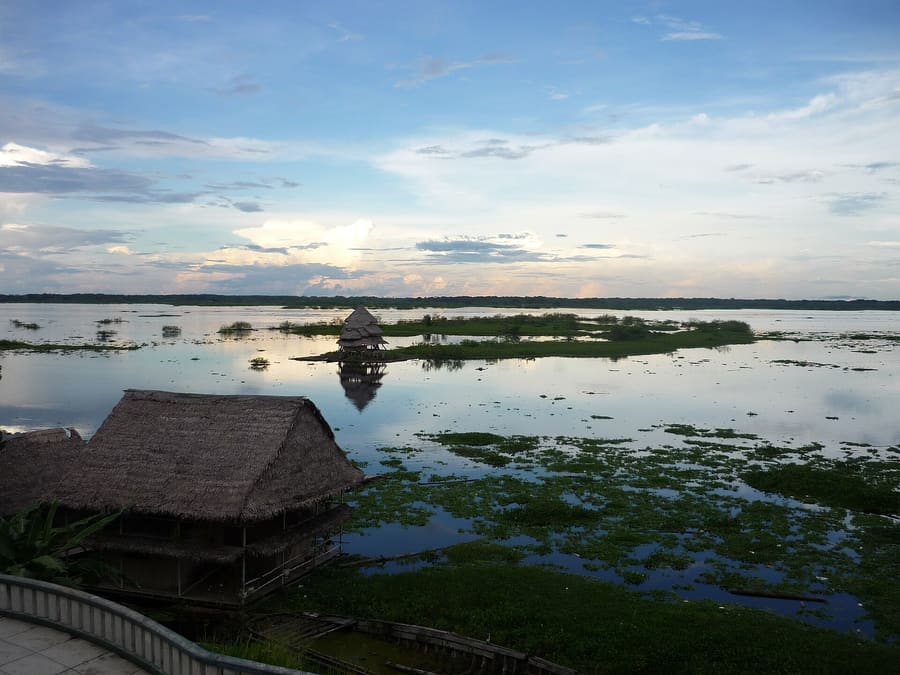
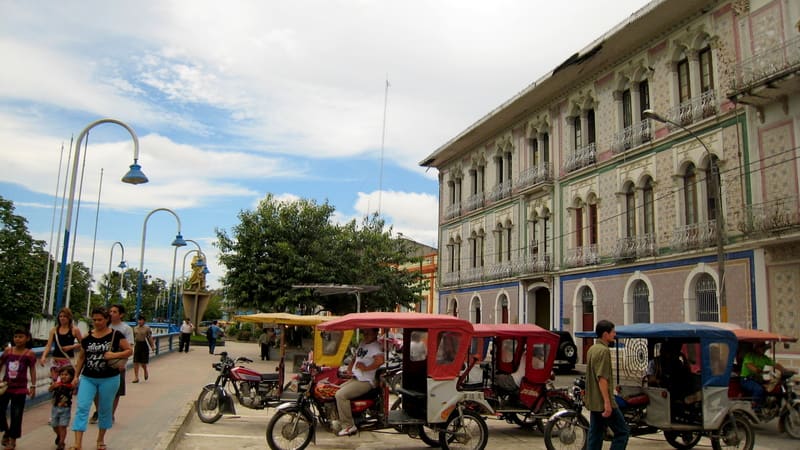
Centro Histórico — Colonial rubber-boom architecture meets noisy mototaxis around Plaza de Armas.
Gabymuaa · Public domain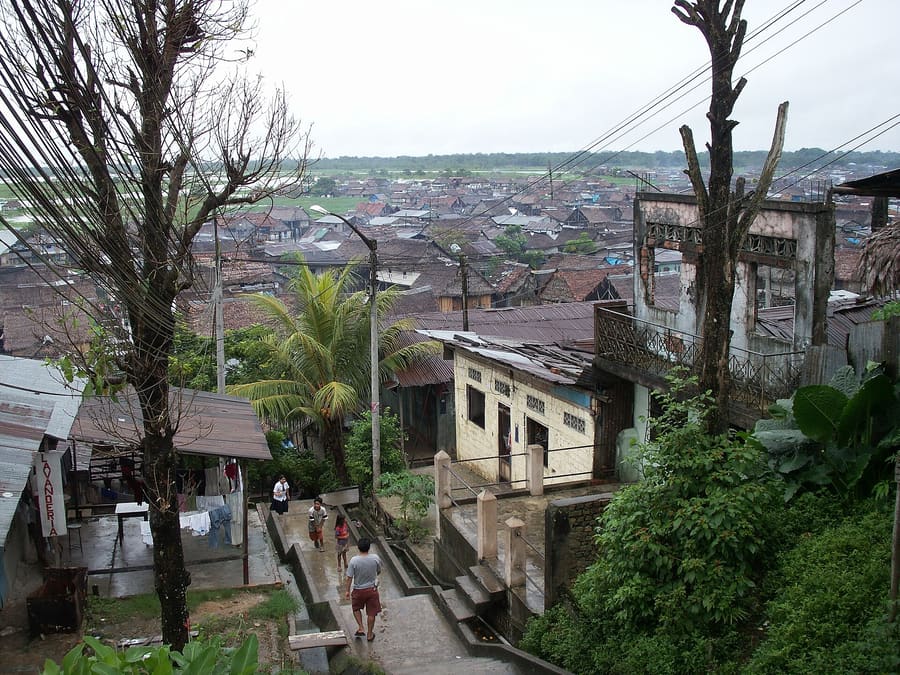
Belén — A dense market district transitioning into stilt houses and floating canoes on the river.
No machine-readable author provided. Ctrl303~commonswiki assumed (based on copyright claims). · Public domain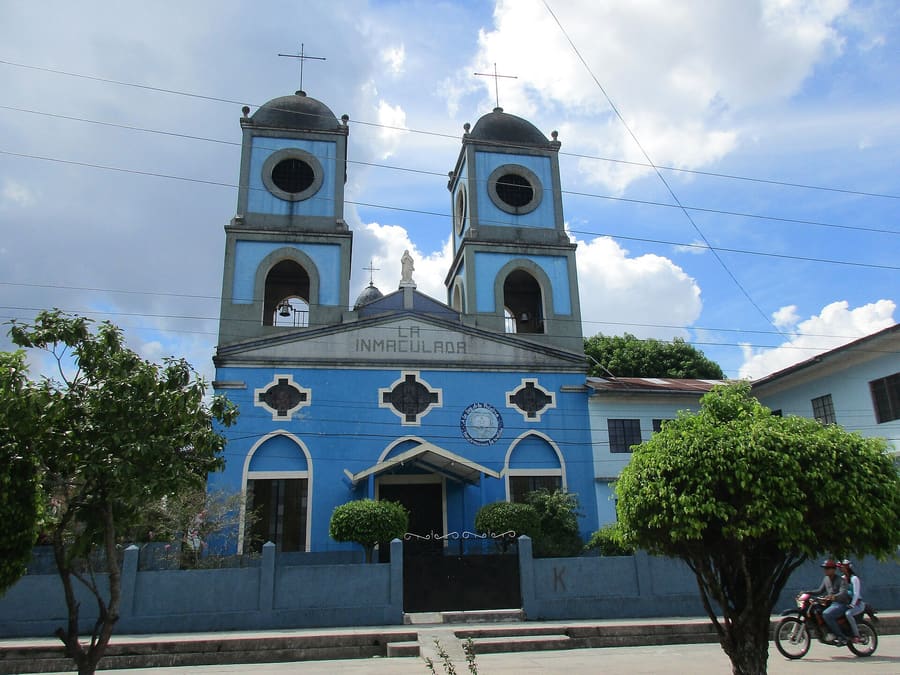
Punchana — Port district where cargo boats depart for Colombia, Brazil, and river communities.
GabrieldeLoreto · CC BY-SA 4.0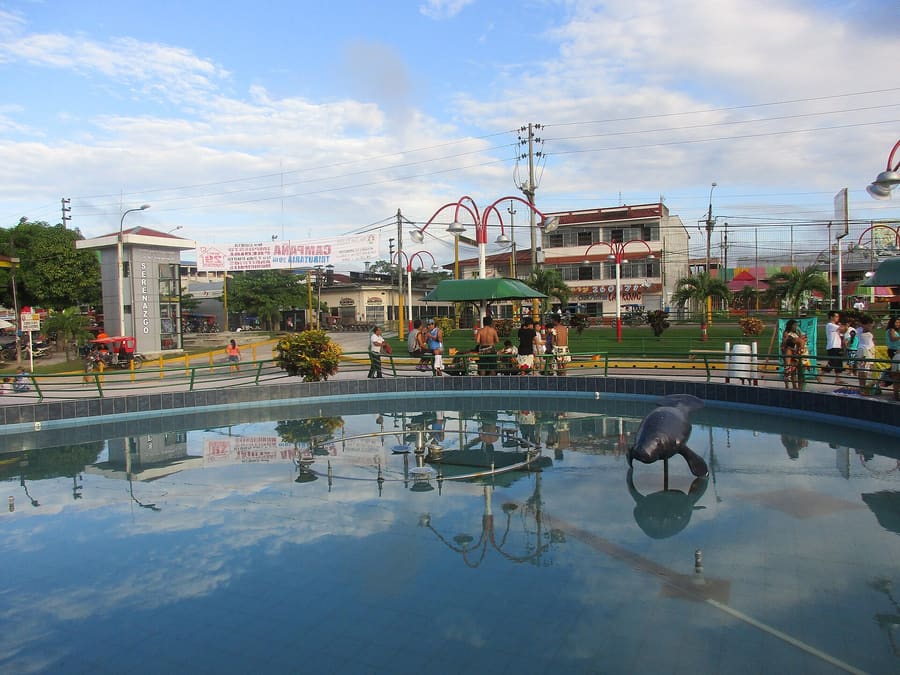
San Juan Bautista — Suburban district stretching along the highway toward the airport and nature reserves.
Bettyreategui · CC BY-SA 4.0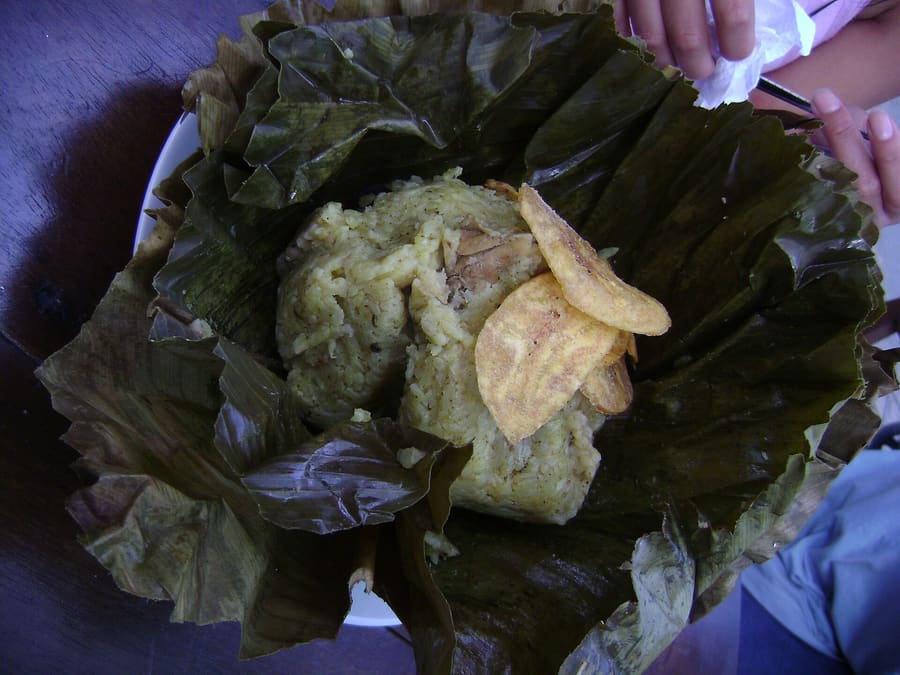
Juane: rice, chicken, and egg wrapped in bijao leaves, boiled for river travel.
Dtarazona · Public domainhighlights
landmark
This riverfront boardwalk features rubber-era mansions and river views. Visit at sunset when the heat dies down and food vendors set up.
Pregunta a Parley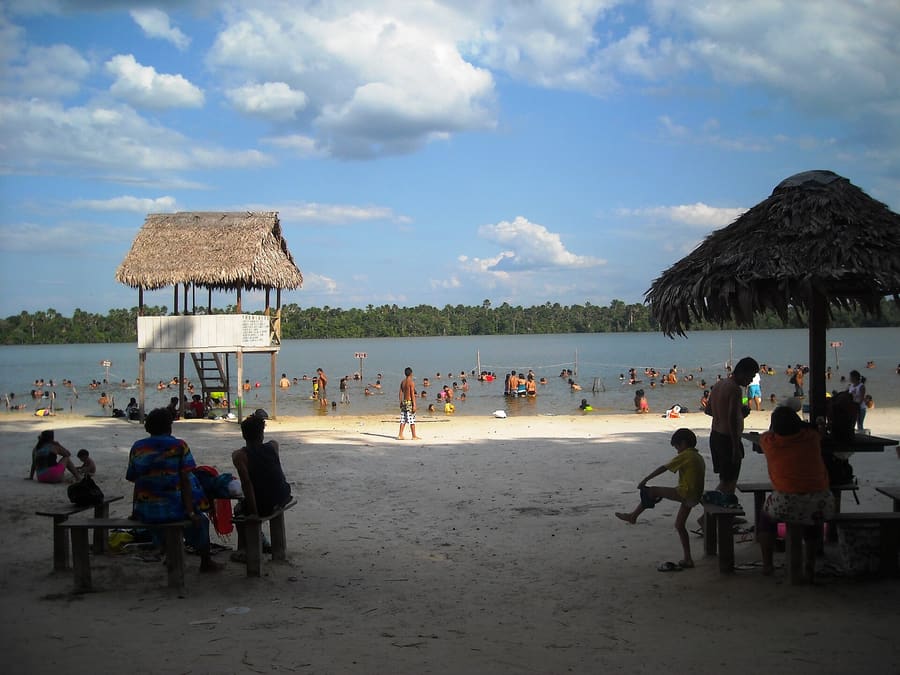
landmark
A lagoon complex with a white-sand freshwater beach and rescued local wildlife. Mototaxis reach the site in 30 minutes from downtown.
Pregunta a Parley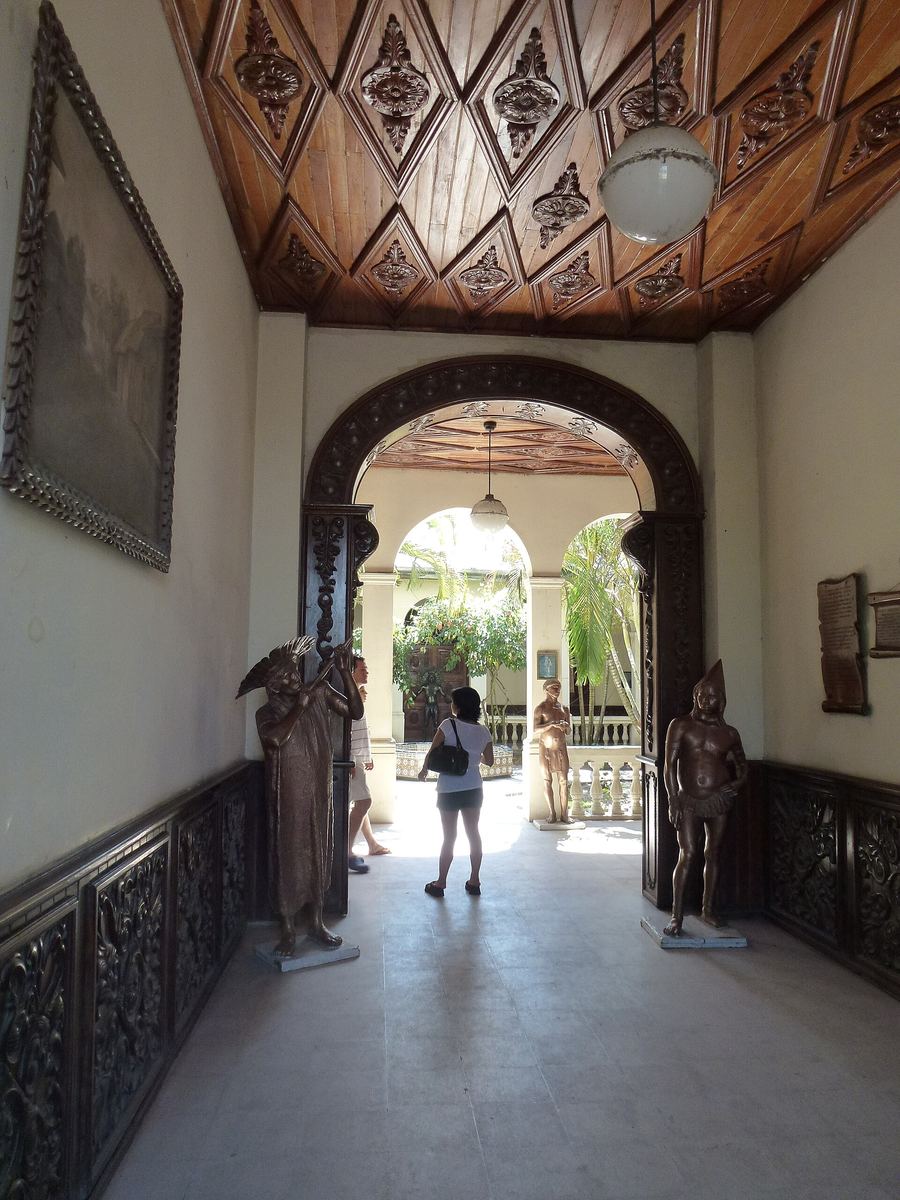
landmark
Exhibits detail the traditions, ceremonial feathercraft, and hunting tools of Amazonian ethnic groups. Cash is required for admission.
Pregunta a Parley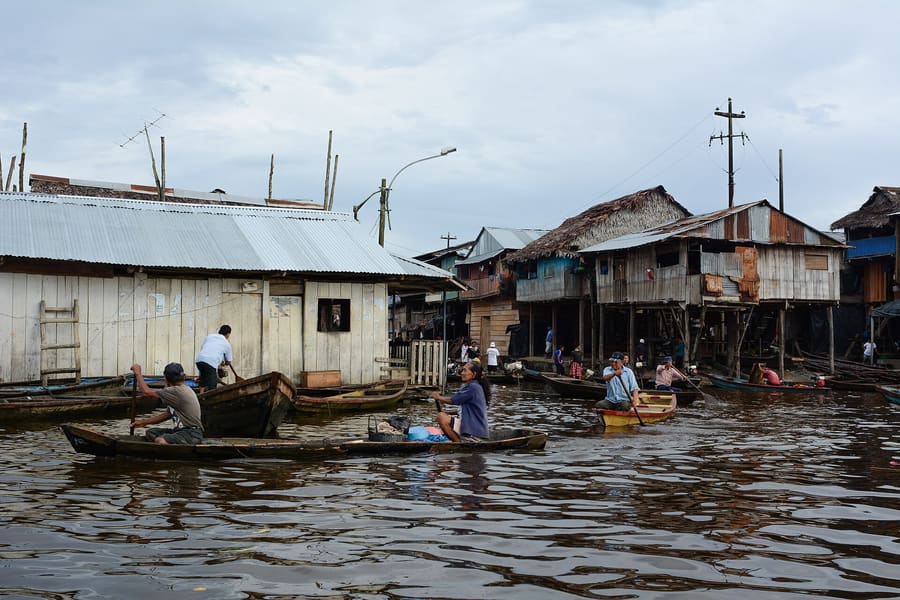
landmark
A district built on stilts over the Itaya River. Hire a local canoe guide at the waterfront to navigate the flooded streets safely.
Pregunta a Parleyattractions
areas
Colonial rubber-boom architecture meets noisy mototaxis around Plaza de Armas.
CercaPlaza de Armas and Malecón Tarapacá
Pregunta a ParleyA dense market district transitioning into stilt houses and floating canoes on the river.
CercaPasaje Paquito and Itaya River docks
Pregunta a ParleyPort district where cargo boats depart for Colombia, Brazil, and river communities.
CercaBellavista Nanay port
Pregunta a ParleySuburban district stretching along the highway toward the airport and nature reserves.
CercaAirport and Quistococha Tourist Complex
Pregunta a Parleyfood
Iquitos cuisine relies on river fish, jungle fruits, and lowland spices. You eat seasoned rice packages cooked inside wild leaves, smoke-cured pork, and grilled catfish. Local fruit juices like camu camu and cocona provide relief from the heat.
Juane: rice, chicken, and egg wrapped in bijao leaves, boiled for river travel.
Dtarazona · Public domainSeasoned rice with chicken wrapped in bijao leaves, boiled for portable eating.
Fresh river fish wrapped in heliconia leaves and grilled over wood embers.
Mashed green plantain balls served with smoked jungle pork strips.
Eat grilled suri grubs and fresh fish at riverbank food stalls in Punchana before noon.
history
Iquitos expanded from an indigenous fishing settlement into Peru's eastern outpost on the Amazon. The global demand for wild rubber in the late nineteenth century transformed the city into an opulent boomtown fed by European imports and enforced labor. When rubber seeds were smuggled to Asia, the economy collapsed, leaving behind grand tiled mansions in the jungle.
Naval Base Founded
Peruvian President Ramón Castilla establishes the river navy port, creating modern Iquitos.
Rubber Boom Peak
Massive wealth flows into the city, funding iron structures and imported European tile facades.
Rubber Market Collapse
Plantation rubber from Southeast Asia undercuts Amazonian wild rubber, crashing the local economy.
Oil Discovery
Petroleum discoveries in the northern Loreto region ignite a new industrial economic phase.
where to stay
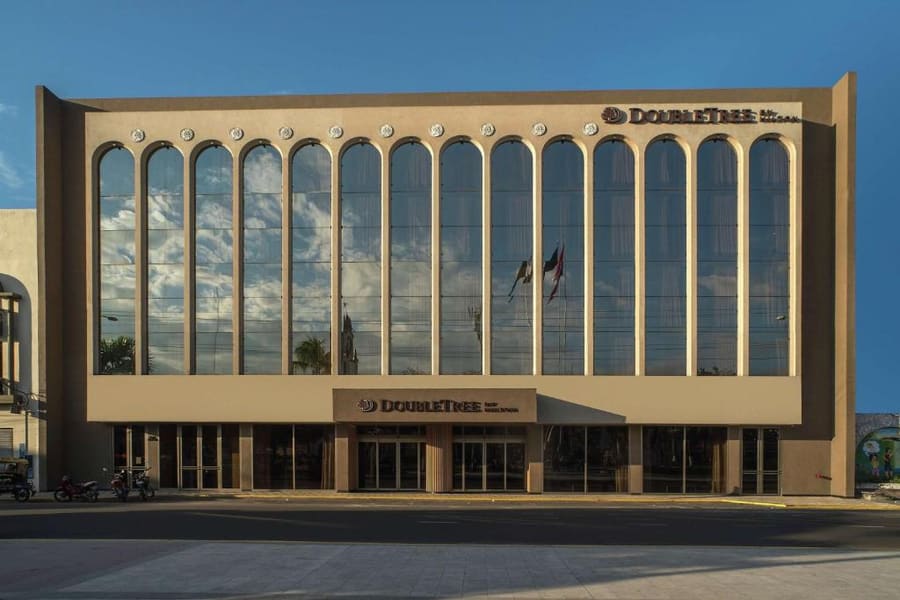
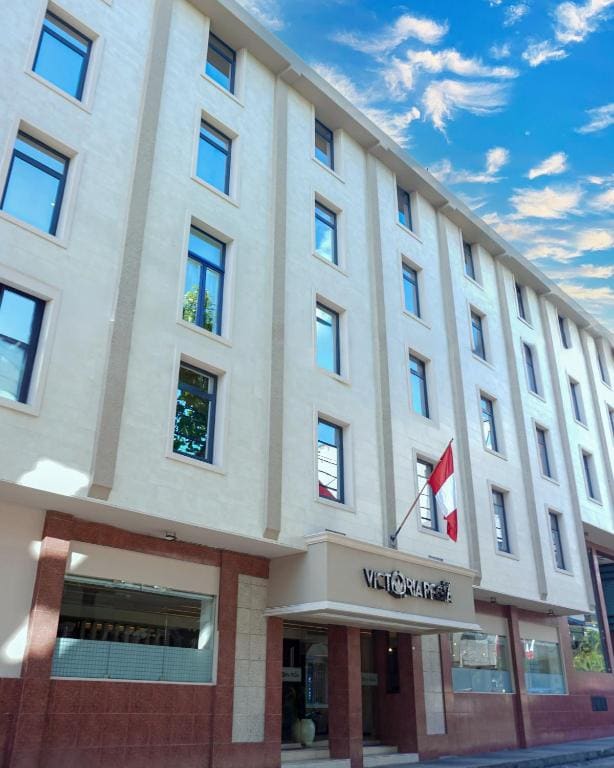
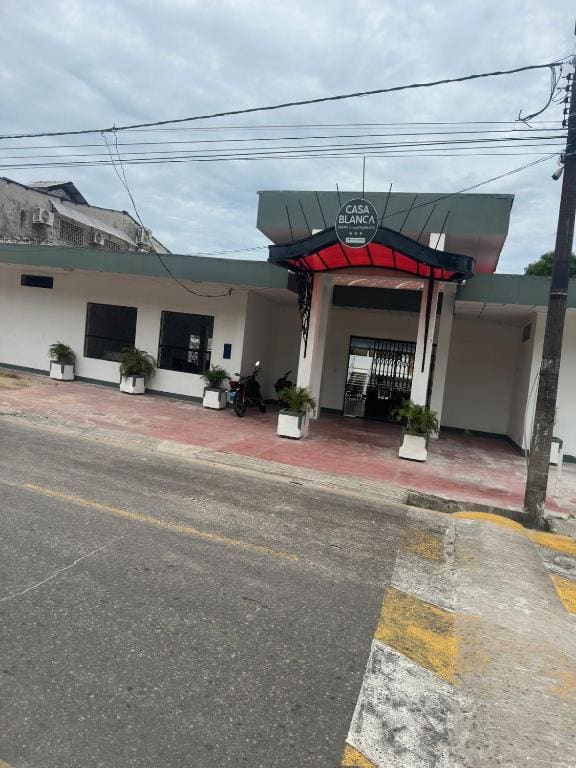
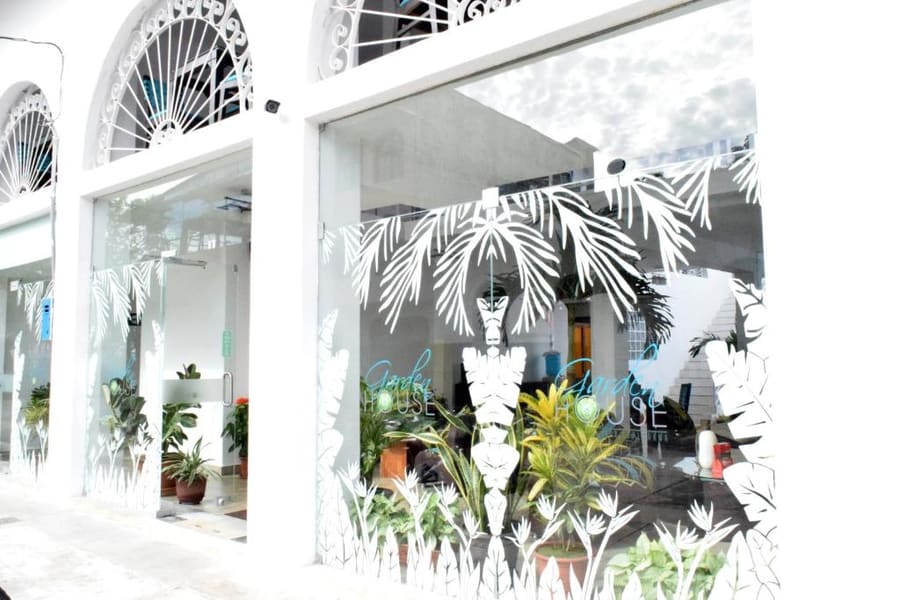
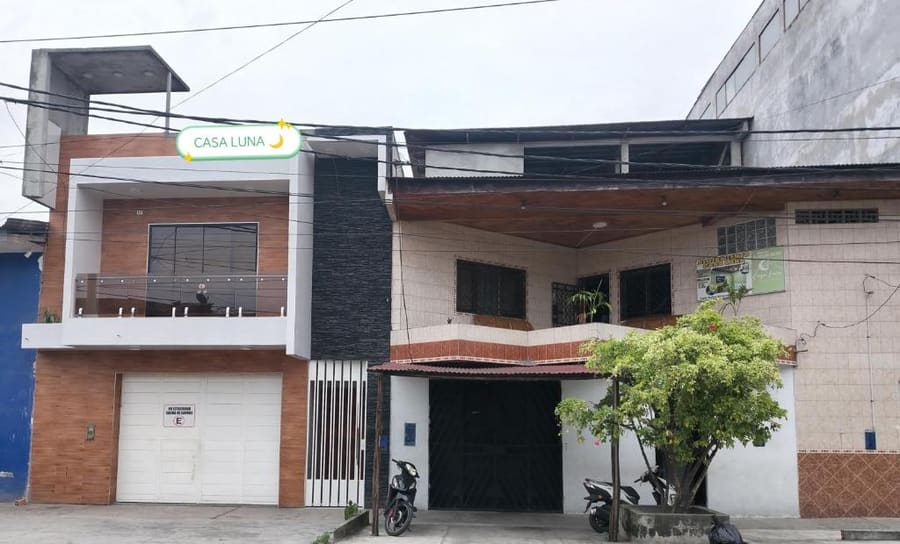
Choose your location based on your noise tolerance and river access. The Plaza de Armas puts you steps from restaurants and boat departure docks, but evening mototaxis run constantly. Lodges downriver offer forest quiet but require scheduled boat transport for every trip into town.
Live rates, matched to the areas above.
transport
No highways enter Iquitos. Within the city, three-wheeled mototaxis handle almost all short trips. Wooden motorboats handle river routes from municipal docks.
Desde IQT
Air-conditioned car cabs wait outside the terminal exit.
Public buses run along Avenida Quiñones to downtown.
Three-wheeled mototaxis carry most city traffic. Negotiate the fare before sitting down.
Drivers cannot break large bills. Carry coins and small S/ 10 or S/ 20 notes for all rides.
Mototaxis operate around the clock in the center. Fares increase by S/ 2 to S/ 5 after midnight.
Wooden motorboats connect riverfront communities. Board at Bellavista Nanay port for northern routes.
cost
Prices in Iquitos reflect its island-like isolation. Air-freighted goods carry a premium, while local river fish, fruits, and mototaxi rides remain affordable.
Standard price for a leaf-wrapped rice package at Belén Market.
Covers standard trips within the central city grid.
Includes river fish entrees and local fruit drinks in downtown venues.
Standard passenger fare across the Itaya River to Belén stilt neighborhood.
seasonality
DEC – MAY
High-water season flooding rivers. Boats access deep forest trails, but rain showers occur daily.
JUN – AUG
Water levels recede rapidly. River beaches emerge and walking trails open up under clearer skies.
SEP – NOV
Low-water season peak. Navigating narrow tributaries becomes difficult, but wildlife concentrates near main rivers.
practicalities
Carry your International Certificate of Vaccination if travelling into deep forest reserves.
Apply DEET-based spray before heading onto the river or into market areas.
Plaza de Armas has reliable ATMs. Cash access grows scarce outside downtown.
Tropical downpours strike with little warning. Carry a dry bag for electronics.
Never drink untreated tap water. Stick to bottled or boiled purified water everywhere.