landmark
Bikan Historical Quarter
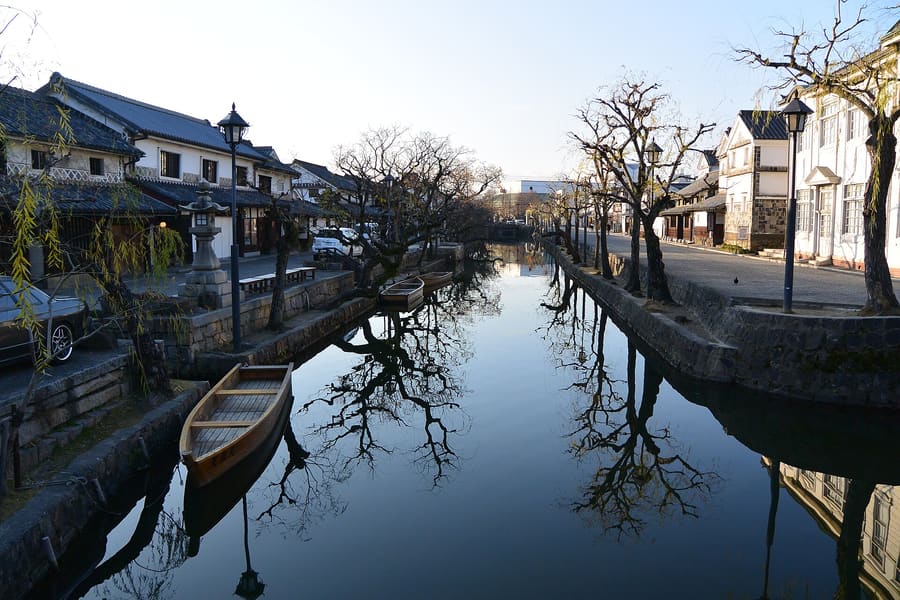
Edo-period storehouses line willow-shaded canals. Buy flatboat tickets early at the tourist office for 500 yen.
Pregunta a ParleyJapón
Merchant canals, black-tile storehouses, and Japanese denim.
introduction
Kurashiki is a compact canal town in Okayama Prefecture built around preserved 17th-century rice warehouses. You move through its historic center entirely on foot along stone bridges and narrow alleys. Expect heavy daytime tour groups between 10:00 and 16:00, followed by dark, empty streets after sunset. The city balances Edo merchant heritage with a modern legacy of Japanese denim production.
Shin-Kurashiki vs Kurashiki Station
Shinkansen trains land at Shin-Kurashiki Station. Board a local Sanyo Line train for nine minutes to reach central Kurashiki Station where the canals sit.
Japan's First Western Art Museum
Ohara Museum of Art opened in 1930 as Japan's first private museum devoted to Western art. It holds masterworks by El Greco, Gauguin, and Monet.
Timing canal boat tickets
Canal boat tickets sell out at the tourist office by 10:00 on spring weekends. Arrive at 09:00 when sales open to secure a timed slot.
Kurashiki
Hideyuki KAMON from Takarazuka / 宝塚市, Hyogo / 兵庫県, Japan / 日本 · CC BY-SA 2.0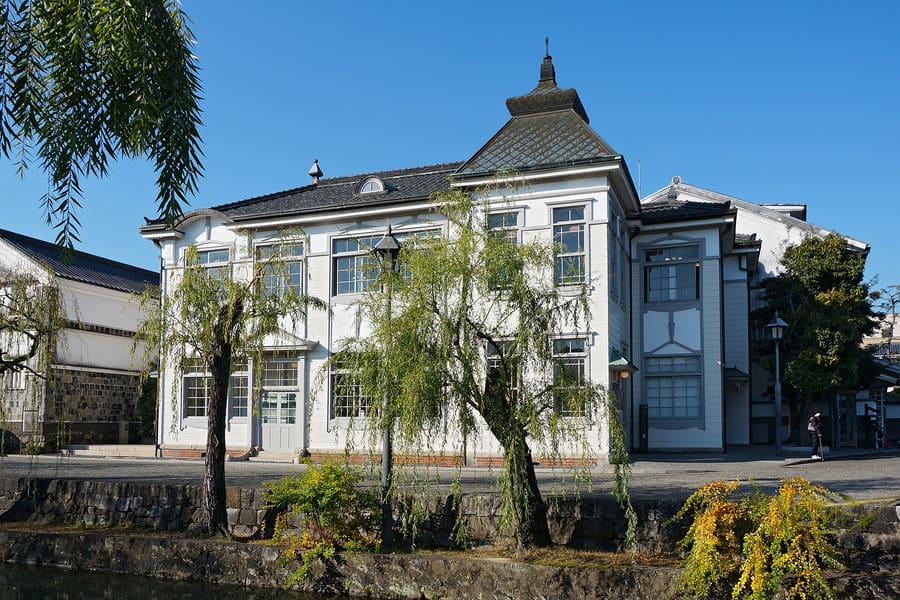
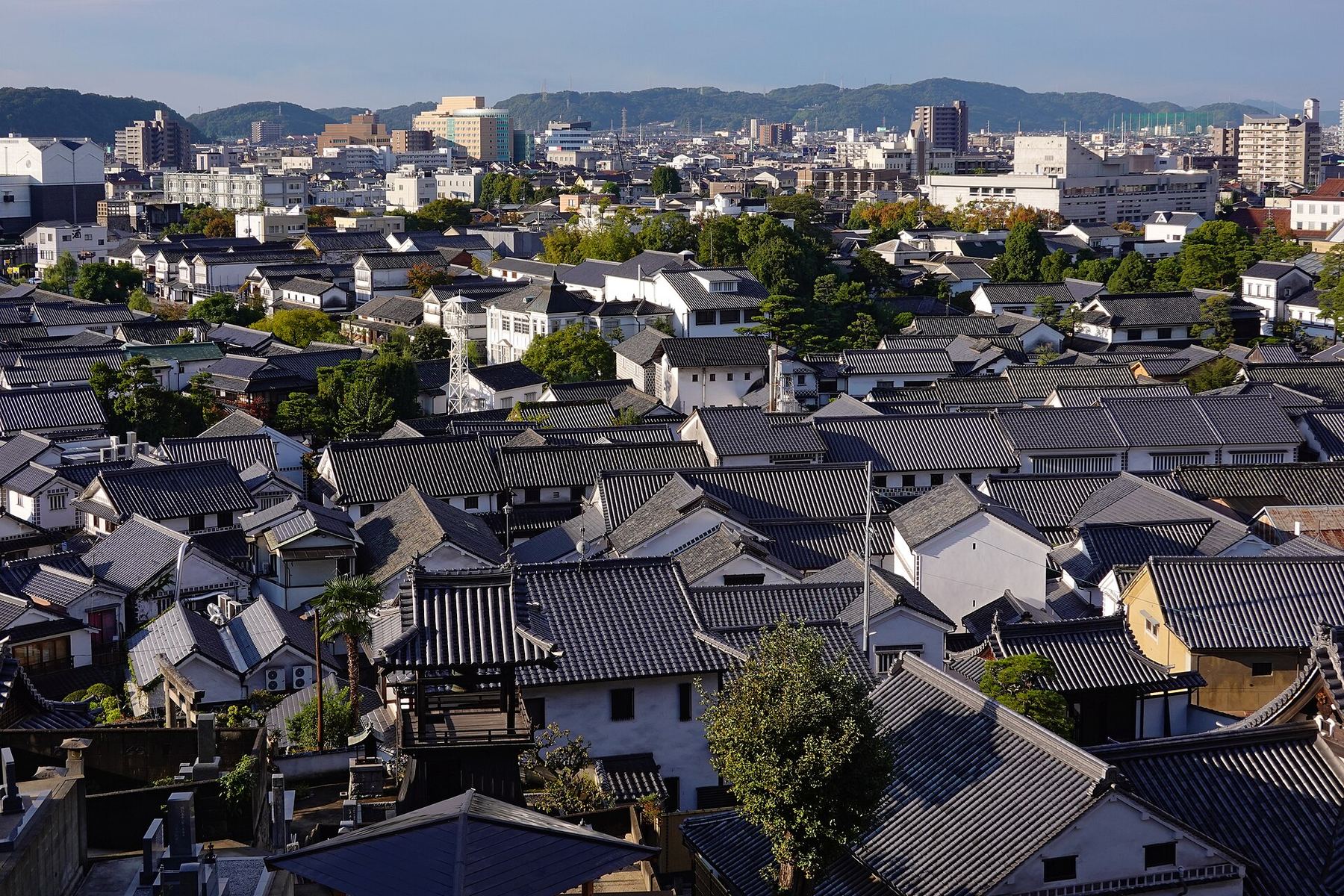
Bikan Canal District — Pedestrian stone bridges, Edo warehouse architecture, and quiet canal alleyways.
663highland · CC BY-SA 4.0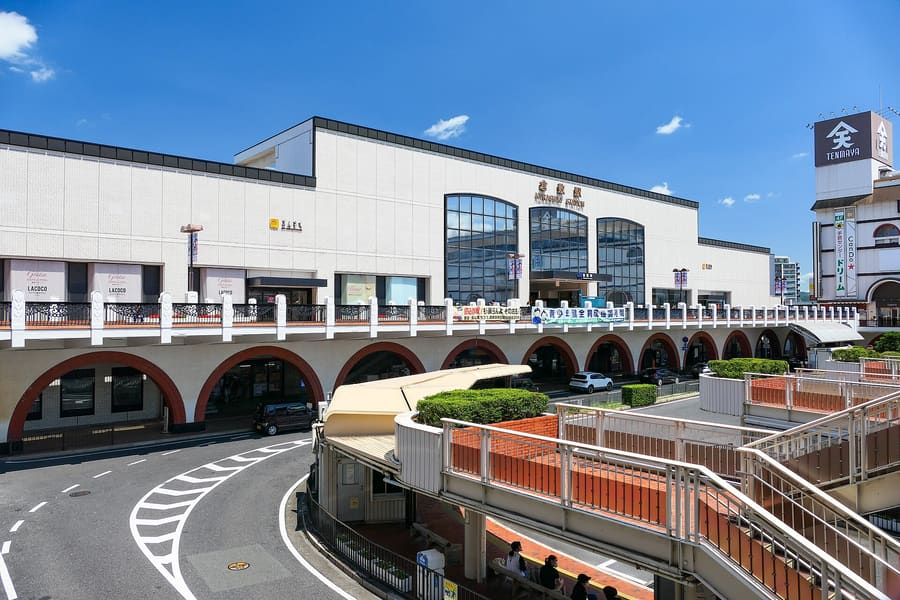
Kurashiki Station & North — Modern transit hub with shopping malls, business hotels, and direct rail access.
MaedaAkihiko · CC BY-SA 4.0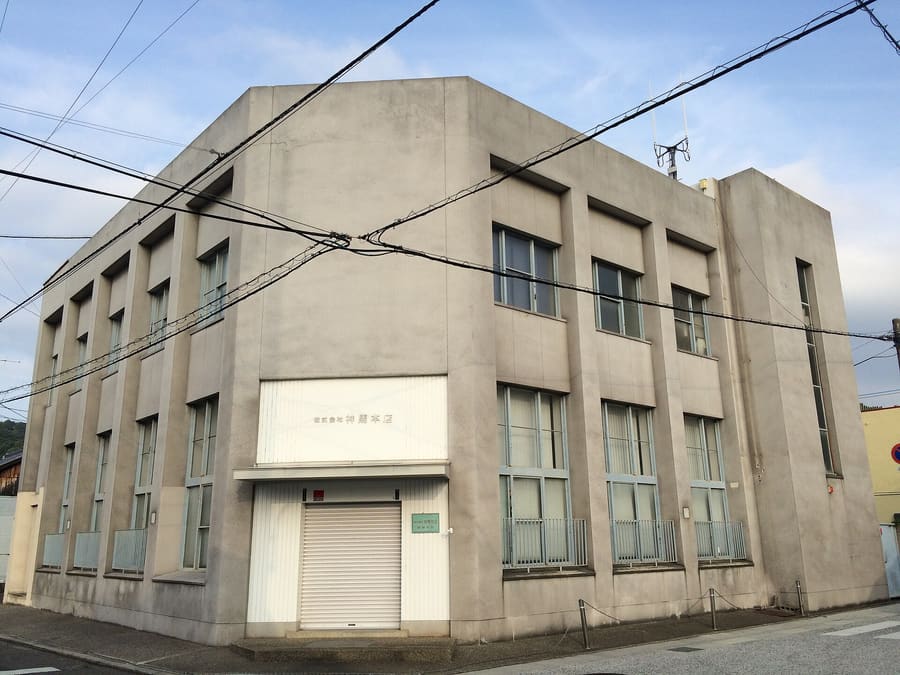
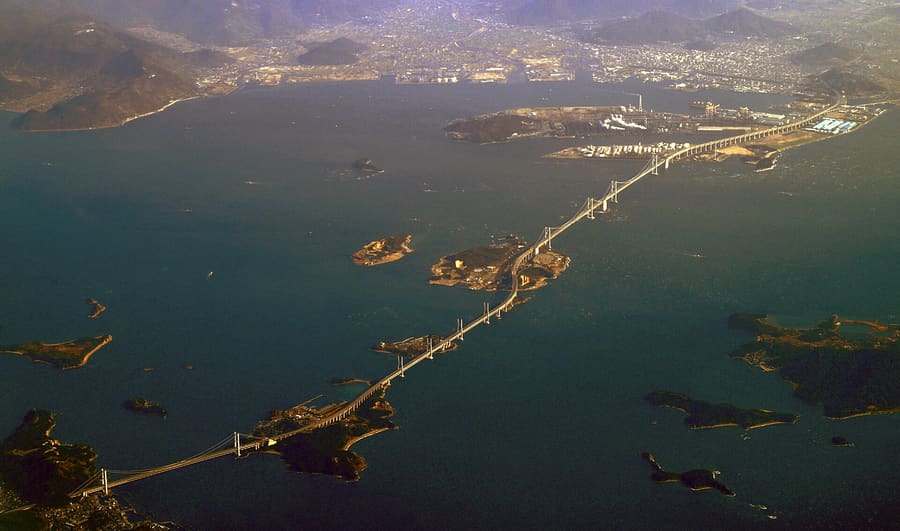
Kojima District — Coastal textile neighborhood famous for raw selvedge denim workshops and bridge views.
ラハール · CC BY-SA 4.0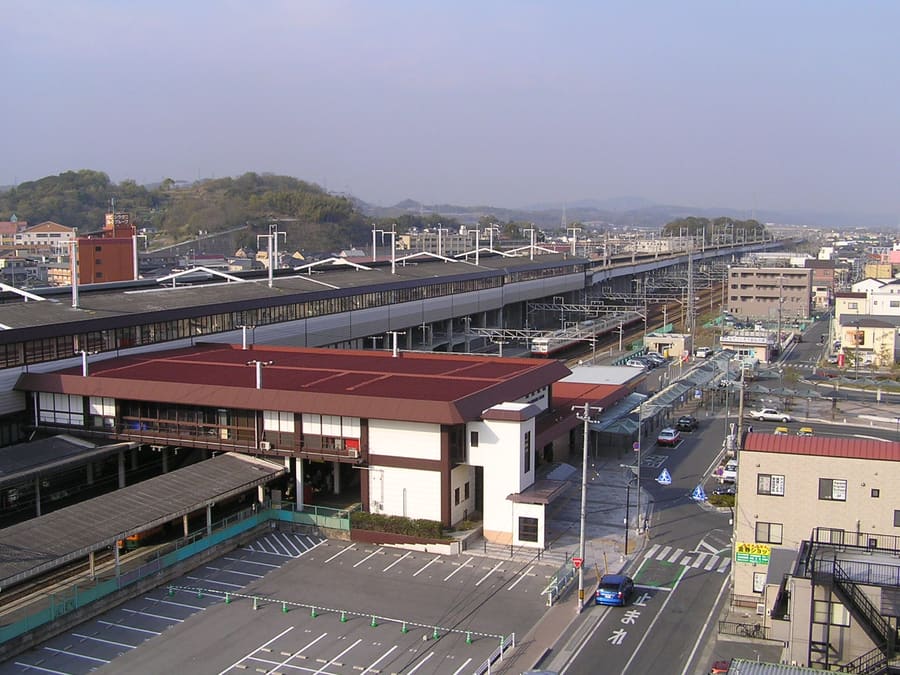
Tamashima District — Showa-era port district with narrow canal streets, old sake breweries, and zero tourist crowds.
tatushin · Public domain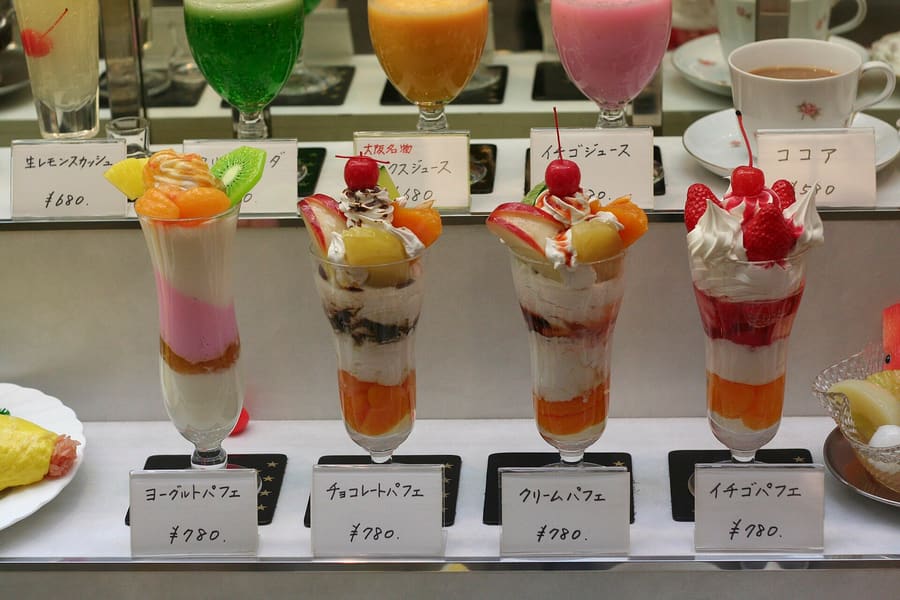
Seasonal fruit parfaits showcase Okayama white peaches and Muscat grapes.
pinguino · CC BY 2.0highlights
landmark
Edo-period storehouses line willow-shaded canals. Buy flatboat tickets early at the tourist office for 500 yen.
Pregunta a Parley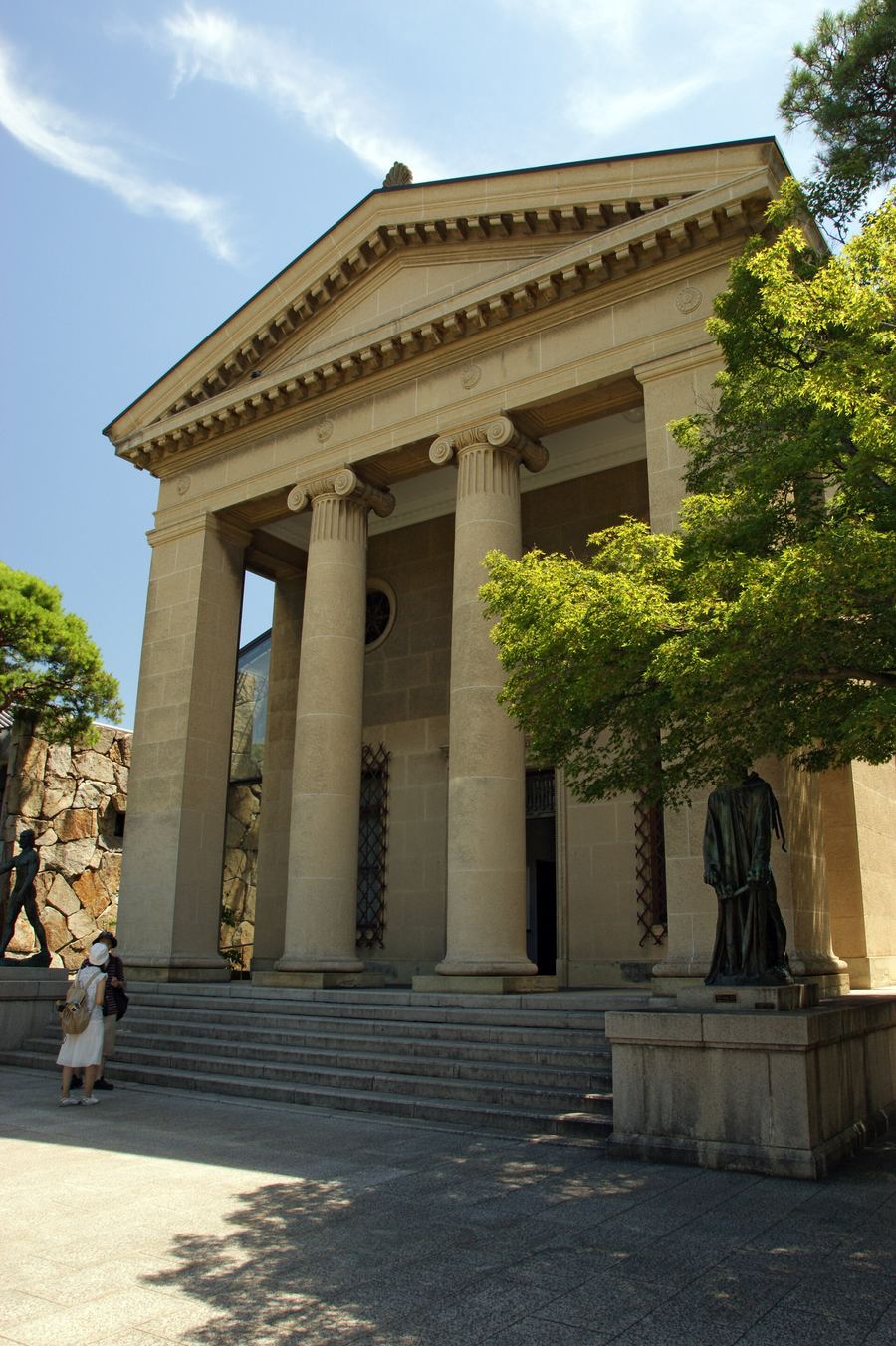
landmark
Houses El Greco's Annunciation and Monet's Water Lilies. Arrive at opening to avoid tour groups from Okayama.
Pregunta a Parley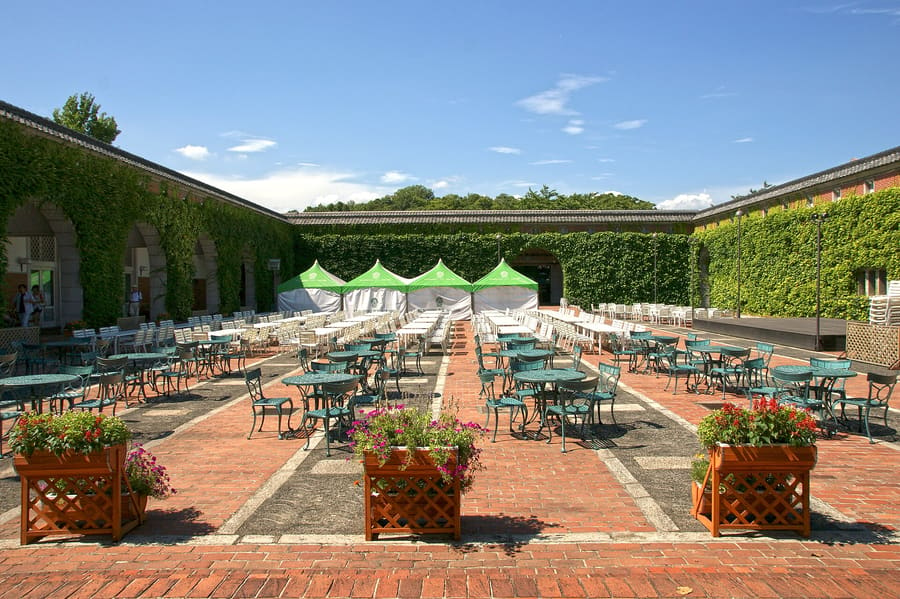
landmark
A 1889 red-brick cotton mill converted into workshops and hotel grounds. Free entry to the open courtyard.
Pregunta a Parley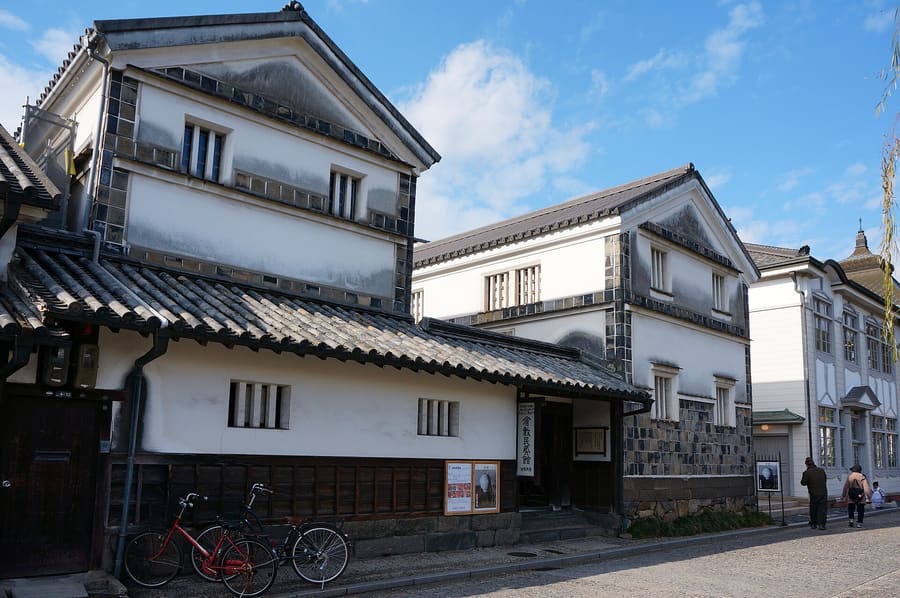
landmark
Housed in four connected rice granaries from the late Edo period. Displays 15,000 regional ceramic and woven items.
Pregunta a Parleyattractions
areas
Pedestrian stone bridges, Edo warehouse architecture, and quiet canal alleyways.
CercaOhara Museum of Art and Achi Shrine.
Pregunta a ParleyModern transit hub with shopping malls, business hotels, and direct rail access.
CercaArio shopping mall and Mitsui Outlet Park.
Pregunta a ParleyCoastal textile neighborhood famous for raw selvedge denim workshops and bridge views.
CercaWashuzan Hill and the Seto-Ohashi Bridge.
Pregunta a ParleyShowa-era port district with narrow canal streets, old sake breweries, and zero tourist crowds.
CercaShin-Kurashiki Station.
Pregunta a Parleyfood
Seasonal fruit parfaits showcase Okayama white peaches and Muscat grapes.
pinguino · CC BY 2.0Canal restaurants close early. Book evening tables by 17:00, as most kitchens close orders by 20:00.
White peaches peak from July through August; Muscat of Alexandria grapes fill parfait menus through October.
history
Kurashiki grew as an Edo-period port for collecting and distributing rice taxes sent to the Tokugawa shogunate. Its name translates to 'town of storehouses', referencing the thick white-walled granaries built along the canal. When rail transport replaced river trade in the late 19th century, local entrepreneurs converted the town into a textile manufacturing center. In 1930, industrialist Magosaburo Ohara built Japan's first Western art museum here, cementing Kurashiki as a cultural refuge.
Shogunal Port
The Tokugawa shogunate places Kurashiki under direct control as an official rice collection port.
Kurashiki Spinning
Kurashiki Spinning Works opens its red-brick factory, launching the region's industrial textile era.
Ohara Museum Opens
Magosaburo Ohara establishes Japan's first private Western art museum to display Torajiro Kojima's European acquisitions.
Domestic Denim Birth
Maruo Clothing in Kojima produces the first pair of Japanese-made jeans, sparking a specialized denim hub.
Ivy Square Adaptive Reuse
The 1889 cotton factory reopens as Kurashiki Ivy Square, pioneering industrial heritage preservation in Japan.
where to stay
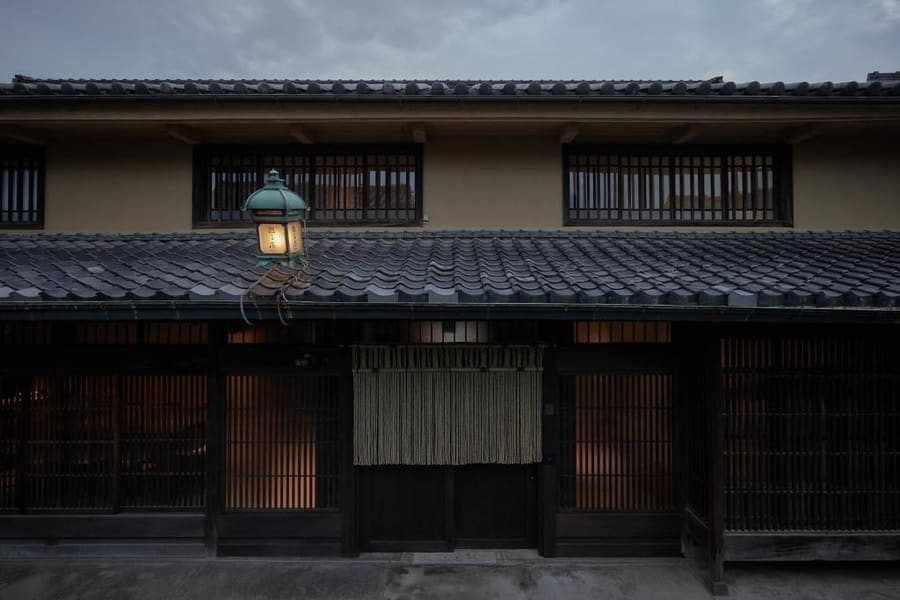
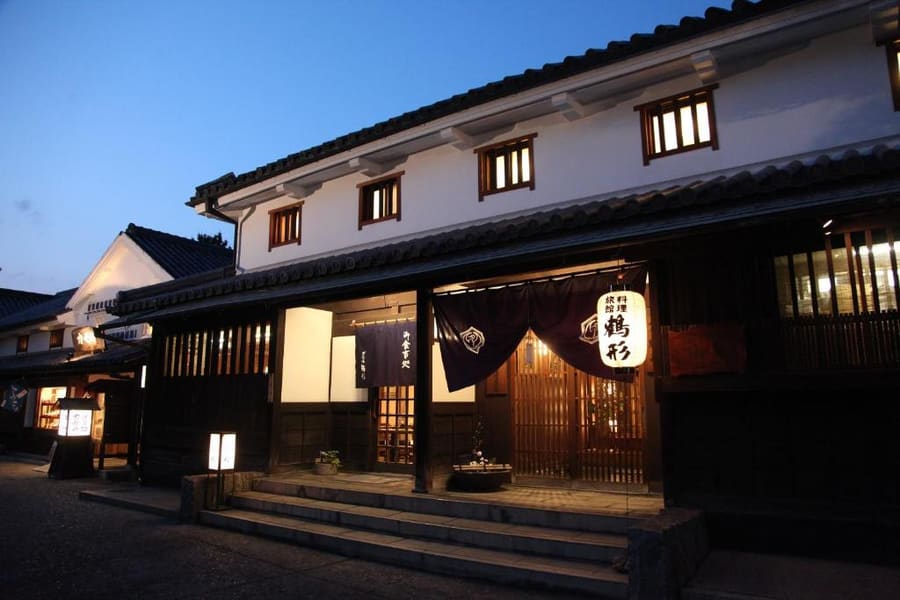
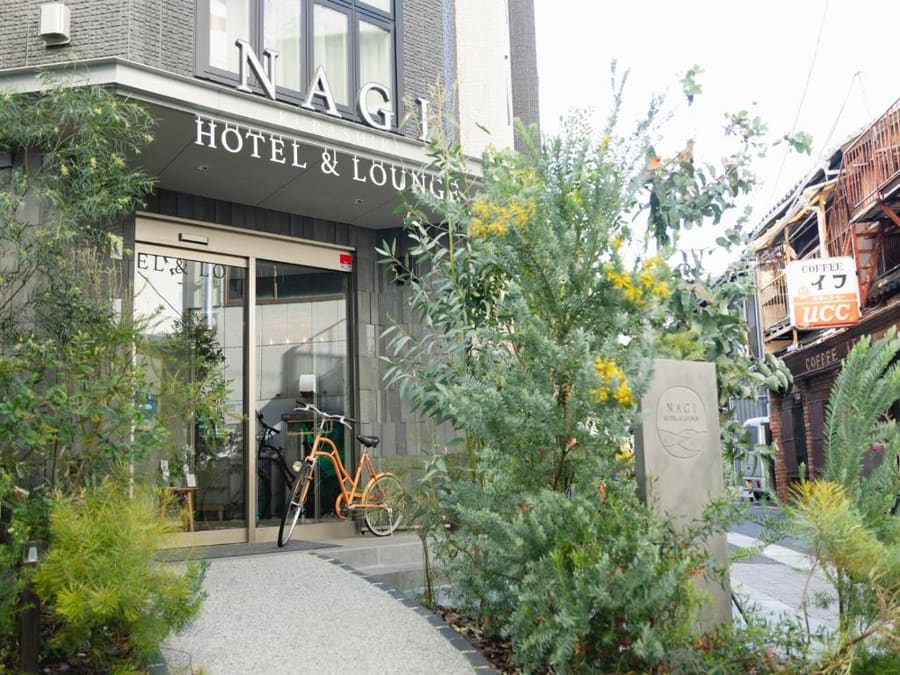
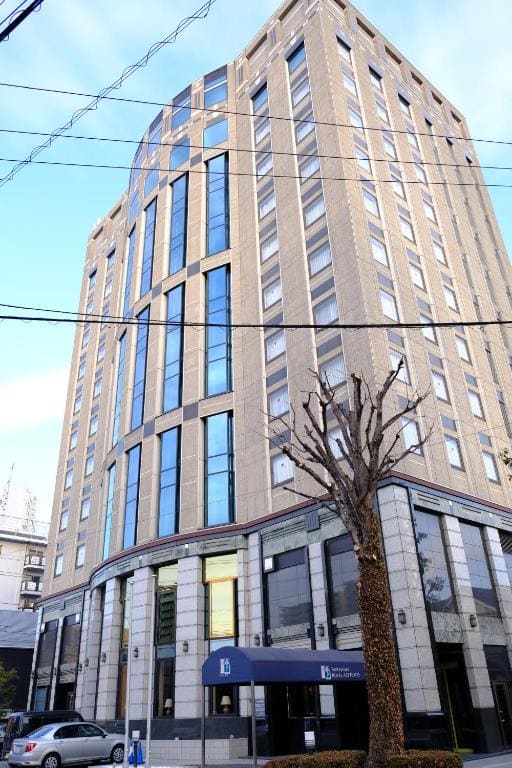
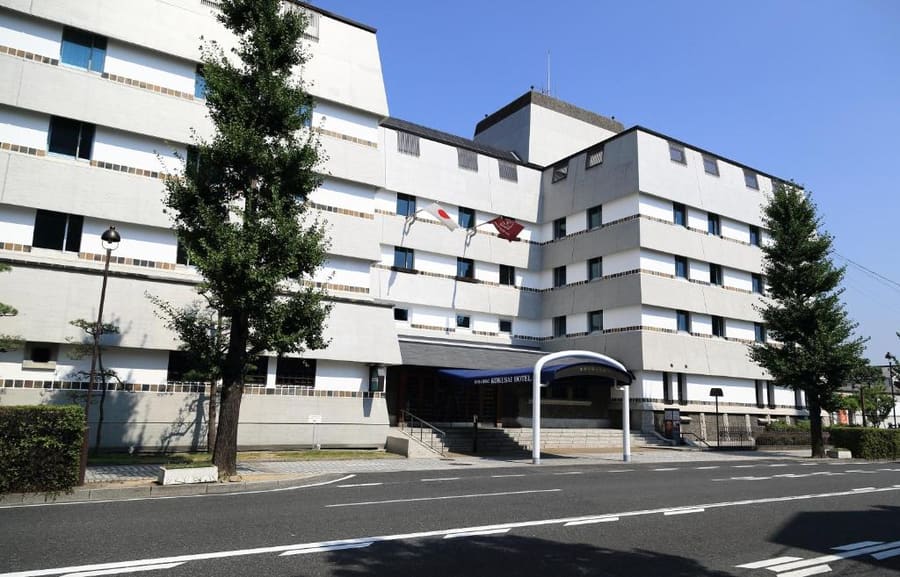
Choose your hotel location by your evening plans. Staying inside the Bikan Historical Quarter lets you walk quiet illuminated canals after day-trippers leave at 17:00. Properties near Kurashiki Station offer easy morning rail access to Okayama or Kojima, but trade canal atmosphere for standard hotel towers.
Live rates, matched to the areas above.
transport
Central Kurashiki is easily covered on foot. The Bikan Historical Quarter sits 800 metres south of Kurashiki Station down a covered shopping arcade. Local buses run south to Kojima, but the train via Okayama is faster. To reach the industrial port areas, the local Mizushima Rinkai Railway operates diesel cars from Kurashiki-shi Station adjacent to the main station.
Exit Kurashiki Station's South Exit and walk straight down Ebisu-dori covered arcade to reach the canal in ten minutes.
Take the Sanyo Line to Okayama, then transfer to the Seto-Ohashi Line to Kojima Station in 45 minutes total.
ICOCA and Suica cards work on JR trains and local buses, but Mizushima Rinkai Railway requires cash tickets.
Diesel trains to Mizushima leave twice per hour from Kurashiki-shi Station, located next to JR Kurashiki Station.
cost
Kurashiki offers high value compared to Kyoto or Tokyo. Entry fees to private museums like the Ohara Museum run higher than national sites, but food, local transit, and crafts remain moderately priced.
Ticket covers the Main Gallery, Craft and Asian Art Gallery, and Annex exhibitions.
A 20-minute guided punt along the Kurashiki River. Purchase tickets at the tourist information center.
Prices depend on fruit seasonality; fresh white peach parfaits in summer sit at the higher end.
Entry-level Japanese selvedge denim in Kojima starts under 20,000 yen for off-the-rack styles.
seasonality
MAR – MAY
Pleasant spring weather with weeping willows budding along the canal. May brings wisteria blossoms at Achi Shrine.
JUN – AUG
Hot and humid days, but summer marks peak white peach season. Evening canal walks are warm and quiet.
SEP – NOV
Clear autumn skies and comfortable temperatures. Muscat grape season lasts through October.
DEC – FEB
Cold, dry days with fewer tourists. Historic buildings can feel chilly indoors, but room rates drop significantly.
practicalities
Tourists fill the canal by 10:30. Walk the streets before 08:30 to photograph white storehouses without crowds.
While major museums take credit cards, small sweet shops and denim artisans in back alleys prefer cash.
You will remove shoes at merchant houses like the Inoue residence. Wear easy-to-remove shoes and clean socks.
Rent bicycles at Kurashiki Station's tourist lounge to visit Tamashima or ride flat country roads around town.
Kurashiki enjoys high sunny days and low rainfall due to the Chugoku and Shikoku mountain ranges.