landmark
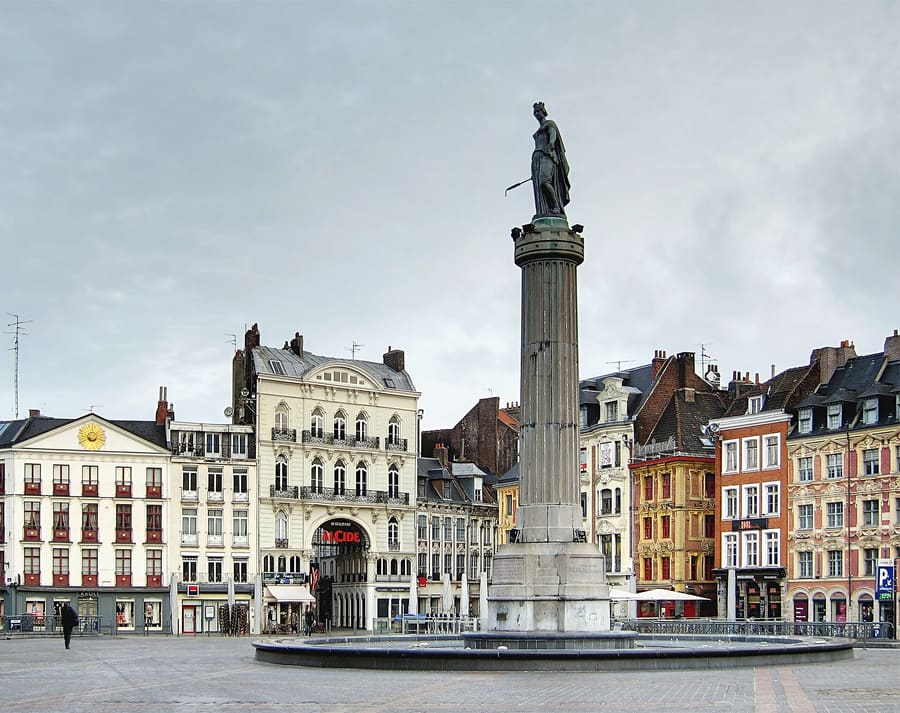
Grand Place
The central square showcases 17th-century Flemish architecture. Booksellers trade second-hand volumes in the inner courtyard every afternoon.
Pregunta a ParleyFrancia
Flemish brick, Northern beer, and fast rail connections.
introduction
Lille sits at the crossroads of northern France and Flanders, connected directly by Eurostar and TGV. You can walk across the historic core in twenty minutes, passing Flemish step-gables and red-brick alleyways. The atmosphere trades Mediterranean light for dense estaminets, Flemish stews, and craft beer culture. It works best as a focused two-day urban trip.
Rail arrival choice
Lille-Europe and Lille-Flandres stations sit 500 metres apart. Eurostar trains use Lille-Europe, while regional TER trains serve Lille-Flandres.
Museum Pass savings
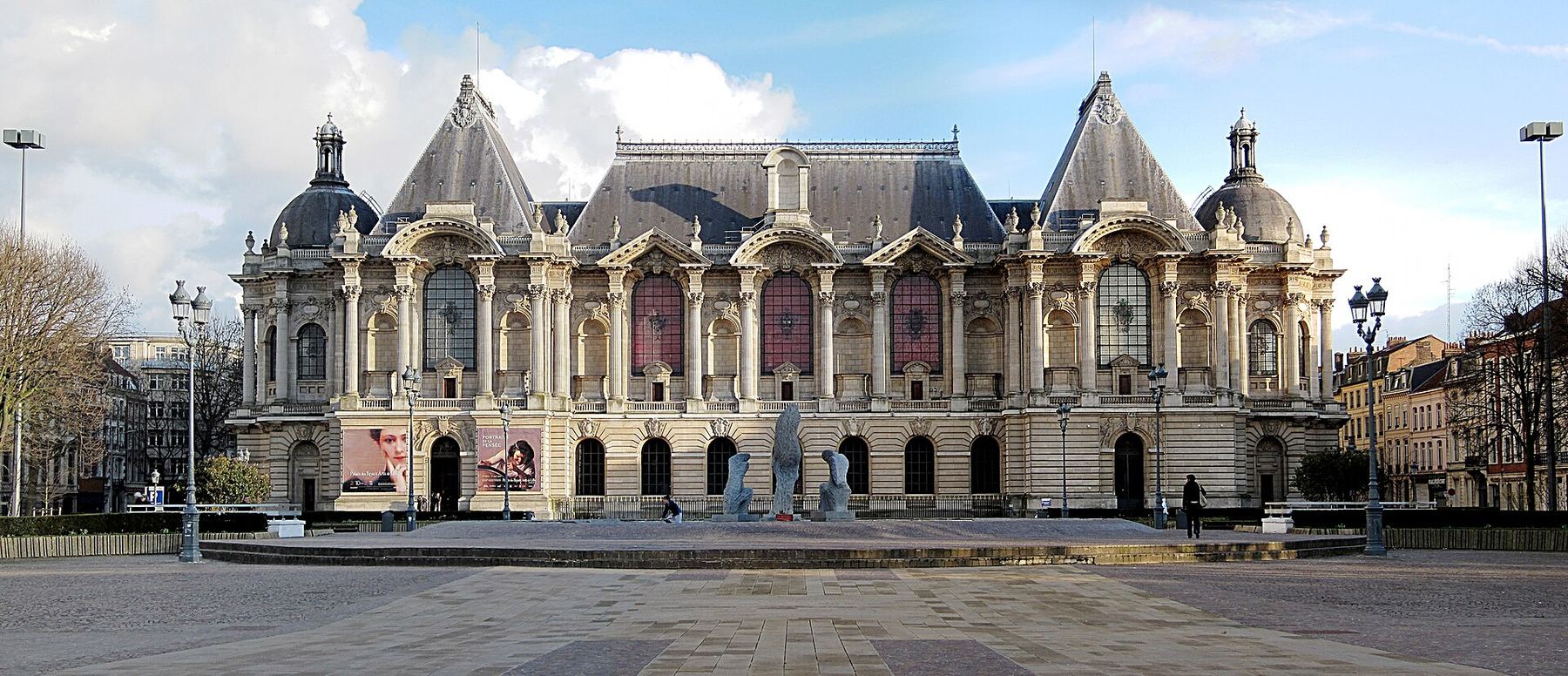
The Lille City Pass includes public transit and admission to 28 regional museums, including Palais des Beaux-Arts and La Piscine.
Tuesday museum closures
Most civic museums close on Tuesdays in Lille, unlike Paris where closures fall on Mondays. Plan indoor visits from Wednesday through Sunday.
Lille
B.navez · CC BY-SA 3.0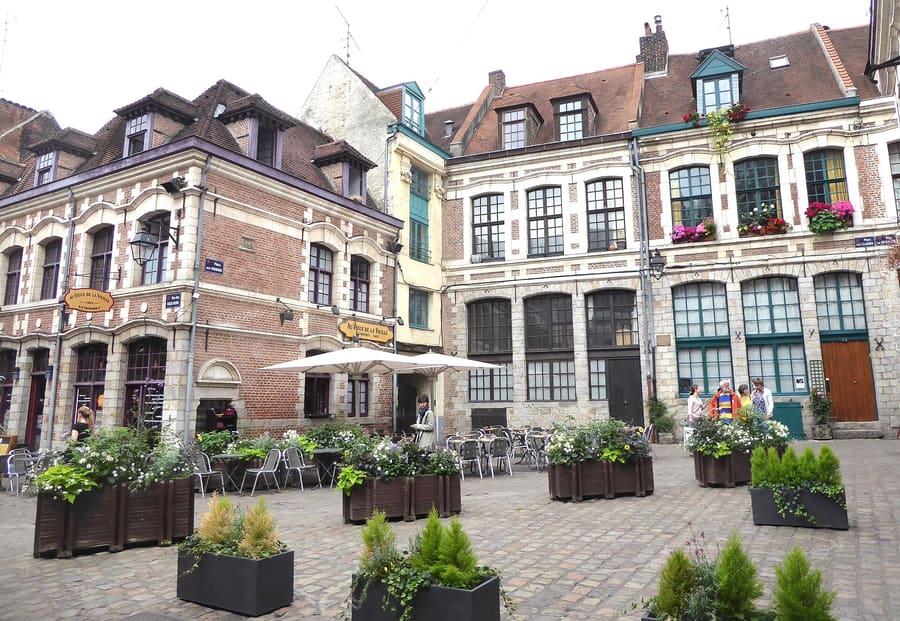
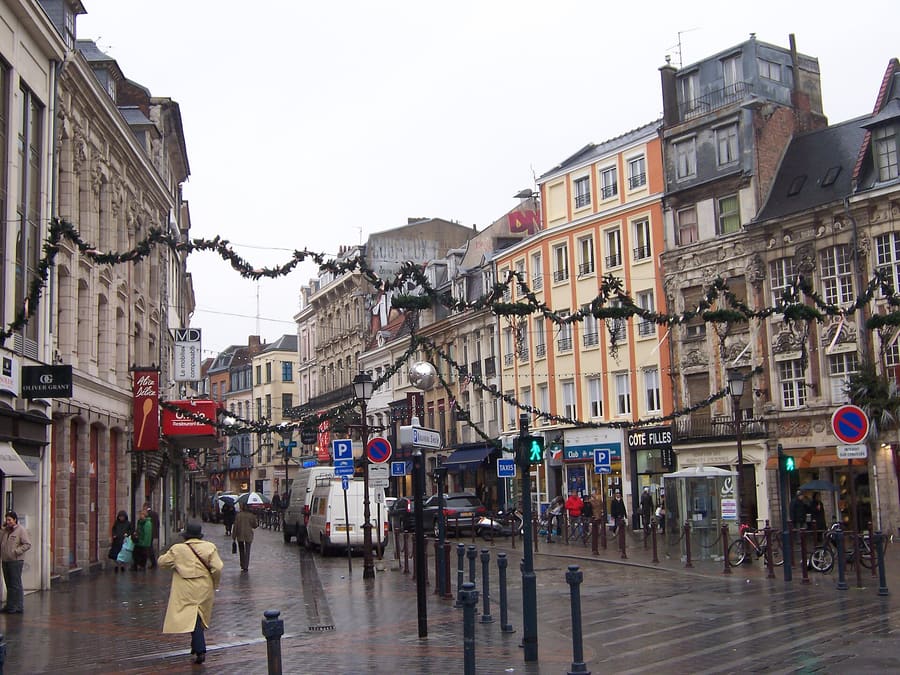
Vieux-Lille — Cobblestone streets, high-end boutiques, restored Flemish brickwork, and artisanal pastry shops.
VVVCFFrance · CC BY-SA 4.0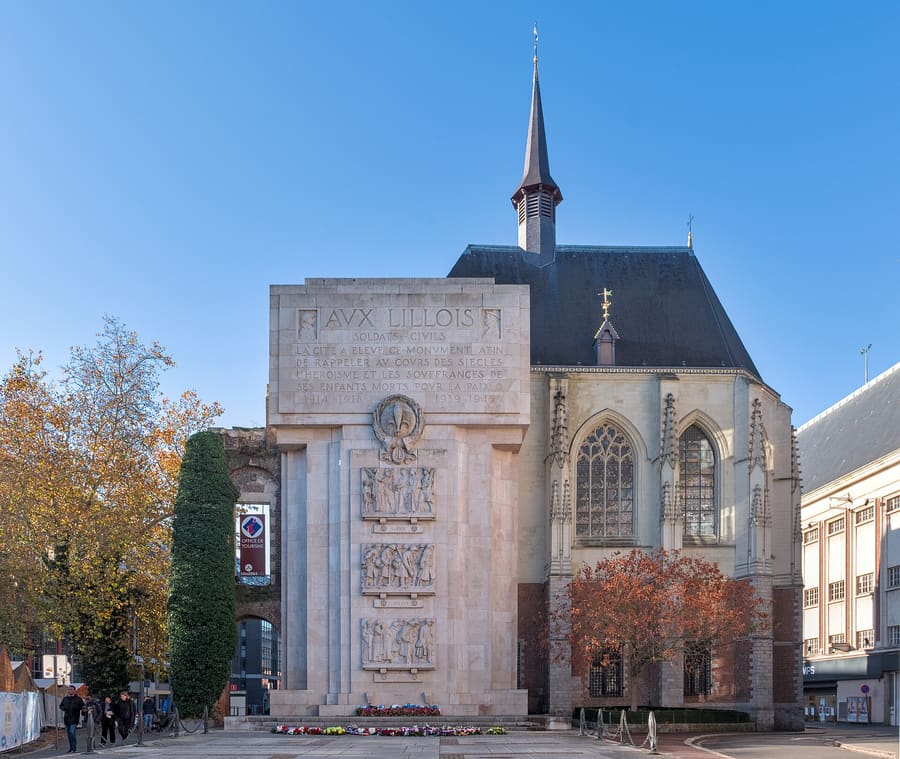
Centre-Ville — Commercial hubs, main transit stations, large retail streets, and major civic squares.
Trougnouf (Benoit Brummer) · CC BY 4.0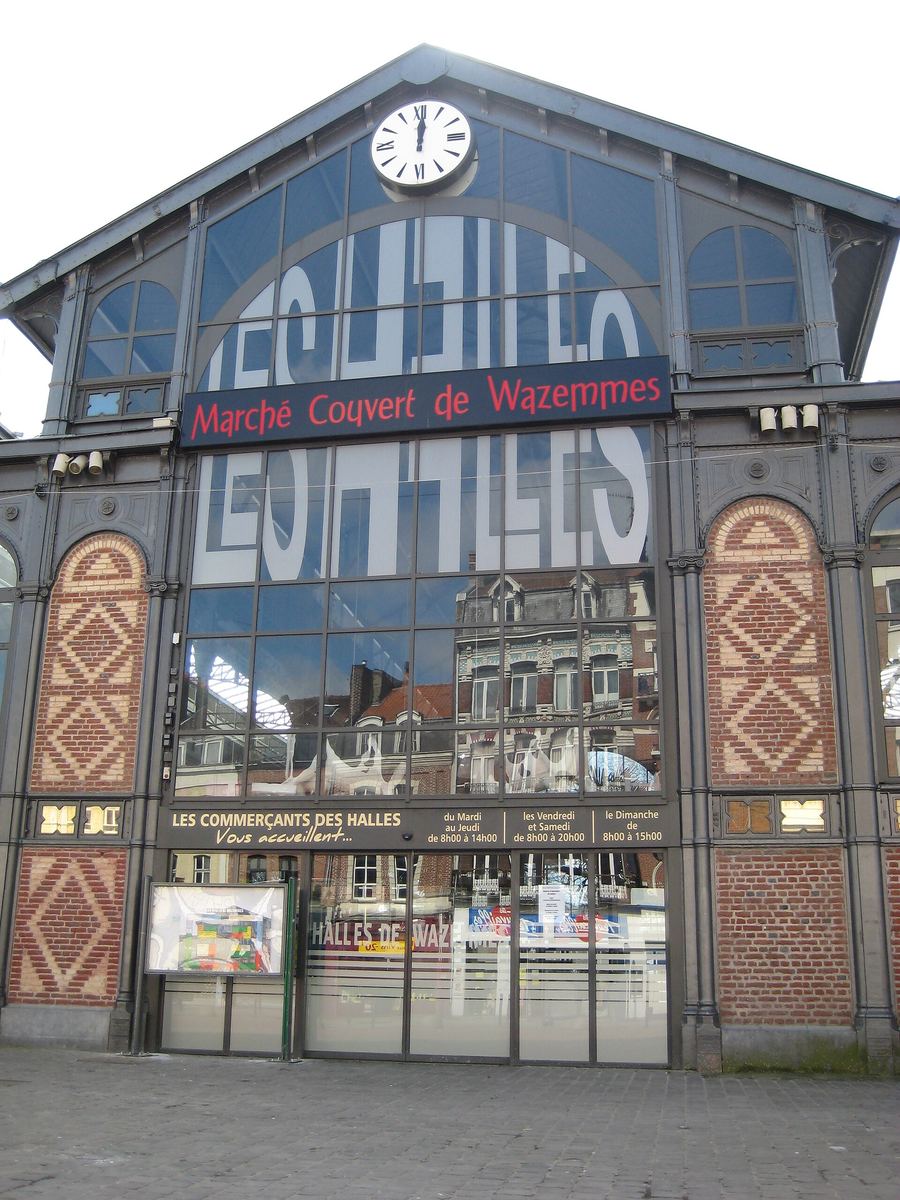
Wazemmes — Working-class energy, Sunday open-air market stalls, spice shops, and cheap North African eateries.
Karldupart · CC BY-SA 3.0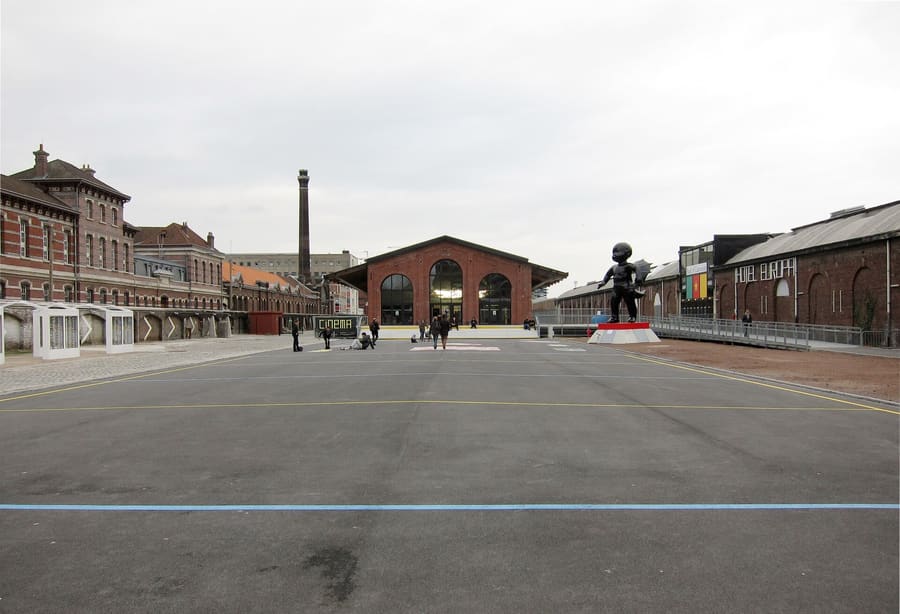
Jean-Baptiste Lebas — Converted industrial spaces, leafy park lawns, art centers, and craft beer bars.
Velvet · CC BY-SA 3.0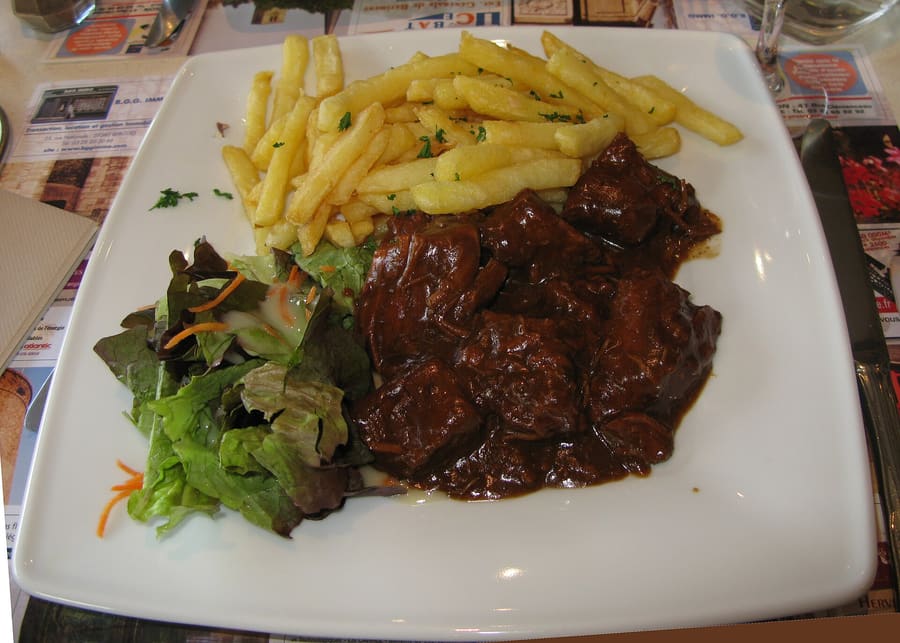
Carbonnade flamande cooked with local brown ale and gingerbread.
Jiel Beaumadier · CC BY-SA 4.0highlights
landmark
The central square showcases 17th-century Flemish architecture. Booksellers trade second-hand volumes in the inner courtyard every afternoon.
Pregunta a Parley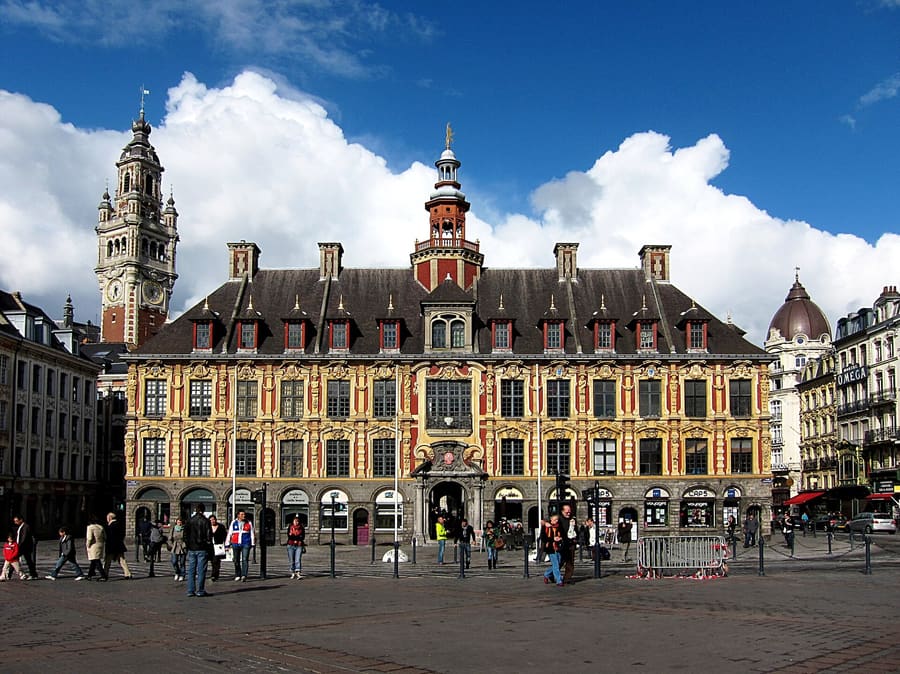
landmark
24 identical houses enclose an inner courtyard built in 1653. Chess players gather at the stone tables every afternoon.
Pregunta a Parley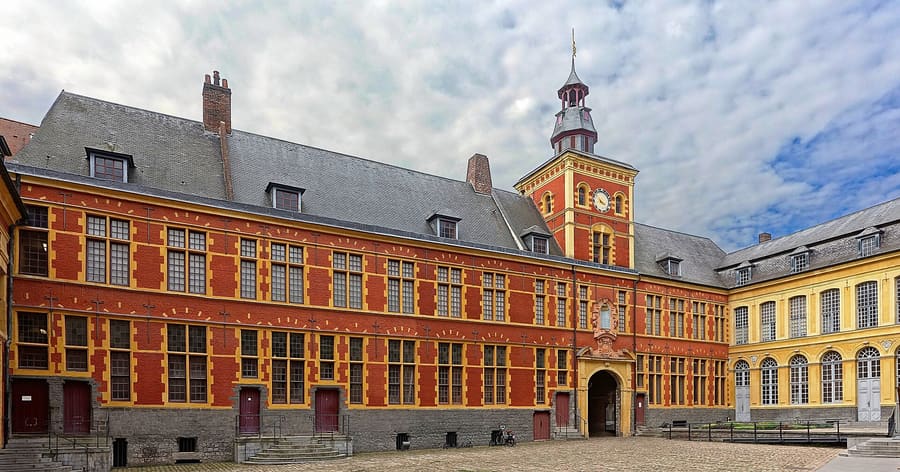
landmark
A 15th-century hospital converted into a museum of Flemish life. Step inside to see Delftware tile walls and original ward rooms.
Pregunta a Parley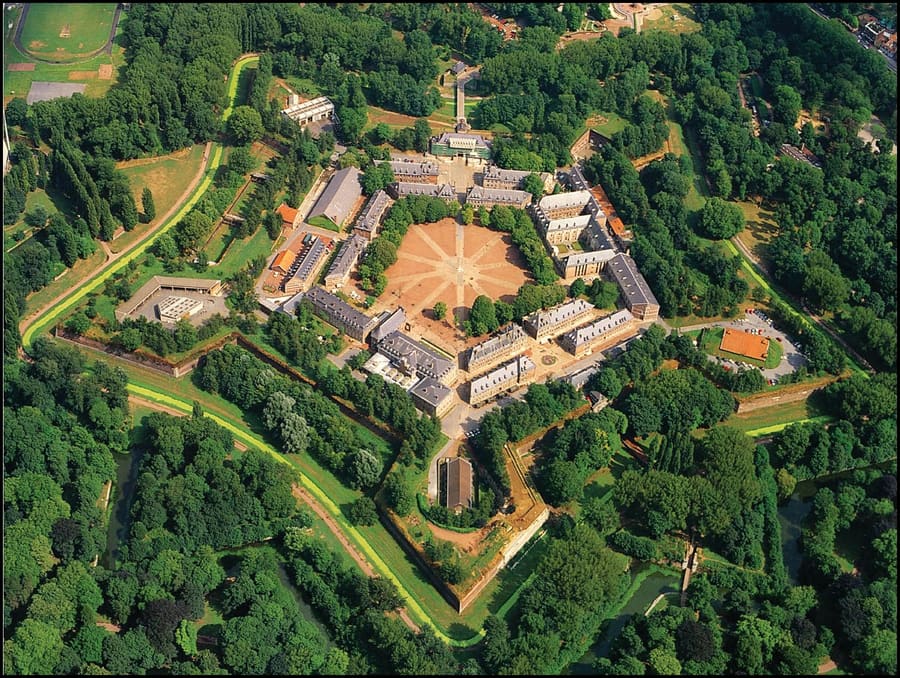
landmark
Vauban designed this 17th-century star fortress, still used by the French military. The surrounding 60-hectare park is open daily.
Pregunta a Parleyattractions
areas
Cobblestone streets, high-end boutiques, restored Flemish brickwork, and artisanal pastry shops.
CercaGrand Place and Hospice Comtesse
Pregunta a ParleyCommercial hubs, main transit stations, large retail streets, and major civic squares.
CercaLille-Flandres station and Grand Place
Pregunta a ParleyWorking-class energy, Sunday open-air market stalls, spice shops, and cheap North African eateries.
CercaMaison Folie Wazemmes
Pregunta a ParleyConverted industrial spaces, leafy park lawns, art centers, and craft beer bars.
CercaPalais des Beaux-Arts and Gare Saint-Sauveur
Pregunta a Parleyfood
Dining in Lille centers on traditional taverns called estaminets. Local cooking relies heavily on Maroilles cheese, endives, and slow-braised beef rather than wine reductions. Portions are generous, and beer takes priority over wine on most tables.
Carbonnade flamande cooked with local brown ale and gingerbread.
Jiel Beaumadier · CC BY-SA 4.0Order carbonnade flamande (beef stewed in ale) or Welsh (cheddar melted over beer-soaked bread and ham) at places like Estaminet Chez La Vieille.
Popular estaminets in Vieux-Lille fill up days ahead for weekend dinner slots. Reserve online or stop by at 12:00 for lunch openings.
Rue de la Grande Chaussée hosts Meert, baking thin, iron-pressed waffles filled with Madagascar vanilla since 1849.
history
Lille developed as a Flemish trading post before changing hands between Burgundy, Spain, and France. Its strategic border position made it one of Europe's most besieged cities, shaping its fortification systems and industrial transformation.
French Conquest
Louis XIV captures Lille from Spanish control, commissioning Vauban to build the Citadel and fortify the western border.
Industrial Boom
Lille annexes neighboring towns like Wazemmes and Moulins, becoming a major French center for textile and locomotive manufacturing.
Capital of Culture
Lille serves as European Capital of Culture, transforming old industrial sites like Gare Saint-Sauveur into permanent arts venues.
where to stay
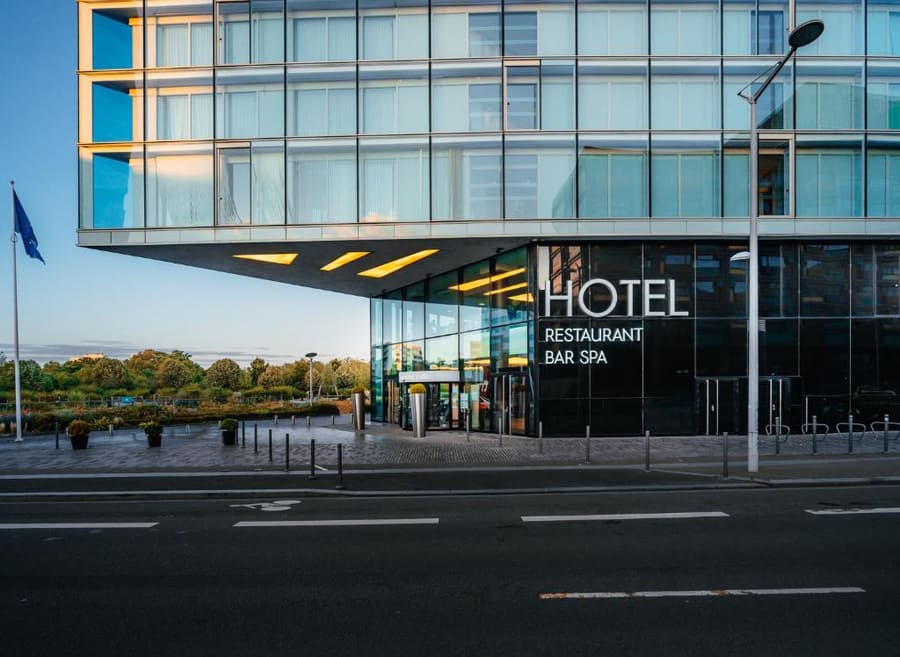
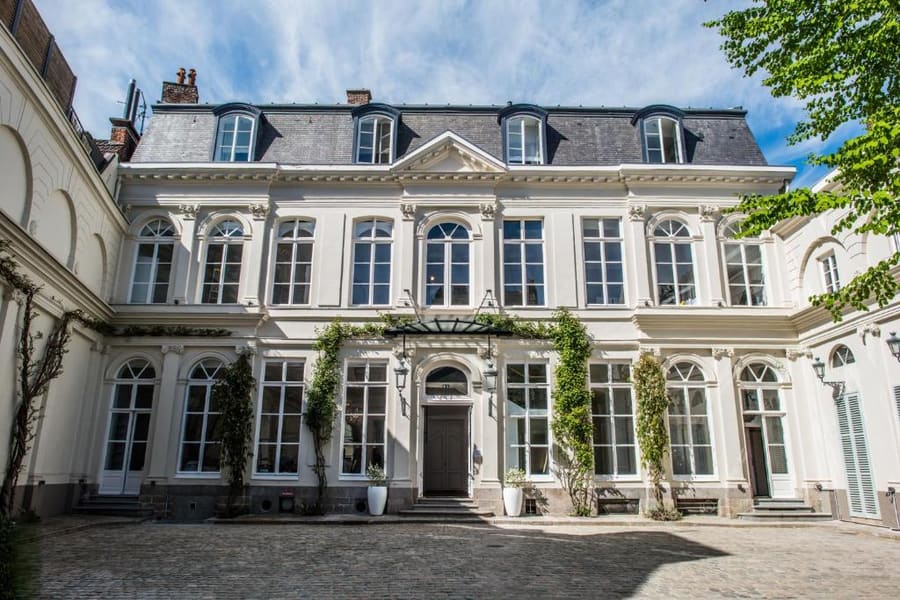
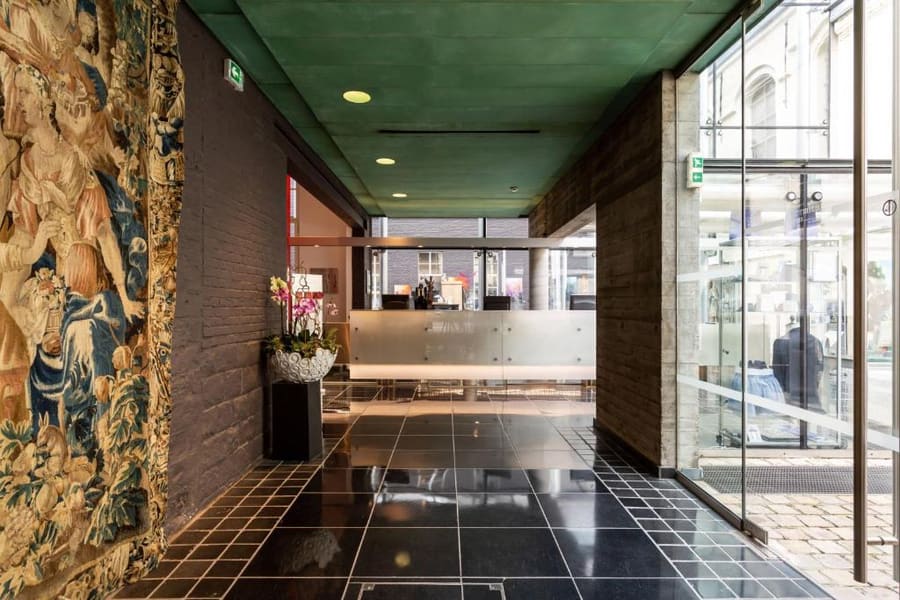
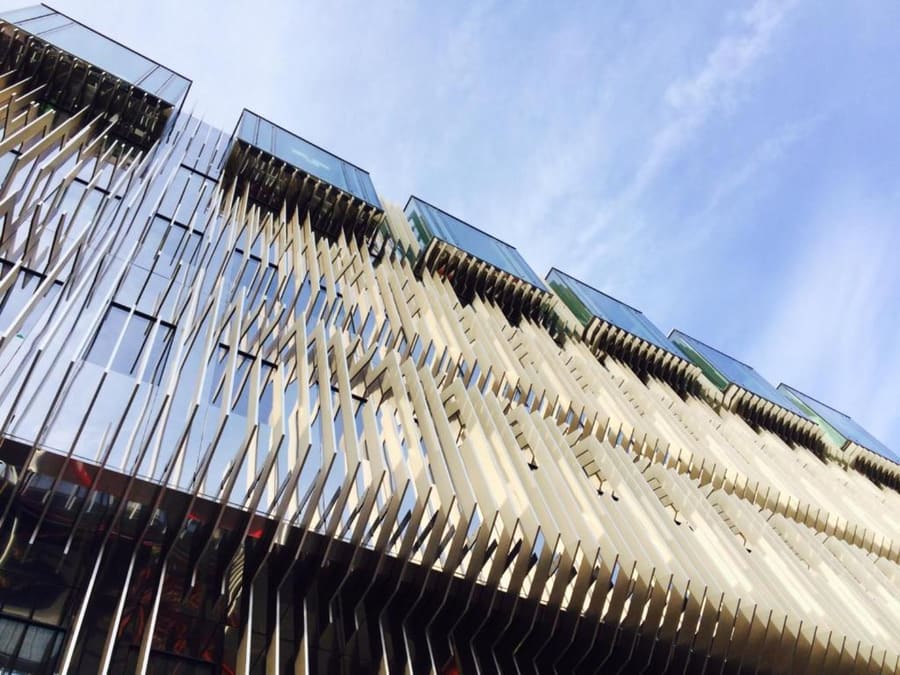
Choose your neighbourhood by transit needs and evening style. Vieux-Lille places you within steps of historic architecture and high-end dining, while Centre-Ville gives direct access to both railway stations.
Live rates, matched to the areas above.
transport
Lille's central core is strictly pedestrian-friendly and easily covered on foot. For longer trips to Roubaix or southern districts, use the automated metro and tram network operated by Ilévia.
Desde Lille-Flandres & Lille-Europe (Rail) / LIL
Lille Airport shuttle runs non-stop between LIL terminal and Euralille shopping center.
Official rank outside arrivals; night tariffs apply between 19:00 and 07:00.
The automated metro system operates two driverless lines (M1 and M2). Single tickets cost €1.80 and require validation before boarding.
Contactless bank cards can be tapped directly at metro turnstiles and bus validators for single journeys across the Ilévia network.
Trams T and R connect Lille-Flandres to Roubaix and Tourcoing, offering scenic above-ground travel through northern suburbs.
Over 2,200 public bikes operate from 220 stations. Day passes cost €2.05 plus usage fees after the first 30 minutes.
cost
Lille offers lower daily costs than Paris, particularly for food and local transit. Dining out in estaminets provides heavy meals at modest prices, though hotel rates jump significantly during trade fairs and the September Braderie.
Expect to pay around €18 for a traditional carbonnade flamande or Welsh with fries.
Local draught beers like Triple Karmeliet or Anosteké cost less than imported lagers.
Valid for unlimited trips on the metro, tram, and bus network for a full day.
Drinking at the counter costs less than sitting on a Grand Place terrace.
seasonality
MAR – MAY
Mild weather and moderate crowd levels. Good window for walking Vieux-Lille before summer tour groups arrive.
JUN – AUG
Warmest days and lively outdoor terraces. Note that some independent restaurants close for August annual holidays.
SEP – NOV
First weekend of September brings the massive Braderie flea market. Book hotels months ahead or avoid that weekend entirely.
DEC – FEB
Cold and damp weather, but Grand Place hosts a Christmas market and Ferris wheel throughout December.
practicalities
Standard retail shops close on Sundays. Head to Wazemmes market or major museum venues for weekend activity.
Most establishments accept contactless bank cards for small amounts, though market stalls in Wazemmes prefer cash.
Vieux-Lille streets feature uneven stone paving. Wear sturdy walking shoes rather than thin soles or high heels.
Greeting service staff with 'Bonjour' before asking questions in English ensures a polite interaction.
If visiting during the September Braderie, expect closed roads, packed trains, and double standard room rates.