landmark
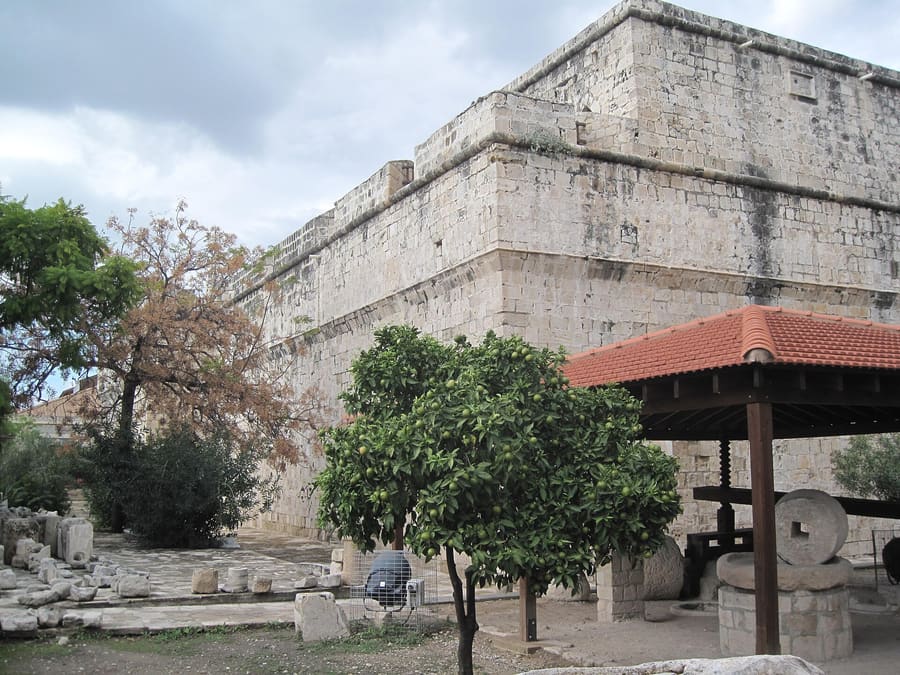
Limassol Castle
A medieval fort housing the Cyprus Medieval Museum. Climb to the roof for views over the Old Port.
Pregunta a ParleyChipre
Cyprus's shipping hub, financial engine, and resort coast.
introduction
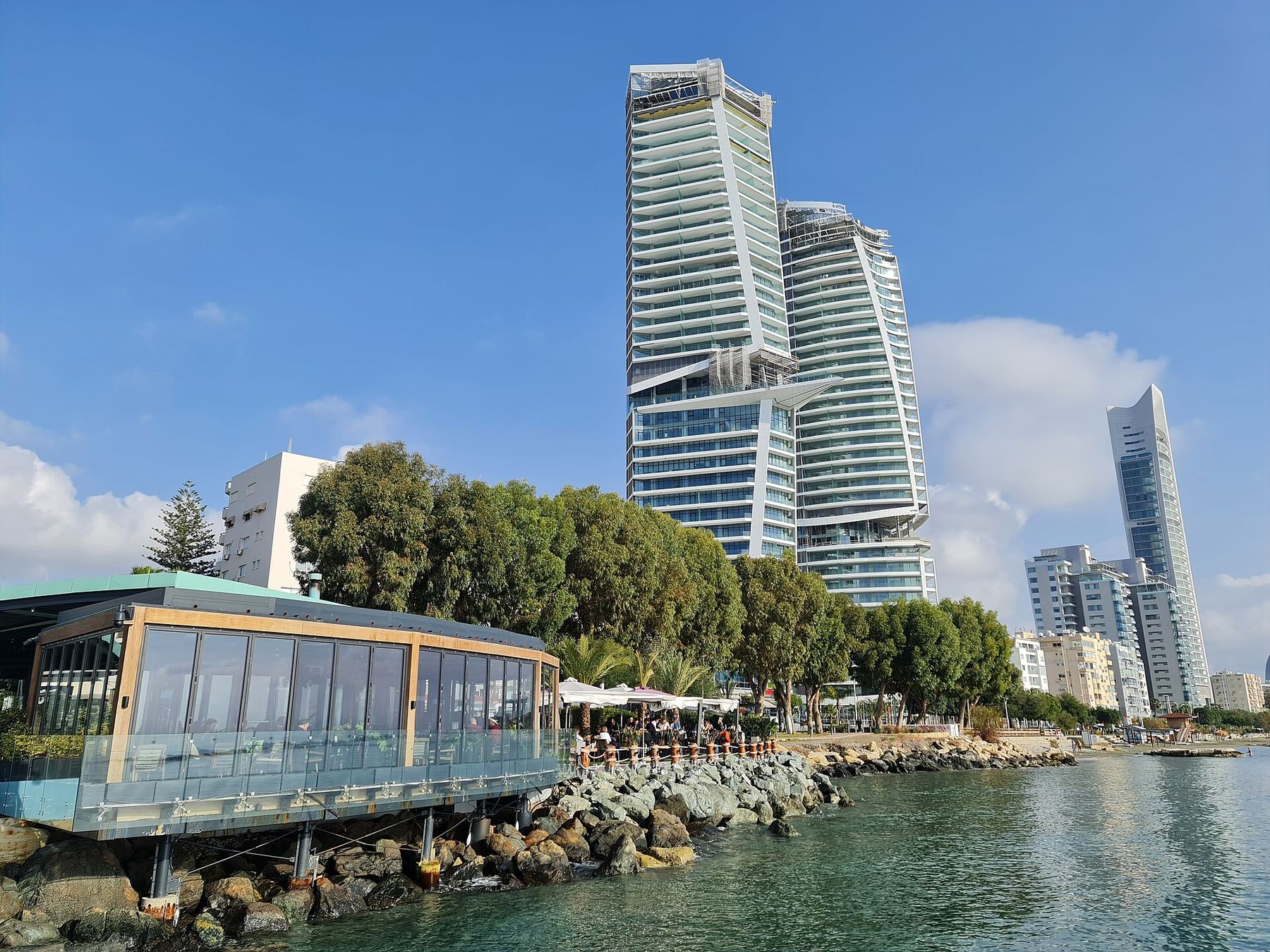
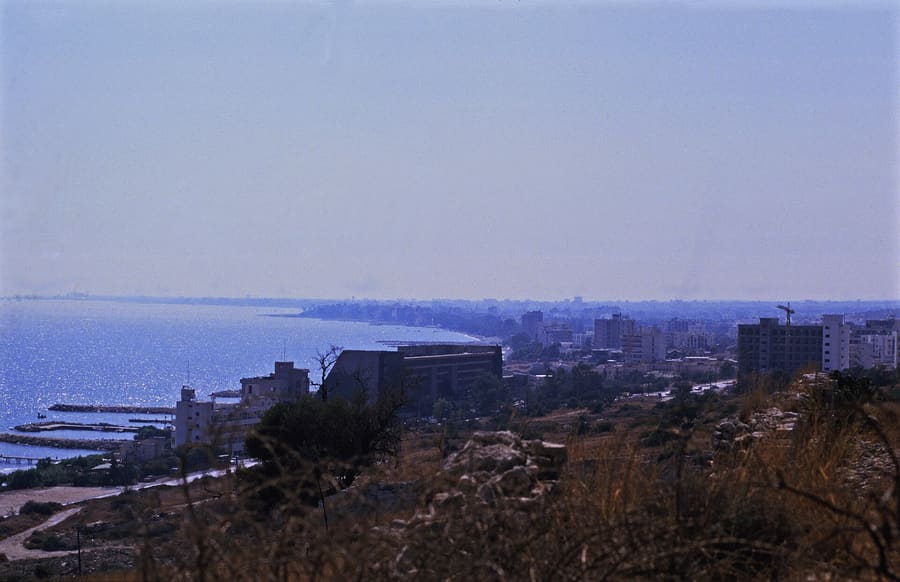
Limassol stretches 15 kilometres along the southern coast of Cyprus. It blends a working port and corporate high-rises with a preserved medieval core. You move through it along a single coastal artery, anchored by a modern marina on one end and five-star resorts on the other.
Arrival trick
Limassol has no airport. Most visitors land at Larnaca (LCA), where the Limassol Airport Express coach runs direct to the city centre every hour.
Ancient seat
The cliffside kingdom of Kourion sits 15 kilometres west. Its restored Greco-Roman theatre overlooks the Mediterranean Sea.
Limassol
Rüdiger Stehn from Kiel, Deutschland · CC BY-SA 2.0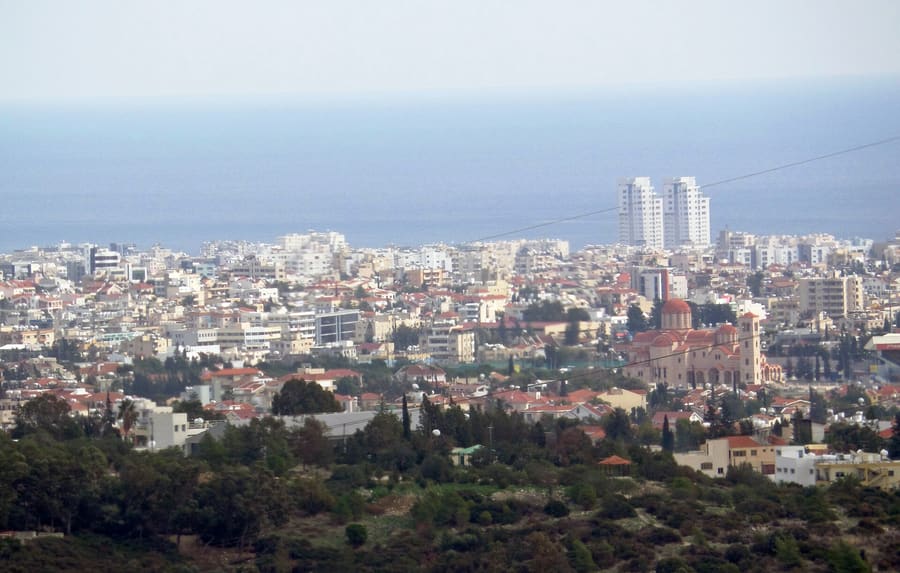
Old Town — Narrow lanes around the castle with tavernas, artisan workshops, and low stone houses.
Xaris333 · CC BY-SA 3.0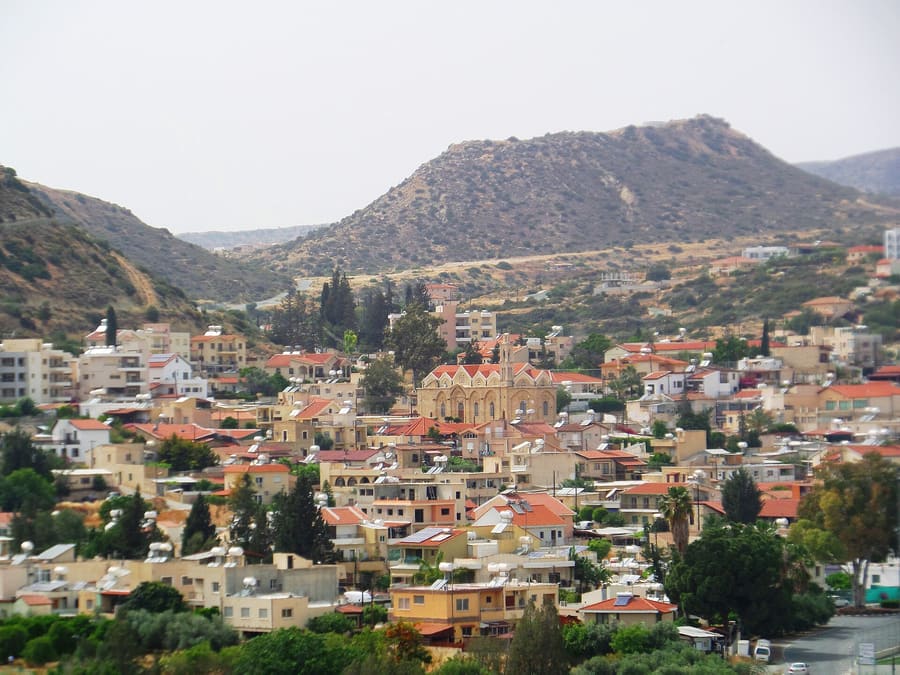
Germasogeia — A commercial beach district filled with mid-tier hotels, pubs, and sandy coves.
Xaris333 · CC BY-SA 4.0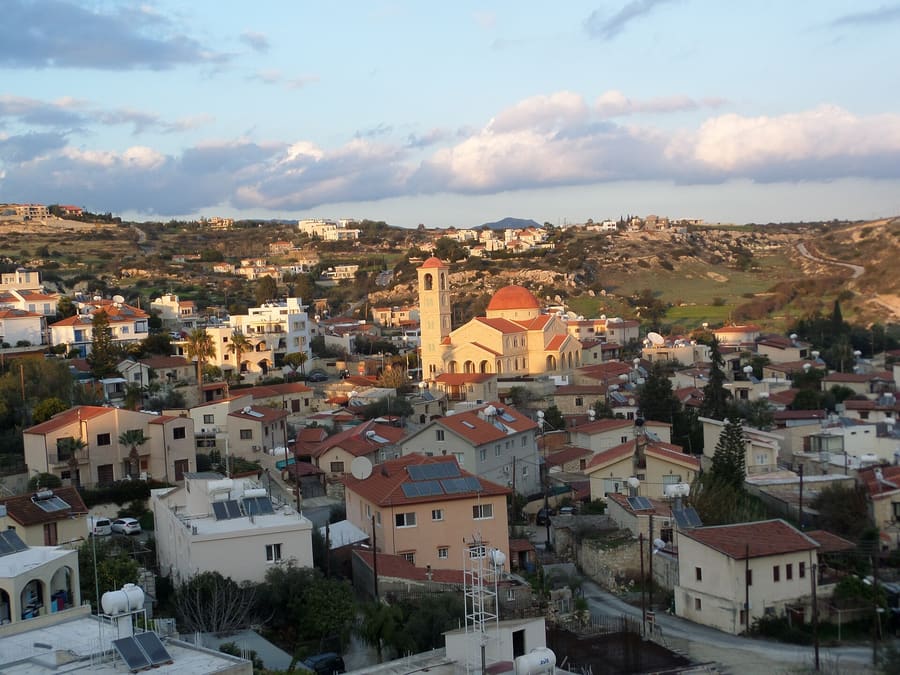
Agios Tychonas Coast — A quiet eastern resort strip anchored by luxury hotels and private piers.
Xaris333 · CC BY-SA 4.0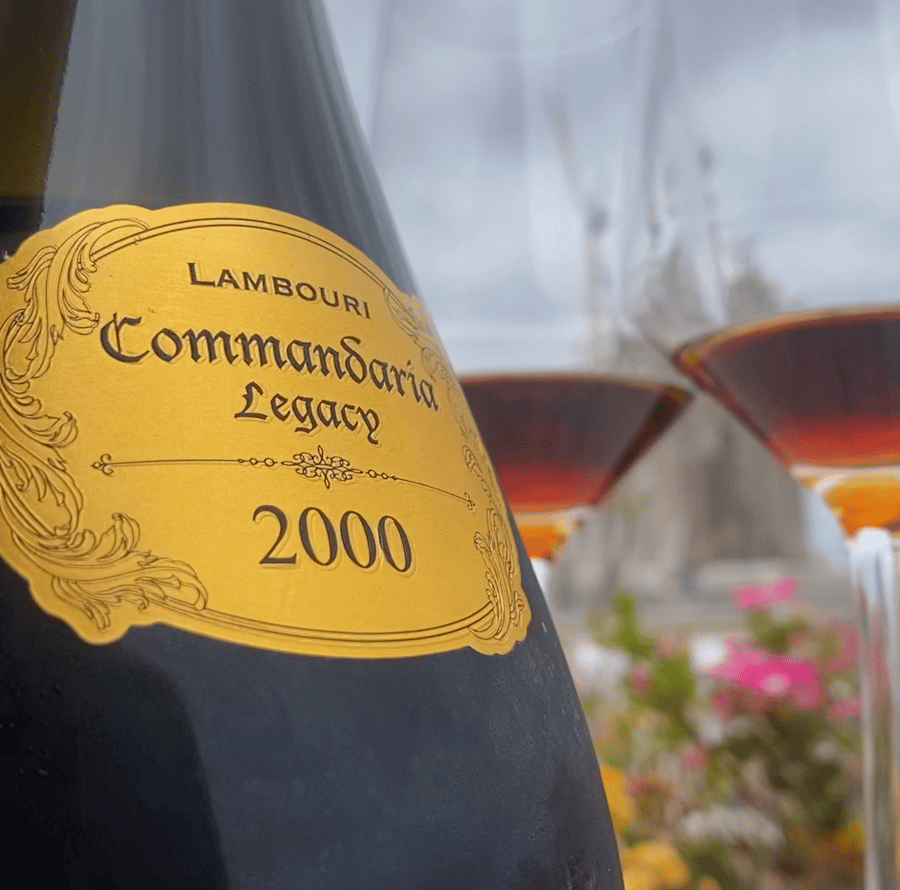
Commandaria wine served at the end of a traditional meal.
Ovipix · CC BY 4.0highlights
landmark
A medieval fort housing the Cyprus Medieval Museum. Climb to the roof for views over the Old Port.
Pregunta a Parley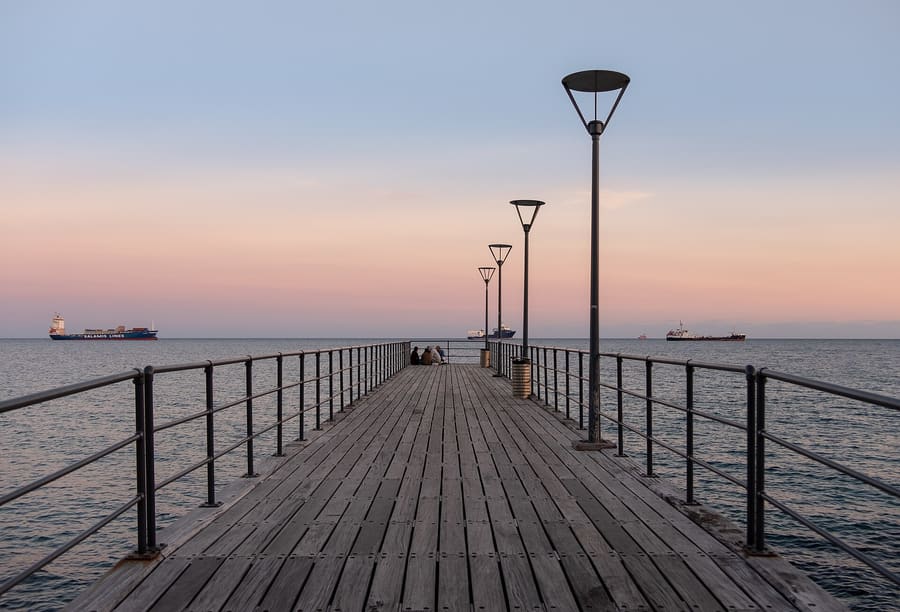
landmark
A three-kilometre coastal park featuring water basins and grass lawns. Cycle paths run the entire length.
Pregunta a Parley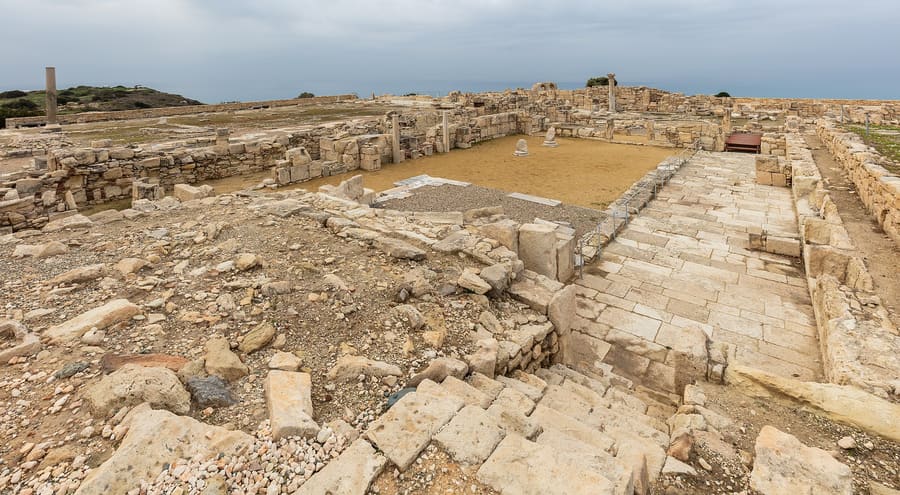
landmark
A cliffside city-state with intact floor mosaics. Arrive before 10:00 to beat the heat and tour buses.
Pregunta a Parley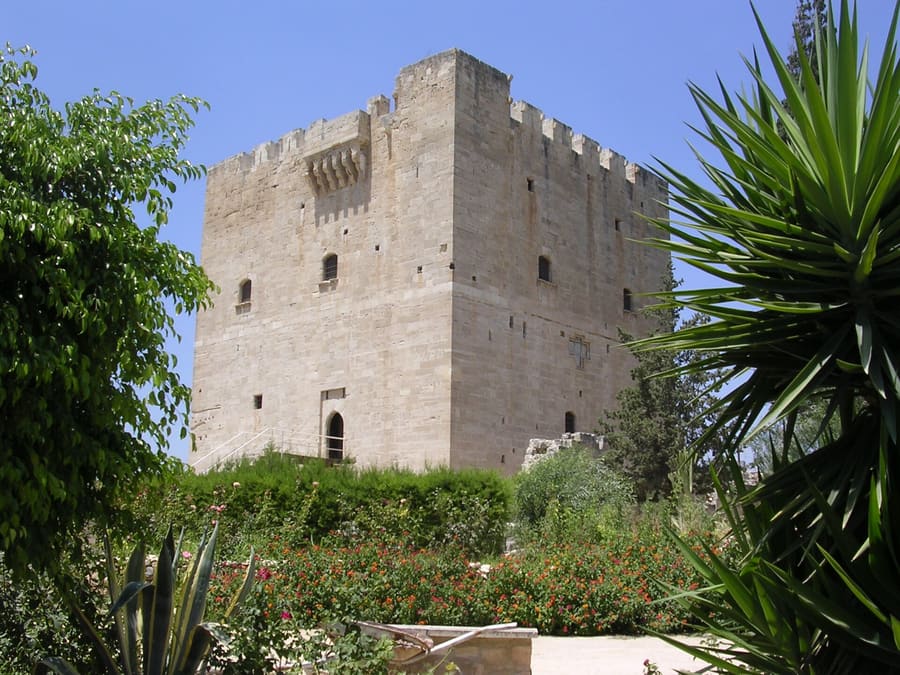
landmark
A former Crusader stronghold that processed local sugar cane. Take the narrow spiral stairs to the top tower floor.
Pregunta a Parley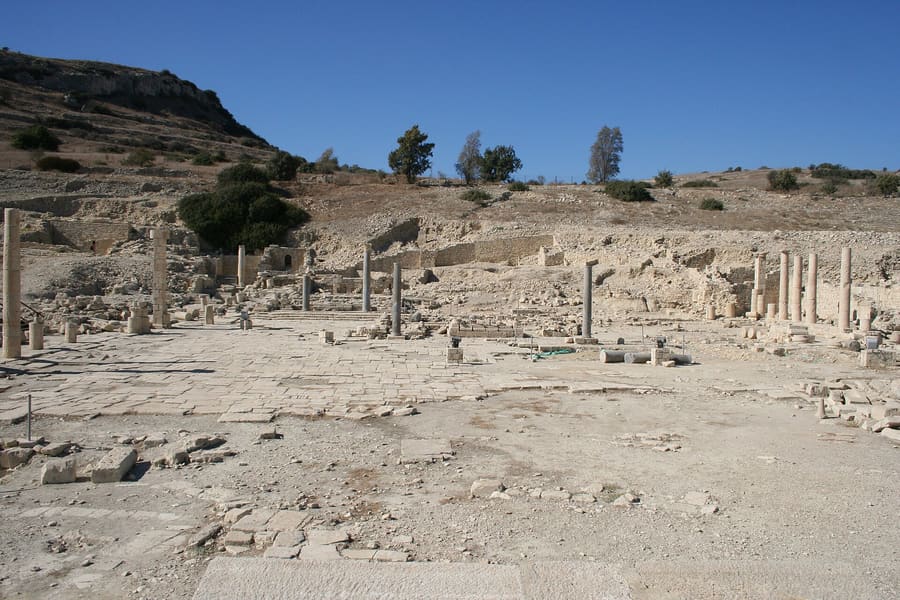
landmark
Coastal ruins of a kingdom dating to 1000 BC. Remains of an ancient port sit submerged offshore.
Pregunta a Parleyattractions
areas
Narrow lanes around the castle with tavernas, artisan workshops, and low stone houses.
CercaLimassol Castle and Saripolou Square.
Pregunta a ParleyA commercial beach district filled with mid-tier hotels, pubs, and sandy coves.
CercaDasoudi beach and eucalyptus park.
Pregunta a ParleyA quiet eastern resort strip anchored by luxury hotels and private piers.
CercaAncient Amathus ruins.
Pregunta a ParleyA pedestrian waterfront precinct lined with seafood restaurants and modern moorings.
CercaMolos Park and Old Town.
Pregunta a Parleyfood
Limassol eating revolves around the long meal. Seafood tavernas along the Old Port serve fresh octopus and red mullet. Traditional inner-city spots focus on pork sheftalia and grilled halloumi cheese.You order by the table rather than by the individual plate. A classic meze arrives in up to twenty successive small courses. Pace yourself early, or you will run out of space before the grilled meats arrive.Commandaria is the region's historic sweet dessert wine. Local producers harvest the grapes in the foothills of the nearby Troodos Mountains.
Commandaria wine served at the end of a traditional meal.
Ovipix · CC BY 4.0Tavernas usually require a minimum order of two portions for a complete meze feast.
Local dining rooms remain empty until 20:30. Book for 21:00 to sit among residents.
For a fast lunch, order minced pork sausage inside flatbread from a neighborhood grill.
history
Limassol grew between two ancient city-kingdoms, Amathus and Kourion. It gained international prominence in 1191 when Richard the Lionheart landed here during the Third Crusade. He married Berengaria of Navarre in the town castle.Under British administration in the late nineteenth century, engineers built port facilities to export wine and raisins. The city expanded dramatically after 1974, absorbing shipping firms and international commerce.
Crusader conquest
Richard the Lionheart captures the city and marries Berengaria of Navarre at Limassol Castle.
Ottoman Rule
The Ottoman Empire takes control of the island, converting local fortifications for garrison use.
British Administration
British authorities construct modern roads, public gardens, and the initial port infrastructure.
Marina Opening
The completed marina transforms the industrial waterfront into a commercial yacht port.
where to stay
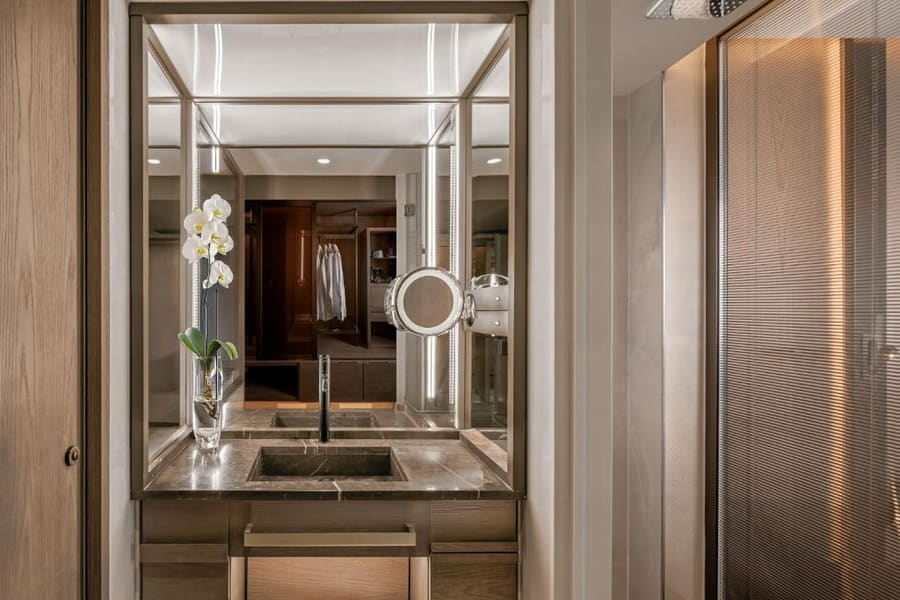
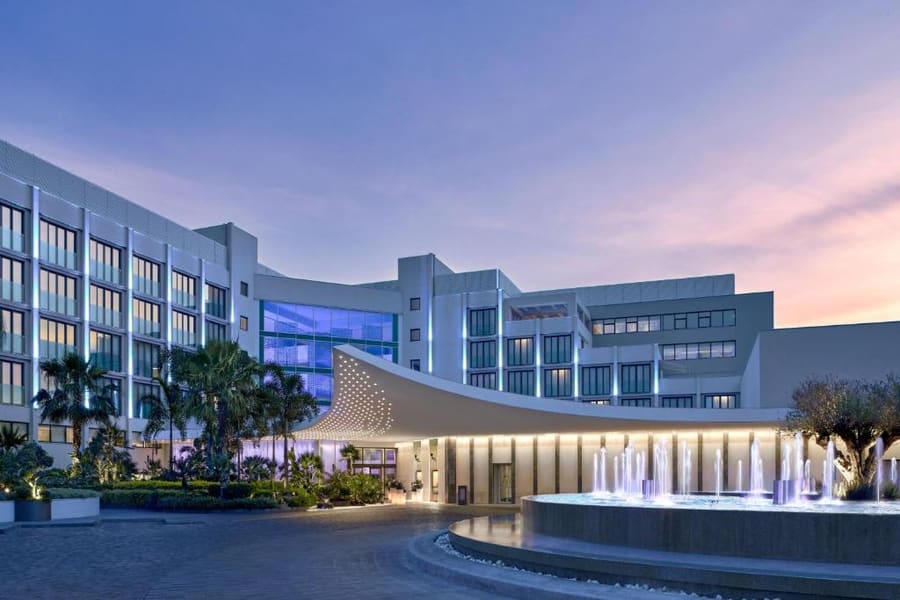
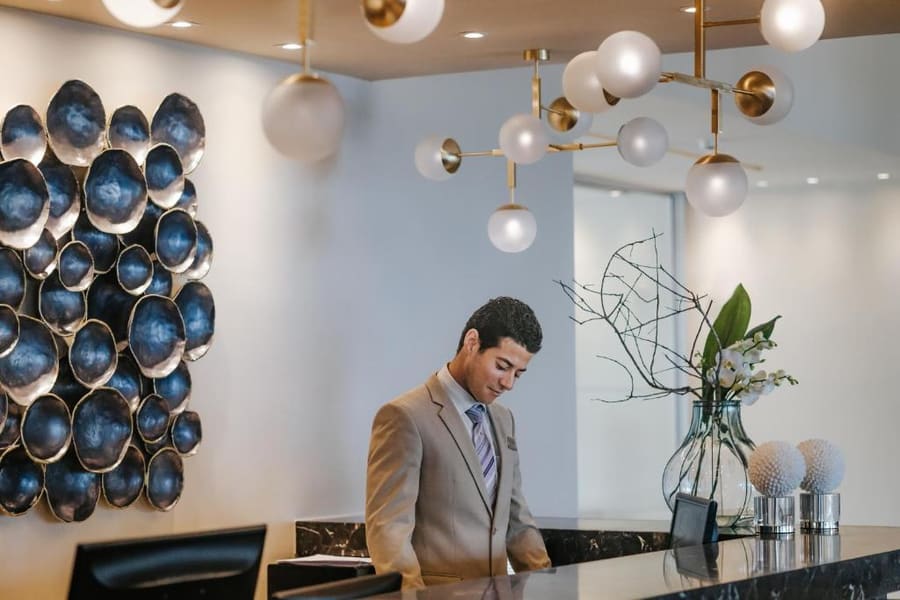
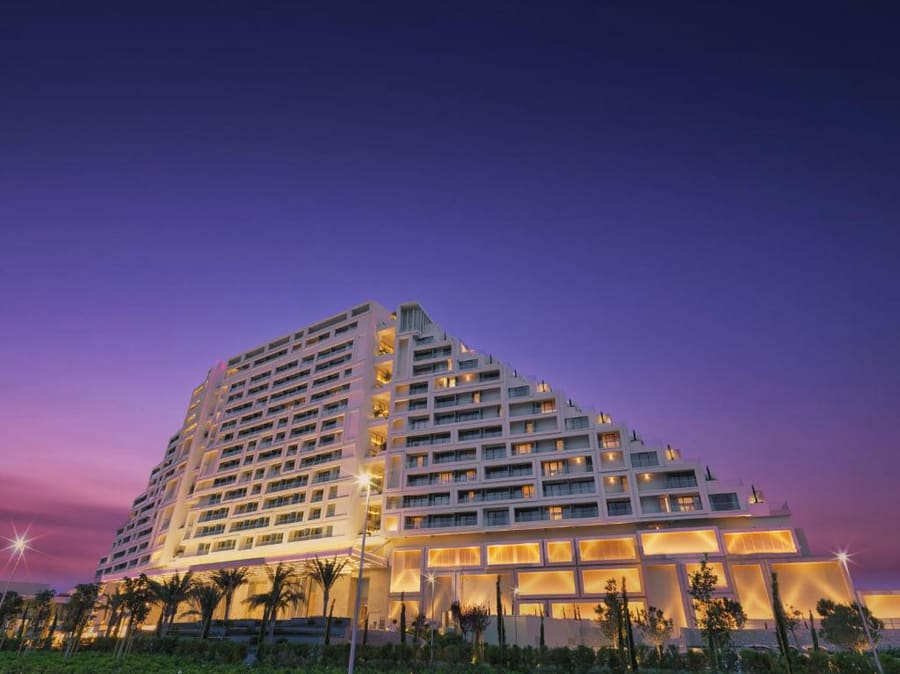
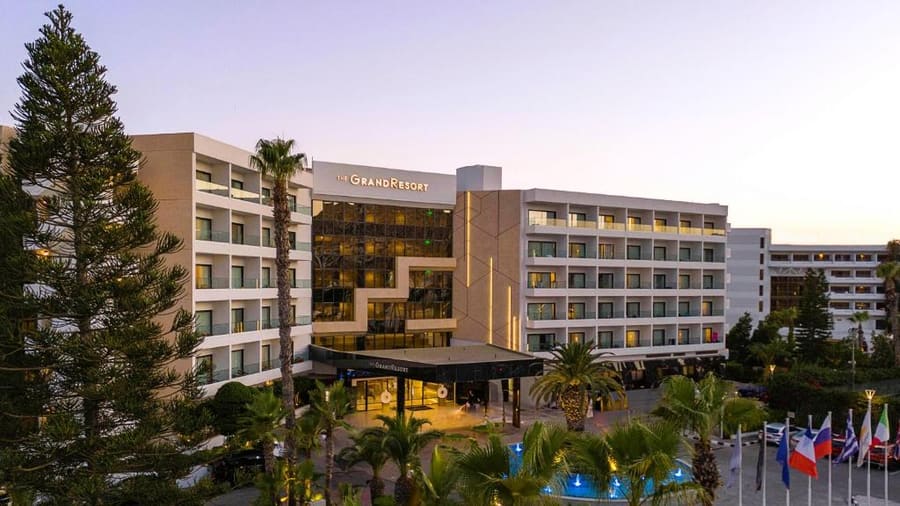
Choose your location based on how you want to move. Stay in the Old Town if you prefer walking to local tavernas and historical sites. Choose the eastern coast if you want direct beach access and self-contained resort facilities.
Live rates, matched to the areas above.
transport
Limassol is shaped like a thin ribbon along the sea. Public transit relies on buses, primarily coastal route 30. Taxis use meters, but rates rise significantly after 20:30.
Desde Larnaca International Airport (LCA)
Limassol Airport Express runs direct to Saint George Havouzas terminal.
Official airport taxis charge flat rates that increase at night.
Route 30 runs from the Parklane Resort to the New Port along the main road.
You cannot easily hail taxis on the street. Ask a restaurant to call one.
Taxi meters switch to a higher night rate between 20:30 and 06:00.
cost
Limassol is the most expensive city in Cyprus. High-end dining and marina prices rival Western European hubs, though traditional inland tavernas remain affordable.
Per person cost for a complete multi-course meal in the Old Town.
Waterfront cafes charge higher prices than inland spots.
Standard entry ticket for the archaeological park.
seasonality
DEC – FEB
Daytime temperatures sit around 17°C. Perfect for archaeological sites, but sea water is too cold for swimming.
MAR – MAY
Spring blooms across the coast. Comfortable walking weather before summer heat arrives.
JUN – AUG
Temperatures top 34°C. High resort rates and full beaches make mid-day walking difficult.
SEP – NOV
Warm sea waters persist into November. The September wine festival draws crowds to the municipal park.
practicalities
Cyprus drives on the left side of the road due to British historical influence.
Smaller family-owned shops close early on Wednesday afternoons.
Bus drivers only accept cash payments and struggle to break €20 notes.
Power outlets use three-square-pin British plugs at 230V.
Many urban beaches feature dark grey pebbles rather than soft sand.